It was the fall of 2007. I was in seventh grade, heading in for my routine back-to-school eye exam. This time, though, the doctor kept me waiting far longer than usual. I had already flipped through every magazine in the room, my legs bouncing with impatience, my mind wandering to what might be for dinner. When the doctor finally walked in, I’ll never forget the look on his face as he said, “You’ll need to see a neurologist.” In that instant, my brain went to a very strange place: Isn’t that what Dr. McDreamy does? I imagined storylines from Grey’s Anatomy, panicked, and tried to prepare myself for something I didn’t yet understand.
My mom immediately started asking questions—“Why? Is this normal?”—and the doctor explained that he had seen something on my optic nerve that required further examination. Then he asked if I frequently got migraines. I was only twelve, but migraines had been part of my life for years. People often thought I was a hypochondriac. “She’s just a kid, why does she have migraines?” they’d say. My mom had chalked it up to puberty, but hearing the doctor’s concern made us both anxious. We left the office with heavy hearts, caught between the need for answers and the fear of what those answers might be.
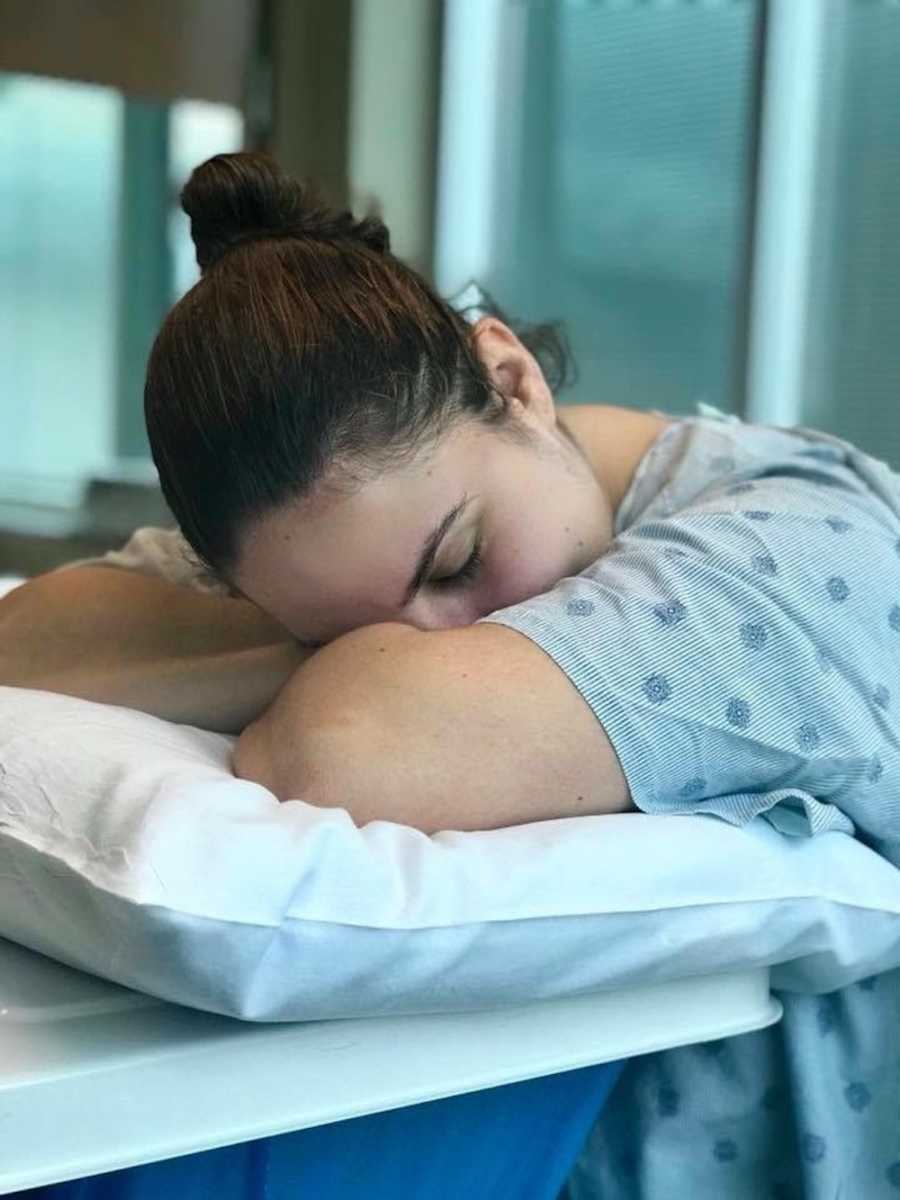
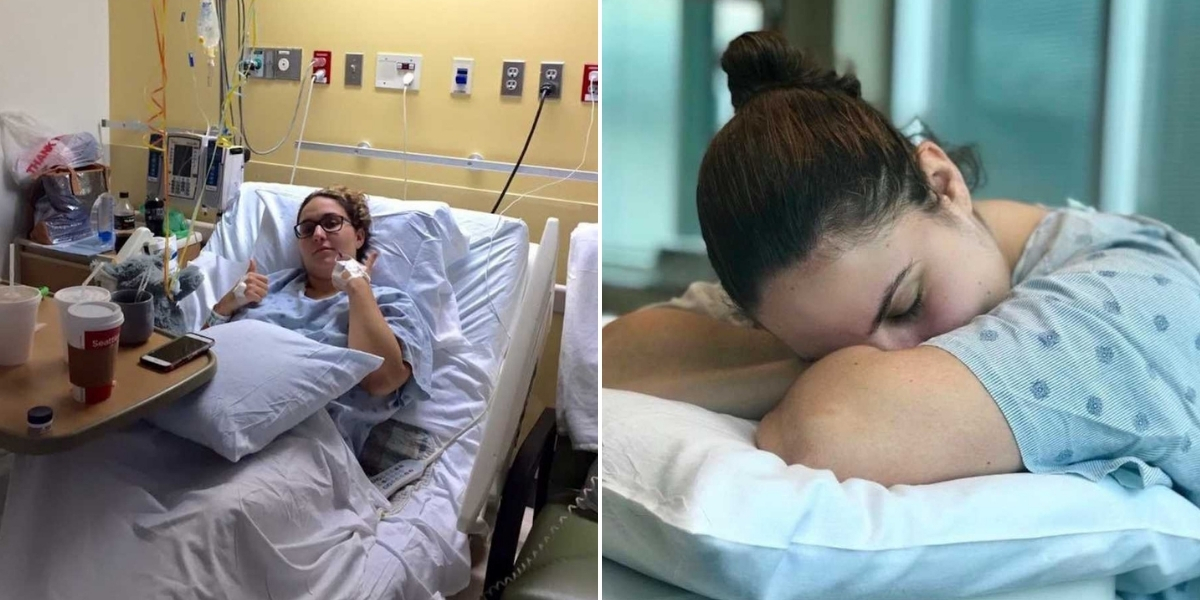
Soon after, we visited a neurologist and began a battery of tests—MRIs, CT scans, and spinal taps. Each procedure meant missing more school. Middle school is challenging enough, but trying to navigate it while feeling constantly unwell made it even harder. I had to stop dancing, something I loved, and give up cheerleading. Friends didn’t understand what I was going through because I didn’t “look sick.” I was labeled the “sick girl” and felt more isolated than ever. Many friends drifted away, but the few who stayed, along with the school play, kept me afloat. Preparing for my role as Peppermint Patty in You’re a Good Man, Charlie Brown, I found a temporary escape from my reality, losing myself in the lines, the character, and the stage. I also vividly remember making my mom watch High School Musical with me after every spinal tap, so I could stay flat and avoid the crippling headaches.
Eventually, the test results came back, and I was diagnosed with a rare brain disorder: Intracranial Hypertension (IH). At first, it was hard to process. The diagnosis explained the migraines, the blurred vision, and the risk of vision loss if left untreated, but it also left us with more questions. IH involves a buildup of fluid that presses on the optic nerve like a tumor—but unlike a tumor, it can’t be removed. Finding support was difficult; it’s rare, and many family members and friends couldn’t fully empathize. I had hoped a diagnosis would end the “hypochondriac” talk, but in some ways, it made it worse. Now, looking back, I understand the loneliness and frustration of dealing with a rare illness. Feeling misunderstood can be crushing, but eventually, you find your tribe.
The treatment plan offered two paths: medication or surgery. Because it was the middle of the school year and I had already missed so much, we decided to try medication first. Diamox, the drug I was prescribed, quickly earned a reputation as the devil. It caused constant tingling in my feet and toes and wreaked havoc on my stomach, sending me to the nurse’s office repeatedly. Months of trial and error with the medication proved that this was no way to live, and we made the decision to move forward with surgery.
Since March 2008, I have undergone four brain surgeries: one lumbar shunt, one revision, one removal, and one right transverse sinus stent. Each surgery brought new challenges, though over time, they became more manageable. I’ll never forget the fear that accompanied each procedure. After my first shunt, I asked, “How will I know if it fails?” The doctor’s simple reply was, “Oh, you’ll know.” A year later, while working as a camp counselor, I lost my vision mid-day and became separated from a camper. I kept calm, finished the day, and shortly after, underwent my revision. That experience terrified me, and the doctors weren’t sure if my vision would fully return.
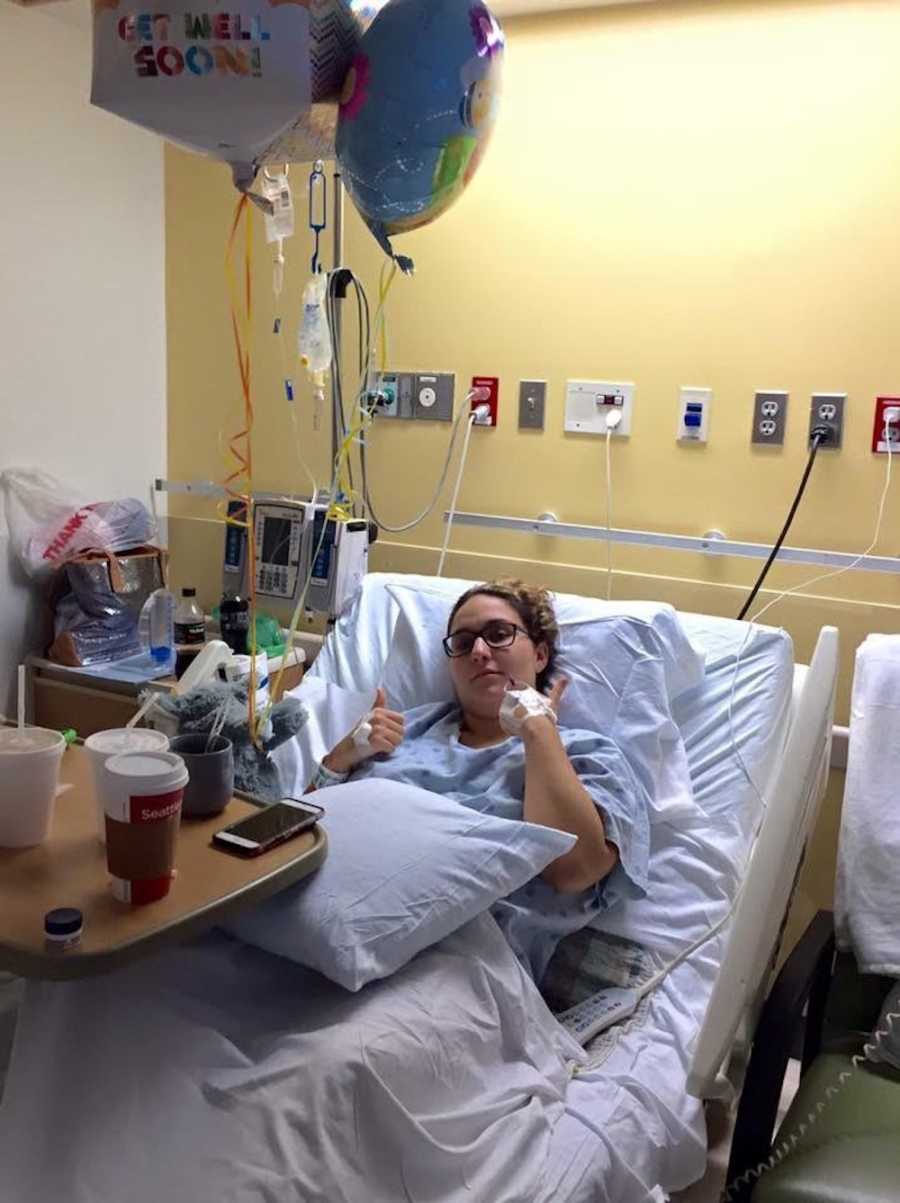
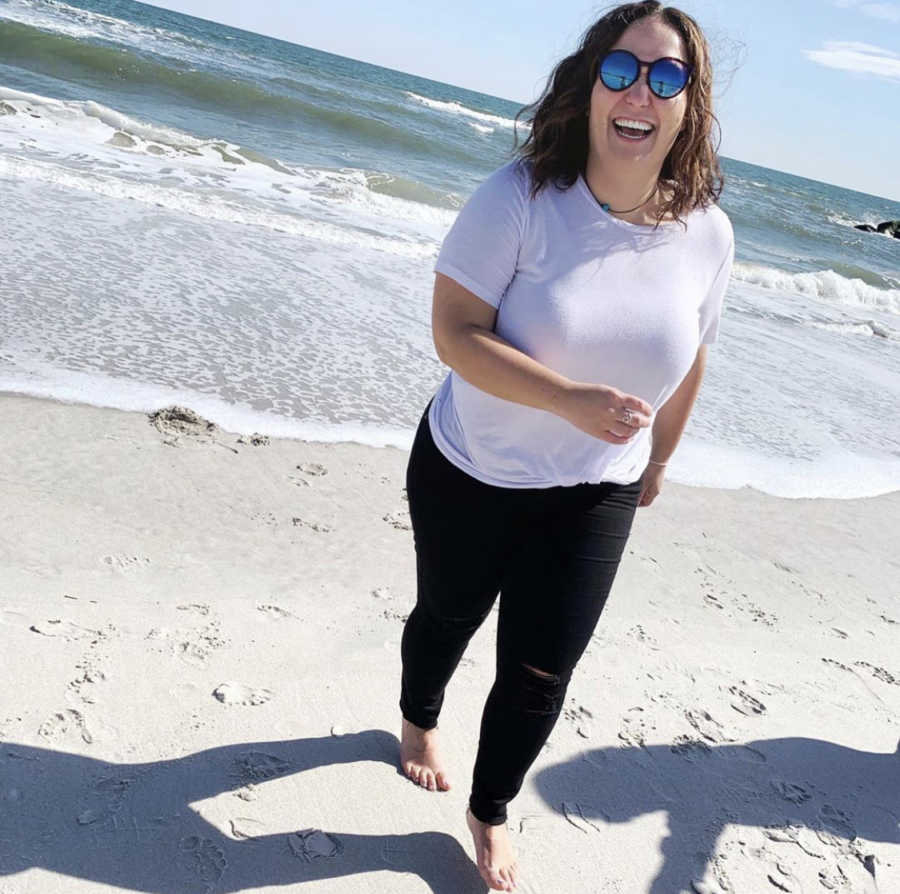
Eventually, I explored alternatives and discovered that Johns Hopkins was performing stenting procedures—but I had to qualify. I began making trips from New York to Baltimore, taking the risk of removing my shunt and living on Diamox until I could receive the stent in 2016. Today, I have never been happier. The stent has brought me relief, and I finally live with less constant anxiety. While chronic illness will always carry some worry, this chapter allowed me to regain control and hope. It also led me to discover my passion for acting. That school play, Peppermint Patty, carried me through some of my darkest days, and I realized how much I loved storytelling and empathizing with characters. Today, I teach drama to help students learn empathy and self-expression, sharing the gift that once helped me survive.
Living with a rare chronic illness teaches you so much—not only about medicine, but about people and yourself. You discover who your true friends are, who can empathize, and how resilient you can be. On days when isolation and uncertainty feel overwhelming, you are reminded of those who support you or those who face even greater struggles. Today, communities on social media make it easier than ever to connect, share, and support one another. To anyone navigating a rare illness: you are not alone. We’ve got this.