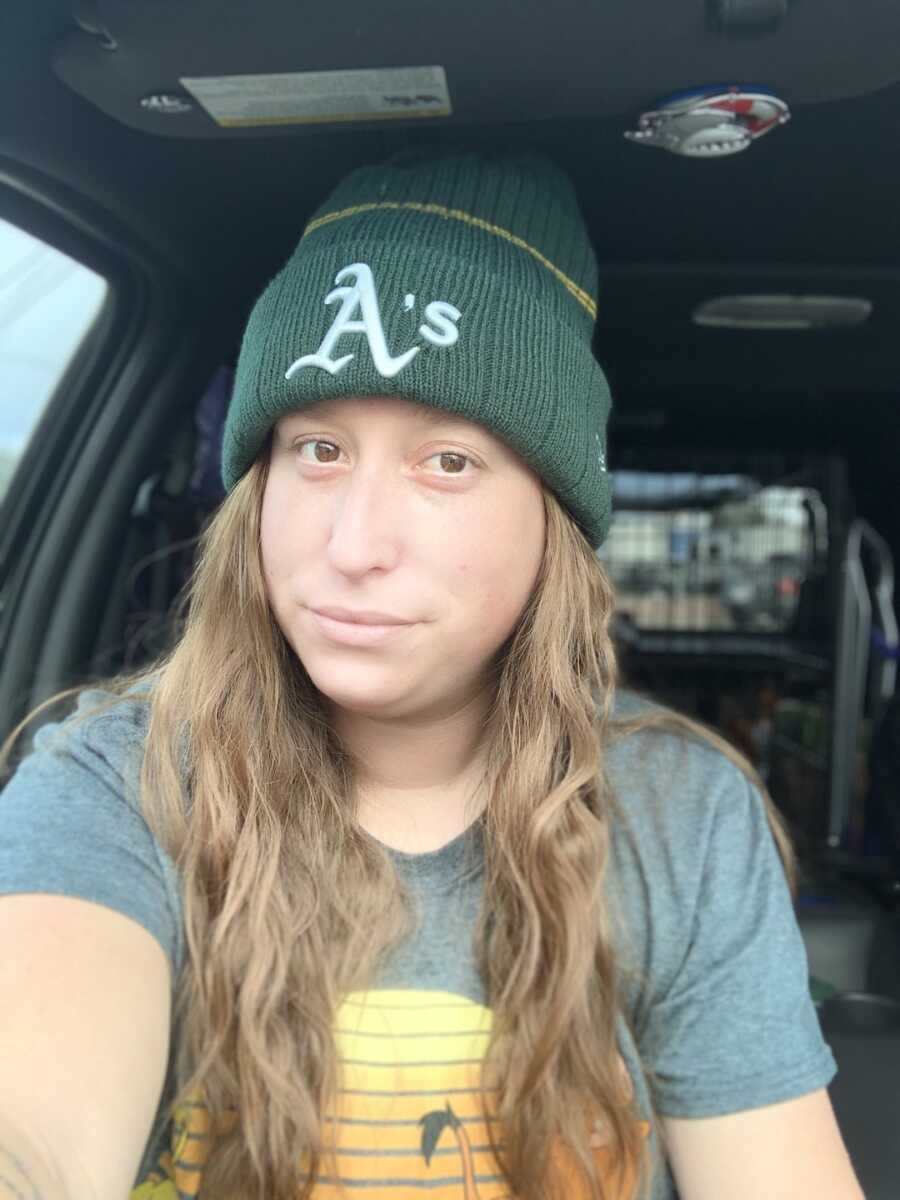
When I was in elementary school, back in first grade, my teacher noticed something that would change the course of my early education. She saw that I was struggling to keep up with the rest of the class—especially with reading, writing, and speaking.
As a child, I found reading and writing incredibly challenging. At the end of each assessment, my teacher would ask me to retell the story, and I couldn’t remember a thing. The words would simply go over my head, leaving me frustrated and anxious. I’d have to start all over again, and it quickly became clear that I was behind my peers. Completing assignments felt like running a race with weights tied to my legs. I often felt defeated, upset, and anxious that I couldn’t finish tests or quizzes as quickly as everyone else.
Eventually, I received a diagnosis: I have a learning disability called RELD, or Receptive and Expressive Language Disorder.
If you’ve never heard of RELD, let me explain. It affects two critical areas of language. Receptive language is how we understand what others say, do, or write. Expressive language is how we communicate so others understand us. I struggle with both.
Because my disability is invisible, many people didn’t believe I had any learning challenges. To them, I seemed like just another student, so they were often skeptical when I shared my struggles. Hidden disabilities are tricky like that—they’re not obvious at first glance.
After my diagnosis, I transitioned fully into Special Education classes, which provided the support I needed. When I told my friends, some were surprised. They said, “You don’t look like you have a learning disability.” I explained that my disability is invisible—they couldn’t see it—but it didn’t change our friendship. They didn’t judge me or treat me differently. Knowing that my friends accepted me for who I was gave me a sense of relief and comfort.
At school and at home, I often found myself asking, “Could you repeat that?” over and over again, just to understand what was being said. It was exhausting, and sometimes I felt like giving up, especially when it came to English or math homework. Frustration would pile up quickly, and I felt like I was constantly hitting a wall.
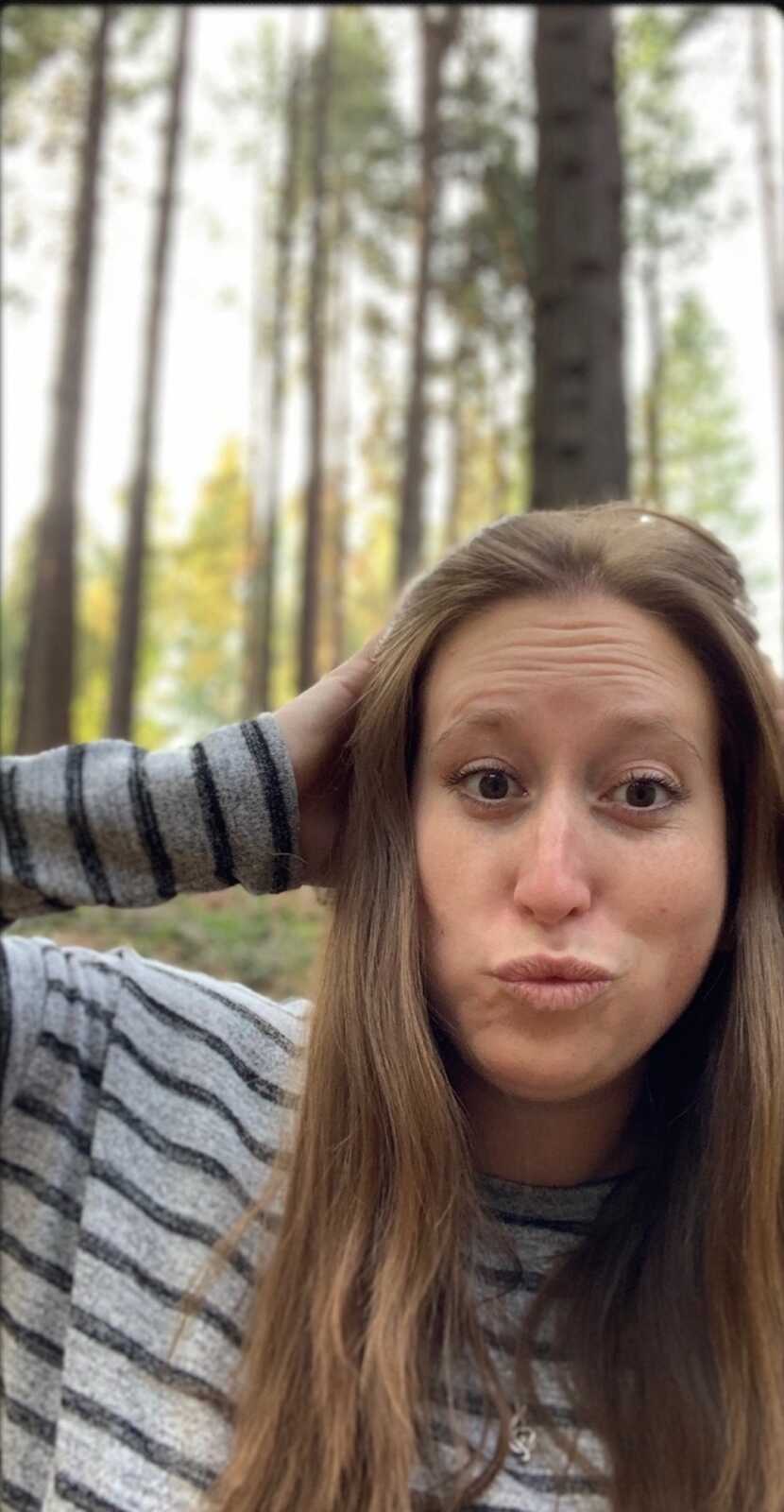
Even now, when I write or post online, I still misspell words frequently. I have ideas in my mind and I want to express them clearly, but sometimes they just don’t come out the way I hope.
So how have I learned to live with a learning disability?
I’ve built my self-confidence slowly, celebrating even the smallest victories, and keeping a positive mindset. My parents were instrumental in this journey. My mom helped me understand that switching to classes with more support was a good thing—it meant I could learn at my own pace. She has been my unwavering supporter from day one, always reminding me that I can do anything and never treating me differently from my siblings. Her love and belief in me have been constant anchors in my life.
RELD affects me every day. I often need instructions repeated or explained step by step to understand and remember them. Completing tasks sometimes takes longer, and occasionally I forget or procrastinate. Reading is one of my passions—I can get lost in books for hours—but when I encounter words I don’t know, I look them up and ask someone to help me understand. It’s a slow process, but it works.
The lesson I’ve learned is simple but powerful:
It’s okay if you accomplish things more slowly.
It’s okay if tasks others find easy feel difficult to you.
It’s okay to fall behind—you will still reach your destination.
The most important thing is to embrace yourself, be patient with your journey, and know that you have nothing to lose by being exactly who you are.