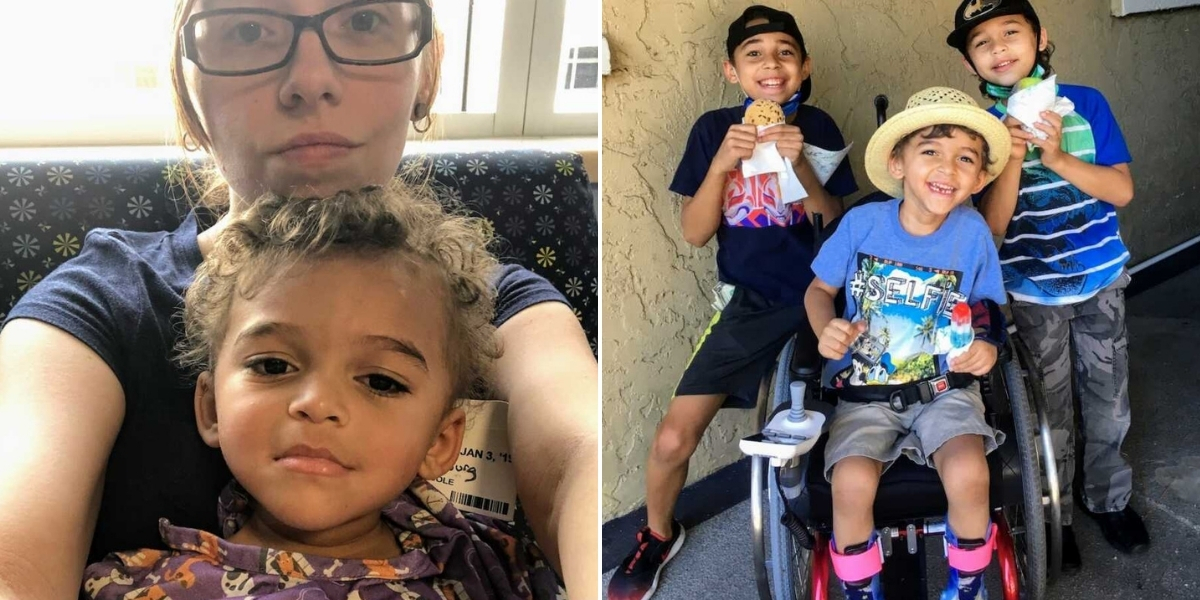
On April 29, 2016, Isaiah-Levi Anthony Johnson entered this world. The nurse placed my perfectly healthy baby in my arms, and in that instant, my heart was full. He was to be my last baby, and I promised myself I wouldn’t rush through his early years. I would savor every precious moment of his infancy—the sleepless nights, the tiny giggles, the baby smell, and even the chaos. He was perfect. No one in my family had ever been diagnosed with any disabilities or genetic disorders. Isaiah hit all his developmental milestones on time and appeared completely healthy.
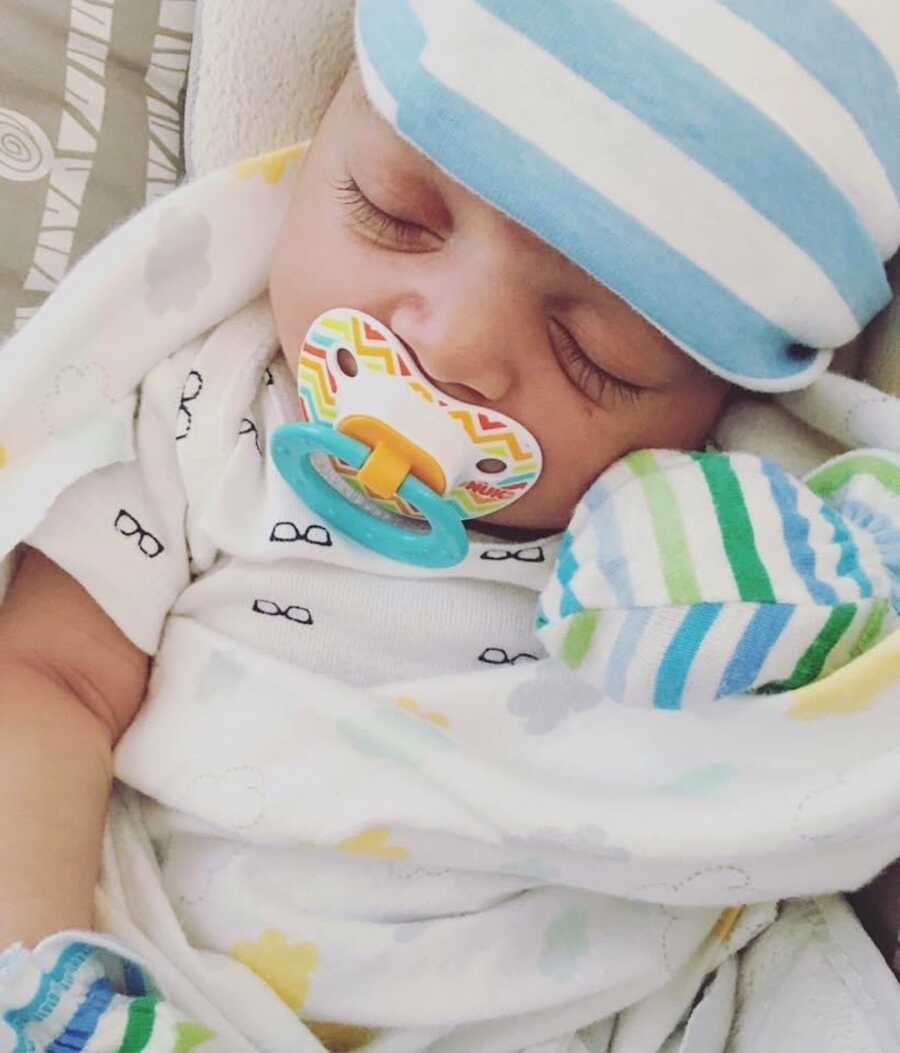
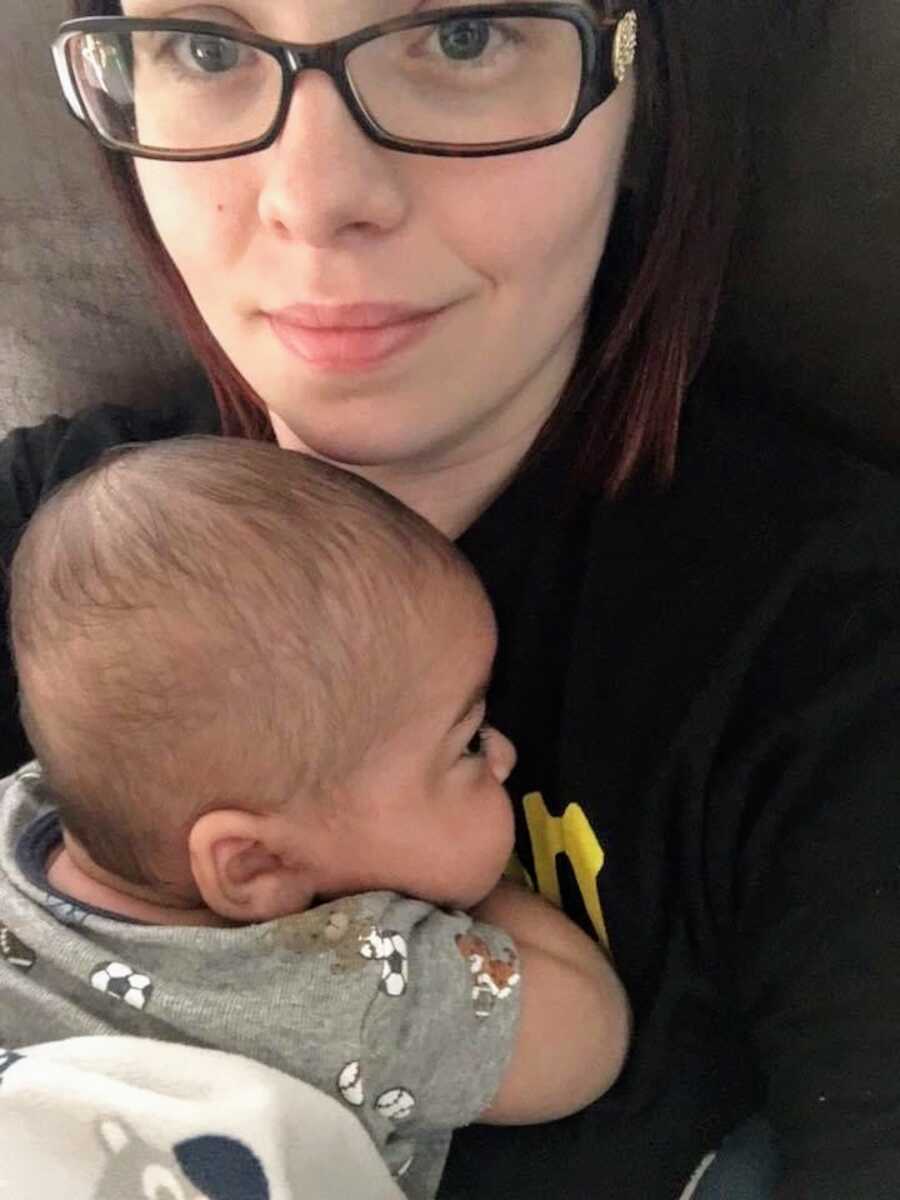
All any parent wants when they bring a child into the world is a healthy baby. That was our reality… at first.
By January 2018, life was bustling. I had started nursing school while raising three young boys, all under eight. It was finally my turn to pursue the degree I had always dreamed of. Amid the chaos of classes, homework, and three energetic boys, I was determined to finish.
But later that year, when Isaiah was just two years old, I began to notice something unusual. On July 11, 2018, I watched him push himself up from the living room floor after one of his frequent tumbles. That’s when I saw it—his scapulas were protruding, winged as he climbed his hands up his legs to stand. This movement, known as the “Gower’s sign,” is a classic indicator of muscular dystrophy. Children with this condition often have weak hip muscles, making standing difficult. At the time, I had no idea what it meant. I just knew my sweet little boy looked… different. His “baby” walk hadn’t evolved, and he fell multiple times every day. My first thought was that he had simply hurt himself.

I took him to his pediatrician, hoping for reassurance. She said he was “just thin” and “small for his age,” brushing off my concerns about his scapulas. But deep down, I knew something wasn’t right. Mothers often know, in a way that can’t be explained.
I insisted, and eventually, we were referred to an orthopedic specialist. The office was inside an older hospital, grey and clinical, more focused on broken bones than toddlers. The appointment felt rushed. After a five-minute assessment and some x-rays, the physician told me he saw “no injury” and suggested a soft tissue problem. He advised getting an MRI. I left feeling lost, frustrated, and unheard.
At the hospital, the waiting room was empty, and we were seen quickly by a nurse practitioner. She was kind but unconvinced anything serious was wrong. At first glance, Isaiah looked like an average toddler: clumsy, cheerful, and full of energy. She refused an MRI without clear reason, referring us instead to an outpatient orthopedic evaluation for possible nerve irritation. The earliest appointment was two weeks away, a two-hour drive from home.
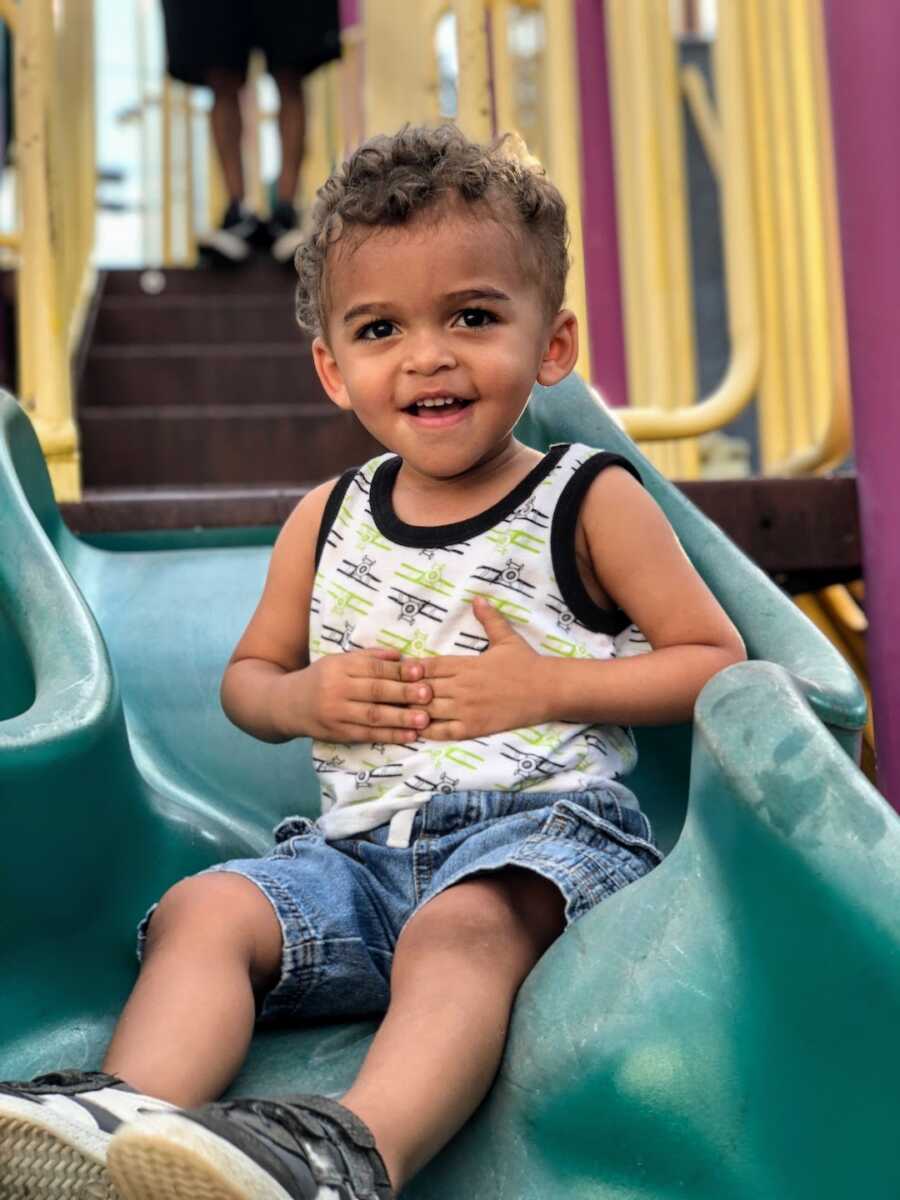
On Friday, July 27, 2018, at 3 p.m., Isaiah was seen by two doctors and a nurse practitioner. He loved the attention, running up and down the colorful halls, smiling and playing as they studied his movements. After an hour of observation, the lead physician returned, his face solemn. My joyful boy was unaware of the gravity in the room.
The first words he spoke to me that day will forever echo in my mind:
“I believe it’s something bad… I believe he has muscular dystrophy.”
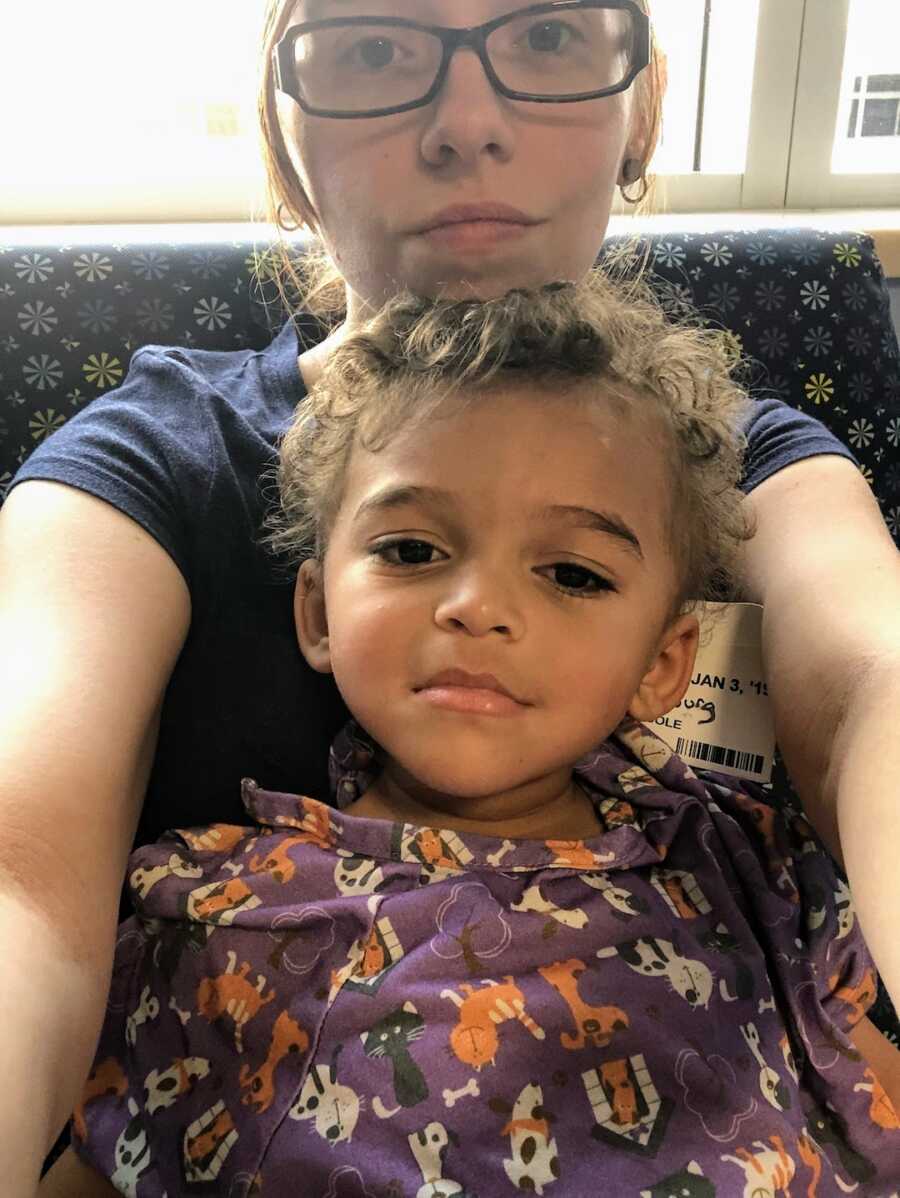
The words hit like a thunderclap. I felt airless, frozen. Muscular dystrophy. Genetic. Fatal. I couldn’t hear anything else. We left the office with another referral, this time to the MDA clinic. I carried my unsteady two-year-old to the car, his bright eyes oblivious to the storm of news, and for a long moment, I just sat there, unable to drive. I searched online. Images of children in wheelchairs, ventilators, and heartbreaking statistics filled my screen. I cried like never before.
The next day, I faced my pharmacology exam in nursing school—and failed. A 70. Nursing has no excuses, no allowances, and my mind was too heavy with grief to focus. Questions swirled endlessly: What type of muscular dystrophy? How fast would it progress? Were the doctors even right? Those early weeks were a haze of uncertainty, the “in-between stage” before a confirmed diagnosis.
By October 2018, at the Shriners Hospital MDA clinic in Tampa, genetic testing finally gave answers: LMNA-associated congenital muscular dystrophy. Isaiah’s case was incredibly rare—1 in 50 in medical literature. The mutation was spontaneous, completely random. No one could have prevented it. We were told there was no clear timeline for progression.
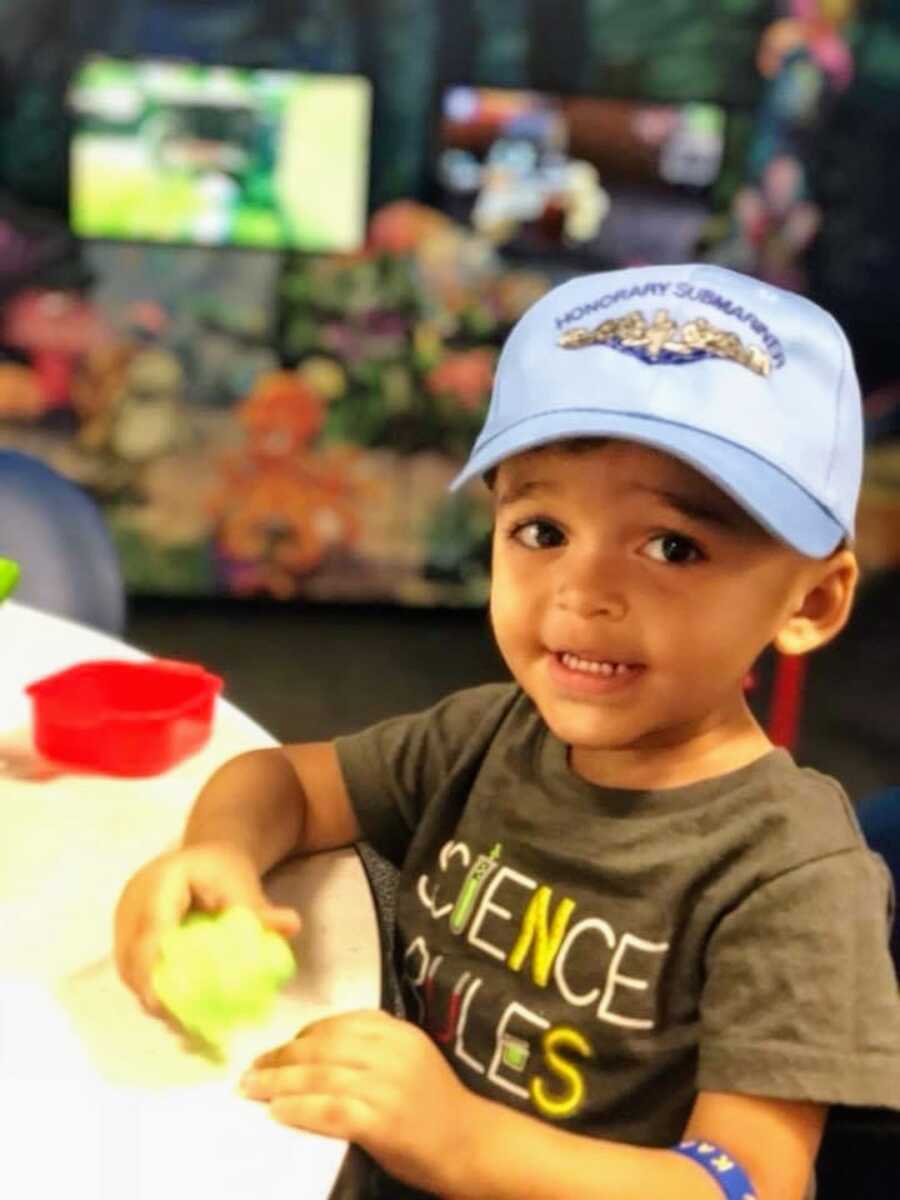
The grief was suffocating. I could barely eat, sleep, or think. It felt like a piece of me had died. Slowly, though, I began to research, schedule treatments, and advocate for my son. I learned LMNA-CMD affects the whole body: weak neck and upper body muscles, contractures in joints, and eventually, loss of mobility. Isaiah already required a wrist brace to protect against stiffness, and his spine would need regular X-rays.
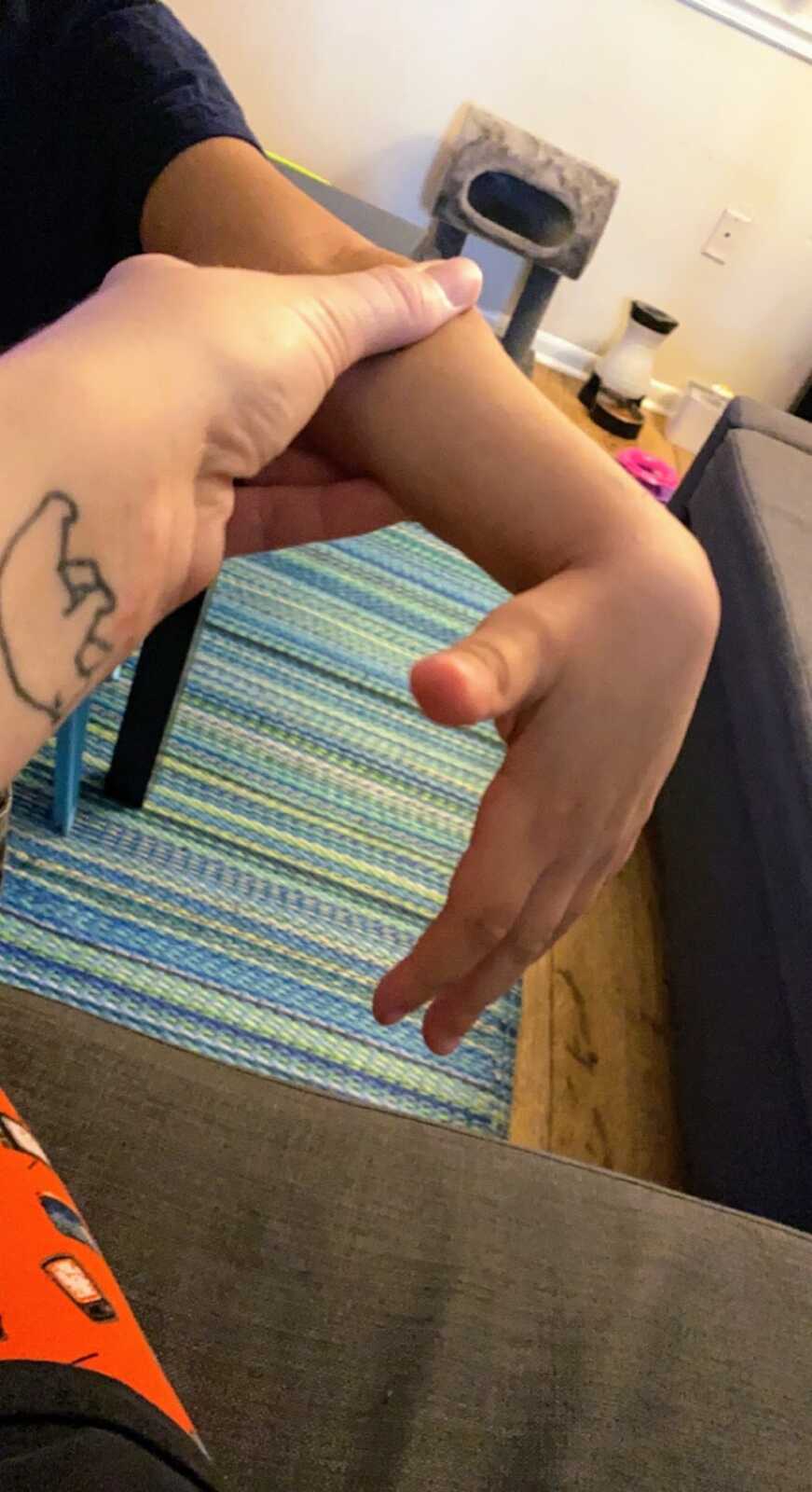
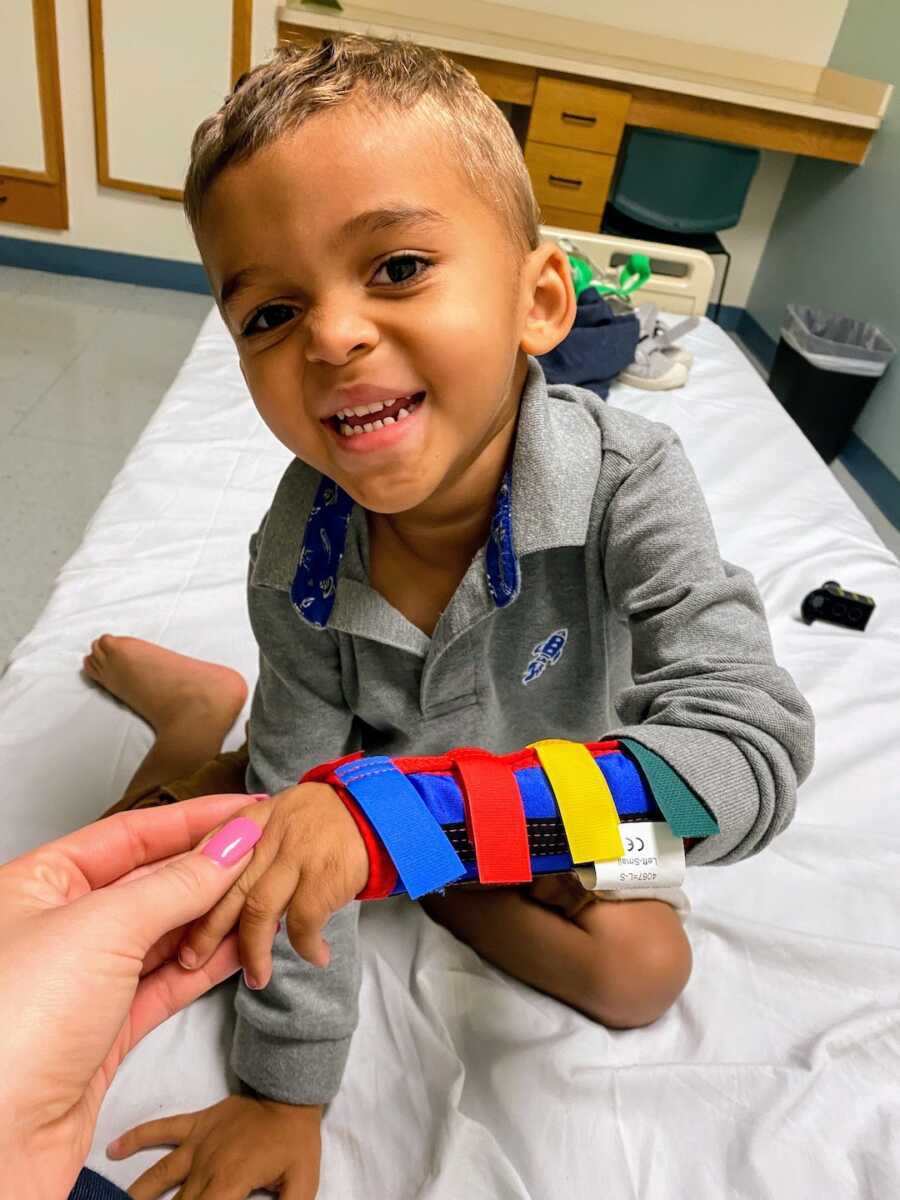
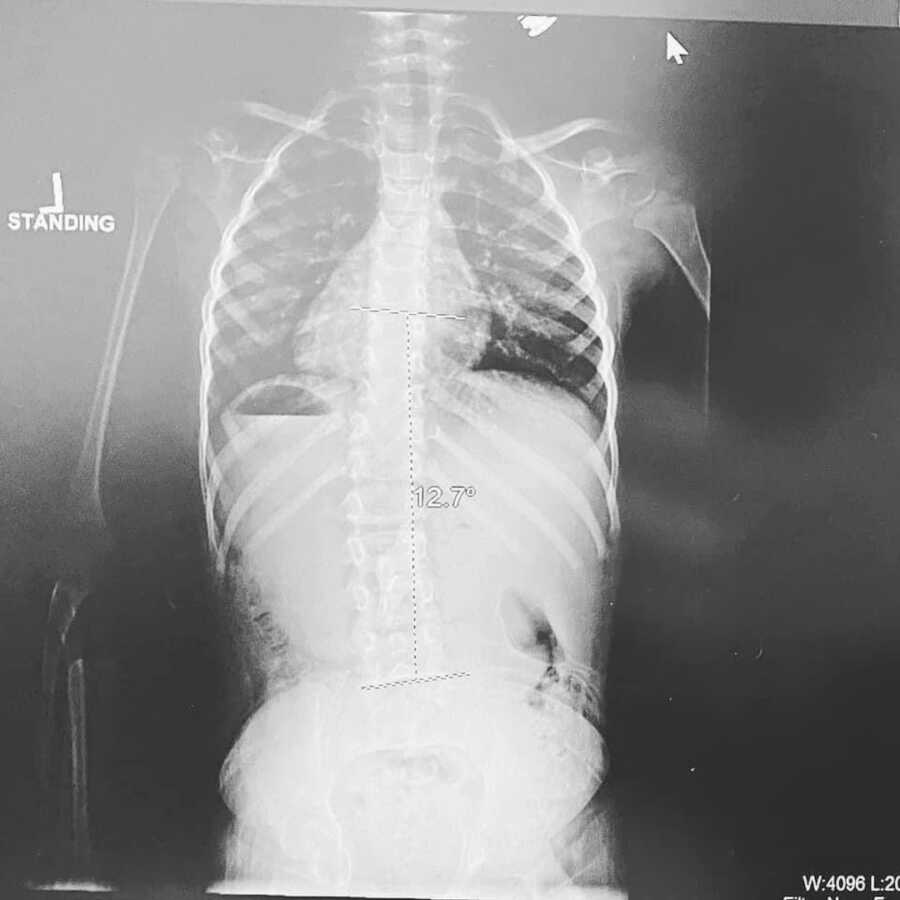
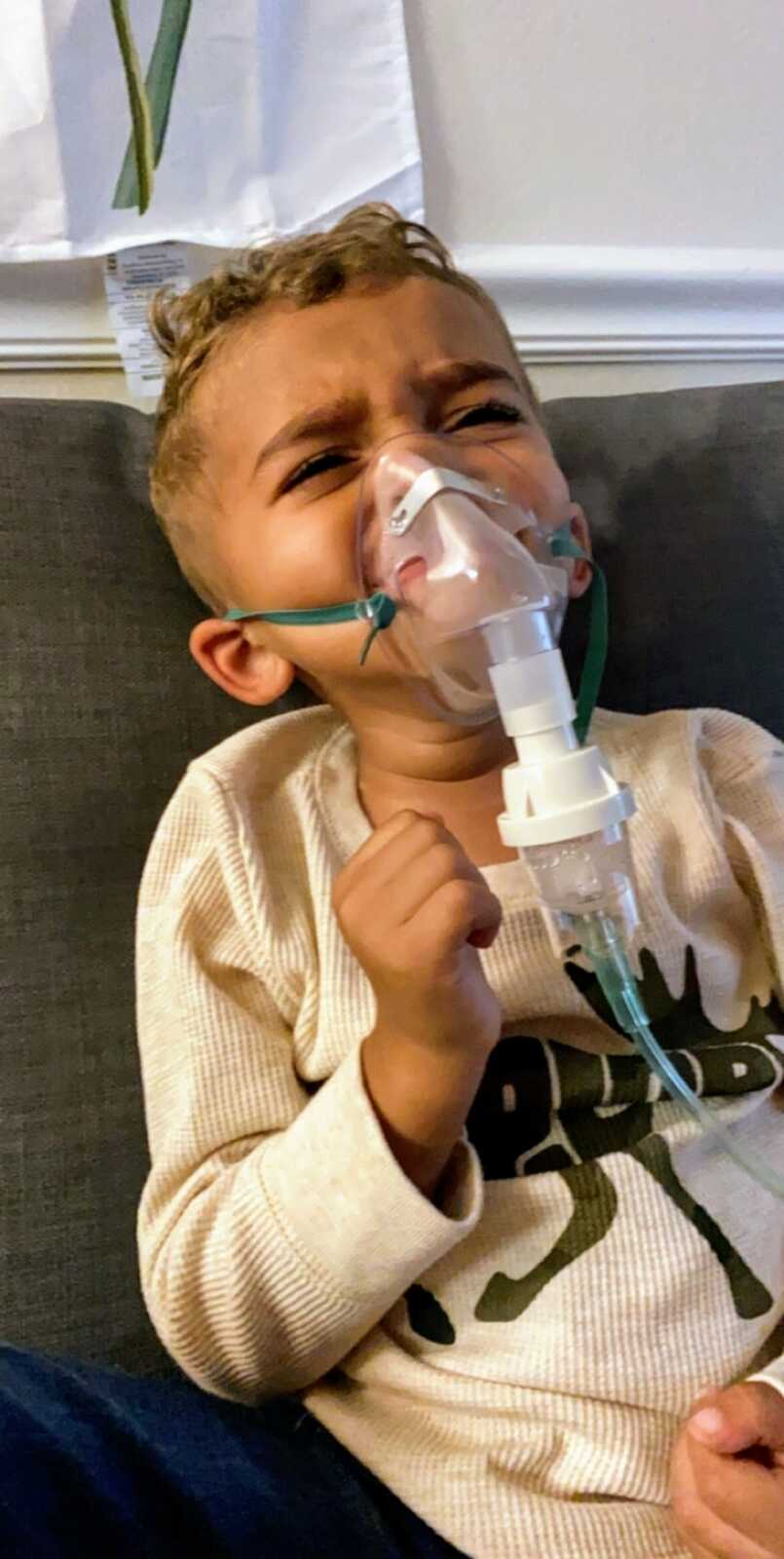
While Isaiah can still walk, he uses a wheelchair for long distances, and overexertion can worsen his muscles. Respiratory issues are common, so any cold requires frequent nebulizer treatments—a hated necessity. His heart is also at risk, monitored closely by a cardiologist. This disease is not a virus, not something you can cure—it’s in his very DNA. Isaiah always had muscular dystrophy; it had only just been revealed to me.
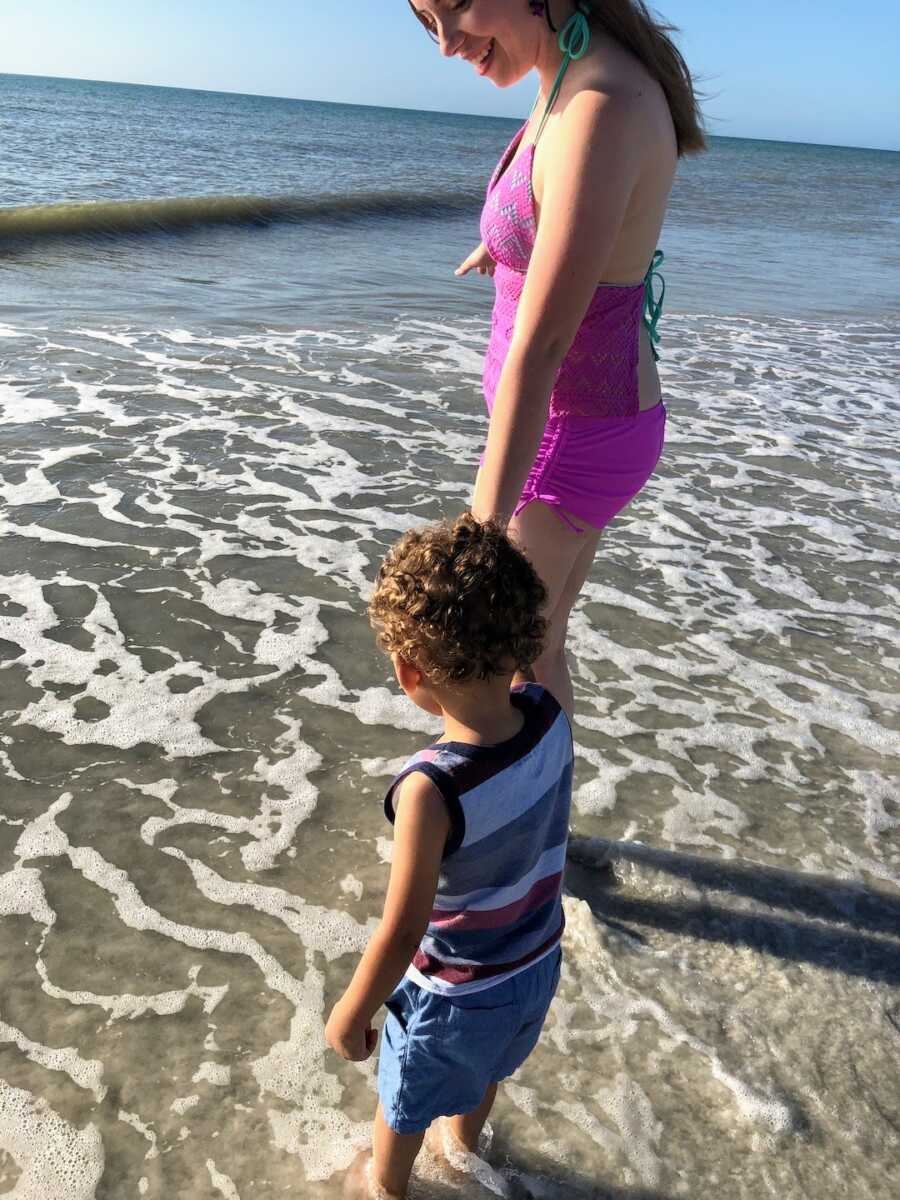
Once I allowed myself to grieve the child I thought I had, I could embrace the child in front of me. Life is uncertain, but Isaiah’s joy is not. In February 2019, I took him to the beach for the first time. Despite homework, nursing school, and exams, I held his tiny hand, splashed in the waves, and laughed with him. His giggles and toothy grin erased months of fear.
In March 2019, Isaiah faced his first hospitalization. High fevers, dehydration, and possible seizures had him monitored for days. Sitting on those thin hospital beds, surrounded by monitors and IVs, I felt powerless. My fear was matched only by my guilt: guilty for being scared while he remained brave.
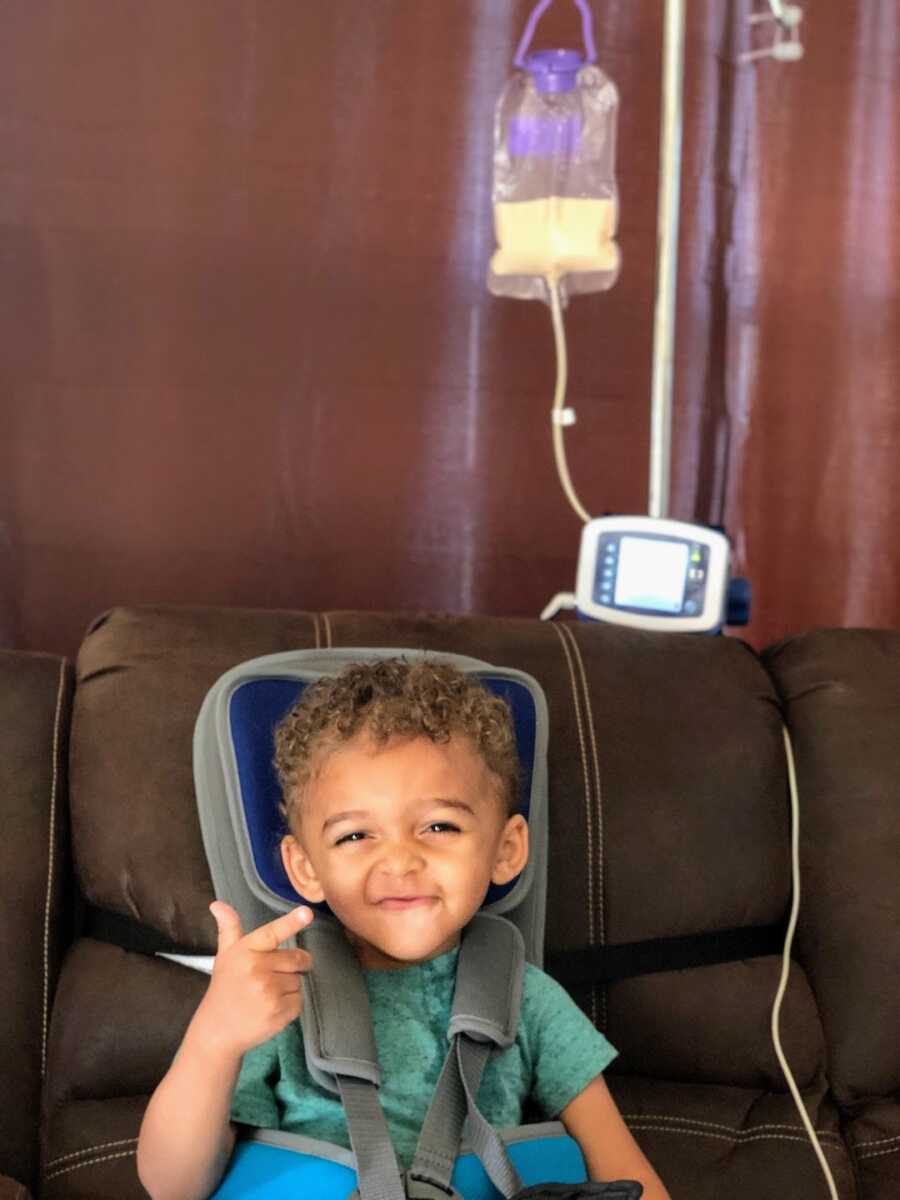
Soon after, Isaiah required a feeding tube due to jaw fatigue and difficulty eating. Surgery was terrifying—two trips to the OR, complications, and months of care—but he adapted. Now, he is tube-fed two to three times daily, sometimes assisting in his care.

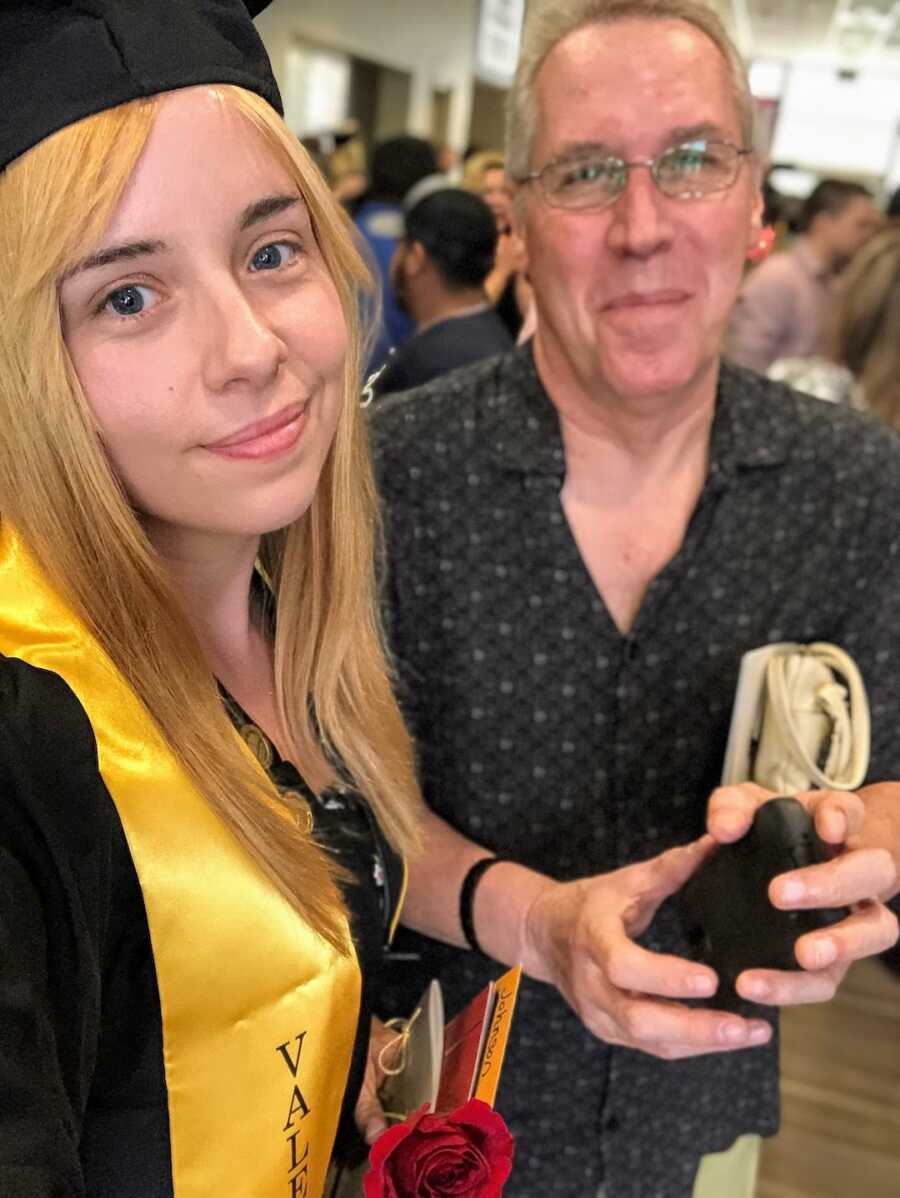
Despite all this, in April 2019, I completed my nursing degree. I didn’t plan to attend graduation, but my school called: I had been named valedictorian. With my dad by my side, I walked across that stage, carrying both pride and exhaustion.
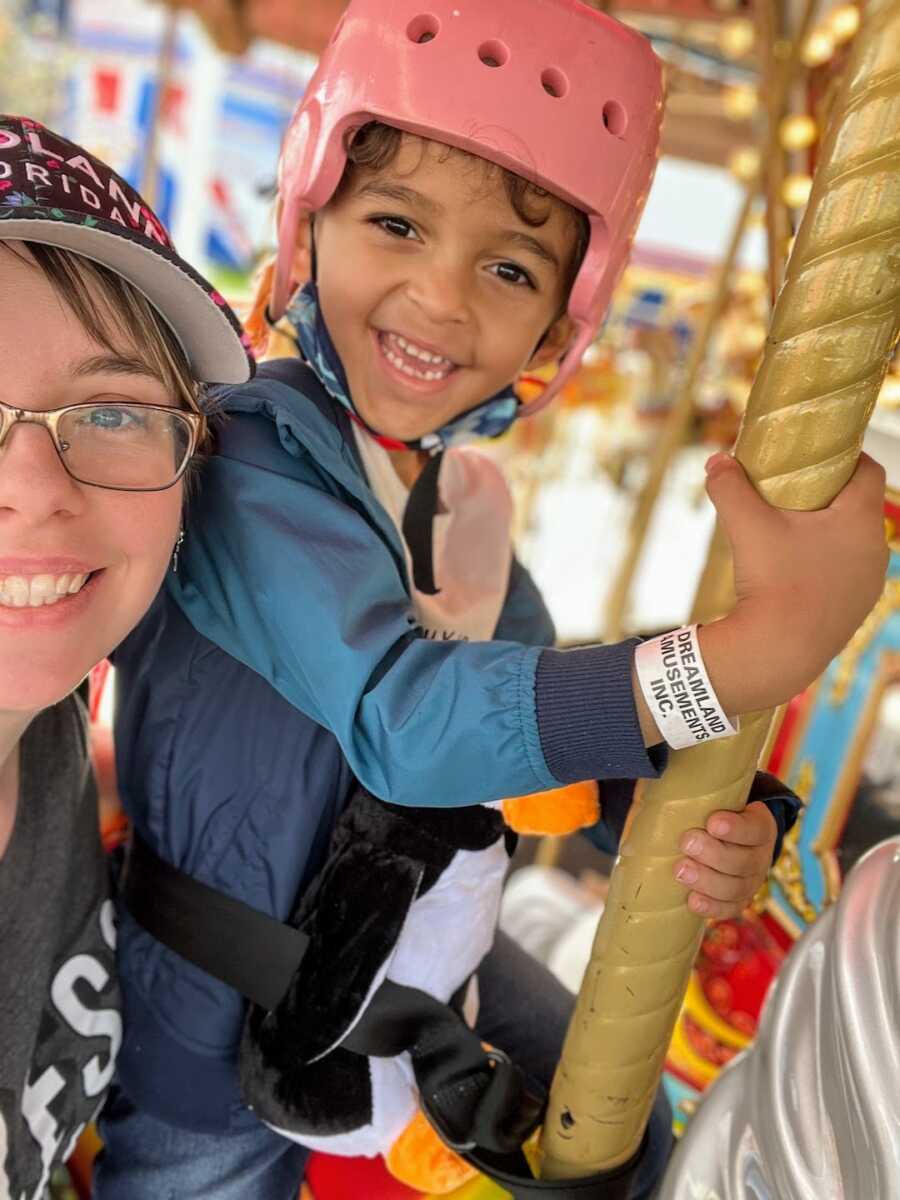
Isaiah is an extraordinary boy. He climbs jungle gyms, plays with his brothers, enjoys amusement rides, and loves Legoland. While his wheelchair, braces, and helmet are part of his life, they don’t define him.
The pandemic in 2020 brought new fears. Respiratory illness is the leading threat for children like Isaiah. I homeschooled my children, balanced therapies, appointments, and safety measures, and held onto hope for vaccines. In November 2021, Isaiah received his first dose.


My mission has become raising awareness. Many medical professionals don’t fully understand muscular dystrophy, its types, or its fatality. I don’t hope for a cure—I hope for today: that Isaiah can experience joy, adventure, and love.
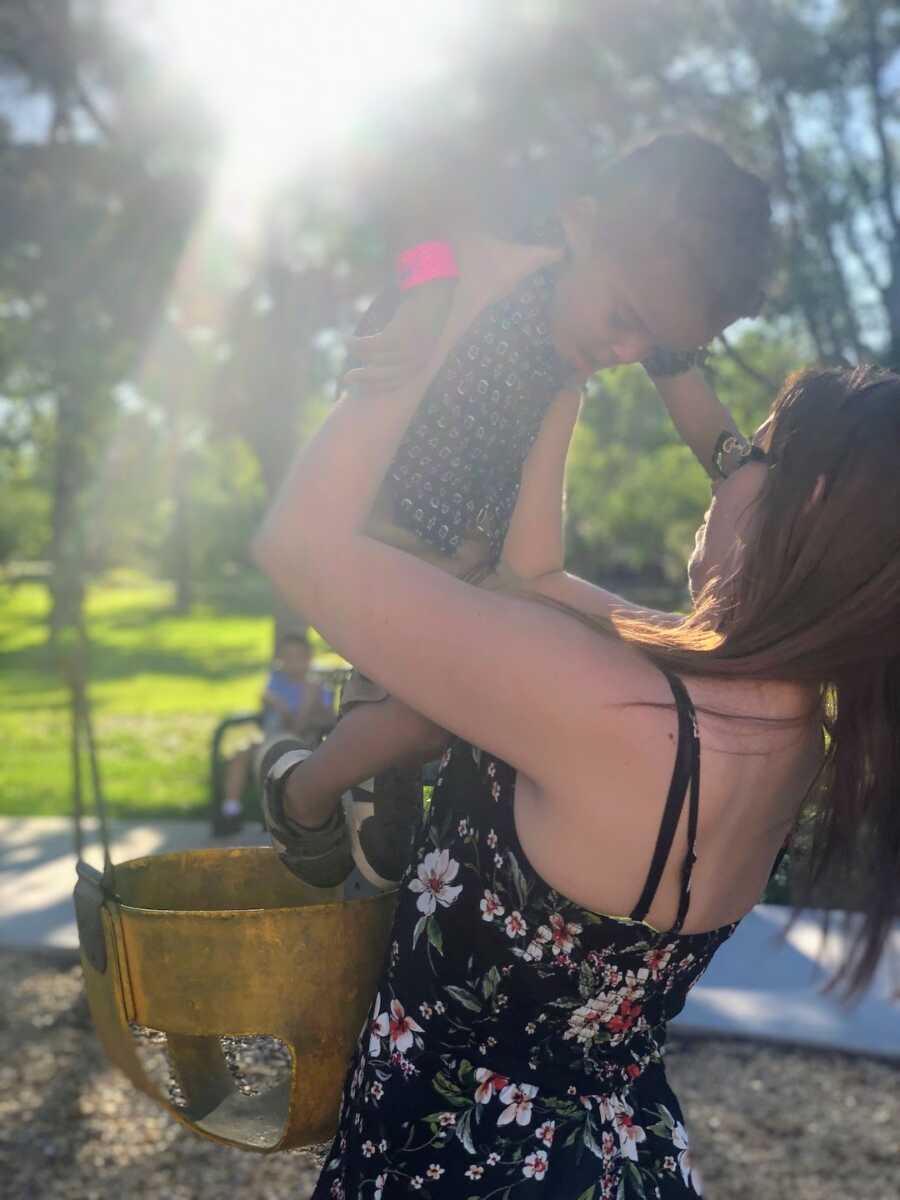
There are still moments of grief, fear, and uncertainty. But Isaiah fights every day, and so do I. We celebrate the small victories: trips to parks, beaches, zoos, and theme parks. He’s even been referred to Make-A-Wish, his dream being a camping adventure.
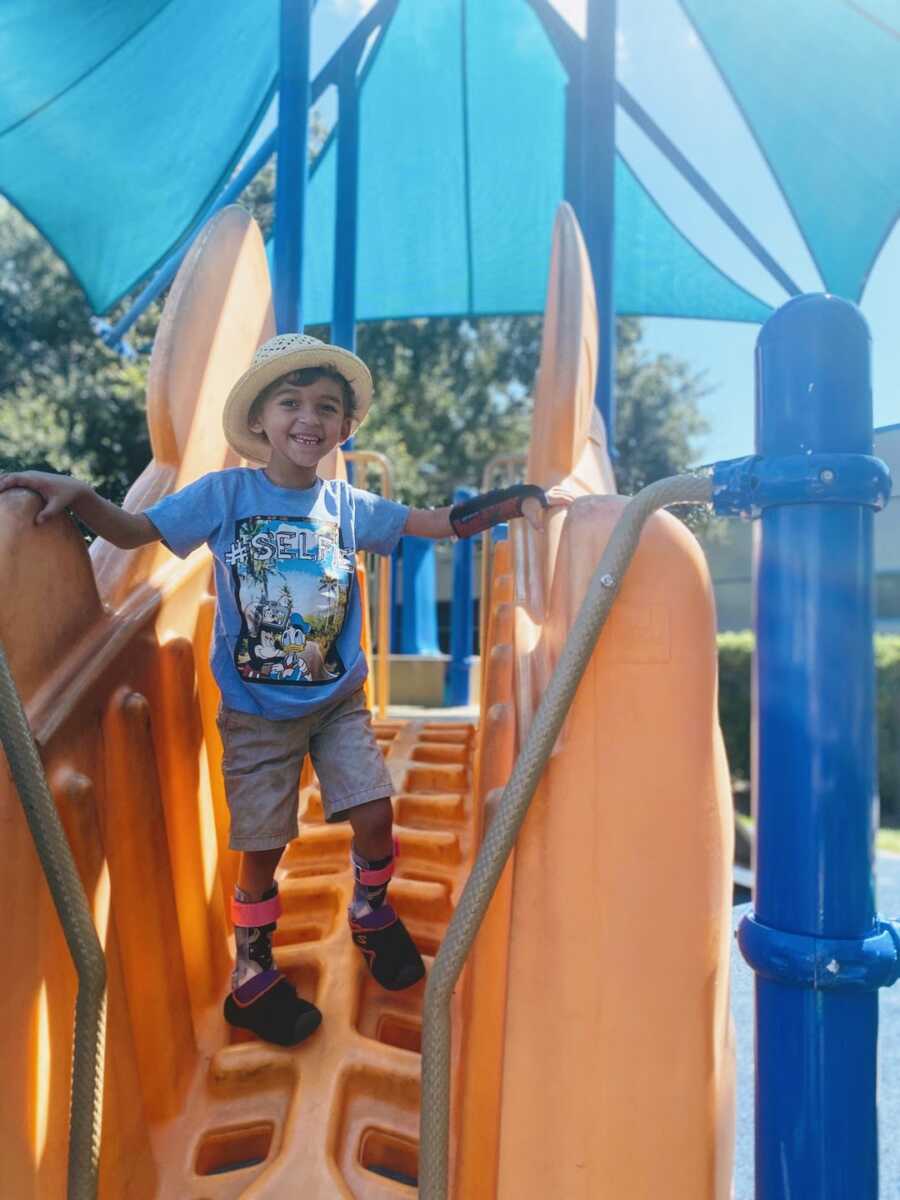
Isaiah continues to live fully, with bravery, laughter, and love. Muscular dystrophy may be unrelenting, but so is his spirit—and so is mine. Life is never promised; it’s borrowed. And every day with Isaiah is a gift we will cherish, fiercely, completely, and joyfully.