Trigger Warning: This story contains mention of eating disorders that may be triggering to some.
“I knew I was different as a kid. I could feel it on my face, in my words, in the sound of my voice. Different. It wasn’t something I could hide, no matter how hard I tried.
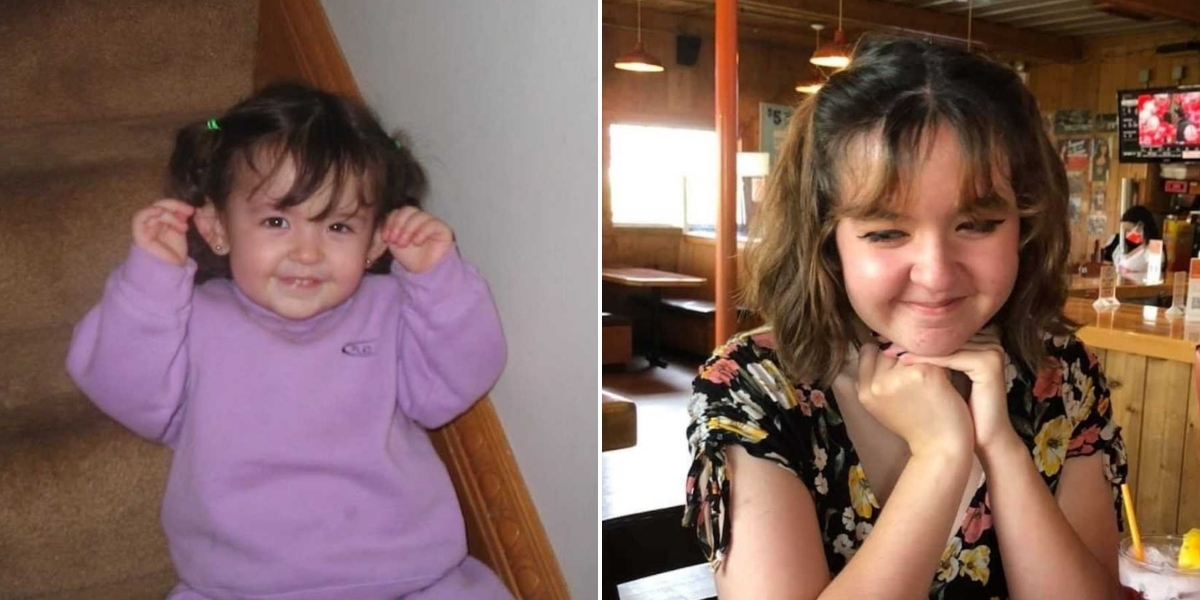
As a toddler, I seemed like a ‘good kid.’ I played alone happily, reached milestones early, and had no picky habits when it came to food. I talked endlessly and was eager to learn. I took all sorts of classes at the local college—ballet, tap, swimming, gymnastics, tumbling. Looking back, I might have seemed like a well-rounded child.
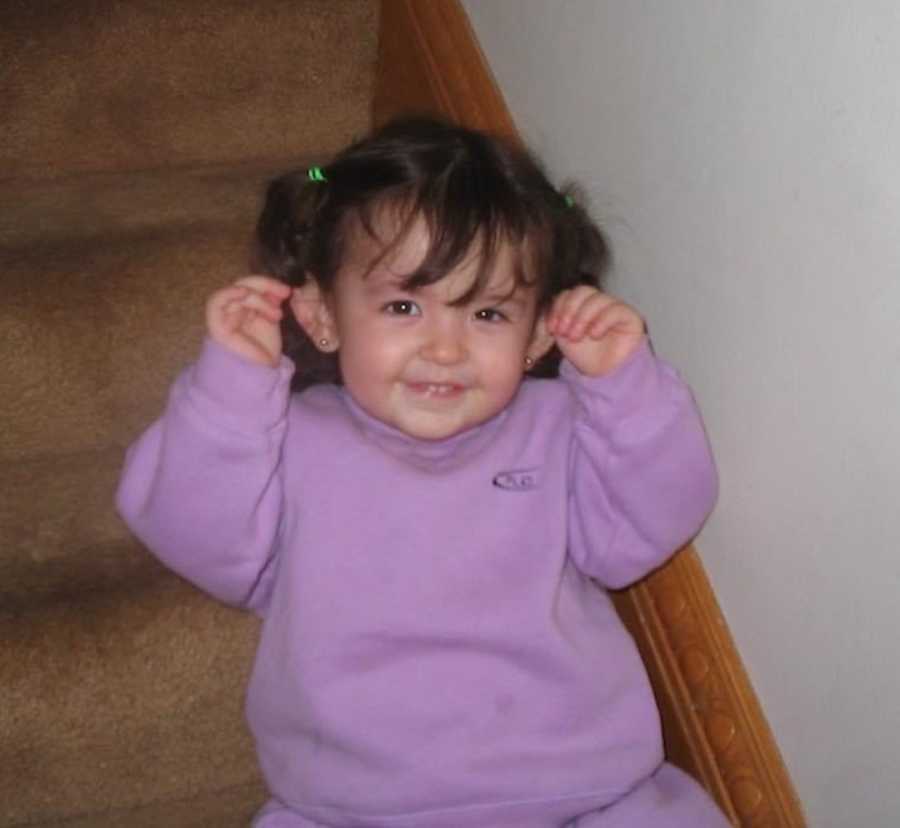
But beneath that normal exterior, I struggled. Severe separation anxiety clung to me like a shadow, and sensory sensitivities made the world feel overwhelming. I couldn’t sit through a single class without crying. I needed my parents close at all times. Loud noises, crowds, bright lights, or too many sensations at once could trigger a meltdown or force me to escape. It was almost like I was living two lives: one fearless, adventurous side that loved exploring the world, and another paralyzed by anxiety and fear. I was terrified of being alone and scared of anything that triggered strong feelings. And as I grew, that anxiety didn’t fade—it only deepened.
By first grade, my dad had to sit in class with me. Over the next few years, I slowly became more independent. By nine, I had grown out of most separation anxiety—but another shadow took its place: PTSD. Moving back and forth between Turkey and the U.S. since I was five, dealing with constant changes and family trauma, left me with nightmares that haunted me long after the events had passed.
School became another battleground. From fourth grade through middle school, I struggled with avoidance, unable to face classrooms without overwhelming stress. When I entered my teenage years, depression hit me hard. I felt both everything and nothing at the same time. The world was too loud, too bright, and too much—but inside, I sank into darkness and silence. This path led me to my first inpatient mental health hospitalization at just 14.
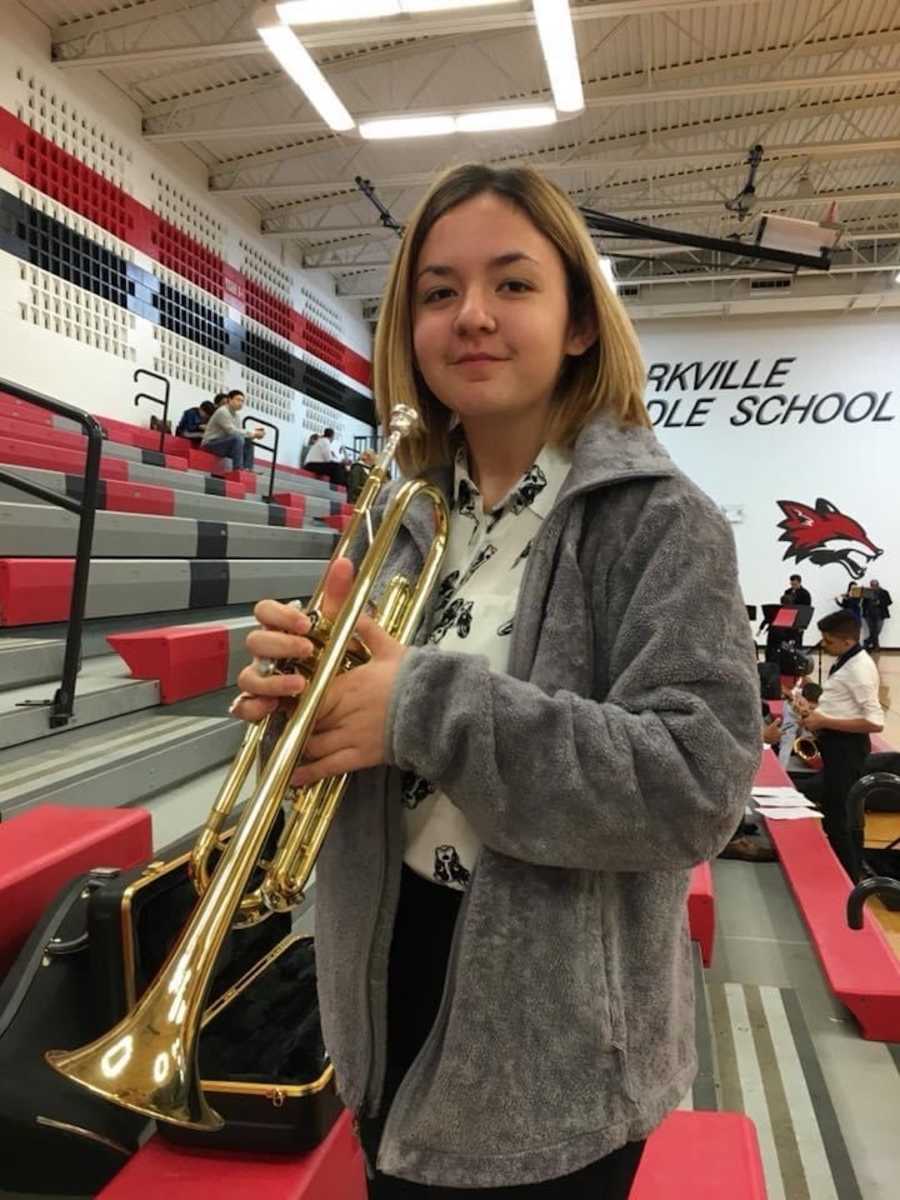
I was prescribed SSRI and SNRI medications, mood stabilizers, and antipsychotics, trying psychiatrist after psychiatrist. Most of it didn’t work. One psychiatrist even told me bluntly, “I can’t help you.” At the time, I didn’t know why I was so difficult to treat: I was autistic, and all the attention was focused on everything around me rather than what was inside me.
More hospital visits and outpatient programs followed. By 16, my list of diagnoses was long: Generalized Anxiety Disorder (GAD), Major Depressive Disorder, Obsessive-Compulsive Disorder, Anorexia Nervosa, Avoidant Restrictive Food Intake Disorder (ARFID), and Somatic Symptom Disorder.
Then came quarantine. During COVID-19, I noticed new physical symptoms—tics. In June 2020, I began blinking rapidly, jerking my head, and losing control over my body. I was terrified, convinced it was a brain tumor or some progressive disease. The ER diagnosed dystonia and accused me of misusing my grandmother’s medications. They ignored the fact these were classic tics—blinking, mouthing words, facial scrunching. My anxiety skyrocketed.
The tics fluctuated—they were calmer when I was focused and worse during emotional spikes. Using my hyperfixation tendencies, I researched obsessively, learning about movement disorders. After ruling out serious neurological diseases with my neurologist, I finally understood: I had a tic disorder. Over time, my tics evolved into Tourette’s syndrome. I was neurodiverse, navigating the world in my own way.
I still needed answers. I asked my primary care physician for a psychological evaluation to understand the root cause of my tics. My research suggested a link between tics, ADHD, and autism. After reviewing my work, he said, “I’m definitely seeing a spectrum disorder—it’s worth testing.” For the first time, besides my mom, someone saw what I had suspected since childhood.
The evaluation was frustrating. They tested for everything but autism and ADHD. I had identified clear traits in the DSM-5, but the psychologist dismissed them. I walked away with a diagnosis of Somatic Symptom Disorder instead. It was my primary care doctor who ultimately gave me the validation I needed: “You’re autistic,” he said, after reviewing my detailed research. Just like that, I felt seen. Calm and serene, I could finally breathe.
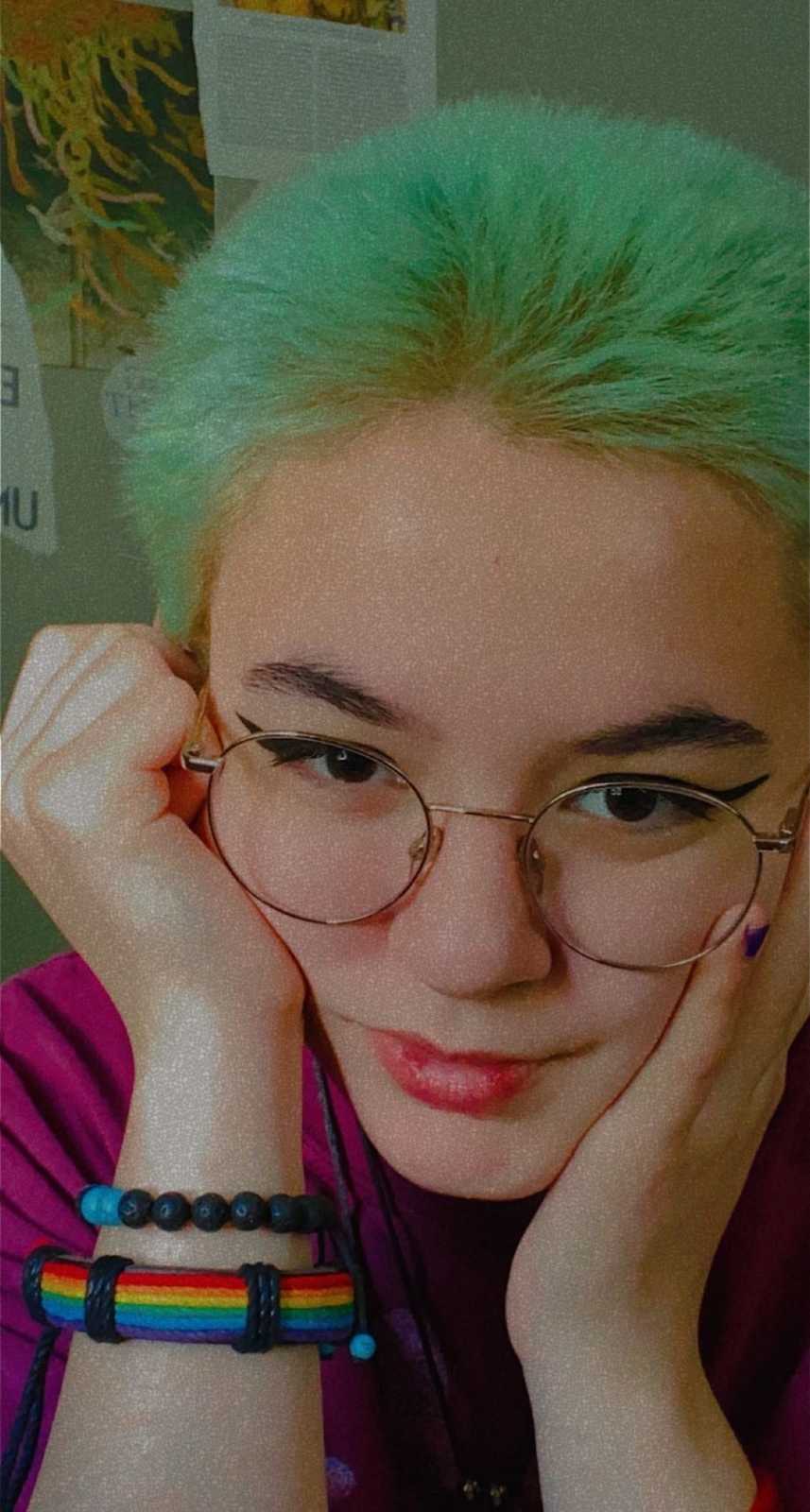
Even after the diagnosis, self-doubt lingered. People would tell me, “You may just be like that. It doesn’t mean you have autism—you’ve done so much.” But autism isn’t a single stereotype—it’s a spectrum. It doesn’t always look like a little boy who loves trains. For me, it’s difficulty processing social cues, challenges with eye contact, and navigating communication. Every day is a journey of self-discovery, learning what I like, what I dislike, and how my brain experiences the world.
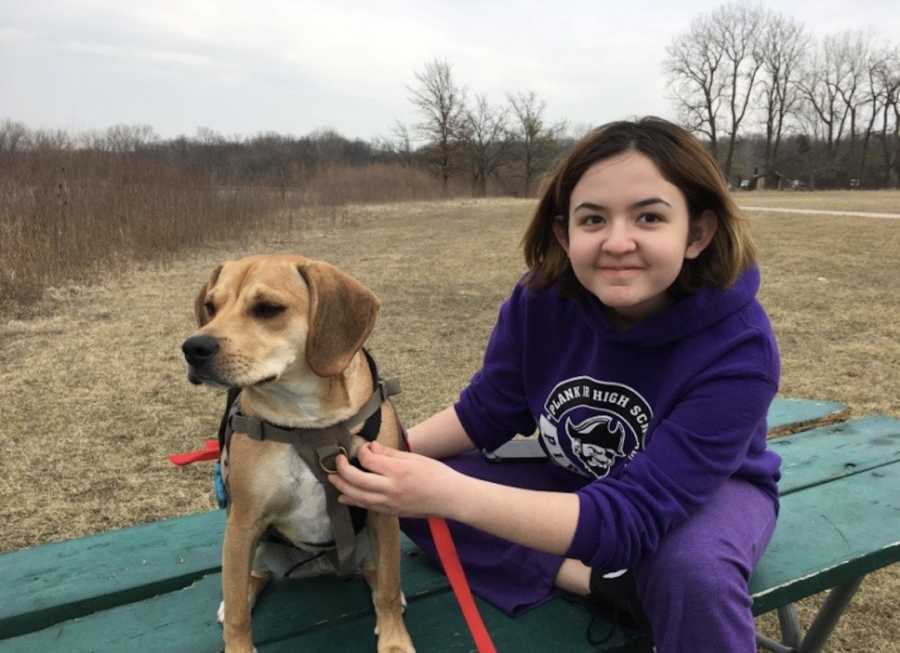
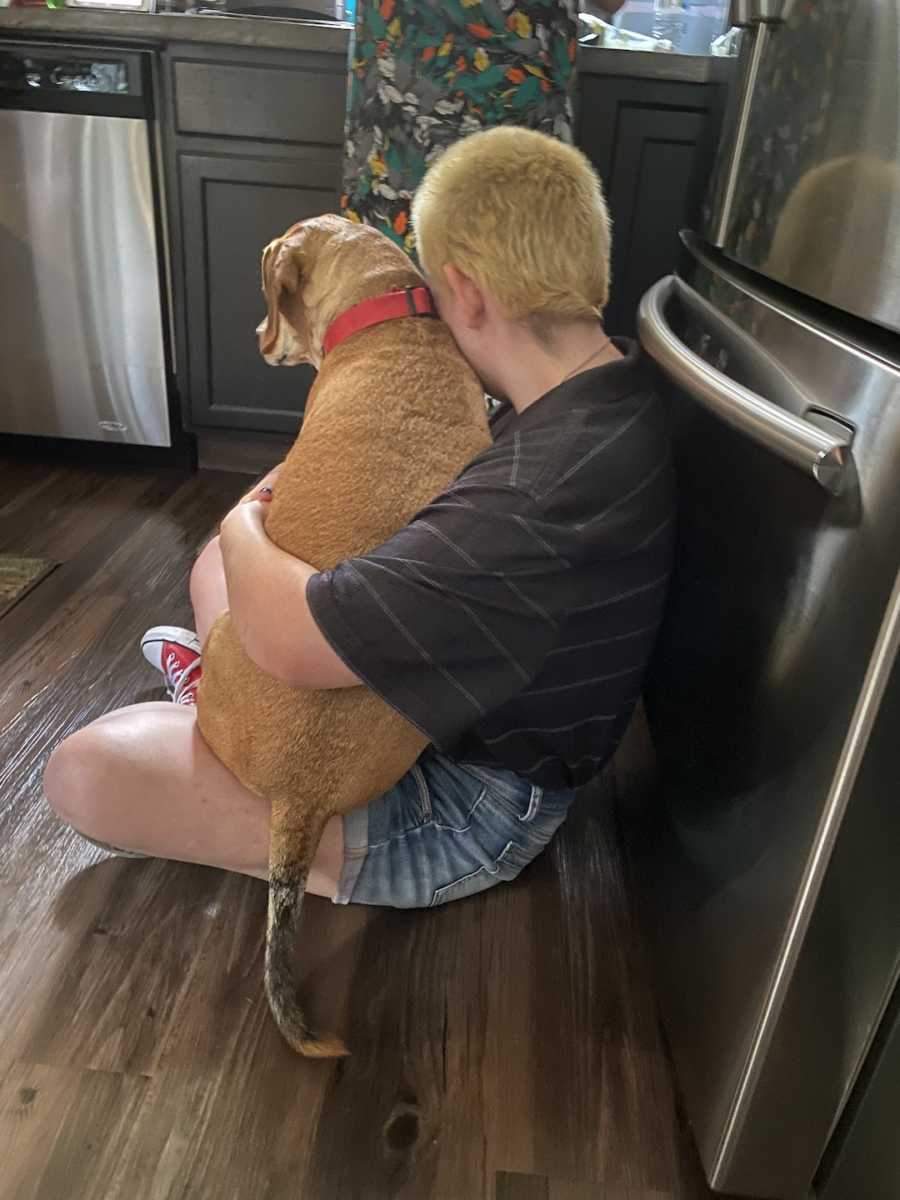
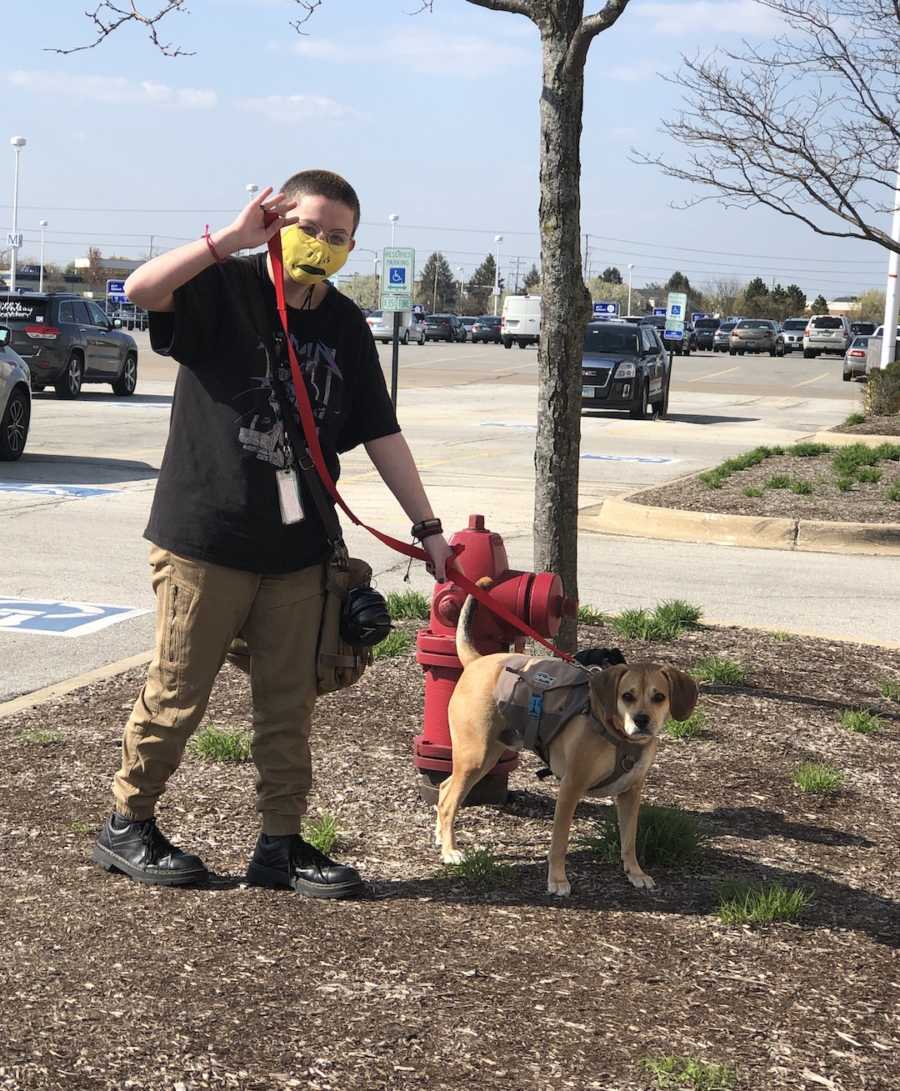
Animals have always been my anchor. My dog Peanut, my grandparent’s dog Ivy—they’ve been my constant companions since puppyhood. Peanut is a psychiatric service dog, offering deep pressure therapy and comfort during meltdowns. Ivy is training as a diabetic service dog. They sense my stress instantly and are always by my side. Their presence has taught me that connection and understanding can come in many forms.
Sharing my story feels powerful. The media rarely shows the full complexity of human experience, and our brains truly differ in ways that are amazing, challenging, and profound. I hope others can see someone real in me, and understand that being yourself is enough, even in a world that isn’t built for you.
There were days I wished I could be ‘normal,’ speak like everyone else, feel like everyone else—but I’ve learned that wishing to be someone else only takes away from loving who I truly am.
Being disabled is not a bad word. It’s a word that acknowledges limits, and our need for accommodations, while celebrating our strengths. I am loyal, intellectual, and devoted. My communication may be atypical, but my music speaks for me. My Tourette’s brings humor. My anxiety brings care. My depression brings gratitude. Every part of me, every aspect of my brain, is whole and real. And I wouldn’t have it any other way.
I am me. Complex, neurodiverse, resilient, and alive. And that is more than enough.”