“Families come in all shapes and sizes. The most important thing is the love we have for one another!” This has been a conversation I’ve shared with my 3½-year-old son, August, ever since he became old enough to notice that our family looks a little different from the ones he sees in books and on TV.
I’ve been raising August as a single mother since he was born, at the age of 19. His biological father has never been a consistent or safe presence in his life, and legally, he now has no contact with us. It’s absolutely for the best, but it has been a lot for a young child to process. On top of this, last year I came to terms with a deeper truth about myself—I feel most comfortable identifying as a lesbian.
Realizing this wasn’t easy. Part of me questioned if I could even be gay after having a child and being in a past relationship with a man. Another part of me felt guilty for fearing that my son’s life might become more complicated because of my sexuality. But over time, I’ve learned that a happy, authentic parent is far better for a child than a parent living in denial.
In a society that often portrays the nuclear family as the “ideal,” families like ours are rarely represented. Many unconventional family structures are misunderstood or judged, when in reality, there are countless ways to build a loving home: single parents, step-parents, same-sex parents, grandparents raising children, and so many more. There isn’t one perfect way to be a family.
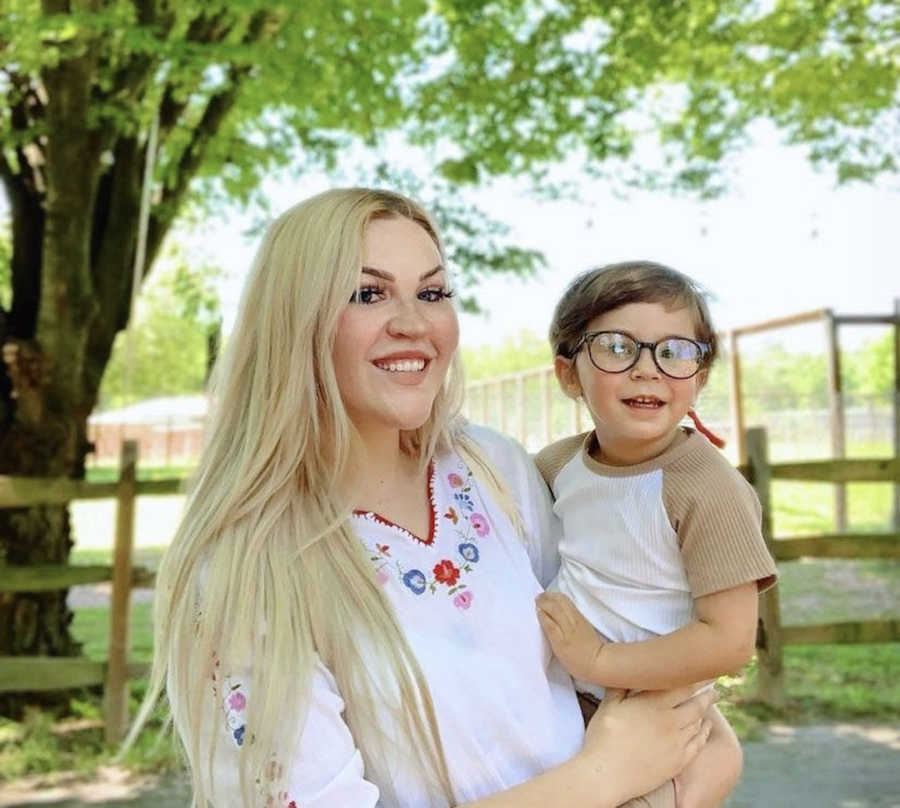
Looking back, I wish conversations like this had happened when I was growing up. I was raised in a selectively liberal yet very heteronormative Christian household where being gay was framed as abnormal or “weird.” From a young age, I knew I liked girls, but I repressed it, thinking it wasn’t acceptable. By high school, I considered myself maybe bisexual but didn’t feel the need to come out, holding onto the idea that I might end up with a man.
Growing up, I was conditioned to seek male validation, to prioritize physical appearance, and to pursue the traditional nuclear family. My mother emphasized the importance of finding a boyfriend and fitting into society’s feminine ideals, values she inherited from my grandmother. Throughout my life, this mindset was reinforced subtly and overtly, leaving me uncomfortable in my own body and unsure of how to find genuine self-worth.
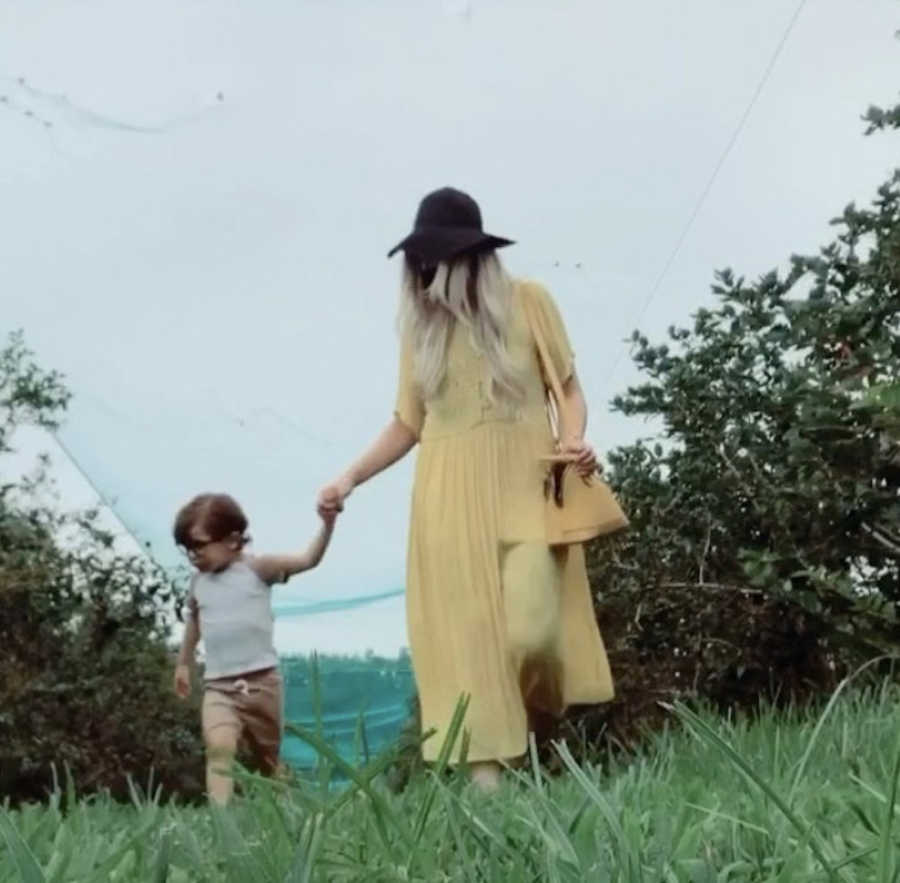
It was in this mindset that I met August’s father. I was just a few months away from turning 18, inexperienced, and vulnerable. He manipulated and abused me mentally, physically, and sexually. I tried to leave multiple times, but he would threaten self-harm, knowing the trauma I’d experienced with my mother’s suicide. He would even joke about ways to harm me. I didn’t understand the depth of the danger I was in, and my first relationship became a cycle of fear, love, and manipulation.
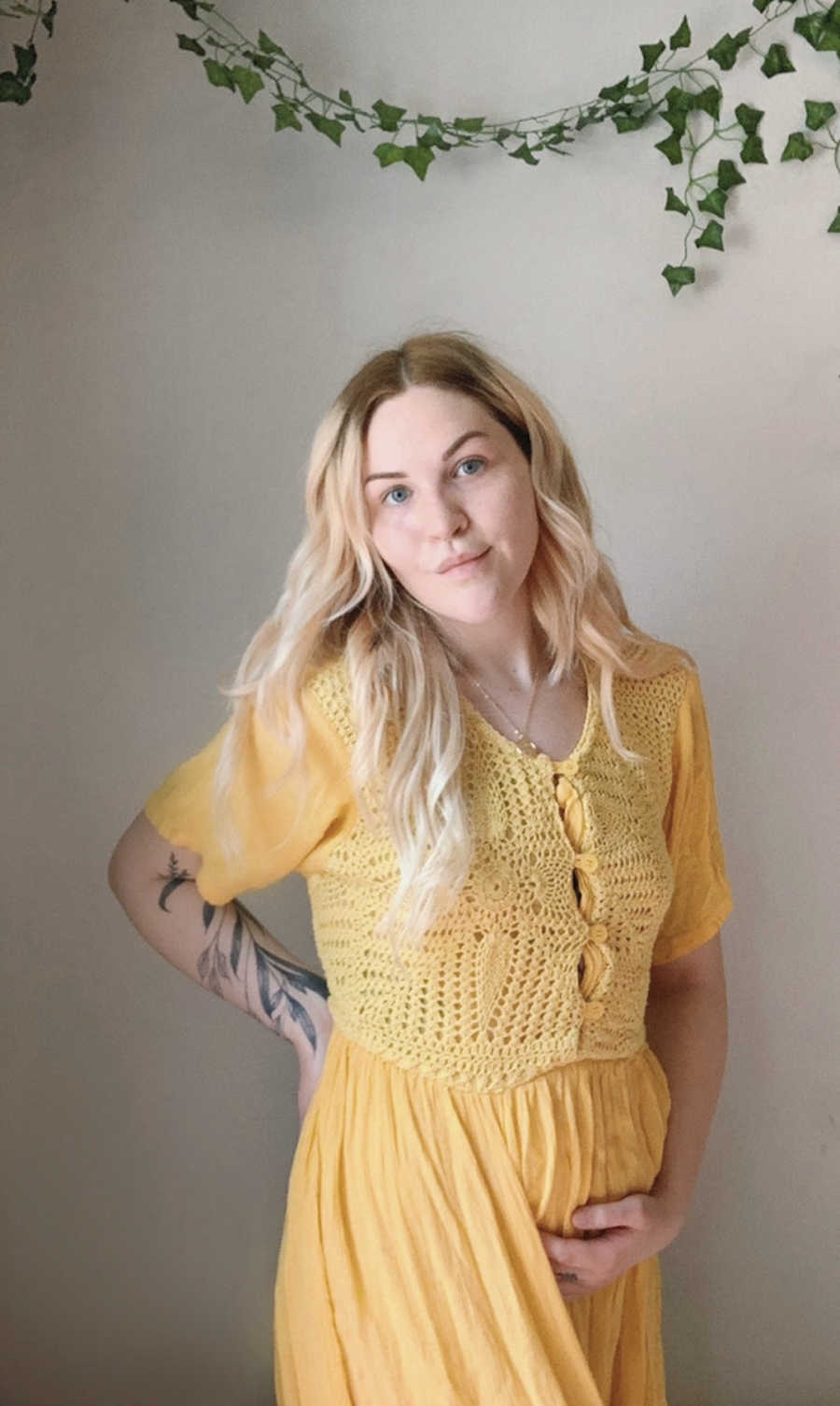
I became pregnant at 18, even while on birth control. I tried to make things work for a time—not because it was right, but because I felt societal and familial pressure to create the “perfect family.” I now know that idea of perfection is a lie. There is no single blueprint for a happy family, only love, care, and safety. At 19, I gave birth to August, and in that moment, the fantasy of a “perfect family” shattered. I was faced with reality, but also with clarity: I had a little life to protect and nurture.
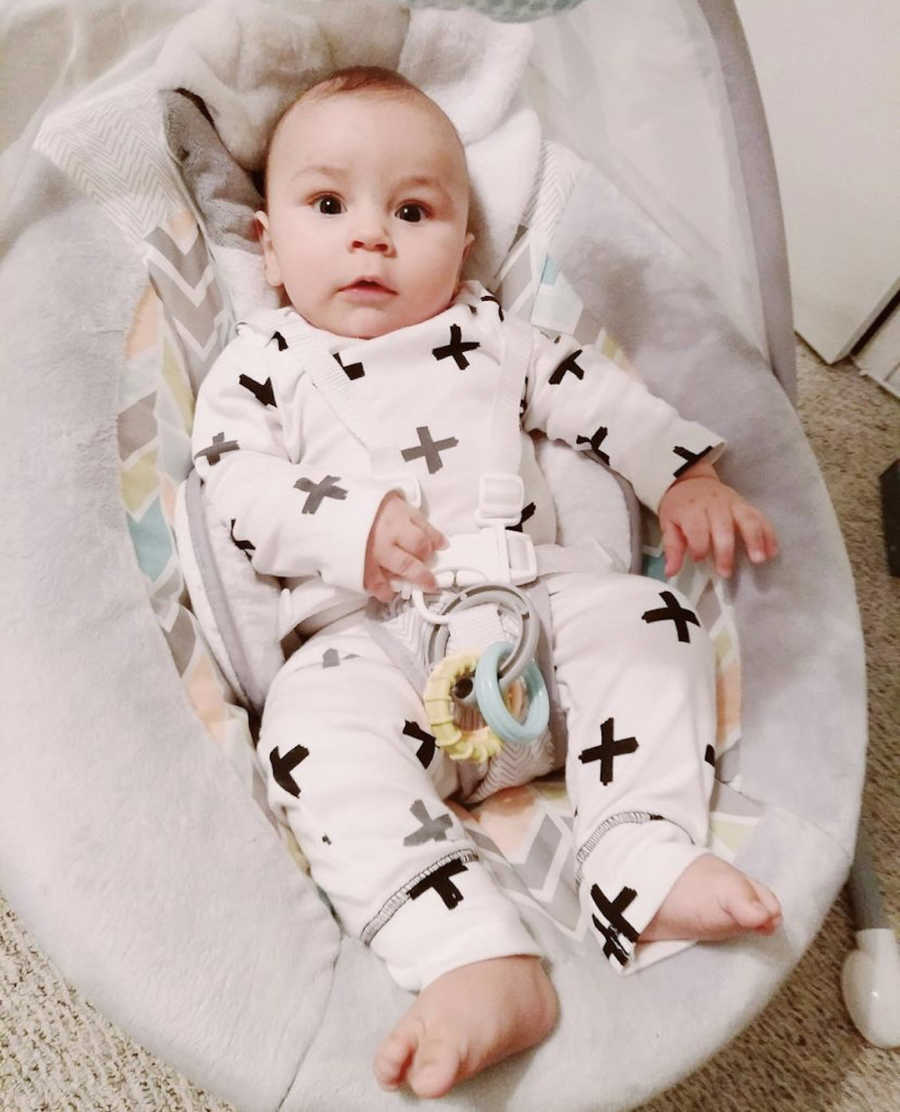
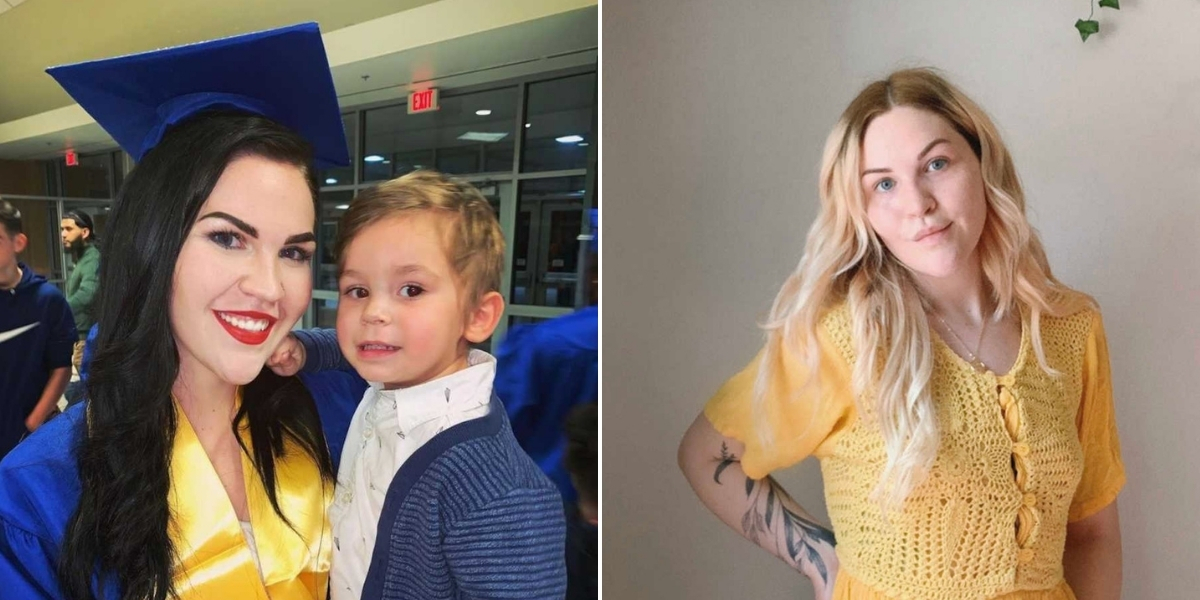
When August was six weeks old, I finally ended the relationship with his father. We moved into my grandparents’ spare room, and it became the foundation for rebuilding our lives. Over the next 2½ years, I earned my GED, completed trade school with a 4.0 GPA, became a certified medical assistant, gained employment at pediatric and dermatology offices, saved money, bought a car, and moved into my own place—all while raising August as a single mom.
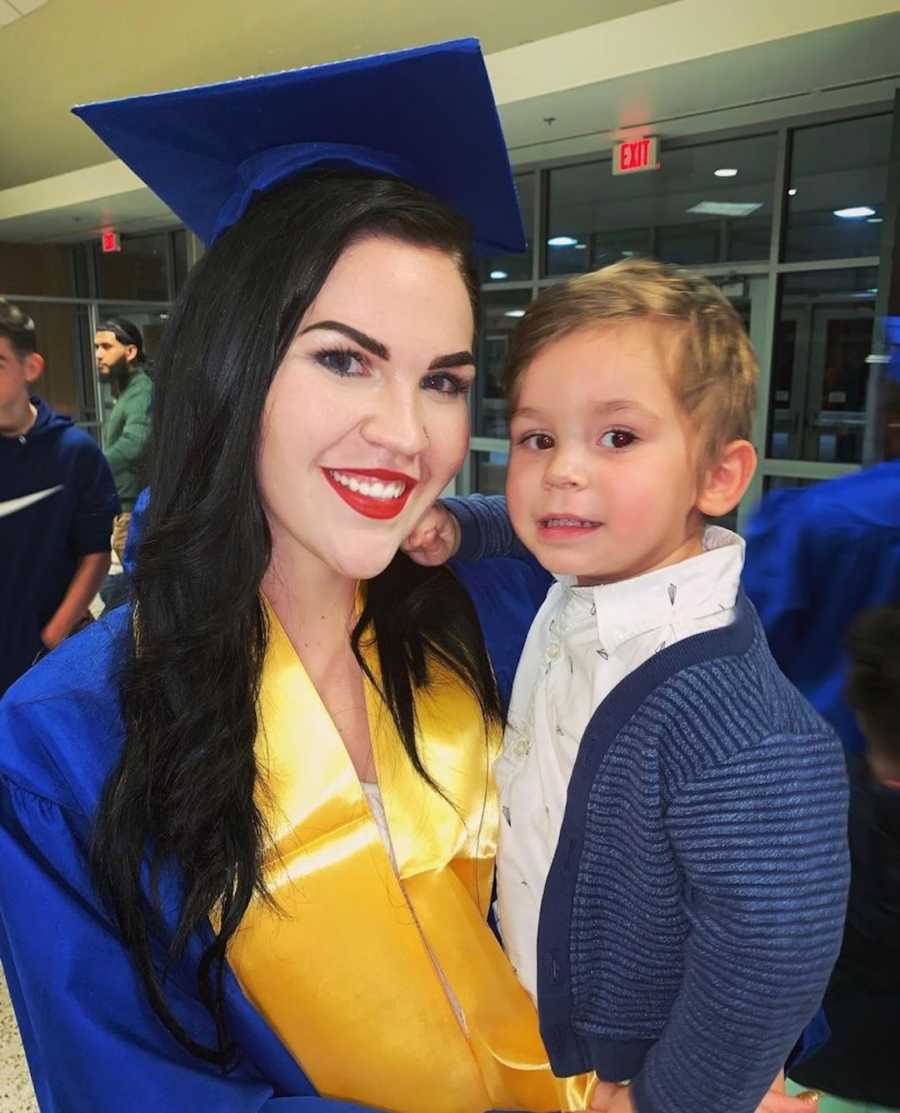
I could not have done it alone. My family, who has grown and changed so much in their views on LGBTQIA issues, supported me wholeheartedly. Past hurts were addressed and forgiven, and our bonds grew stronger than ever. Their love and support, especially after I came out, has been invaluable.
The quiet of quarantine gave me the space to confront feelings I had avoided for years. I realized my supposed “attraction” to men had largely been seeking validation ingrained in me from childhood. In truth, I wasn’t genuinely attracted to men, and once I accepted that I am gay, everything changed. I began living authentically, letting go of shame, and embracing who I truly am.
Coming out to friends and family was one of the most liberating experiences of my life. Everyone was supportive. My grandmother even said, “The lesbian thing doesn’t surprise me,” reassuring me that nothing had changed. It was a stark contrast to the guilt and fear I carried as a teen, and I wish I could tell that younger version of myself that life would turn out beautifully.
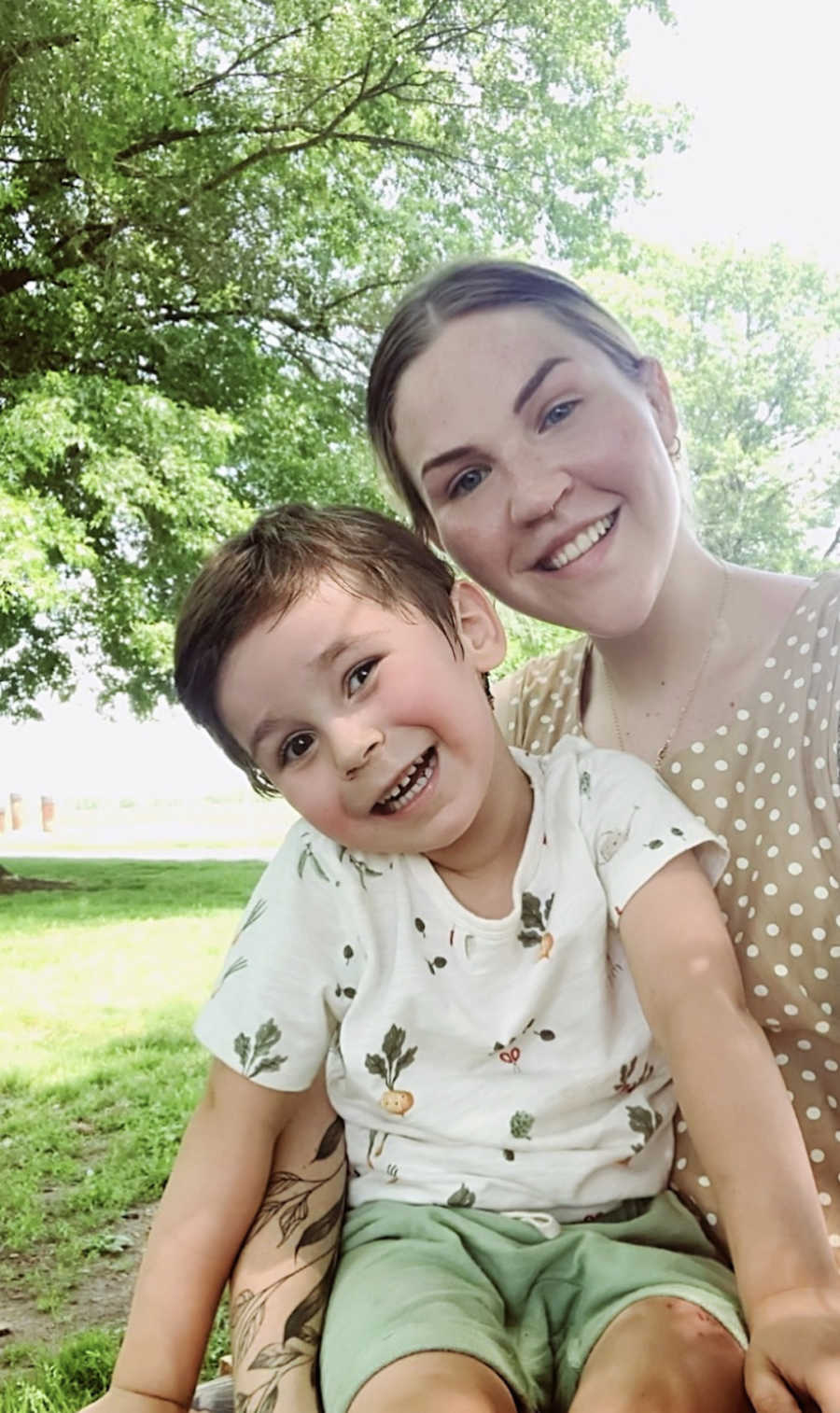
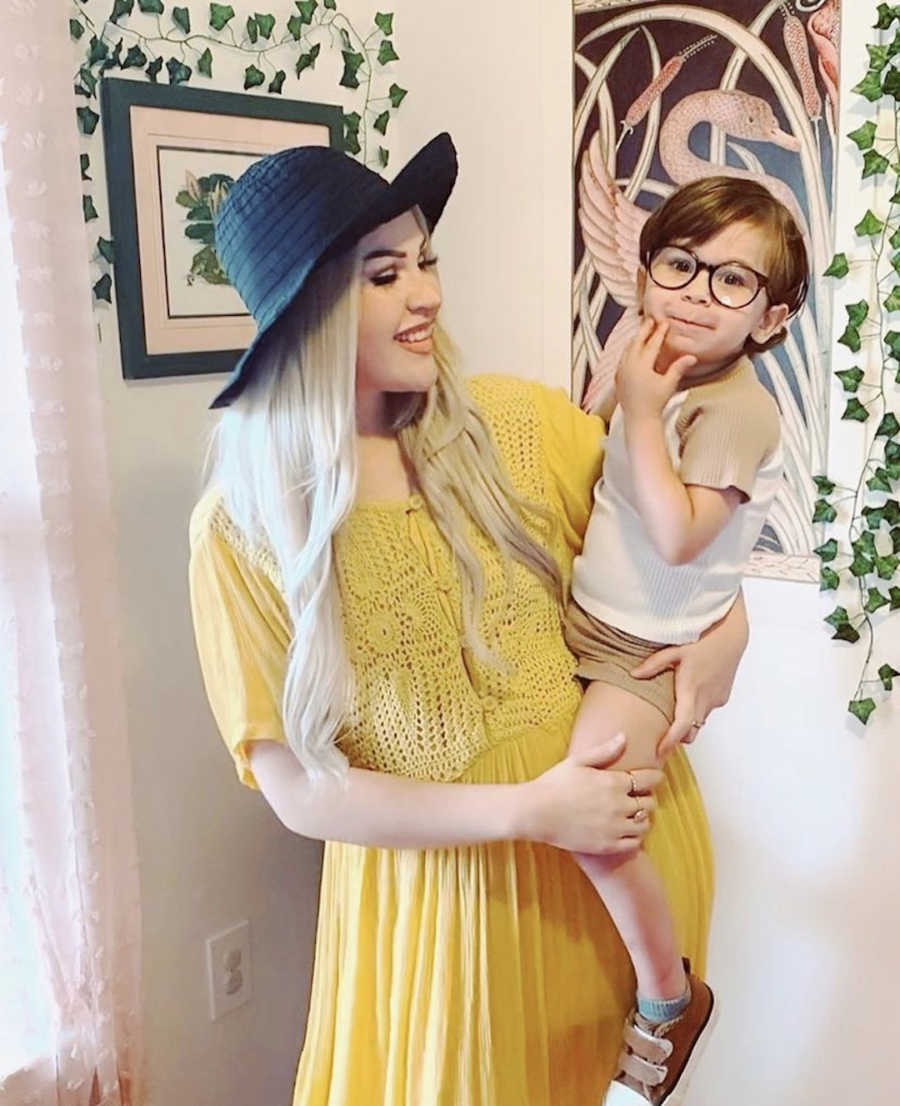
Now, at 23, I am happier than I’ve ever been. August is nearly 4, and being a single mom has been the most fulfilling role of my life. I treasure every moment with him, free from unnecessary drama or divided attention. Motherhood has given me purpose and joy like nothing else.
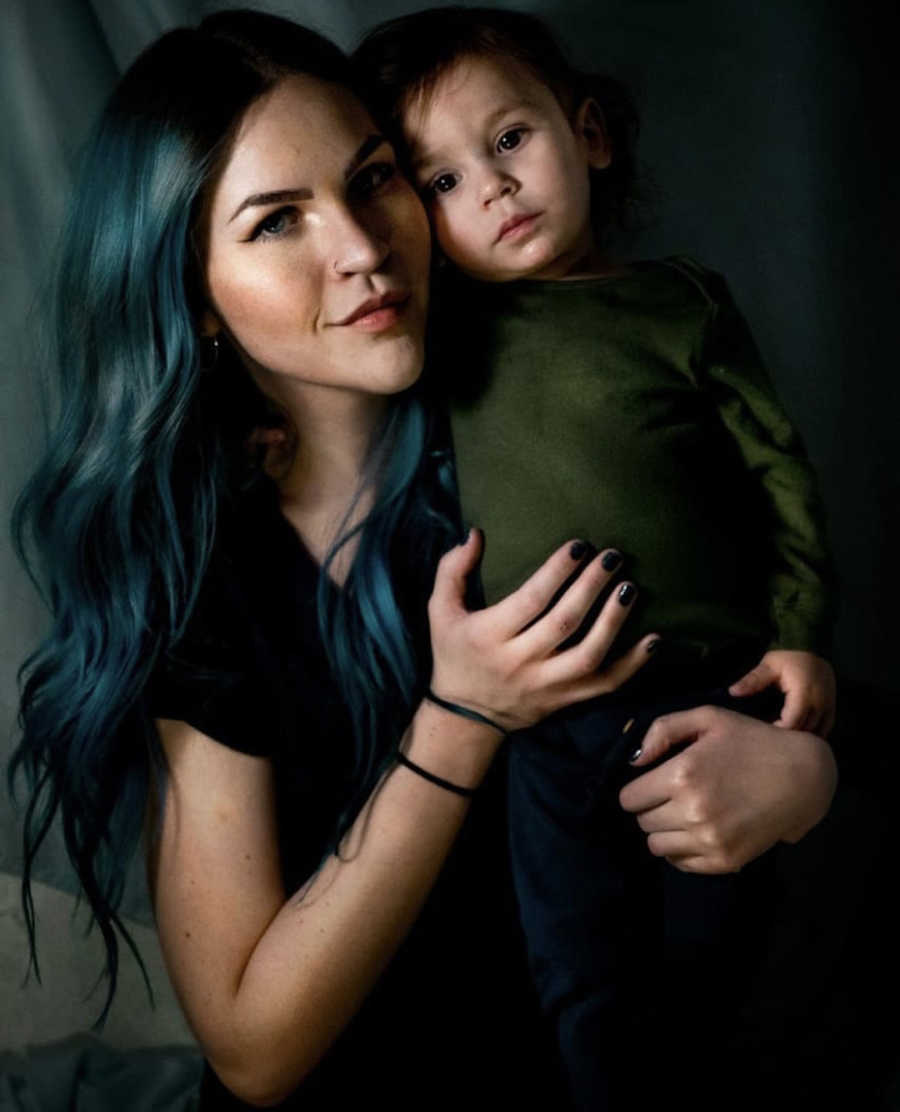
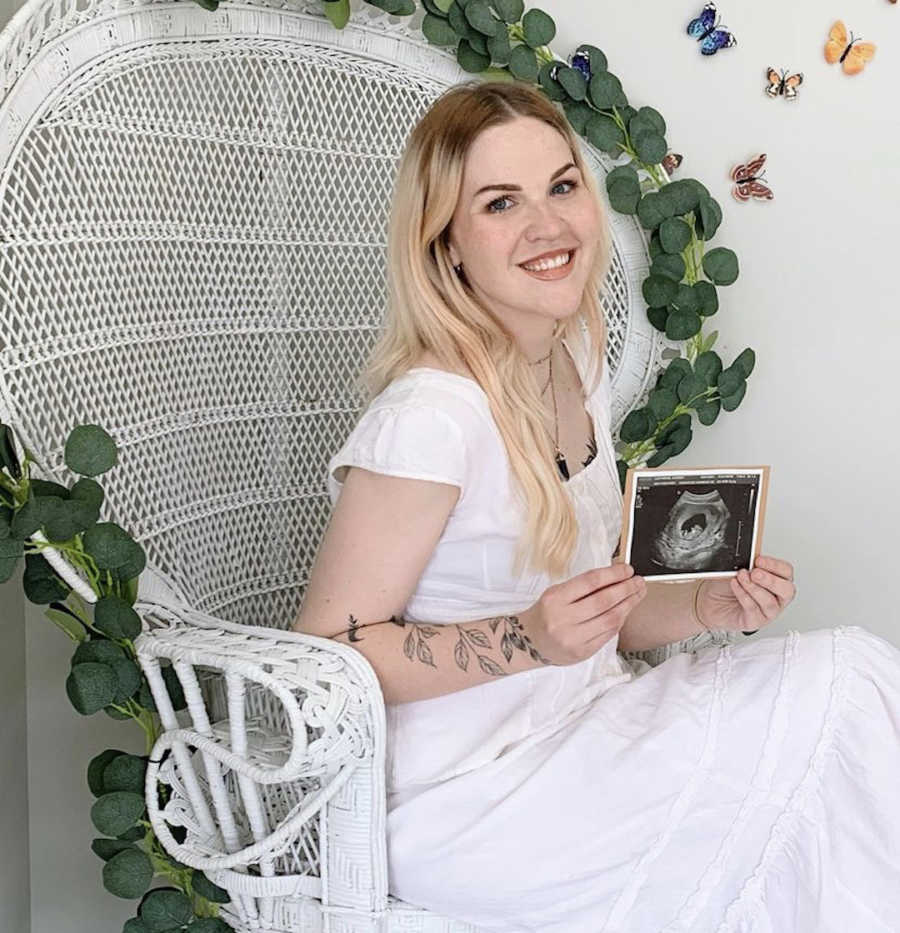
After coming out, I began thinking about expanding our family. I wanted August to have a sibling close in age, so he wouldn’t experience the gap I felt with my own sibling. In spring 2021, I made the decision to conceive my second child via donor insemination as a solo lesbian parent. Amazingly, I became pregnant on the first attempt. August is overjoyed at the idea of becoming a big brother, and our family is excitedly preparing for the newest addition.
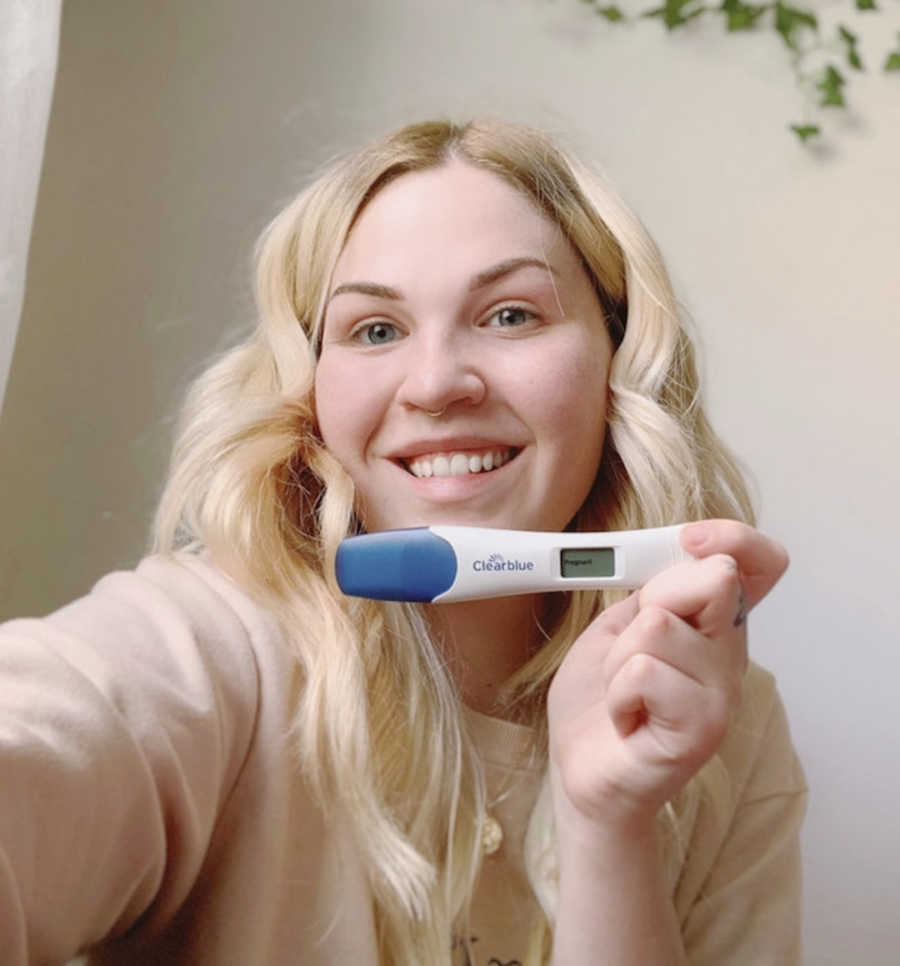
I feel incredibly blessed. I’ve finally found comfort in my life and my identity, and I’m excited for the future. Our family—a single lesbian mom raising two children—may not fit traditional expectations, but it is perfect for us. I am committed to raising my children in an accepting, empathetic, and proud home, one that celebrates love in all its forms. Happy Pride Month!”