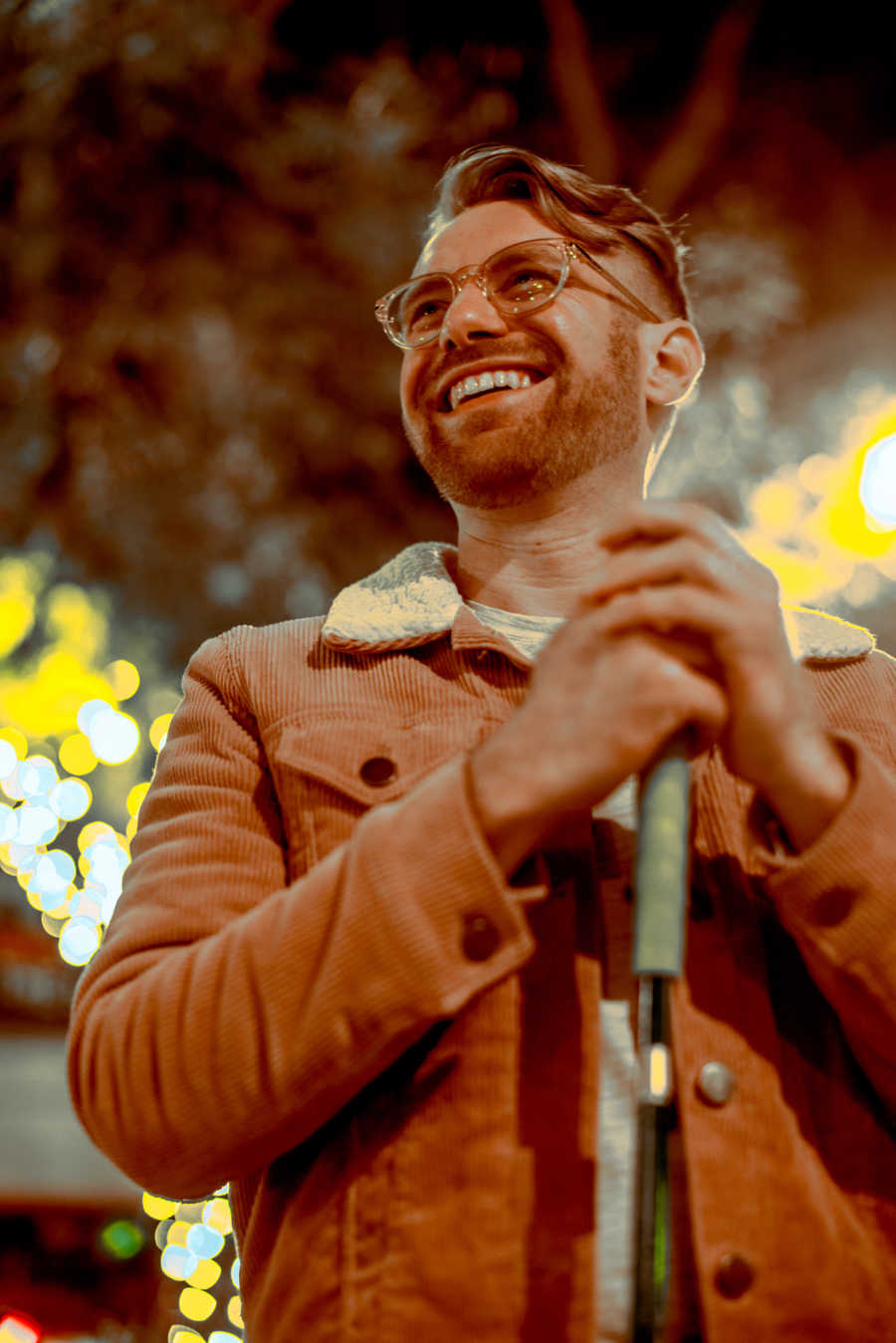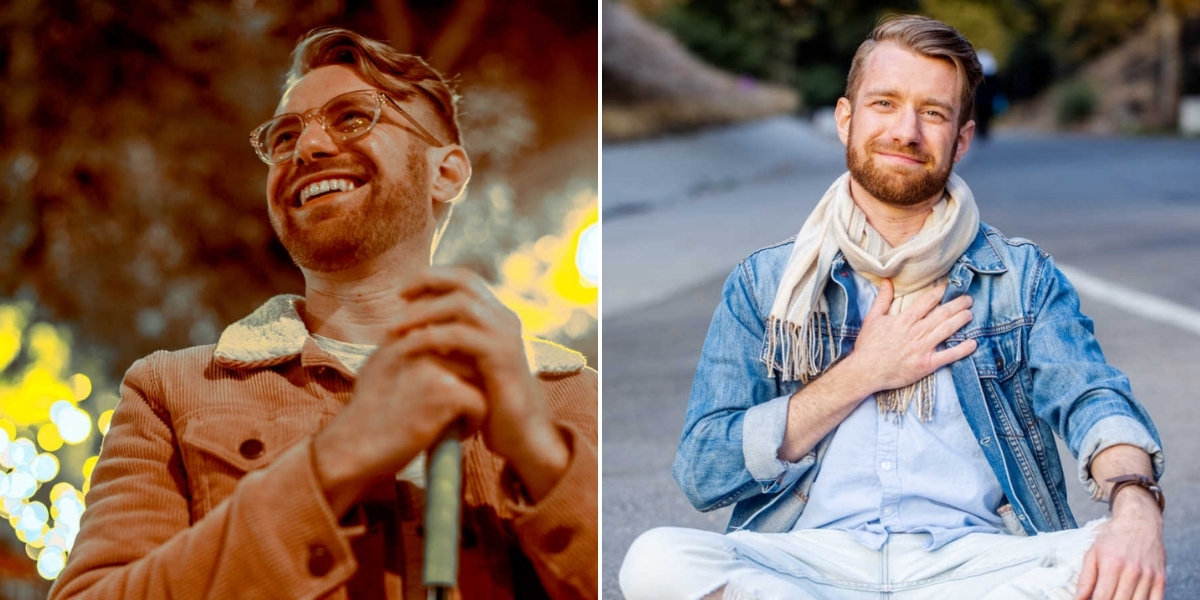
Hi, I’m Charlie. I’m a speaker, coach, and musical artist. I’m also blind. When I was just five years old, I was diagnosed with retinitis pigmentosa (RP), a genetic disease that runs in my family and slowly robs me of my peripheral vision. Today, I see the world through what feels like a tiny straw. RP also brings night blindness and extreme sensitivity to light, making even ordinary days a challenge.
Growing up, the culture in my home was shaped by this condition—but in a very particular way. Blindness was almost a forbidden word in my family. We didn’t say it; it was like it didn’t exist. My mom, who has the same condition as me—and so does my older sister—always framed her vision as “imperfect” rather than blind. She never used the word “blindness” to describe herself, and I absorbed that mindset. Blind was something almost shameful, something to avoid acknowledging.
Because of that, I never truly saw myself as blind. I considered my eyes to be weak, my vision limited, but not gone. I only started to call myself blind at age 15, when doctors officially declared me legally blind. That moment came with sudden changes: I couldn’t get a driver’s license, and my parents immediately arranged mobility training to teach me how to navigate the world with a blind cane. “Legally blind” is an interesting term—it means, according to the law, I am completely blind. But to most people who meet me, my remaining vision can make the word “blind” feel confusing.
The truth is, most blind people retain some form of sight—shapes, colors, or a tiny window like I have. For me, the reality is more vision loss than vision. My parents, amazing and endlessly positive, always emphasized what I could see rather than what I couldn’t. That positivity gave me a strong foundation, but it also caused confusion. I was taught I had more sight than I actually did, which made me afraid to embrace my true identity as a blind person.
I always say the hardest part of living with a disability isn’t the disability itself—it’s the mental, emotional, and spiritual challenges that come with it. I don’t blame my parents for how I was raised; they set me up to succeed. But growing up with this mindset, I was afraid of being “the blind person,” afraid of standing out. What most people don’t realize is blindness exists on a spectrum. There are many ways to be blind, and no single approach works for everyone.
The turning point for me came when I began to accept and take ownership of the word blind. When I fully acknowledged that I’m more than partially sighted, my vision for my life—ironically—became clearer than ever. I began using my blind cane every day. That simple tool transformed my life. What once felt like a “dirty word” became empowering. Today, saying “I’m blind” is a giant, proud, unapologetic “hell yeah!” I am proud of who I am, even if my journey is different from anyone else’s.
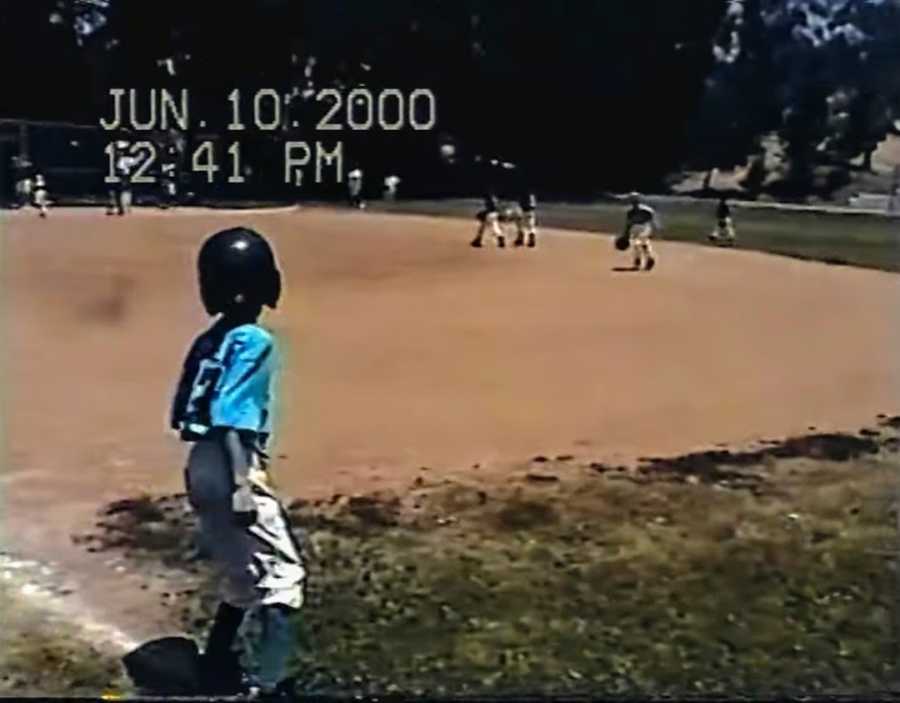
When I was younger, I sometimes used my cane only for “special treatment”—like getting to skip lines at Disneyland. Sure, it was fun, but there was guilt and shame mixed in. I could navigate fairly well without it, but “fairly well” wasn’t enough. Using accommodations isn’t about privilege; it’s about safety and accessibility. Accepting help—learning to rely on my cane—has been one of the most important lessons of my life. The shame still lingers sometimes, but I’ve learned it has no place in my story.
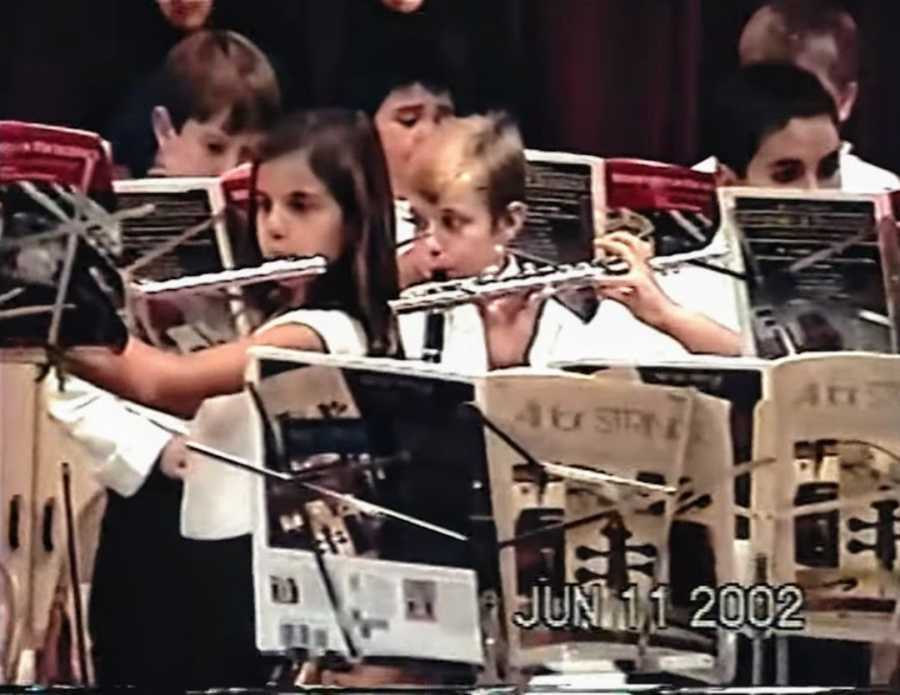
The world was built for sighted people. Blindness becomes a “disability” only because of how the world is designed. When I use my cane, people see it and immediately label me as disabled. A wheelchair, a hearing aid, a cane—these visible markers shape perception. But what about the invisible disabilities? What about what you can’t see? This is part of why my journey has been about embracing the visibility of my blindness. I used to hide it. Now, everyone sees it—and I love it.
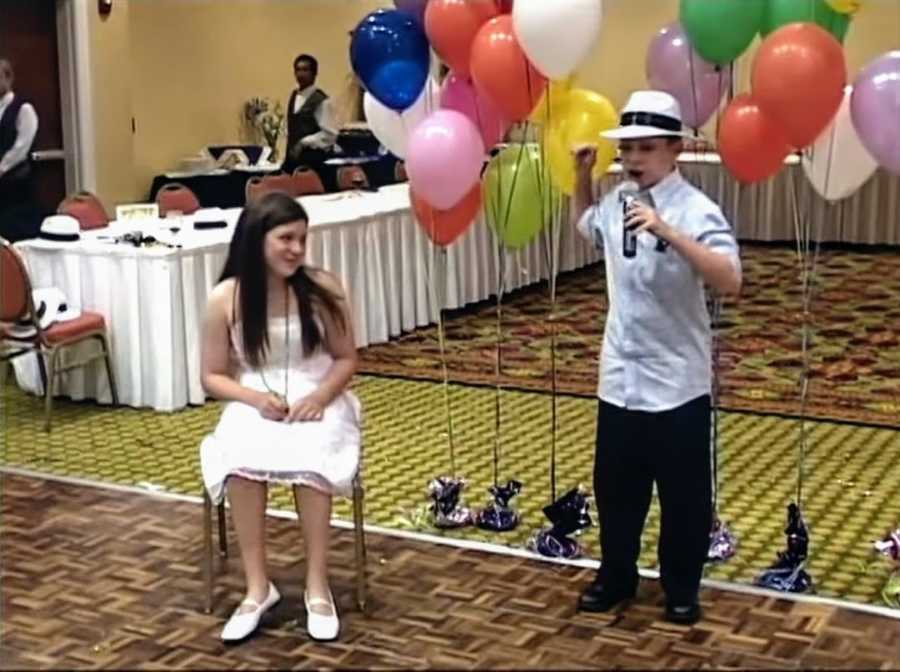
One of the most profound lessons I’ve learned is that reality isn’t only what you see; it’s what you feel. Physical limitations don’t define the full human experience. Emotional and spiritual awareness—what I call “inner vision”—shapes how we interact with the world. The closer I’ve come to connecting with this inner vision, the more love, joy, and kindness I’ve been able to foster in my life.
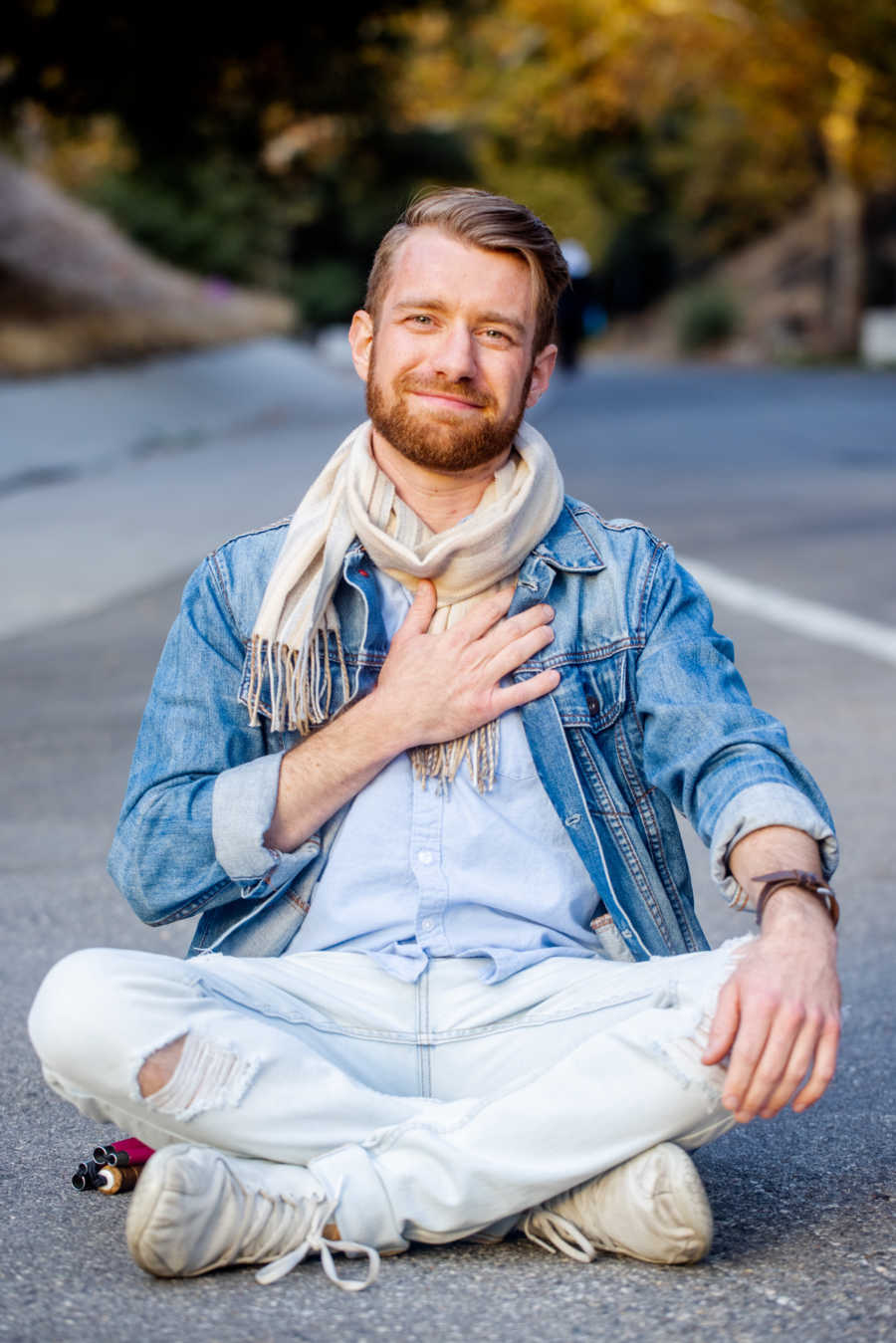
Blindness, for me, is a blessing. It has taught me to feel instead of just see, to live in alignment with my purpose rather than the expectations of a fully sighted world. Despite every challenge, I am grateful. Grateful to be who I am. Grateful to be blind. Grateful to be Charlie.