“Wait… you’re reading this? You? Really? I think this might be a challenge for you, so maybe try somewhere else that’s more suited for a reader like you. Honestly, it’s unlikely we’ll be able to help you read. We’ve never come across someone like you before. It’s doubtful that you’ll be able to do what most of our readers can do.
Are you still here? Good. Because now I have your attention. Questions like these have followed me throughout my life—and I know they will continue to pop up in the future.
Hi, my name is Chris. I’m 23, and I have a degenerative sight condition called Retinitis Pigmentosa. Since being diagnosed in 2006, I’ve faced constant doubt from others—people questioning what I could achieve, putting literal and metaphorical barriers in my way, assuming I couldn’t do what a sighted person could. For a long time, especially in my late teens, I believed it too. I thought my dreams might be limited by my vision. But through challenges, meeting inspiring people, and embracing a disability that can feel overwhelming, I’ve learned that losing my sight is something I would never trade.
Early Life and Diagnosis
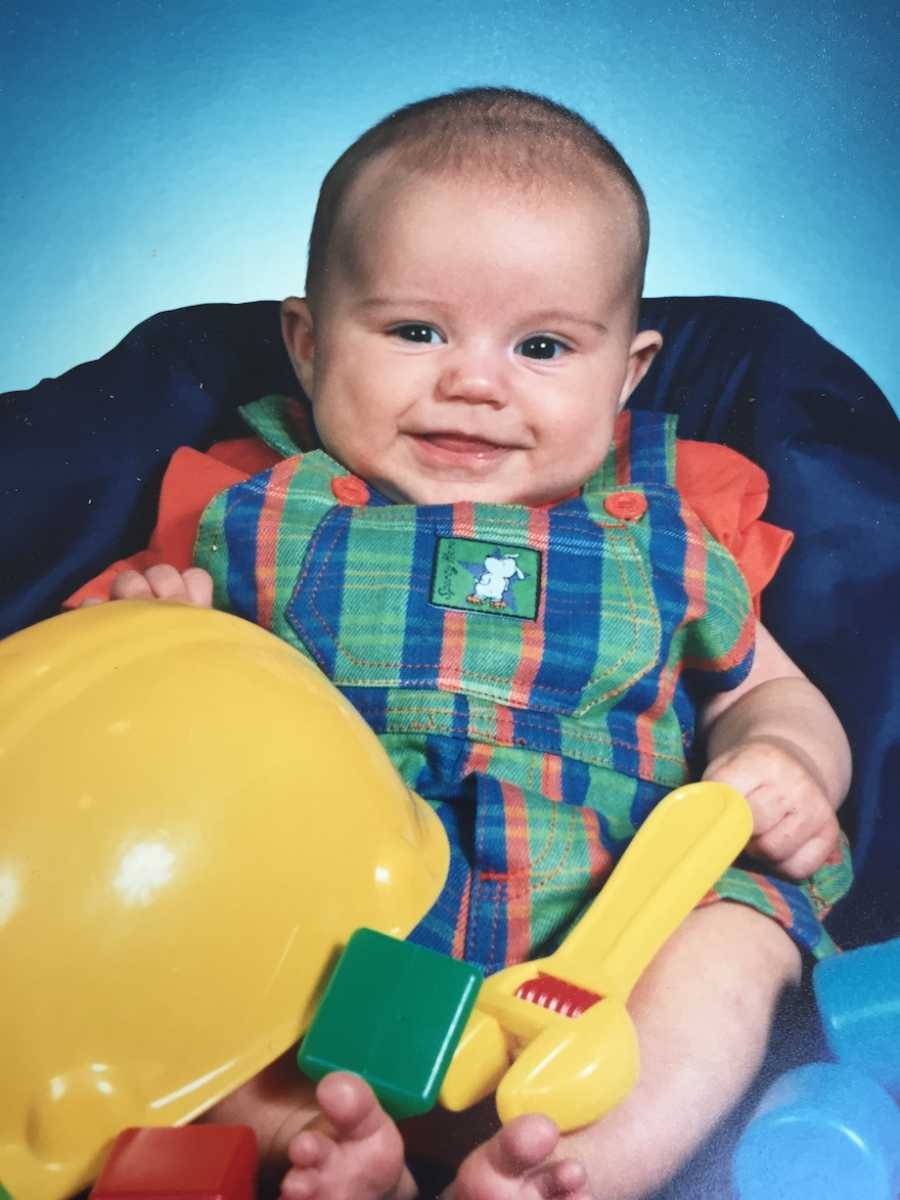
One of my earliest memories of struggling with sight was a seemingly innocent encounter with a ‘Where’s Wally?’ book during a session with the Sensory Inclusion Service—the team assigned to make my education accessible. That was just the second formal meeting I had after my diagnosis in February 2006, the moment that would change my life. I didn’t really understand the implications of Retinitis Pigmentosa at the time. Why did it even have the word “pig” in it?
Two incidents had raised my parents’ concerns before the diagnosis: I once ran headfirst into a glass door (which felt funny at the time), and another time, walking with my family in the dark, I collided with a massive shipping container near a venue. That second incident worried them deeply—the size of the container and my inability to avoid it signaled that something was wrong.
From then on, retinal scans, field-of-vision tests, and regular school visits from vision specialists became part of life. For the first five years, my sight didn’t hold me back much. I avoided crowded hallways during school discos, stuck close to friends at night, and occasionally misread graphs on SAT papers. Touch typing lessons from the Sensory Inclusion Service helped enormously with written assignments. Yet, I didn’t know that Retinitis Pigmentosa was quietly preparing to make its first major impact on my life at age 12.
Hockey and Early Challenges
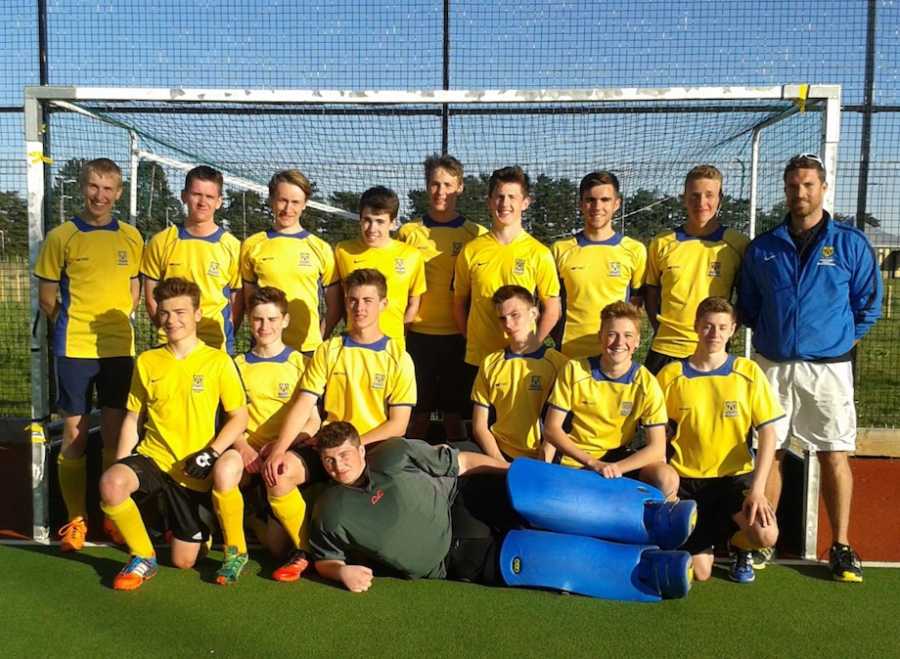
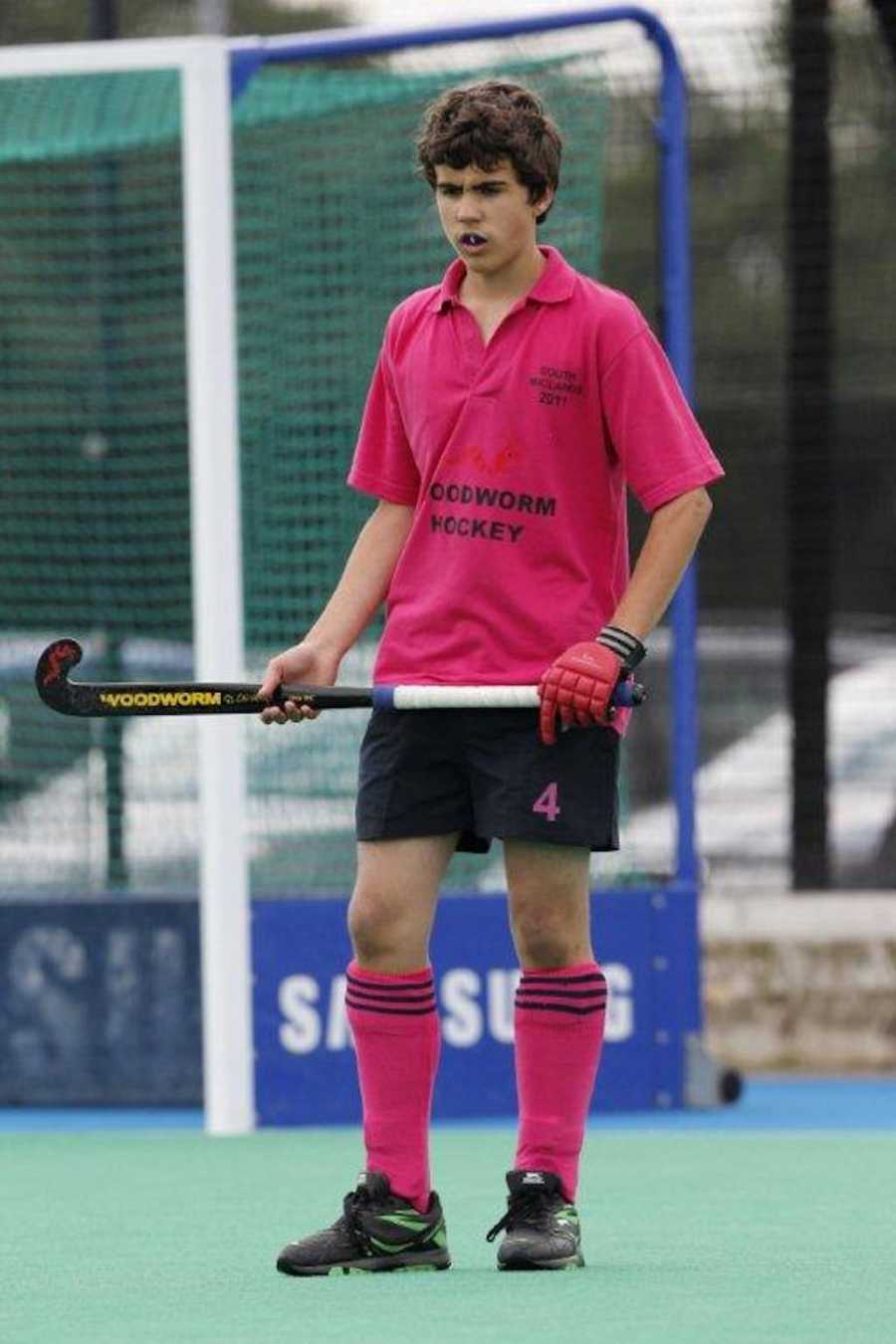
Hockey has always been my passion. My dad, a lifelong goalkeeper, introduced me to the sport at age five. By nine, I was playing competitively—captaining my local team, joining the county squad, and earning Coaches’ Player of the Season. In 2012, I achieved a lifelong goal: selection for my regional squad.
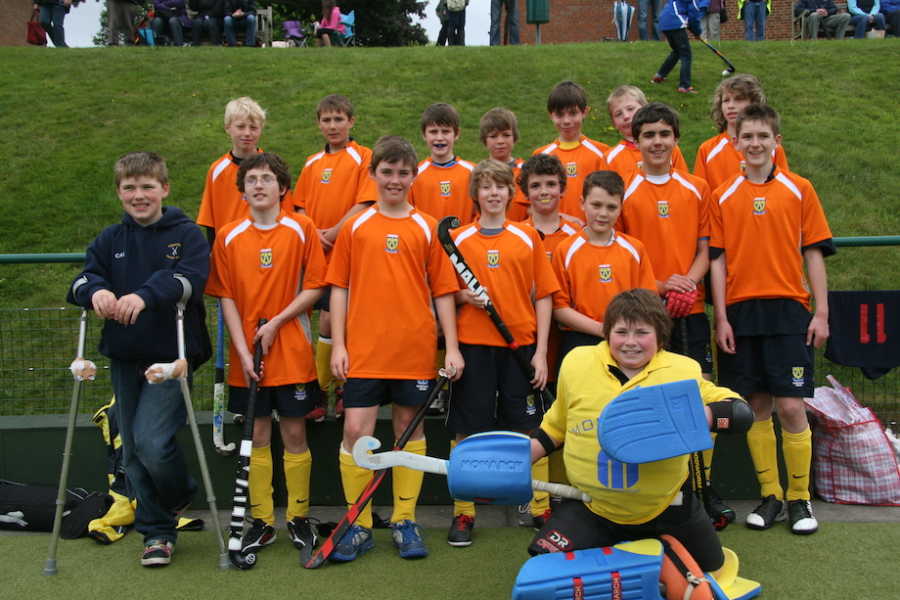
But around this time, my sight began to deteriorate faster. My performance at the regional tournament was mediocre, far from the level needed to progress to England’s age-group squads. Frustration grew as I scored goals, made last-ditch tackles, yet felt my abilities weren’t reflected on the pitch. Anger bubbled over—I’d slam my stick on the floor when missing the ball. Add to this my parents’ divorce, and I struggled to express my emotions.
School became harder too. Textbooks seemed further away, whiteboards blurred, and spotting friends on the field became a literal game of Where’s Wally—but in green. Despite these challenges, my friends were supportive. In Design and Technology class, I focused on written tasks while my friend tackled the practical work with machinery I was wary of. Looking back, I wish I’d asked for more help—but these experiences shaped who I am today.
Finding Support and Independence
At 15, a turning point came. I realized that without proper support, I couldn’t succeed in school or life. I created a document for my teachers outlining my vision and the accommodations I needed. Suddenly, everything changed: I received accessible workbooks, iPad presentations, and extra exam time. My confidence soared, and this momentum carried into college.
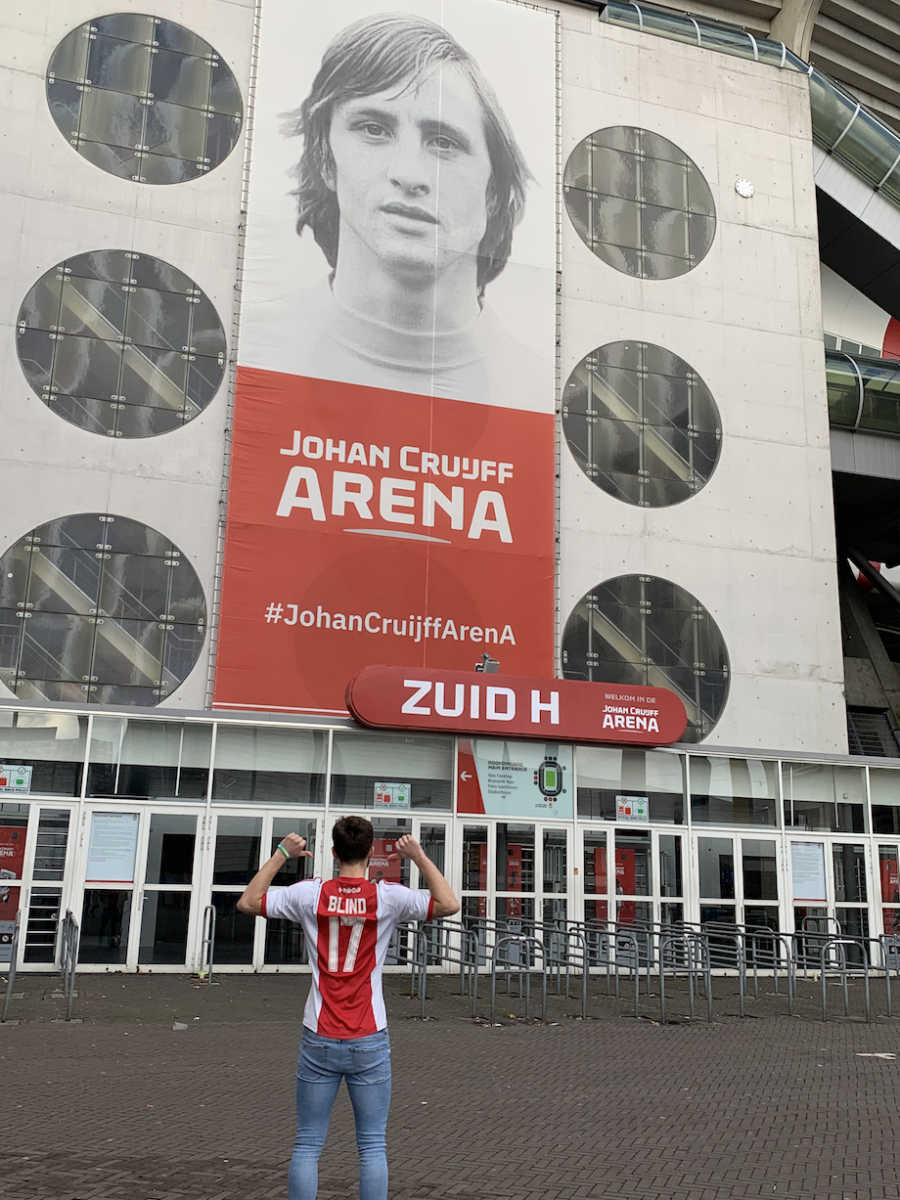
College brought new challenges. My mum was diagnosed with stage 1 cancer, and I felt anxious in the unfamiliar environment. But sport remained my anchor. Anticipating a future where I might stop playing hockey, I explored sports for people with vision impairment through British Blind Sport, discovering partially-sighted football and blind cricket. I wasn’t an instant star, but through persistence, I achieved league titles, cup trophies, individual accolades, and even played in the FA Disability Cup final in 2018—a memory I treasure.
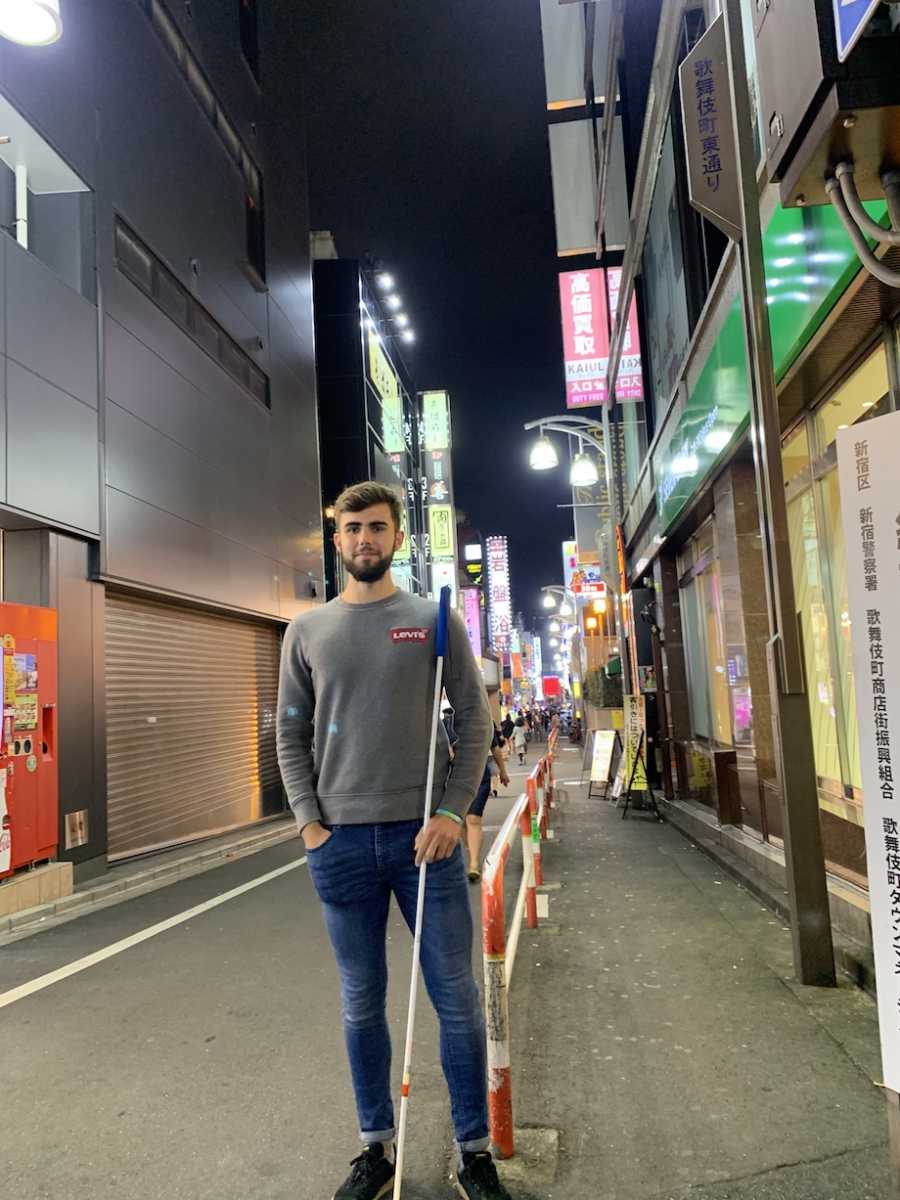
Joining these sports created a supportive community where I could share experiences, laugh at awkward moments, and see people thriving without sight. Inspired, I learned to use a white cane and read Braille, supported by college funding in 2015. I practiced independence, determined to navigate university life without relying on strangers.
Life With My Cane, Coco
Using my cane, whom I named Michael (later Coco), marked a significant change in my life. Choosing to use a cane is more than a practical decision—it changes how others perceive you and how you see yourself. It offers independence, safety, and social consideration, even if it occasionally draws stares or comments. I learned this firsthand in the cinema, accidentally barging into a man and facing his incredulity. Coco has been by my side ever since, rain or shine.
Education, University, and Giving Back
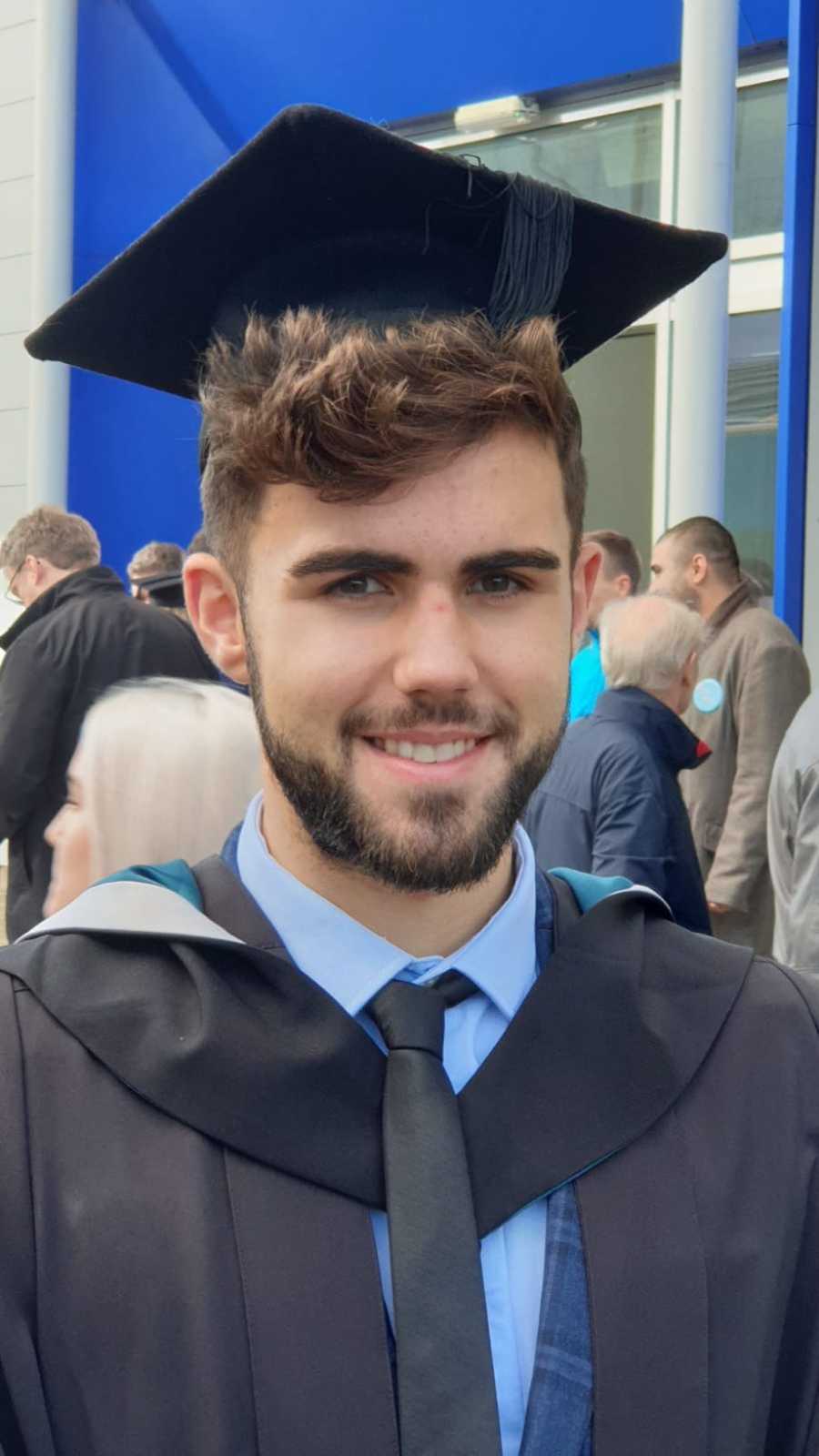
After a rocky first year of college, I bounced back: captaining the college hockey team, completing work experience at a primary school, winning a Sport Award, and earning grades to enter university. At the University of Worcester, studying child psychology, I grew in confidence. Sharing my sight loss openly made life easier, from sports societies to dating, parties, and travel. With friends like Mendo, Lewis, Lisa, and Slon, I learned the joy of embracing my disability while giving back.
Graduating with a 2:2 (and far too much fun), I joined Look UK, a charity supporting young people with sight loss. Mentoring and offering guidance became my passion. Eventually, I pursued a PGCE in Primary SEND at the University of Birmingham, navigating lockdowns and online learning. Now, I’m weeks from completing my course, with a teaching job lined up for September. Mistakes happen—misidentifying a child, missing notifications, or bumping into someone—but these are moments to smile and move on.
Family, Love, and Life Beyond Sight
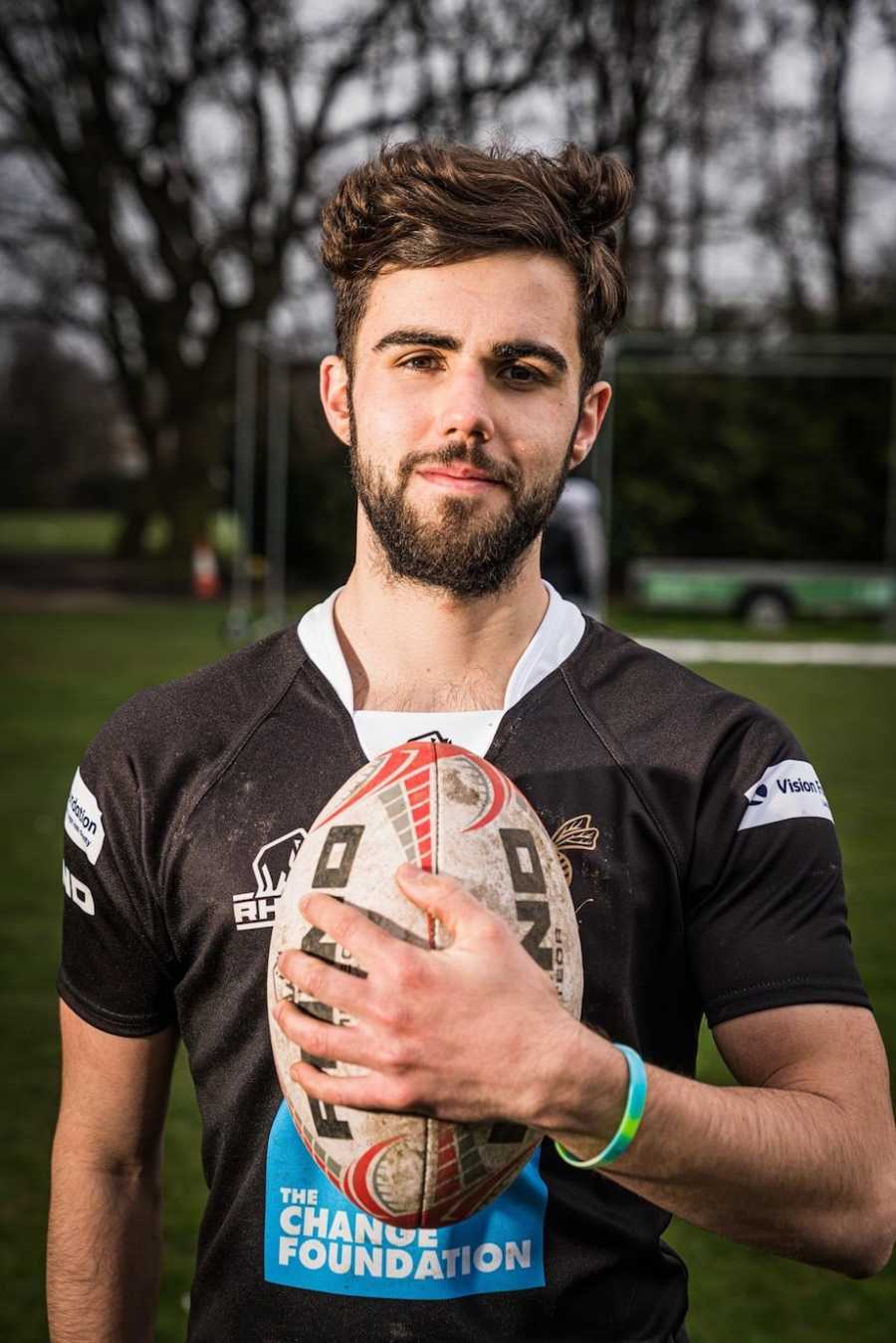
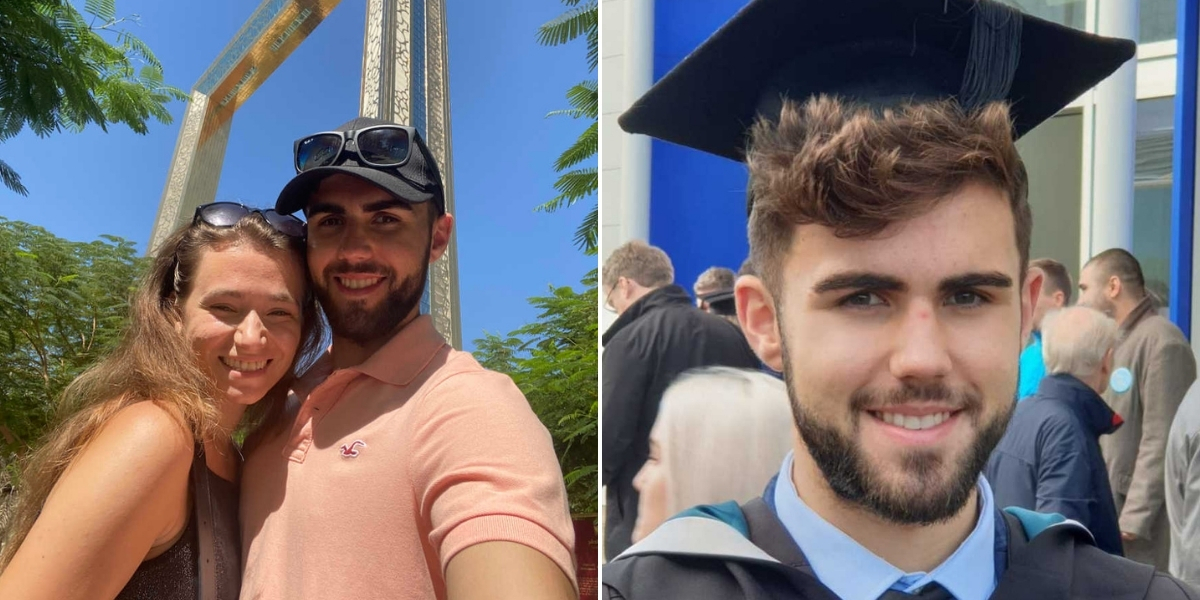
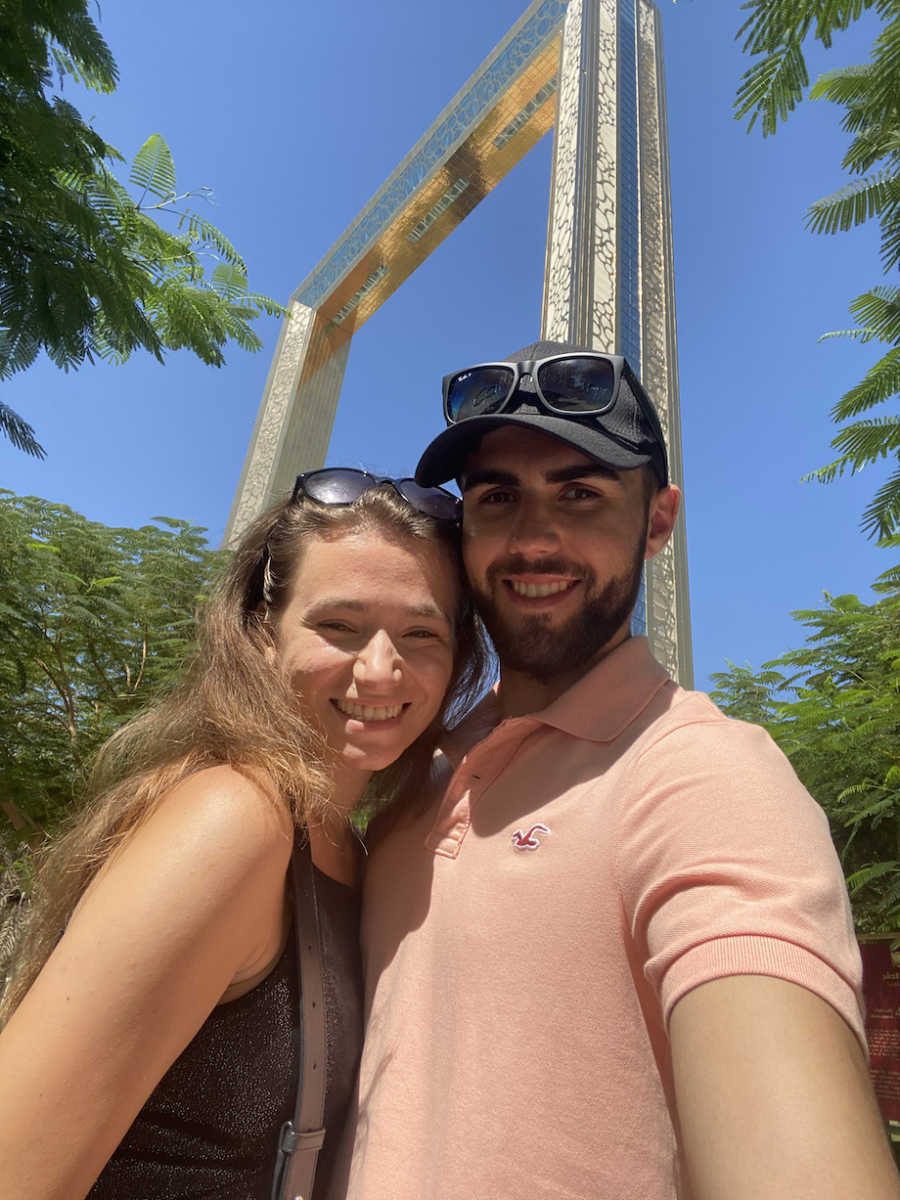
None of this would have been possible without my family, friends, and my girlfriend, Karolina. Being partially-sighted has opened doors I never imagined: traveling to Japan for the English Vision-Impaired Rugby team, joining a mixed-disability rugby tour in Valencia, and flying solo to Dubai to visit Karolina. I’m optimistic about my future, even as my sight declines, excited for the adventures ahead.
Do not limit yourself. Stay positive. With the right mindset, support, and strategies, you can achieve far more than you think.”