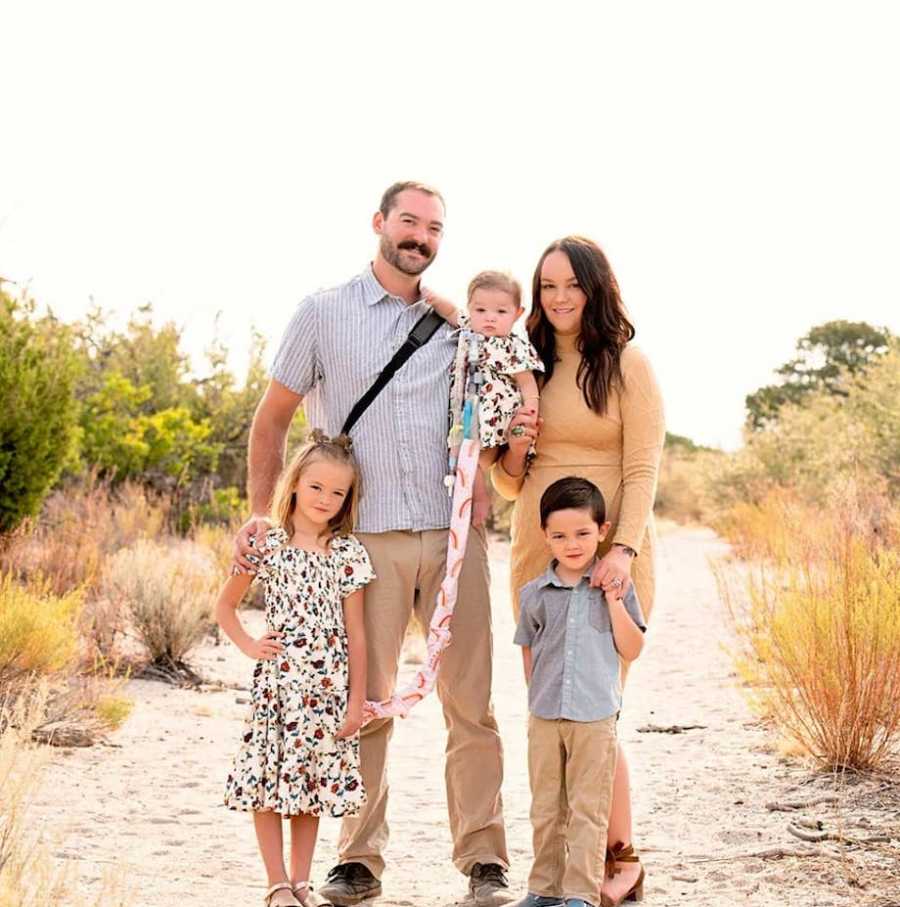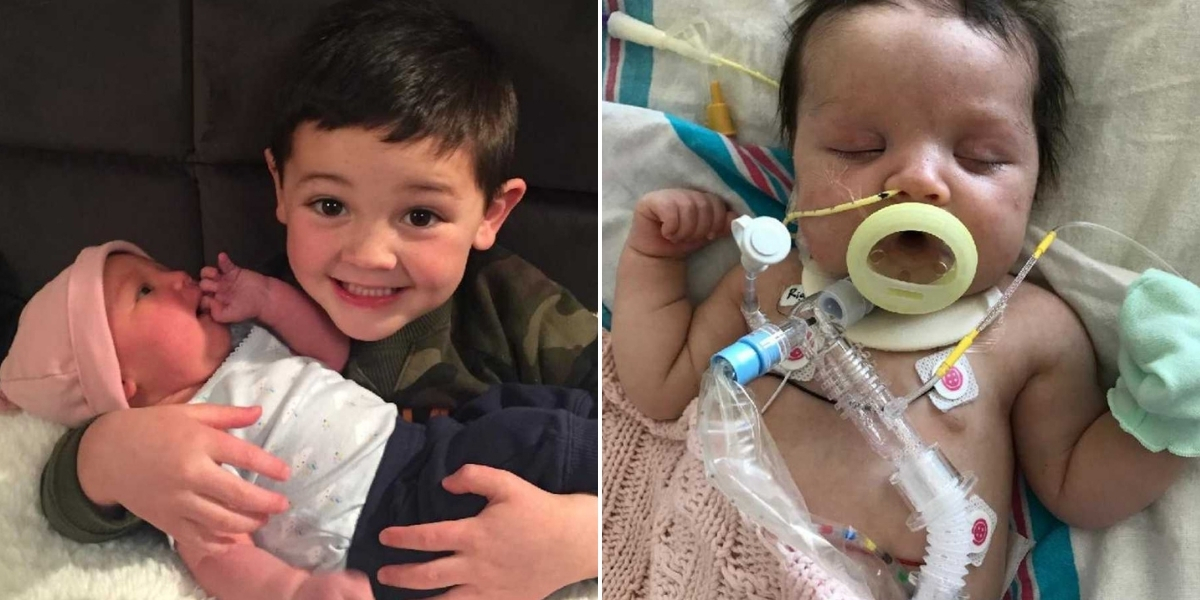
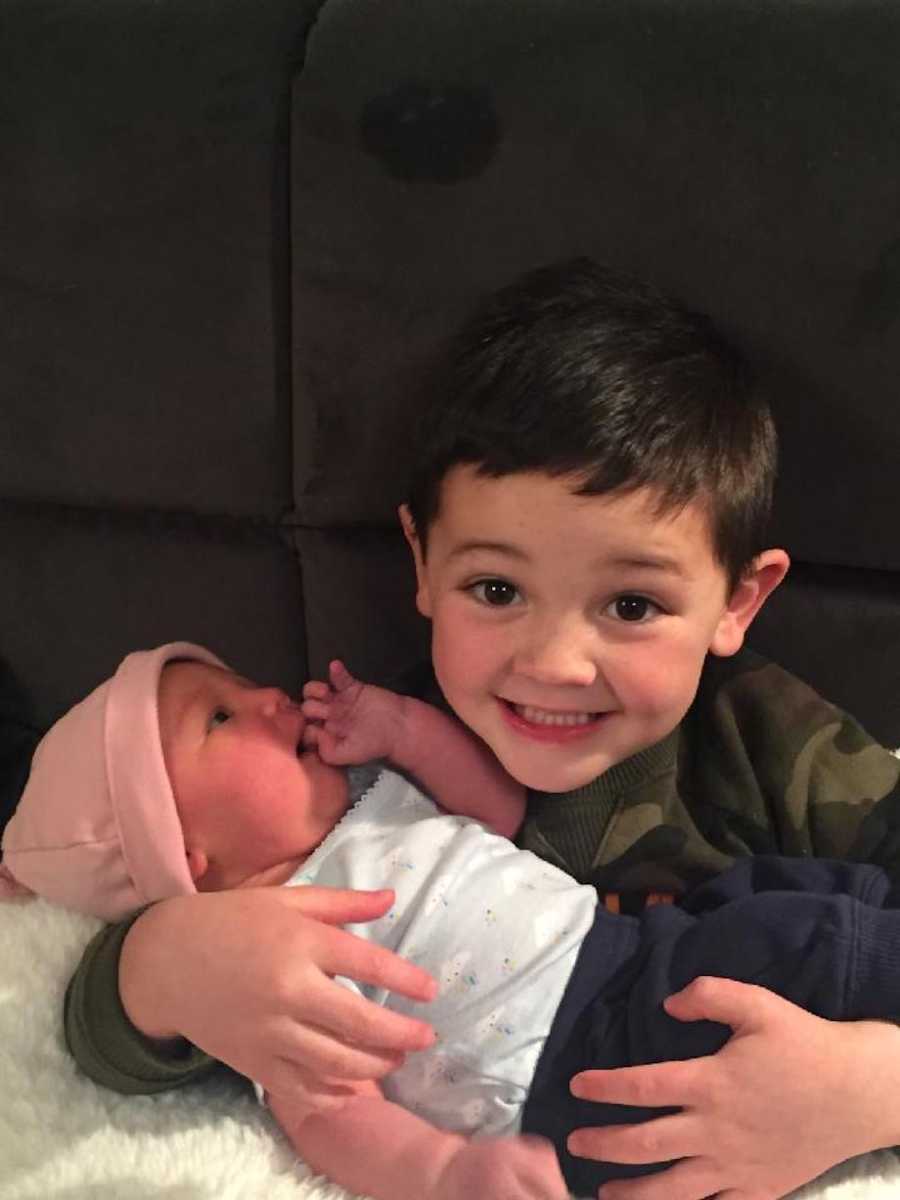
For the past day or so, I’ve been trying to find the words to capture our life over the last year and a half. Thinking about all the changes we’ve faced brings tears to my eyes—but not the tears you might expect when your baby has a rare genetic disorder and relies on a ventilator to breathe. No, these are happy tears. Tears of gratitude that we still have the most spirited, lively daughter with us. Tears of joy that her brother and sister get to grow up alongside her. Tears of pride for the growth we’ve experienced as a family and, perhaps most importantly, as parents.
To understand how we arrived here, we need to go back to January 2020. Thea was born on January 22, 2020. My pregnancy had been flawless, my scheduled c-section went perfectly, and everything seemed normal—so normal that nothing could have prepared us for the heartbreak to come. Only two weeks later, Thea died in my arms. I remember that day vividly: the couch I was sitting on, the layout of our living room, the overwhelming sense of disbelief that something so unthinkable could be happening.
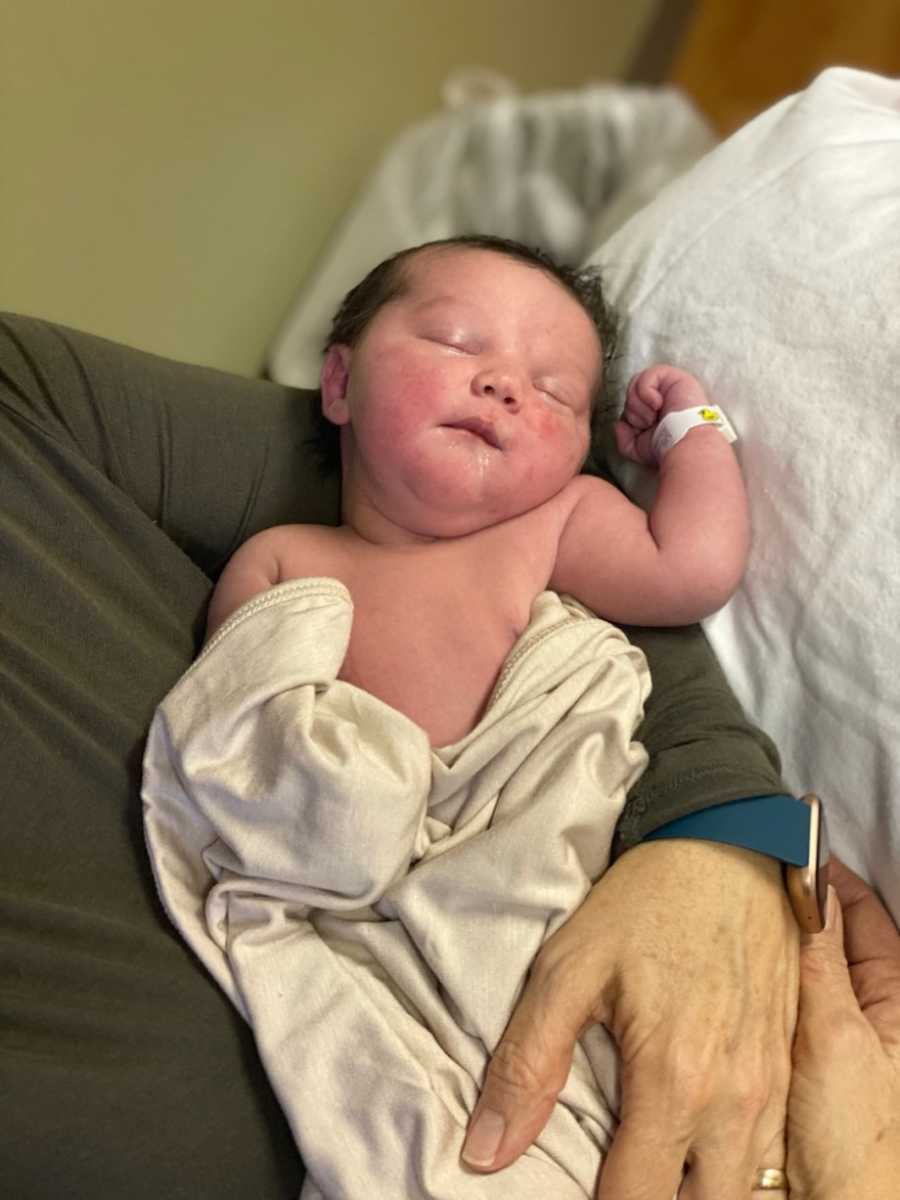
Earlier that day, Thea had seemed a little different—less alert, more tired than usual. I asked my husband if she looked okay and researched what a two-week-old baby “should” be doing. She seemed off, but not alarmingly so. We didn’t think to take her to the doctor. Later, as we sat in the living room watching TV, Thea asleep in my arms, life felt sweet. Our two other children were at their dad’s house, my husband was beside me, and our little family seemed complete in that moment.
Then, just minutes after finishing breastfeeding, Thea’s small body went limp, her color turning blue. I looked at my husband in utter disbelief. Without hesitation, he grabbed her and began CPR, tossing her over his knees to try to revive her. I called 911, barely able to answer their questions, overcome with shock and fear. The adrenaline coursing through my body was unlike anything I had ever felt—an intensity I can still feel when I recall that night. My husband was Thea’s first blessing; without him, I truly believe she would not have survived that night.
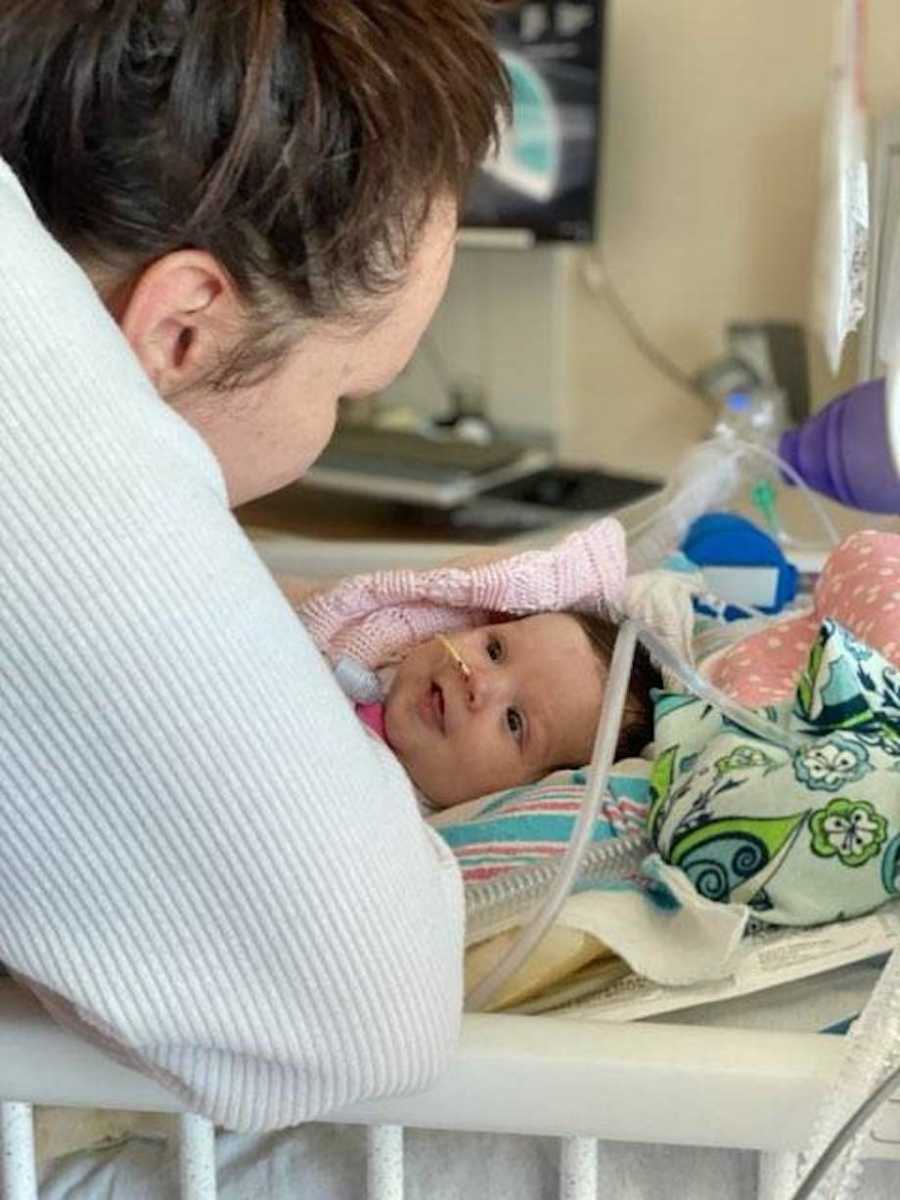
The ambulance arrived quickly, and we were on our way to the hospital. There, hope and terror mixed. We called our dear friend, our town’s neonatologist—the woman we now call Thea’s guardian angel—to meet us at the hospital. She guided the doctors, strategizing her care. Unfortunately, Thea was critically ill and unstable. It became clear she needed to be transferred to a major hospital for specialized care.
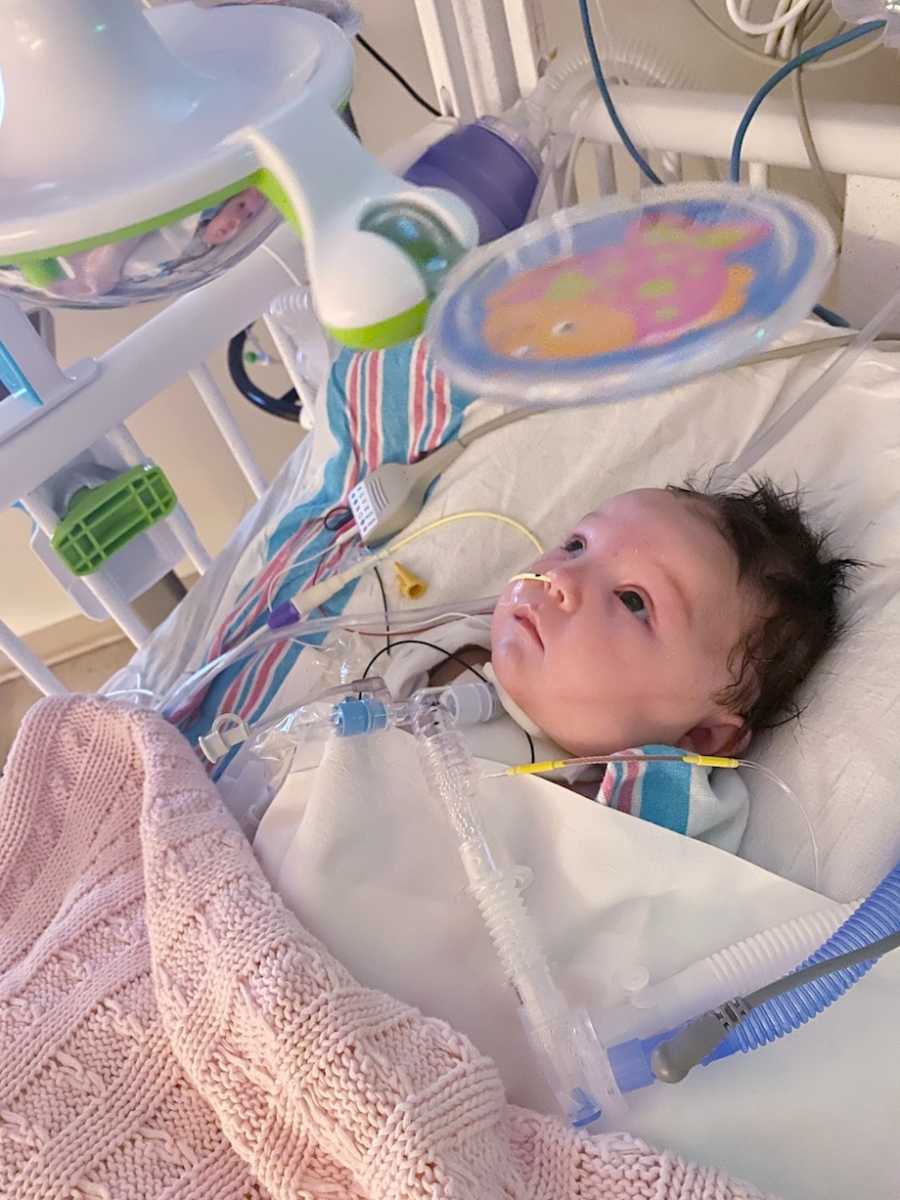
At the larger hospital, we finally felt we could access the treatment Thea required. We spent ten weeks in the pediatric ICU. Eight of those weeks were filled with critical illness, multiple codes, and constant monitoring. Thea’s condition was so serious that we quickly realized her case was beyond anything we had ever imagined.
The day after our arrival, our guardian angel suggested testing Thea for a rare genetic condition called Central Congenital Hypoventilation Syndrome (CCHS). At first, we thought it was an unlikely idea. CCHS affects only 1,000–1,200 people worldwide and impairs the automatic control of vital bodily functions, most notably breathing. Some patients require life-long ventilatory support. The thought of our two-week-old baby needing a tracheostomy and constant ventilation was staggering. But we trusted our friend implicitly. With her guidance—and the support of a resident who advocated for us—Thea was tested, eventually underwent a tracheostomy, and finally received a confirmed diagnosis. This was our third blessing. Without these three pivotal people—the quick actions of my husband, our guardian angel neonatologist, and the resident who listened to us—Thea’s story might have ended before it even began.
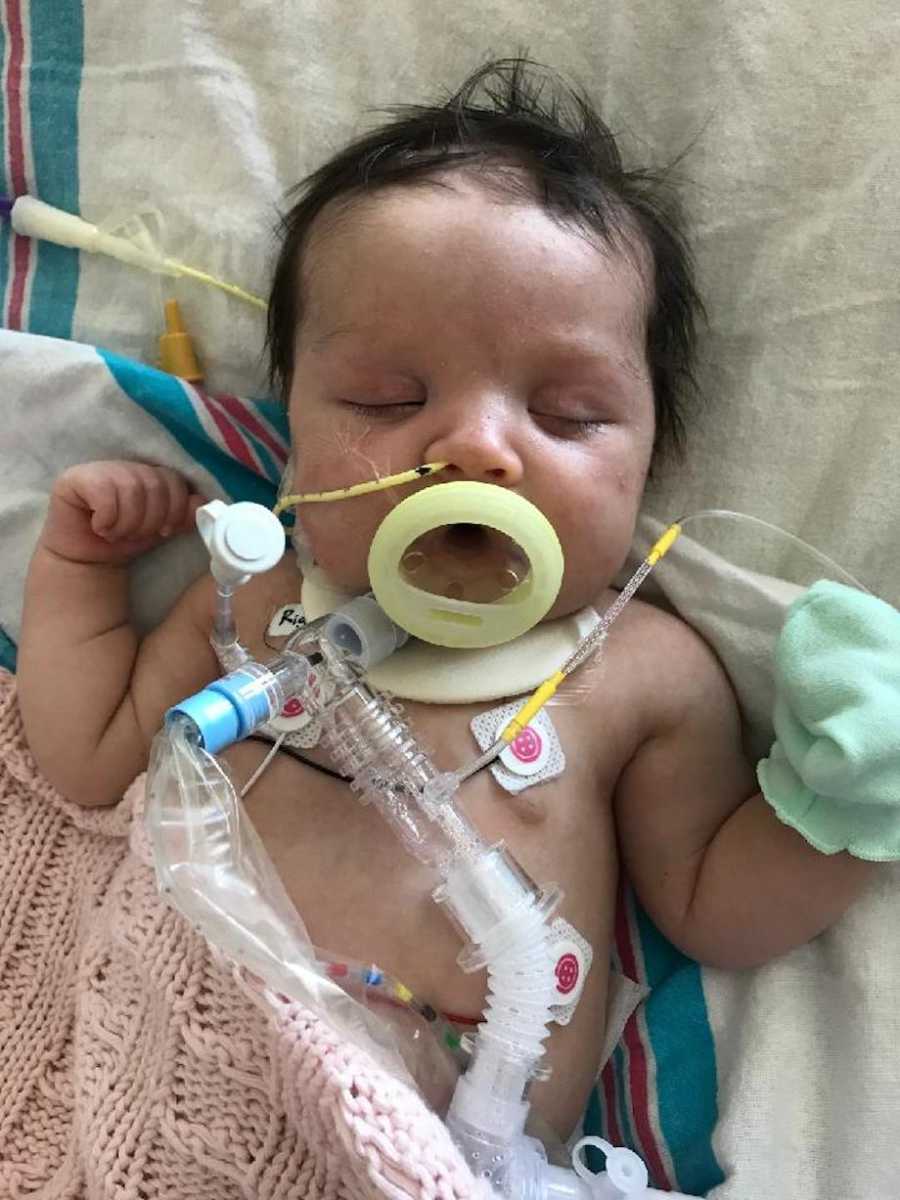
In those first eight weeks, Thea faced more medical trauma than most experience in a lifetime: the initial crisis at home, multiple hospital codes, countless blood draws, IVs, medications, scans, and procedures—all before we even knew her diagnosis. My husband and I stayed by her side every day and night, sleeping on a tiny twin bed to be present for every breath, every cry. The sacrifice meant seeing our other children only a handful of times, but we knew Thea needed us most.
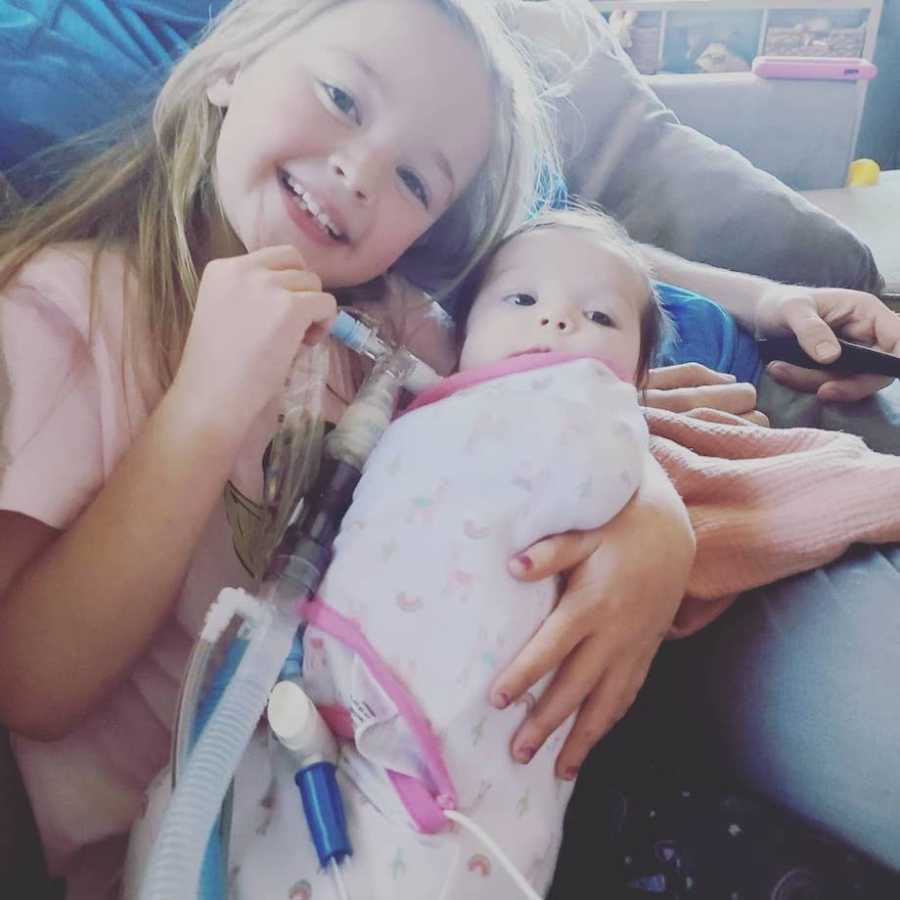
Just when we thought we could catch our breath, the COVID-19 pandemic struck. Suddenly, we were isolated in the hospital, learning in an accelerated timeframe how to care for our special needs daughter. Nurses trained us in weeks what usually takes years to master. Shortly after, we made the life-altering decision to sell my Aveda hair salon so I could become Thea’s full-time caretaker while my husband continued working to support our family. Home health support was scarce in our small town, leaving us to manage her care entirely on our own.
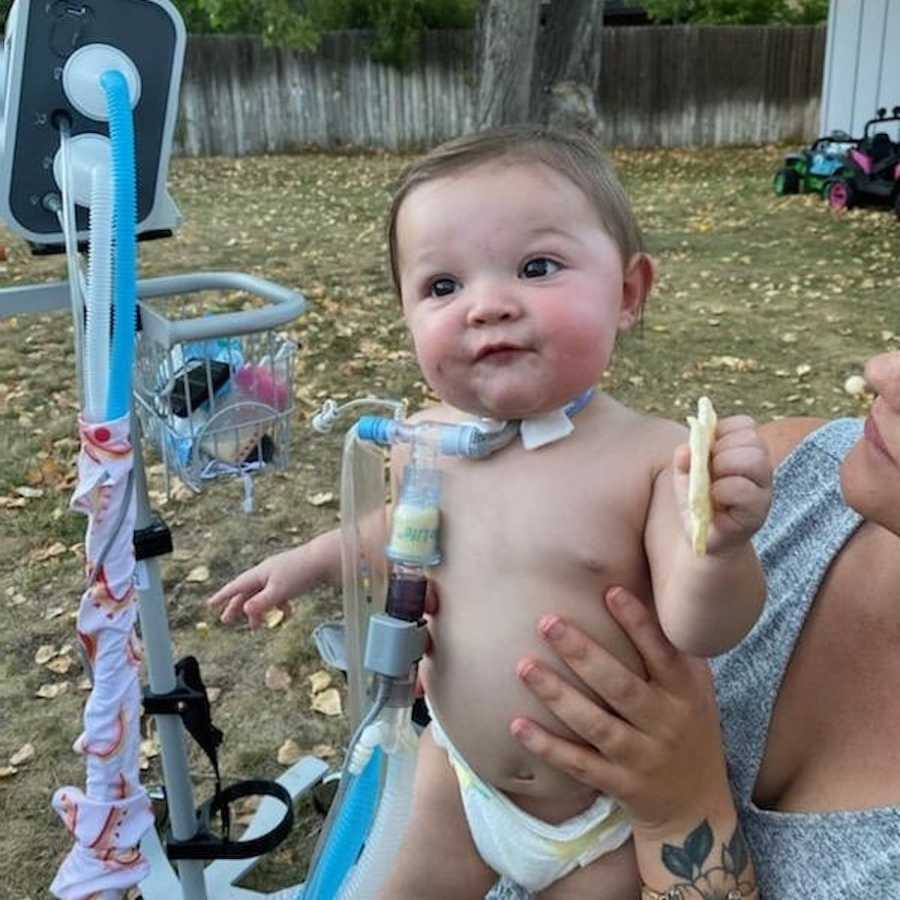
Bringing Thea home was a mix of joy and overwhelming anxiety. The early months were filled with “what ifs”: What if she dies? What if the periods of low oxygen caused developmental delays? How would her siblings feel seeing her need so much attention? Could I handle all of this on my own? Each day was a challenge, but one morning, I made a conscious choice: I would no longer let fear and anxiety dictate our lives. I began working out regularly, cut alcohol to manage depression, and focused on nourishing both body and mind. Slowly, I became the parent, spouse, and person I had always aspired to be—resilient, present, and ready for whatever challenges lay ahead.
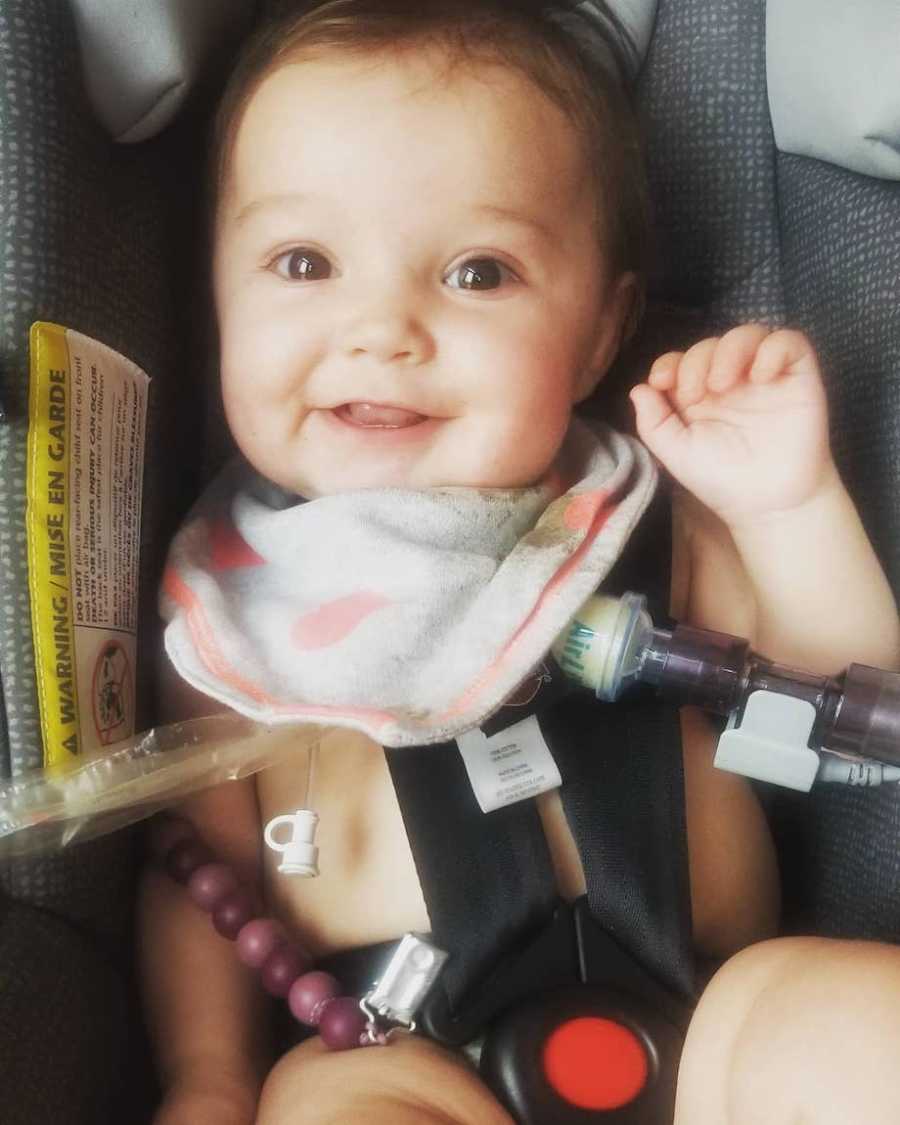
Thea’s diagnosis is not a curse. It is a part of her story, yes, but only a small part. Our family has learned that hardships are inevitable, but facing them together transforms pain into strength. Every day, Thea, her brother, and her sister remind us of life’s bright moments, teaching us the power of resilience, joy, and love.
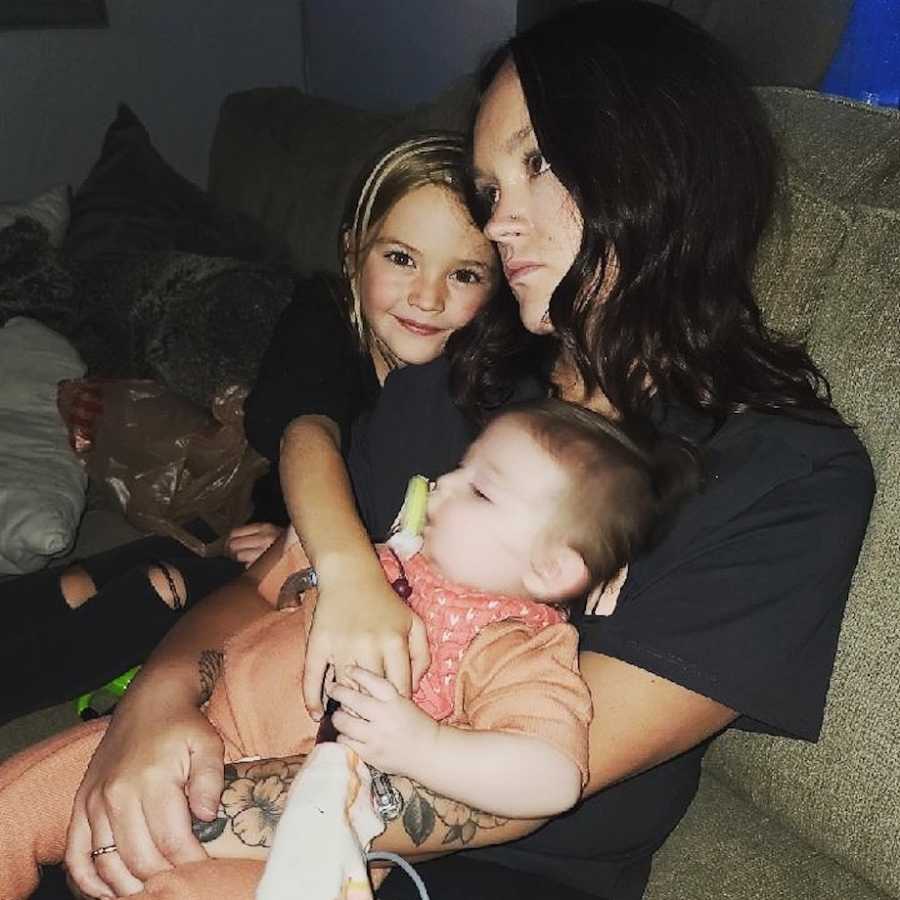
To share our journey, I started a YouTube channel documenting our life—the struggles, the triumphs, and even a few beauty videos. My hope is to help other families navigating life with a special needs child, offering guidance on everything from sleep arrangements and bathtime to travel and daily care. Through all the challenges, Thea and her siblings shine like beacons of hope, reminding us—and everyone watching—that even in life’s darkest moments, blessings are always there if you choose to see them.