“Read it again,” my brain insisted. I was sitting in my fifth-grade history class, my eyes glued to the same paragraph in my textbook I had already read multiple times. But my brain wouldn’t let it go. Read it again, it said, or your fear will come true.
An image of my mom flashed in my mind—drenched in blood, lying on a stretcher in an ambulance after a car accident. READ IT AGAIN! my brain screamed. I pressed my hands against my head, frustrated. I knew my classmates were nearly done reading, but I couldn’t move past this one section. Logically, I knew rereading the paragraph wouldn’t protect my mom. Logically, I knew it was irrational. But logic didn’t matter. The anxiety behind my eyes burned like fire. My mind was on lockdown. I had no choice. It’s the only way to keep Mom alive.
It wasn’t long after that moment that I was diagnosed with Obsessive Compulsive Disorder (OCD). I quickly learned that OCD wasn’t just about excessive hand-washing or cleanliness, as many people believe. It’s a mentally painful disorder defined by two main elements: intrusive thoughts and compulsions. Intrusive thoughts are unwanted feelings, images, or sensations that invade the mind, often starting with a gut-twisting “what-if” that fills the person with fear and dread. Compulsions, on the other hand, are behaviors performed to temporarily reduce the anxiety caused by those thoughts. In my fifth-grade story, the horrifying image of my mother’s accident was the intrusive thought; rereading the paragraph over and over was the compulsion.
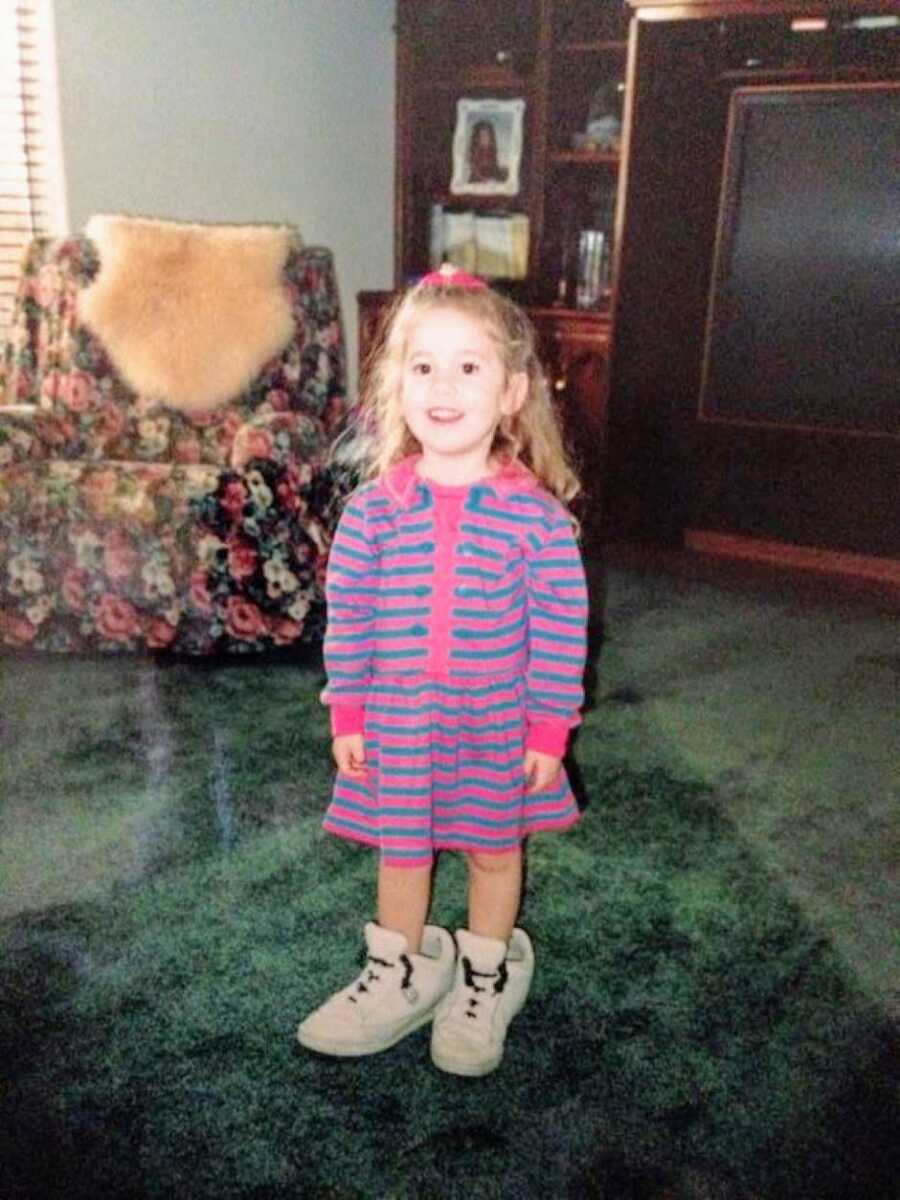
My parents first noticed my symptoms when I was just four. One day, my mom was walking me across the street, hand in hand, when I suddenly let go and ran back to where we had just left. I explained I had to do it “right.” That moment is only one snapshot of my childhood. My intrusive thoughts were relentless, changing themes as I grew—fears of contamination, religious anxiety, unwanted sexual thoughts, obsessive worry about my family’s safety, hyper-responsibility, and more. OCD didn’t just take a mental toll—it infiltrated my imagination and dominated my everyday life.
It also impacted my body. Contamination fears made me compulsively inspect food before eating it. I spat out more than I swallowed, likely shocking my classmates, and eventually began eating lunch in the school office to avoid judgment. By twelve, I became severely underweight—not out of fear of gaining weight, but out of fear of poisoning. Swallowing my own saliva became a challenge. I would walk through school halls with my cheeks full of spit, terrified it was contaminated, sometimes resorting to spitting into my sweatshirt when no private space was available. I was embarrassed, yes, wearing a damp, smelly shirt, but OCD’s grip didn’t care about embarrassment—it only cared about fear. One morning, I woke my mom and whispered, “I feel like I’m in a nightmare, and I can’t wake up.”

OCD followed me through my schooling and family life. I begged to stay home almost every day, exhausted from compulsions and terrified by intrusive thoughts. My mom eventually decided to homeschool me. And OCD didn’t stop there—it followed me into adulthood and into motherhood. As a little girl, I had always dreamed of becoming a mom, playing with dolls stuffed in overalls with my sister, pretending to be pregnant. Naturally, when my husband and I learned we were expecting, we were overjoyed. And naturally, OCD emerged from the shadows, determined to cast fear over the light of our happiness.

During pregnancy, I developed intense fears of postpartum depression—not because I was depressed, but because OCD fixated on the “what-if” of developing another mental health disorder. People with OCD often experience this looping anxiety, intrusive thoughts that refuse to be dismissed. On top of that, my pregnancy was physically difficult. I vomited multiple times daily, enduring relentless nausea. I was diagnosed with a low-lying placenta, which limited my physical activity to almost nothing, including lifting anything heavier than a frying pan. And yet, in January 2021, despite the anxiety and physical challenges, we welcomed our healthy baby girl.
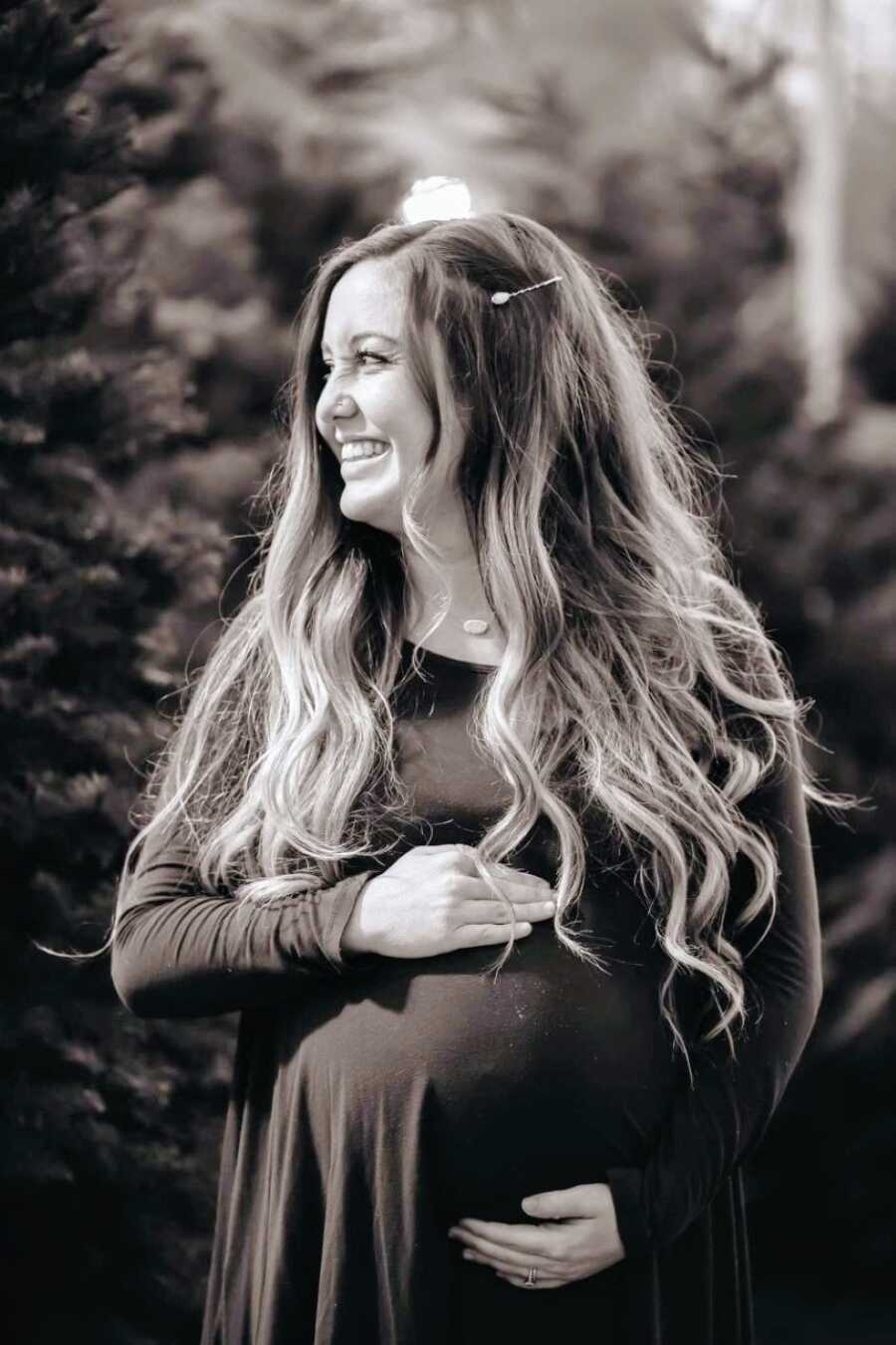
But anxiety didn’t end there. Postpartum brought a new wave: health anxiety, especially about my daughter. I obsessively monitored her breathing, her noises, her temperature. Sleep became a minefield. Each grunt or whimper jolted me awake. I feared she was suffocating, missing, or even being kidnapped. Every “what-if” played on repeat in my mind, bringing panic and dread. The common advice to “sleep when the baby sleeps” was nearly impossible to follow. Adjusting to motherhood was hard, emotionally and physically.

Still, motherhood has been the most amazing experience of my life. Yes, it’s hard—exhausting, anxiety-inducing, and full of fear—but it’s also overwhelmingly beautiful. I would do it over a thousand times. There is nothing like being the person your child depends on for love and safety. It’s a paradox: one moment I cry from exhaustion, and the next, I cry in gratitude, overwhelmed by the miracle of her tiny presence and God’s goodness.

Motherhood brings a thousand firsts: first fever, first steps, first falls, first stumbles over chubby little legs. Each moment teaches me acceptance—acceptance of the unknown, the what-ifs, and the intrusive thoughts OCD throws my way. With acceptance comes immense joy: laughter, cuddles, first words, and watching a new person learn to navigate the world. It’s a gift I treasure daily.
As a psychotherapist, I know the importance of prioritizing my mental health. I continued therapy throughout pregnancy and postpartum, leaning on a support system that understands my struggles. I have friends who remind me to feel what I feel, to embrace fear instead of running from it. My husband brings humor to my days, reminding me how helpful laughter can be when OCD’s voice grows loud. And my personal relationship with Jesus remains my ultimate anchor.

I face OCD for my daughter, modeling courage and acceptance. I want her to see that it’s okay to feel fear, to cry, to be scared, and still show up in the world. Bravery isn’t the absence of fear—it’s choosing to exist and act in spite of it. And to other parents navigating mental health challenges: you are not alone. Prioritizing your mental health is not selfish; it’s brave and selfless. Showing up every day for your children is heroic. You are doing a good job.
Being a parent is a wild, beautiful journey. Being a mama with OCD is just as wild, just as beautiful. Years ago, I promised myself I wouldn’t view OCD as a burden. Instead, I chose to let God transform it into something meaningful. My experience with OCD inspired me to become a therapist specializing in helping others with OCD. This is me embracing the “what-ifs,” riding the waves of fear rather than fighting them, and growing alongside my daughter. While everyone sees her growing, few realize they are also witnessing me grow—every step, every breath, every brave choice.