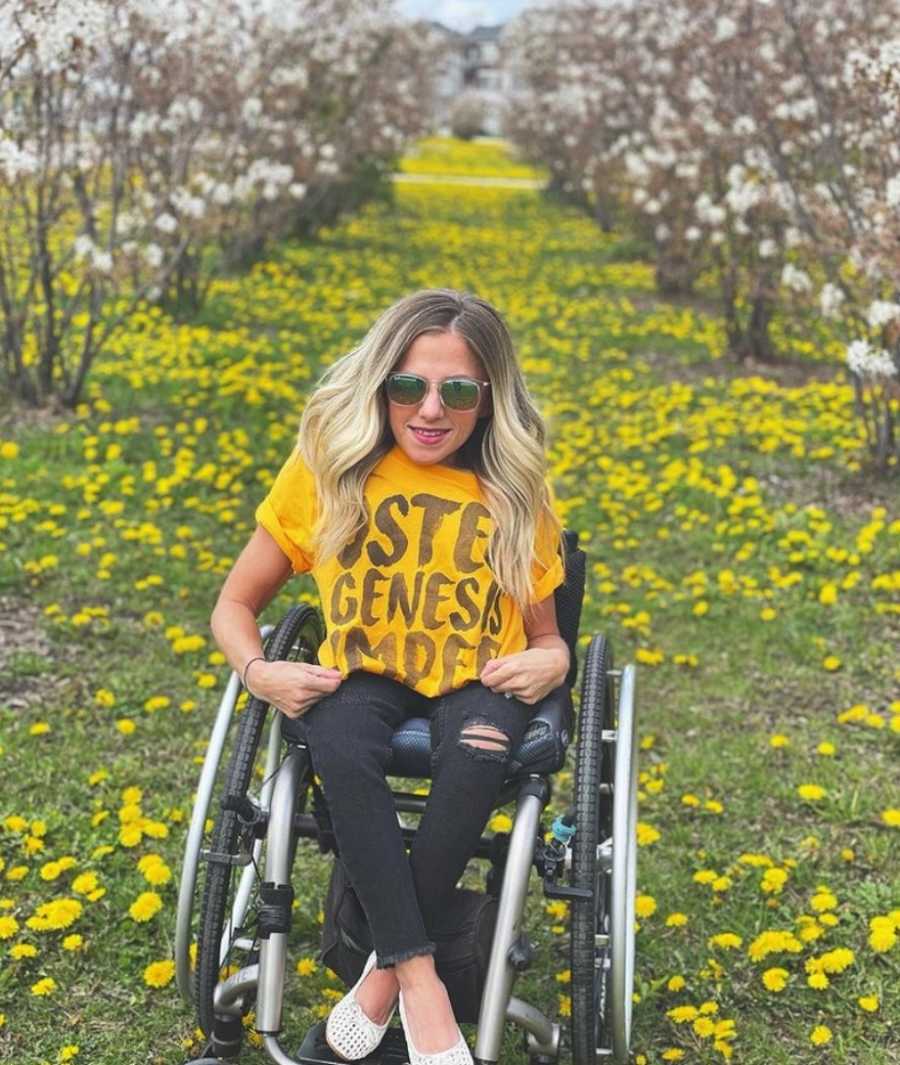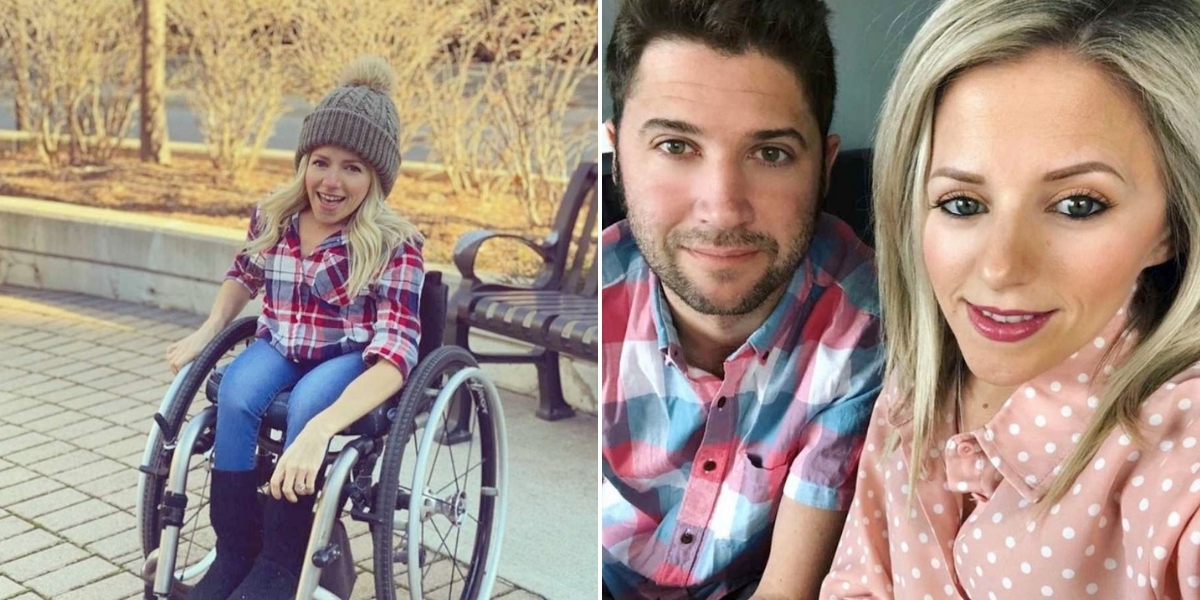
I’m 3’6” and I can’t walk. I’ve broken nearly 100 bones, undergone more than a dozen surgeries, and rely on a wheelchair full-time. Yet, I am also a wife, an aunt, a speech-language pathologist, a world traveler, an adventure-seeker, and a passionate advocate for disability rights. I’ve built a life I love—a life that defies assumptions, challenges societal expectations, and proves that disability is just one part of who I am.
My story begins at birth. Like most babies, I entered the world crying—loudly—but the doctors quickly realized my cries were more than a newborn’s wail. My left femur was swollen and broken, and I was immediately rushed to the large Children’s Hospital downtown. X-rays revealed multiple healing fractures that had happened in utero. I was placed in an incubator under close observation, and soon received a diagnosis: Osteogenesis Imperfecta (OI). Simply put, OI is a rare genetic condition that makes bones fragile and prone to breaking. There was no family history of OI in my case; I was a spontaneous mutation.
Hours after my birth, still recovering from delivery, my mother received the news. “There’s a problem with your daughter,” the doctor said. My mom, wide-eyed and fearful, asked the question any parent would: “Is she going to live?” The doctor reassured her, “The severity of her condition is not fatal, but…” That pause, my mom says now, was all she needed. I was going to survive. I was going to be loved. I was going to be part of their lives. And in that moment, that certainty was enough.
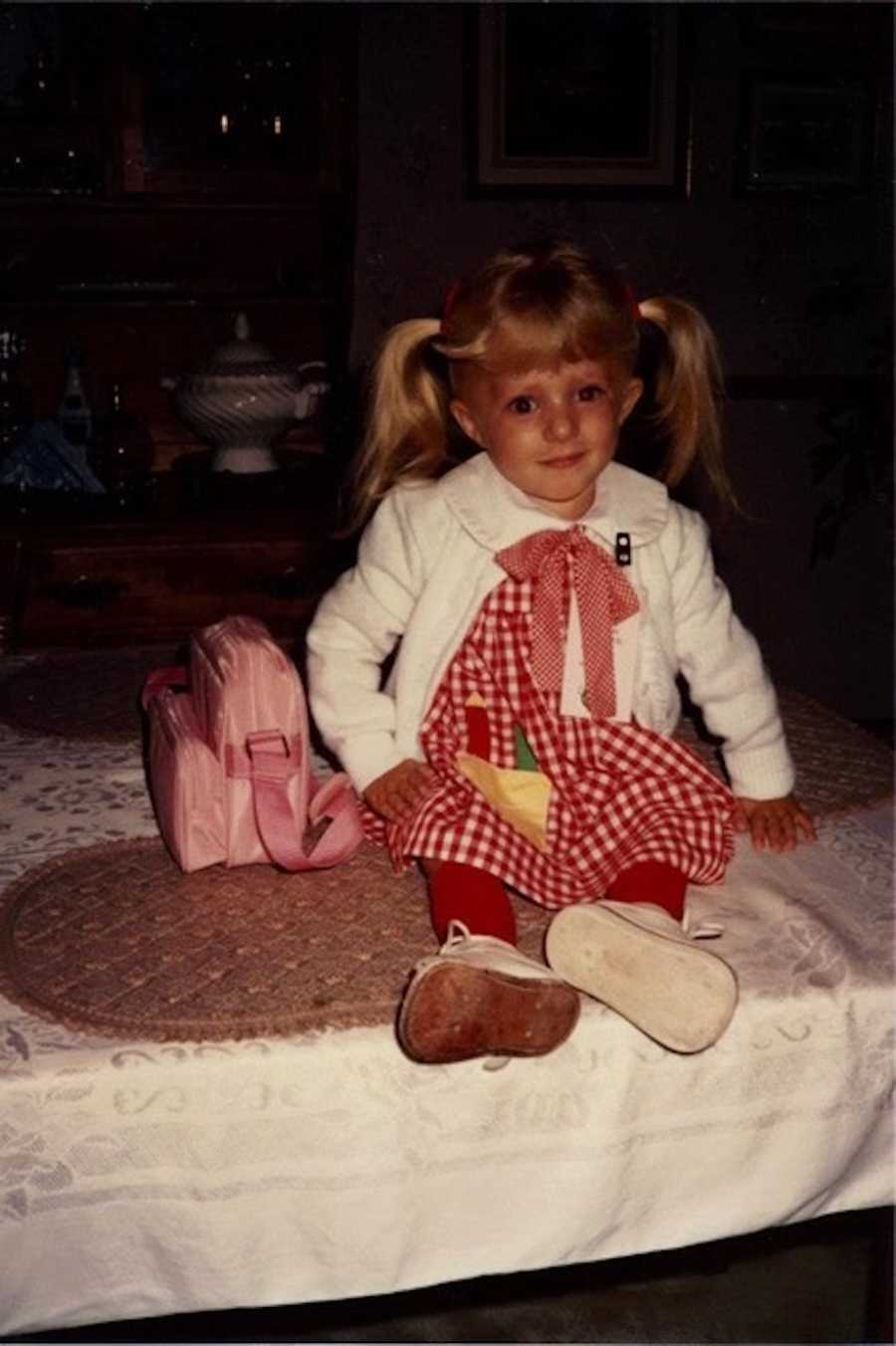
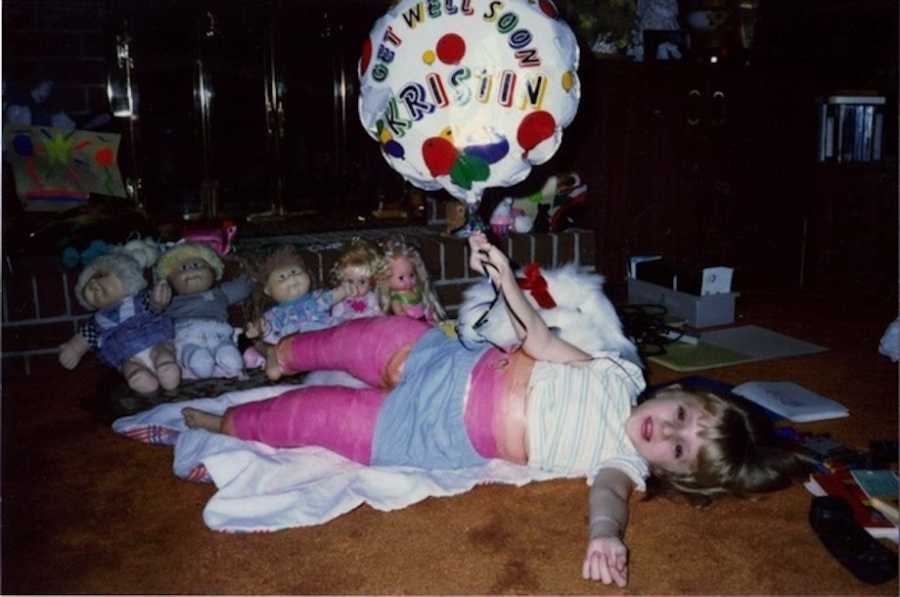
Growing up with OI, much of my childhood was just like any other kid’s. I loved being outside, singing, dancing, playing with friends, and yes, even bickering with my older brother. But I also broke a lot. Sneezing, crawling out of bed, or making my way to my parents’ room on Christmas morning—simple actions often ended in fractures. I spent months at a time in casts that extended from my toes to my armpits, lying flat on my back, washing my hair in the kitchen sink. The pain was intense, but the care of my family, my mom’s comforting voice, and joy from small moments—a card in the mail, sunshine on my face, or a slice of cheese pizza—made life rich and full. Today, when life feels hectic and I find myself wanting more, I remind myself of those simple joys and find gratitude in every day.
At age three, I was fitted for my first wheelchair—a bright yellow chair with a sign hanging above the handles that read: “Fragile! Handle With Care!” I could still walk on occasion, but every attempt ended in another broken leg. My arms were strong, my wheelchair gave me freedom, and my parents never hesitated to find ways to keep me mobile. That chair allowed me to keep up with friends, attend school, work, and participate fully in life, as long as accessibility allowed.
Three was also the year I started school. In the late 1980s, my parents chose a school for children with physical disabilities. Today, many parents advocate tirelessly for inclusion in mainstream schools, and I strongly believe integration is essential. But for me, those 11 years at a segregated school were invaluable. Surrounded by disabled peers, I learned to live independently with my condition. I discovered wheelchair sports, accessible recreation programs, adaptive transportation, and innovative assistive technology. I learned practical skills—climbing onto countertops, carrying books, navigating curbs—but also confidence, compassion, and humility. That foundation carried me through high school, university, graduate school, and into my career. It gave me disability pride and taught me to recognize and resist ableism—the prejudice and assumptions society often imposes on disabled people.
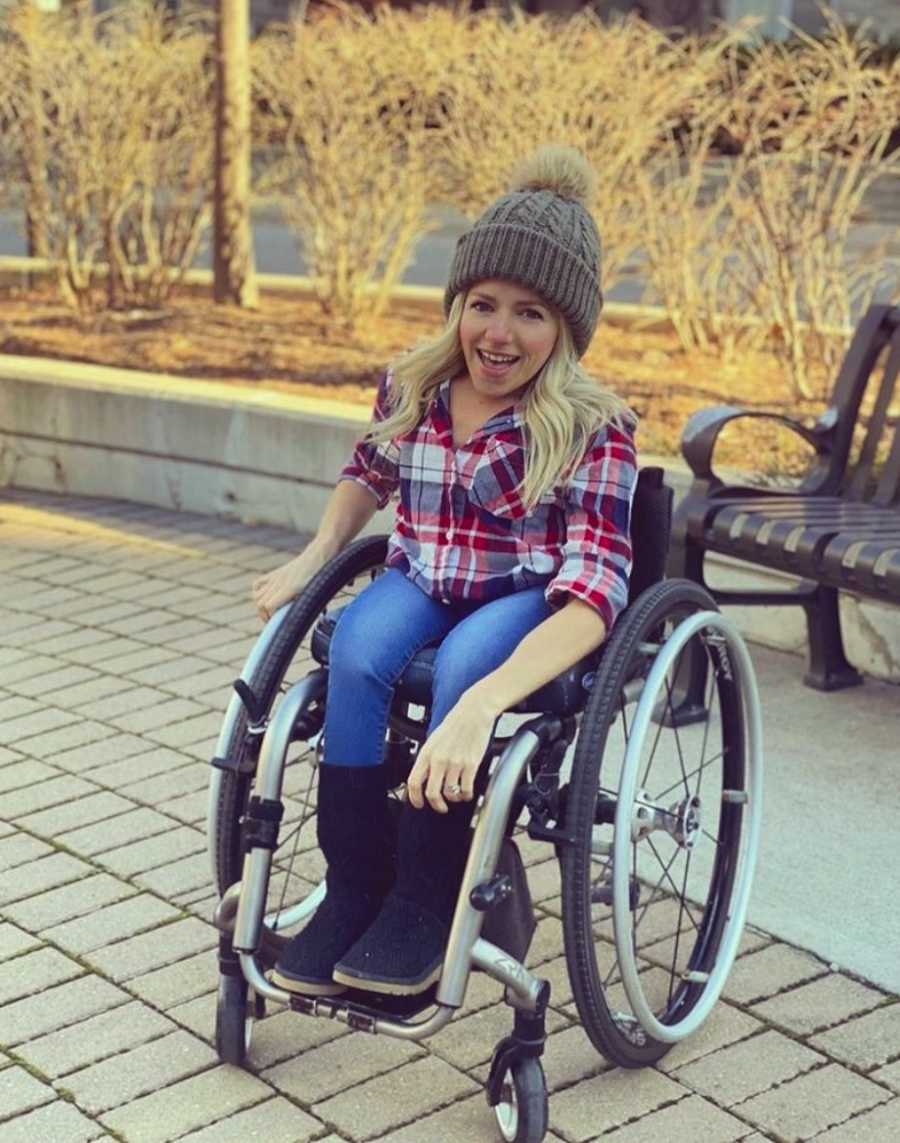
After university, I pursued graduate studies in communication sciences and disorders. Growing up navigating healthcare systems and rehabilitation services, it felt natural to choose a career in helping others. My parents set high expectations, believing in my potential while understanding challenges. While some careers, like orthopedic surgery, would have presented barriers, speech-language pathology was a perfect fit. I could provide compassionate care, work in healthcare, and engage fully using my skills.
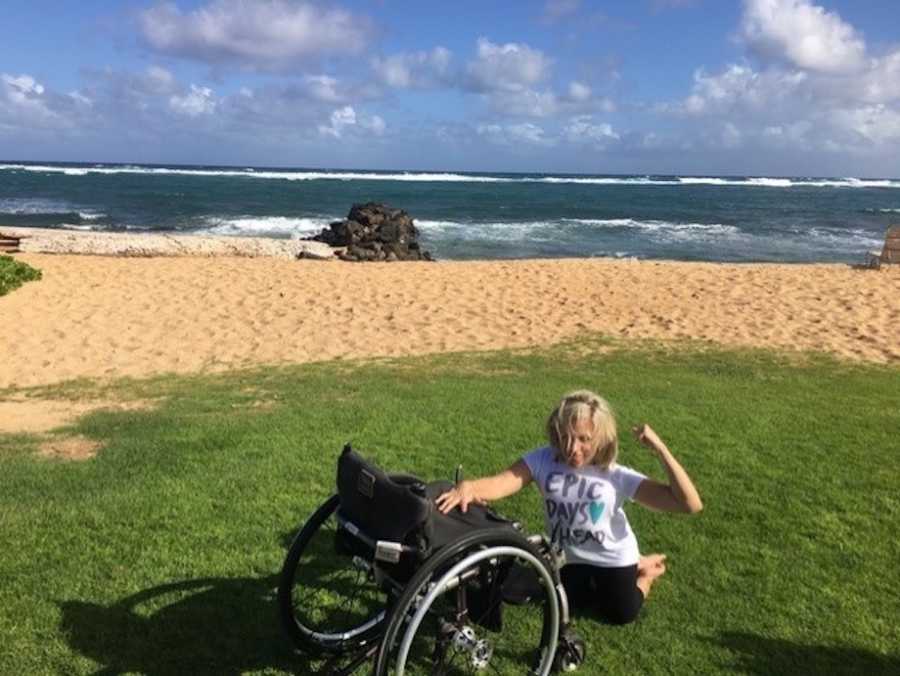
Even so, the journey wasn’t without obstacles. During my Master’s program, I was denied clinical placements after disclosing my disability. Assumptions about my abilities were made without conversation or evaluation. Like many disabled people, I had to work harder to prove my competence. I graduated in 2010 and am now celebrating over a decade as a speech-language pathologist at an inpatient rehabilitation center, helping patients recover from strokes. My experience as a patient informs my work—I understand vulnerability, patience, and the importance of collaboration.
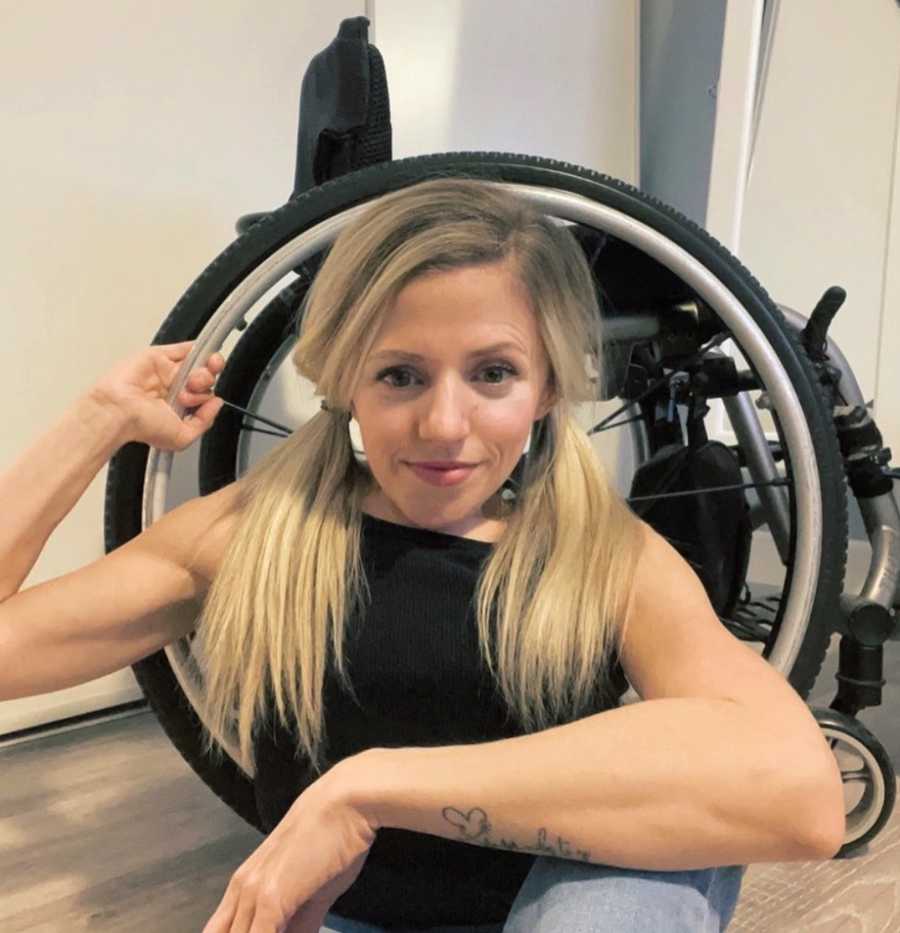
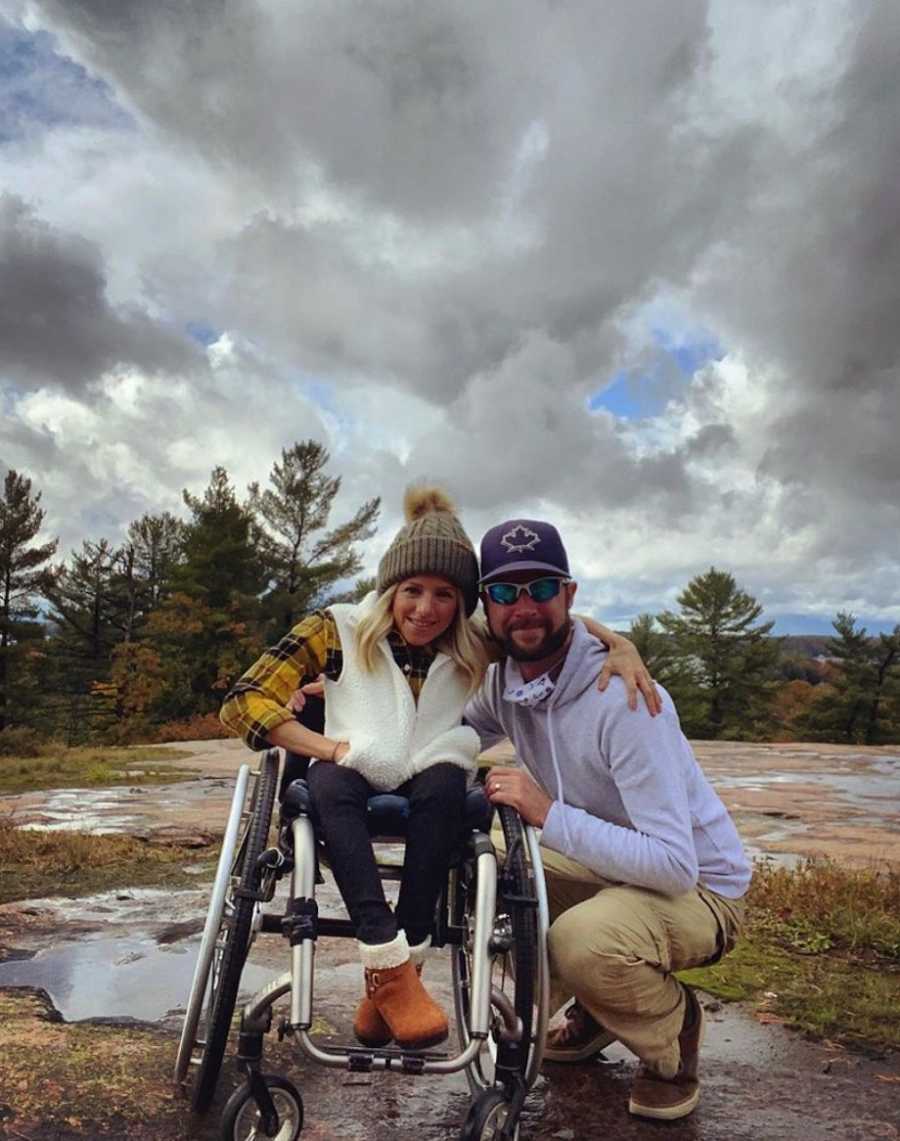
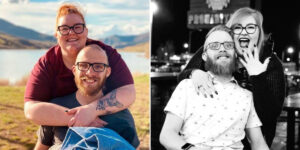
In 2013, I married my husband, Mark, whom I met online in 2006, back when internet dating was still considered unusual. We chatted for a month before meeting, and only then did I disclose my wheelchair use. He admits he didn’t fully believe it until he saw me sitting there! Many people struggle to reconcile disability with success, joy, or independence. Mark, thankfully, was willing to challenge his assumptions. He didn’t see past my disability—he embraced it as part of me. Together, we navigate life as equals, adventurers, and partners.
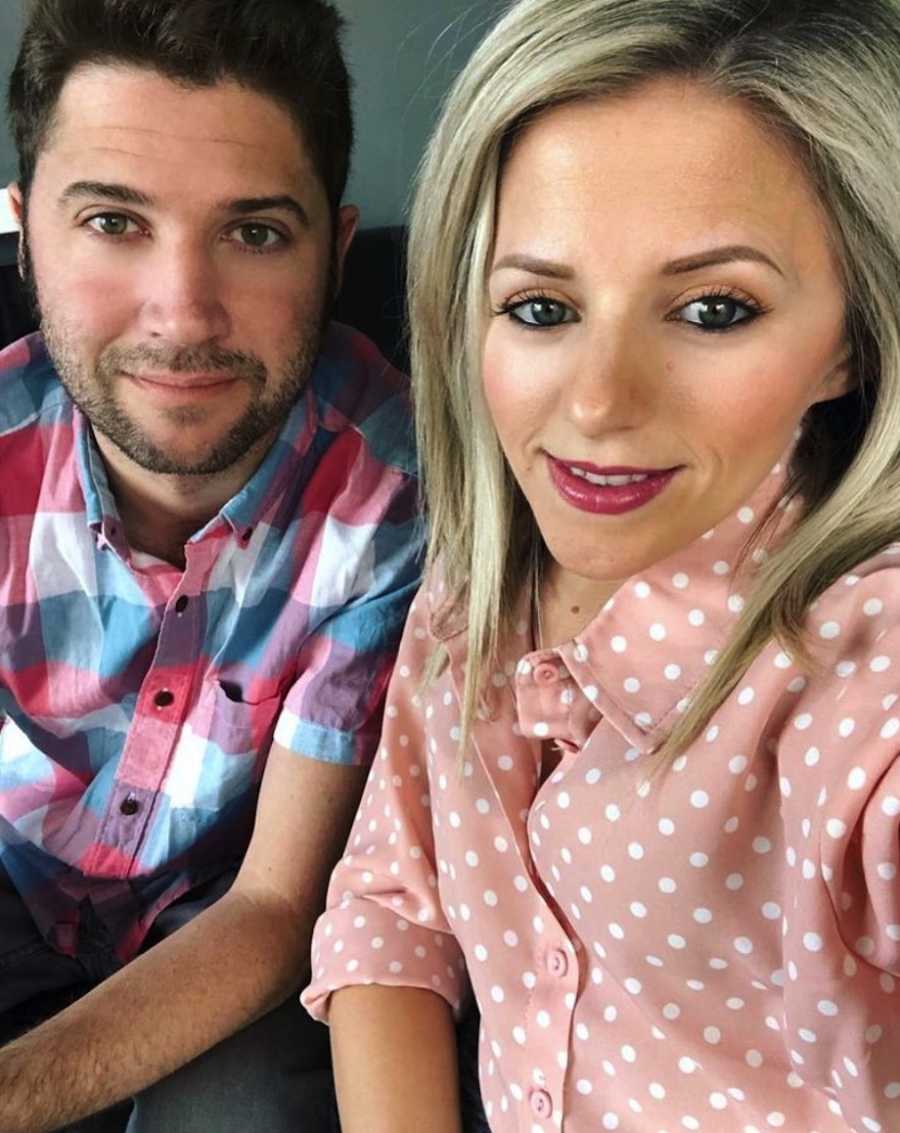
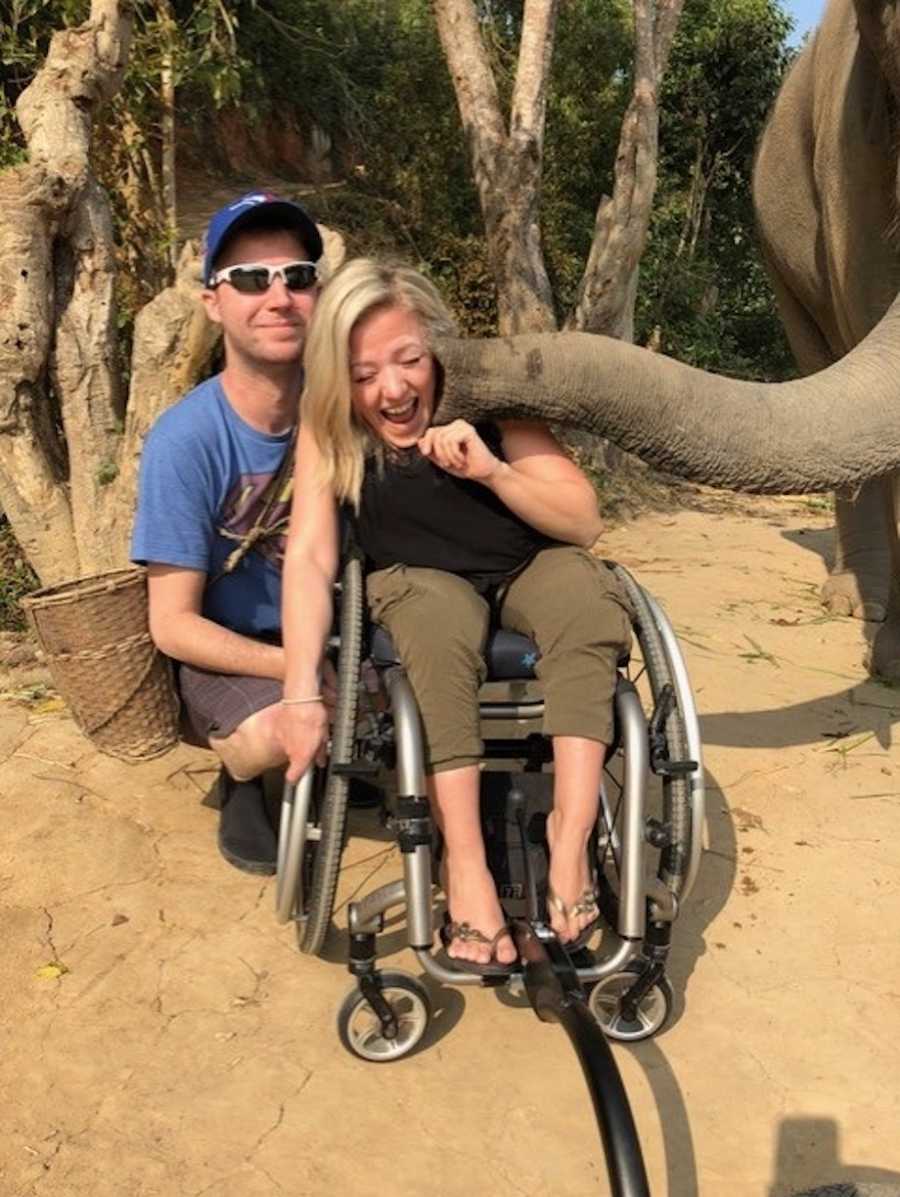
We love exploring the world. From making fresh pasta in Tuscany to bathing elephants in Thailand, watching lions on safari in Kenya, and hiking U.S. National Parks, we share adventures and laughter. I plan, research, and budget; he carries, lifts, and supports. Our goal? Visit 40 countries before turning 40.
I share my story to amplify the message that disability is not a limitation, nor something to overcome. My disability shapes who I am and has enriched my life in countless ways. What I overcome is not my body, but a world unprepared for it—a world of inaccessible spaces and persistent stereotypes. I don’t need pity; I need understanding, advocacy, and awareness. I hope people will learn from disabled voices, challenge assumptions, and embrace the truth that, as Stella Young said, “Disability does not make you exceptional, but questioning what you think you know about it, does.”