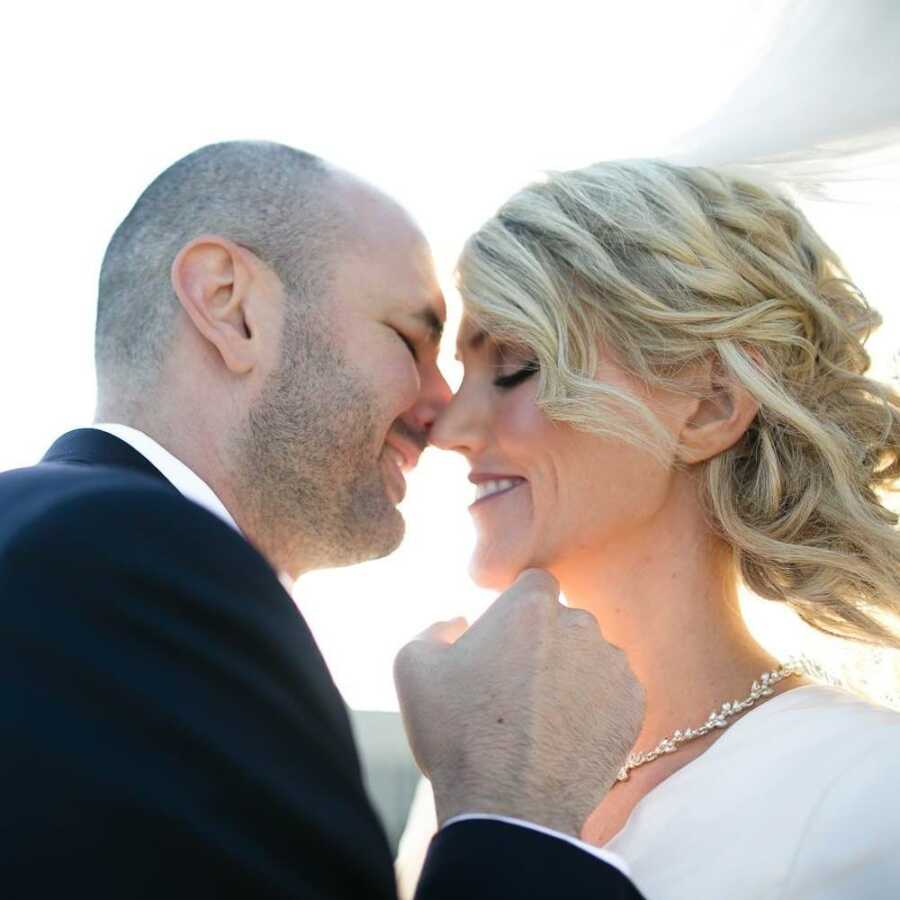
I can’t help but smile when I think back to the life plan I drew up as a teenager. I envisioned finishing college and grad school, traveling the world, meeting the man of my dreams, and being married by 27. By 30, I’d start having children, and by 35, I’d have a family of three or four kids. But life had other plans. I spent an extra decade traveling, learning, and growing before I finally met the man of my dreams—and married him at 37. Surely, I thought, if I had to wait that long to get married, I wouldn’t have to wait that long to start a family, right?

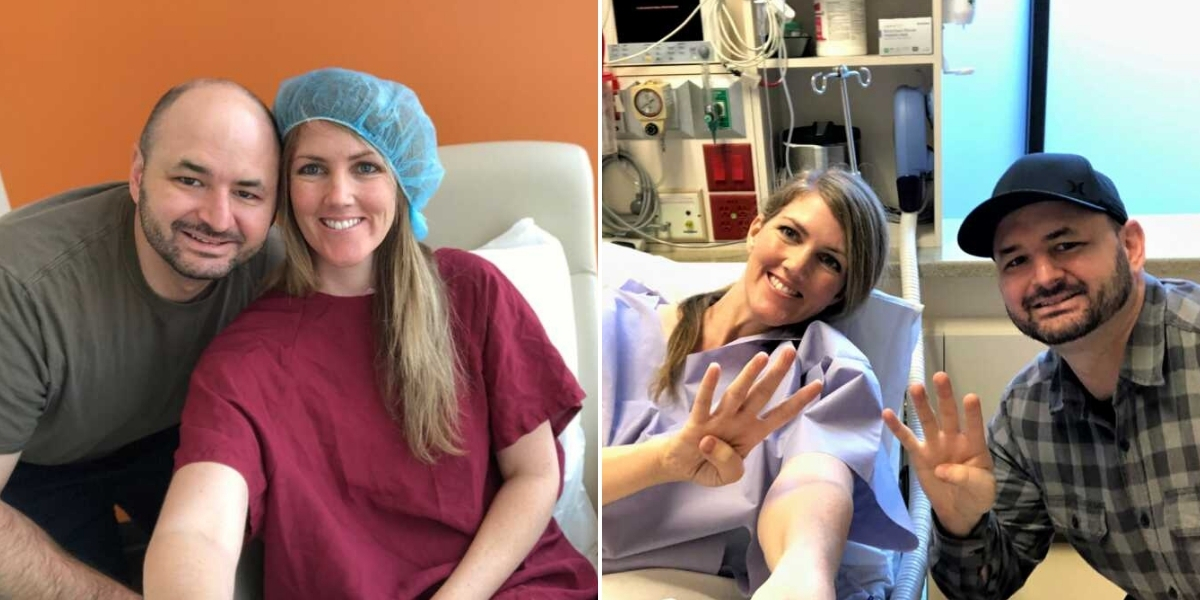
Wrong. My husband and I have now been navigating infertility for about four and a half years. I had no idea at the time that not only would we never conceive on our own, but our insurance would offer no meaningful coverage for the expensive treatments required. We endured two failed intrauterine inseminations, five egg retrievals—three of which produced no viable embryos—a clinic change, an apartment move to afford IVF, two failed frozen embryo transfers, surgery to remove both blocked fallopian tubes (discovered far too late), and four trips to Mexico for reproductive autoimmune treatments.
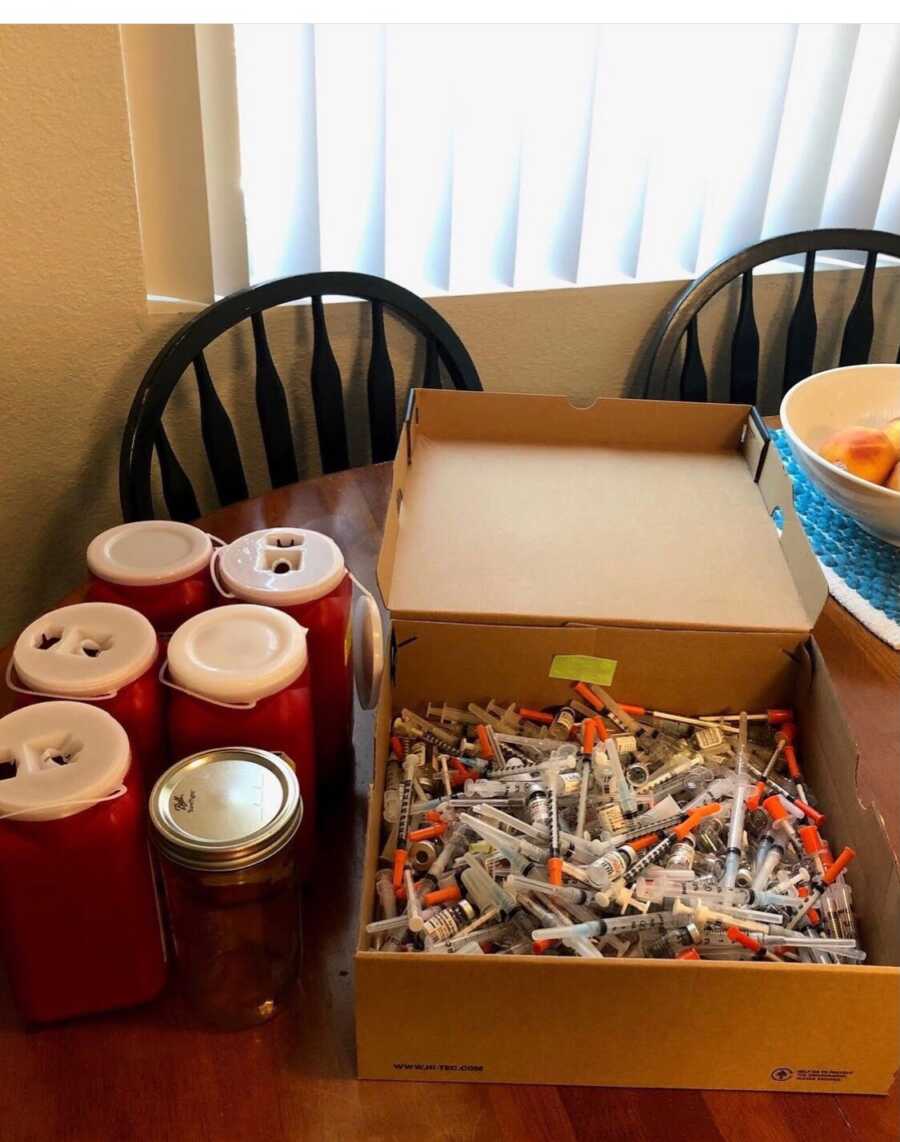
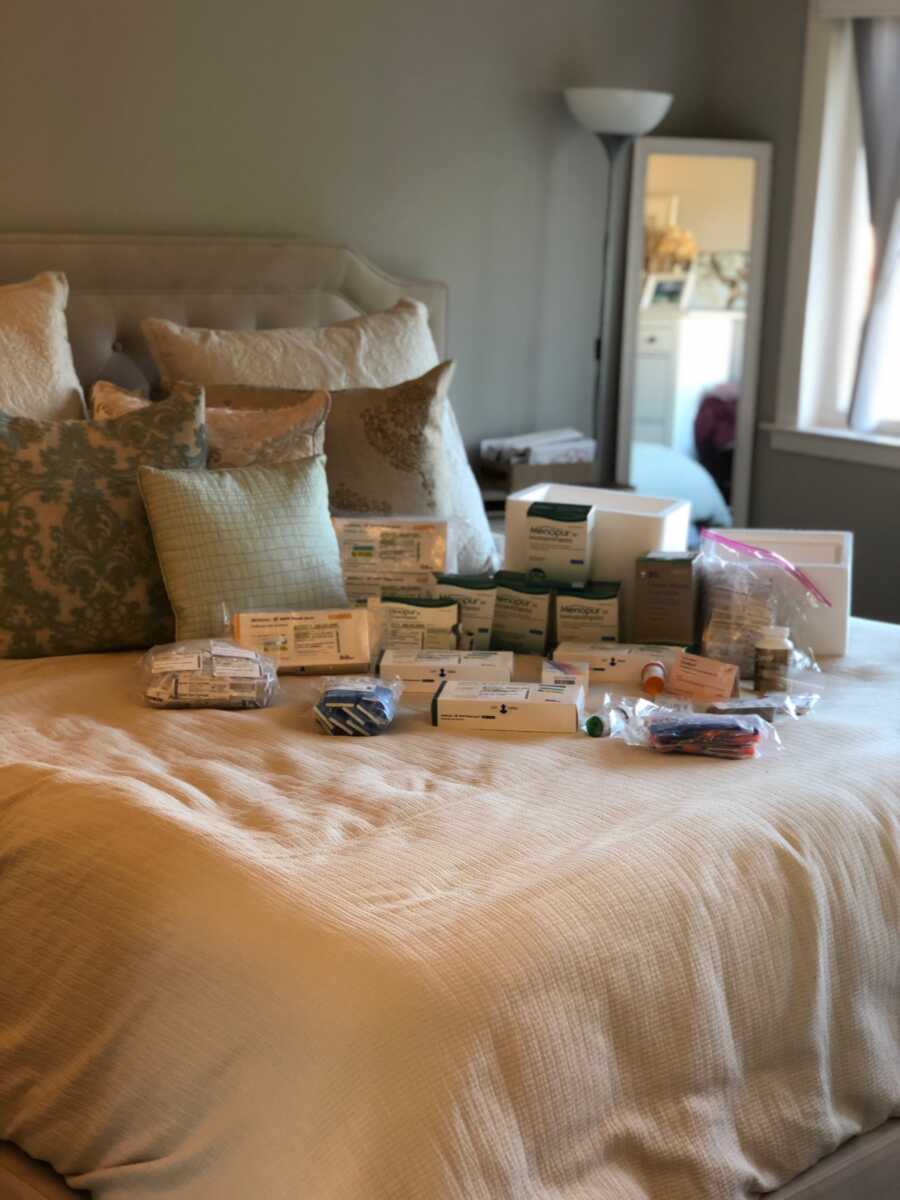
Infertility quickly became a second full-time job on top of my actual full-time work. Researching reproductive endocrinologists, embryo labs, medication protocols, supplements, tests, blood draws, procedures, appointments, and consults felt like earning another degree—or maybe a doctorate, depending on the day. At home, I became my own doctor, mixing and injecting medications with little guidance beyond videos and pamphlets.
If I had to sum up infertility in a few words: exhausting, heart-wrenching, and grueling. My “vending machine theory” describes it best. Life’s rewards usually feel proportional to effort—you study hard, get a diploma; exercise, see results; save diligently, drive your dream car. Infertility, however, is a different kind of machine. You pour in tens of thousands of dollars, invest every ounce of emotional, physical, and spiritual energy, and are often returned with heartbreak, frustration, and uncertainty in nearly every aspect of life.
One in eight couples faces infertility, yet society rarely talks about it. It’s often dismissed as a “women’s issue,” despite men being equally affected. Even after the American Medical Association officially recognized infertility as a disease, most insurers provide minimal coverage. Advocacy resources like Resolve.org help, but corporate support isn’t guaranteed. I personally tried advocating at my previous workplace, only to be told, “We don’t have a need for that right now.”
The lack of coverage perpetuates silence and shame. IVF and other assisted reproductive therapies are not elective—they are often the only path to building a family. Nearly half of those in need lack access due to financial barriers. And private adoption? Frequently more expensive than IVF.
Adding to the stress, both my husband and I are therapists. I thought our training would give us an advantage in managing the emotional rollercoaster, but guidance is easier to give than to receive. I experienced hopelessness, depression, anxiety, jealousy, and resentment, eventually seeking therapy and support groups to navigate the trauma of repeated loss.
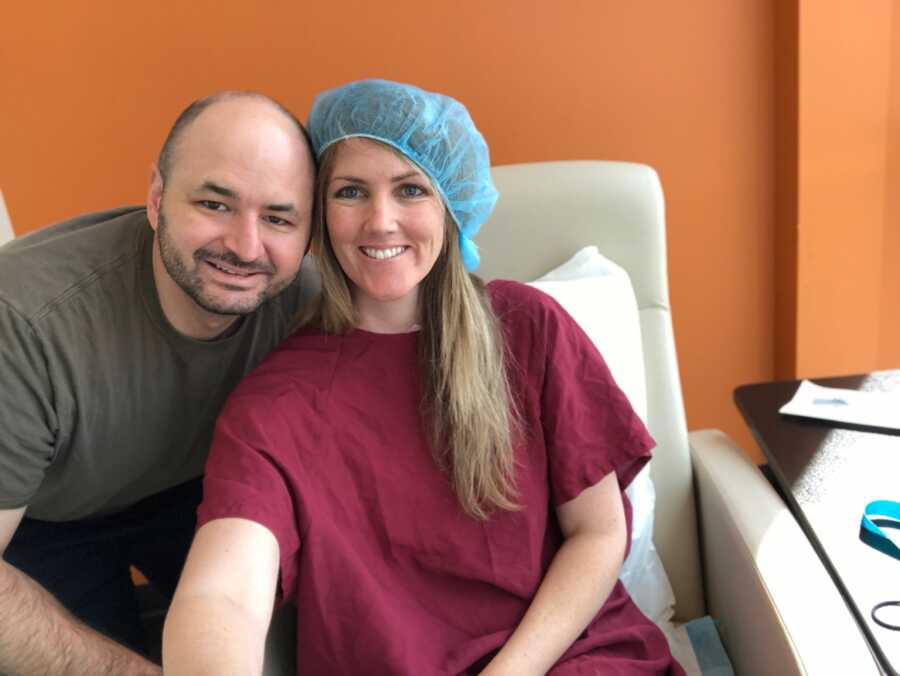
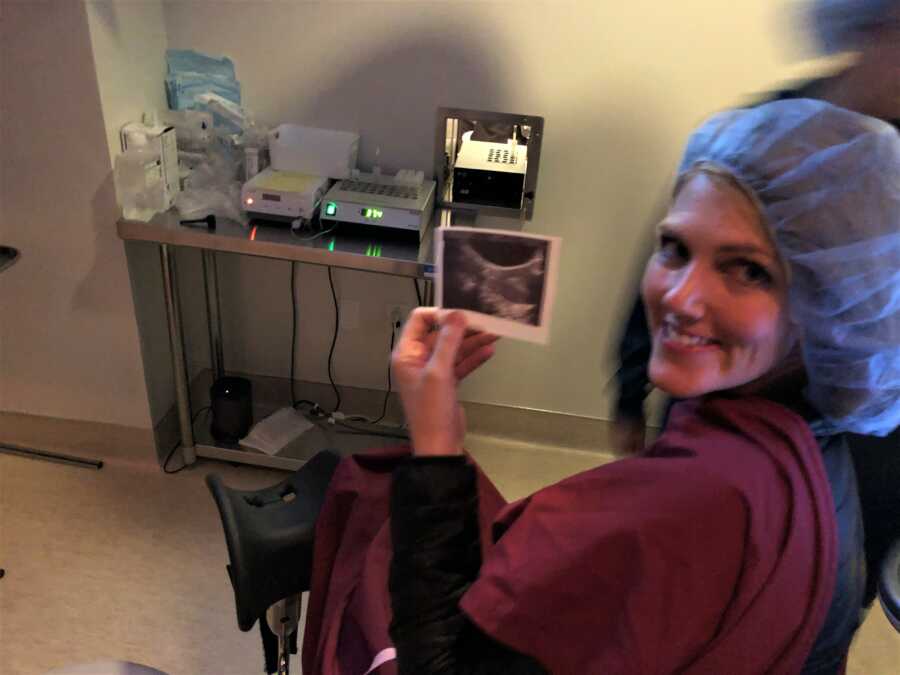
Our first IVF egg retrieval gave us four embryos, all of which were abnormal after genetic testing—a devastating blow. Initially diagnosed with male-factor infertility (later resolved), I began to suspect egg quality issues. The second retrieval yielded five embryos, with only one testing normal. We were “banking” embryos, hoping for at least four normal ones to eventually have two children.
The third cycle produced three embryos—all abnormal. We switched clinics for the fourth retrieval, adjusted medication protocols, adopted a diet to improve egg quality, and added acupuncture and human growth hormone. I eliminated toxins from personal care and household products, cut sugar and processed foods, drank bitter Chinese herbs, and followed strict moxibustion rituals. Every choice felt like a calculated step toward controlling what felt uncontrollable.
Even small deviations—ice water, exposure to BPA, forgotten protocols—felt catastrophic. Infertility had made me hyper-aware, sometimes paranoid. But the intense preparation mattered. After a delayed start due to customs issues with medications, that extra month of effort seemed to pay off: seven embryos went to testing, and three came back genetically normal.
Our first embryo transfer failed. The second failed as well, leaving us devastated. Two miscarriages in quick succession felt like losing half our potential family. My husband held me as I sobbed until I could barely breathe, then lay there numb, only to be hit by grief again and again. I even flung my affirmation board off the balcony in frustration, a small release of the anger and despair I carried.
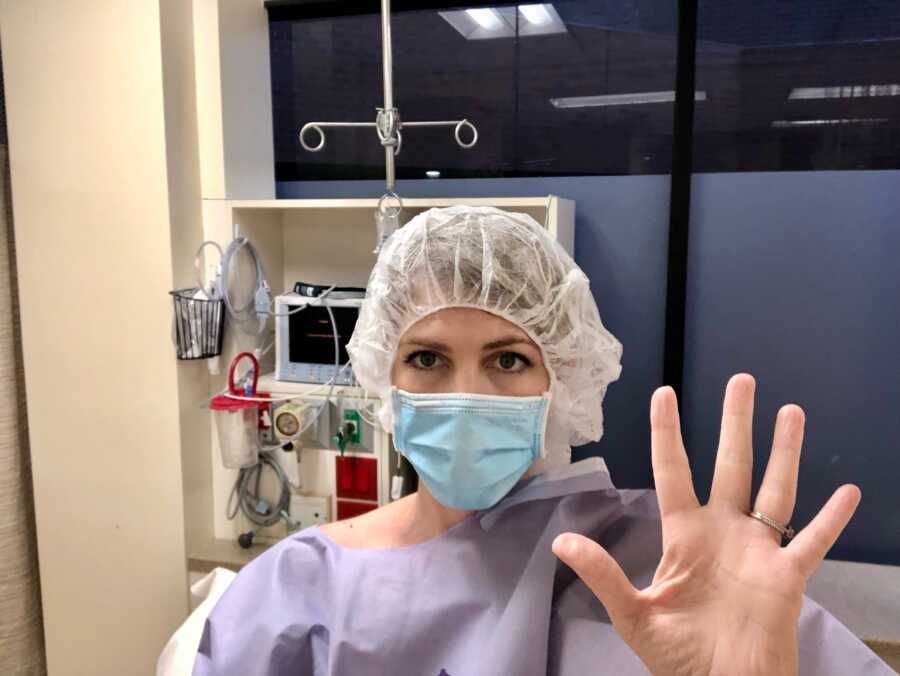
A fifth retrieval, meant to salvage embryos, returned only abnormal embryos. Another blow. But a careful RE suggested more tests and laparoscopic surgery, which revealed both fallopian tubes were blocked—likely the culprit for previous failures. With tubes removed and finances stretched, only two embryos remained.
Reproductive immunology testing revealed autoimmune factors. We traveled to Mexico four times for specialized treatments, involving injections of my husband’s white blood cells to help my body accept embryos. These international treatments tested our patience, sanity, and faith—but we persevered.

With blocked tubes gone and autoimmune issues addressed, we are now cautiously optimistic for the next transfer. This journey has taught me not to compare our path to anyone else’s. Each story is unique, and control is often an illusion. I’m learning to savor the present, release expectations, and trust the process. We remain hopeful that, even if it’s not in the way we originally imagined, we will become parents.