“‘Thank you… you have no idea how much this means to us,’ she said, her eyes glistening with tears as we loaded the last of the frozen breastmilk into her trunk. Her baby boy, who this very milk was going to nourish, slept peacefully in his car seat beside her feet. In that moment, I realized the weight of what we were doing—giving the gift of liquid gold, a blessing for a need that often goes unnoticed.
But I’m getting ahead of myself. Let’s go back a bit. From a young age, I had dreamed of having children. Yet, just two years into marriage, we received heart-wrenching news: due to medical complications, we might never have biological children—at least not without prayer, medical intervention, and hope beyond reason. Devastated, I sought purpose in work and began at a non-profit daycare serving low-income families. It was there, among infants and tiny hands reaching for comfort, that I first encountered the profound importance of breast milk.
I started in the infant room with a new class of babies aged 3–5 months. I quickly learned the routines: bottle schedules, formula portions, and the delicate art of warming frozen breast milk. One afternoon, a mother came to pick up her child. Her little one fussed, and she settled into a rocker to nurse before placing the baby in their car seat. ‘I need to treasure this,’ she said, her voice trembling. ‘My supply is dropping, and no matter what I do, I can’t seem to get it back.’
She and a teacher discussed ways to boost her supply, and though I didn’t fully understand it at the time, I was struck by the dedication it required. The thought of formula, the endless search for the right brand that wouldn’t upset a baby’s stomach or trigger rashes, the stress and cost—it all made me long for the opportunity to try nursing if I ever had children.
Months later, that opportunity arrived in the most magical way. One late night, nearly 1 a.m., I held up a pregnancy test and closed my eyes. When I opened them, I couldn’t believe what I saw: two pink lines. We were finally pregnant. I woke my husband immediately. He didn’t believe me at first, but the blood test confirmation the next morning made it real. Overwhelmed, he dropped to his knees, kissed my belly, and whispered, ‘Hey little one, I can’t wait to meet you. Daddy loves you.’

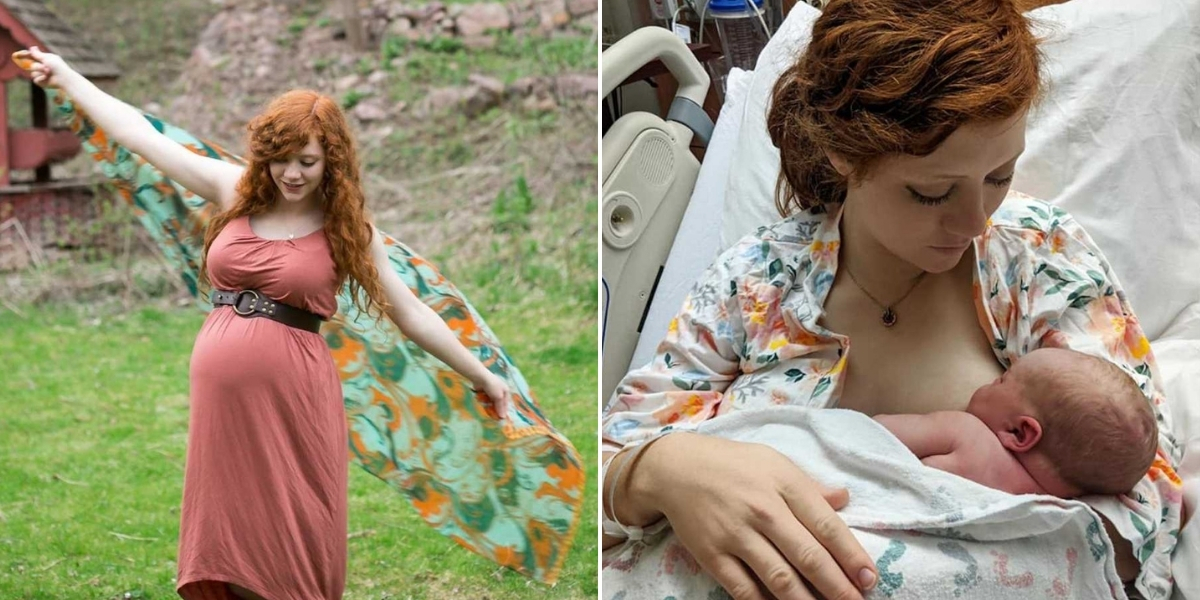
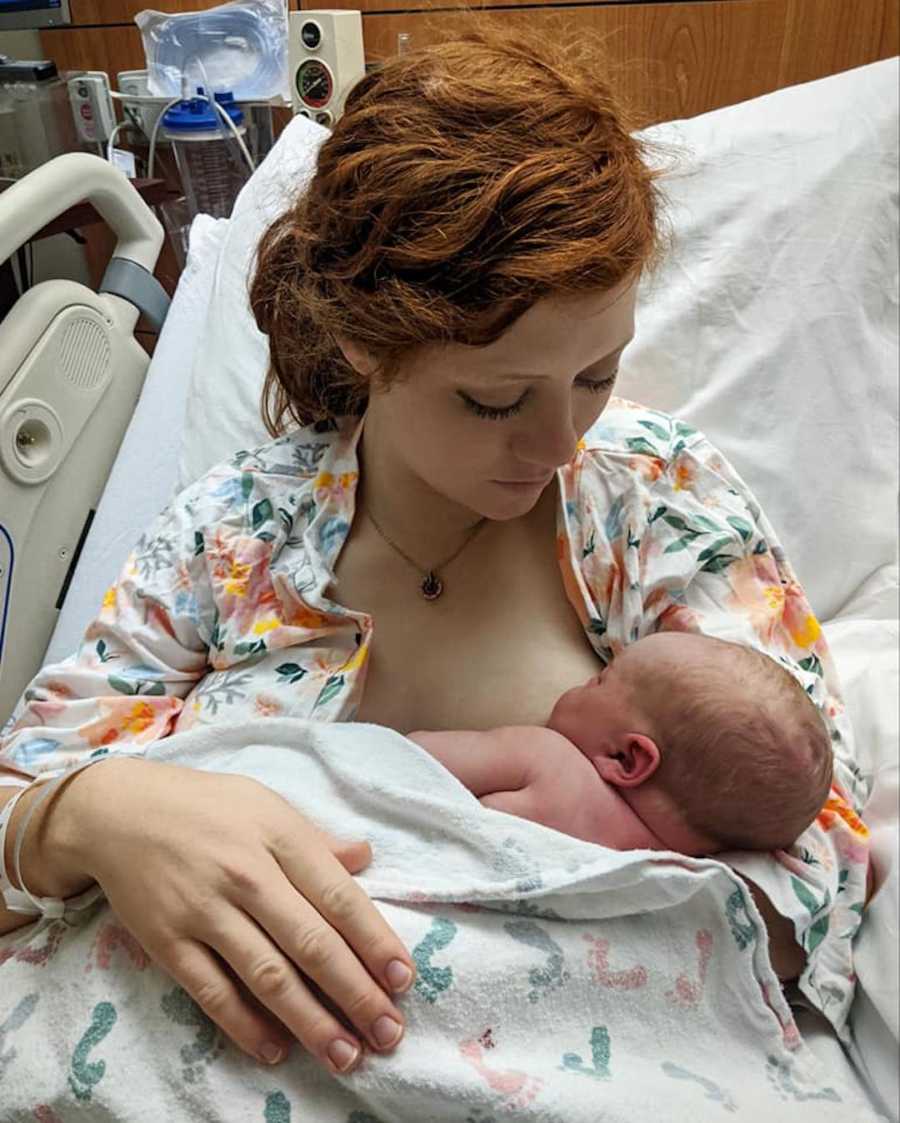
As the pregnancy progressed, I immersed myself in learning about breastfeeding—reading books, articles, watching videos—but I knew the real test would come with practice. That day arrived in week 38. Pain radiating from my back to my belly signaled it was time. After nearly 36 hours of labor, our baby girl arrived. Placed on my chest, she immediately sought nourishment. Exhausted but determined, I finally got her latched, and my heart swelled with love, joy, and relief. She was healthy, here with us, and nursing.

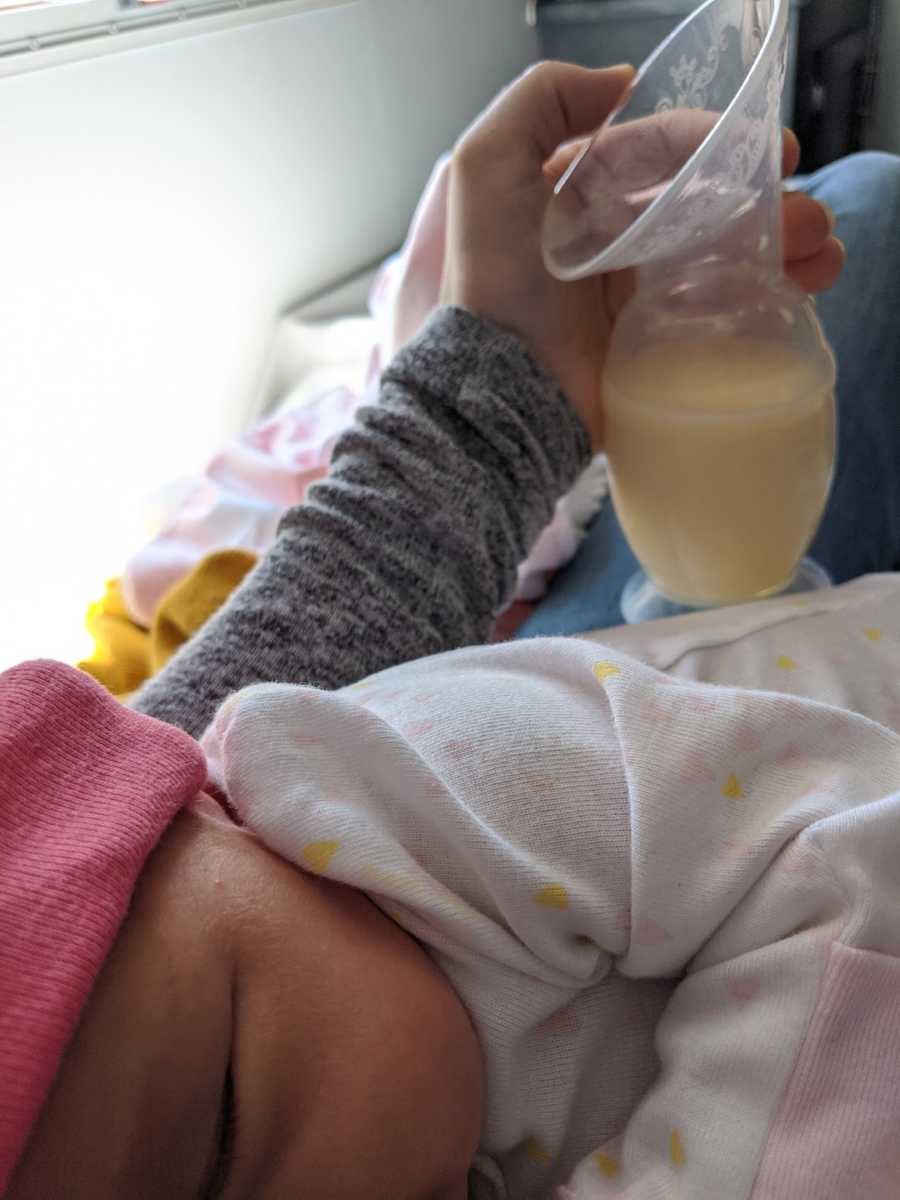
But challenges quickly emerged. My milk supply surged beyond expectation. After each feeding, I had to pump to relieve the pressure. Nights were long, painful, and exhausting—even as she began sleeping through the night, I woke to pump. It felt isolating; no one talks about the ‘problem’ of oversupply. Yet slowly, our freezer filled with frozen milk—milk I knew could be a blessing beyond our home.


When our deep freezer neared capacity, I searched online and discovered breastmilk donation. Shipping to milk banks seemed overwhelming—dry ice, logistics—I wanted something local. Social media led me to a nearby Human Milk for Human Babies group. Hesitant, I posted my donation offer. Within minutes, messages poured in. Within the hour, over ten moms reached out. I cried, realizing the immense, immediate need for milk—babies just blocks away who depended on it.
Their stories varied. Some babies couldn’t tolerate formula; others were preemies needing immune support; some mothers wanted breast milk but couldn’t produce enough. My heart ached at the thought of choosing. When my husband found me crying on the couch, he asked, ‘What’s wrong?’ I sobbed, ‘I want to help them all, but I can’t.’
The first mom I chose to help arrived the next day, a baby in a carrier, a gift bag in hand, a smile on her face. She shared how a past brain tumor had left her unable to nurse. We moved quickly, out to the parking lot to transfer the milk into her cooler. ‘Thank you, you’ve no idea how much this means to us,’ she said through tears. Her son slept peacefully nearby, and I marveled at the gift of being able to help him grow.
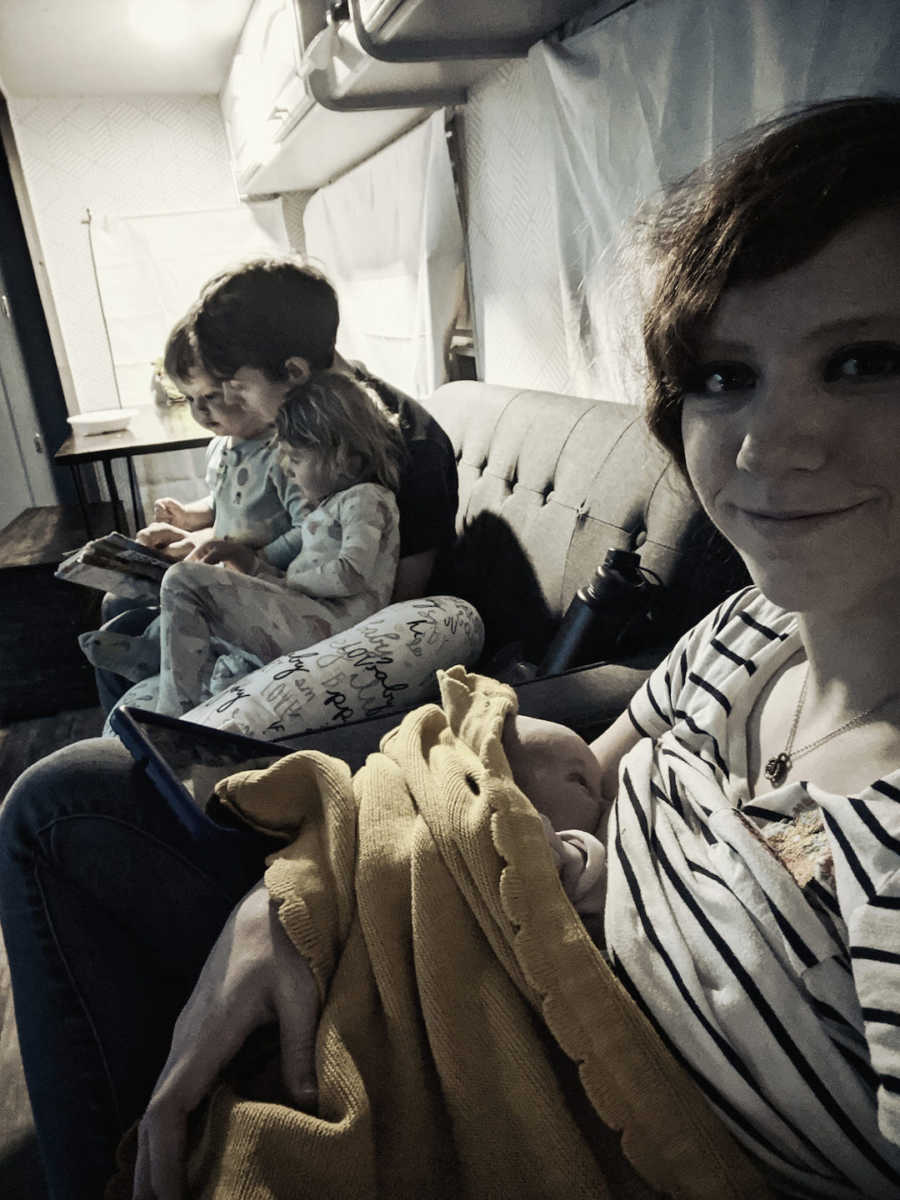
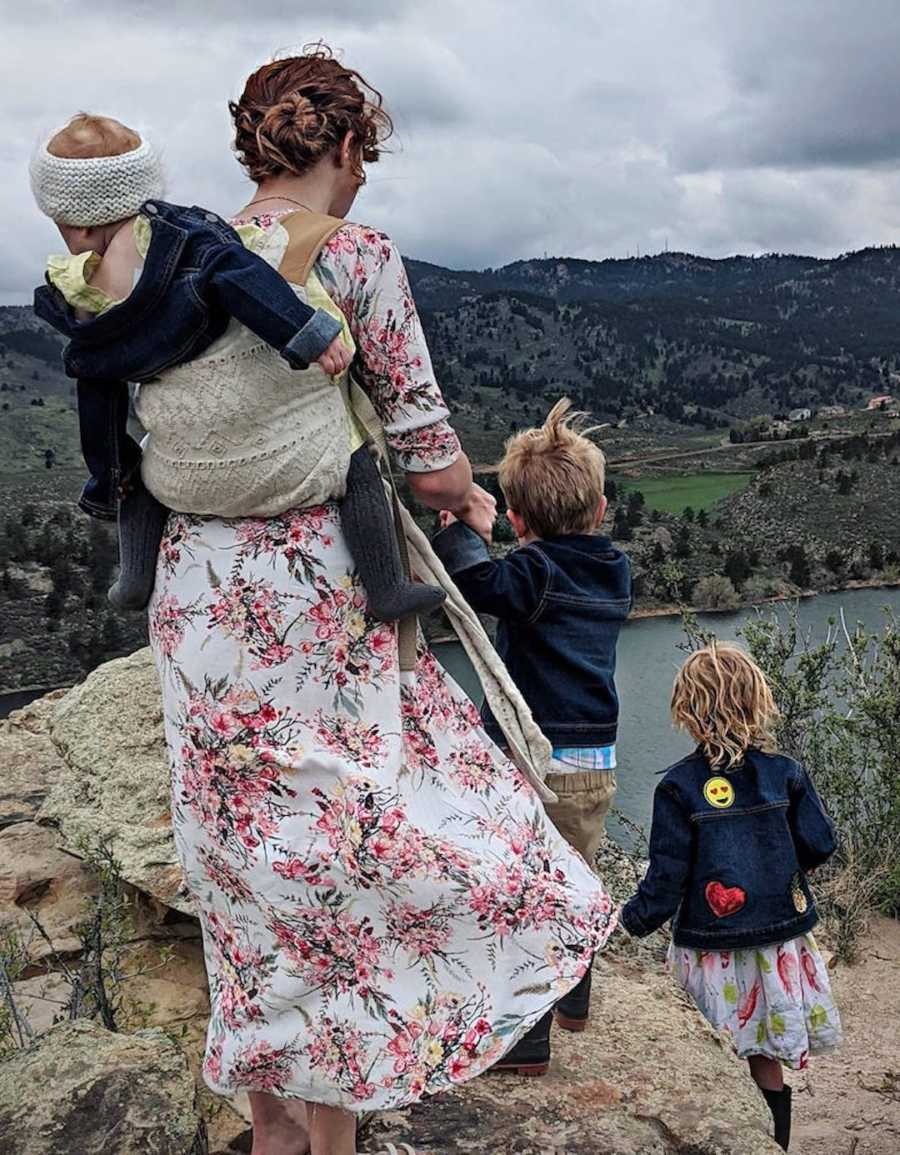
From that day forward, I pumped with purpose. I realized that right in my own city, there were babies who needed nourishment, and I was uniquely positioned to help. Since then, we’ve been blessed with two more miracle children. Each time, I’ve been able to give, to share milk, to support other families—whether a baby just out of the NICU, a mama adopting a newborn, or a mom struggling to produce enough. Every hug, every tear-filled thank-you, every small moment reminds me that the late-night pumping sessions are worth it.
Yet the need remains vast. Hospitals, NICUs, and families continue to rely on donated milk. So if you have extra, let’s help meet this need together—because every ounce counts, and every drop is a miracle in itself.”