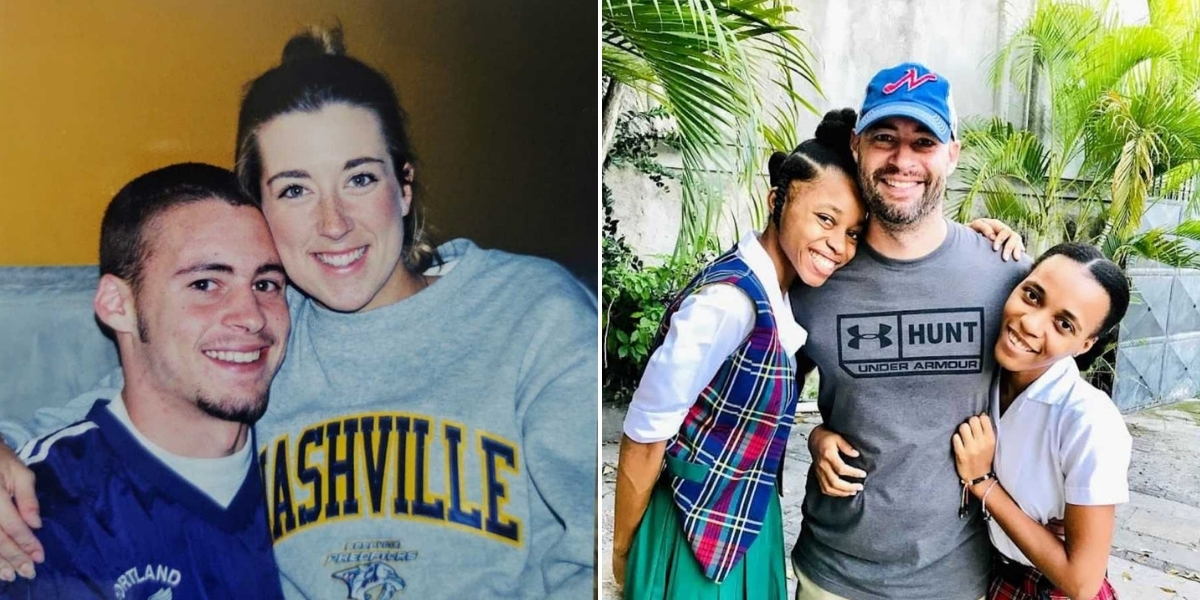
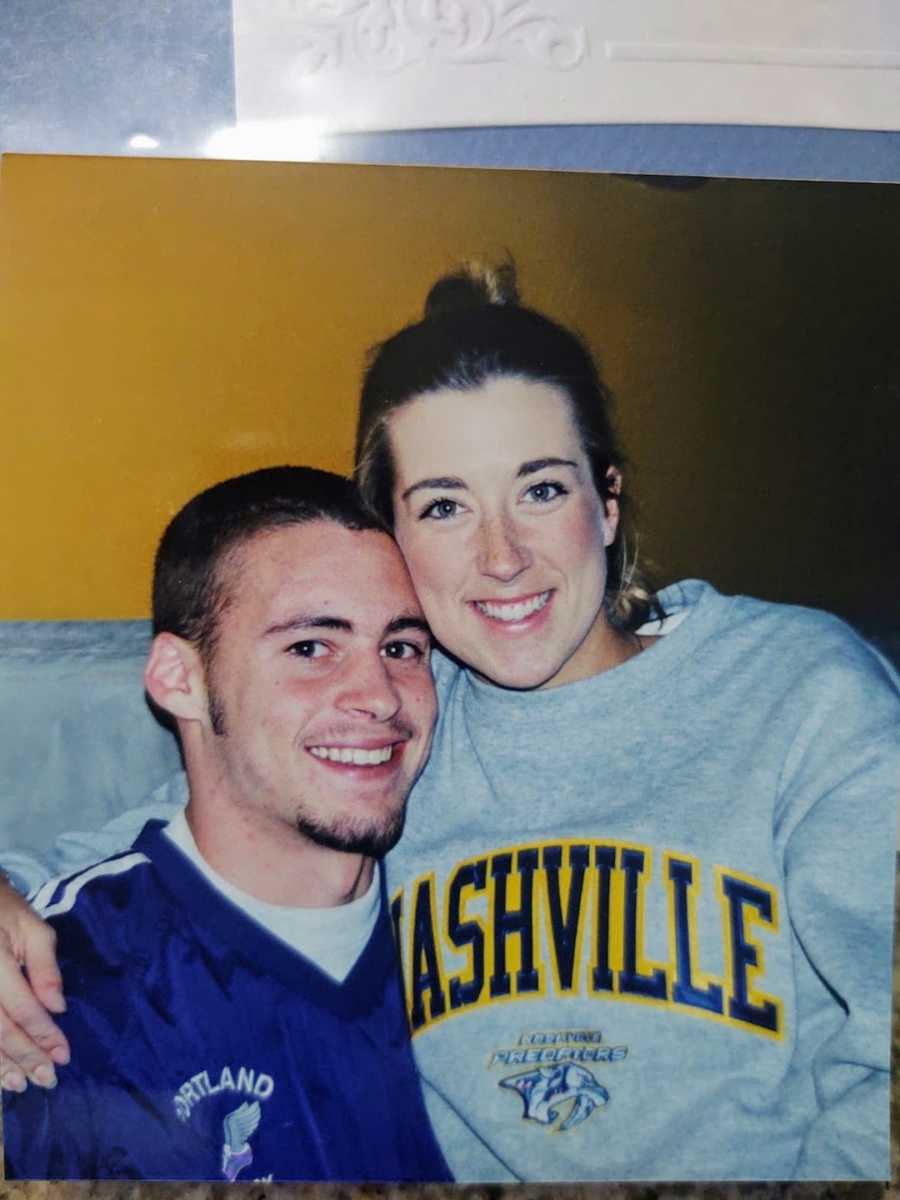
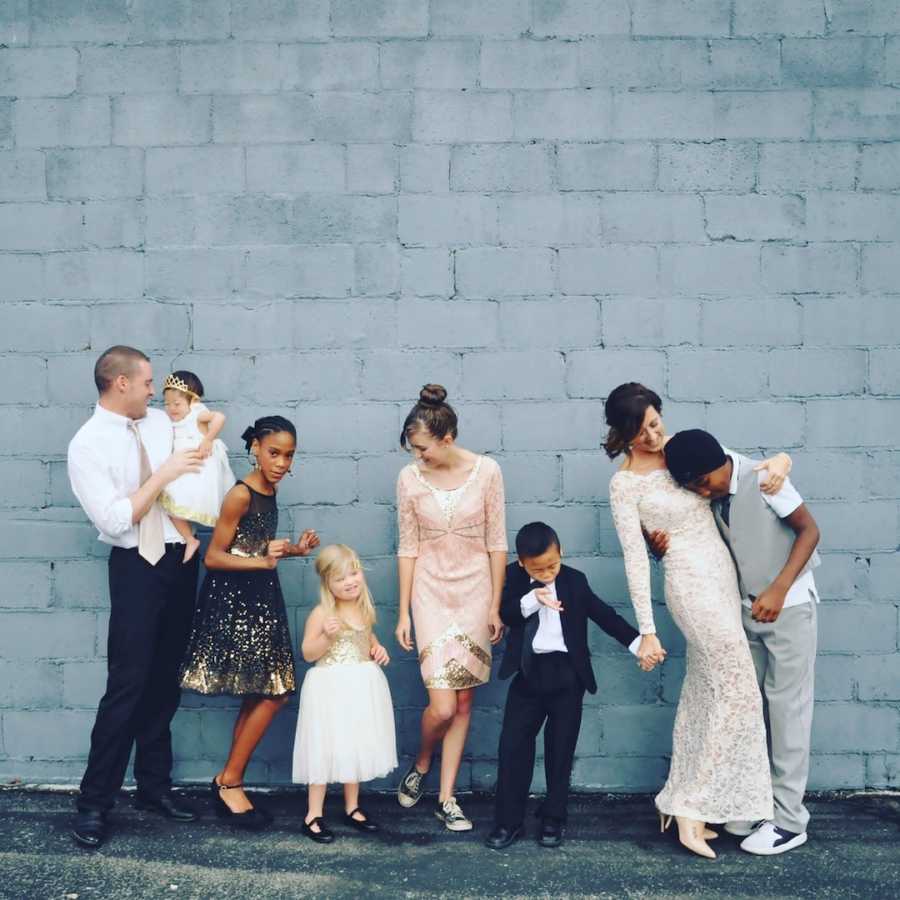
I became a mom at 16 — even though I wouldn’t discover that truth for another 18 years. My husband and I had technically known each other since Mrs. Nancy’s Sunday School class at age five. My clearest memory from back then is proudly earning a chocolate pie for reciting every book of the Bible, while the boy who would one day marry me walked away pie-less. By 17, we were inseparable, already dreaming up a big adoptive family — complete with boy/girl twins — a plan sealed during a hockey game, the way all major life decisions apparently should be.
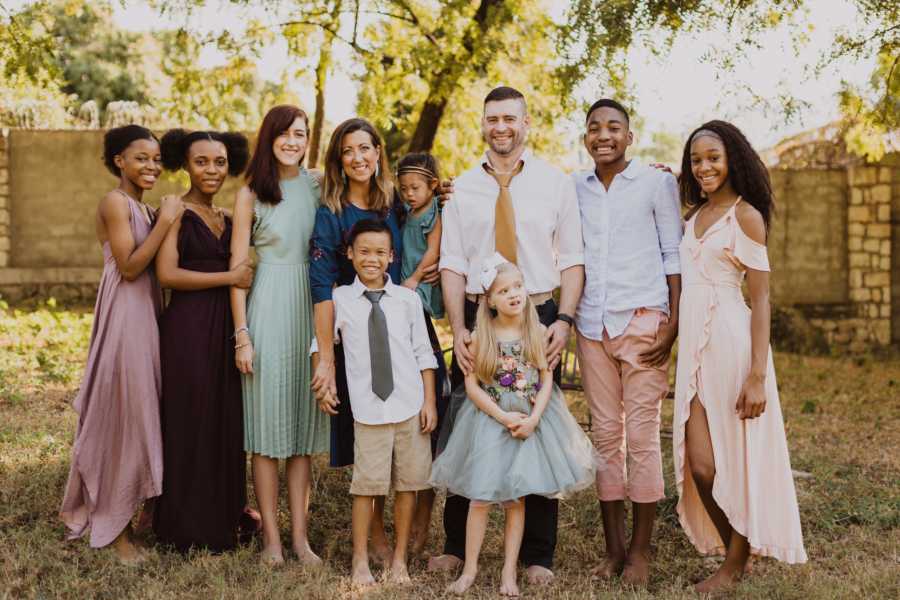
A few years into marriage, the details began unfolding in ways we could never have predicted — except, amusingly, the twins. They arrived through domestic adoption after the birth of our first and only biological child, the surprise we never expected but instantly adored. Those early years stretched our hearts and shifted our perspective. Five years later, our world widened again when our daughter from Ukraine joined our family. Soon after, we raced across the world to bring home our son from China, knowing urgent medical care was his only chance to survive. Finally, our tiniest girl arrived — our sixth child — our second daughter with Down syndrome and our fifth with exceptional needs.
Life became a rhythm of PT, OT, speech therapy, play therapy, blood transfusions, and surgeries. We were building trust, nurturing attachment, and trying to grow bodies and souls at the same time. Our hearts were overflowing, our schedule was chaos, and I couldn’t understand why God was asking me to go on a mission trip to Haiti right in the middle of it all. I had already stepped away from the savior-complex mentality I once held and had shifted toward empowering locals instead. But obedience — even the radical kind — is what I believe in most. So I went.
That decision — like so many before — led us into an unexpected chapter, straight toward two more girls. Young women, really. Almost grown. From the first moment, we felt pulled together in a way I still struggle to describe. Later, I learned they whispered, “Please speak French…” as they met me. (All I could manage was counting to ten — and Hamilton is to thank for that.) They had already lived entire lives, so different from ours, yet somehow we quickly became each other’s people. Because they were already over the legal age, nothing could be made official on paper. We simply chose each other — and that choice became family.
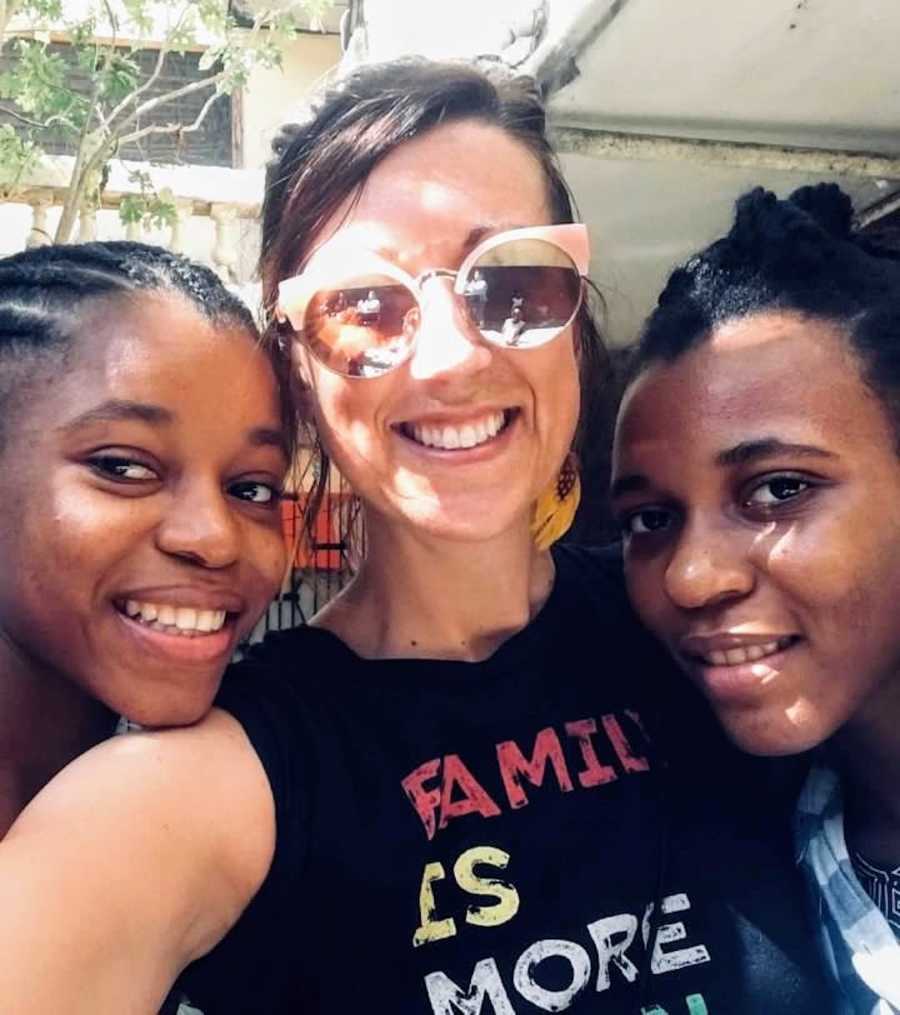
For two years, we did our best from worlds apart. Then God asked something bigger: sell everything, move our family to their country, and make a new start. We never imagined they would bravely leave everything they knew to move in with us either — into a home that felt foreign to all of us. And when my husband and three of our kids returned to the U.S. for medical care, we never expected a global pandemic to keep us apart for seven long months — or that we would rarely be in the same country together again afterward.
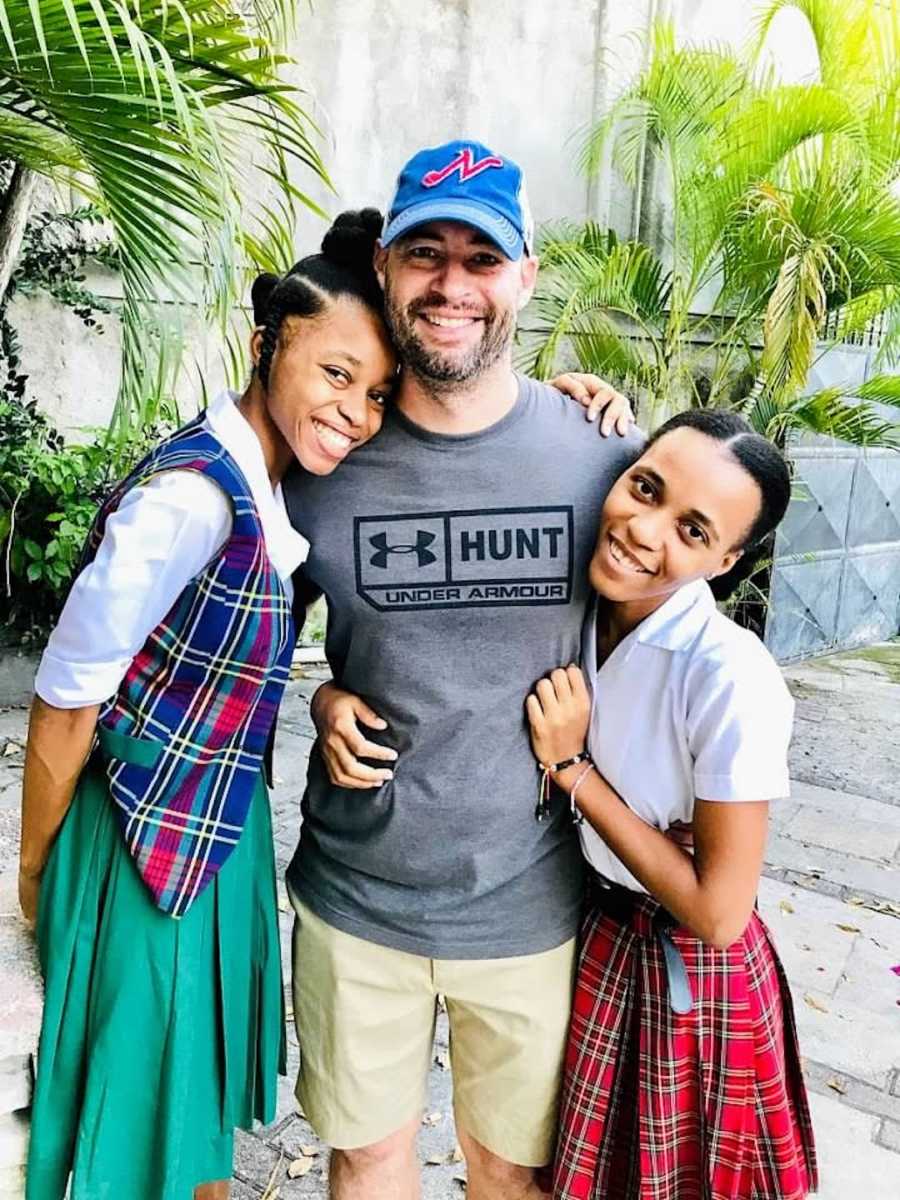
Welcoming two young adults is wildly different from raising toddlers. They arrived with histories, opinions, triggers, dreams, and people they loved — all of which became woven into our lives. Together, we began the work of making space that was safe and honest, deciding what to heal, what to keep, and what to gently set down. They needed guidance on budgets, relationships, social issues, and sex. But they also needed first-time memories — hide-and-seek, jumping into pools, and opening gifts picked just for them.
We traded cultures like recipes. We learned Haitian legume; they learned Nashville hot chicken. They taught us Koompa; we taught them to two-step. Slowly, grace deepened on both sides. Watching them discover life with wonder — and adult gratitude — felt holy. One Thanksgiving, as we baked pie together, I heard my daughter whisper, “This isn’t a movie… this is your life now.”
Our other daughter began keeping a planner — not for schedules, but to hold emotions:
January 11: Watched “I Love Lucy.” Favorite is “Vitameatavegamin.”
October 31: Apple bobbing. Hair soaked. Laughed too hard to hold the apple.
December 24: Slept under the stars. Sang. Laughed. First Christmas. I will never forget.
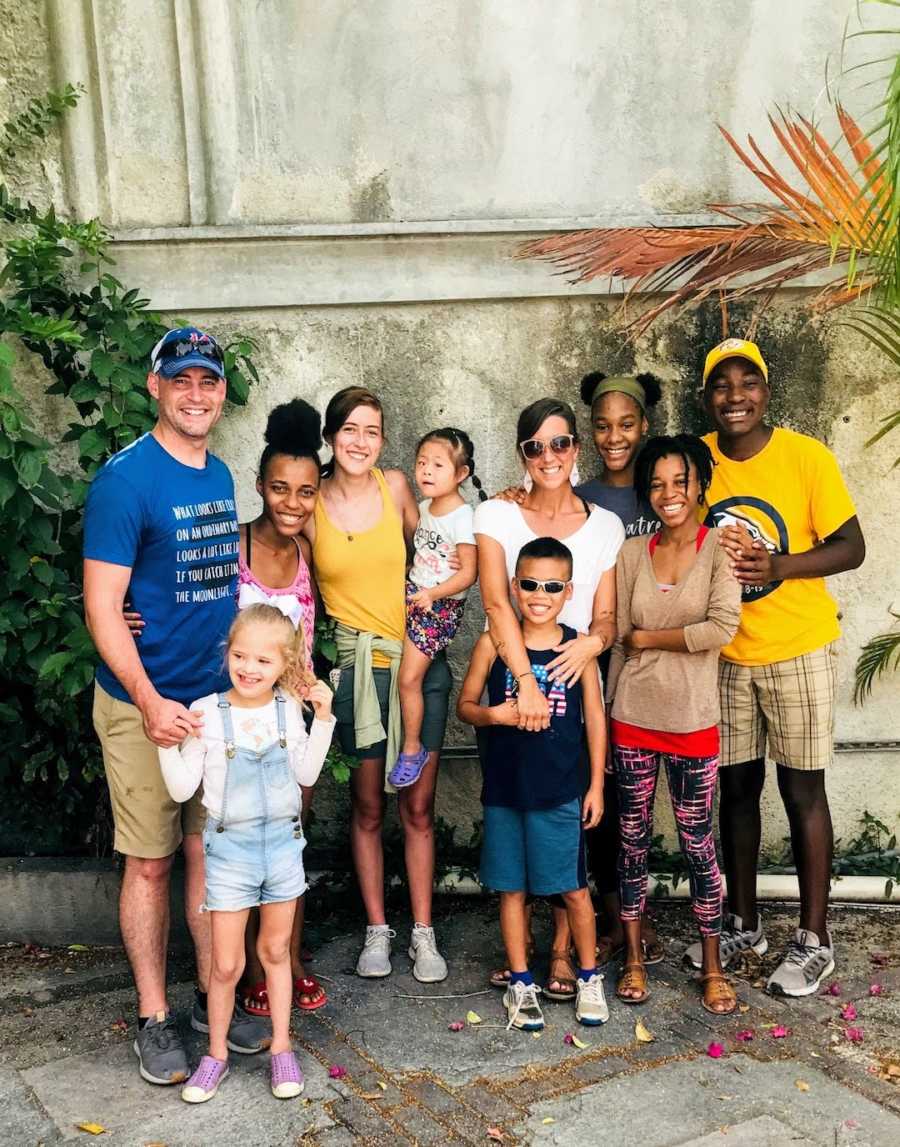
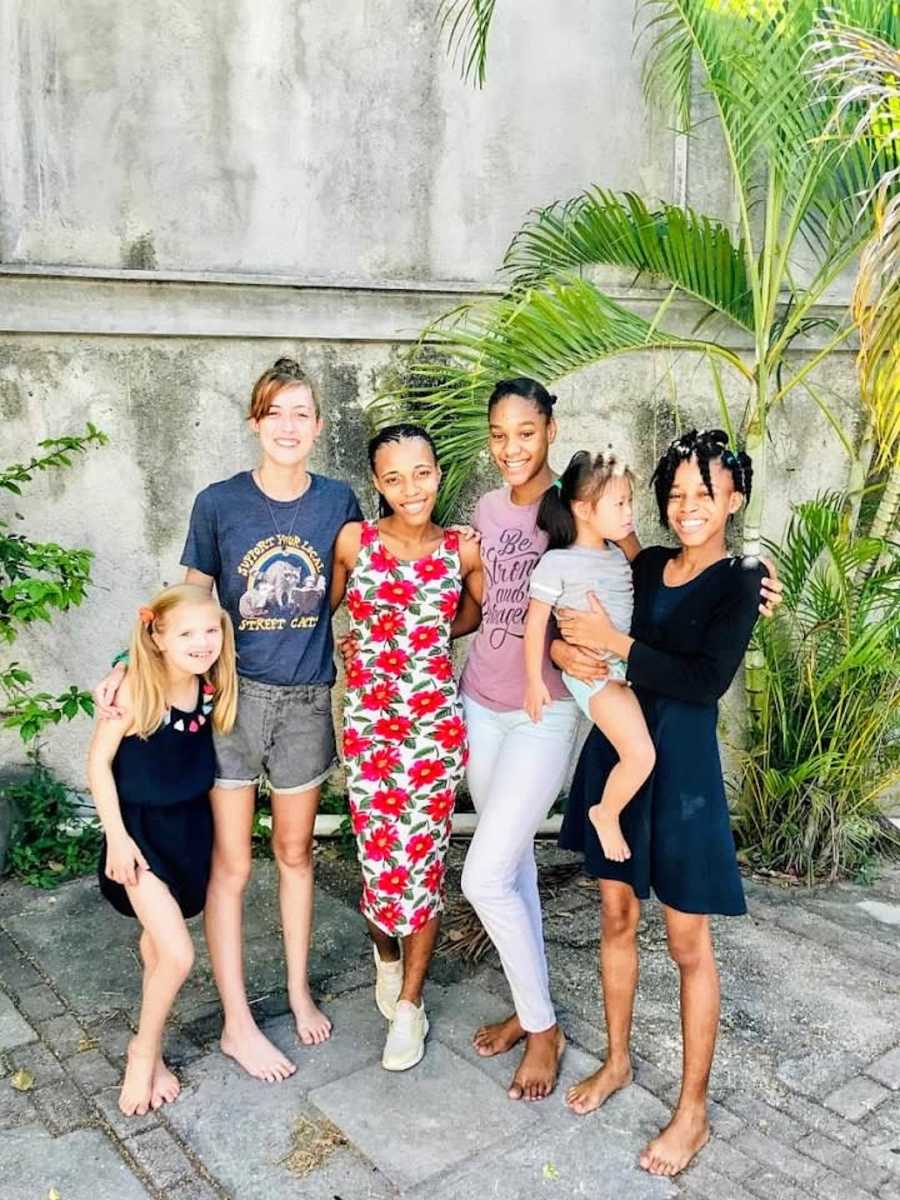
My favorite part of this journey has been watching eight siblings — born across continents — choose one another. Not just share parents, but share futures, secrets, germs, hopes, and everything in between. Parenting big kids has changed the way we parent little ones. Our lives have braided together in ways both messy and breathtaking. “No matter what” stopped being a motto and became the way we love.
One afternoon, our youngest curled into my lap. “I’m different,” she said softly. “How?” I asked. English was still new, and my Kreyol was barely functional. “My heart… it’s bigger.” Our bookend children — the oldest and youngest — had become inseparable. Then came the separation. For 16 months, we worked to stay connected while Haiti — and life — changed daily. Our lease ended, medical needs intensified, and safety became uncertain. My husband returned to the U.S. with our five youngest, while I stayed behind with our older girls.
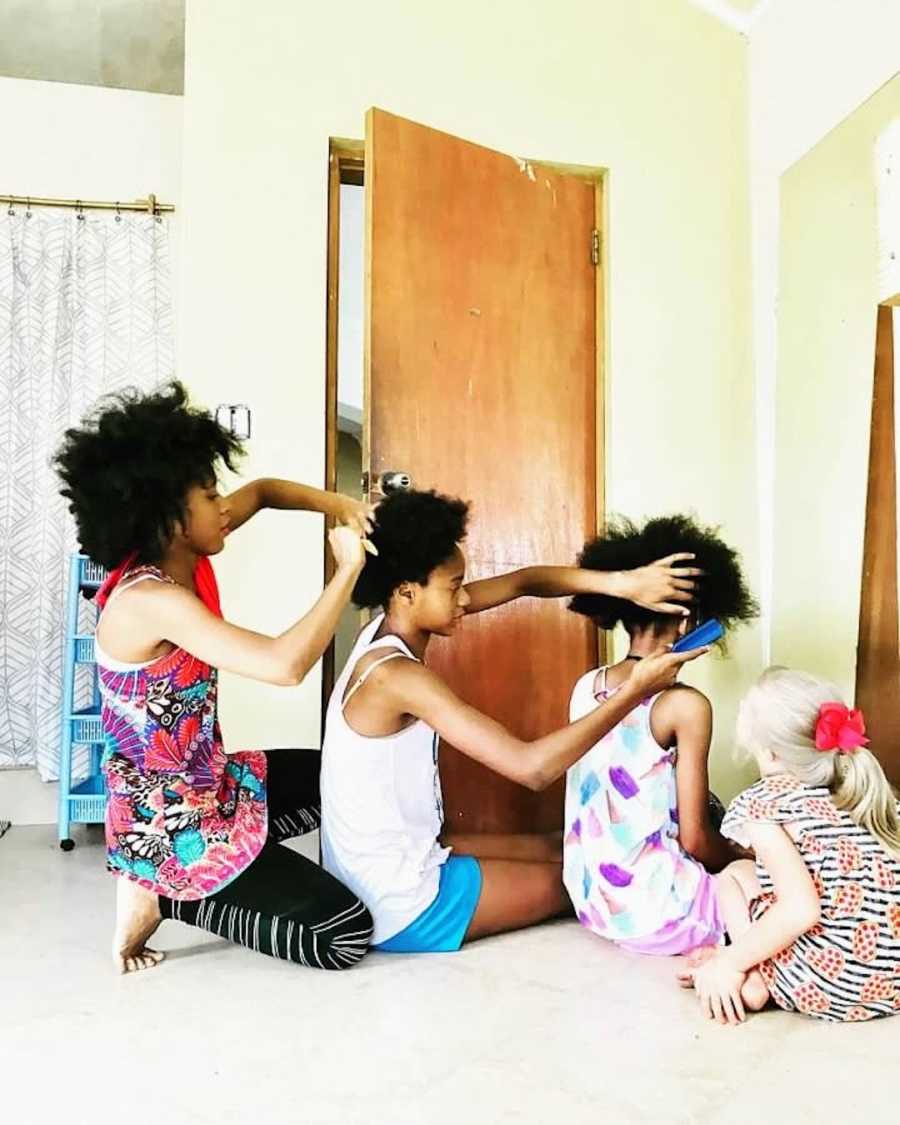
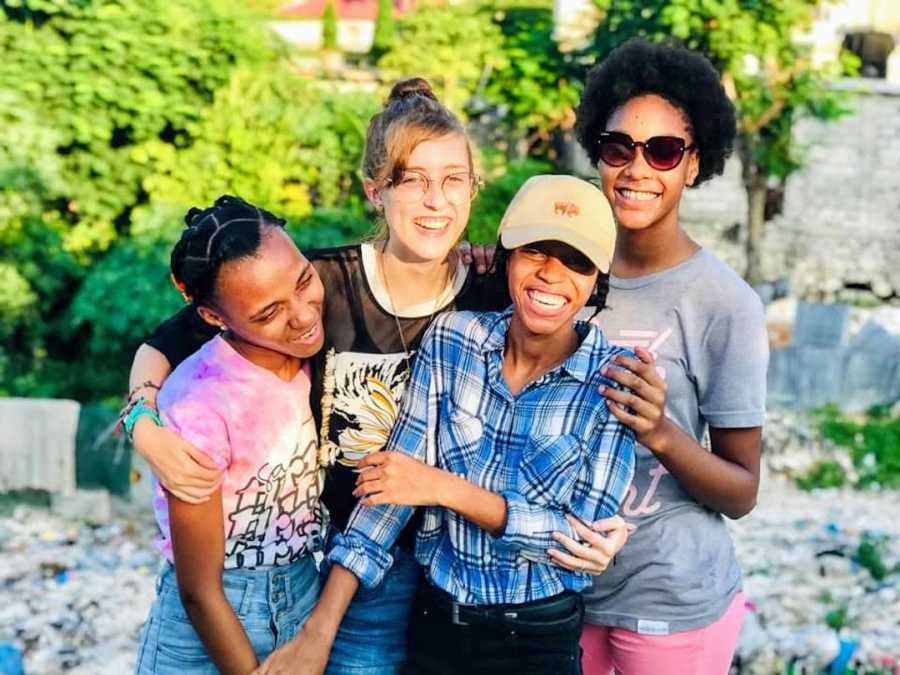
Visas for Haitians are notoriously difficult — nearly impossible with COVID restrictions layered in. On paper, our girls have no decree, no matching names, no documents linking us. To officials, we aren’t a family. Yet they cry on our shoulders. We pray over them. We braided hair after baptisms and laughed through bad movies and broken cookies. My husband teaches them courage. The sisters share clothes and confessions, the little ones steal hugs, and the brothers keep things irreverent. We could not feel more like family if someone stamped it.
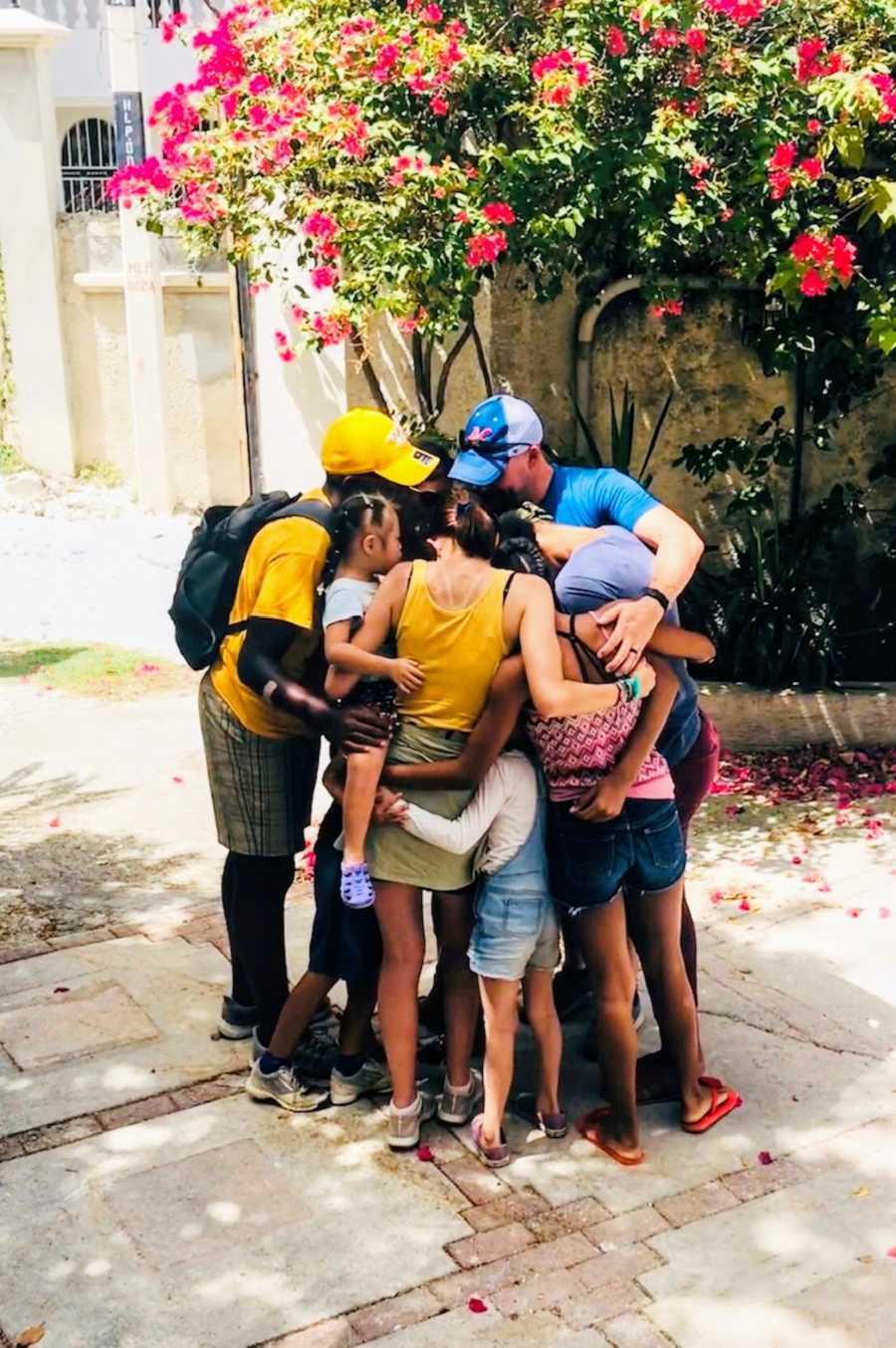
Even with video calls, my heart aches to have everyone under one roof again — to hug all my kids and argue about chores, to sleep next to my husband, tease him about snoring, and bug him about fixing the oven. I remind myself not to idolize what I love most. The faith that carried us here will carry us forward. We are still learning to trust His plan — even on the days we don’t understand it yet.