Nobody wakes up thinking, “Today my world will shatter. Today everything will change, and I may never recover.” But sometimes, life doesn’t give you a warning. Sometimes, it arrives like a storm you cannot escape.
In April 2016, I was 32 weeks pregnant with our third child, juggling the everyday pressures of motherhood. We had made the nearly six-hour journey from our remote northern community to the nearest city. Our purpose was simple: get our oldest daughter, Kennedi, an eye exam and pick up groceries and baby supplies for the next few weeks. We spent the night in a small motel with plans to collect Kennedi’s new glasses in the morning and finish our shopping before embarking on the long drive back home.
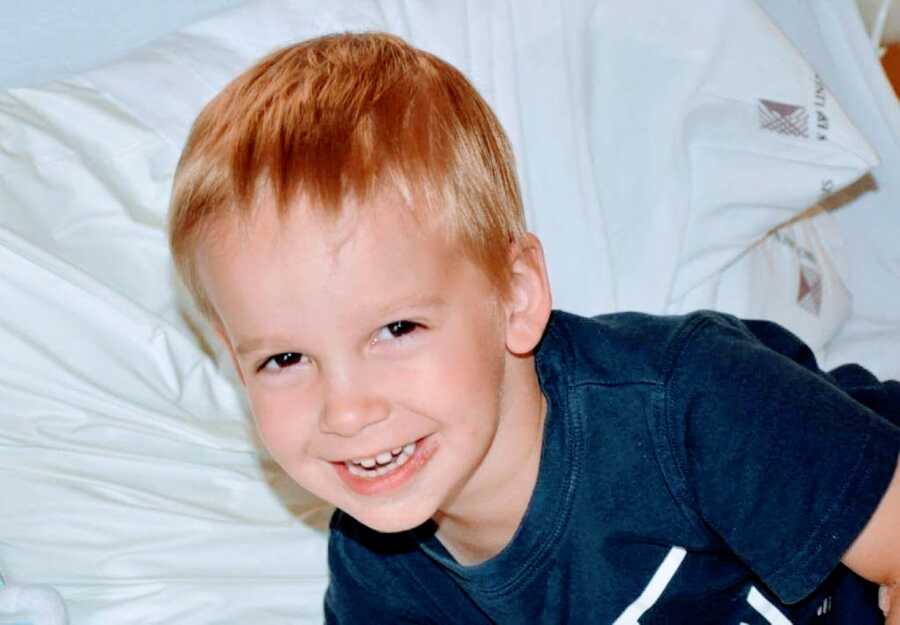
The day began poorly. Garrett, then three years old, fell out of bed and woke in an unusually angry mood. His sourness didn’t ease through breakfast; he refused to eat, cried intermittently, and remained irritable throughout our errands. At the eye doctor, we picked up Kennedi’s first glasses, and his clinginess only intensified. By the time we made our way through the store for bulk groceries and diapers, every interaction with Garrett was fraught with frustration. Finally, we loaded into the truck, ready for the long stretch home. The highway ahead was desolate, with only one tiny community halfway through, no cell service, and a landscape of trees, sky, and the occasional wandering bear.
About an hour into the drive, Kennedi started laughing hysterically. I laughed along at first, until I glanced over my shoulder at Garrett. My heart froze. His hands were rigid against his chest, eyes rolled back, mouth open, orange drool sliding down his chin. His body bounced rhythmically, and a strange noise escaped him. My mind blanked for a second before I realized what was happening. “Garrett!” I screamed, over and over, slapping at his legs, trying desperately to get a reaction. He continued to twitch, the whites of his eyes all that could be seen.
I yelled to my husband to pull over. As the truck slowed onto the gravel shoulder, I scrambled for my boots, finding only one. I threw the door open and stumbled into the cold sand, fumbling with the car seat straps I had once manipulated effortlessly. Finally, I freed him, holding him awkwardly in my arms, unsure if he was choking, having a stroke, or suffering a seizure—I didn’t even know what a seizure looked like. We were alone, in the middle of the Labrador Highway, with a child who might be dying, and no way to call for help.
We laid him on the truck bed while my husband ran into the road to flag down a passing vehicle. I searched for a pulse, strained to hear his breathing over the roar of my own heart. Minutes stretched endlessly. Then, finally, his chest rose in a deep breath. I scooped him up and we raced to the nearest town, praying for guidance.
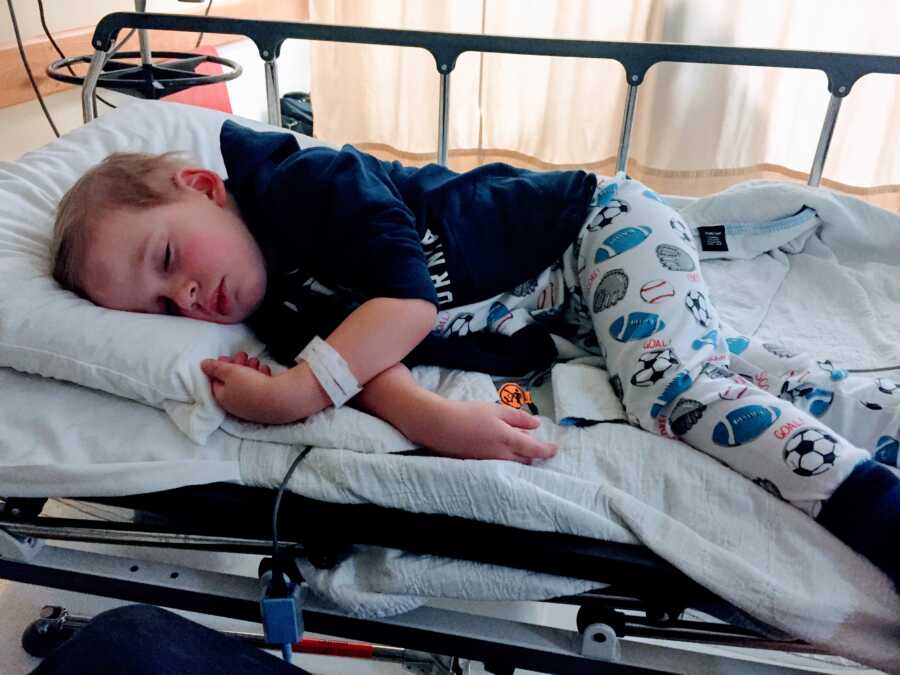
At the small clinic, Garrett remained unresponsive. The doctors suspected a febrile seizure with a prolonged postictal phase. Airlifts followed—first to Goose Bay, then to the Janeway Children’s Hospital. CT scans, bloodwork, EEGs—all returned normal. The doctor reassured me it was likely a one-time febrile seizure, but inside, I couldn’t shake the unease. Two days later, we returned home, clinging to a fragile sense of normalcy.
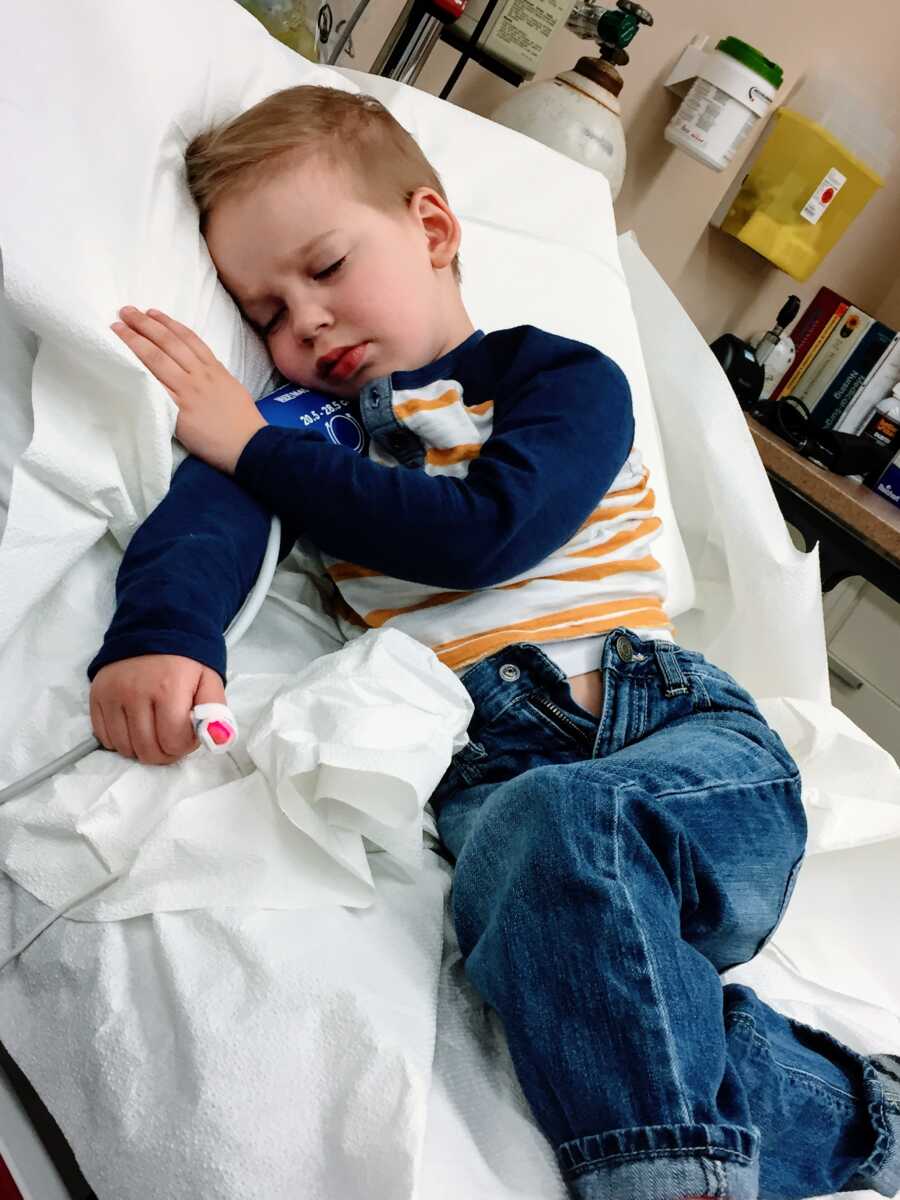
Then, ten days later, Garrett fell down our stairs and experienced another seizure. Six hours after that, he had a third. All were tonic-clonic, all terrifying. After the third seizure, the diagnosis landed: Epilepsy. The words hit like a physical blow. How could this be, when days before, doctors had said everything was normal?
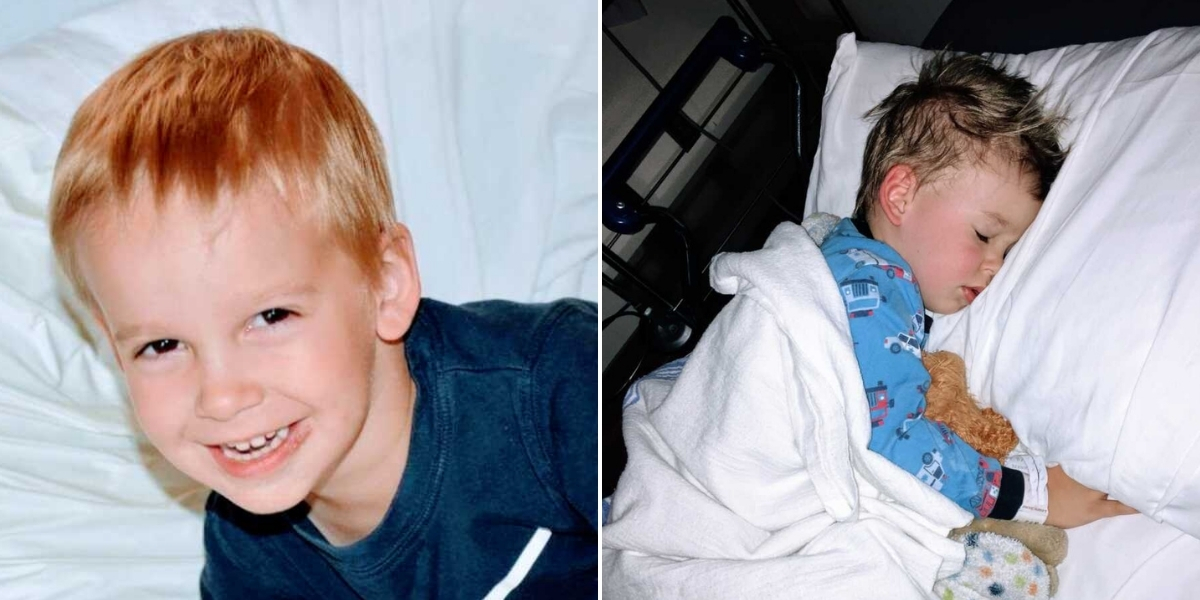
Garrett began his first anti-seizure medication immediately. Life quickly became a nightmare. The first three medications worsened his condition. My bright, active, joyful little boy became withdrawn and unsteady. He could barely walk, speak clearly, or engage in play. His days were spent sleeping, broken by frequent, unpredictable seizures. Within six weeks, he suffered up to twenty daily seizures, of varying types, enduring repeated injuries, side effects, and the helplessness that comes from watching your child suffer.
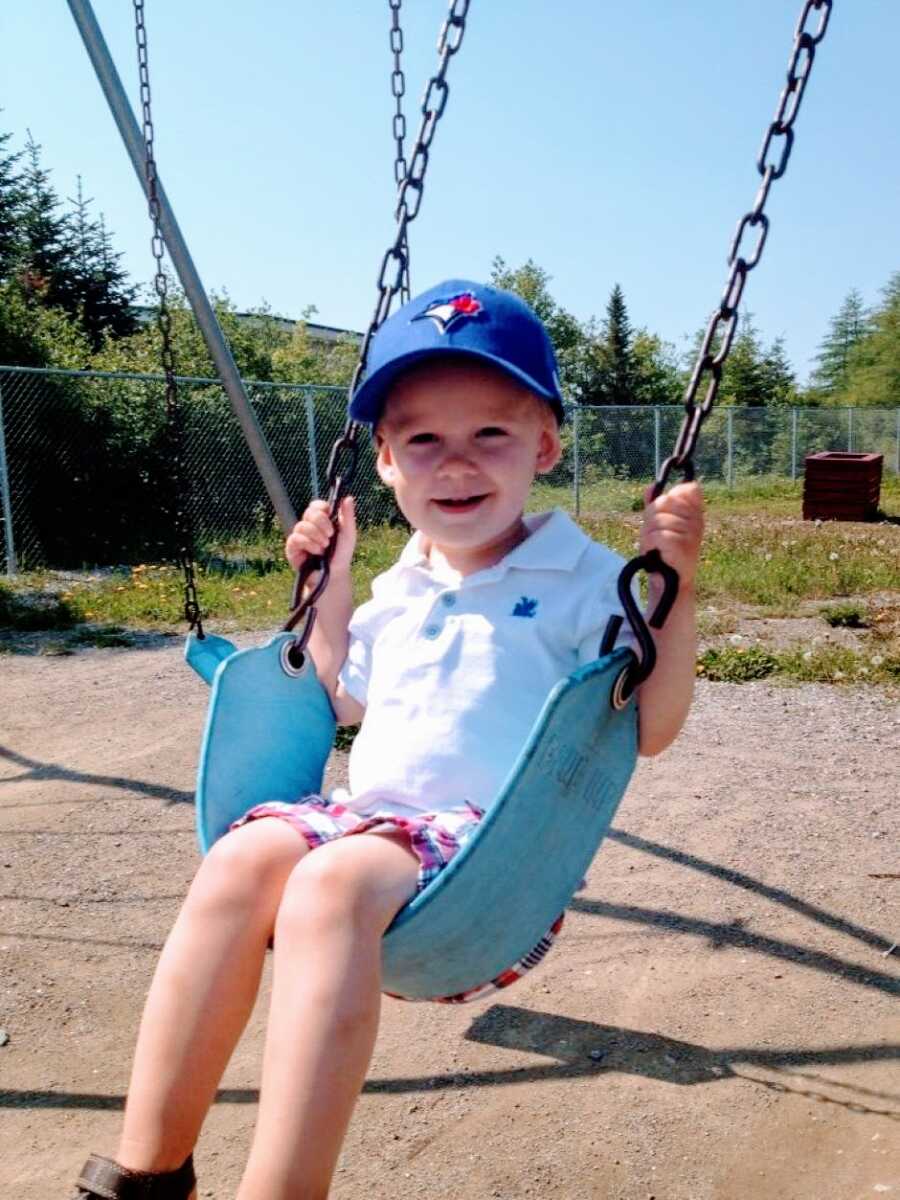
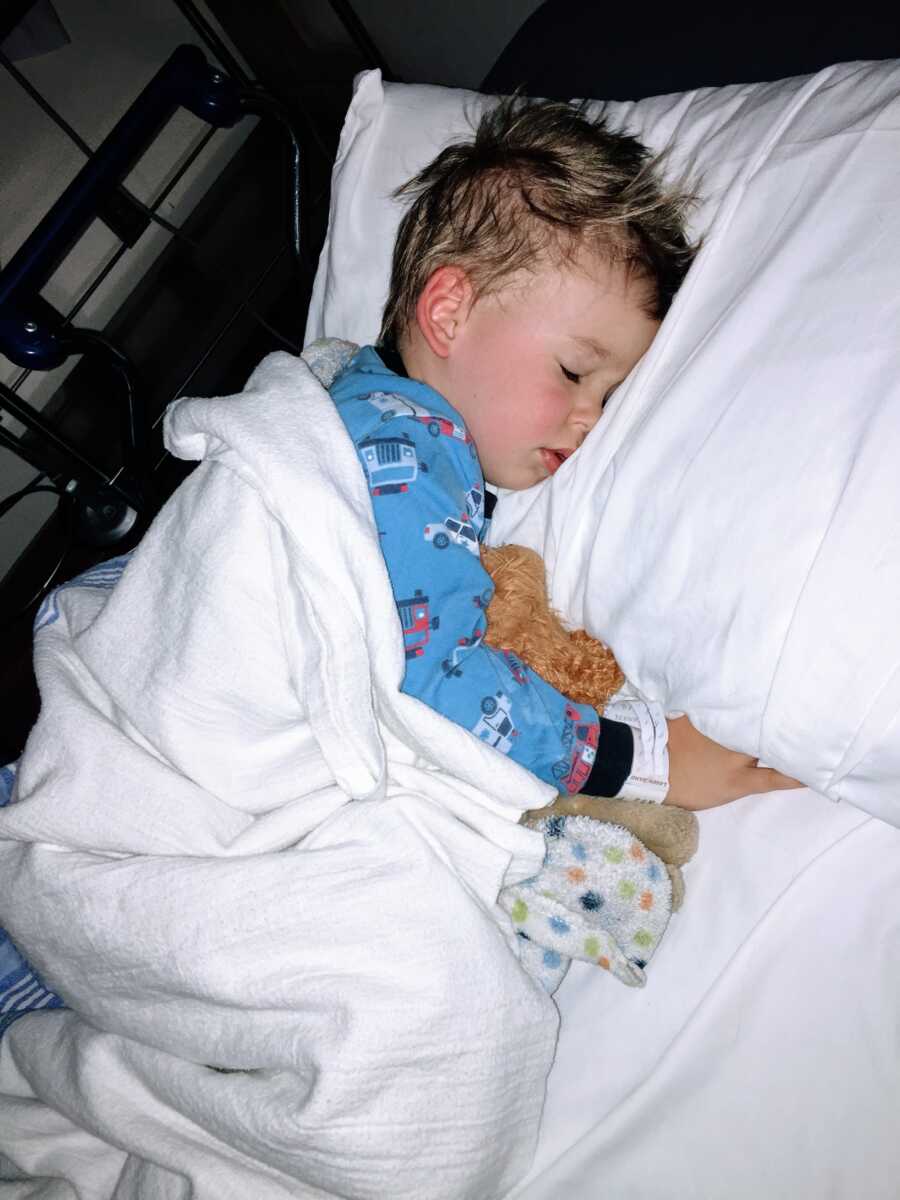
In the midst of this, June 2016 brought a glimmer of hope—our youngest daughter, Sadie, was born. She became the sunshine in the darkness, the reason I continued to get up each day. I spent my hours juggling medication administration, holding Sadie close in a baby carrier, and guiding Garrett to safety. I meticulously logged every seizure, every medication, every food and activity, searching for patterns that might explain his relentless, drug-resistant seizures.
Nights were the hardest. I would lie awake, poring over medical research on my laptop in the quiet hours, terrifying myself with information about progressive Epilepsy and life-altering syndromes. Weeks after Sadie’s birth, desperation drove me to Toronto. Leaving my husband and five-year-old behind, I flew with the newborn and Garrett, who suffered seven tonic-clonic seizures during the four-hour flight. I shielded him from view, silently praying we would reach Sick Kids Hospital without emergency diversion.
There, the relentless testing began—MRI, multiple EEGs, spinal tap, genetic and allergy testing, x-rays, cognitive assessments, eye exams—every avenue explored, yet all returned without answers. For a month, we battled through new and worsening seizures, adjusting medications in a trial-and-error struggle. Some daytime seizures subsided, replaced by nocturnal seizures, but at least progress was evident.
The drive home in September brought another terrifying moment. In Montreal, Garrett suffered his worst seizure to date. Rescue medication failed. His body went limp, and I carried him, terrified, into the children’s hospital emergency department, where he was rushed into Red Zone room 1 under a code blue. That night, our newborn had spent more hours in the hospital than at home. Exhausted and heartbroken, we clung to hope as a new doctor began to stabilize Garrett with a fifth medication, Rufinamide, finally reducing his daytime seizures. Nighttime seizures, however, persisted.
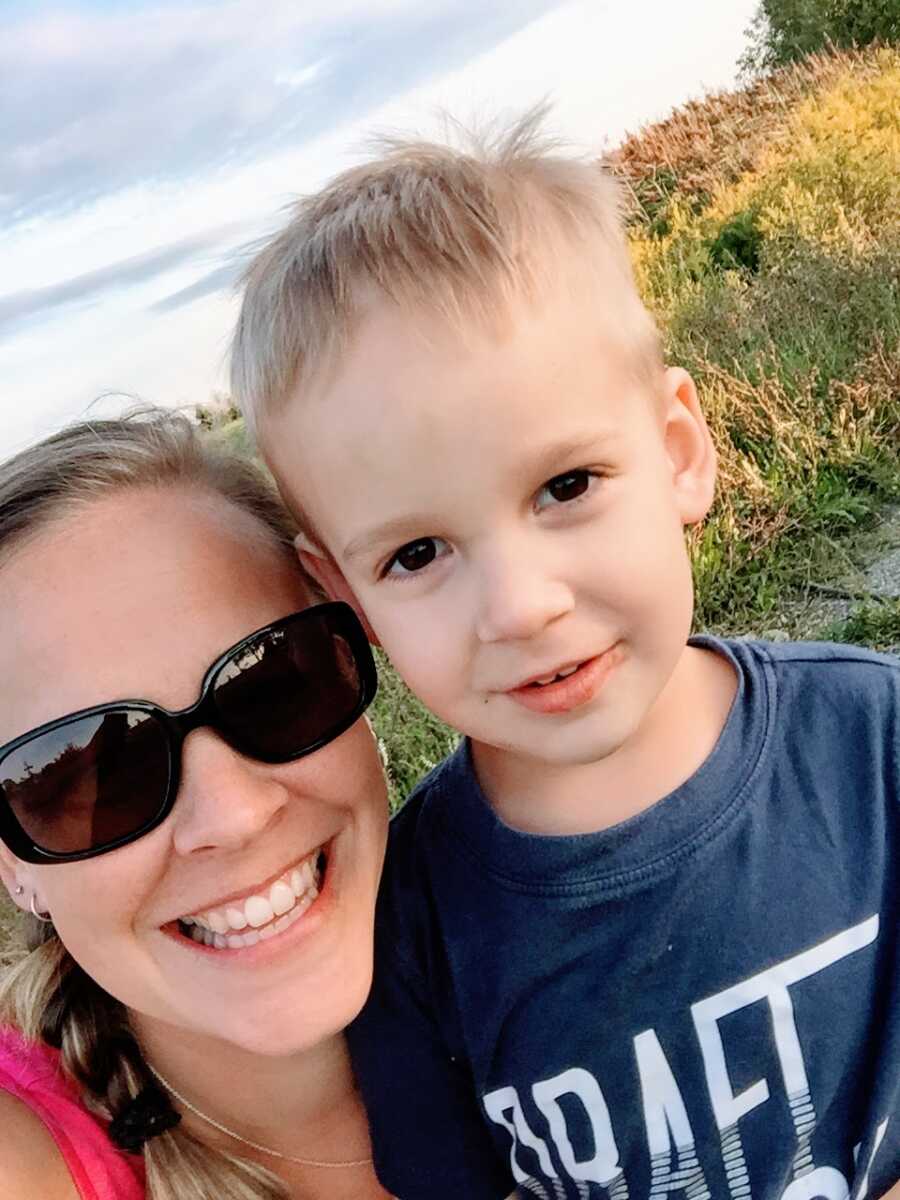
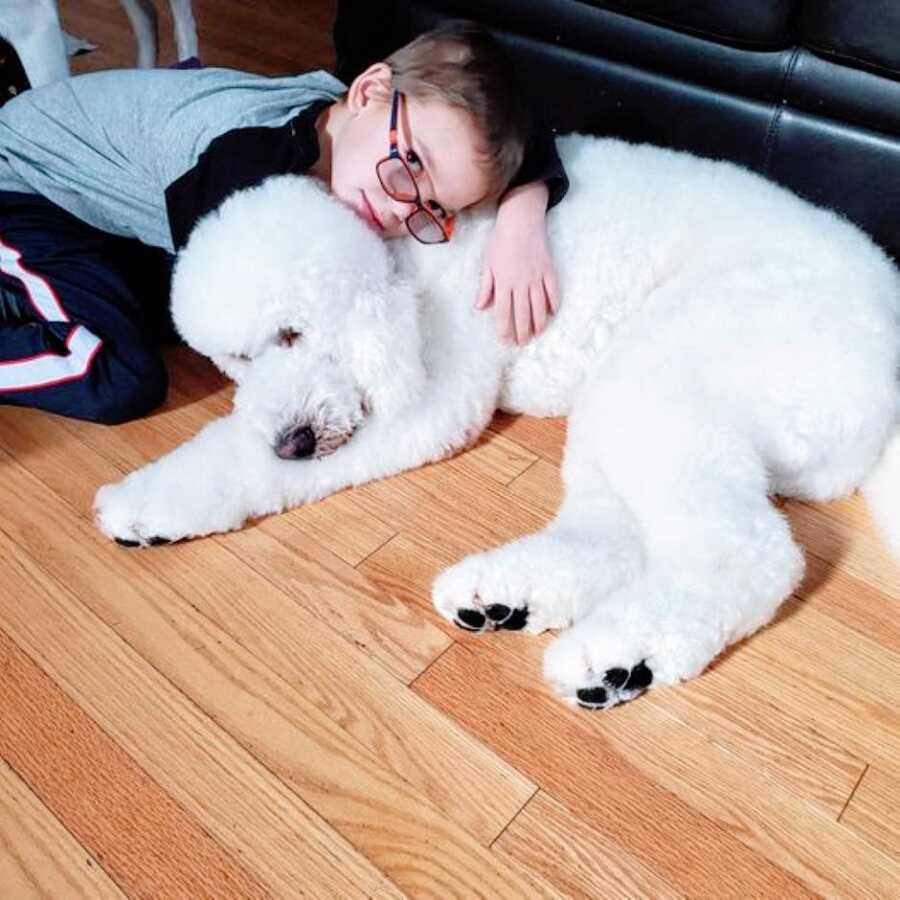
Garrett is now nine. Despite frequent nocturnal seizures and ongoing cognitive struggles, he continues to make slow, meaningful progress. Small victories—a game played, a Lego creation built, a cuddle shared—are celebrated fiercely. Last year, we welcomed Freedom, a seizure response dog, who has become so much more than a medical aid; he is a constant companion, a source of comfort and unwavering love.
It has been over five years since Garrett’s Epilepsy diagnosis. The cause remains unknown, and his condition unpredictable. Trial and error guide every decision. The uncertainty is the hardest part. Yet, we persevere, seeking answers, striving for control, and celebrating every small triumph. Garrett’s spirit, resilience, and capacity for love remind us daily why we fight so relentlessly. No matter the unknowns, we continue, holding hope firmly in our hearts.