Life is a strange, unpredictable thing. I don’t mean strange in a funny way—I mean in that gut-punch, “WTF” kind of way that makes you question everything you thought you knew about life.
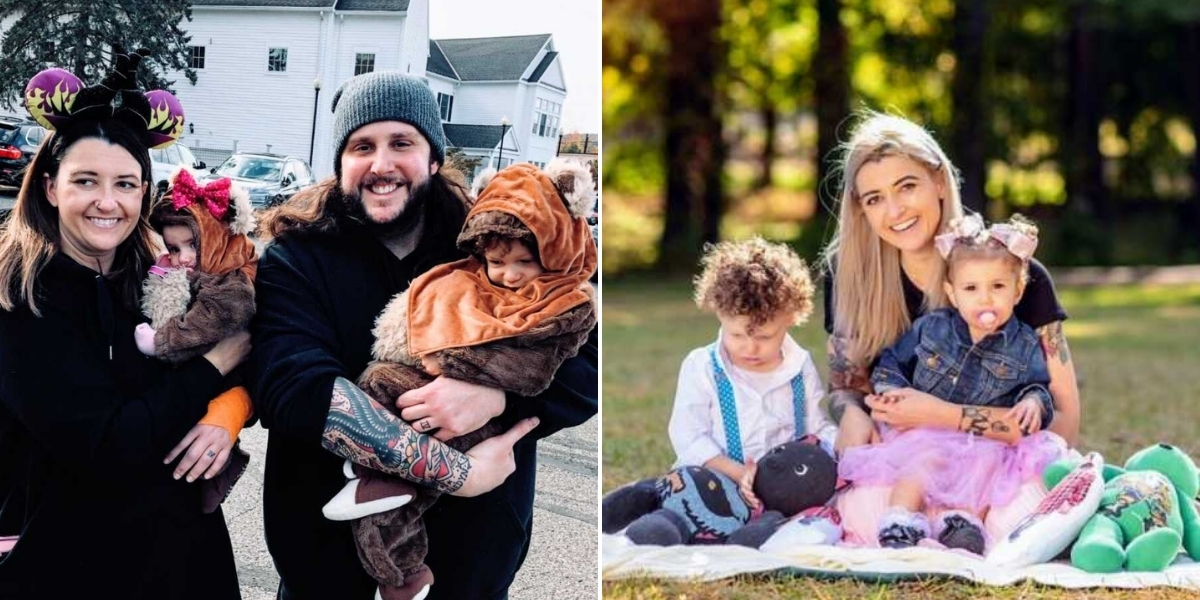
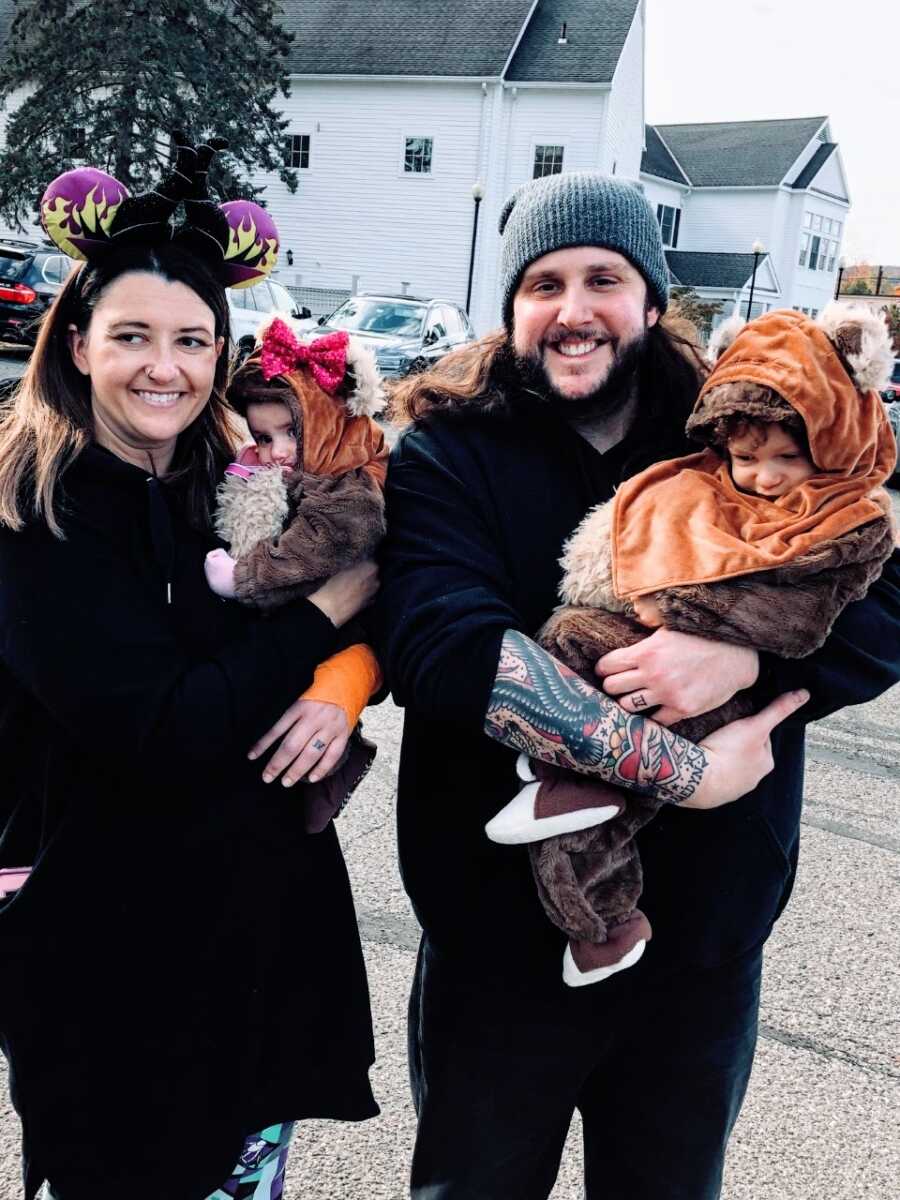
Before I lost my husband, I was unapologetically a big kid at heart, and I know he loved that about me. Jonathan carried a heavy weight his entire life, and when we got together, I refused to let him carry it alone anymore. I loved making inappropriate jokes just to make him cringe, scaring him even though he’d get mad every single time, and celebrating the tiniest moments with uncontainable excitement—whether it was a simple dinner, a movie night, or a spontaneous day trip. If we had something planned, I’d count down the days and text him constantly, just to build the anticipation. I adored Christmas, Halloween, and everything Disney, and I could see the joy it brought him—not just in his words, but in the smiles that lit up his face.
Days before Jonathan contracted Covid, I was thrilled at the thought of having him home for an extended period. I imagined thirty days of uninterrupted family time—safe, cozy, and full of laughter. I begged him to let me buy board games, or even just Uno cards, though he refused, claiming he was too competitive. We were researching at-home tattoo kits to practice on each other and had just started binge-watching Love Is Blind. I remember telling him out loud how excited I was for the world to shut down, how much I looked forward to having him all to ourselves. How naïve I was. Less than a week later, he was sick, and a month later, he was gone.
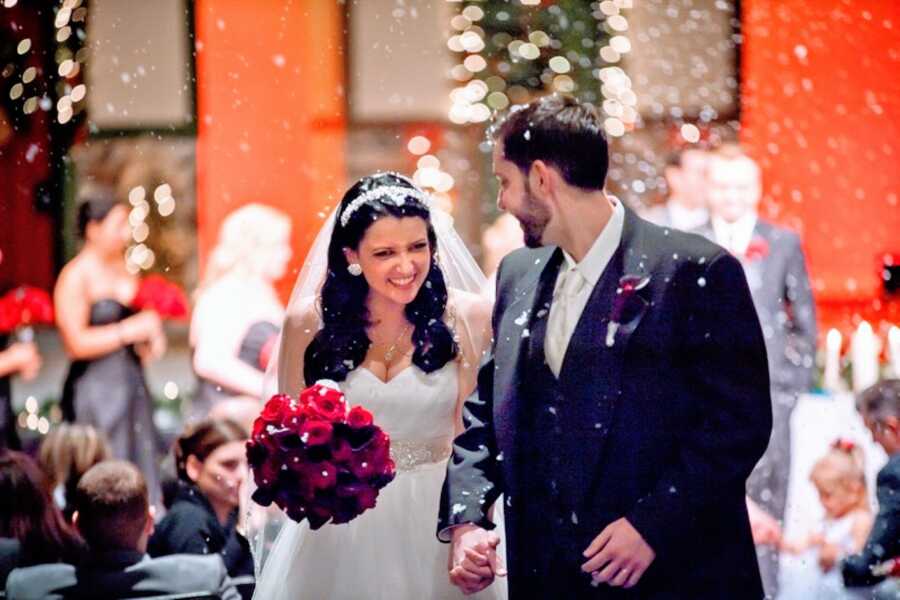
Grief—real, soul-crushing grief—destroys some people. I imagine it as a Dementor from Harry Potter: a soulless creature that sucks all life and joy from you, leaving you hollow and unrecognizable. My mind, body, and heart are shattered; happiness before Covid feels like a story I’ve only read in pictures and videos because I can’t feel it anymore. The life I shared with Jonathan seems almost unreal, as if it never existed—and in turn, neither did I. Now, I am just this woman who feels like breathing is a weight, who has cried every day for sixteen months, whose body and spirit are ravaged by sorrow. A woman whose husband would see the damage his absence has done and weep.
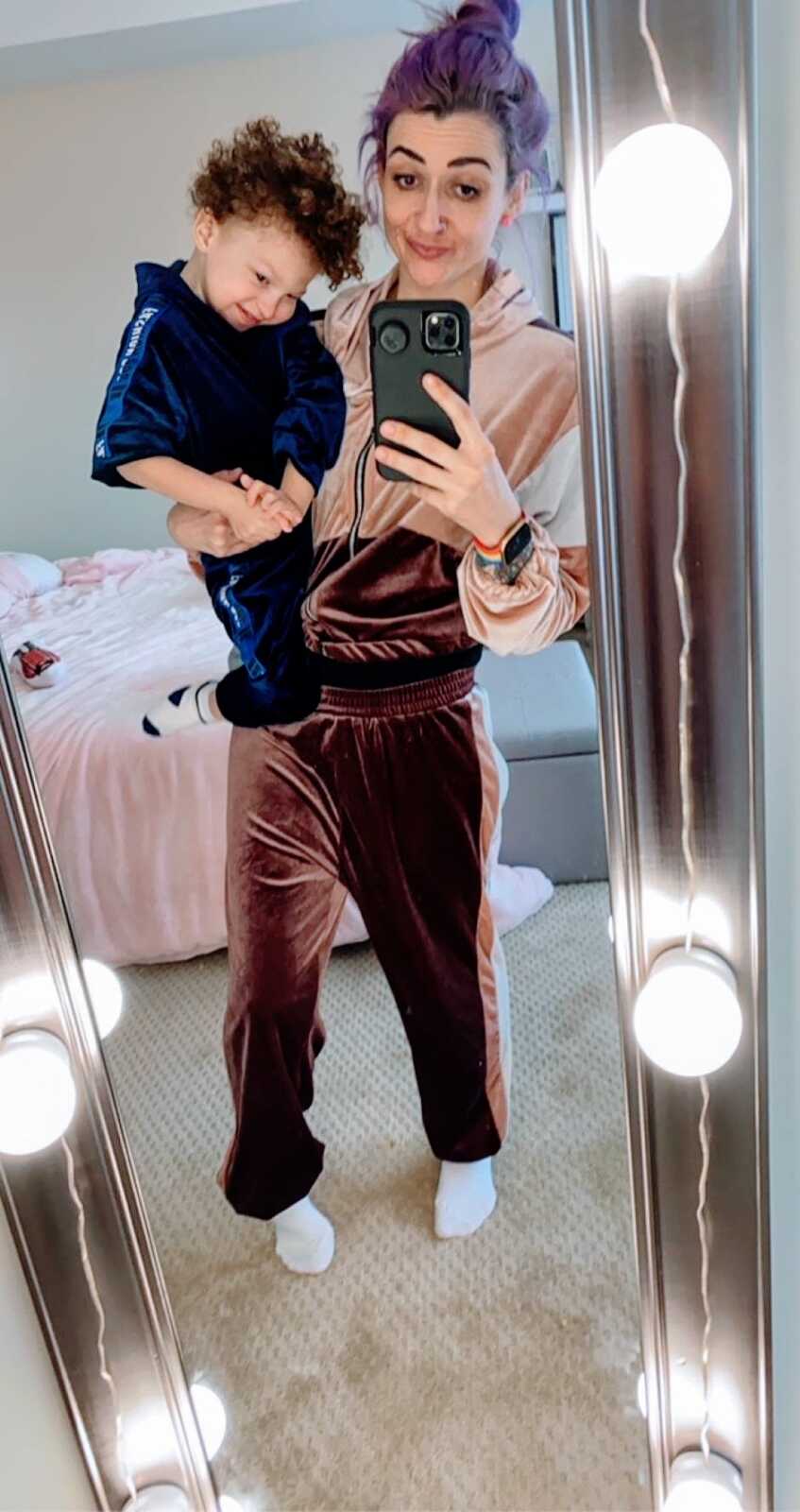
It’s been over a year since I last saw or spoke to Jonathan, yet in my mind, it still doesn’t feel real. I know he isn’t coming home, but I can vividly imagine him walking through our door, and my knees go weak at the thought of running to him, holding him, never wanting to let go. After a year, you’d think I’d be processing this better—but grief doesn’t work in neat timelines. I’ve regressed more than I’ve healed.
I have panic attacks nearly every day, my depression is unbearable, yet somehow I function better than before. I am more independent as a parent and more capable of handling the daily grind—but how can I be such a wreck emotionally while appearing stronger in my responsibilities? That question haunts me constantly. My depression screams that I am a failure, that everyone sees me as weak, yet my actions prove I am surviving, growing, and adapting. I am weak and strong all at once, sometimes within the same breath.
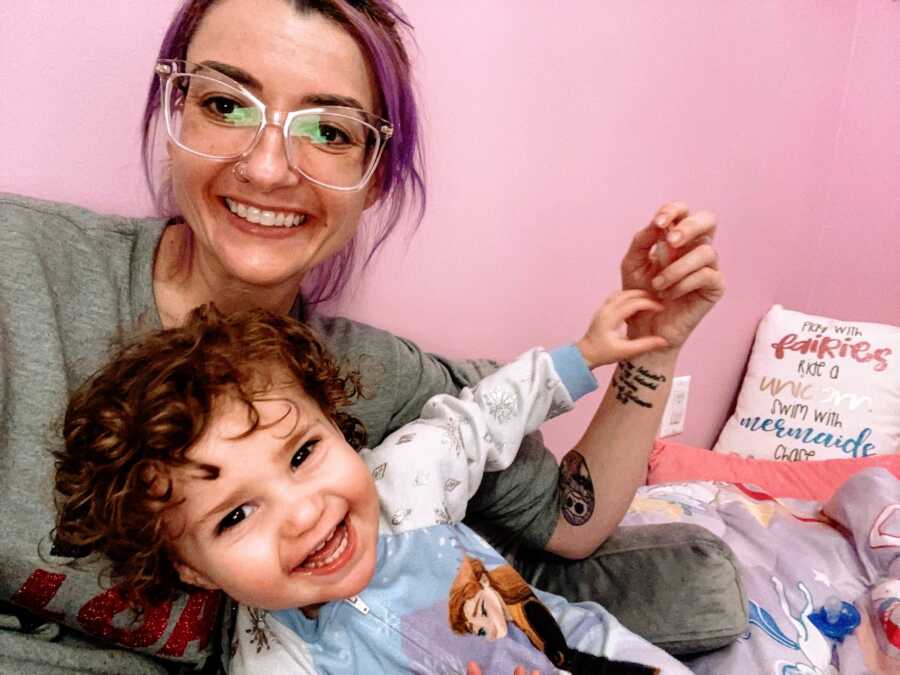
Looking back over the last sixteen months, most of it is a blur. Many memories feel detached or unpleasant. I grieve the time I feel I’ve lost with my children. The moments captured in photos and videos are ghosts to me—I can’t remember feeling them, not until recently, after the past holiday season. I am angry at what this year has taken from me, at the moments stolen that should have been full of laughter, love, and family togetherness.
I’ve been trying to find my place in this world while spreading myself impossibly thin. For a long time, I saw myself as an advocate, fighting to make Jonathan more than a statistic, to make people understand the human cost of Covid. But the truth is, to the world, he is just one of over 612,000 lives lost. To me, he is everything—the embodiment of love, joy, and what it means to be human. The world moves on, and I am left in the aftermath, exhausted, depleted, and unable to continue the fight. I have nothing left to give.
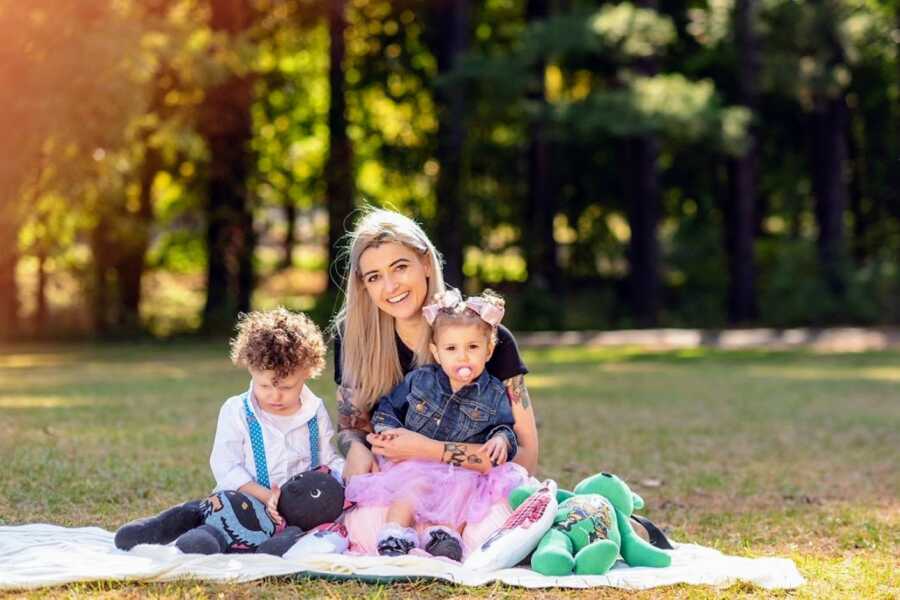
What I’ve learned about grief is that it doesn’t make sense, and it never will. I can feel independent yet overwhelmed. I can be devastated beyond words and still have a dance party in the kitchen with my children. These contradictions coexist, because grief strips you down to your rawest self and waits to see how you respond. Some heal faster, some slower. For me, every day is a second-by-second process. But I’ve learned that acknowledging your grief, being fully present in it rather than pretending to be okay, is harder—and braver—than anything else. Saying “I am not okay” doesn’t bring comfort, it brings vulnerability.
Even after sixteen months as the dreaded “W” word—widow—each day still cuts fresh. But each day is also a chance to discover who I am, what I value, and what makes me, me. Life is fractured and painful, yes, but it also holds moments of resilience, hope, and quiet courage, waiting for me to find them.