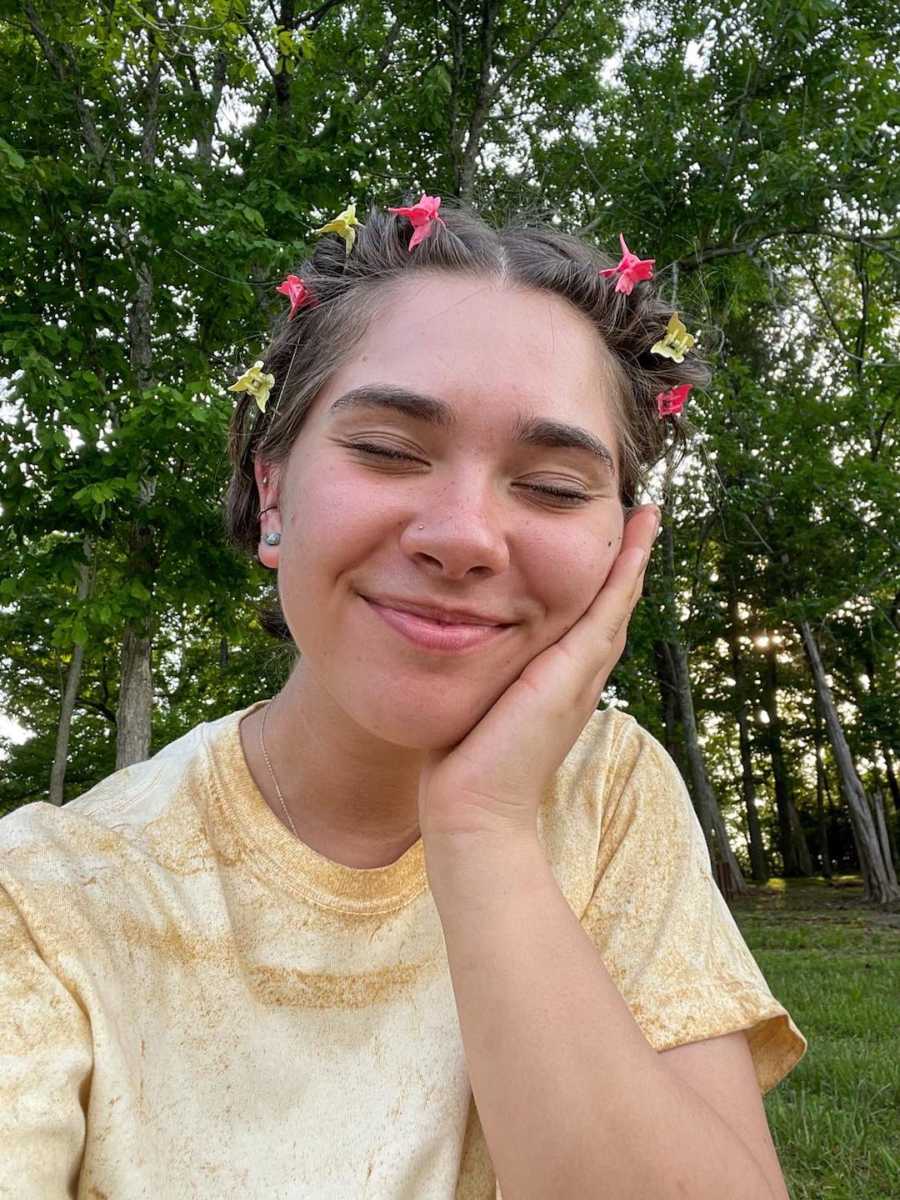
Hi, I’m Kayla, and I live with hEDS—Hypermobile Ehlers-Danlos Syndrome.
Ehlers-Danlos Syndrome is a group of hereditary disorders that affect connective tissue and collagen production in the body. For those with EDS, hypermobility, joint instability, and frequent dislocations are common. But the condition doesn’t stop there—symptoms can include chronic pain, fatigue, IBS, constipation, insomnia, sleep apnea, muscle spasms, organ ruptures, easy bruising, poor healing, pre-term labor, and even infertility.
Growing up, I always felt different. I remember scaring my friends by hyperextending my elbows and thumbs for fun, not knowing that this was a hint of what was to come. I had no idea what Ehlers-Danlos Syndrome was, nor how much it would shape my life. Today, I deal daily with IBS, migraines, muscle spasms, dislocations, chronic pain, and, most prominently, hypermobility.
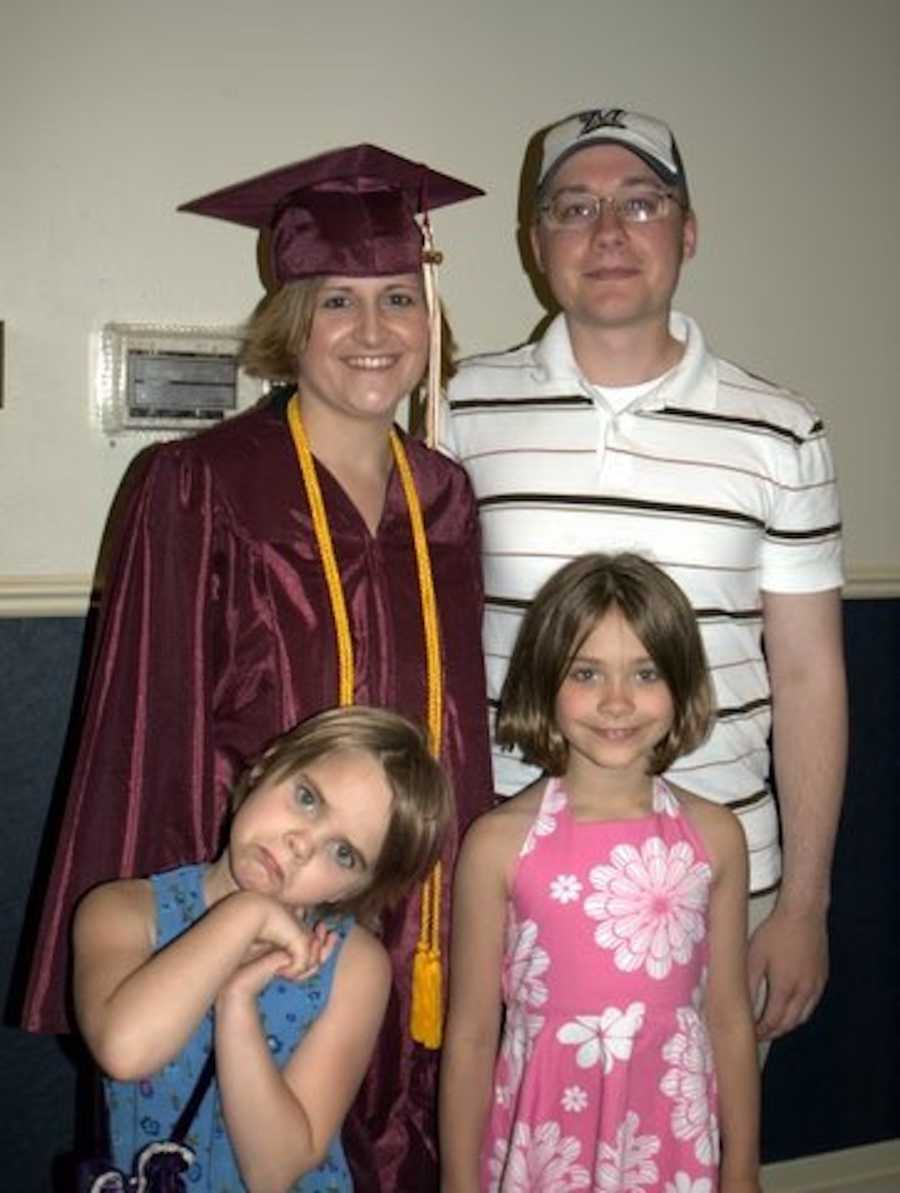
I went to college at Christ for the Nations Institute in Dallas, Texas. While studying, I worked as a waitress at Pappadeaux Seafood Kitchen and eventually became a personal trainer in my school’s gym. As finals approached, I took a break for Thanksgiving to spend time with friends, balancing study, work, and a bit of downtime at the mall.
Then came a Monday morning I’ll never forget. It was the first day of finals week. I ate breakfast, packed my backpack, and headed to class. The day began with worship, our first class from 8 a.m. to 8:45 a.m. After worship, I was walking to my seat when I turned to greet a friend—and suddenly, I fell. The pain was unlike anything I’d ever felt. My friend helped me to my seat, prayed over me, and left for his class. I tried to take notes through the tears, but it quickly became unbearable. Limping to the bathroom, I called my mom.
“Mom, my kneecap came out of place. It hurts so badly. I don’t know what to do.”
She remembered the times my knees had given out before and suggested, “I wonder if you have Ehlers-Danlos.” I had never heard of it and probably asked her several times to repeat the name. My mom, a nurse for over 40 years, explained what it meant. My dad picked me up, and we headed to the ER. Two weeks on crutches followed, waiting for the swelling to subside—but it never did. An MRI revealed the bottom of my femur had broken off and lodged under my kneecap. My surgeon asked if I had been genetically tested for EDS. I hadn’t; I had only just begun to understand the condition.
My first surgery was on December 19th, 2019, and my second on October 1st, 2020. I’ve been in physical therapy for over a year. Plans for school, work, and personal goals came to a halt while I spent months in a wheelchair. I became discouraged. As an athlete who spent hours in the gym daily, suddenly my body was weak, and sleep became nearly impossible. Pain medication made me sick, and frustration led to depression and self-harm. My life had completely flipped upside down.
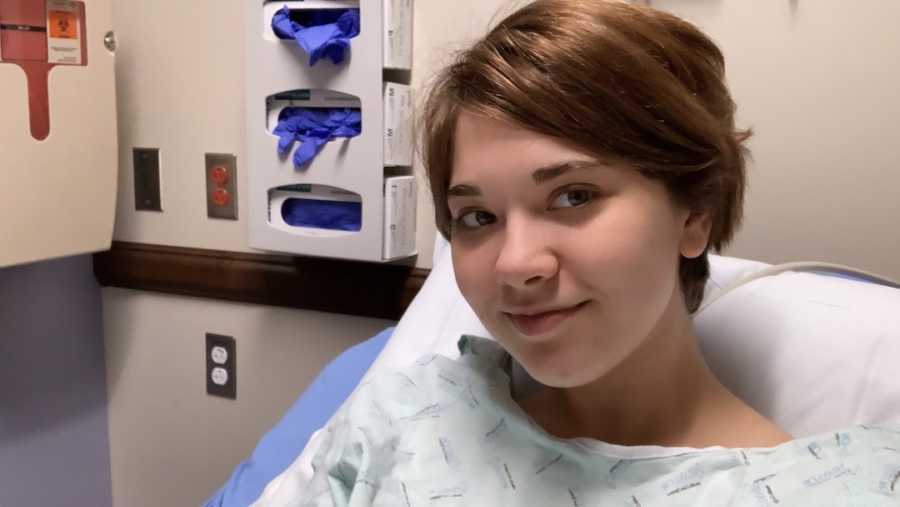
It took time, especially after my second surgery, to find value in myself again. I slowly began to focus on the positives, discovering growth in the struggle. Since my diagnosis, I’ve immersed myself in learning everything I can about hEDS. I’m a personal trainer and currently working on my Corrective Exercise Specialization. I want to develop safe, high-quality programs for anyone with EDS, proving that the condition doesn’t define my ability to help others.
People often suggested I change careers, assuming I couldn’t safely demonstrate exercises. But instead, EDS motivates me to understand my body better, exercise safely, and live healthfully. I’ve adapted my workouts, started physical therapy, and take collagen, vitamin C, and other supplements daily to support my bones and joints. While symptoms remain, I’ve learned to manage them.
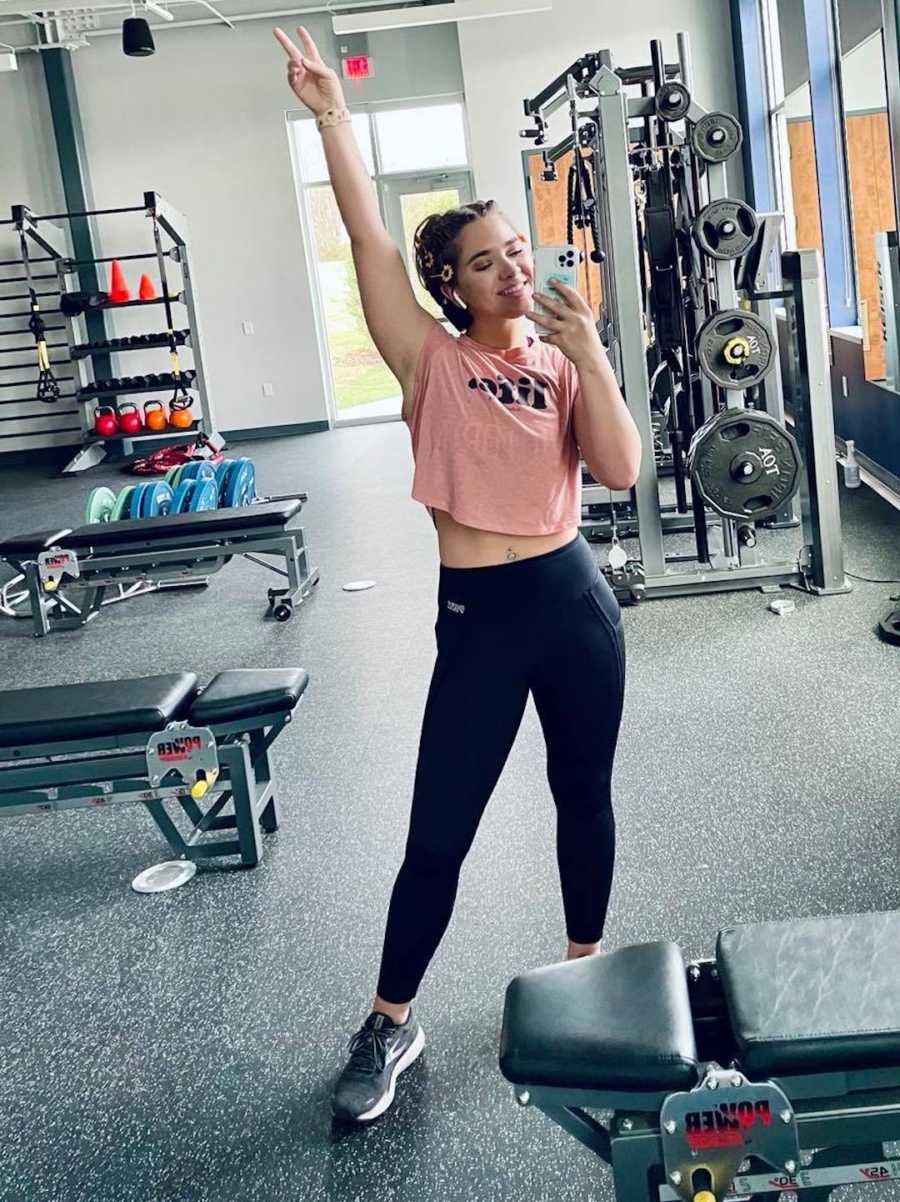
Stretching and training are easier now, but I’ve learned the importance of stopping before hyperextending, as repeated overextension can cause permanent damage. Painful bunions have become part of my daily life, managed with gel stabilizers, hemp cream, and larger shoes. Insomnia, sleep paralysis, and chronic fatigue also challenge me daily. Some mornings, my mind wakes before my body, triggering sleep paralysis. When this happens, it can set my whole day off track.
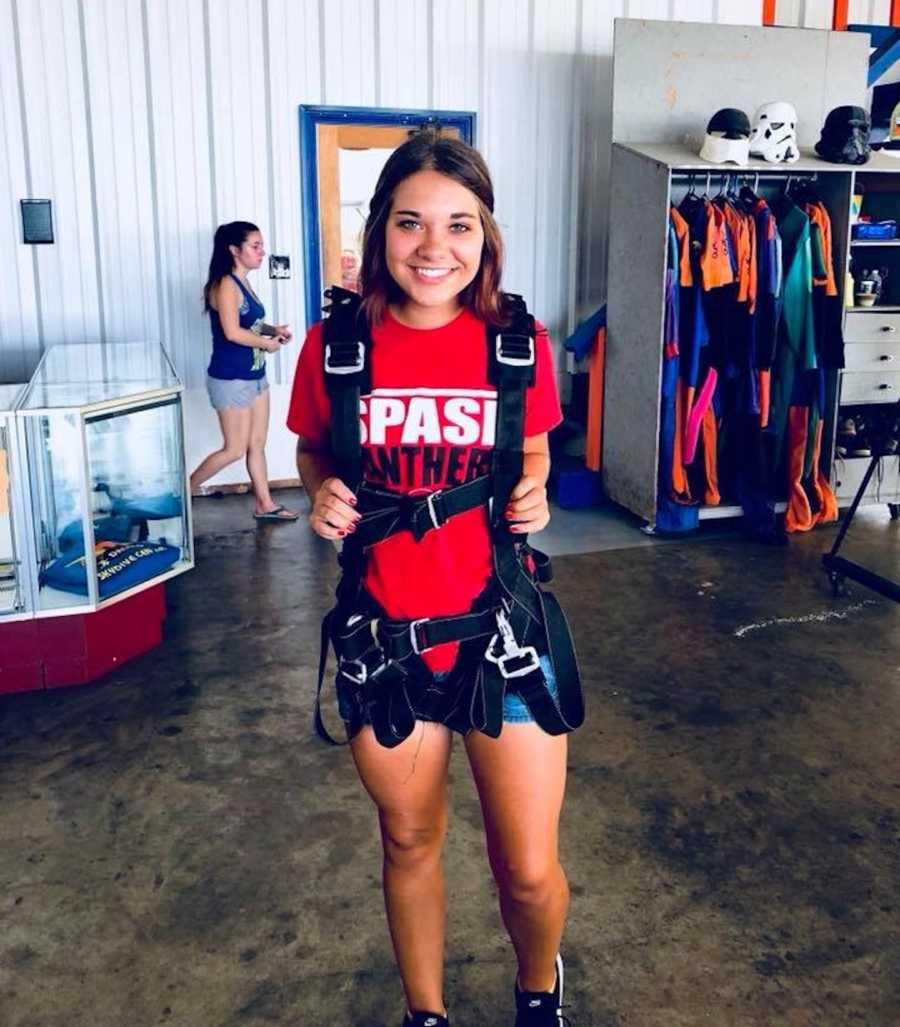
EDS also affects relationships. I often cancel plans due to fatigue, worried friends may see me as lazy. Anxiety and self-doubt can make me isolate, but I’m learning to trust that the people around me value me for who I am.
Living with EDS is a journey, and education has been key. My mom’s knowledge has been invaluable, and together we’ve found an EDS clinic in Houston for further care, including potential bunion surgery. My family has been incredible, educating themselves and supporting me every step of the way.
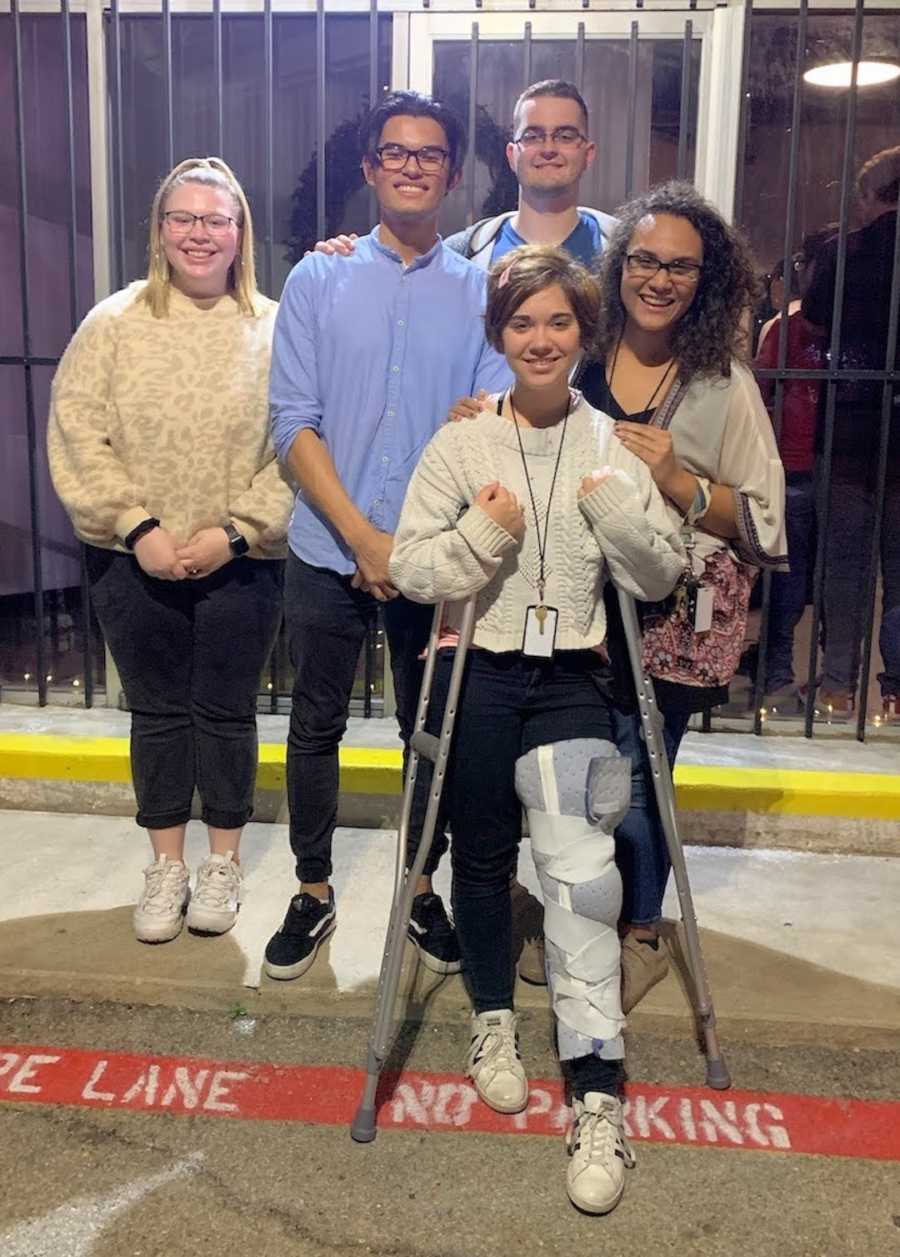
Since my diagnosis, I’ve started a blog, launched a YouTube channel, opened my personal training business, and released a self-monitoring journal to help others navigate their health journeys. EDS will always be part of me, but it doesn’t define me. My body may still be healing, surgeries may not be finished, and physical therapy may continue, but I remain committed to strengthening my mind, body, and soul.
There are 13 types of Ehlers-Danlos syndromes, detailed on the EDS Society website. If you or someone you know lives with EDS, you are not alone. Support communities, like the Ehlers-Danlos Society’s online Zoom groups, are here to help connect, educate, and uplift.