My husband and I met in our early twenties at a lively Labor Day weekend party in 2011. We were both brought there by friends, and the moment our eyes met, it felt as if the world had paused. In reality, there were about 40 to 50 people around, yet all I could see was him. Even when friends tried to separate us throughout the day, we somehow always found our way back to each other.
It was during that first day that he noticed I had a limp. When he asked if I was okay, I brushed it off as no big deal. But on our first official date, I opened up completely—I told him I had cerebral palsy. I explained what it was, how it affected my life, and gave him the full picture, offering him a choice to stay or walk away. Without hesitation, he chose to stay. From that moment on, he became my boyfriend, and our relationship flourished. He challenged me, supported me, and encouraged me in ways no one else had—except, of course, my family. He was my first serious boyfriend, my first love, and he showed me a world I never thought I’d experience: traveling, learning to drive, and doing physical activities I had assumed were out of reach due to my disability.
About a year into our relationship, it was time to meet his family. Everyone welcomed me warmly once they learned about my cerebral palsy—everyone except my future father-in-law. From the very moment I met him, I sensed his disapproval. What was meant to be a simple introduction quickly turned into a rigorous interrogation. Questions about cooking, cleaning, college plans, and life goals came relentlessly, leaving no room for conversation—only answers.
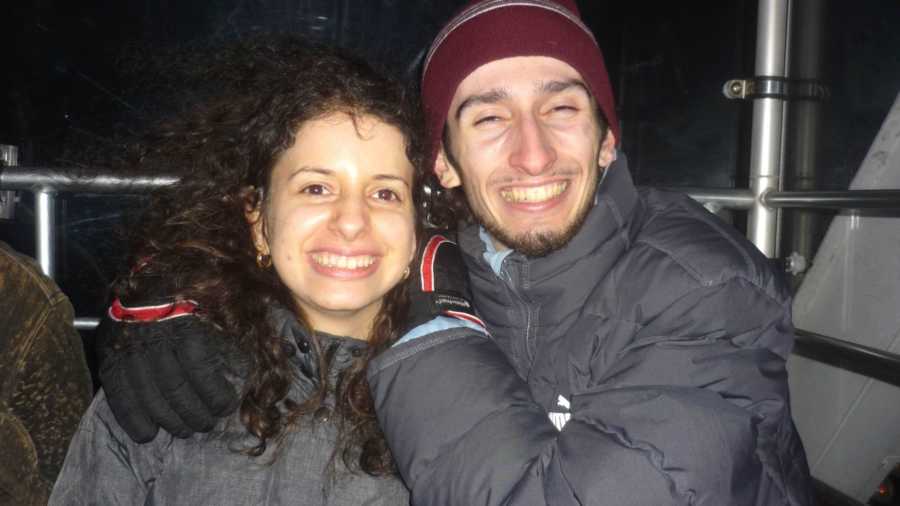

The following day, he made his opposition clear. He predicted I’d be in a wheelchair by 40, would never finish college, never work a day in my life, and that he’d have to care for me if my husband stayed with me. He even gave my husband a book about cerebral palsy—likely outdated and written decades earlier. I read it to understand what my life could have looked like, but my husband never did. He simply wanted to burn the book and forget it existed. My father-in-law continued trying to manipulate my husband, even setting him up on a date with another woman after our engagement.
I never sought my father-in-law’s approval, nor did I care to prove anything to him. My only responsibility was to prove to my husband that I was worthy of him. Together, we continued our lives. With my parents’ support, my husband moved in with us while we figured out our next steps. I defied every prediction: I graduated from college, launched my own business, cooked, cleaned, and lived life as fully and creatively as I could, finding ways around any limitations.
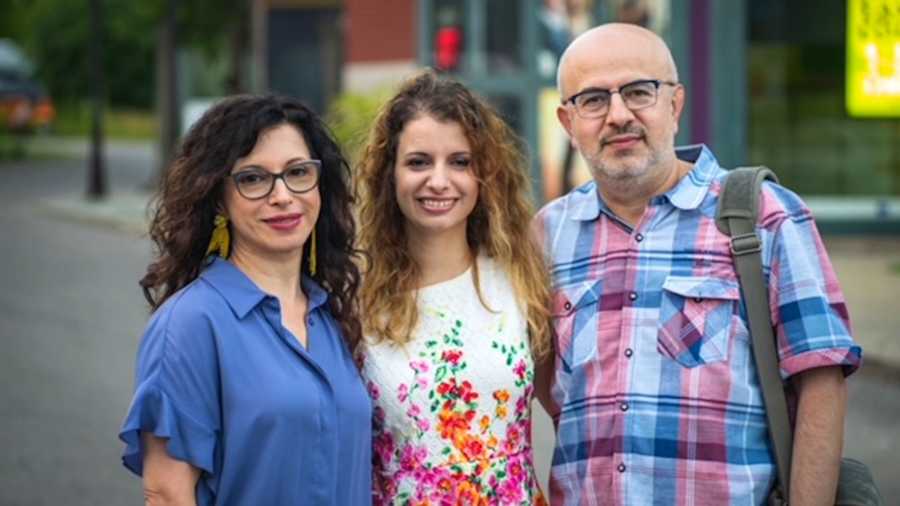
The night before my final college exam, my husband proposed. Neither of us had been obsessed with the idea of marriage, but we both knew we had found the right person to share life with. We savored our engagement blissfully—until a car accident a few months later changed everything. We had been driving a friend home from a birthday party. I was the only one seriously injured, though I didn’t realize the severity at the time.
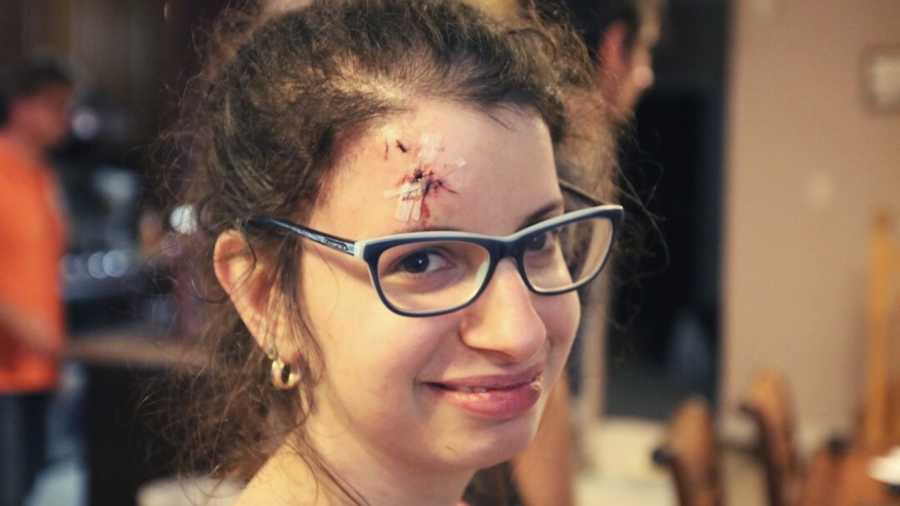
About a year after the accident, I suffered a grand-mal seizure while my husband was driving me to a doctor’s appointment. One moment I was fine, the next I was waking up surrounded by paramedics and firefighters. That’s when I was officially diagnosed with epilepsy. The diagnosis itself wasn’t devastating—the hardest part was being told I couldn’t drive for a year. Driving was my independence, something I had fought hard to achieve despite cerebral palsy. The doctor did reassure me, though, saying the next time he’d want to see me in the hospital would be during labor.
We married a few months later, enjoying a peaceful first year together. But a year and a half later, the seizures returned—this time, daily, multiple times a day. I lost control over my body; my life felt dictated by the seizures rather than the other way around. No treatment seemed to help, and I had to travel overseas to see specialists. For three grueling weeks, I endured constant tests, appointments, and hospital visits. Physically, mentally, and emotionally, it was exhausting, but it was what kept me alive.
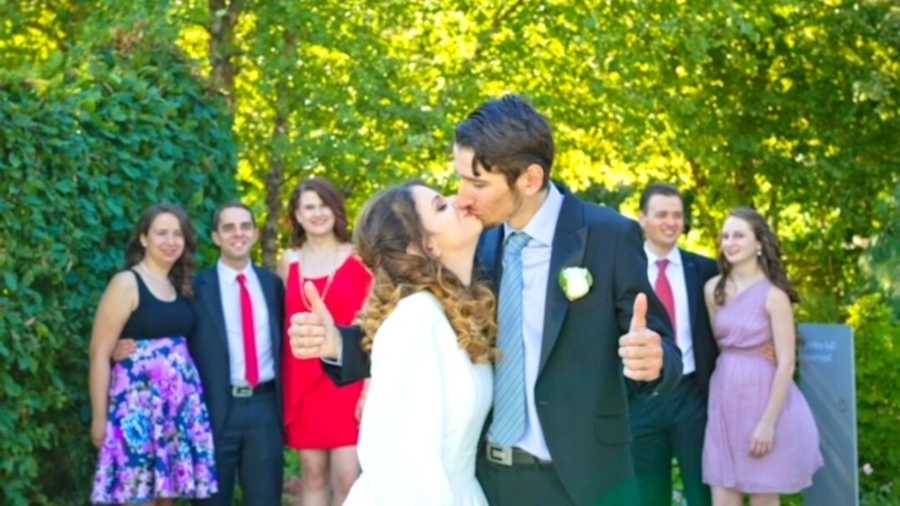
Throughout it all, my husband never left my side. He was patient, steadfast, and unwavering in his love. When I developed PTSD from the car accident, he struggled even more than I did, carrying the guilt of the crash as if it were his fault. Seeing the scar I bore, he would cry and beg for forgiveness, though I never blamed him. Epilepsy forced me into a healthier lifestyle, which, ironically, became a blessing. I no longer stayed out late, drank excessively, or exposed myself to stress. I learned to cherish life in a way I hadn’t before.
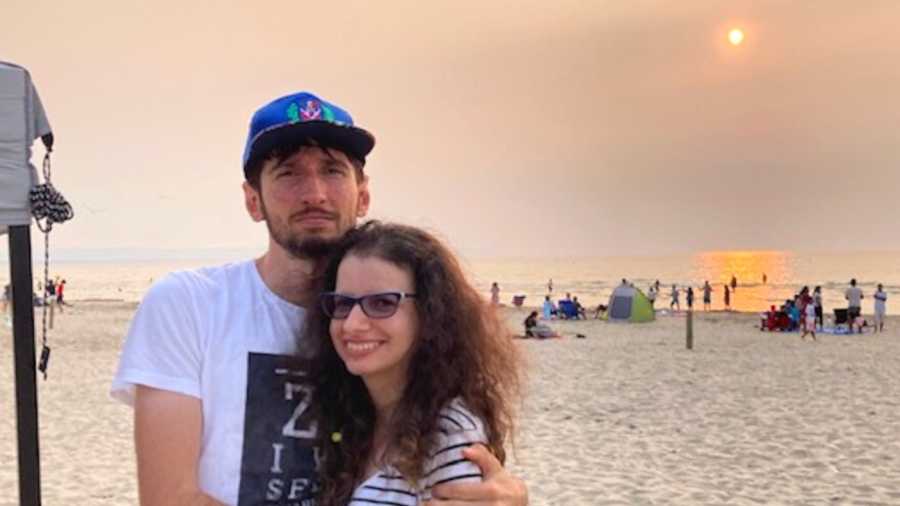
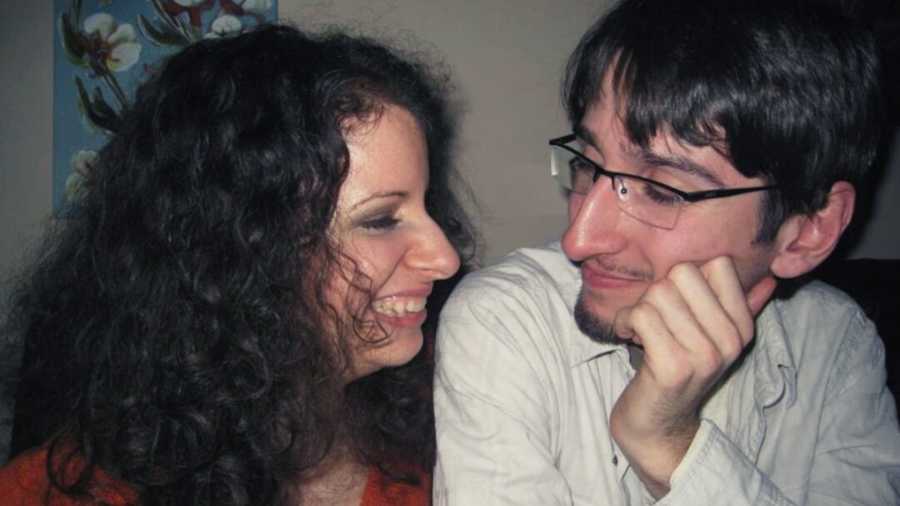
A few years later, we bought our first home together. My husband meticulously ensured the environment was safe for me, reducing fire alarm noise and flashing lights to prevent seizures. He even chose cooking and cleaning supplies to maximize my independence. He wanted me to do everything on my own, just in my way. It reminded me of a math problem: there’s one solution, but many ways to reach it.
Society loves labels, and people have called us an interabled couple—one fully abled, one with a disability. But having cerebral palsy and epilepsy doesn’t mean I am incapable. I have abilities, albeit different ones, and I live a full, meaningful, and independent life. My husband and I live on our terms. Disabilities are part of my story, but they do not define me. They are chapters, not the whole book.