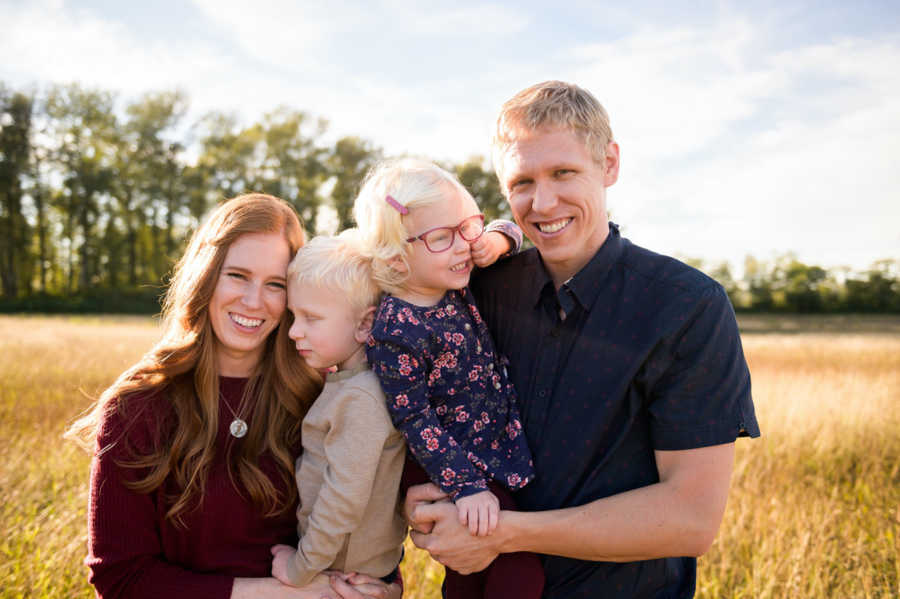
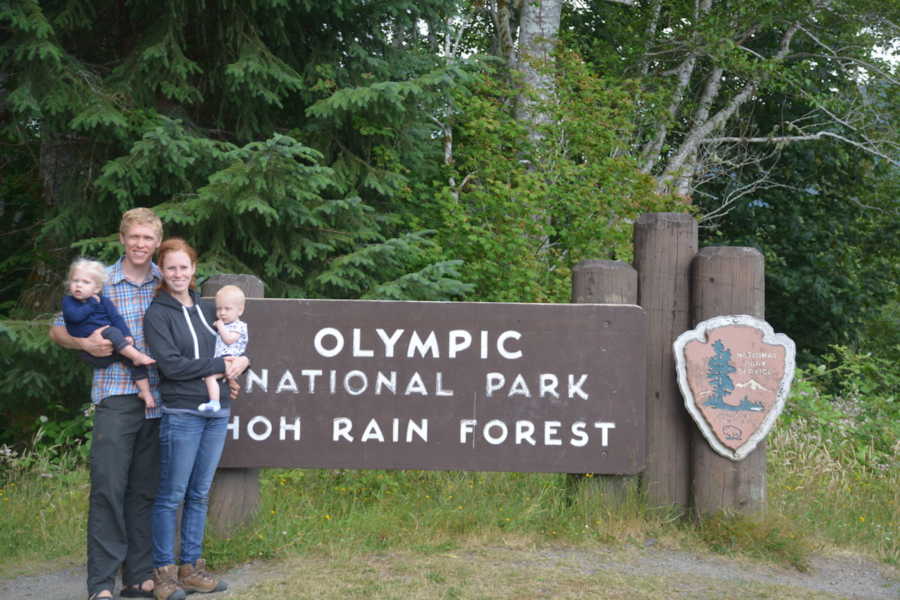
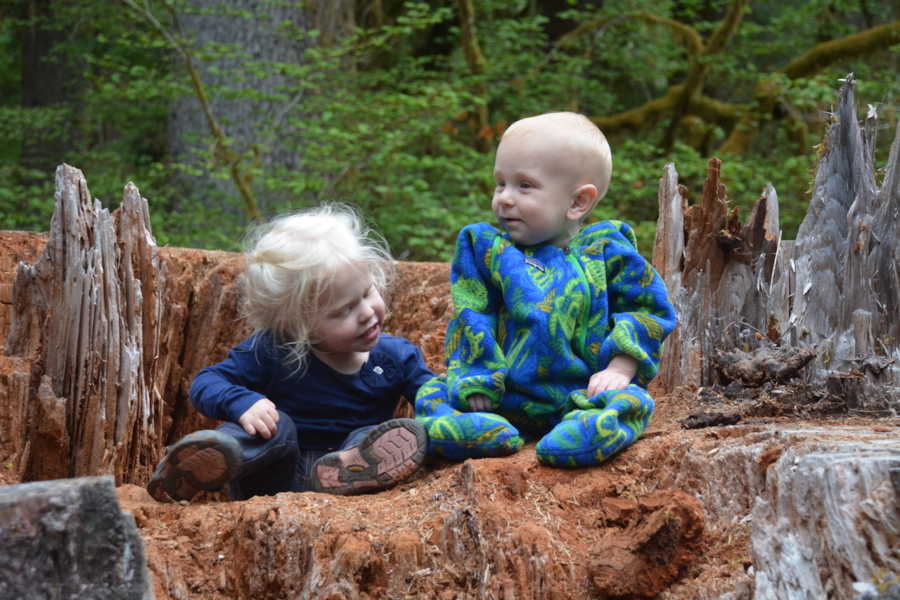
The summer of 2018 felt perfect. We had our beautiful 2-year-old daughter, Eliza, and our 10-month-old baby boy, Oliver. Our family loves the outdoors and adventure, and that August we went on an epic seven-day camping trip around Mt. Rainier and the Olympic Peninsula. The kids slept amazingly well in the tent, and we reveled in the simplicity of life together. We were a “normal” healthy family, just living life—and life was good.
But beneath that happiness, there had been small hints that something might be off. Eliza hadn’t learned to walk until she was 16 months old, so she had seen a physical therapist, though she had seemed to catch up. She also had a couple of café-au-lait spots, light brown birthmarks, which our pediatrician had us check with a neurologist when she was about a year old to rule out a genetic condition. The neurologist said she didn’t meet all the criteria for concern, so we were told to simply monitor them. I had similar spots myself, so I chalked it up to genetics.
At Oliver’s 9-month checkup, his iron levels were low, so he started iron drops. A month later, his bloodwork showed slightly elevated white blood cells, but he had a cold at the time and otherwise seemed completely healthy, so it didn’t raise any alarms.
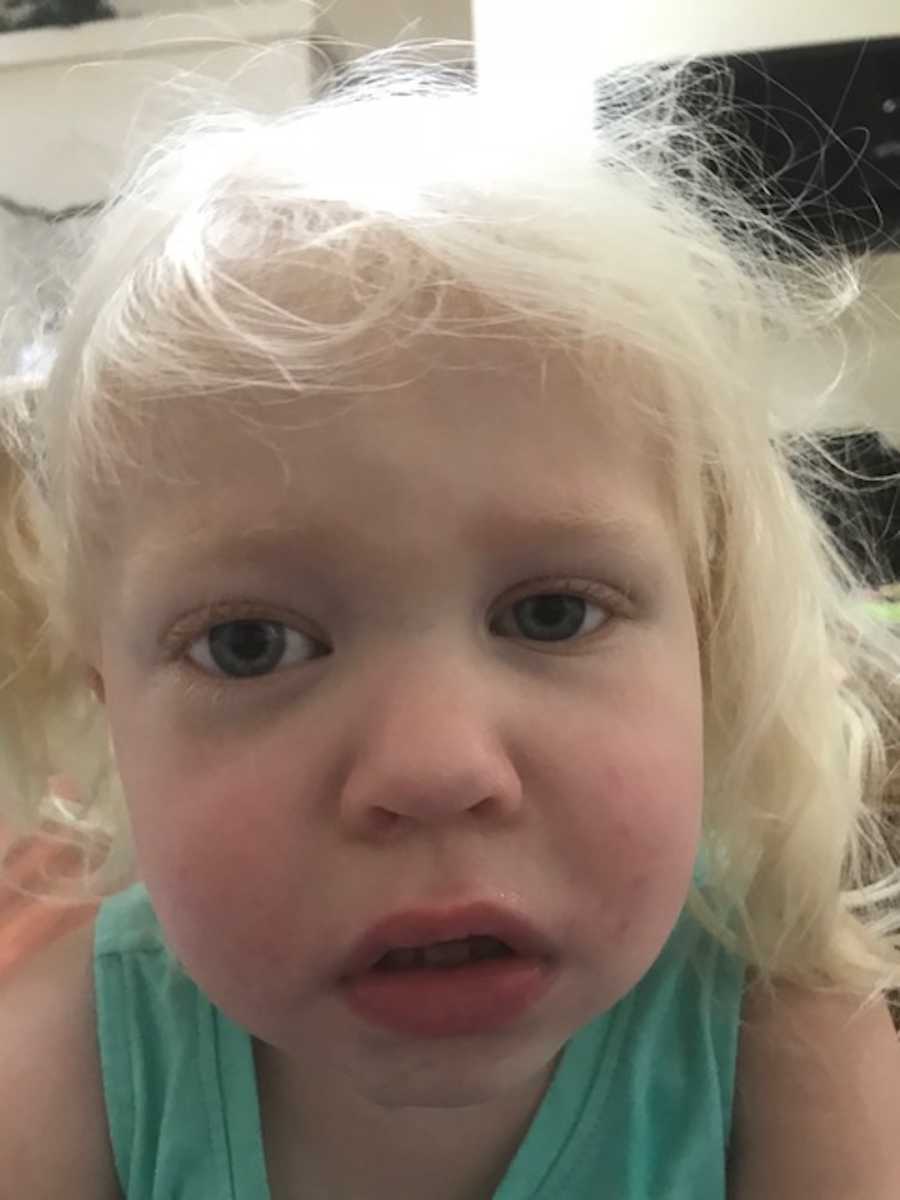
Everything changed suddenly during the last week of August. I noticed one of Eliza’s eyes seemed to be sticking out farther than the other. Initially, I thought maybe another child had hit her during a playdate earlier that week. But two days later, it was even more pronounced, so we took her to the doctor. She was referred to an ophthalmologist, and on that Thursday afternoon, the eye doctor looked into her eye and said four words that stopped me cold: “I think she has a tumor.” He told us to drive immediately to the Children’s Hospital Emergency Room.
I called a friend to take Oliver until my parents could get him, called my husband at work, and hurriedly packed a bag. The children’s hospital was two hours away. My husband left work at 6 p.m., and we drove there, arriving at the ER. We stayed until 4 a.m., waiting to see whether an MRI under anesthesia would happen that night or the next day. They eventually scheduled it for the following Tuesday.
After Eliza’s MRI, we waited in the ophthalmology clinic for results. I overheard a technician say, “Oh, do you have the girl with the optic glioma?” My heart sank. It was Eliza. She had a tumor. Days blurred as we met with an oncologist, and while we were relieved that it wasn’t life-threatening, it could threaten her vision. Simultaneously, she was diagnosed with a genetic condition called Neurofibromatosis Type 1 (NF1). About 15% of children with NF1 develop optic gliomas, and only half require treatment—but Eliza did. She needed chemotherapy every week for a year, and a port was scheduled to be placed in her chest on September 6, with chemo starting the very next day—my 29th birthday.
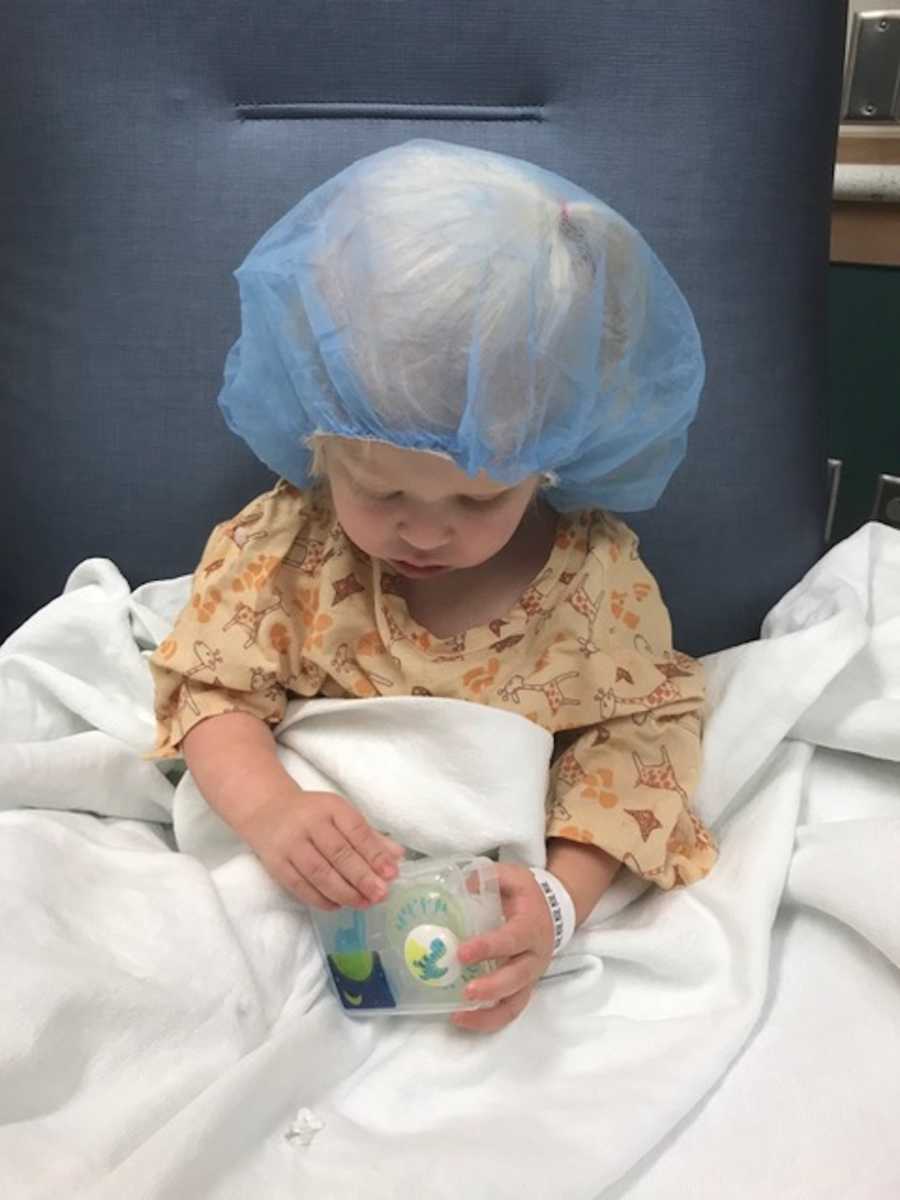
Just as we were processing this, our pediatrician called with news about Oliver. His bloodwork wasn’t improving, and he needed to be seen by the oncologist at Seattle Children’s as well. His appointment was scheduled for September 7, the same day as Eliza’s first chemo. On September 6, we drove two hours to have Eliza’s port placed. We were given mountains of instructions and prescriptions—for nausea, pain, and caring for an immunocompromised child. It was completely overwhelming.
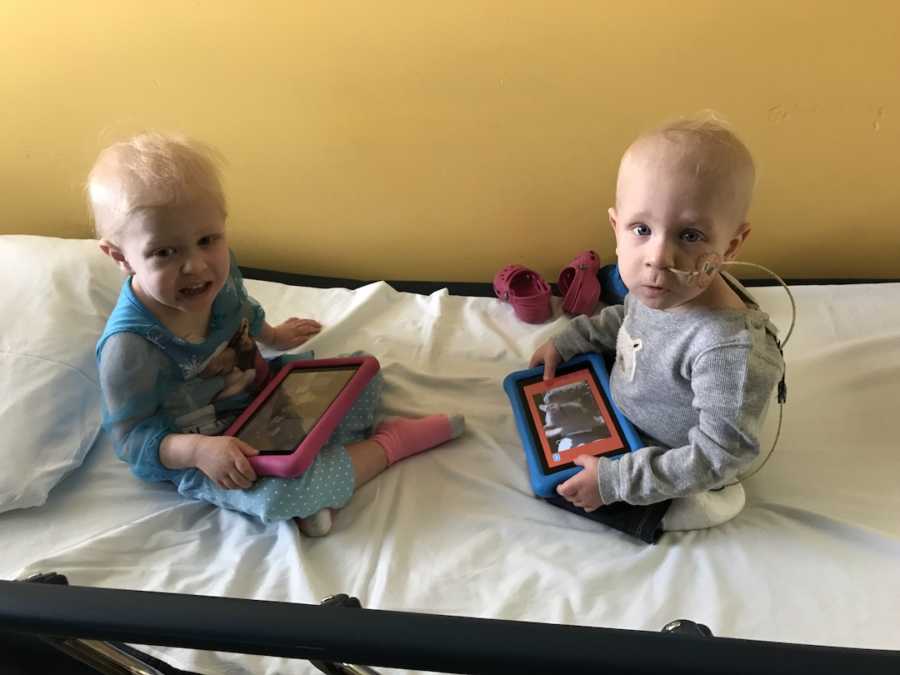
On September 7, Eliza received her first chemo infusion. We watched as medicine labeled “HAZARDOUS” slowly dripped into her chest. That same afternoon, we brought Oliver to his appointment. Until that moment, Oliver had seemed healthy and perfectly normal. A kind oncology resident examined him and, despite his seemingly ordinary appearance, said, “We haven’t ruled out leukemia yet.” The doctor soon confirmed their concern: Oliver likely had a rare type of leukemia called JMML, which can sometimes be associated with NF1. She gently added, “Try not to Google it.”
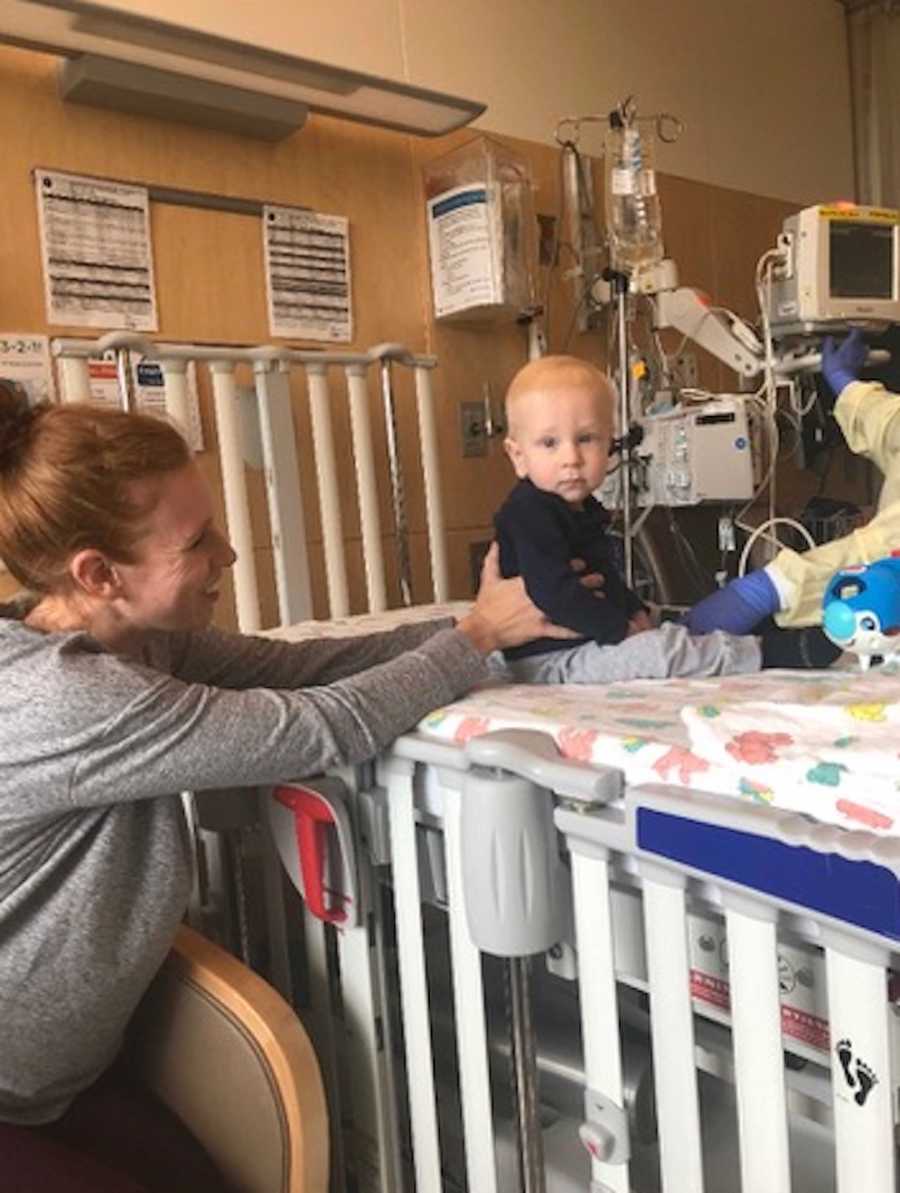
But of course, I did. The first thing I saw was a 5% survival rate. My perfect baby boy was in the backseat of the car, and it felt like my world had shattered. My husband looked at me and said, “Without treatment, 5%, but with treatment, 50%.” That 50% gave me hope. Less than 1% of kids with NF1 develop JMML. Two weeks apart, both our children were diagnosed with serious complications from a genetic condition I didn’t even know existed.
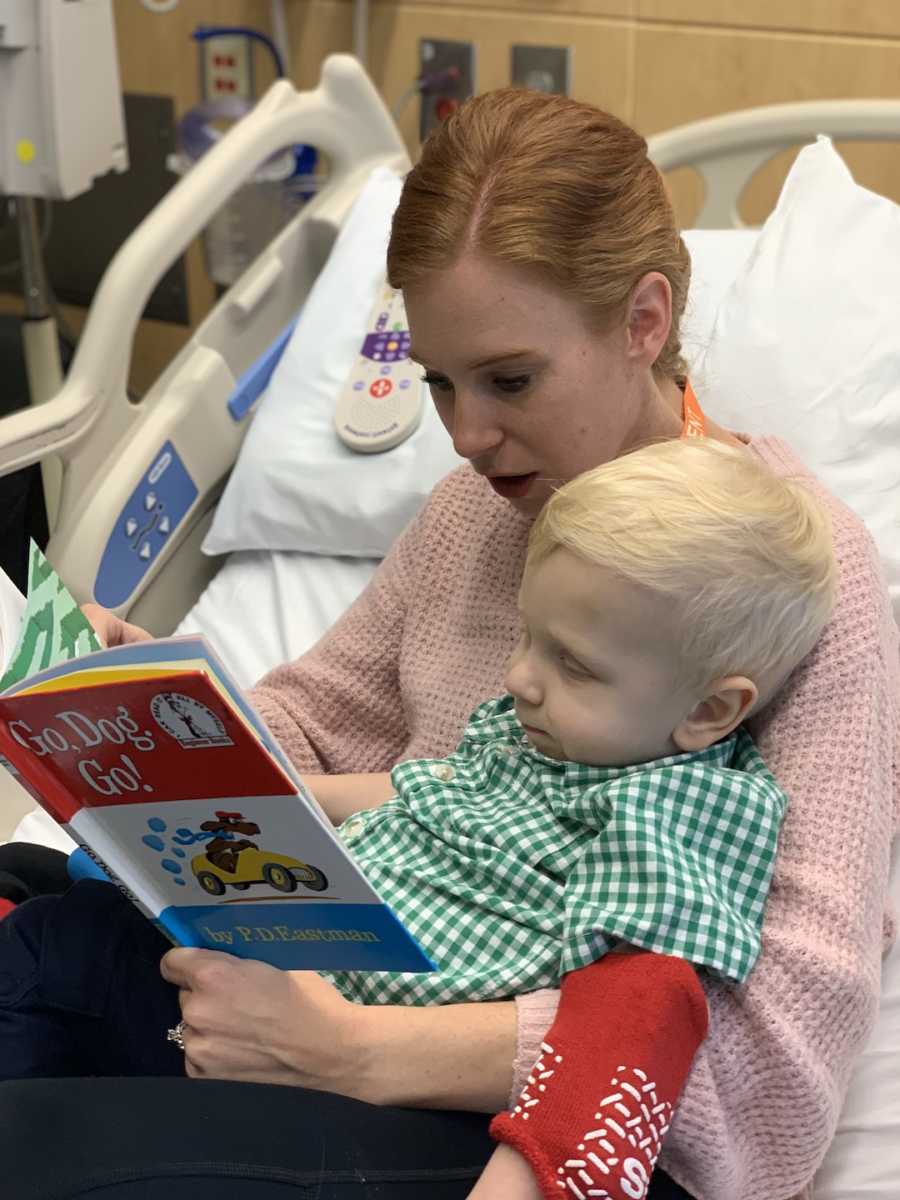
The drive home was filled with tears. Eliza vomited all over her car seat. At the pharmacy, we faced a $700 bill for a one-month supply of anti-nausea medication that, thanks to an insurance mix-up, we couldn’t even administer properly at first. That birthday was, without a doubt, the worst of my life. In the following weeks, appointments piled up, and we learned Oliver would need a bone marrow transplant.
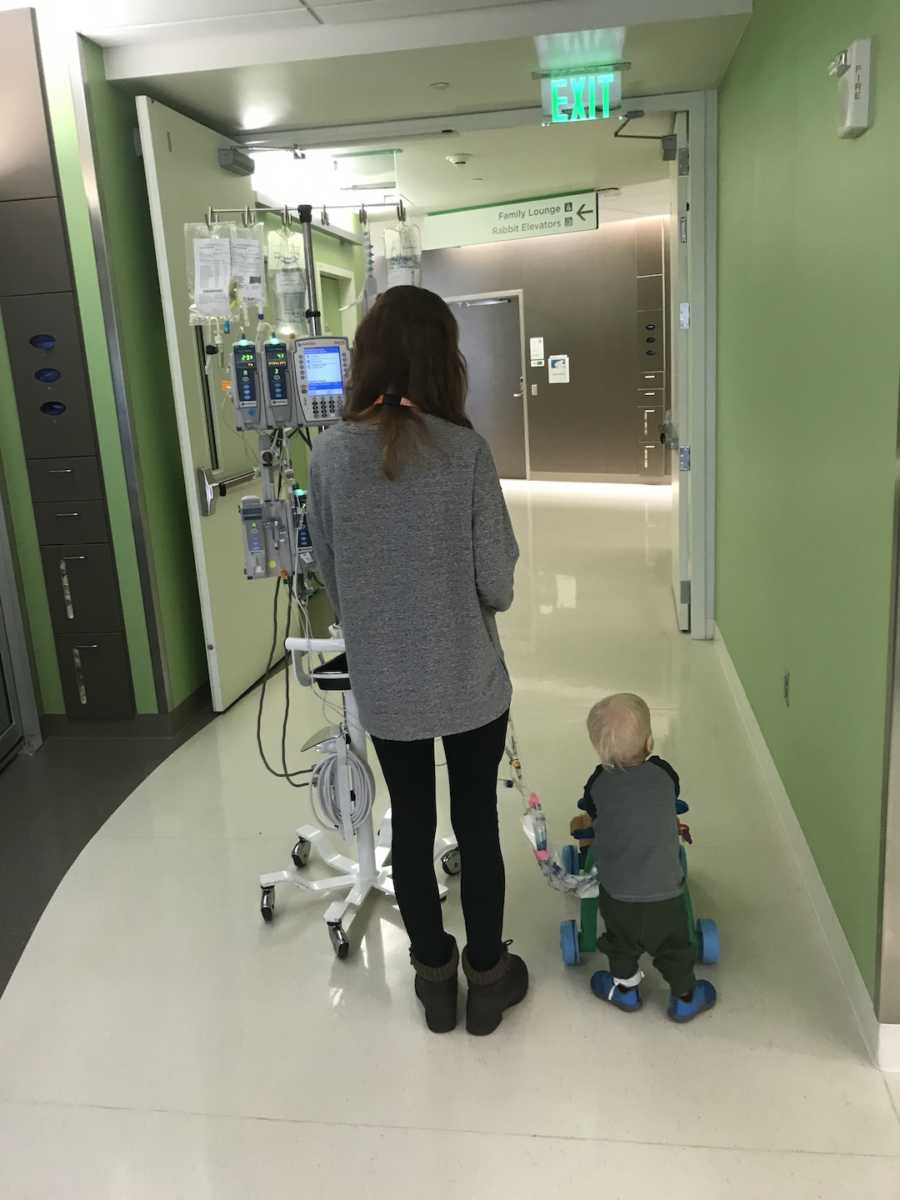
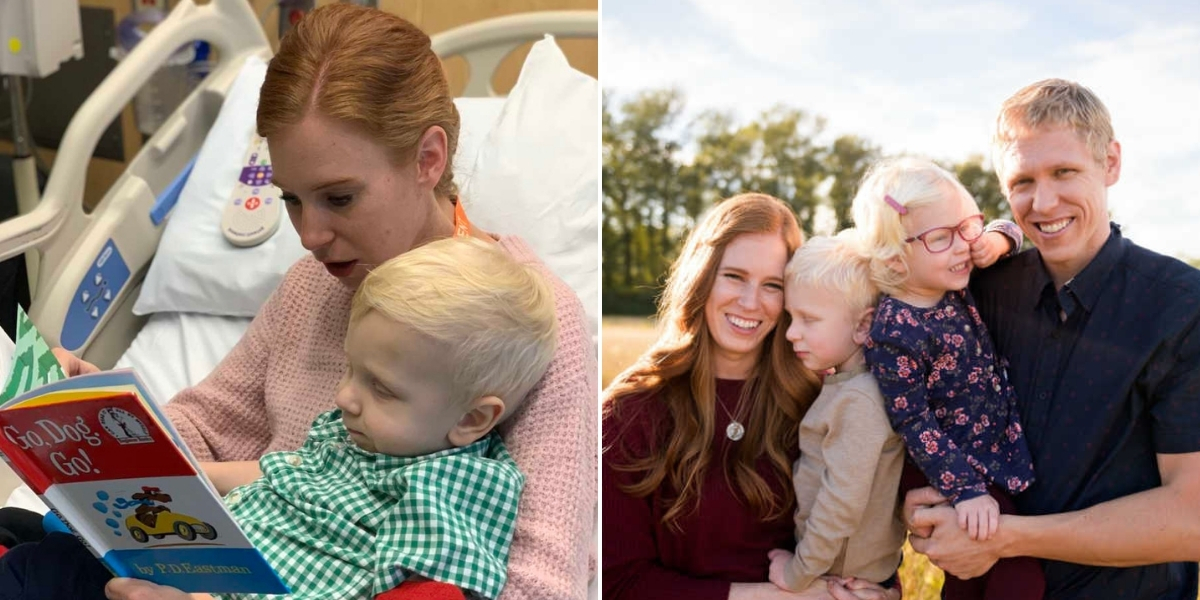
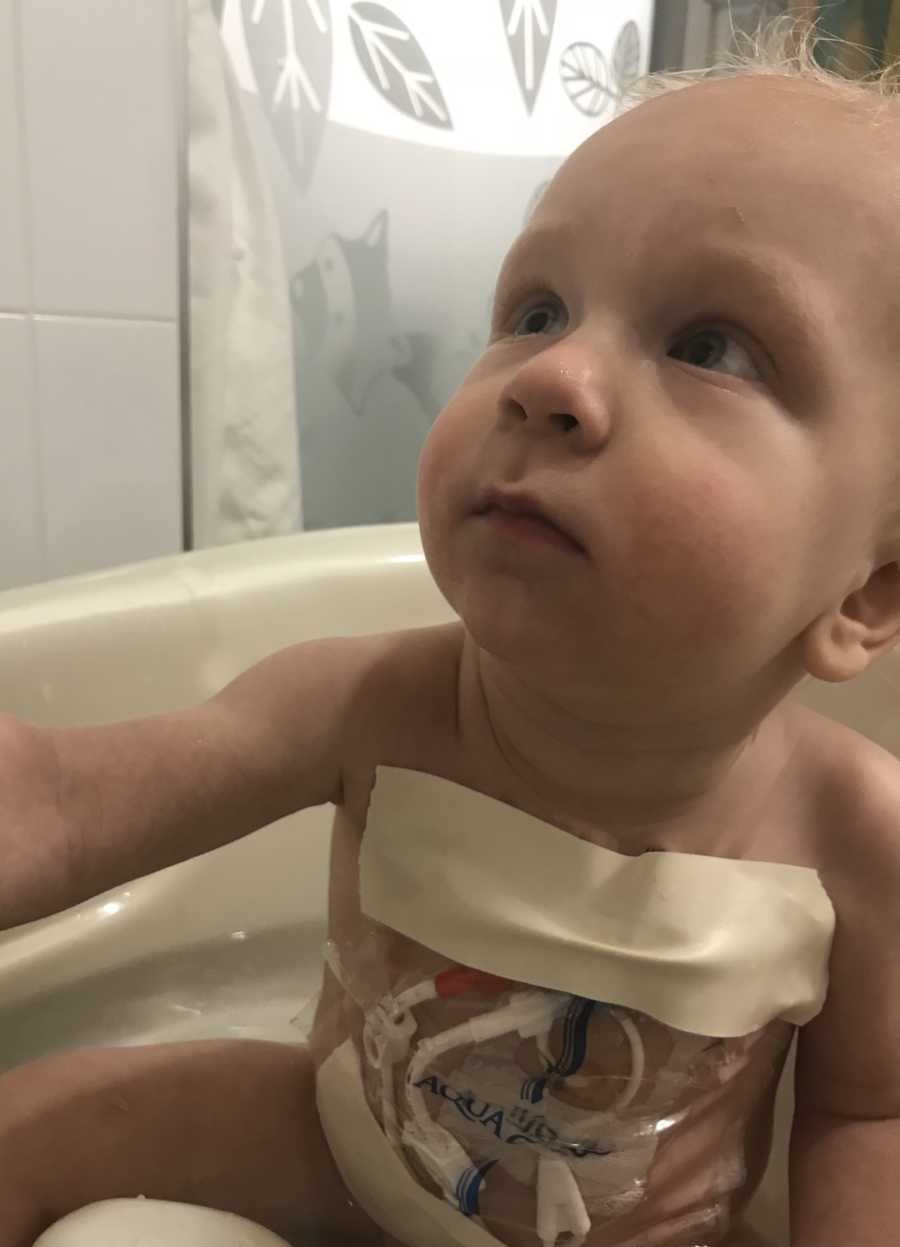
We moved to Seattle so Oliver could remain close to the hospital. He had a central line placed, and I learned how to manage feeding tubes, IV poles, and care for an immunocompromised 1-year-old 24/7. My husband would drive down with Eliza on weekends. The days were exhausting, but we adapted. Oliver stayed hospitalized for weeks at a time, receiving his transplant just before Christmas 2018. We were finally discharged at the end of January 2019, but daily appointments kept us in Seattle until April. For the following year, Oliver lived almost entirely in isolation. Every precaution, every medication, every ER visit—sometimes in the middle of the night—was critical. One night, both children were in separate ERs at the same time.
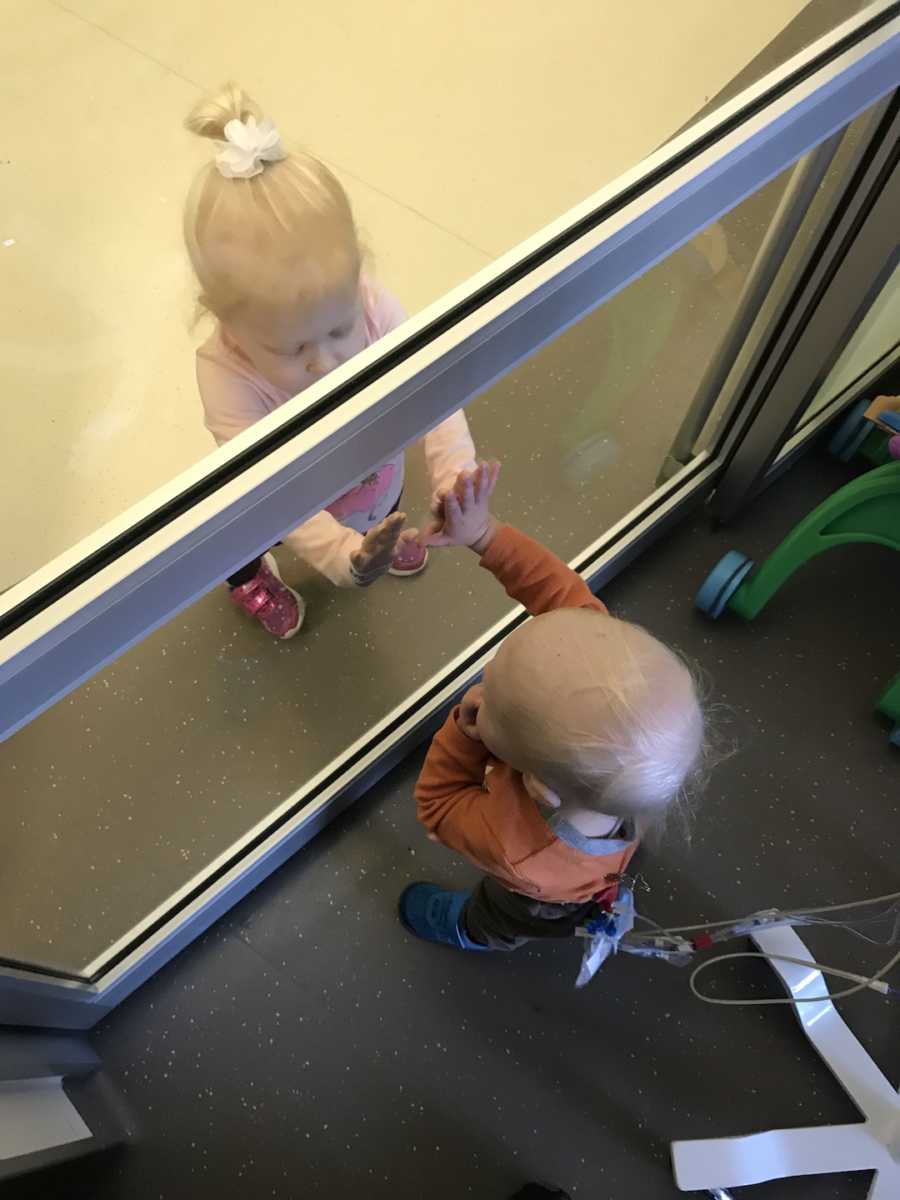
Even amidst the darkest moments, we were blessed. The hospital staff coordinated appointments so we could see both kids in a single day. Nurses made special exceptions for Eliza to visit Oliver during isolation. The Ronald McDonald House provided free lodging, and our church organized a meal train for my husband. Friends, family, and even strangers helped with bills, gift cards, and support. We also found joy in the little things: family bike rides, walks, game nights—moments that became precious because we never knew what tomorrow would bring.
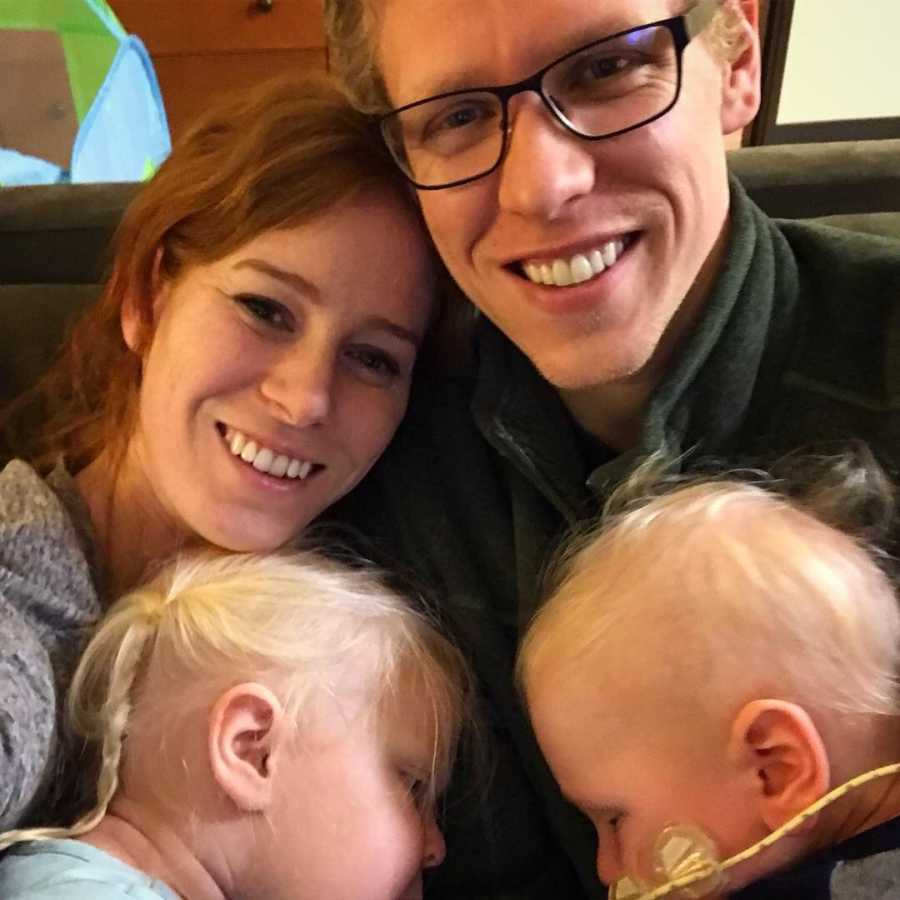
Today, Oliver is over two years cancer-free. Eliza lost vision in one eye due to her tumor but has perfect vision in the other and continues to thrive. Both children still have regular checkups, but for the most part, they are just kids again. Oliver’s bone marrow donor was a complete stranger from Germany, and we hope to meet him someday. Our community rallied around us in ways I never could have imagined.
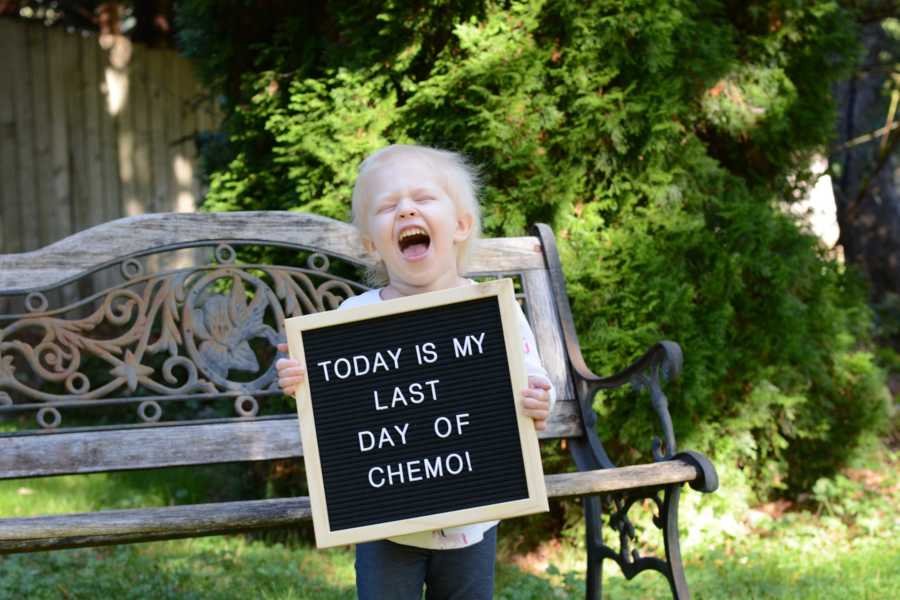
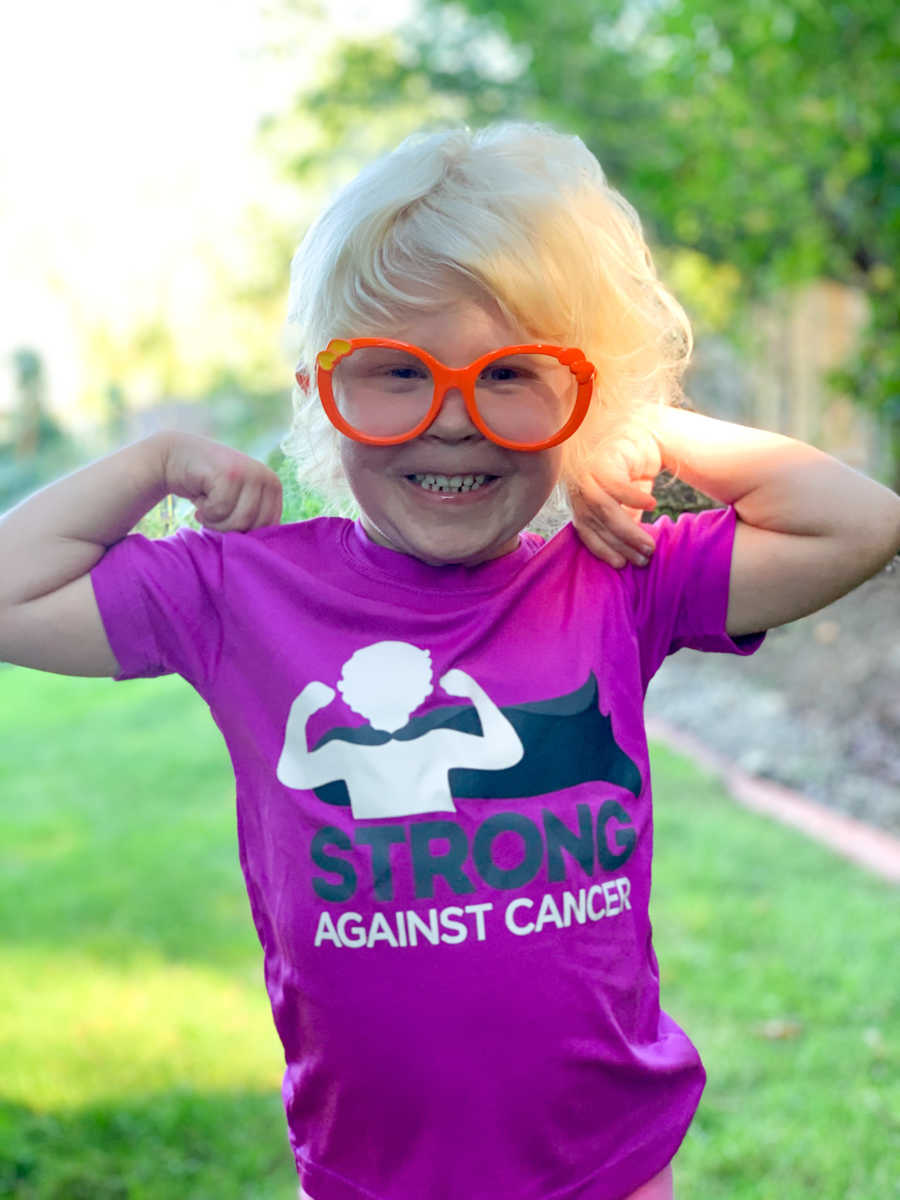
I still struggle to process how both our kids were diagnosed with cancer within two weeks. It sounds unbelievable, even to me. But as a parent, you do what you must—you take the next step, one day at a time. We never faced it alone. Our faith deepened, our support network lifted us, and we learned just how little control we truly have over life. I discovered I have NF1 myself, which ranges from mild to severe. Oliver’s rare leukemia case is extreme, but statistics offer no guarantees.
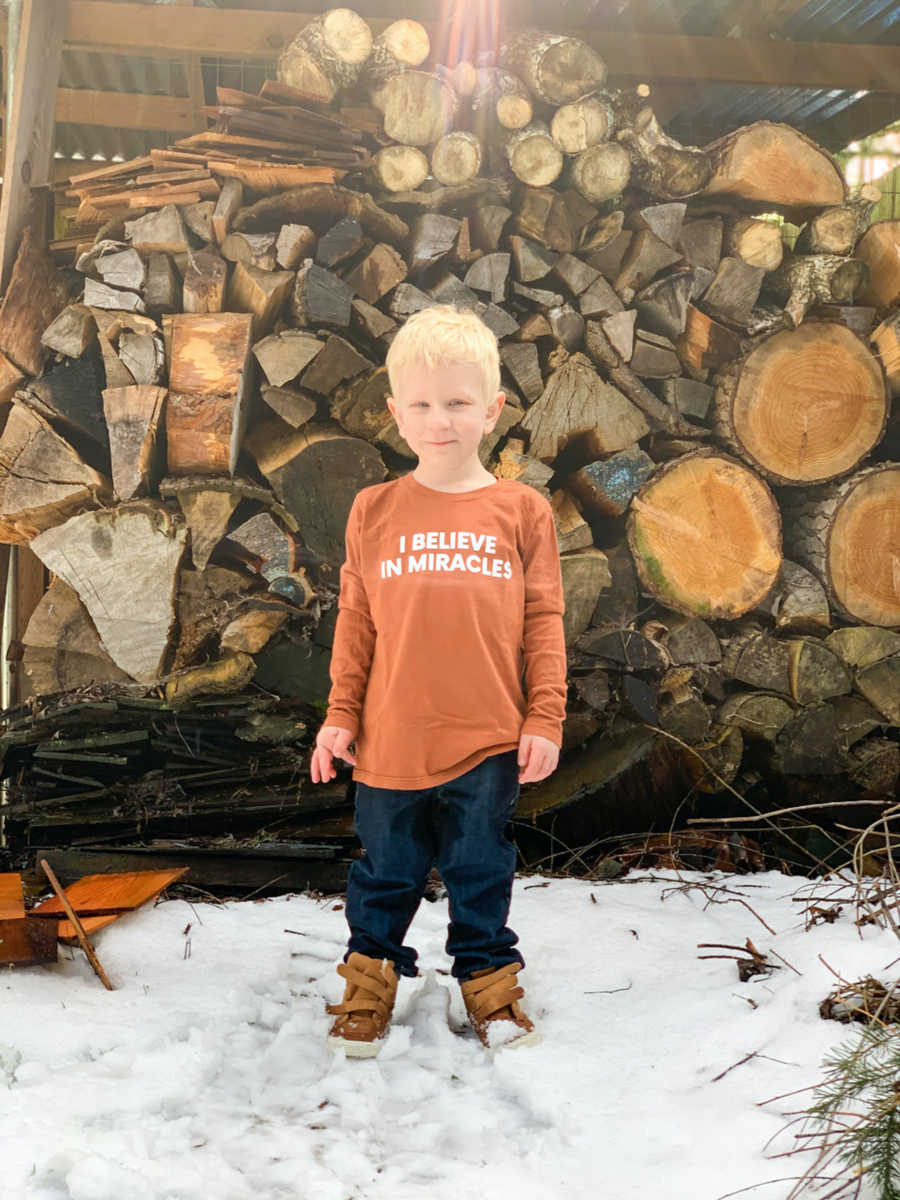
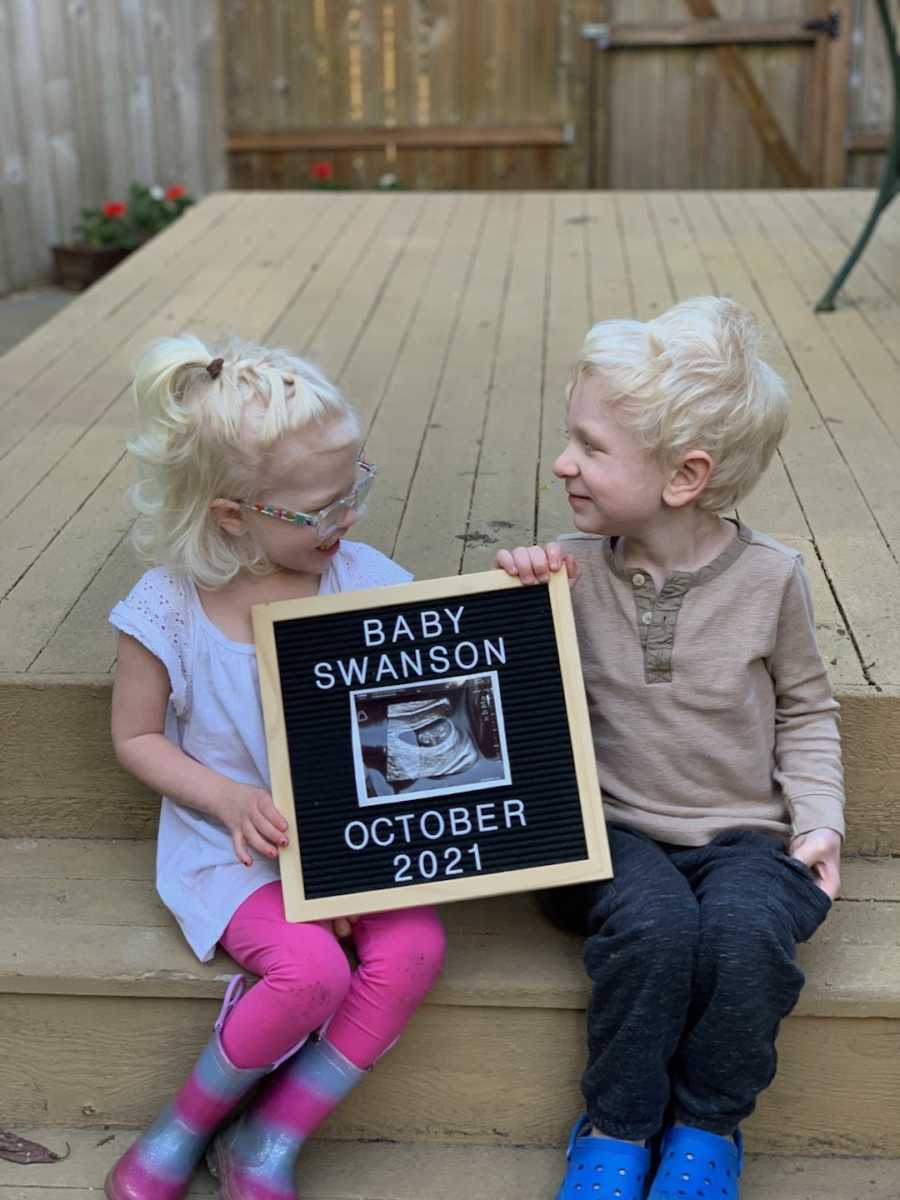
Through this journey, I’ve connected with other parents of children with NF1 around the world, sharing stories, advice, and hope. We’ve learned that NF1 and cancer are part of our story, but they do not define us. Recently, we found out we’re expecting our third child. We’ve met extensively with a genetic counselor and will have testing after birth. Oliver and Eliza are thrilled, and we can’t wait to continue adventuring as a family.