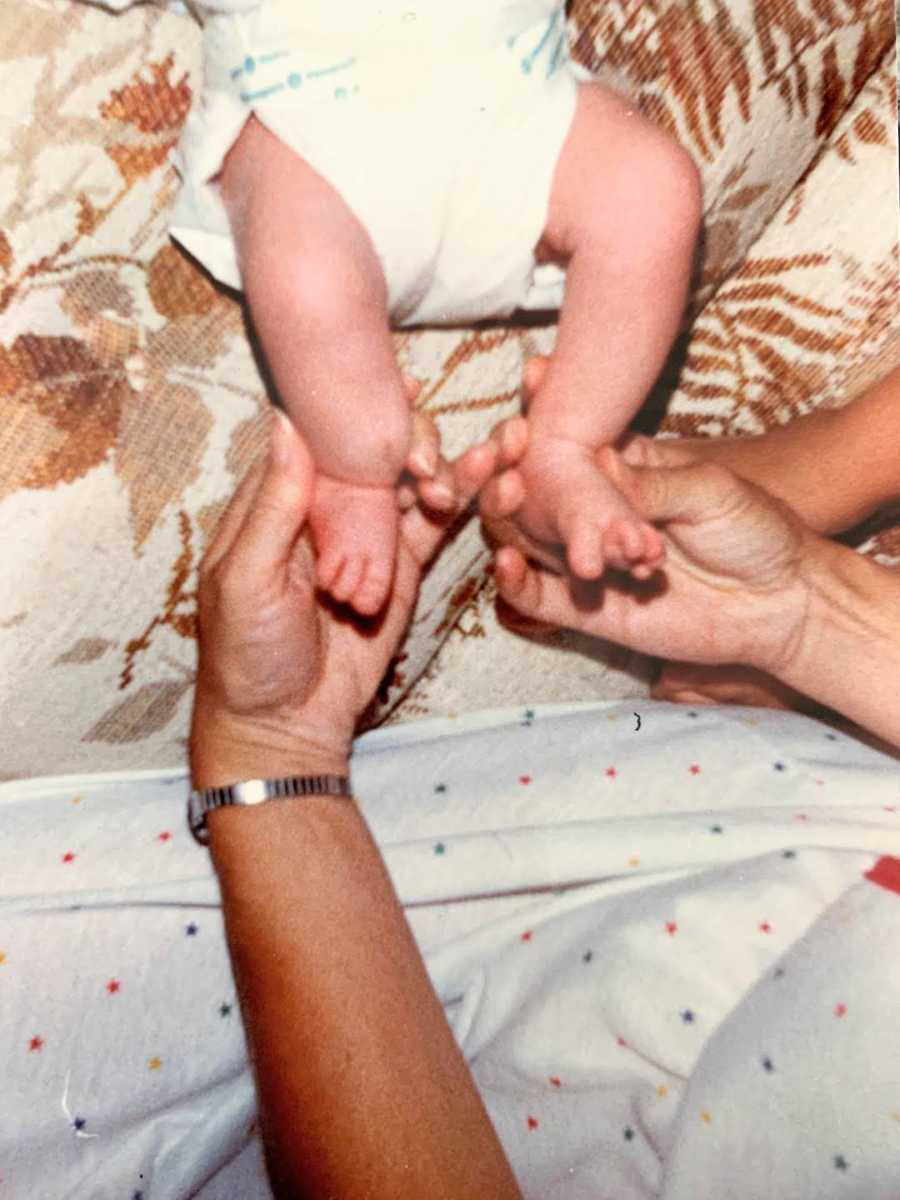
From the moment I was born, my identity was being shaped not by who I was, but by what I was. I was immediately branded with a label that would follow me for the rest of my life: disabled. I entered the world missing two toes, lacking several crucial bones, and with a defective ankle joint on my right leg. That combination of differences earned me the title before I even had a chance to speak. My parents felt a whirlwind of emotions—ecstatic that I had finally arrived and thrilled to welcome another baby into their lives, but also grappling with the reality that their child wasn’t the picture-perfect, healthy baby they had imagined. In their eyes, I was both a miracle and a challenge, a blessing and a disappointment all at once.
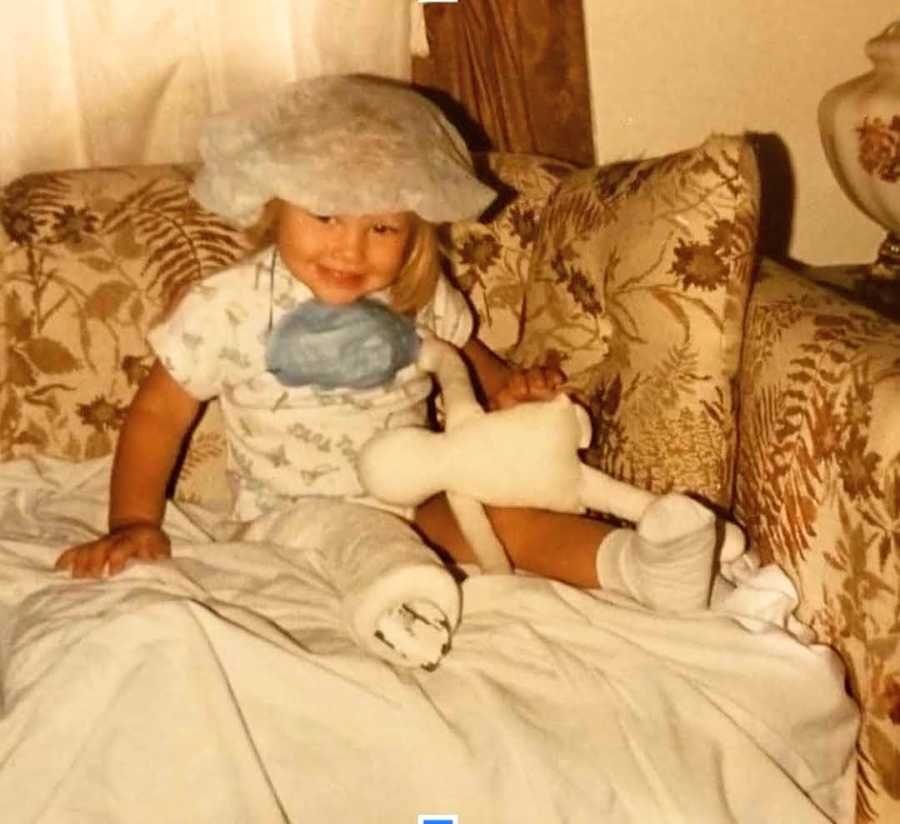
When I was two, after careful consideration, the doctors and my parents decided that amputation was the best path forward. My parents embraced that choice with confidence and never looked back. From that moment, they became my fiercest advocates, tirelessly ensuring I received the best medical care and encouraging me to live as actively as possible. Without their unwavering support, I would not be the person I am today. They taught me resilience, determination, and tenacity—the kind of lessons that no school could offer. Thanks to them, I didn’t spend my childhood feeling sorry for myself; instead, I was out playing soccer, softball, riding bikes, and causing mischief from the very beginning.
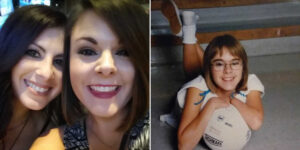
But adolescence brought challenges even my parents’ guidance couldn’t fully prepare me for. Suddenly, the confidence I had carried through my early years felt fragile and fleeting. I became acutely aware of the stares, the questions, the whispers. Middle school made me painfully self-conscious. Each glance from my peers felt like it pierced through me, stripping away whatever confidence I had left. I grew tired of answering the same question over and over: “What happened to your leg?” I just wanted to blend in, to look like everyone else. I bottled up my emotions, tried to hide my insecurity, and attempted to appear strong. I wore pants even in the heat, crossed my left leg over my right, layered on makeup, and wore clothing that drew attention away from my prosthesis. It didn’t help that classmates—especially the boys—turned teasing into a sport. “Peg leg, pirate”—I heard it all.
I never lashed out, though. Instead, I tried to laugh it off or shrug it away, learning early on that the emotional side of being an amputee could be far harder than the physical. Sure, some days my prosthesis caused blisters or pain, but those were temporary. The real struggle was internal—an insecurity that lasted for more than a decade. Reclaiming confidence would be a slow process, but I had a lifeline: sports.
Sports became my sanctuary, a space where I could feel capable and “normal.” Competing against able-bodied kids gave me a sense of validation and purpose. For a time, I even outperformed many of them. The desire to prove myself fueled a relentless drive that I carry to this day. Recently, a neighbor from my childhood messaged me on Facebook: “Happy birthday to the most driven young lady I’ve ever known.” I don’t share this to brag; I share it to illustrate how deeply ingrained the need to prove my worth has been. It shaped how I approach every challenge, every opportunity—I’ve always had to stay in the game.
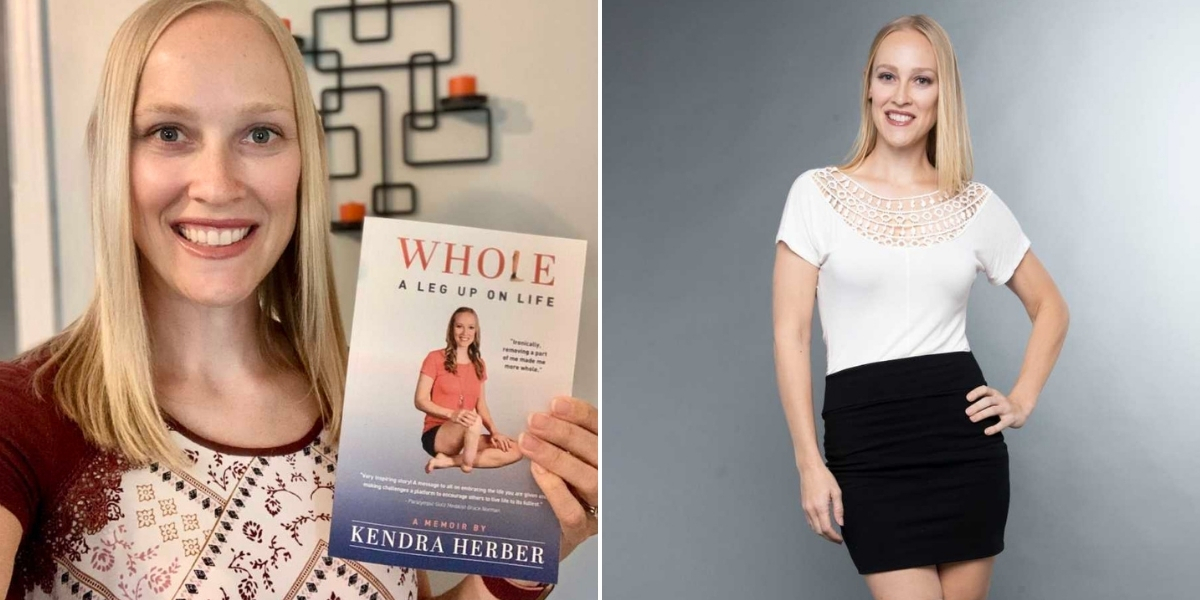
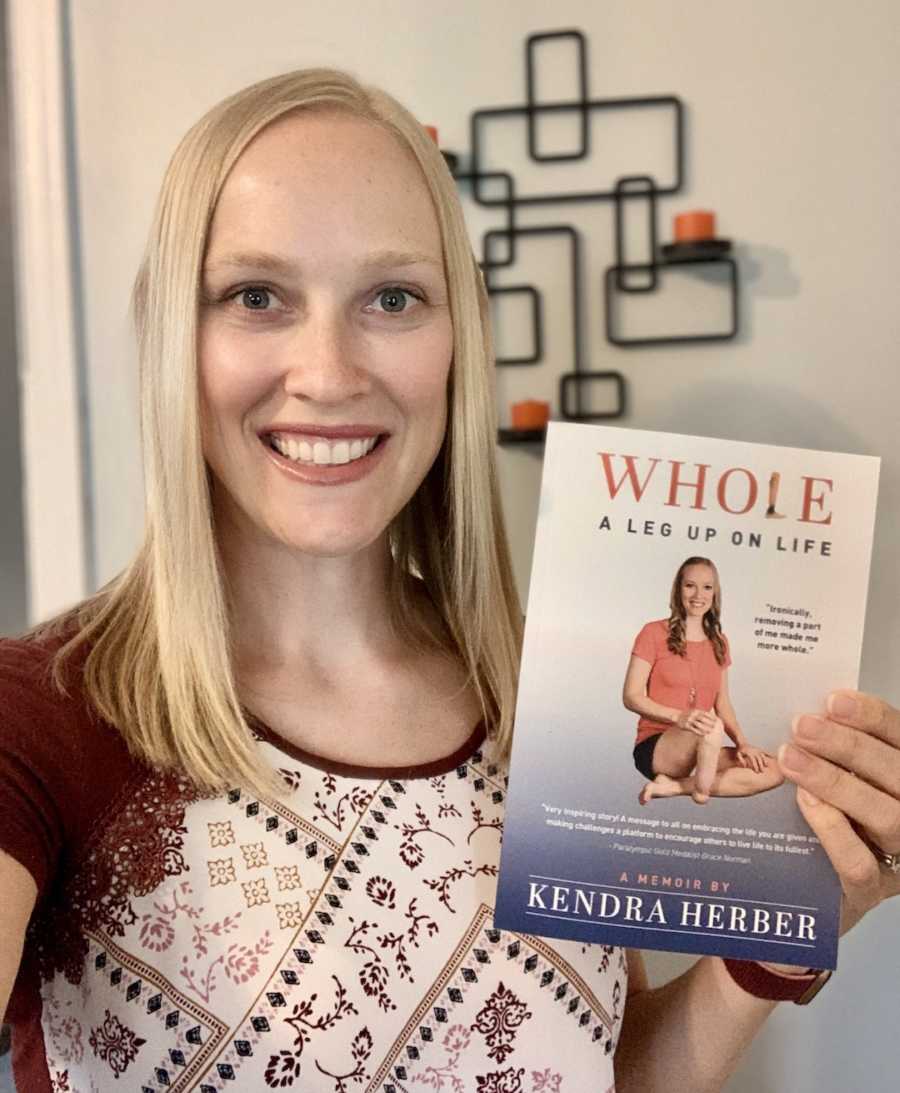
That inner drive eventually inspired me to write my book, WHOLE: A Leg Up On Life. I wanted to give young disabled children someone to relate to, and to show parents that their children can thrive without being held back. I wanted representation—something I sorely lacked as a child. I only knew one other amputee growing up, had never read a single book featuring an amputee, and had no toys or dolls that looked like me. Feeling invisible made me feel like I didn’t belong, like my existence was somehow less meaningful. I hope my book provides that visibility, a gentle nudge for others to embrace their differences and recognize their worth.
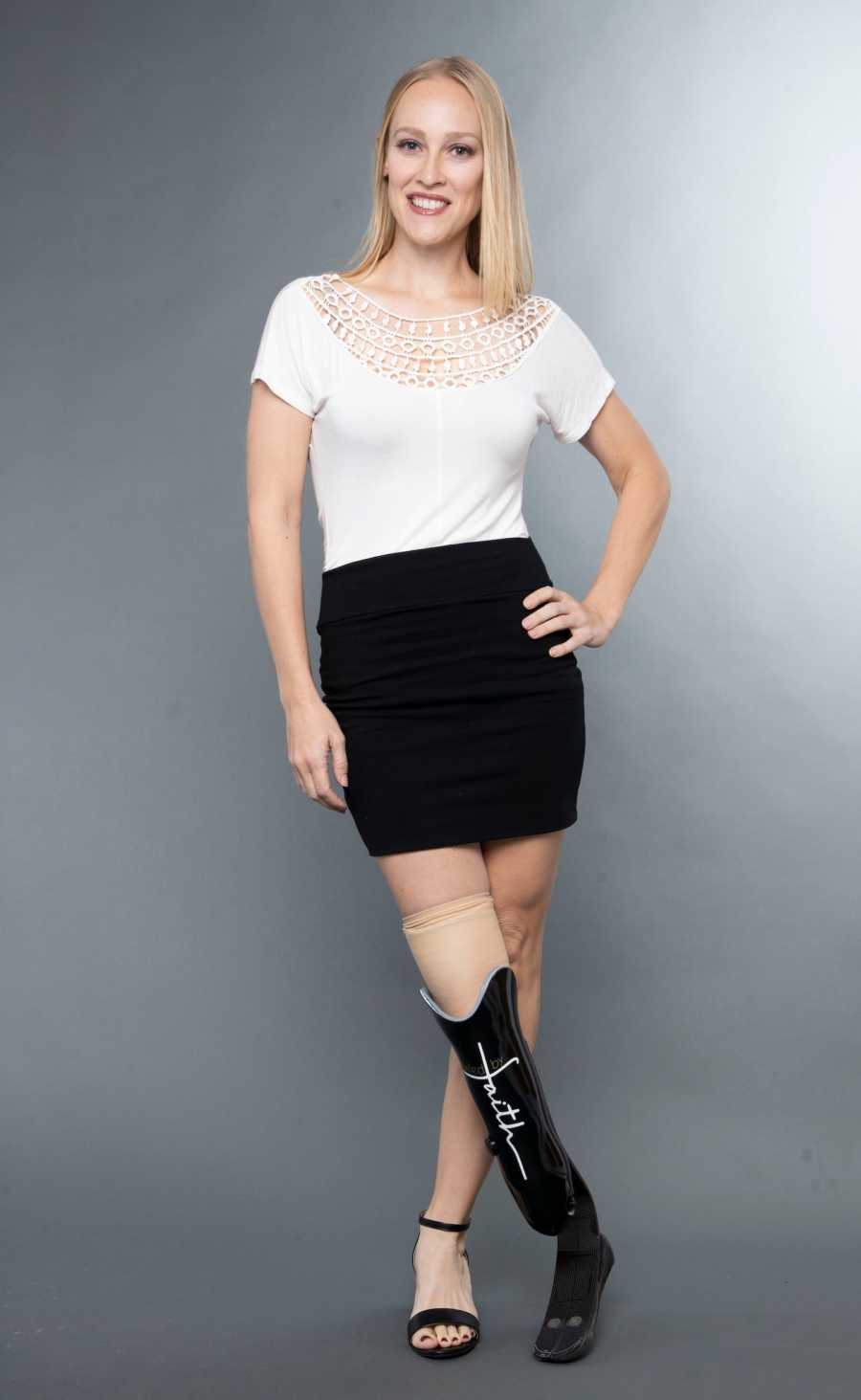
A turning point came when I switched to a new prosthesis. For years, I had worn a realistic skin-colored covering, trying to blend in. But I realized that it was holding me back, especially athletically. I took a leap and got a carbon fiber foot with a bold black socket. The change was transformative. I could no longer hide, but I discovered a newfound confidence and pride in my identity. I began reaching out to well-known figures for interviews, putting myself on social media, and advocating for people with disabilities. I even pursued a modeling career, determined to bring more positive representation to the community. My leg had become a work of art, and my spirit was equally beautiful. I wanted the world to see that beauty exists in all forms, not just the traditional ones.
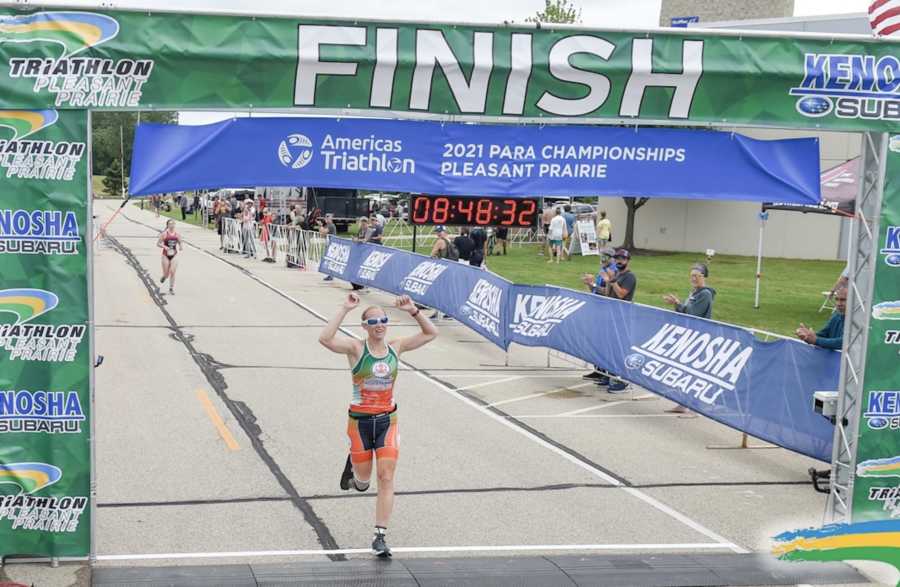
This transformation wasn’t just about aesthetics—it was about capability, too. So often, people assume that disability equals inability. They pity us or underestimate what we can achieve. I became a triathlete to challenge that assumption. I’m not the fastest, but I can swim 750 yards, bike 12.5 miles, and run a 5k in an hour and 30 minutes, averaging 17.5 miles per hour on my bike—and I keep improving. My disability has not diminished me; it has enhanced my life. It taught me resilience, courage, and determination. Without it, I wouldn’t have the drive, the opportunities, or the perspective I have today. My life isn’t lacking because of my amputation—it’s richer, fuller, and stronger.
Being an amputee has shaped who I am, but it does not define my limits. I’ve learned to embrace my identity fully, to celebrate my abilities, and to inspire others to do the same. My journey has taught me that beauty, strength, and worth come in many forms—and I’m proud to live as proof.