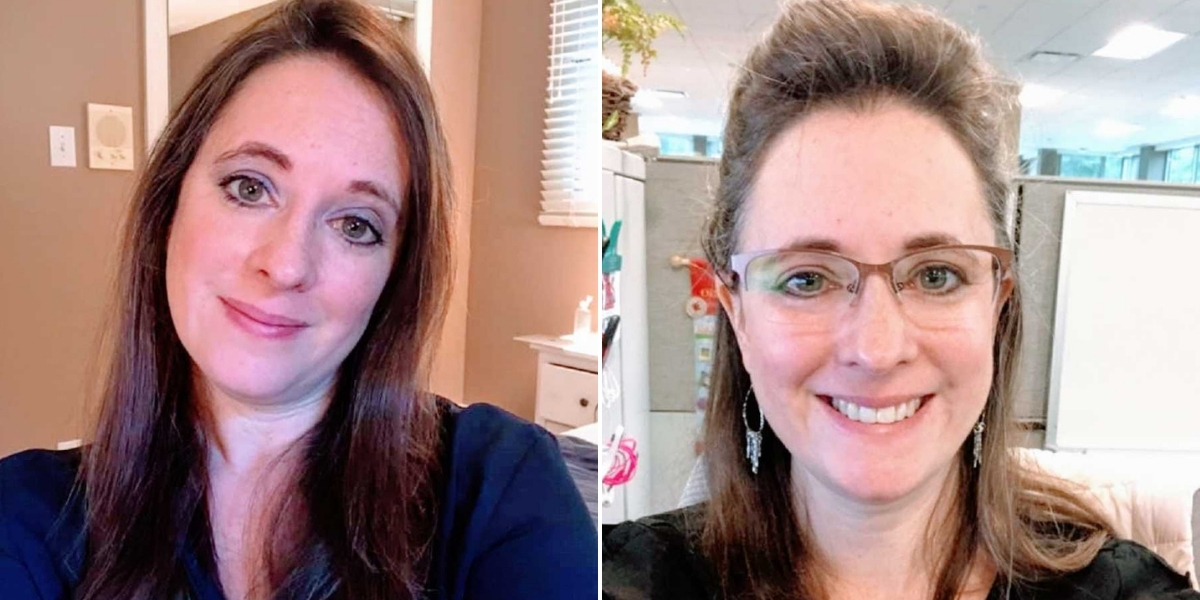
On June 28, 2017, at 5 a.m., I woke up like any other day. The sun was just beginning to rise, and my mind felt sharp and clear. As I lay in bed, listening to my 13-month-old begin to stir, I thought, I should get in the shower before time runs out. But the moment I sat up, the room spun violently, as if I were caught on a carousel that would never stop. My vision blurred, my thoughts scattered—I couldn’t focus on anything.
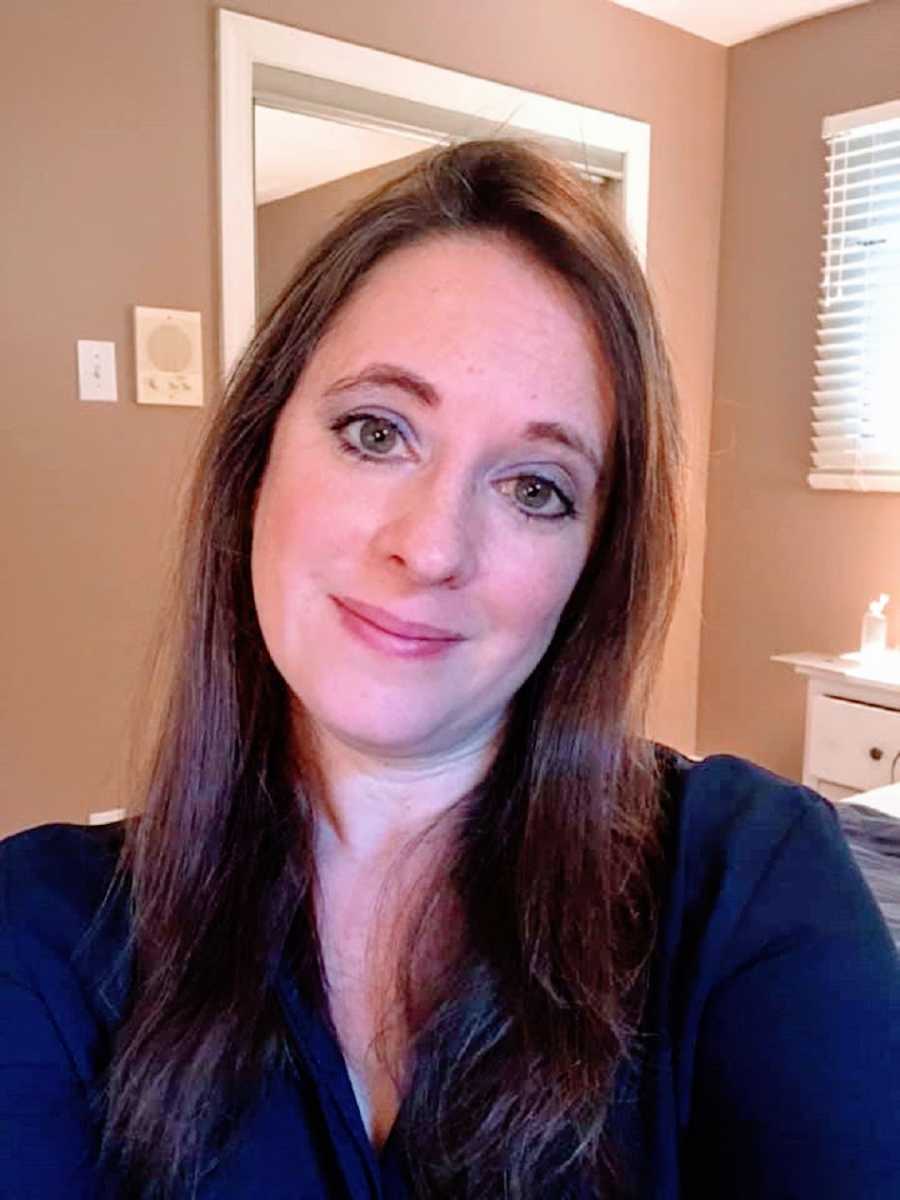
I put my head between my knees, thinking, So this is vertigo. This is awful. I had never experienced anything like it. Determined, I tried to get out of bed to shower, hoping movement might help. But as soon as I stood, my legs gave out. In hindsight, I was crawling, gripping the bed with my right hand and moving my left forward, barely making it five feet before collapsing from sheer exhaustion.
With two children under four, there are no sick days. Summoning every ounce of strength, I dragged myself back to the bed where my phone sat and called my husband, who was traveling for work hundreds of miles away. Fear gripped me—alone in the house with two young children, something was very, very wrong. My husband has always been my rock, and in that moment, he was the first person I thought of.
I remember the moment he realized this was serious. Through the slur in my speech, he could sense the danger and started checking symptoms on his iPad. He told me to call a neighbor, someone who could help manage the kids and get me assistance. I called my friend Karen, but she was sick herself and hesitant to come over. I didn’t push it. Even four years later, she still shakes her head at my stubbornness.
Next, I called my next-door neighbors, both ex-military. Their response was immediate and unwavering: “What’s wrong?” Within moments, Carl arrived, and his wife, Yvette, promised to follow as soon as she was ready. I struggled to reach the door, resting along the way, thinking, Just get to the door. Let the dogs out. Let Carl in. The effort nearly broke me, but I managed. Carl scooped me up and placed me on the couch.
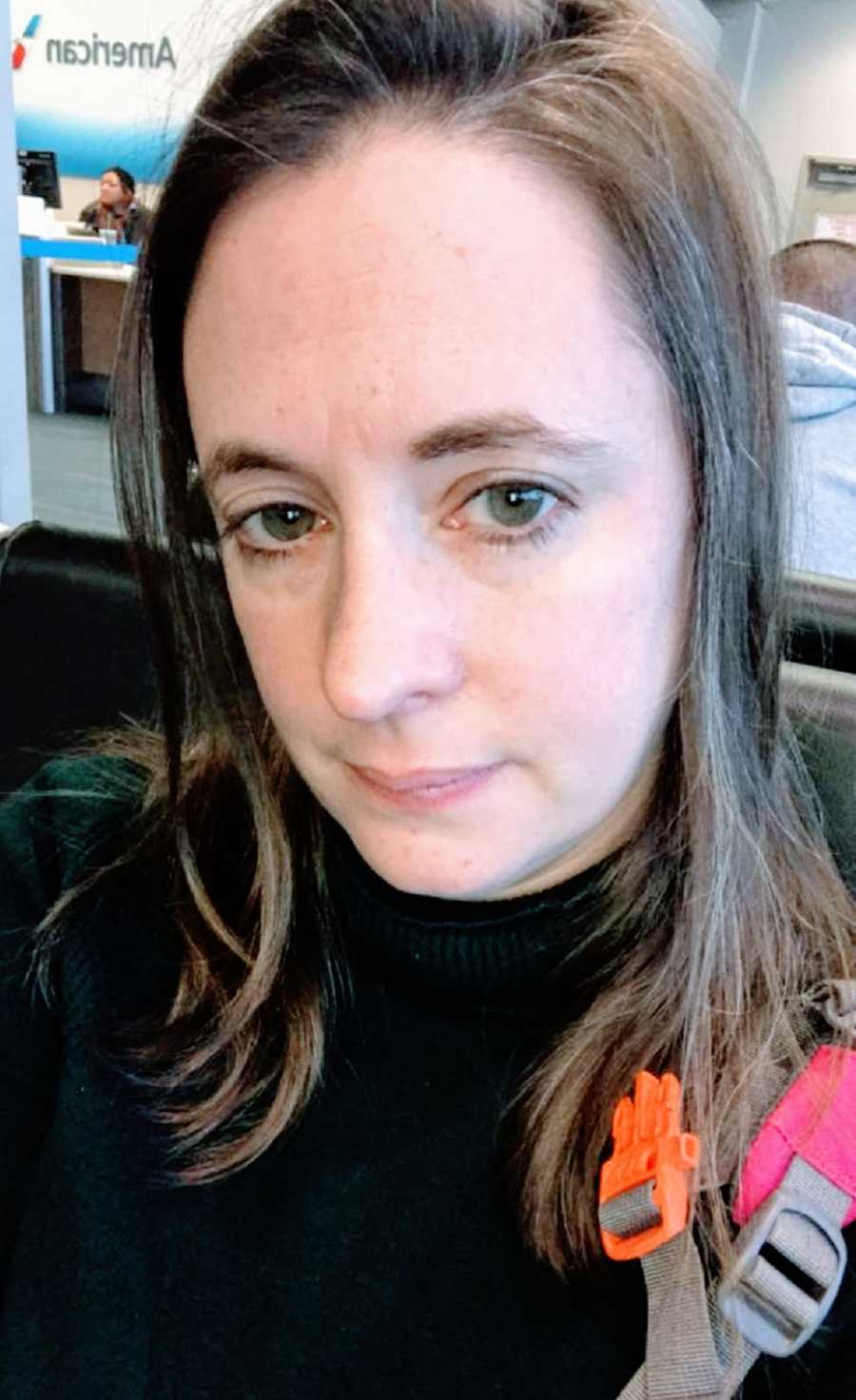
The pain was intense—an ice-pick headache behind my right ear—and I couldn’t even hold up my own head. I asked Carl for a towel or a baby blanket to prop it up. Yvette called 911 and stayed on the line with the dispatcher, assessing my condition. I had protested; I didn’t want to trouble anyone. But in hindsight, I am profoundly grateful she insisted. Carl kept my husband updated, who immediately scrambled to find a flight home.
I wanted to bring my 3-year-old to me, to explain that the paramedics were the good guys and to keep her calm. I instructed her to be a “big helper,” guiding others to bottles, clothes, and breakfast, while paramedics triaged me. The sheer number of people who showed up that morning still overwhelms me with gratitude.
When I was loaded into the ambulance, another neighbor, recently off hospital rotation, checked in on my condition. Somewhere in my fog, I heard the words, “Possible stroke?” At the time, I could barely form coherent thoughts. I remember complaining about the ambulance smelling like doughnuts—odd, but a fleeting sense of humor amidst chaos.
Six hours in the emergency department felt like an eternity. Tests ran, including a CBC and chem panel, but my symptoms—slurred speech, inability to walk straight, balance issues, right-side paralysis—led staff to suspect intoxication. They did a CAT scan without contrast and even proposed a spinal tap to rule out meningitis. I refused, certain it wasn’t necessary. I was discharged with a diagnosis of “complex migraine,” still unable to walk, still slurring, and utterly exhausted.
Two days later, at my husband’s urging, I contacted my general doctor. She cleared her afternoon and immediately tried to schedule a CT with contrast to check for blockages. The earliest appointment was Monday. For five days, I attempted to maintain normal life—driving, caring for my kids—but my balance and speech were off. I looked as though I had been drinking, though I hadn’t touched a drop.
Monday arrived, and after the scan, my doctor’s office called: I needed to return immediately. I had experienced a stroke. The culprit: a spontaneous vertebral dissection, where the inner wall of an artery separates, forming a clot that caused the stroke. It affected my cerebellum, impairing balance, vision, speech, and right-side strength. At 41 years old, stroke was not even on my radar. It felt unreal.
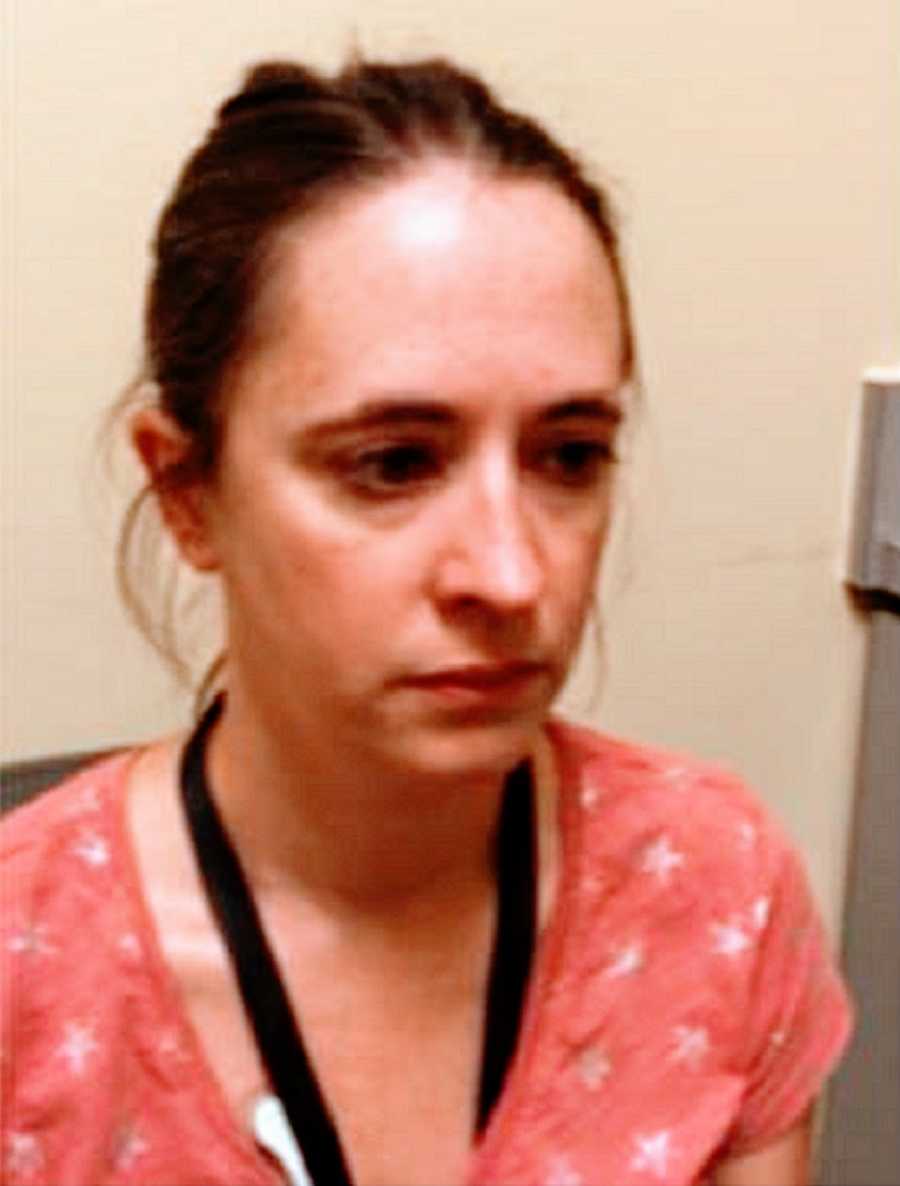
Novant Health Presbyterian Medical Center became my sanctuary. The care was meticulous and compassionate. Occupational, speech, and physical therapists helped me relearn basic movements; neurologists checked in multiple times a day. But my true heroes were the Stroke Navigators, Ayeshia and Teresa. These women guided me patiently through the medical labyrinth, explaining every procedure, test, and expectation in terms I could understand. They became family.
Investigating the cause revealed no trauma, no clotting disorder, only high cholesterol. Later, family history revealed strokes in unrecognized relatives. Despite knowing, nothing could have predicted a stroke at 41 with young children. The timing was cruel, but it became my wake-up call.
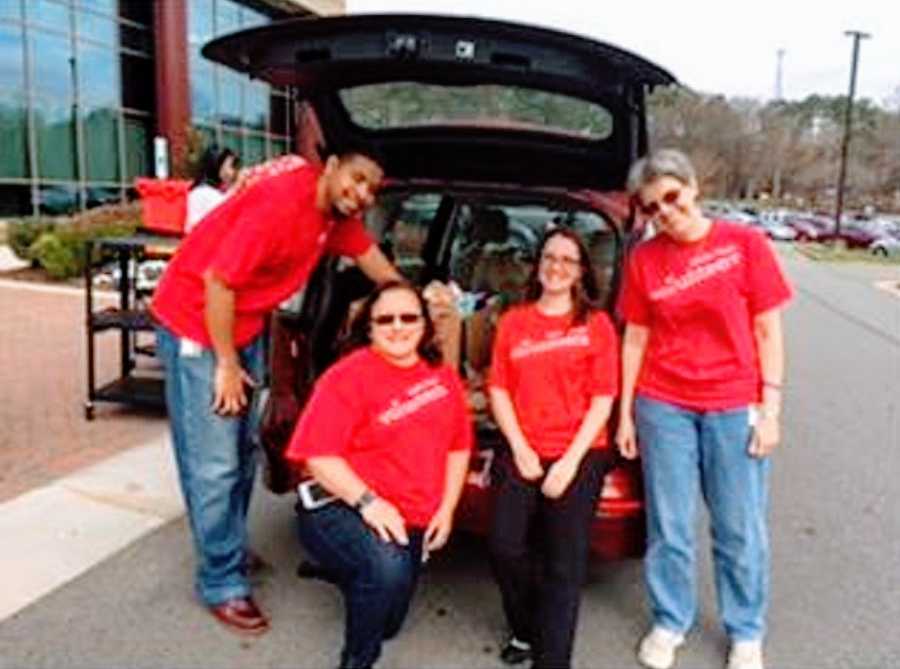
I left the hospital on July 6, 2017, using a walker. By July 28, I attended my first Young Stroke Survivors Support Group. The moment I saw Ayeshia and Teresa, tears flowed as they embraced me, providing the love and understanding only fellow survivors can offer.
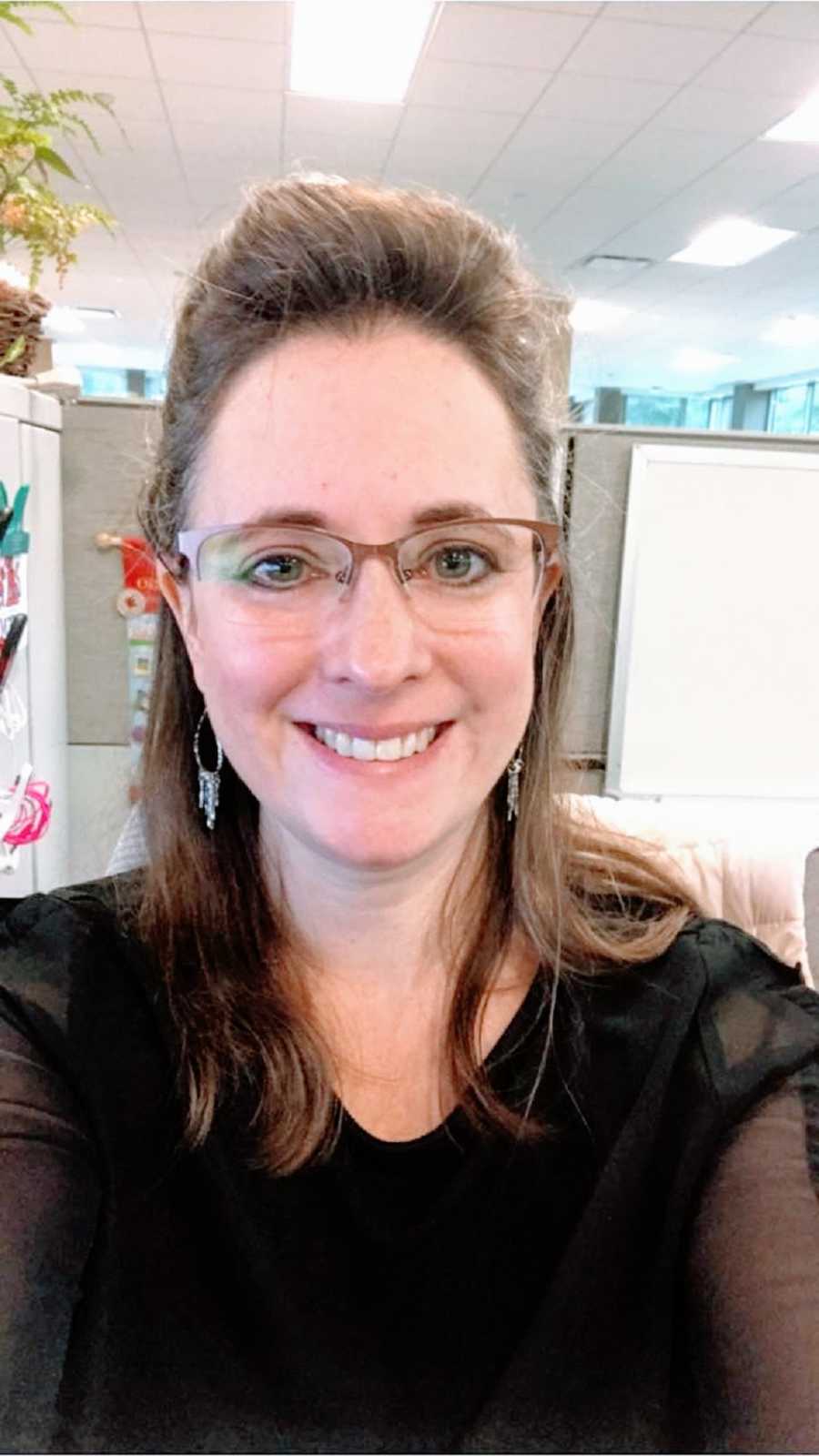
Recovery is ongoing. Some days I function at 100%, others at 90% or less. Neuro-fatigue hits suddenly; overstimulation can trigger temporary stroke-like symptoms. I carefully monitor my body, hydration, and diet. Physical therapy lasted a year, with incredible guidance from Kelsey, specializing in cerebellum and brain injury rehabilitation. Each day requires patience, diligence, and resilience.
Support remains essential. My husband, family, neighbors, Novant Health staff, and stroke support networks—including the Young Stroke Survivors Global Network, now over 8,000 strong—have been lifelines. We connect virtually and in person, sharing encouragement only those who have walked this path can provide.
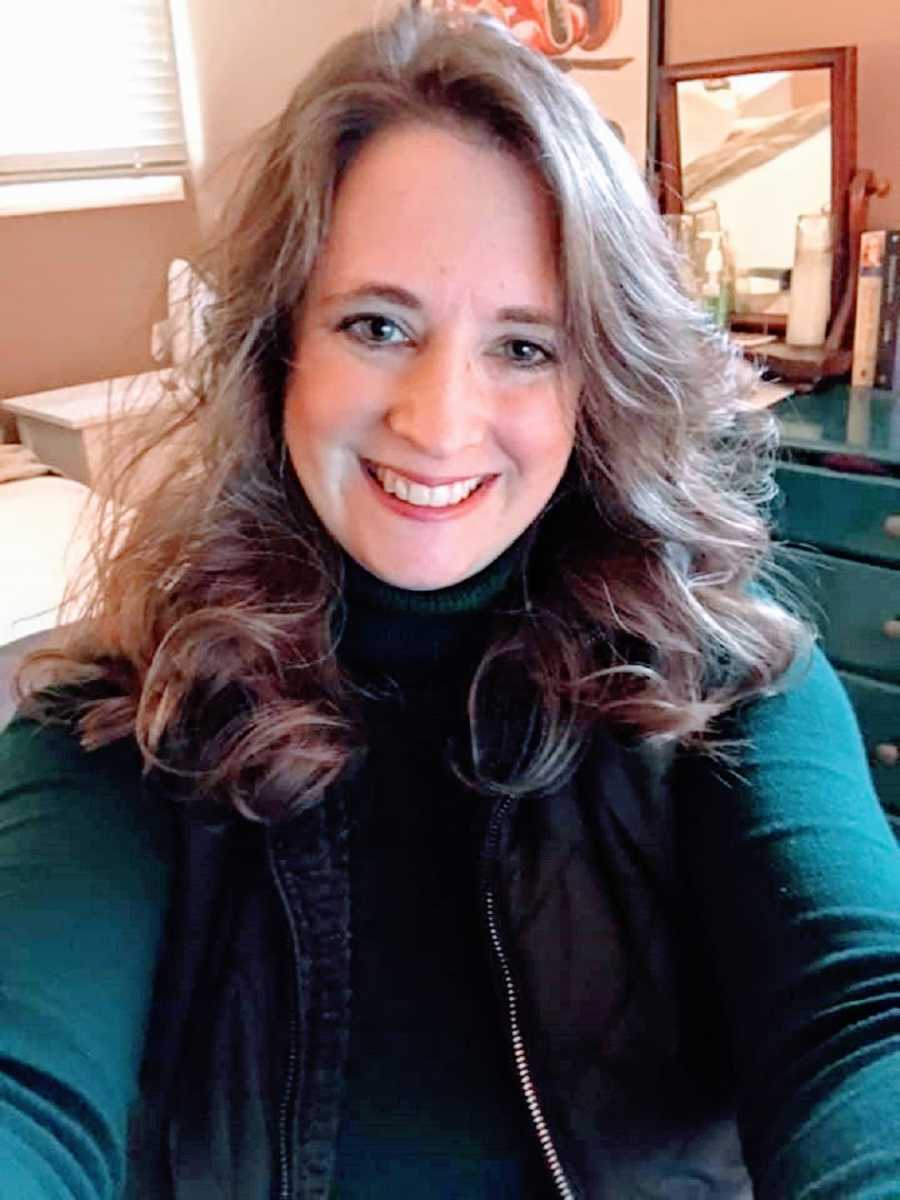
Stroke can strike anyone, at any age. BE FAST: Balance, Eyes, Face, Arms, Speech, Time to call 911. Awareness and advocacy save lives. I survived to tell my story, raise awareness, and honor those who helped me every step of the way. I never could have done it alone—and I never will.