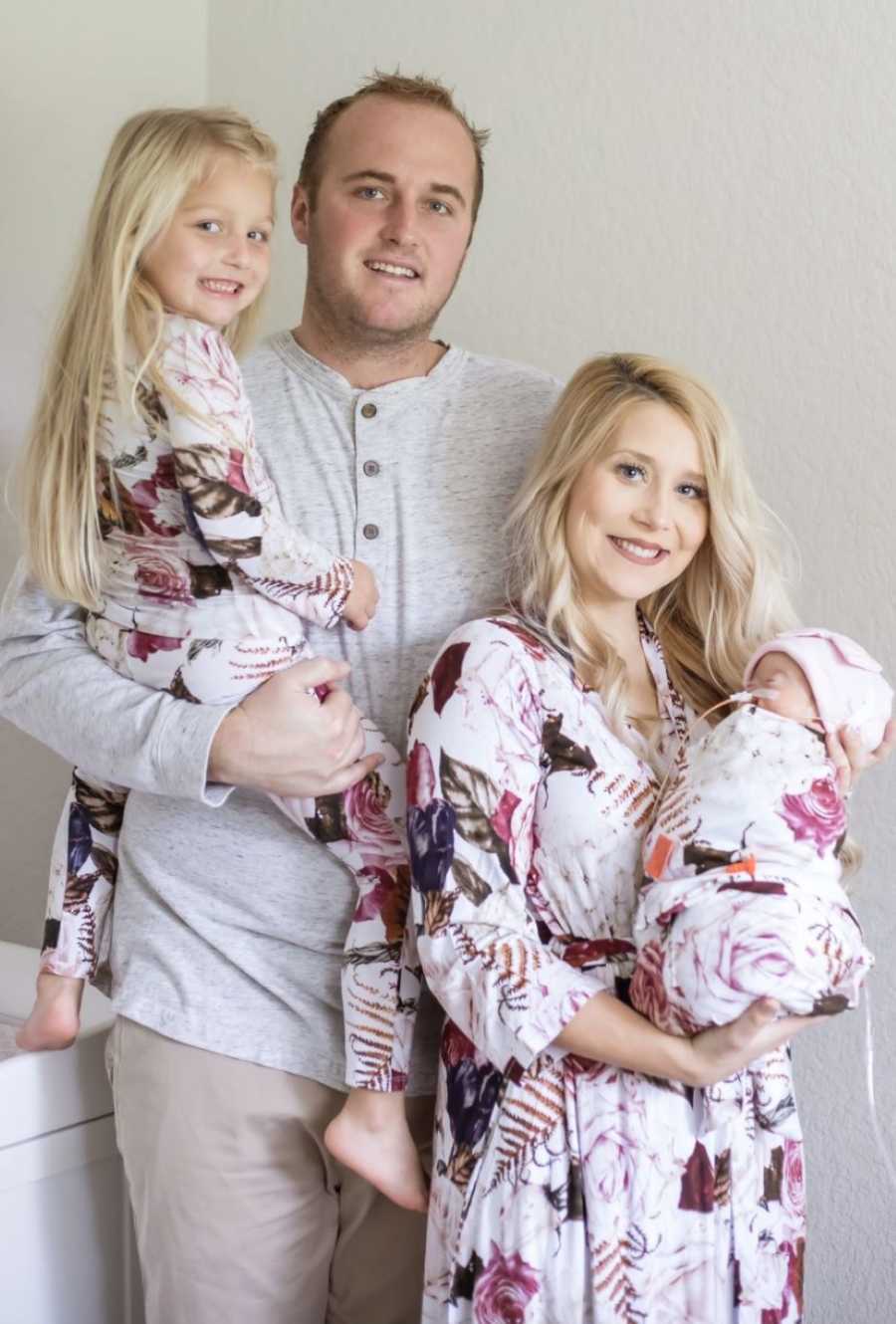
Before I share my full story, I need to explain that it truly has two chapters. There’s the life I lived before receiving the news that changed everything, and then there’s the life after. On August 17, 2020, I stepped into what felt like an entirely different, surreal world. Before I tell you about that day—the scans, the fear, and the heartbreak—I want to give you a glimpse into who I am, my family, and the life we were living up to that point.
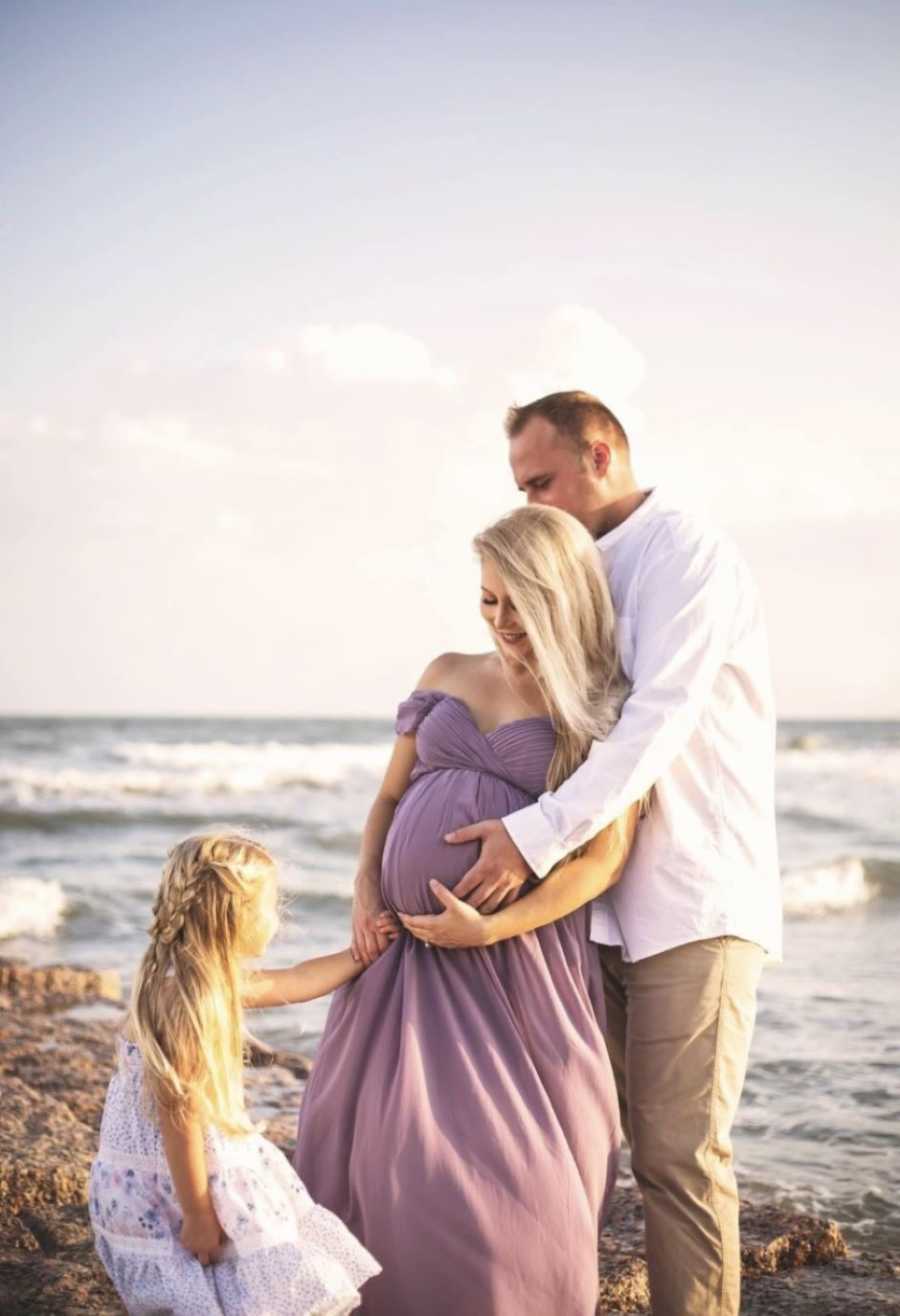
I am a 28-year-old mother and a Coast Guard spouse, living in Texas. My husband, also 28, and I have a five-year-old daughter named Riley Grace. We are a playful, fun-loving family, and deeply close-knit. God is the center of our lives, and I truly believe that faith is what keeps us grounded, thankful, and strong through every challenge. Though we hadn’t always lived in Texas, we quickly grew to love it. My husband and I are originally from Florida’s panhandle, and our hearts belong to the Gulf Coast. Galveston, Texas, captured everything we loved about the South, and we were thrilled when we learned in February 2020 that we would be stationed here.
Life as a military family means constant change and frequent moves, which keeps us on our toes. For nearly a decade, I had been working toward pre-nursing coursework, chasing the dream of becoming a nurse. By 2020, we knew our next station would determine where I could finally start nursing school. As soon as our orders came through, I searched for schools near Galveston and found UTMB, which offered a traditional BSN program. Something about it spoke directly to me, and I knew if I was fortunate enough to be accepted, this was where I would continue my journey.
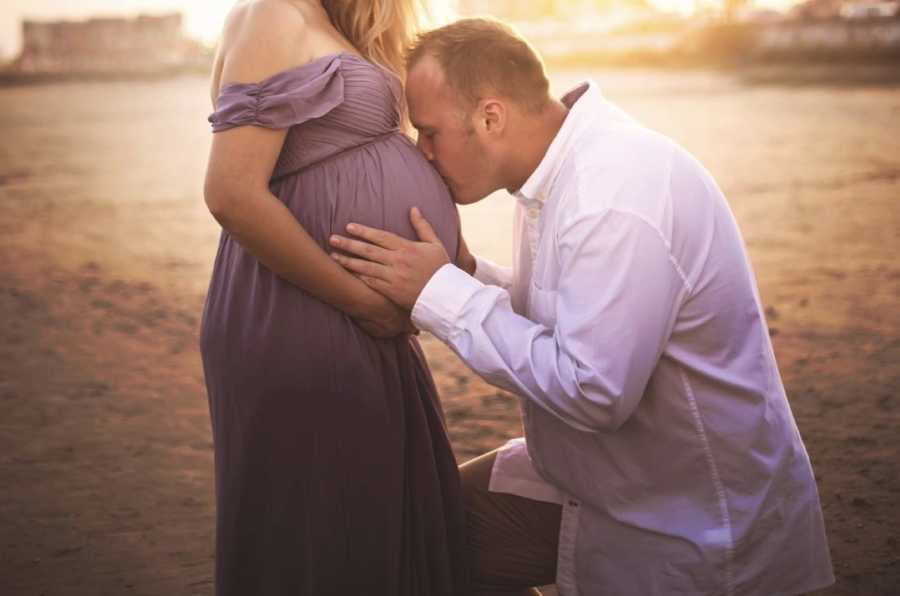
Then, in April 2020—just months before our move—we discovered we were pregnant with our second child. Though it wasn’t planned, the news filled us with joy. We immediately began preparing for the changes ahead, and for weeks, our hearts overflowed with excitement and hope. This pregnancy felt different from my first; I grew quickly, and the morning sickness was relentless, but every uncomfortable moment seemed worth it. We were creating another miracle for our family.
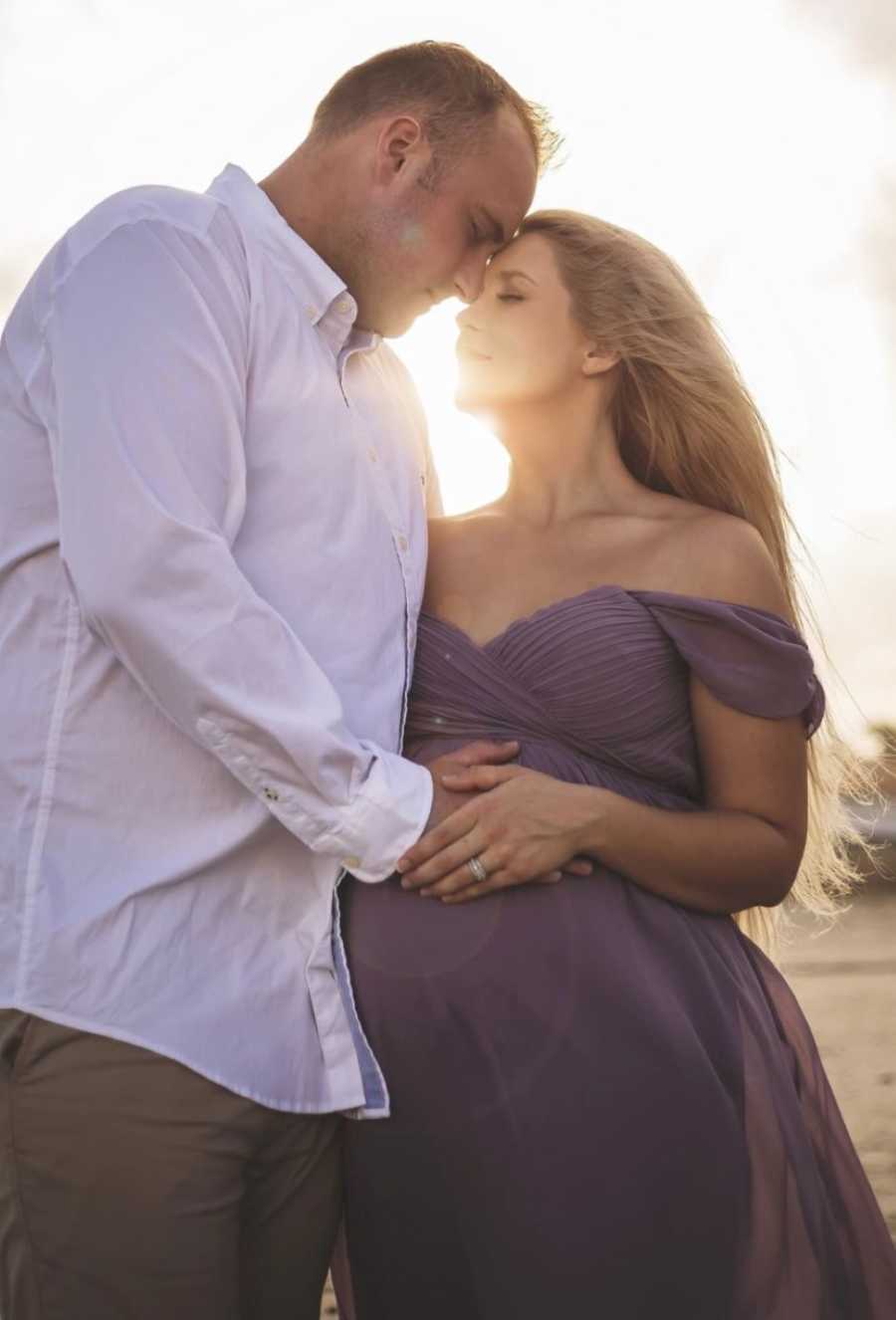
By the time we moved to Texas, I was 16 weeks along. It was the height of COVID, and finding a new OB took longer than I anticipated. Around 18 weeks, I finally had an ultrasound. Our baby girl was active, beautiful, and perfect. That day, we learned we were having a daughter. We named her Allison Mary, after my grandmother, Alice, and my husband’s grandmother, Sylvia Mary—two women who had recently passed and whose legacies we wanted to honor. Everything seemed perfect. We celebrated with a gender reveal at our new home, sharing our joy with family and friends online. Life felt bright, full, and overflowing with love.
On August 17, 2020, I had my anatomy scan scheduled. At 23 weeks, it was later than usual, but due to COVID restrictions and limited appointment availability, this was the only time I could have it. My husband stayed home with Riley while I drove to the OB’s office, eager and nervous to see Allison’s growth.
When the ultrasound began, it was just the technician and me in the room. I almost grabbed my phone to record it for Jeff, but a sign clearly stated, “No recording or pictures allowed.” Embarrassed, I tucked my phone under my thigh and tried to focus on the moment. The technician asked me a few small questions, and I responded, but mostly I watched the screen, mesmerized by Allison’s movements and heart beating strong at 160 BPM.
Then came the words that changed everything. After scanning for several minutes, the technician paused and said, “I see something concerning. You need to go to MFM in Galveston as soon as possible.” I tried to convince myself it might be minor, but my heart raced, panic flooding over me. She explained that the structures of Allison’s brain and face were concerning and that I needed to see a high-risk OB immediately. My world tilted. She called MFM while I sat in shock and gave me directions. I got to my car and FaceTimed Jeff, whose smiling face quickly turned worried when he saw me crying. I told him we needed to go to Galveston, and he immediately drove us there.
The drive was silent. We held onto hope and faith, silently promising each other that no matter the news, we would love Allison unconditionally. At UTMB Galveston, I checked in and waited alone, the empty waiting room amplifying my fear. My pulse raced at 125, and I prayed with every fiber of my being for peace and strength.
The high-risk ultrasound began. For two and a half hours, Allison squirmed and kicked, and I smiled through tears each time she moved. We saw every tiny detail—her fingers, her toes, her little heart working tirelessly. It was magical and heartbreaking all at once. Finally, the doctors came in. Three of them. I listened as the words I will never forget were spoken: Allison’s forebrain had not developed. She had Alobar Holoprosencephaly, the most severe form, incompatible with life. There was nothing that could be done. My body went numb, and my world lost color. I watched myself in disbelief, holding my growing daughter who might never breathe outside the womb.
The doctors explained it was a rare chromosomal anomaly, nothing I could have caused or prevented. Allison’s life could be measured in moments—or perhaps a few days. The rest of the world went on, but time stopped for us. Jeff, waiting outside, soon learned the truth, and together, we faced the impossible: loving a child while preparing to say goodbye.
Even after the news, Allison was alive and vibrant in my belly. We cherished every hiccup, every movement, every moment. In September, genetic testing revealed an even rarer combination of defects, leaving medical professionals stunned she was still living. At 30 weeks, we met with a neonatologist specializing in neonatal hospice. They guided us, prepared us, and gave us tools to love Allison fully, even as we braced for loss.
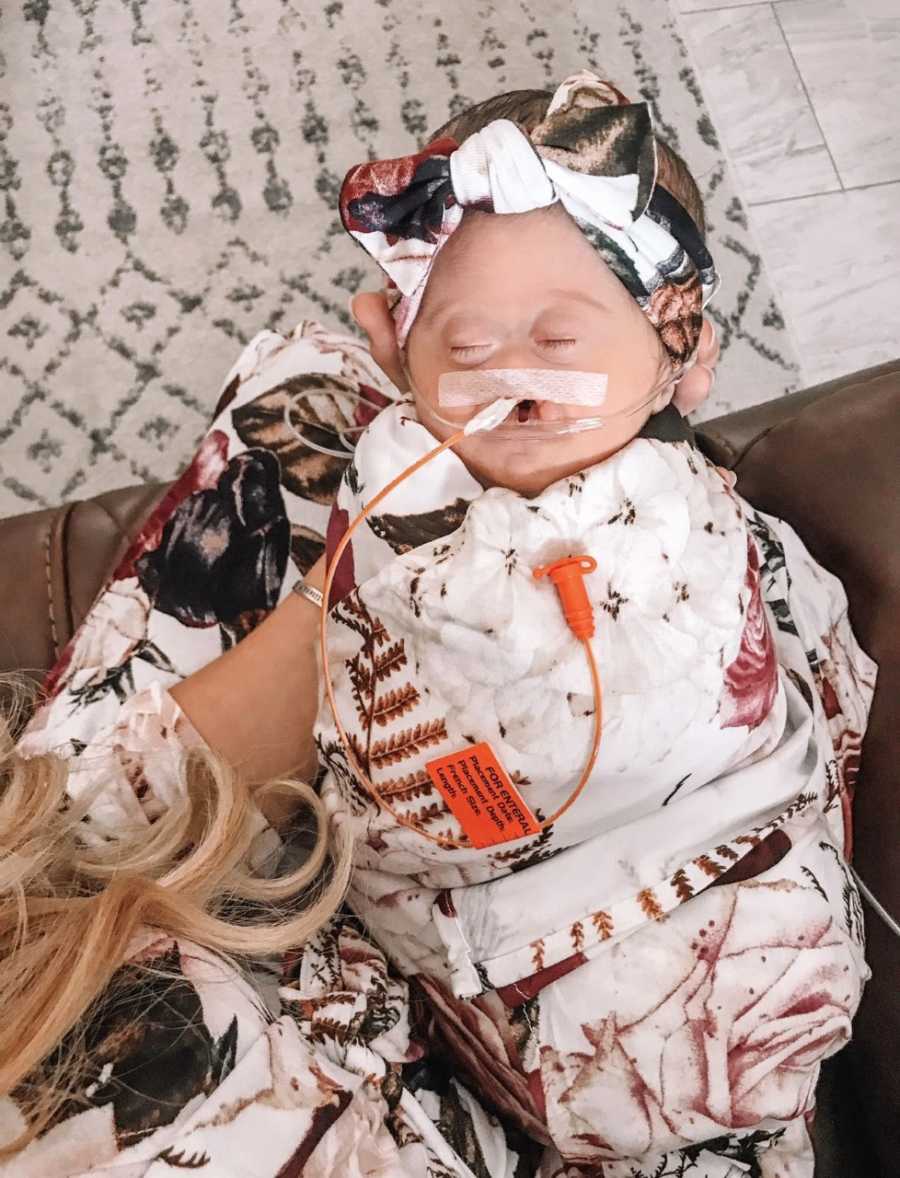
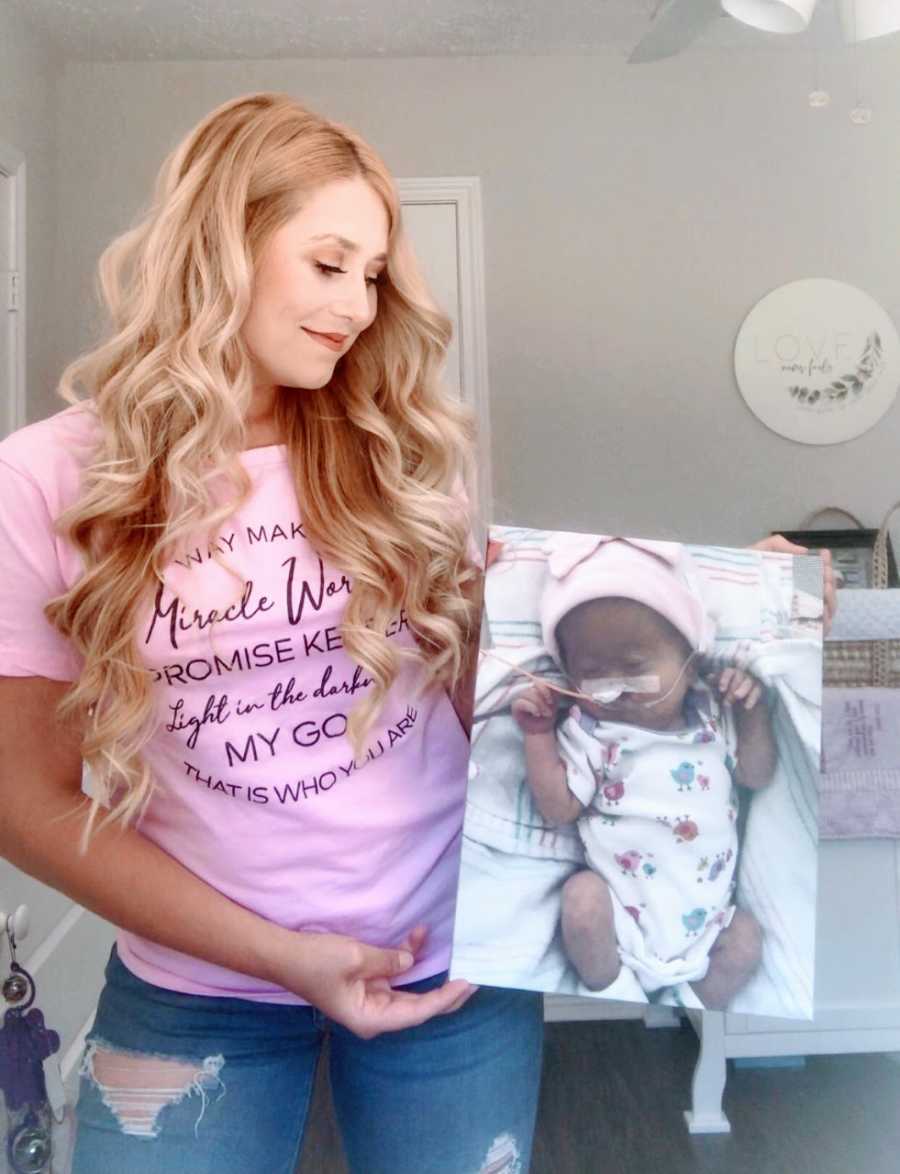
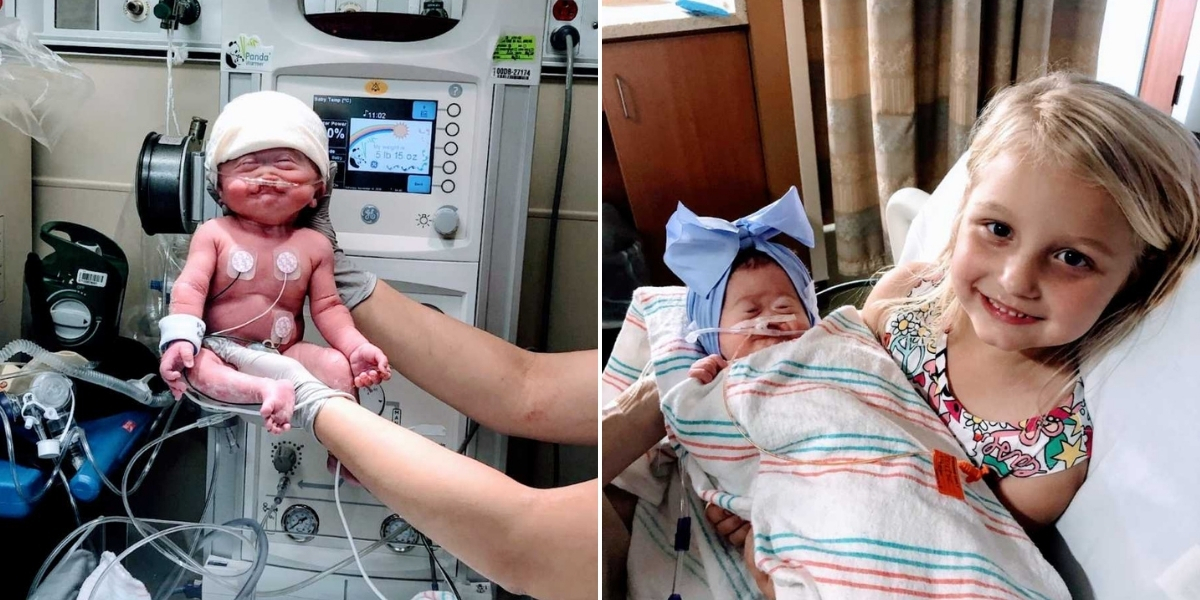
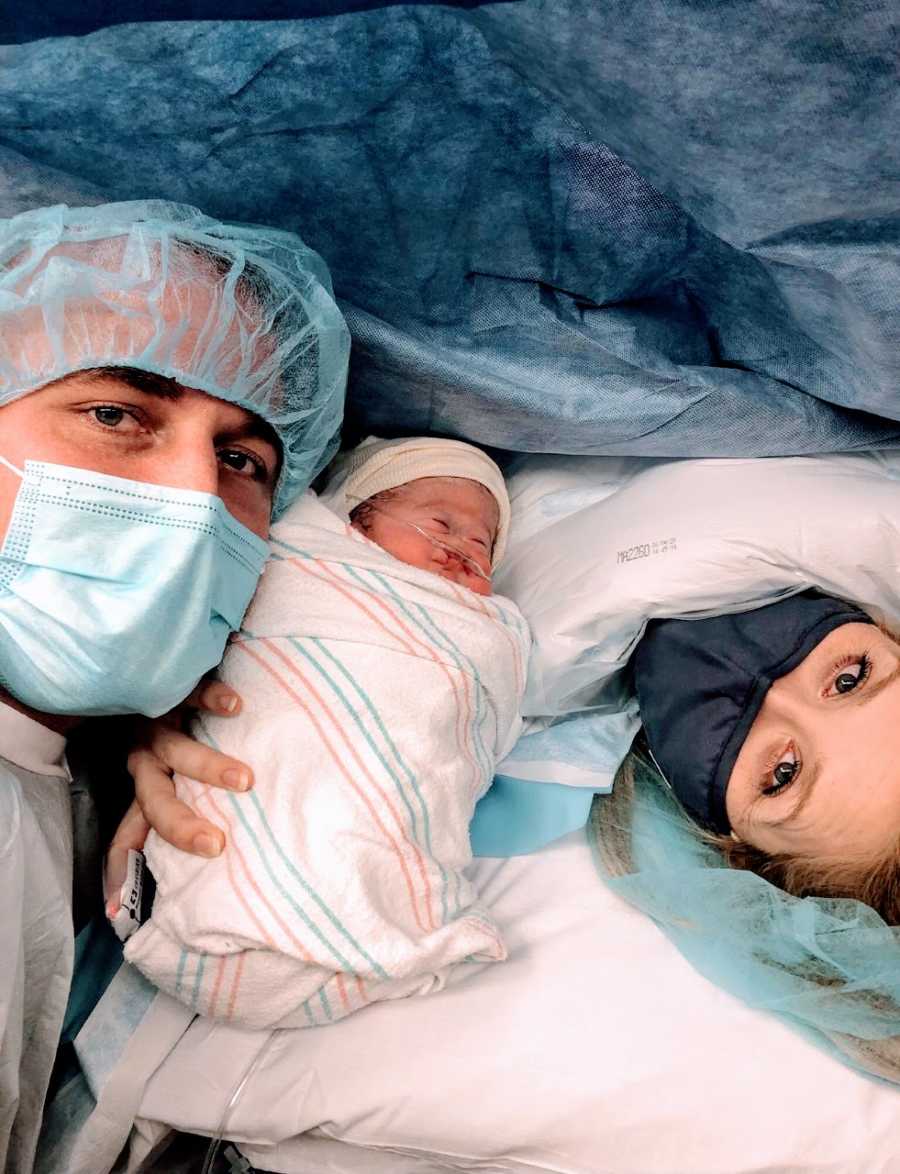
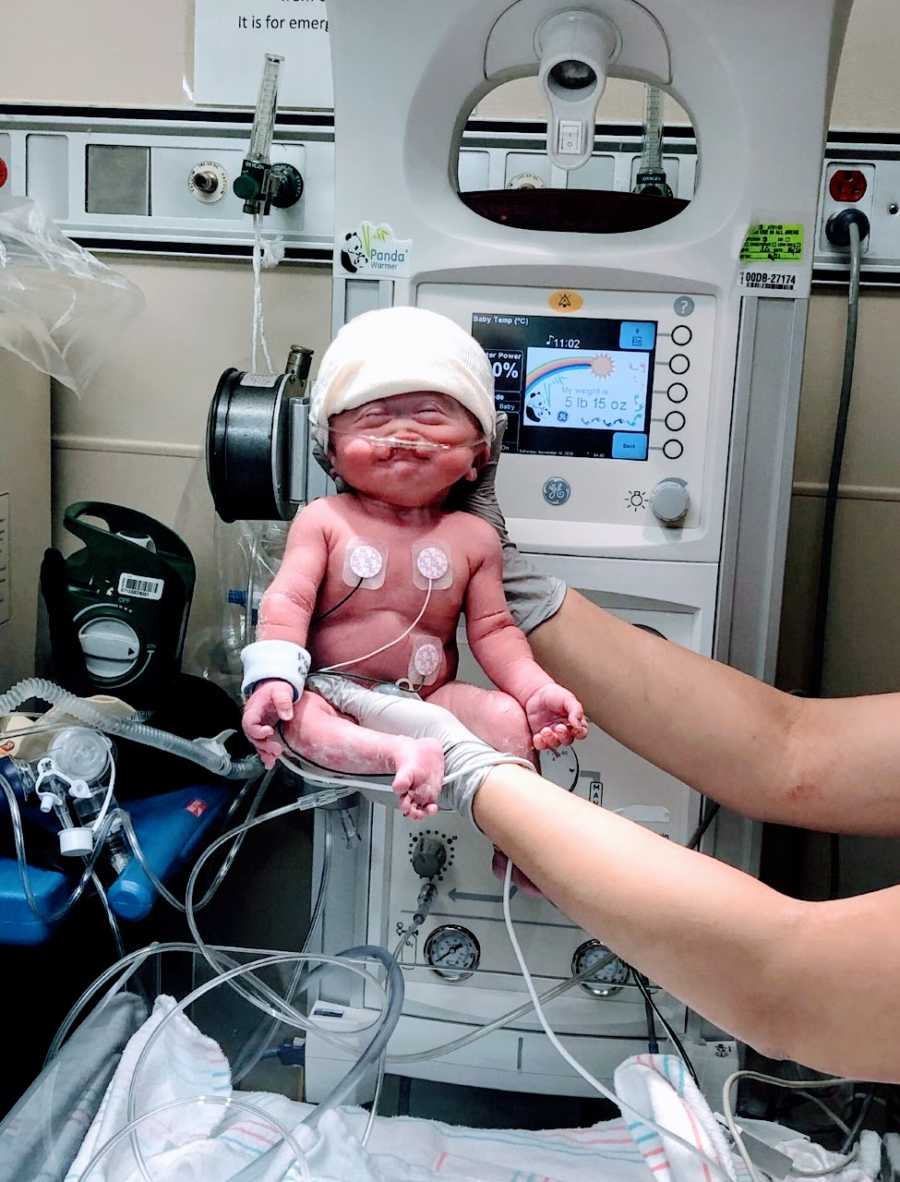
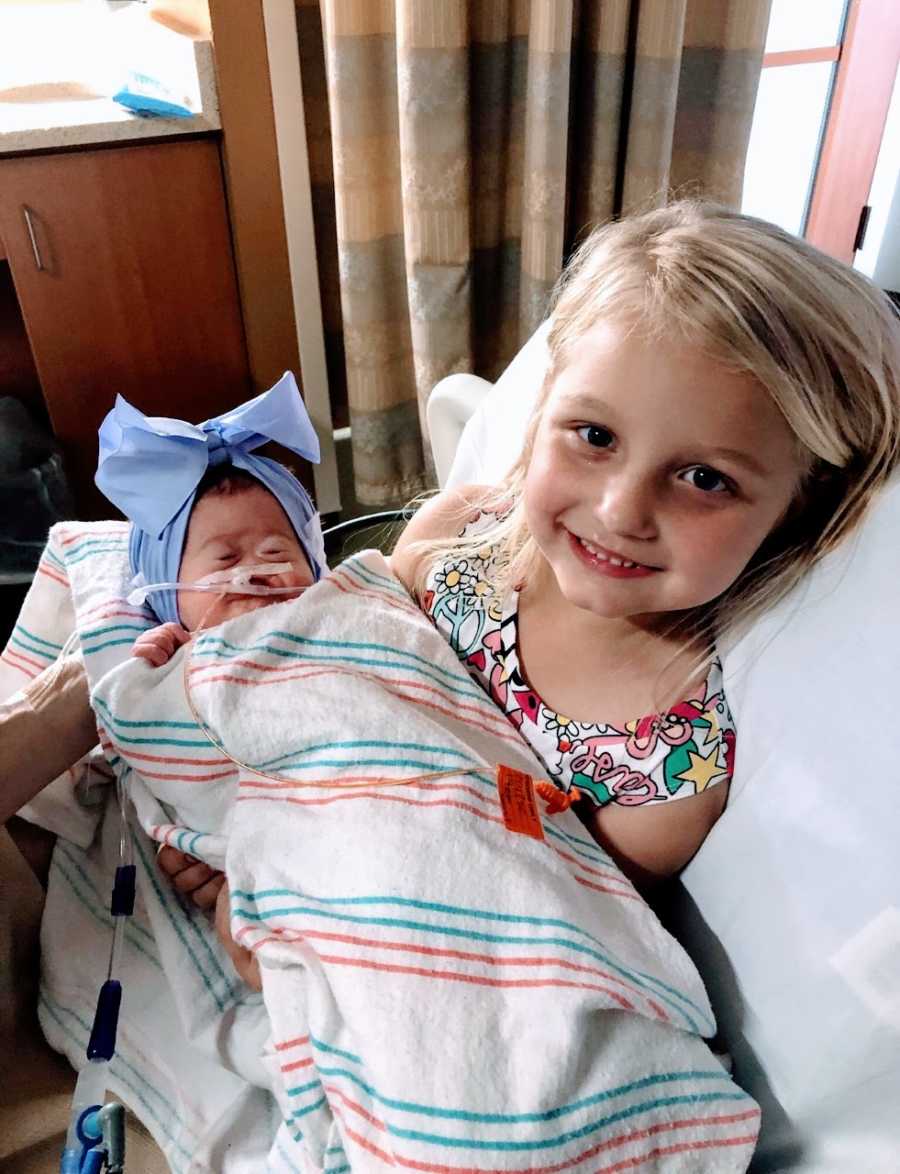
On November 13, at 35 weeks, my water broke. Allison was born via C-section on November 14, 2020, at 3:30 a.m.—a tiny, precious 5-pound, 15-ounce angel. She cried softly, and we were in awe that she was truly here. Hospice support helped us bring her home, where she lived nine magical days. We held her, sang to her, and created memories we will treasure forever. On November 23, 2020, Allison passed in our arms on my husband’s birthday. In a brief moment of sunlight breaking through clouds, we felt her spirit soar.
Months later, I was accepted into nursing school at UTMB, the same hospital where Allison’s brief life had begun. Though grief almost made me give up, I knew Allison would want me to follow my dream of caring for families facing unimaginable circumstances. I hope one day to work in pediatric palliative care, bringing empathy and compassion to others the way Allison’s life taught me to.
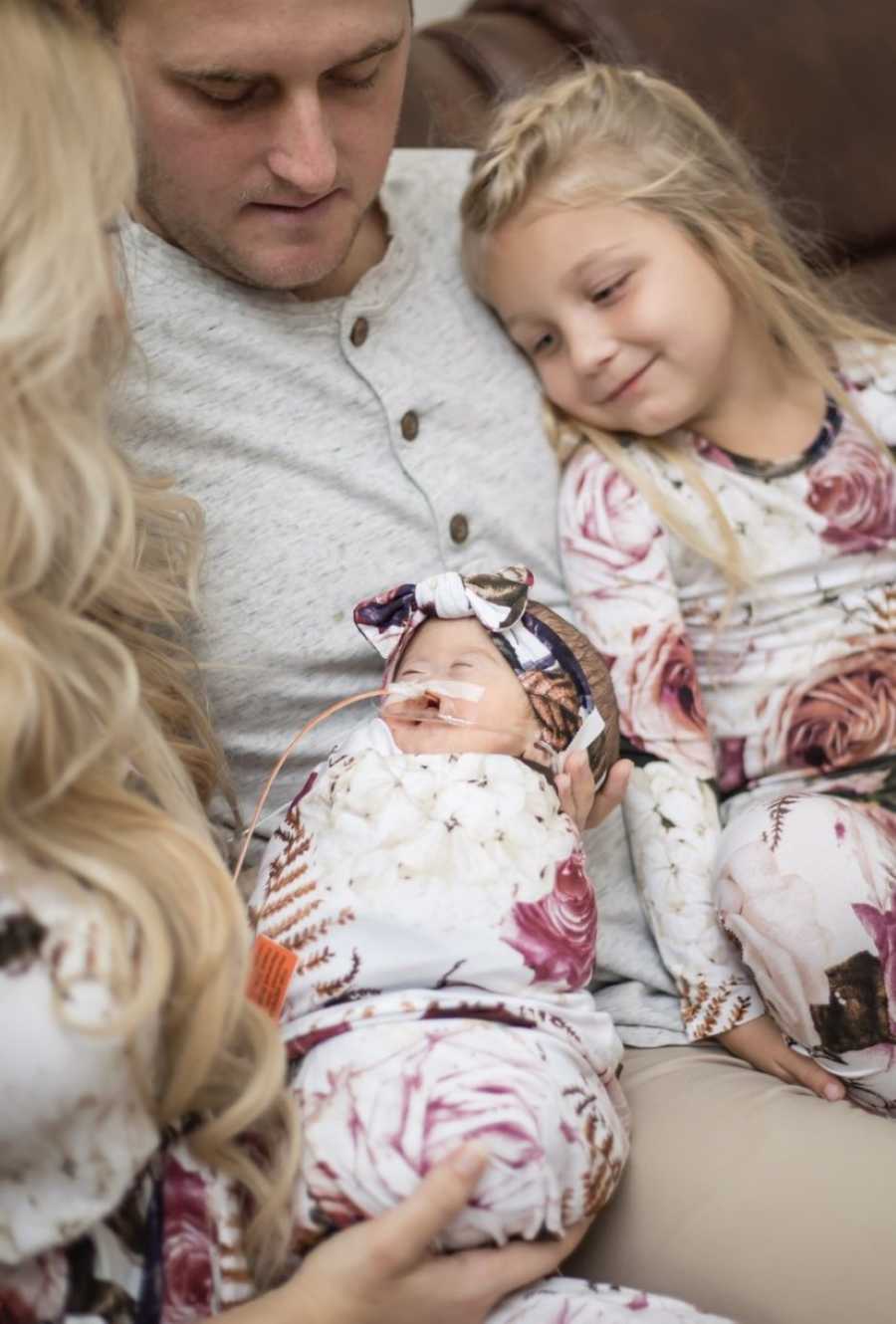
We miss her every day, our hearts ache, but we are hopeful. We were honored to be her family, and one day, we will see her again.