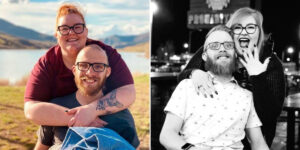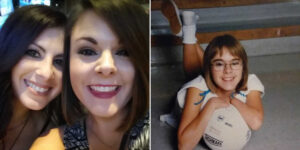
It’s November 25, 2018. I sit staring into the roaring fire, and I notice how dark it has grown outside. Yet, when I started my day at 3 a.m., it was dark then too. As I breathe in the quiet, my other senses begin to register what my heart already knows: our 200-year-old farmhouse is silent. The familiar hum of wheelchair motors across the hardwood floors is gone. The high-pitched laughter from the man in the chair has vanished. There are no more calls of “Emma,” no more “I love you’s,” and no more dad jokes that I secretly adored, even as I rolled my eyes.
Hundreds of likes, comments, messages, and food deliveries pour in from friends, family, and strangers. The support is overwhelming, yet it only highlights the emptiness around me.
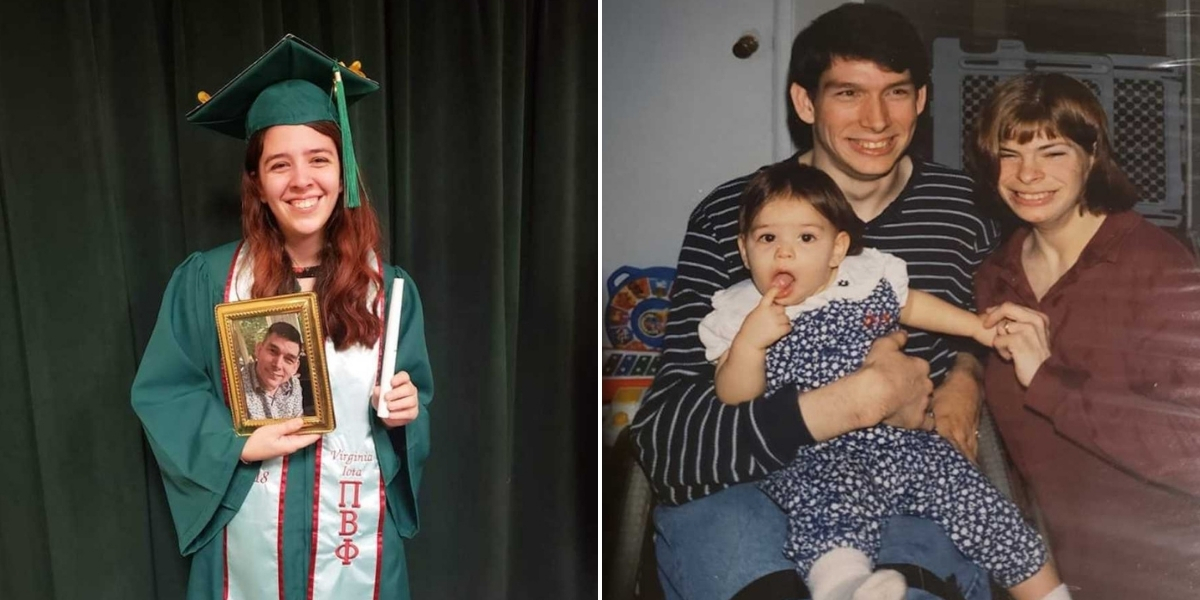
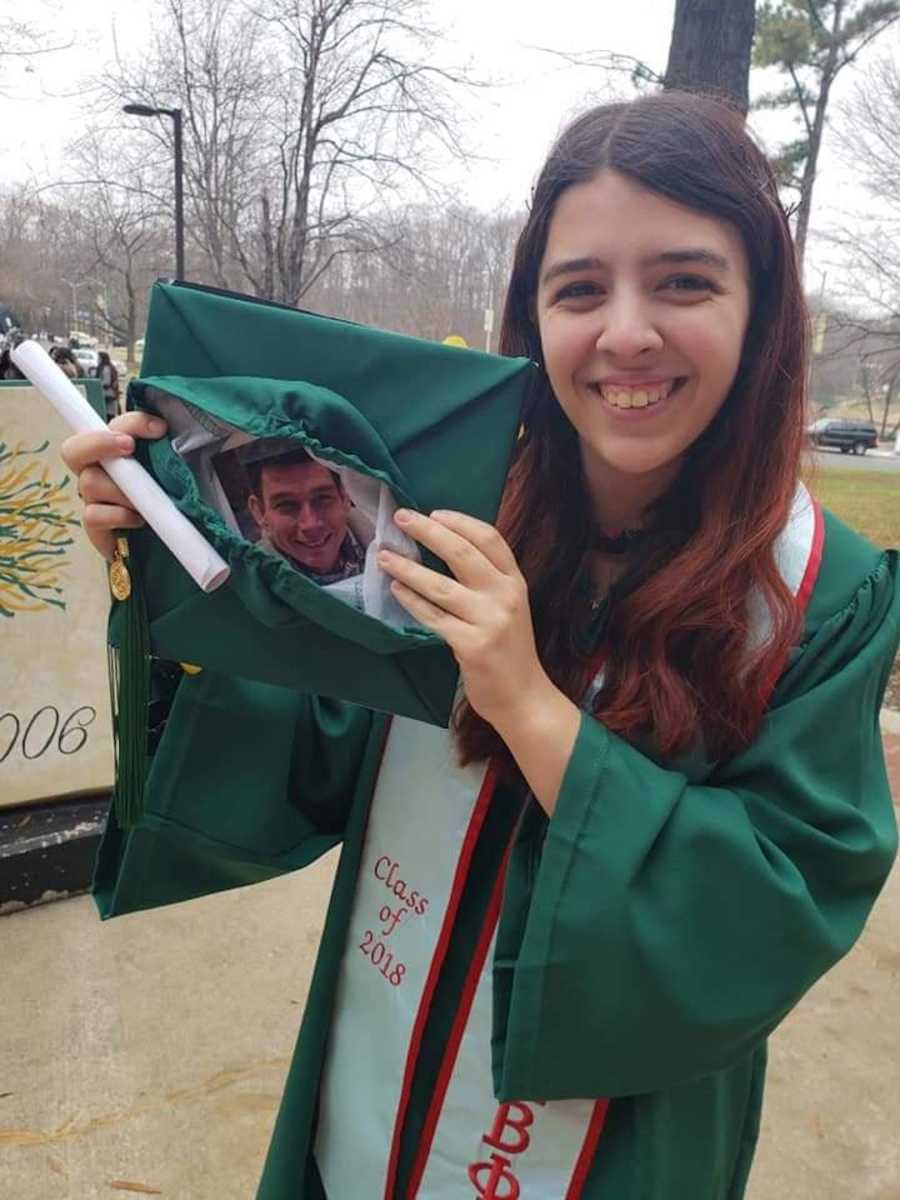
Just weeks before, I had been celebrating Halloween at school in Virginia, caught up in the excitement of my upcoming graduation with a bachelor’s degree in December. I dreamed of walking across that stage and seeing my dad in the audience—a first-generation college graduate—grinning from ear to ear, proud in the way only he could be.
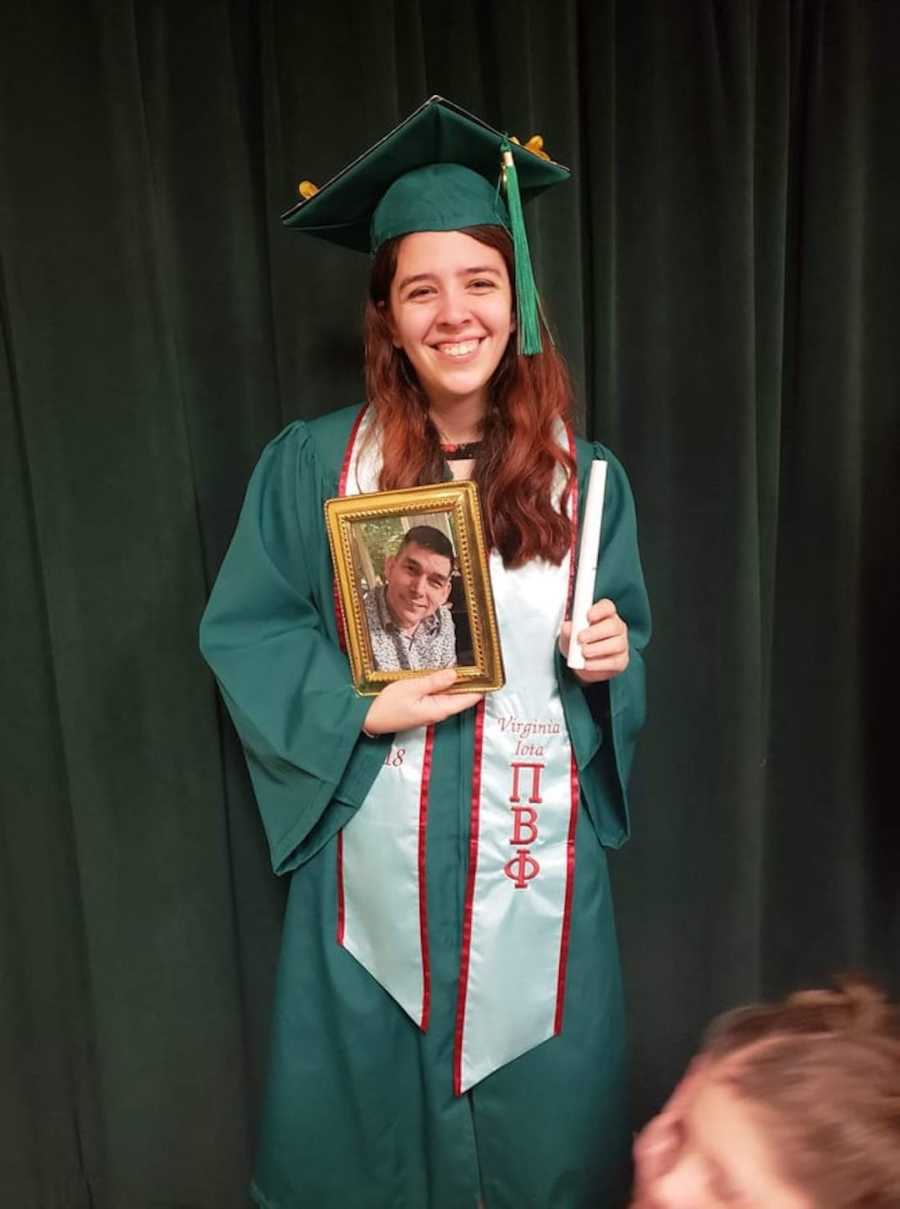
Then, around Halloween, everything changed. My stepmother, Holly, called me to say my dad was entering hospice. I remember sitting in my car, sobbing, the weight of the news pressing on me: my dad, my person, was nearing the end. I was just 21, facing a world without him.
My father, Mark E. Smith, was born with cerebral palsy and came from a difficult family. He navigated life in a wheelchair, fighting for independence and carving a path from poverty and family struggles to work at a community college. He went on to earn a Master’s degree while holding on to dreams that seemed impossible. Poet, writer, empath, devoted husband and father—he embodied resilience. He married my mom, Lori, and we moved from California to Pennsylvania so he could work with a wheelchair manufacturer, relentlessly pursuing his passion.
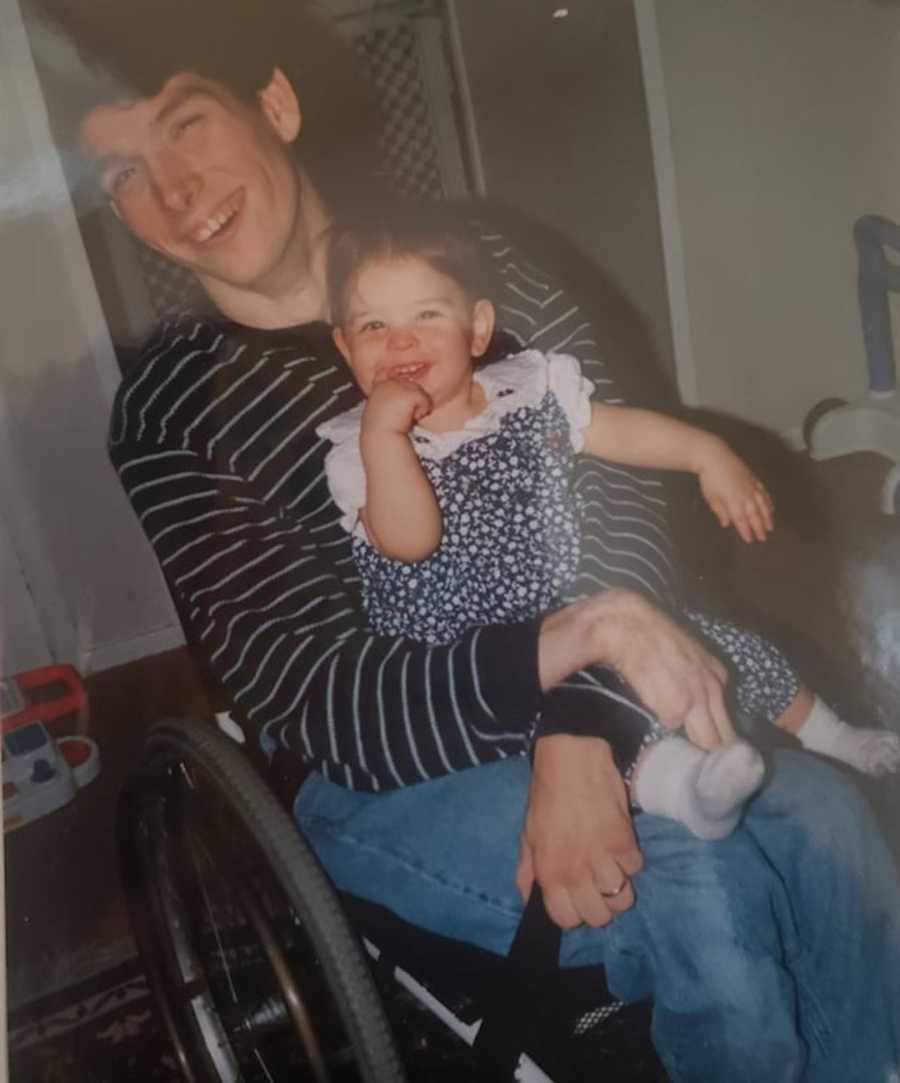
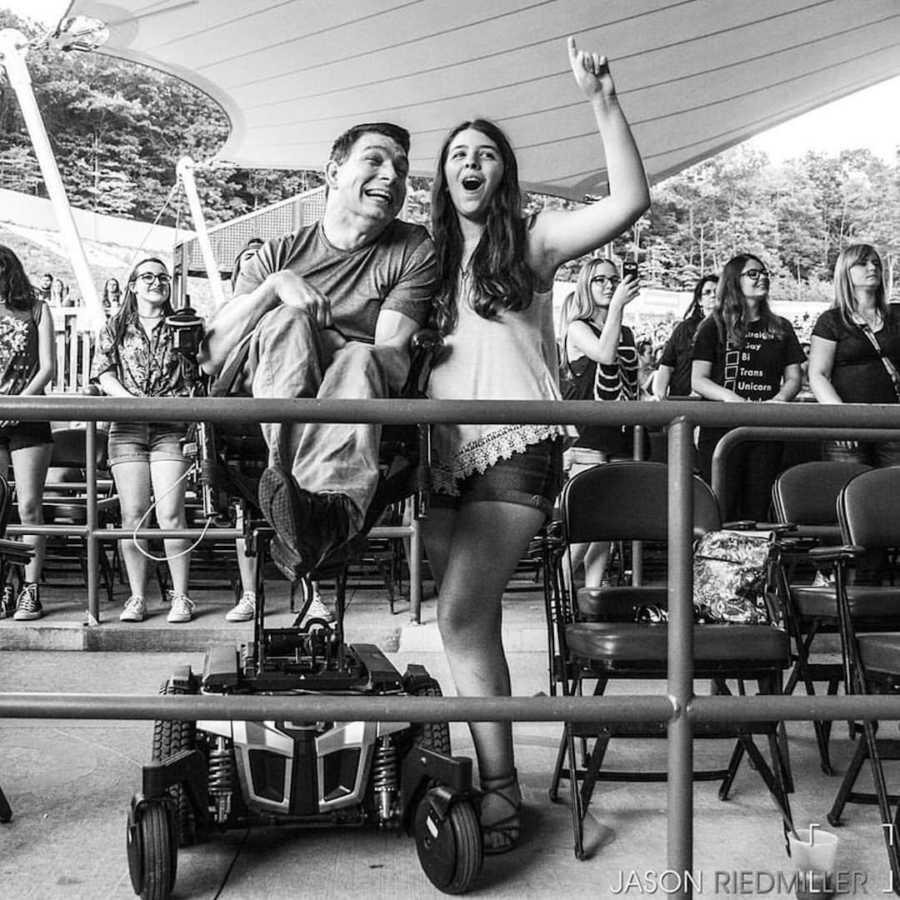
Perhaps his greatest joy was creating and running WheelchairJunkie, a forum and blog for wheelchair users and people with disabilities. It became a safe, welcoming space for thousands to connect, ask questions, and be seen. I remember evenings sitting in his room, watching TV as he worked late into the night, helping others while also being the most present father he could be.
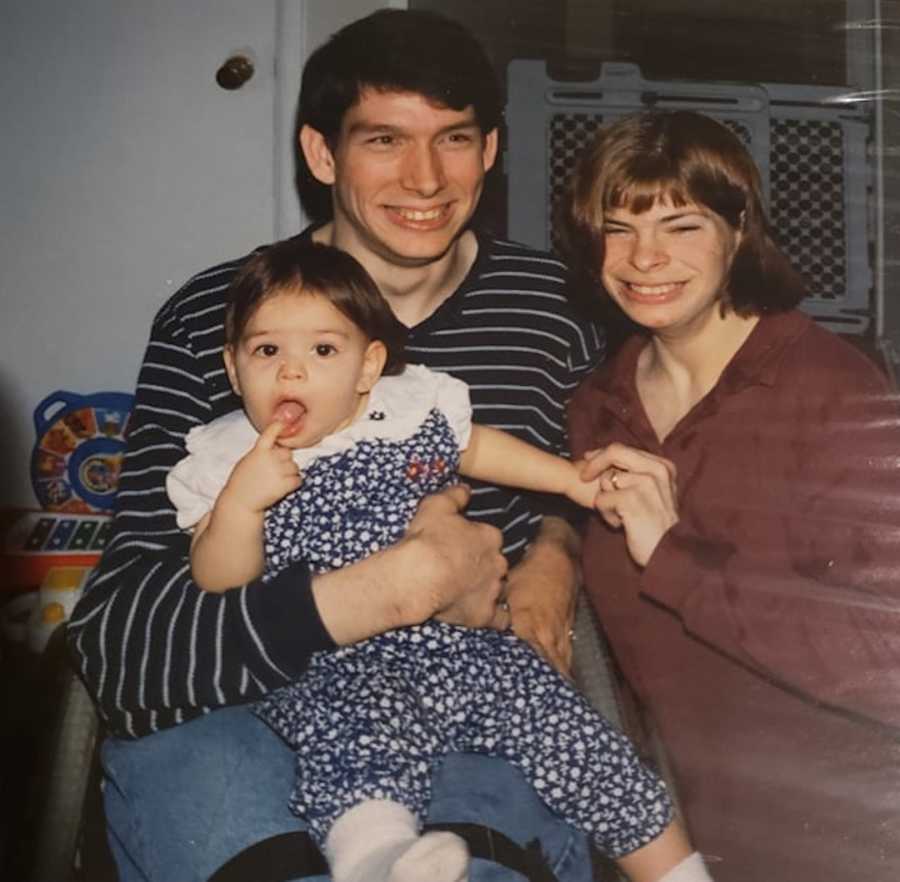
He published four books, ran WheelchairJunkie, maintained a weekly blog, and somehow, amid all this, still found time to be my dad. Life was complicated: after my mother’s mental health declined, he became a single father to me at 12. Yet he carried us through, later remarrying Holly in 2015 and becoming a stepdad to Annabelle. He was a family man again, showing unconditional love while balancing work, caregiving, and helping others navigate their own challenges. Our bond grew unbreakable.
Then came September 2017. He was diagnosed with esophageal cancer. My superhero was suddenly vulnerable. After chemotherapy, he underwent an esophagectomy in February 2018, a surgery that removed part of his esophagus. Complications followed, including a tracheotomy. He recovered physically but developed severe back pain, which worsened over time. By September 2018, the cancer had spread. By Halloween, he was in hospice. Three weeks later, in the quiet of early morning, he passed peacefully, holding Holly’s hand.
Losing my dad brought immense pain, but the first weeks without him were a blur. What struck me most was the isolation—being 21, on the cusp of adulthood, suddenly fatherless.
I sought grief groups, expecting support, but almost every group was filled with adults in their 40s or older. They were grieving parents or spouses, not navigating the early twenties with such a loss. I felt out of place, alone in my grief, thrust into adulthood while my peers were still carefree.
Then, on October 1, 2020, life’s cruelty struck again. My mother was found dead, just shy of the two-year anniversary of losing my dad. At 23, I became an adult orphan. My relationship with her had always been complicated—she struggled with addiction, mental illness, and dystonia, and I often saw only the parts of her that hurt me. But after her death, I began to piece together the mother she might have been—the woman who wanted to write, to create a family, to live her dreams despite her struggles. Guilt and remorse followed as I recognized how much of her life I never understood or knew.
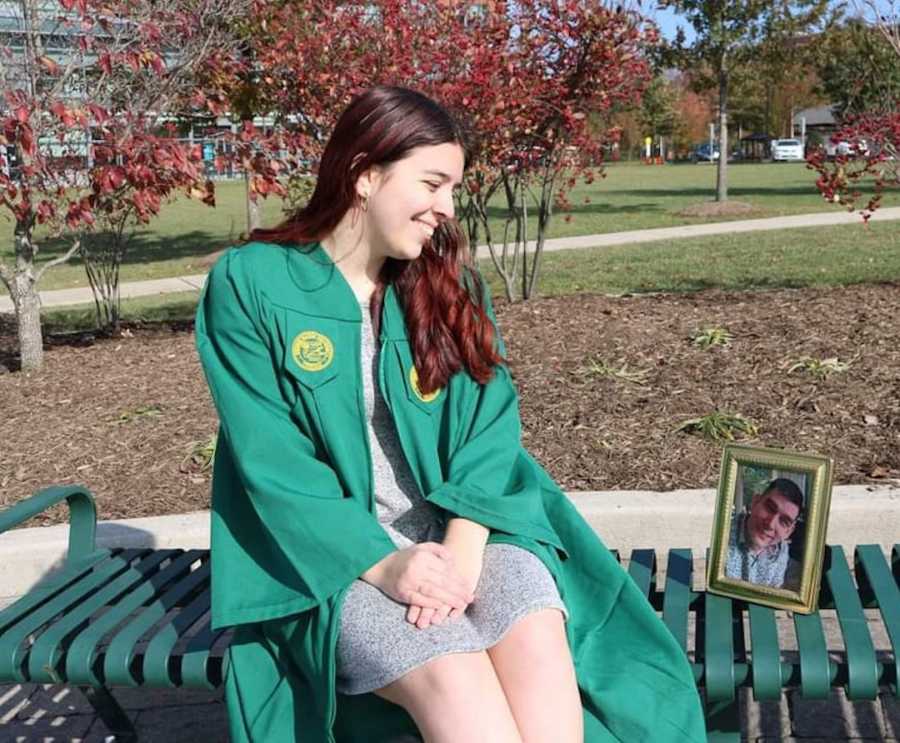
Suddenly, at 23, I was navigating grief unlike anyone I knew. Intrusive thoughts, death anxiety, and fear became daily companions. Losing both parents reshaped my life entirely. I am no longer the same Emily I was before November 25, 2018.
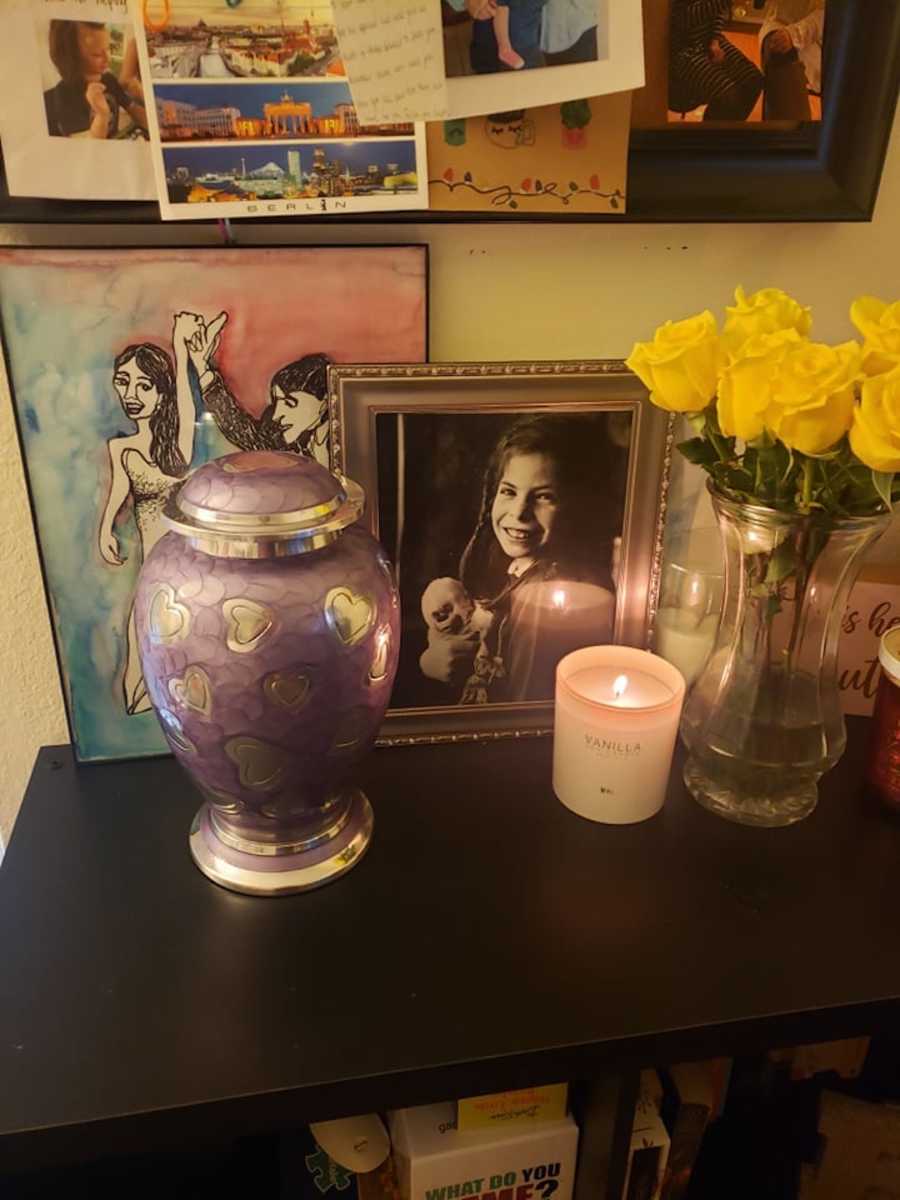
And yet, grief has taught me. Joy and sorrow can coexist. I have grown more empathetic, self-aware, and resilient. I am a reflection of my parents—their humor, compassion, and strength live in me. I carry them forward in every action, word, and thought. I am their legacy.
Grief is often rushed by society, as if there is a timeline for sorrow. But grief is lifelong. It builds a home inside us, a grief house with rooms that expand or change over time. We can fill it with memories, love, and the emotions we carry. We can honor our pain and still find moments of joy.
As young adults, we need spaces to grieve without judgment, to share stories, look at photos, and feel supported. Grief deserves to be seen, heard, and held. Showing up for someone in their grief—listening, sitting, comforting—is more important than trying to understand it fully. Compassion is enough.
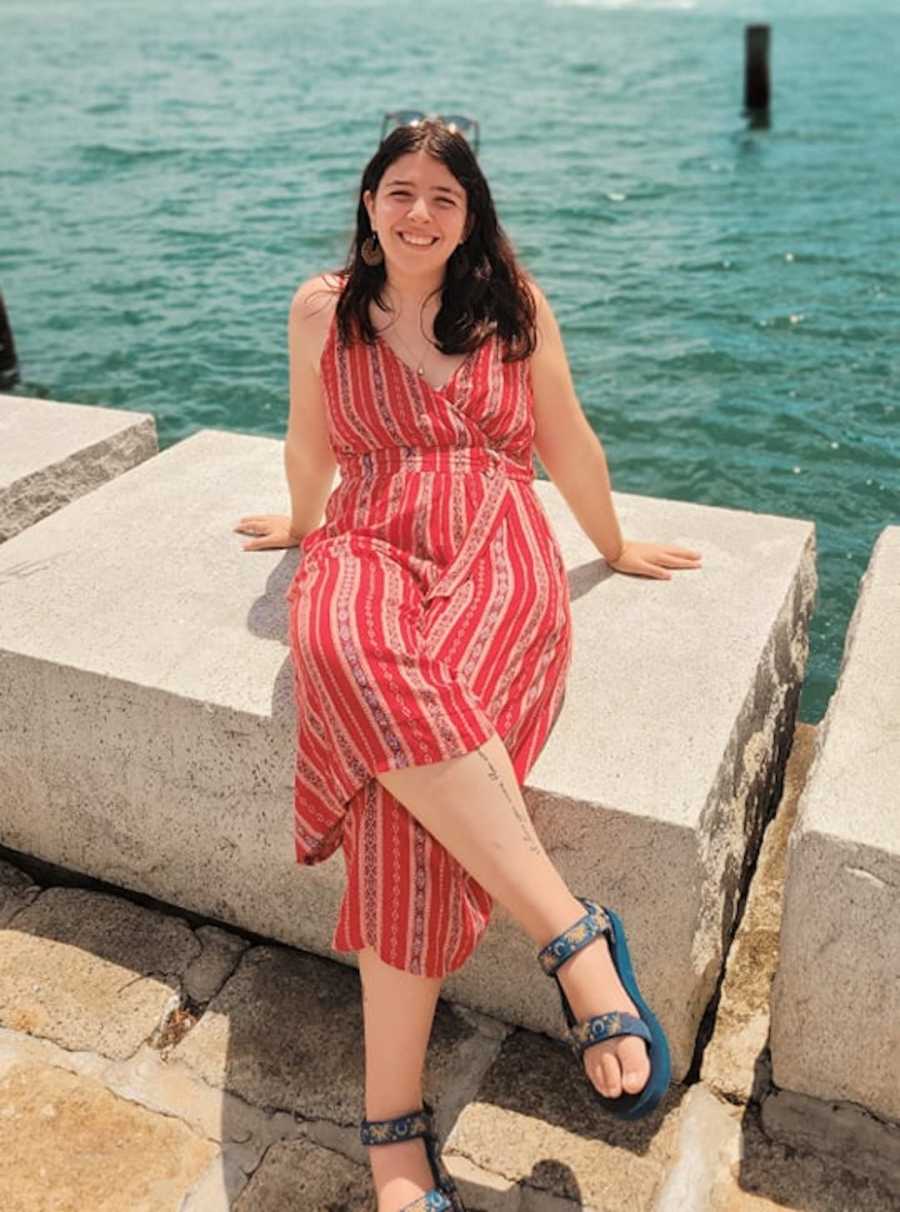
Through loss, I have learned the value of creating space for grief—for myself and others. It is the most precious gift we can offer. I am Emily: a young adult orphan, a griever, a friend, a partner, and a woman who channels her pain into love, understanding, and action. My parents live on in me, and through me, their legacy continues.