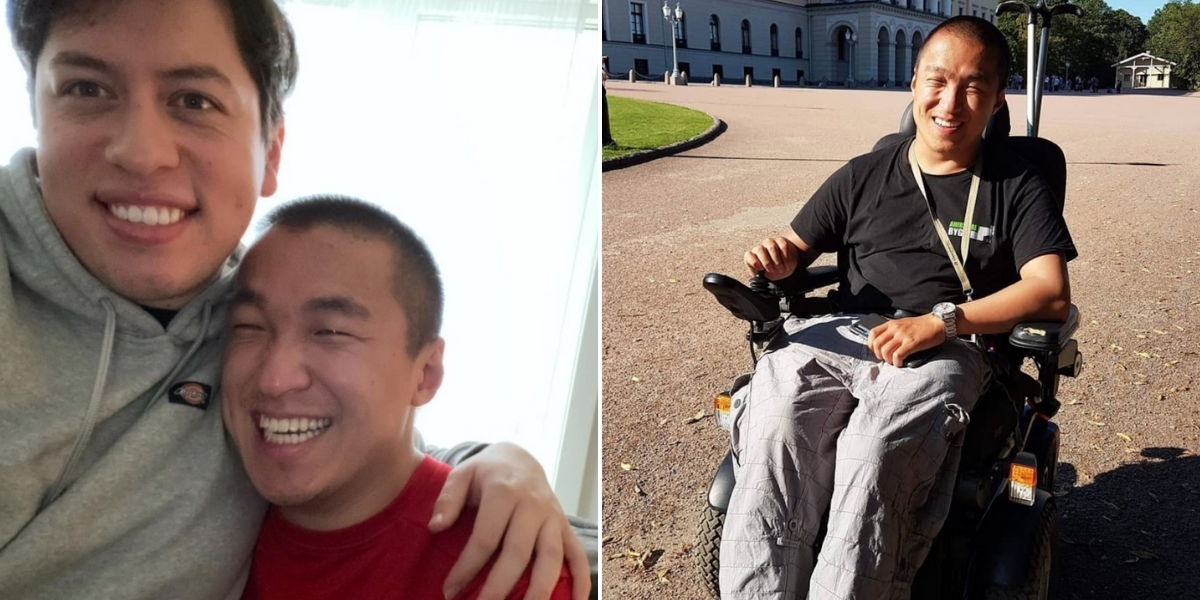
If you are born into a world with a disability, society often tells you, either directly or indirectly, that you won’t achieve a successful life on your own terms. That your dreams are limited, simply because expectations for you are low. I am happy to say that my life has proven that belief completely wrong.
Let me share my journey—from feeling like a burden to becoming a person filled with strength, resilience, and confidence. Education and knowledge truly set you free, and my life is living proof of that truth.
It all began on September 5th, 1987, when I was born in Seoul, South Korea. My biological parents were a young couple with limited means, trying their best to carve out a future. They made the selfless decision to put me up for adoption, prioritizing my well-being over their own hopes. I spent the first six months of my life in an orphanage. During that time, I fell from a toddler changing table and injured my head, causing bleeding in my brain. Combined with oxygen deprivation during childbirth, this resulted in my cerebral palsy.
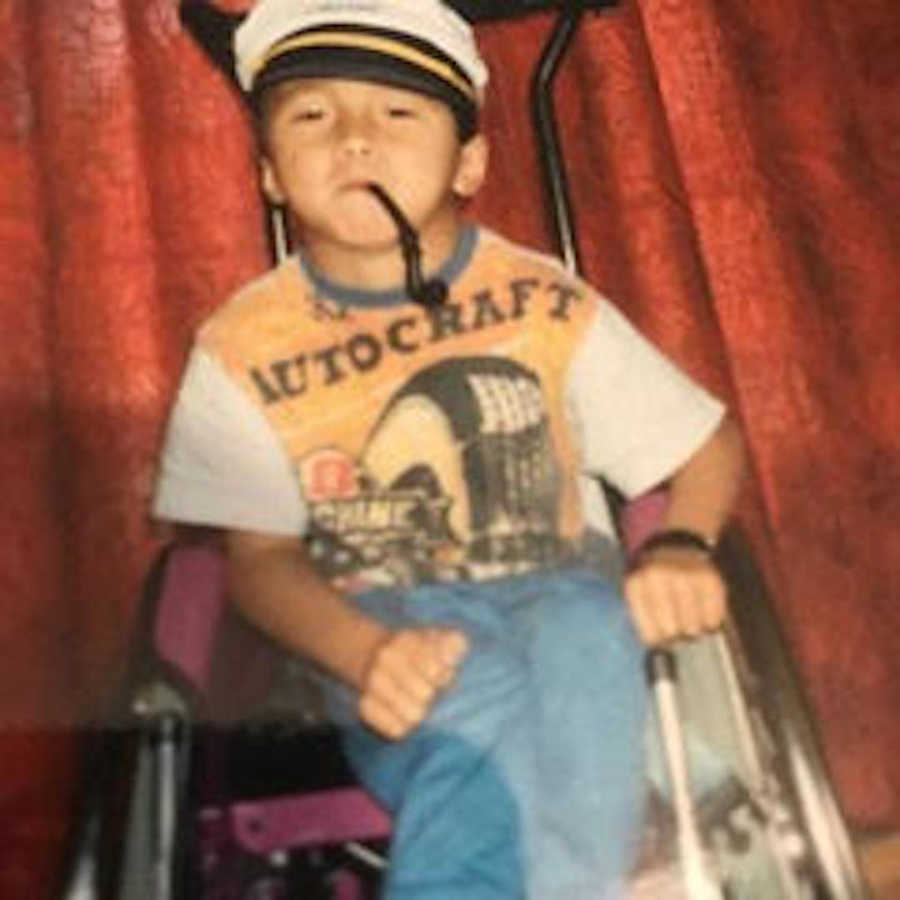
On March 16th, 1988, I was adopted and moved to Norway, to a small town called Nærbø, south of Stavanger, joining my two-year-older non-disabled brother. Soon after arriving, my parents noticed I wasn’t crawling like other toddlers. An examination at Stavanger University Hospital confirmed my diagnosis. From that point on, a team of healthcare professionals worked closely with me to support my physical development, starting in kindergarten and continuing through elementary school, which I attended from Fall 1993 until my graduation in Spring 2003.
Learning to use a walker, crutches, and a wheelchair came naturally to me—I started when I was just four years old. By growing up with these tools, they became a part of who I was. But being different wasn’t only physical—it shaped my social world as well. From my very first day at school, I felt the distance between myself and other children. While they ran, played, and laughed effortlessly, I quickly realized I was the “weird kid.” Interactions that came naturally to others required adjustment for me, and my classmates sometimes saw that difference as a threat.
Throughout my ten years of elementary school, I often faced isolation and ridicule. I wasn’t able to play sports like football, and whenever I tried, I was sometimes mocked. I remember a classmate cruelly calling me a r*tard and humiliating me in front of everyone. A teacher intervened, but the experience left a mark. It taught me early on how ignorance and lack of guidance from adults could harm children, shaping my understanding of resilience.
Life at home brought its own challenges. At five, I lost my mother to pancreatic cancer. My father remarried with good intentions, but the relationship later ended in divorce. I was blessed, however, to have an aunt and uncle who went above and beyond to support and protect me. Their love and care became my second family, and I remain forever grateful for their unwavering support.
My disability also meant multiple surgeries and intense rehabilitation—sometimes six months at a time. The pain was immense, but it instilled in me lessons about willpower, resilience, and positivity. At the time, I couldn’t fully understand the wisdom behind these struggles, but they shaped my character in profound ways.
As I entered my teenage years in 2000, I began the difficult journey of discovering who I was. Loneliness and lack of close friendships made it challenging, but I slowly began finding my place. I struggled socially and academically, yet learning English brought me joy and motivation. Mathematics remained a challenge, but with persistence, I eventually graduated from junior high and moved on to upper secondary education.
Around the age of 14, I realized I was gay. Fearful of homophobia and judgment, I kept it to myself, falling in love in secret and grappling with feelings of sadness and uncertainty. By my final year of junior high, I found a true friend who helped me develop confidence, teaching me the value of standing up for myself and setting boundaries. Online platforms like MSN Messenger also became vital tools for friendship, giving me a sense of connection, even when face-to-face interactions were limited.
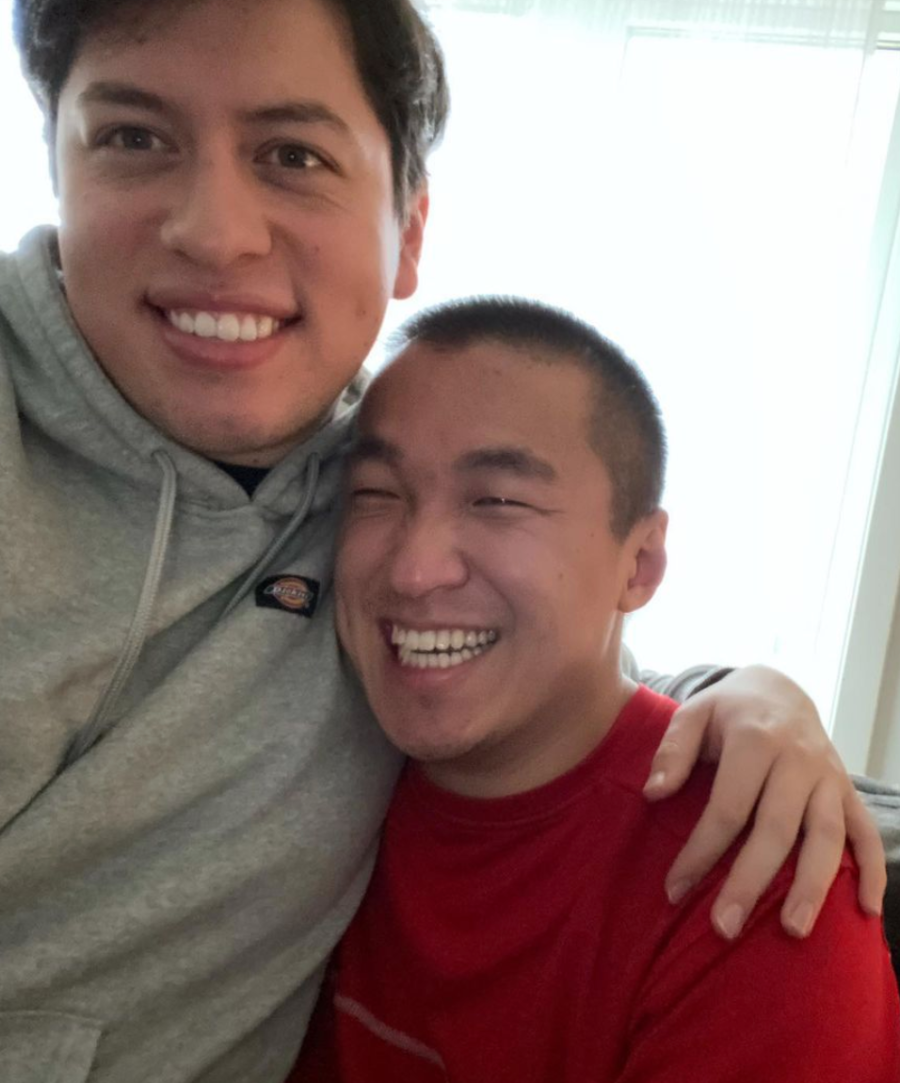
In Fall 2003, I began upper secondary education, setting a goal to move out by age 20. I completed vocational school over two years, determined to stick to my plan while many classmates struggled. By Spring 2005, I decided it was time to come out. I told my cousin first, then other family members, and eventually my father, his partner, and my brother. Initially, my father struggled to accept it, thinking it was a phase. We clashed, but over time he came to understand and became proud and supportive, reinforcing my belief in honesty and self-acceptance.
After finishing my apprenticeship program, I faced the daunting task of finding employment. Over 400 applications later, and after experiencing discrimination from one recruiter, I finally found a position and went on to gain vocational law education and valuable work experience. Along the way, I learned about relationships, ableism, and the fact that a disabled person can still love and be loved fully. I also earned my driver’s license in 2008.
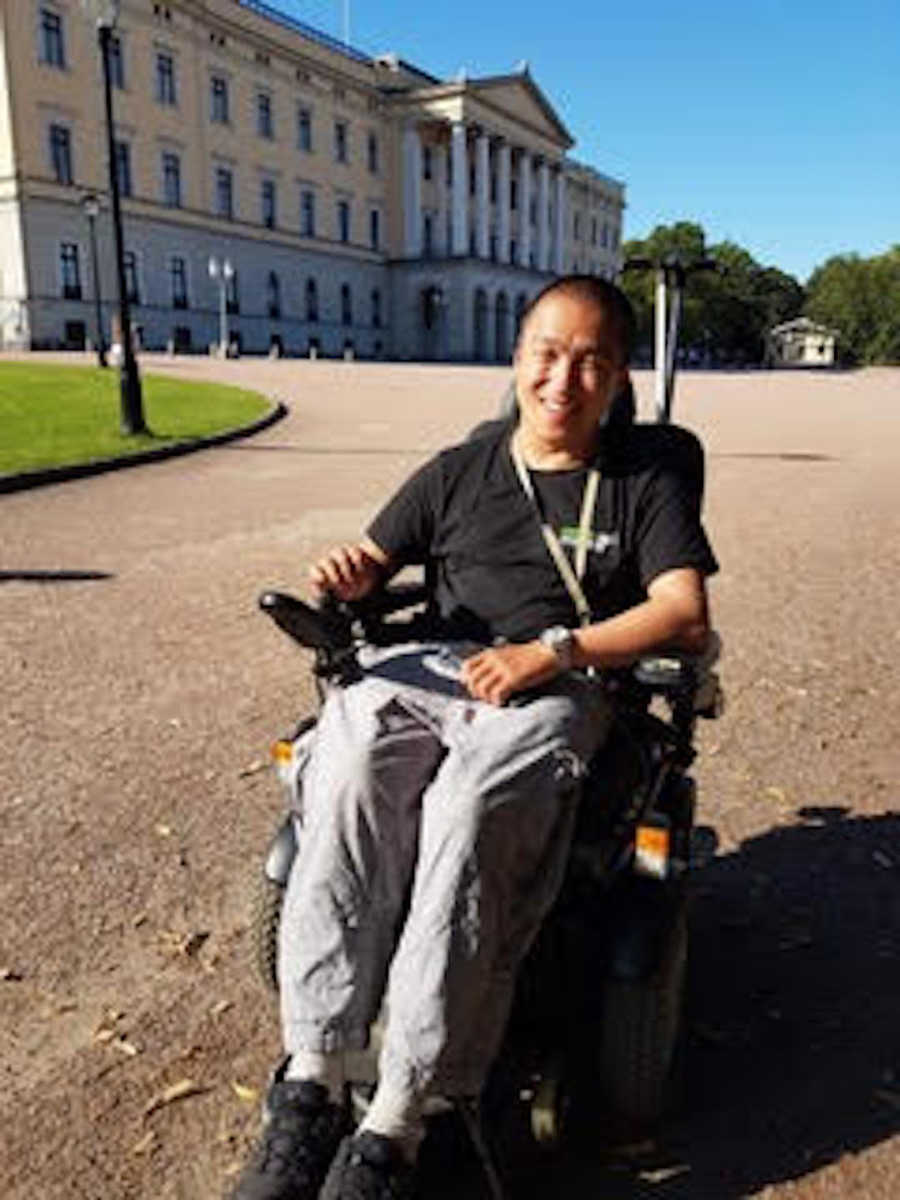
Fast forward to the summer of 2021, after a challenging year with COVID-19, I have enjoyed a successful career for over a decade and have lived independently since 2007. I live with my boyfriend, and although my father passed away in 2017 from leukemia, he told me before his death how proud he was of me—words that gave me confidence to carry forward with pride and strength.
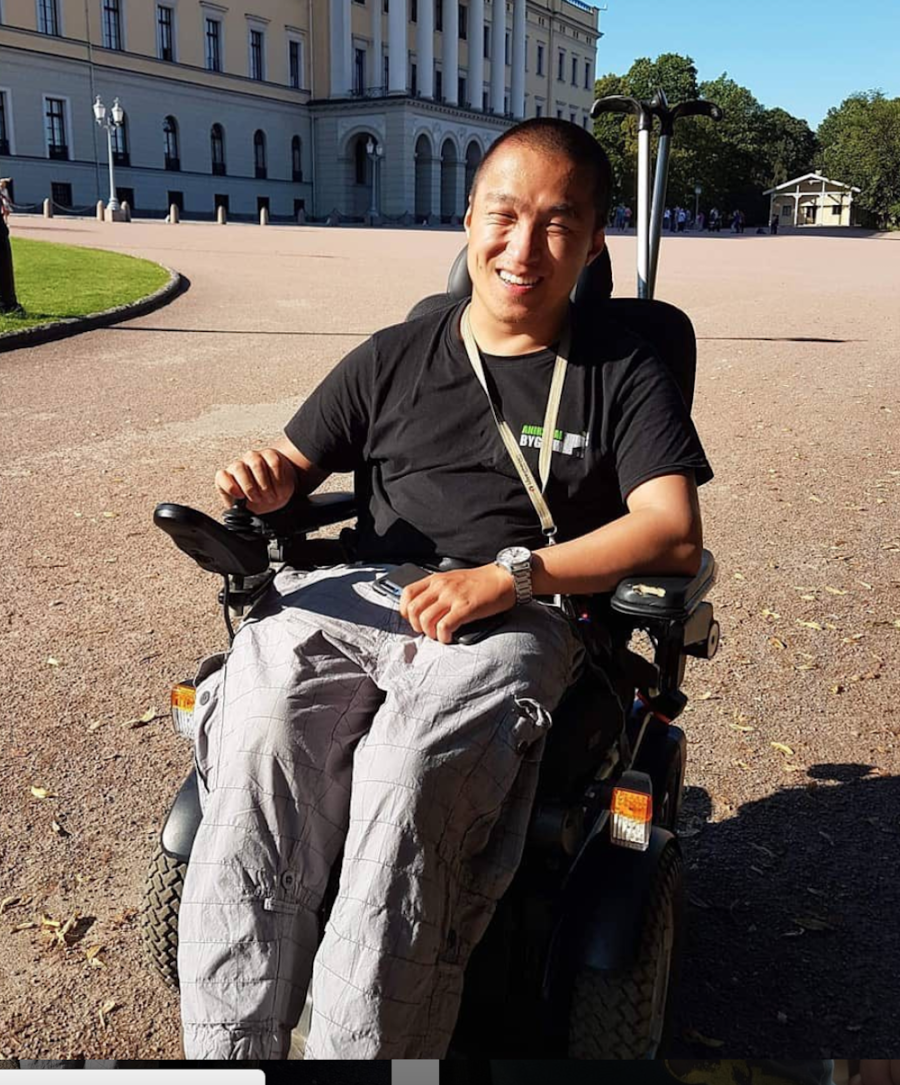
Living well is the ultimate triumph. Life cannot be bought or delivered on a silver platter—you must be willing to face hardships, learn, and keep moving forward. The quality of life depends on how we approach challenges. Go into the world and live life on your own terms. The keys are already inside your mind and heart. Life is about joy, resilience, and courage—so embrace it fully.