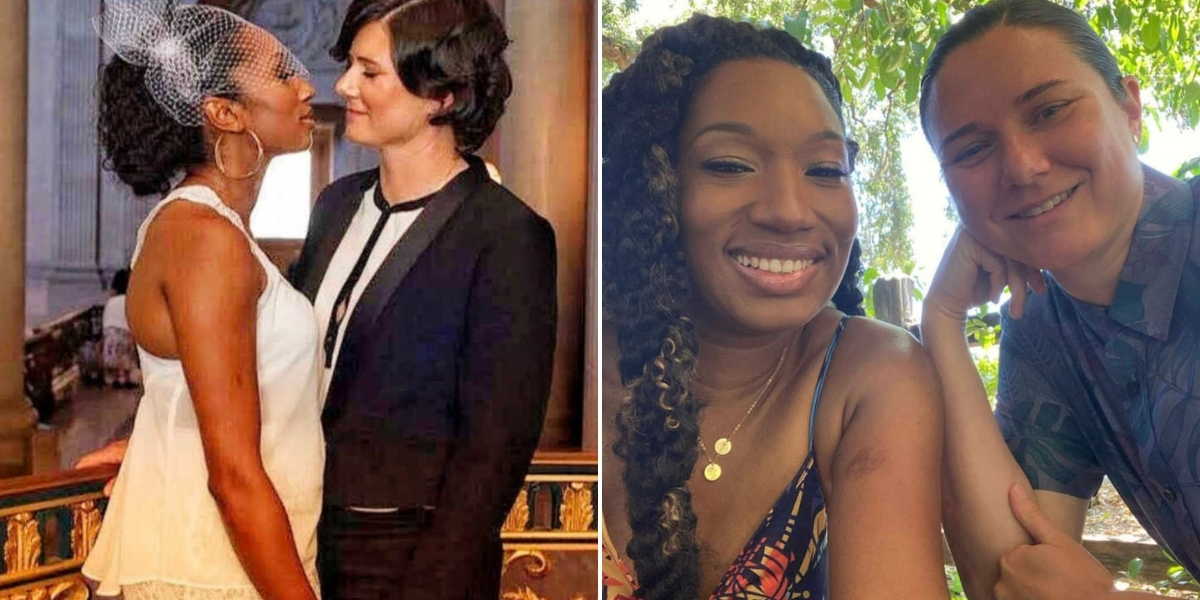
My wife and I had talked about starting a family for a long time. In the past, our relationship had been tumultuous—we broke up and got back together several times—which made planning for children feel impossible. But now, as newlyweds in our 30s, the timing felt different. I wasn’t in a rush to have kids, but my wife, who is four years older than me, often reminded me that she didn’t want to wait until after forty. I agreed to move forward, wanting to honor her wishes.

A year later, we dove into learning what it would take to become parents as a lesbian couple. We attended a workshop hosted by the California Cryobank and came away with far more knowledge than we had anticipated. By the end, our approach to conceiving a child had completely changed. We decided my wife would carry our first child, and I would follow soon after.
We spent countless hours exploring online sperm banks, reading every profile carefully, hoping not to miss a single detail. My wife went through the medical screenings required for clinical insemination—what used to be called artificial insemination—while we discussed wanting our children to be close in age. I suggested we also start looking for a donor for me.
One night, as we lay in bed, she excitedly showed me two donors she liked. I was equally excited and shared a donor I had found. “What do you think about this one, babe?” I asked, hoping she’d be as engaged. Her response surprised me: “My eyes are not that color,” she said, referring to the donor’s eye color. I felt puzzled but complied, searching again. When I asked if she would help find a donor for me, she replied, “I’m sure you’ll pick a good one.” I was crushed but said nothing.
Eventually, we selected a donor for her—tall, handsome, athletic, educated, and healthy. He had a limited number of vials, so we had to act fast. I also learned my chosen donor was running low. Our budget only allowed us to purchase three vials for her, two for me, and six months of cryogenic storage. This led to a major conflict—not because of finances, but because I had purchased sperm for myself as well.
The first insemination was thrilling but nerve-wracking. She was tense, and I tried to help her relax. Afterwards, she lay on the sterile medical table, speechless. The very next day, she announced, “I’m pregnant!” I gently reminded her that we wouldn’t know for another fourteen days. My comment sparked a massive argument—she accused me of being unsupportive and pessimistic, while I was trying to shield her from disappointment. We barely spoke, and when her period came, we were crushed.
We took a break before trying again, meeting with our fertility doctor to discuss options. “There’s no guarantee,” the doctor warned, “but we can try different approaches.” She began taking Clomid to help produce more eggs and explored acupuncture after reading testimonials that it could help with conception. By the time of her second insemination, tension had escalated. We argued constantly, and I felt emotionally distant. When her period came again, disappointment set in even deeper.
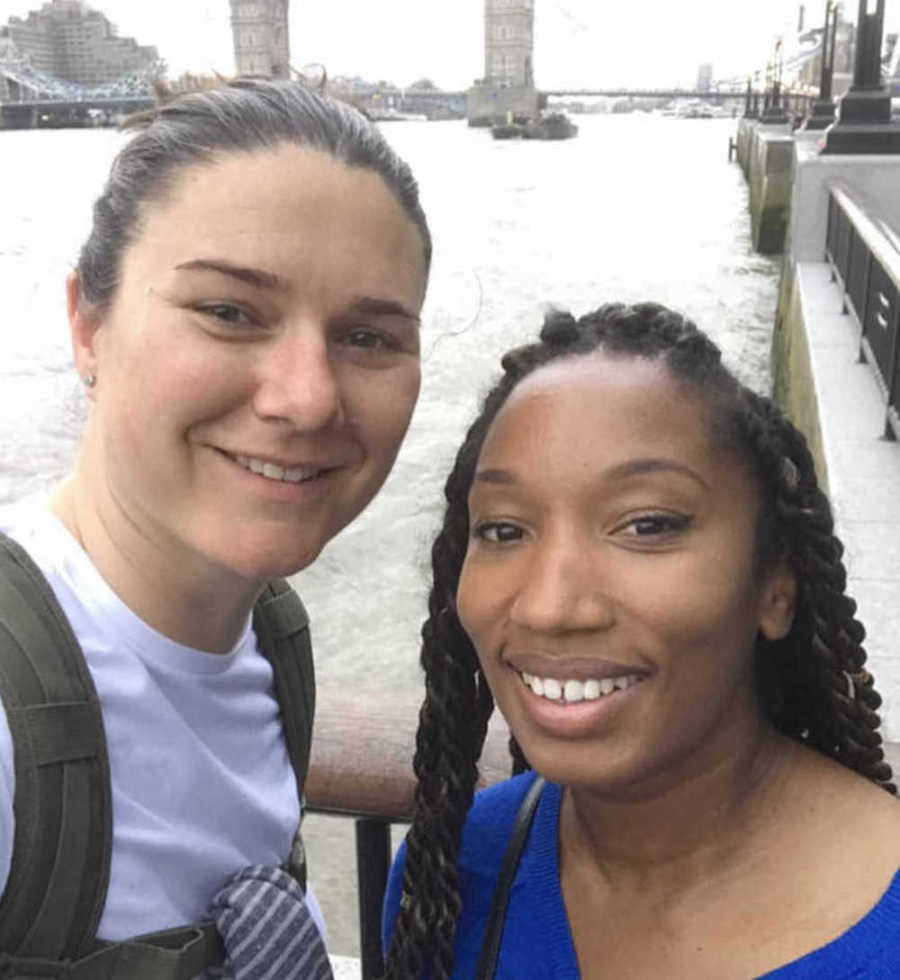
By her third and final vial, our home had become a battlefield. I was disconnected, unwilling even to accompany her to the procedure. She returned, and I couldn’t bring myself to speak. When her period arrived once more, she was devastated. Over the course of a year, our relationship had been tested to its limits. I questioned whether we should even stay together. I asked her, “Is this about you having a baby or us having a baby?” That conversation sparked a change. She became more inclusive and collaborative, and I began to open up. We recommitted to each other, promising to communicate, be present, and love unconditionally.
Next, it was my turn to try. After the initial cycle failed, I remained hopeful. Two months later, I was inseminated again. Within days, I felt unusual fatigue, headaches, dizziness, and cravings. My wife excitedly suggested, “I bet you’re pregnant!” I hesitated to believe it, waiting until day 14 to test. On day 12, feeling like my period was about to start, I decided to take a test early. Five minutes later, the digital screen flashed: PREGNANT. It was surreal—we had wanted children for so long, and now it was real.
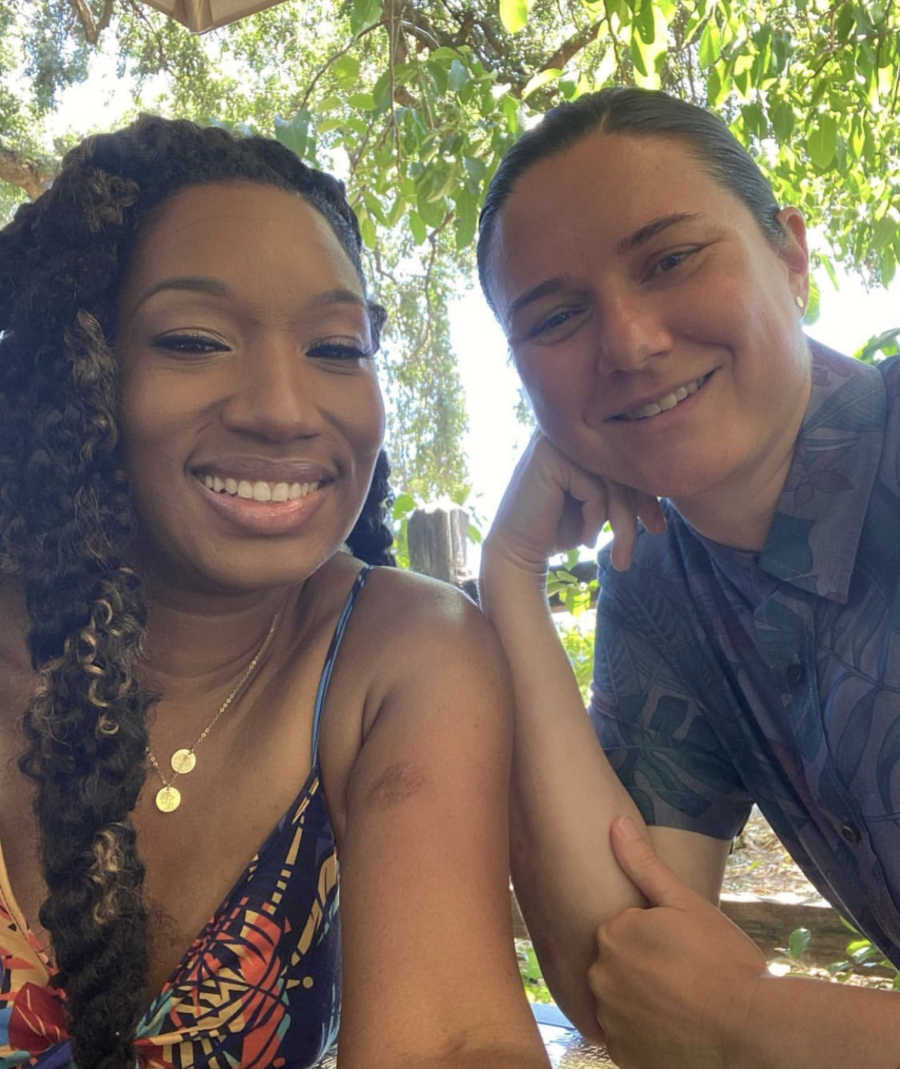
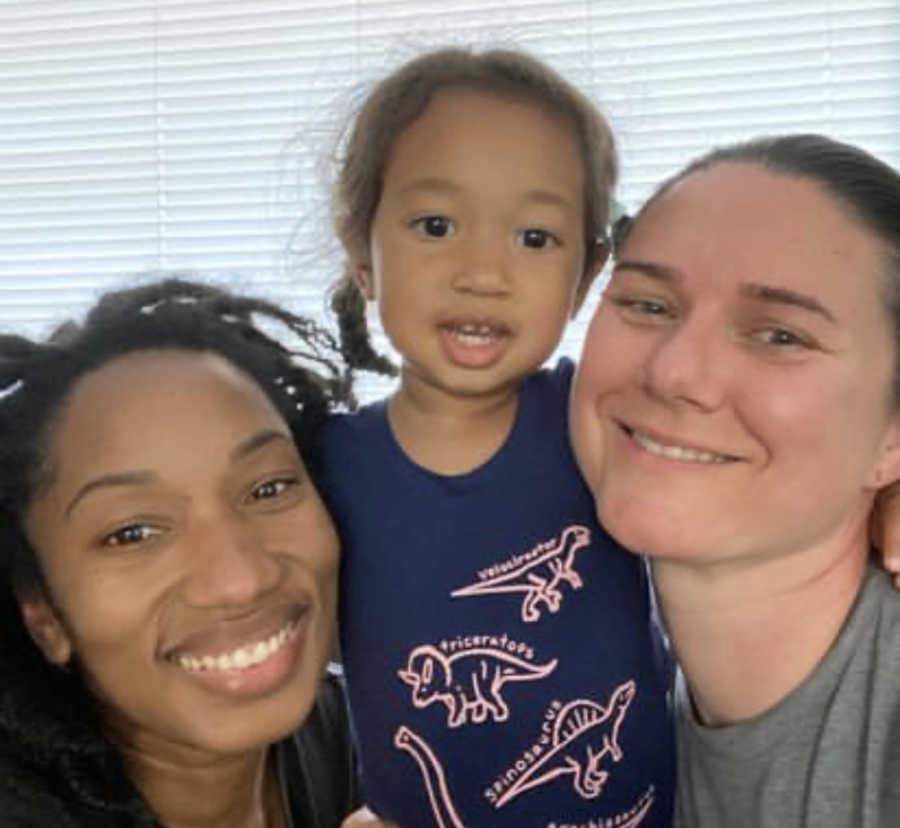
Our daughter was born healthy and full-term at 38 weeks. From the moment we met her, we fell in love. She became the yin to our yang, our reason to try harder, our reason to live authentically. She bridged our hearts and strengthened our family in ways we could never have imagined.