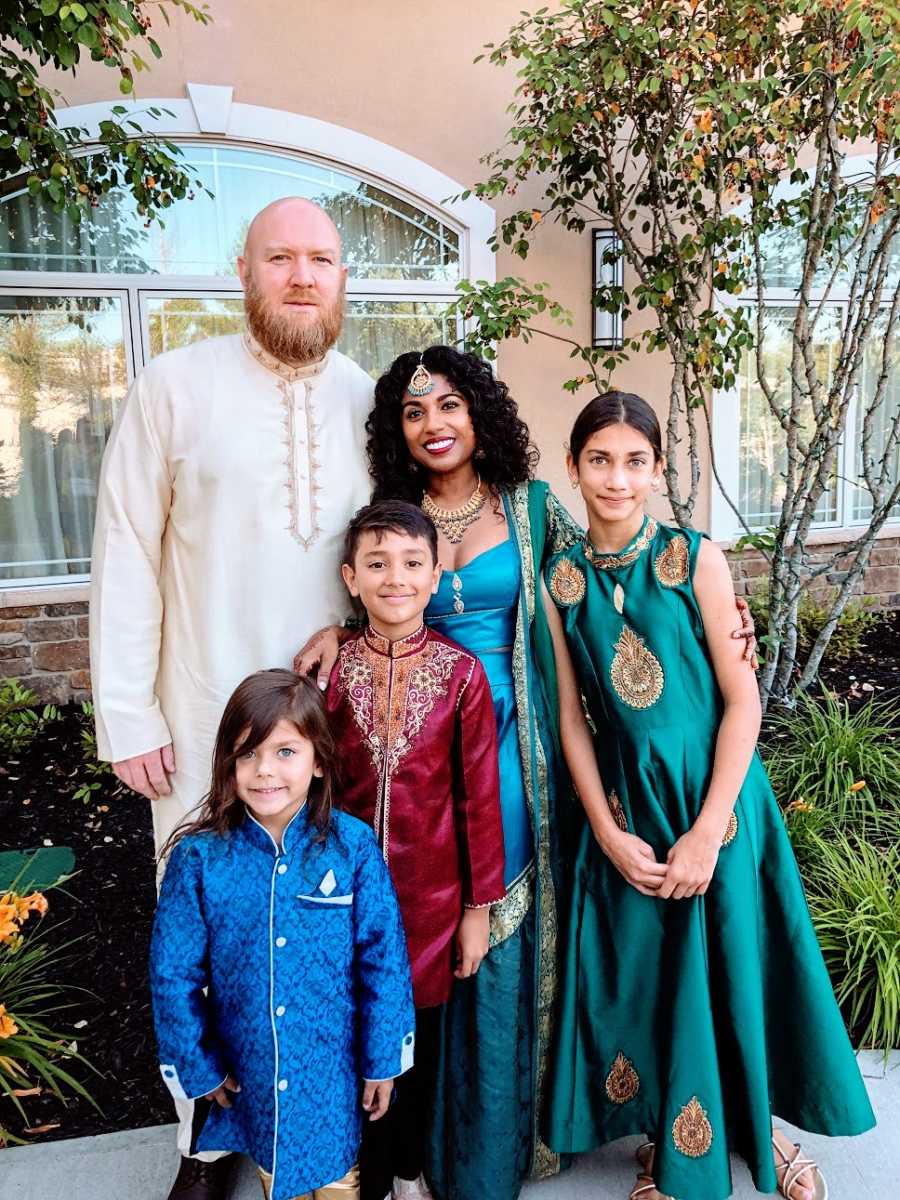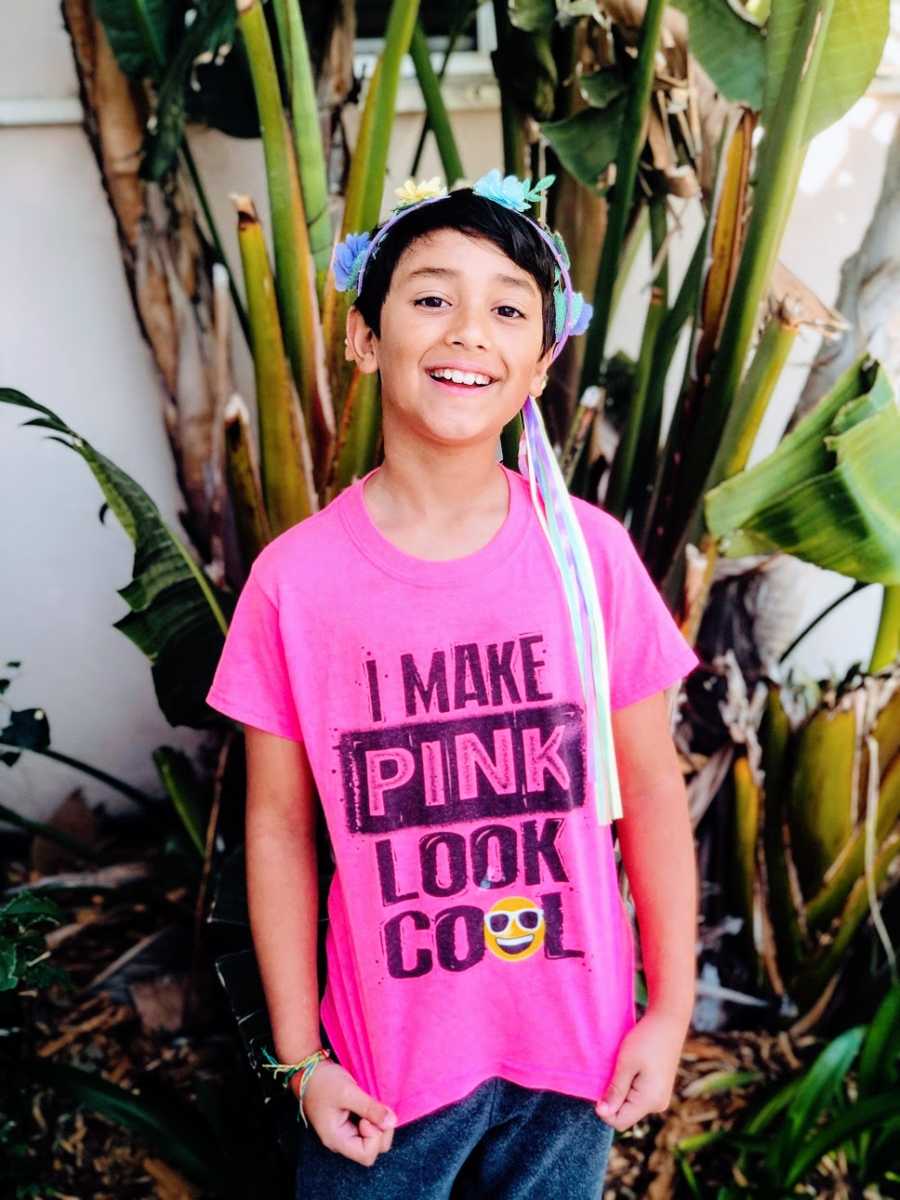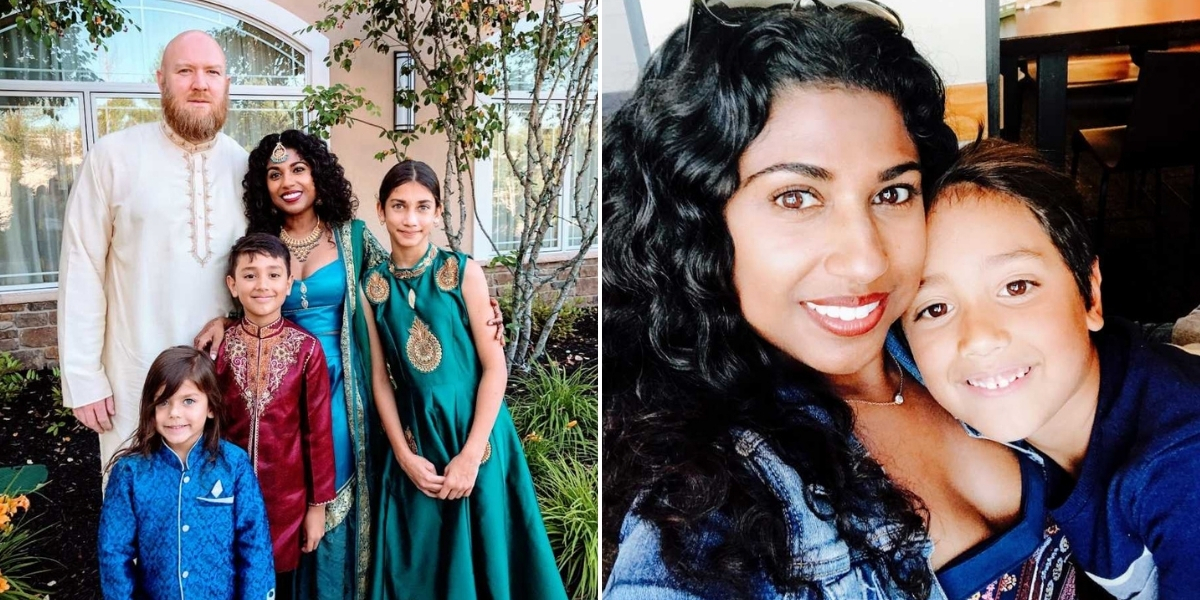
My son, Raju, was born in the spring of 2010. We already had a 23-month-old daughter, and while I was overjoyed, I couldn’t help but feel anxious about raising two young children at once. On top of that, I didn’t really know what to do with a boy. Everyone around me offered advice: “Boys don’t sit still—they’ll tear up everything!” “Get plenty of trucks and sports toys; he’ll need them!” But my little guy quickly proved those assumptions wrong.
From the beginning, Raju was calm and observant. Even as a toddler, he seemed to notice everything, studying the world with a quiet curiosity. While his peers raced around, he gravitated toward stuffed animals and his sister’s dolls. There was a delicate sweetness in the way he moved, in the gentle way he interacted with his toys. It was around the time he started speaking that we realized just how uniquely he saw the world. When asked what his favorite color was, he confidently declared, “Pink!” As his language skills blossomed, so did his clear expression of interests that were different from other boys his age. By then, his love for all things princess—especially Princess Tiana—was unmistakable.
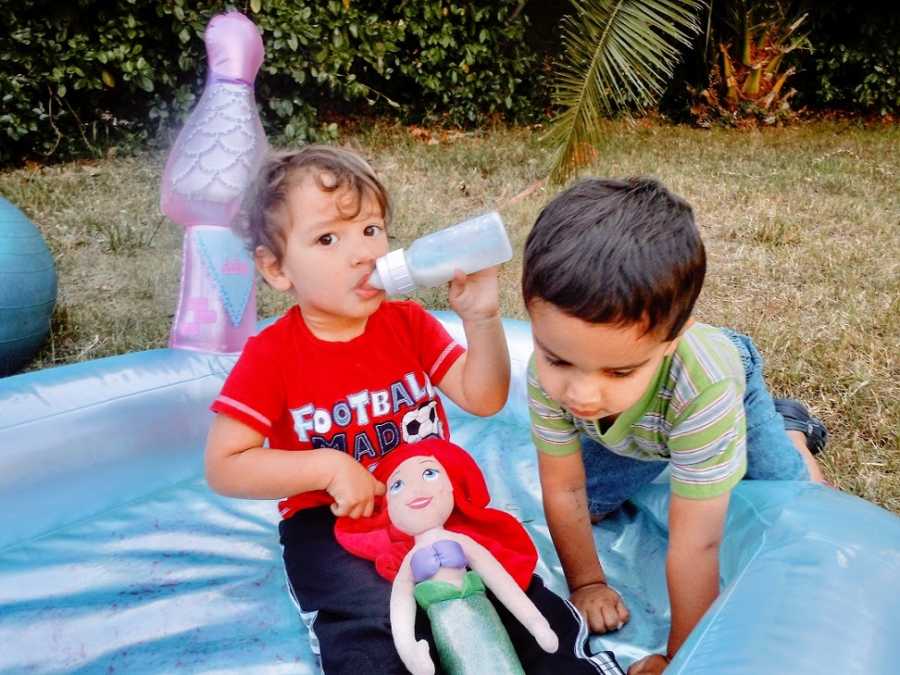
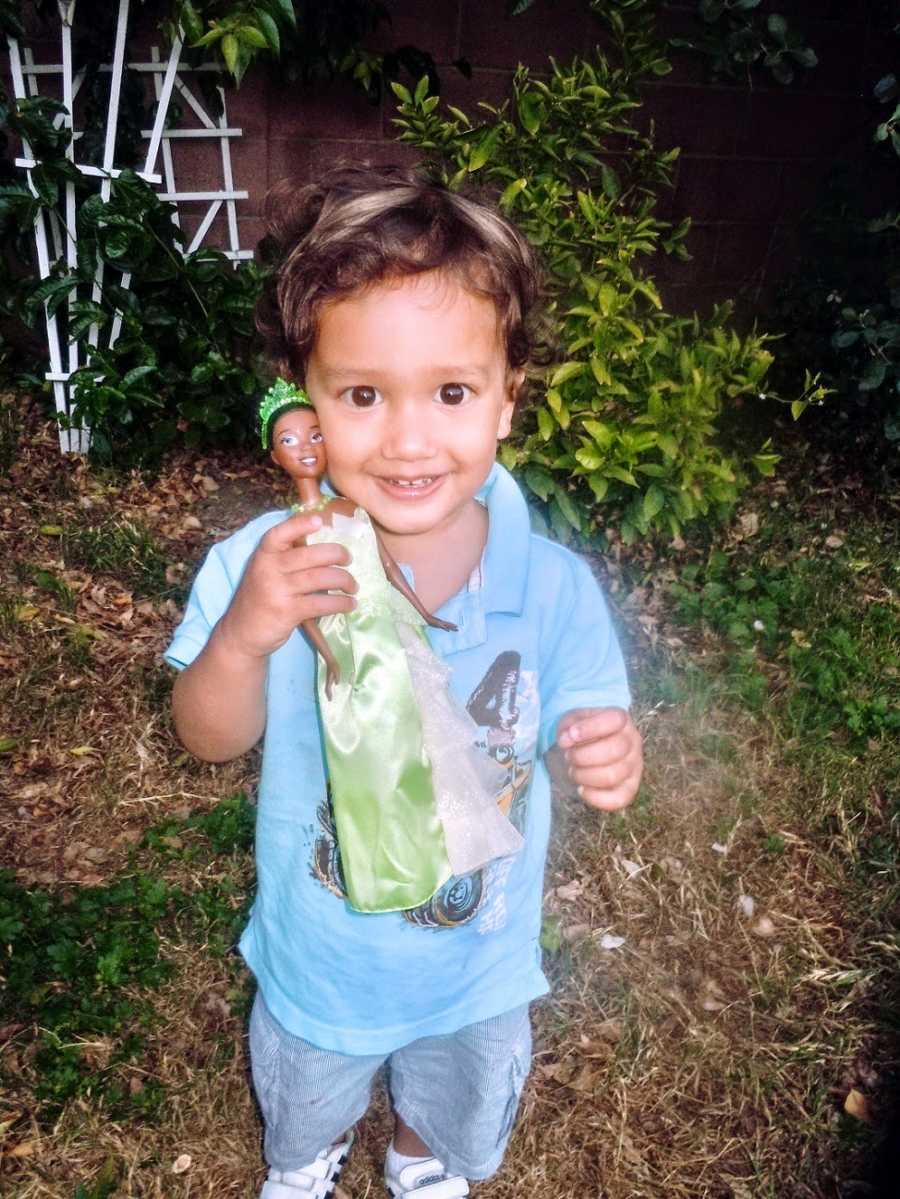
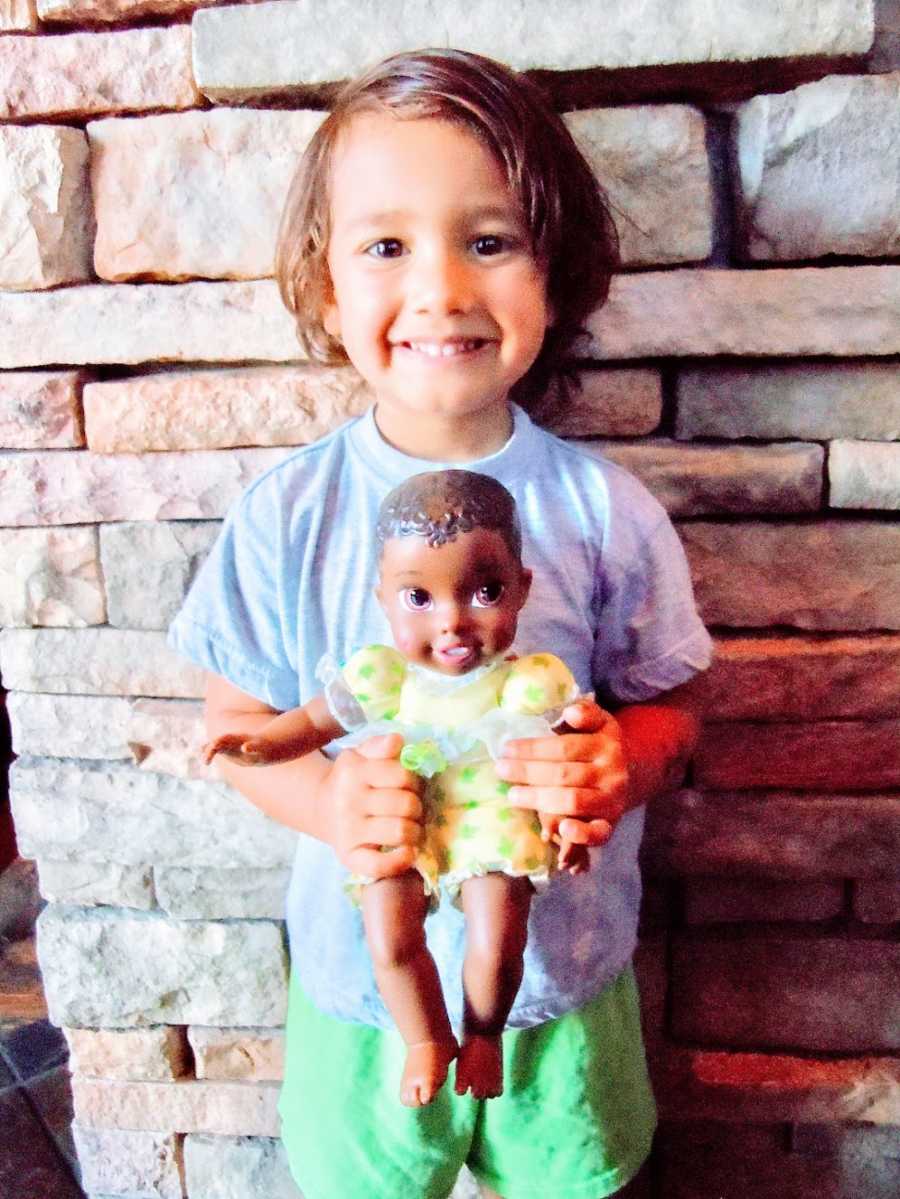
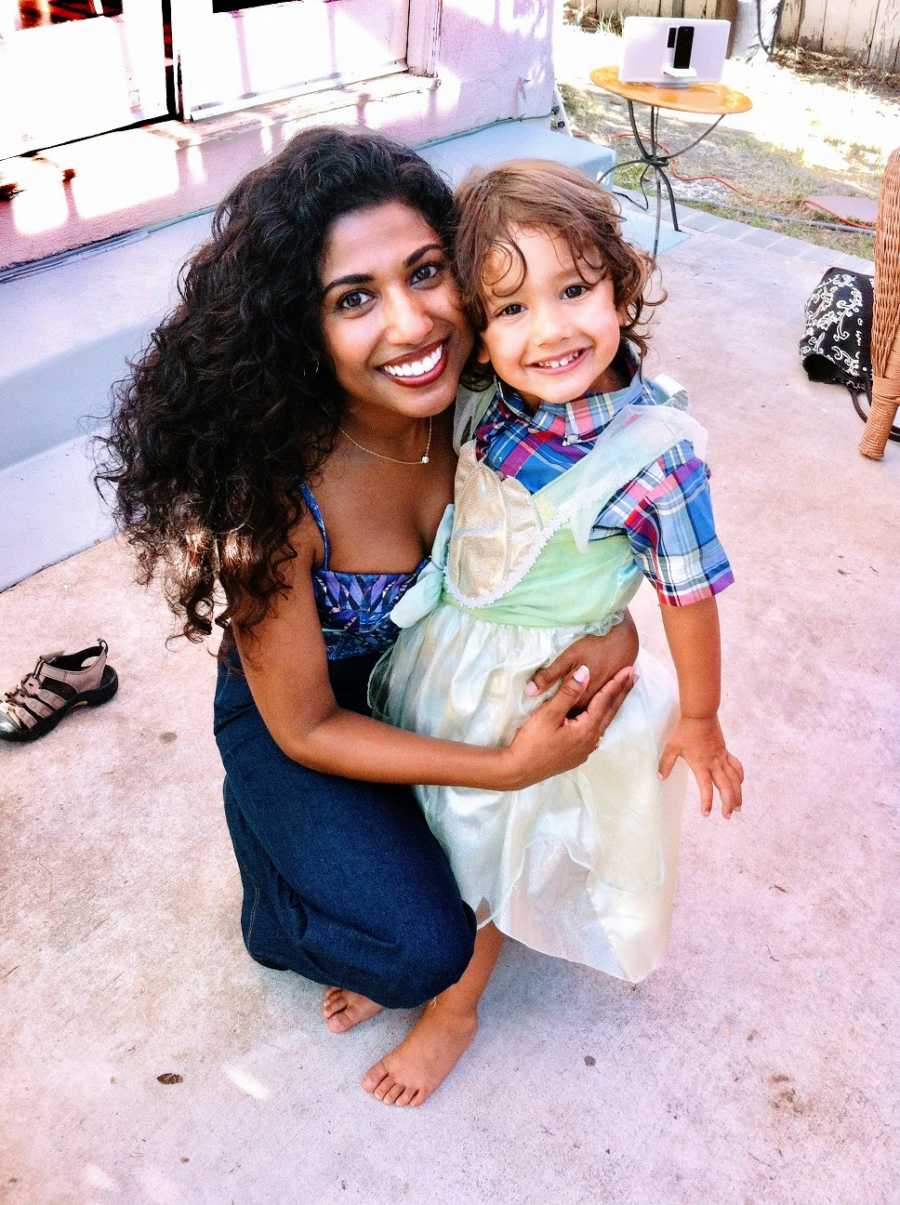
One day, Raju told us he wanted a Princess Tiana doll. At first, we thought, “He’s two—he probably just likes what his sister likes.” My husband and I weren’t sure we were ready to actually buy him a doll, but that all changed on a trip to the Disney store. My husband took the kids to browse, and there she was—Princess Tiana in her signature green gown. The moment Raju saw her, he jumped up and down, screaming, “Tiana!” He giggled uncontrollably, eyes shining with pure joy. Seeing his excitement melted my husband’s heart. In that instant, all the doubts and “what-ifs” disappeared. The doll wasn’t just a toy; it was Raju’s happiness, and nothing else mattered. My husband bought the doll, and Raju didn’t take his eyes off it all the way home.
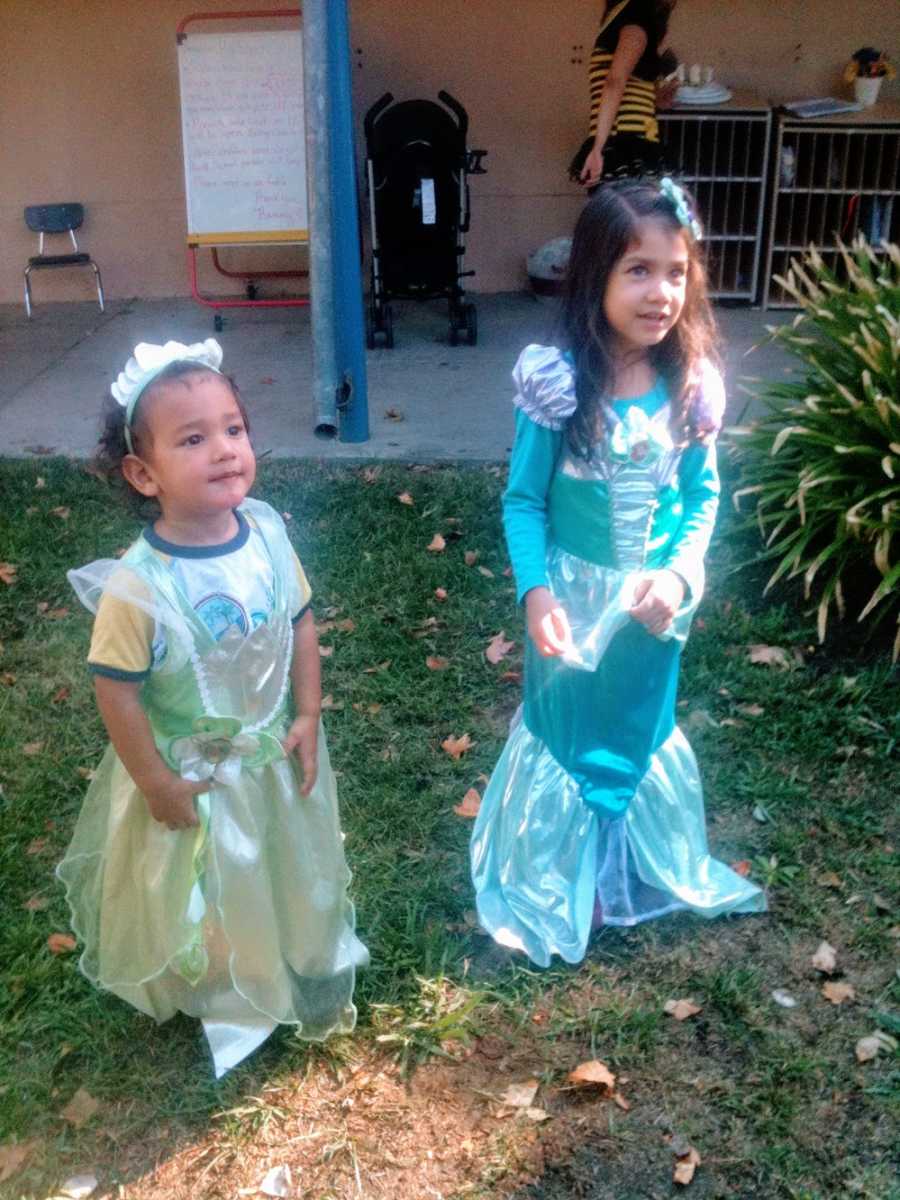
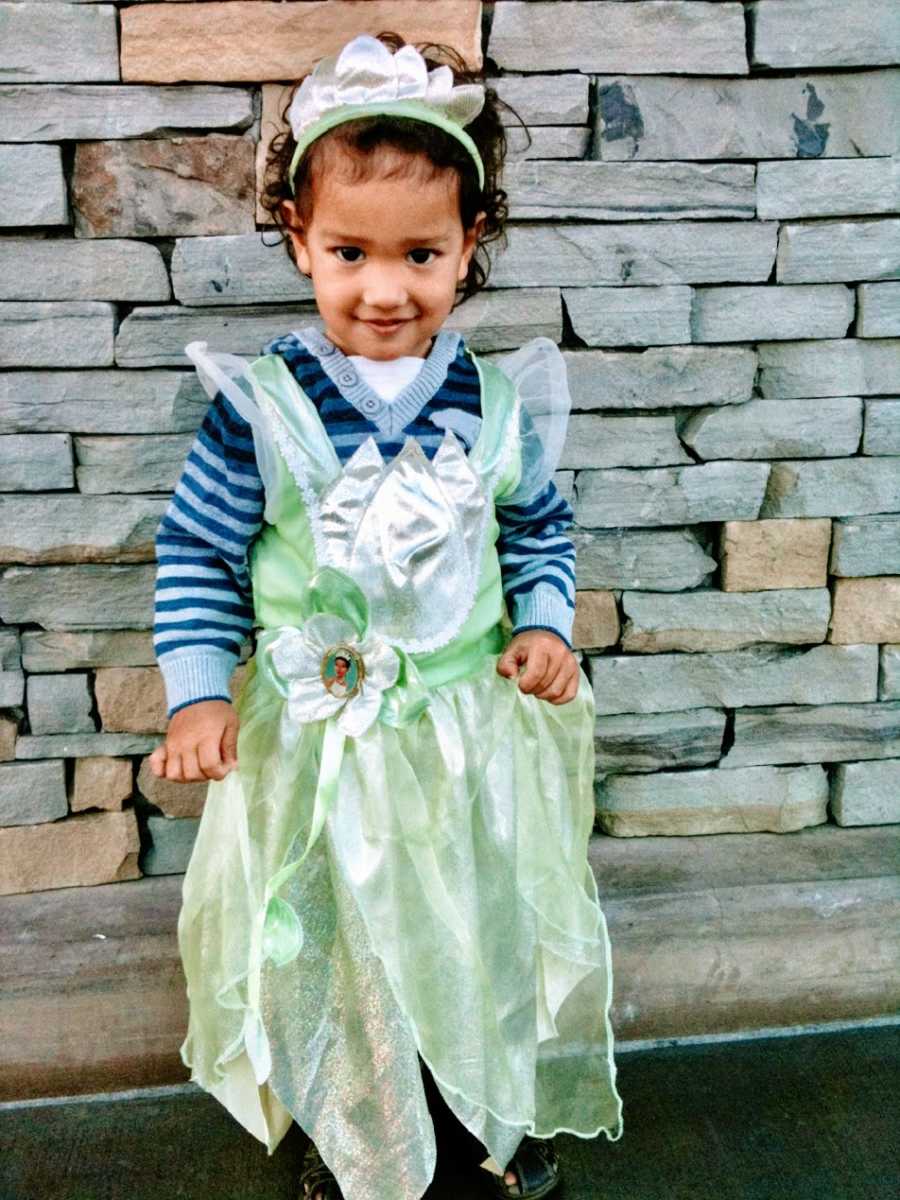
Once we embraced Raju’s love for princess dolls, another chapter began—clothing. It was October, and Halloween was approaching. My daughter chose to be the Little Mermaid, and she was thrilled. Raju, scanning the costume racks, immediately spotted Princess Tiana’s puffy green dress. “I want to be Tiana for Halloween!” he shouted. I hesitated for a moment, thinking of what others might say, but then realized: he was clearly expressing his joy and identity. We bought the costume. Watching him twirl in it that Halloween, I understood an important lesson: happiness is more important than societal norms. By letting him wear what made him happy, I was teaching him to honor his own truth.
Over the years, Raju’s expression of himself through clothing only grew bolder. He loved princesses, unicorns, headbands, and jewelry. When my daughter outgrew her Little Mermaid top, she happily passed it down to him. But this joy collided with reality on school picture day. Raju wanted to wear the top for his photo, and my daughter protested, worried about what her classmates would think. I took the moment to teach her about honesty and happiness. “Why do you wear your favorite outfit?” I asked her. She explained it made her happy. Then I asked, “Why can’t your brother have the same happiness?” Tears welled in her eyes as she understood. She handed the shirt to Raju, and though we were late to school that morning, he proudly wore it in his school picture. Each time I see that photo, my heart swells with the memory of the lesson we learned together.
The following year, Raju wore his own Little Mermaid tee again, while my daughter chose her soccer jersey for pictures, telling peers, “Because it makes me happy.” I can’t help but think Raju’s fearless self-expression gave her the courage to follow her own happiness, too.
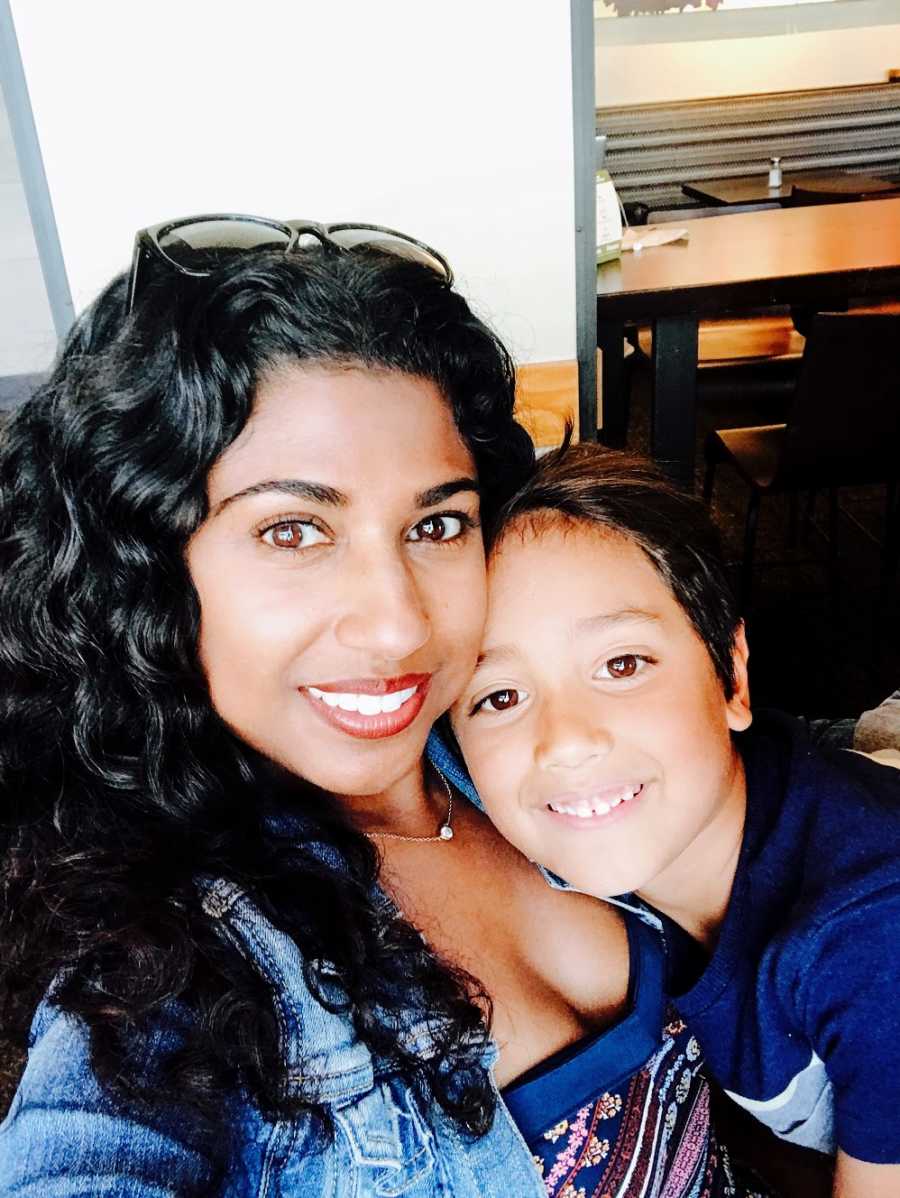
Watching Raju live unapologetically as himself has taught me more than I could have imagined. He has achieved self-acceptance at an age when most adults are still struggling. I’ve asked myself, “If he can be brave enough to follow his joy, why can’t I?” Parenting, I’ve learned, is about listening to our children and trusting their inner compass, rather than the expectations of society. Kids know who they are long before the world tells them otherwise.

Advice from others—“Don’t let him play with dolls, you’ll make him soft,” “He’s too feminine,” “What will people think?”—felt wrong from the start. What matters is seeing our children genuinely happy, not molding them to fit outdated norms. By supporting Raju, I’ve discovered the freedom of letting go of social rules and tuning into our family’s truth.
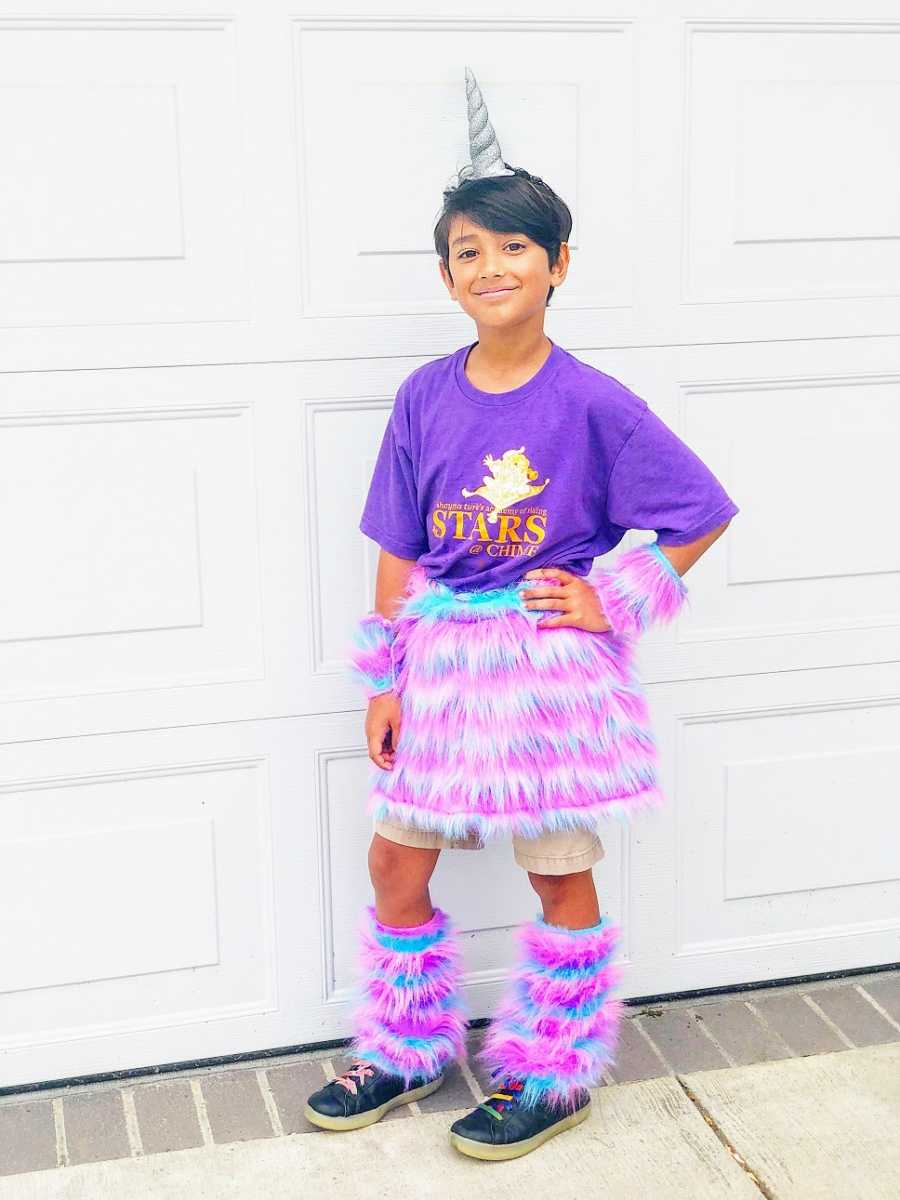
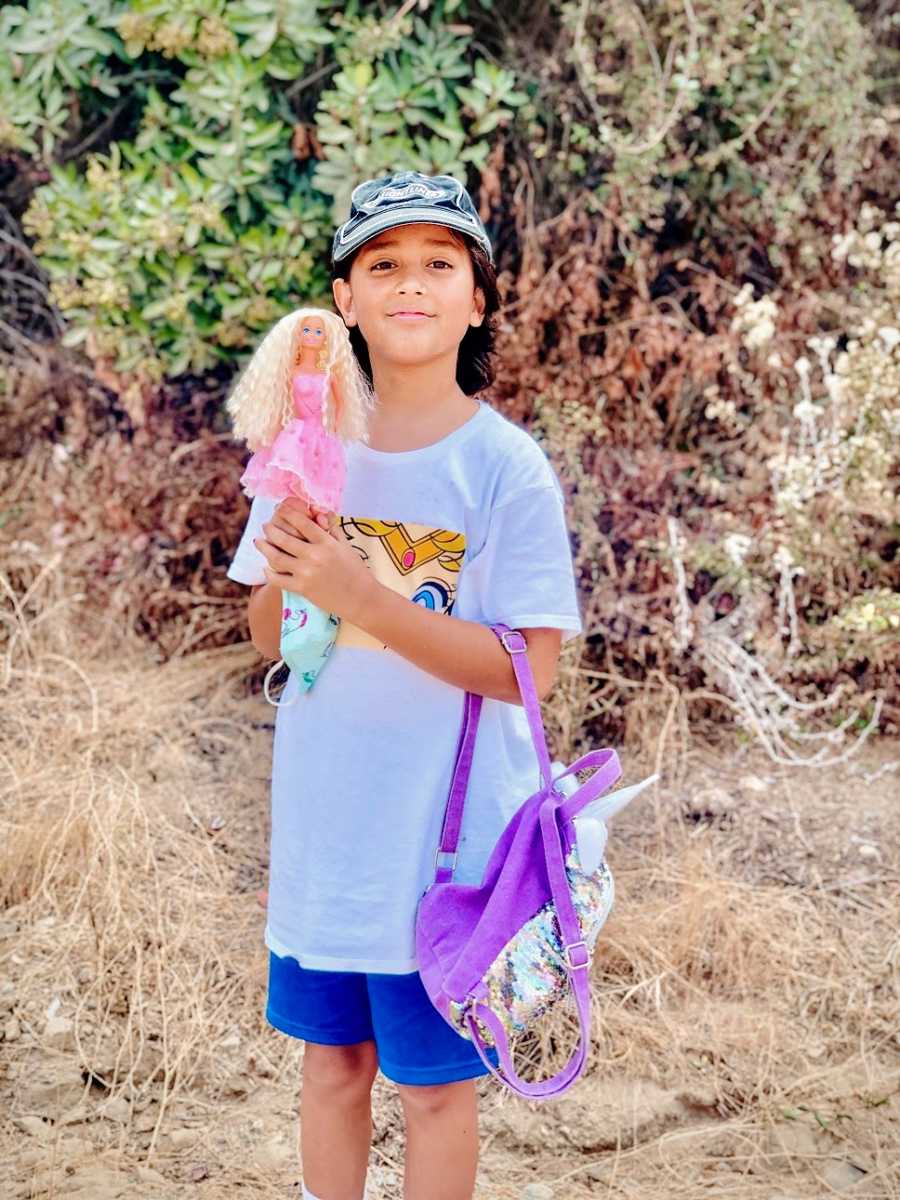
Our children should celebrate who they are, unafraid and unashamed. I share our story for those kids silently struggling and for parents unsure of the right path. Let your children’s happiness guide you. Look at them with openness. Fill them with strength. Accept them fully, and they will learn to honor themselves.