Hindsight is a strange thing. It stirs up a thousand “what-ifs” about childhood—what if I had known the word anxiety as a child? What if someone had noticed the signs of depression in me sooner? What if I had realized that the overwhelming sadness, worry, and fatigue I felt were cries for help? What if I had known that help was there all along, waiting for me to reach out?
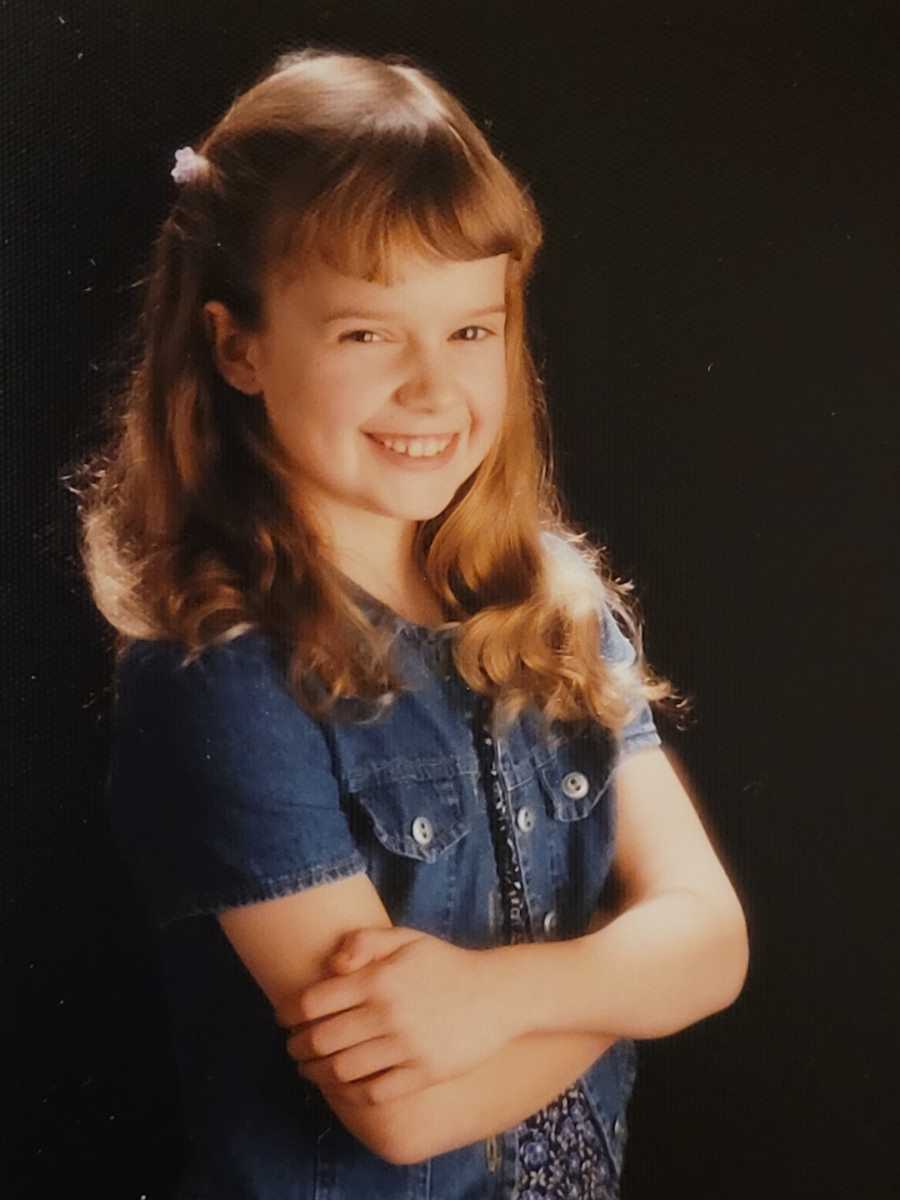
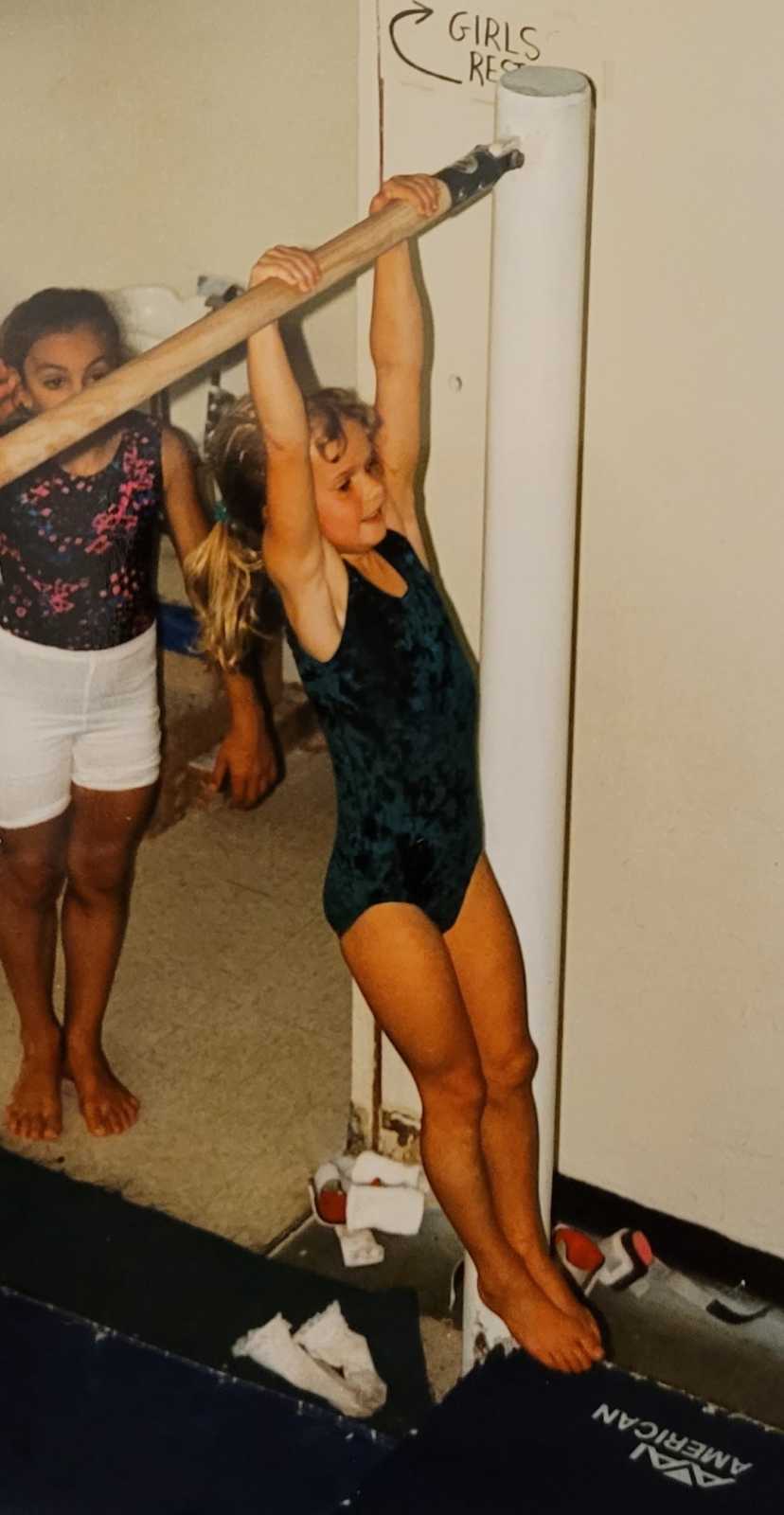
As far back as I can remember, I lived with anxiety. But so many pieces of my life made it difficult to recognize I was struggling with my mental health. I grew up in the ’90s, a time when mental health wasn’t openly discussed. Without the language to describe my feelings, I couldn’t express them—not to others, and often not even to myself. On top of that, I was a competitive gymnast, a world where toughness was non-negotiable. Crying was weakness, vulnerability was hidden, and so I learned early that no one must see my tears. Without words or outward signs, I had no way to show anyone that I needed help.
I left gymnastics in high school, hoping to savor what was left of my childhood, to feel normal through school sports and hanging out with friends. I didn’t realize how abnormal my high school experience would be. The summer before freshman year, I was at church camp with my siblings, cousin, and friends, having the time of my life. During the final evening worship, I suddenly passed out and was rushed to the hospital. They dismissed it as dehydration. A few weeks later, after a band rehearsal, I passed out again. This time, doctors ran more tests and noticed something troubling on my ECG. I was referred to Seattle Children’s Hospital’s cardiology department, where I received the diagnosis that would change everything: Long QT Syndrome—a potentially fatal heart condition if not carefully managed.
Starting high school with this diagnosis was overwhelming. I had once witnessed a cross country runner collapse and die from the same condition, and at 14, I now knew my heart could also fail under certain conditions. Anxiety, which had been simmering under the surface for years, exploded into a daily companion. I was taken out of PE, barred from running on the cross country team, and required extra care just to get from class to class or participate in band rehearsals. The normal high school life I had craved vanished, and I still couldn’t articulate my feelings. Crying, showing fear, admitting stress—it all felt impossible. So I kept going, determined to be tough, determined to hide my pain.
High school continued as a blur of ER visits, cardiology appointments, heart monitors, and trials of medications to stabilize my heart rate. I tried to balance it all with being a good student and participating in lower-impact sports. Bowling and golf became my new outlets, and surprisingly, bowling gave me some of the happiest memories of my teenage years—memories I wouldn’t have had if it weren’t for my heart condition.
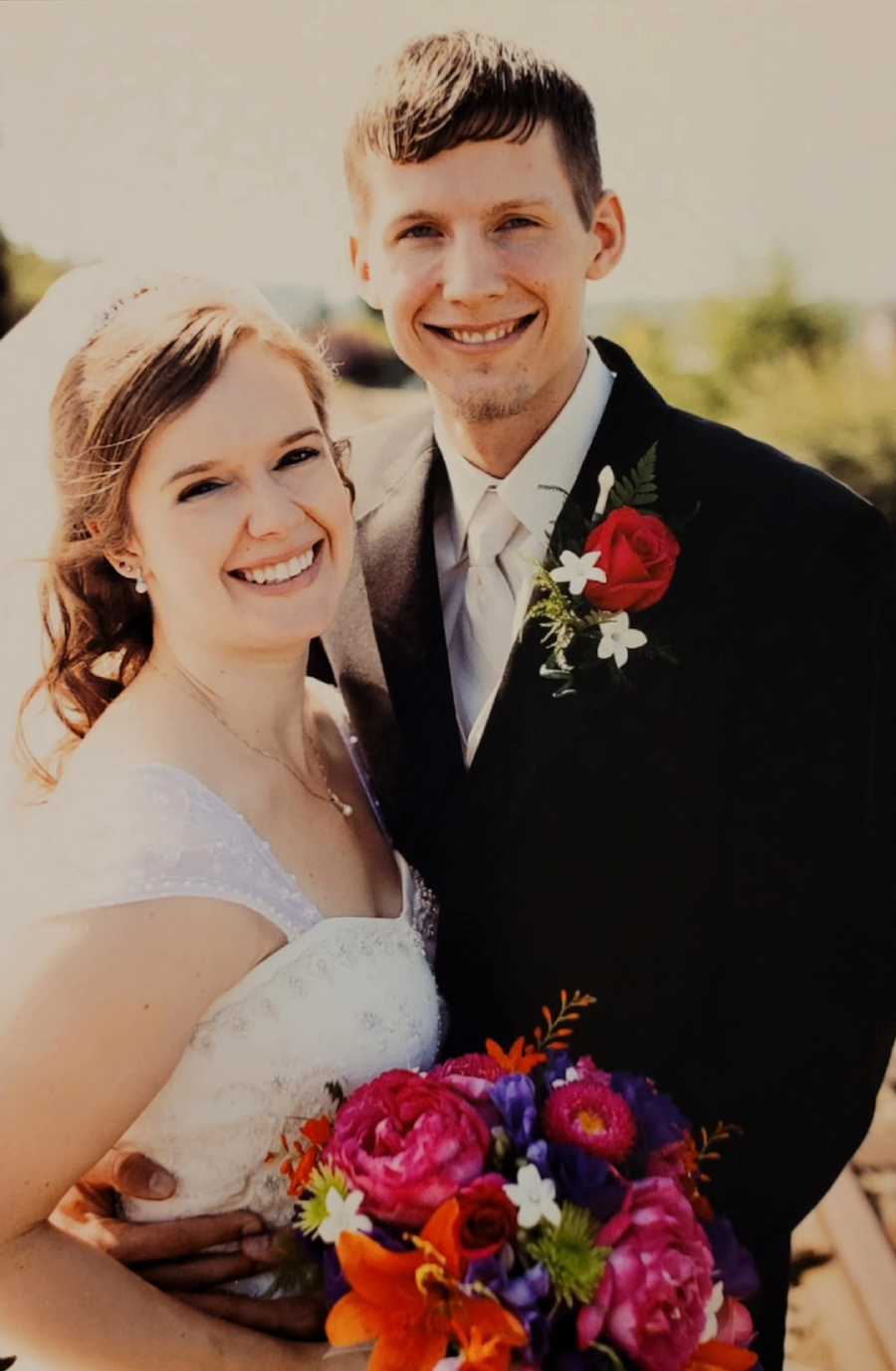
Even college plans were shaped by my diagnosis. I had dreamt of studying fashion in New York and eventually becoming a fashion buyer, but my parents and I agreed I needed to stay close to home for medical emergencies. I applied only to in-state schools and ended up at Seattle Pacific University. In hindsight, it was exactly where I was meant to be. It’s where I met my husband, Trustin—another young adult whose athletic dreams had been derailed by a sports injury. Two kids with big dreams, rerouted by medical circumstances, finding each other by chance.
College was stressful. Living on my own, managing a serious heart condition, and navigating academics left me vulnerable. Trustin became my anchor. He encouraged me to seek help and guided me to the campus counseling center. There, for the first time, I found the words to explain my feelings. I was diagnosed with anxiety and depression, and it felt like a weight lifted off my shoulders. For the first time, I realized my sadness and anxiousness didn’t have to be my “normal.” Medication, which I eagerly embraced, became my first tool in taking control of my mental health—a daily step toward feeling like myself.
A few years after college, more advancements in heart research led me to genetic testing. My diagnosis evolved: I was identified as having Type 2 Long QT Syndrome, a variant triggered by emotional stress. The news was both empowering and frustrating. I could now safely participate in sports I had abandoned in high school, but I was reminded that protecting my mental health was essential for my heart. The realization that my anxiety and depression had directly affected my heart was both sobering and enlightening. Hindsight, indeed, is an interesting thing.
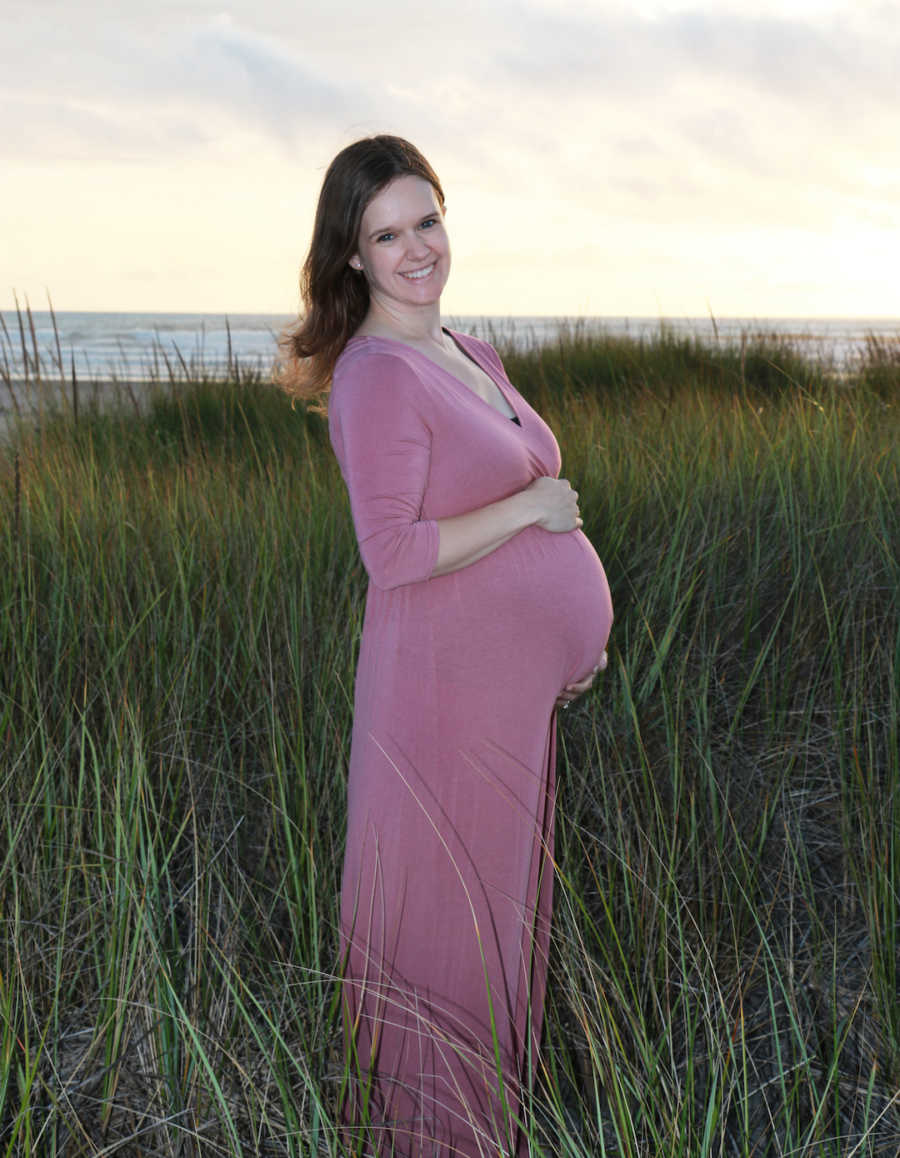
After the birth of my first daughter, I returned to therapy. Medications had shifted in effectiveness after pregnancy, and I needed extra support. Therapy revealed another piece of my mental health puzzle: a diagnosis of cyclothymia, a mild form of bipolar disorder. Each new label felt like a piece falling into place, helping me understand myself more fully. While society frowns on labels, for me they were empowering—they gave me tools to navigate life with clarity.
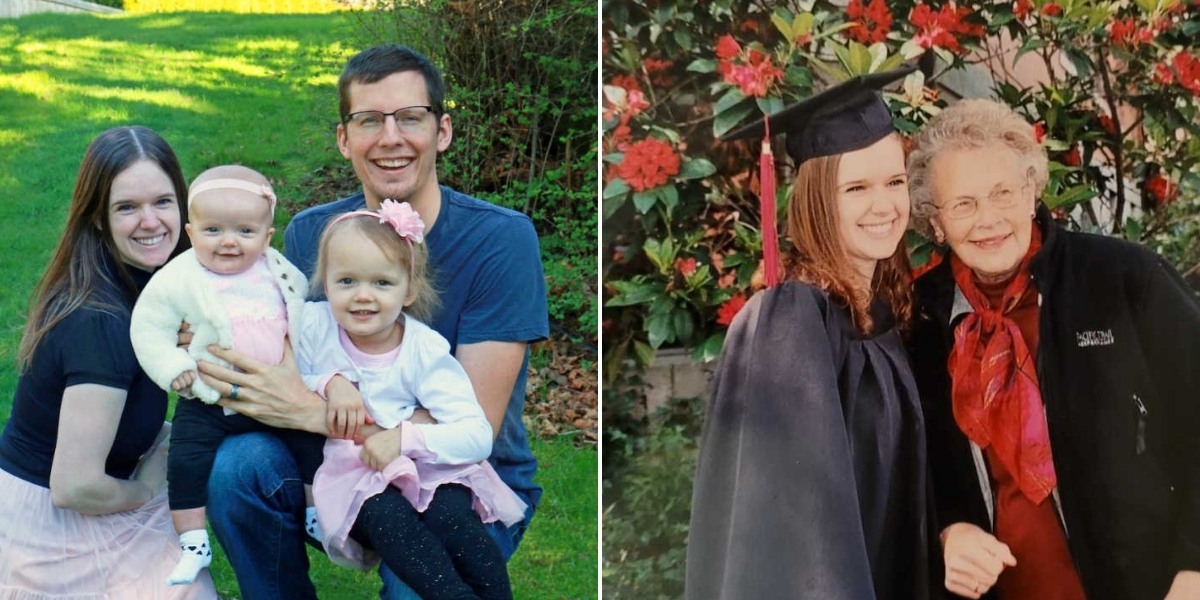
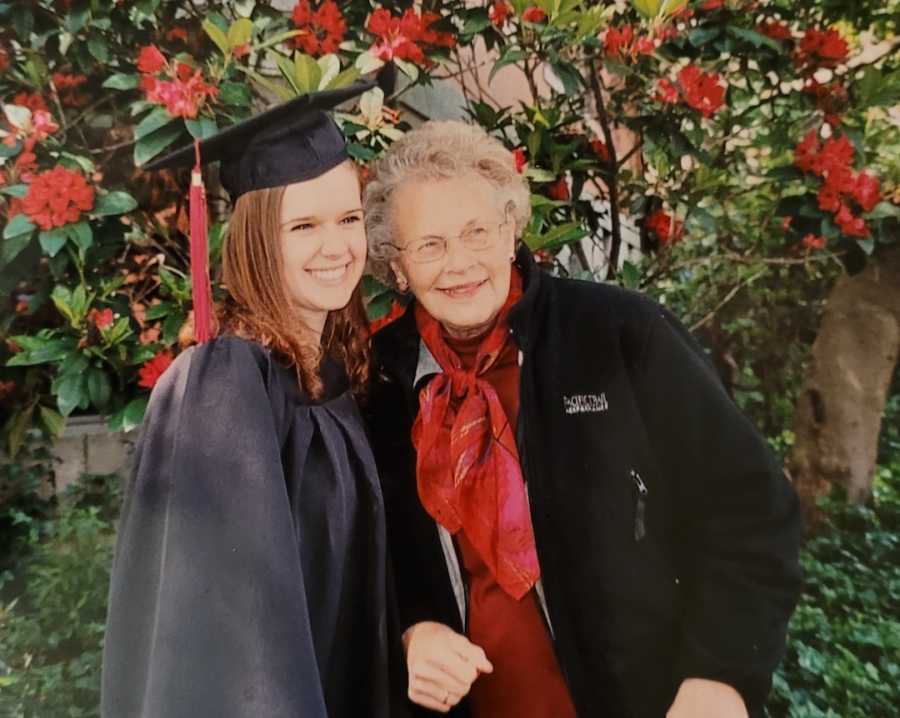
My second pregnancy brought a brief respite, but after the birth of my second daughter, depression hit harder than ever. New medications, compounded by the isolation of the pandemic, only added to my struggle. Then my grandmother passed away. Grieving during a pandemic, with the world shut down and visits limited, was almost unbearable. I had a loving husband, two beautiful daughters, and yet I felt hopeless, numb, untethered. Even now, more than a year later, I am still navigating the early stages of grief.
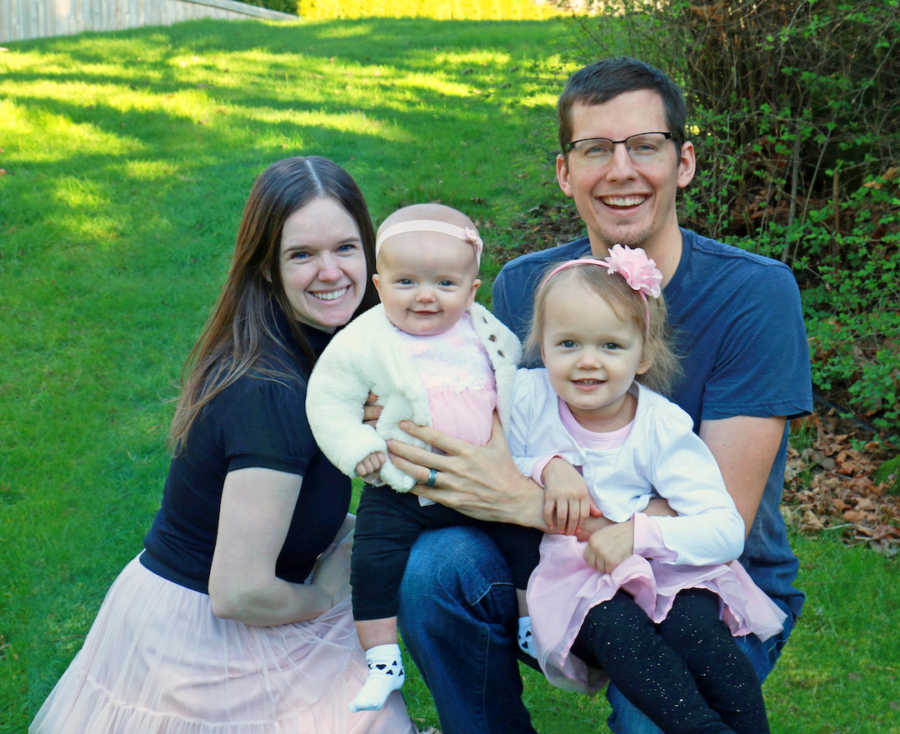
Through it all, I’ve learned the profound importance of mental health. My well-being directly impacts my heart condition, and my hope is to inspire others to take mental health seriously. As a mother, I get to model emotional awareness for my daughters, teaching them that expressing emotions and seeking help are powerful tools. If only I had known that as a child—hindsight, indeed.
Now, life is a careful balance of parenting, self-care, and reflection. Small daily rituals—a quiet coffee, a few minutes of solitude, creating content for TikTok—help me maintain my mental health and show up fully for my children. Living with depression and anxiety means that just getting out of bed some mornings feels monumental, and yet these small acts become victories.
I’ve spent a lifetime reflecting on my childhood, wishing I could have done things differently. While I can’t erase the past, I’ve gained the knowledge, tools, and hope to make changes now. I don’t have all the answers. I can’t erase mood swings or depressive episodes. But I know I can improve, slowly and intentionally, and that knowledge—combined with the hope it brings—is what keeps me moving forward.