
There are two questions people ask almost every time they find out we’re foster parents:
“How did you decide to foster? I don’t think I could handle it; I’d get way too attached.”
“When did you know the timing was right? I just don’t have enough time or energy to do that.”
The truth is, there wasn’t a dramatic “aha” moment or a clear sign from the universe telling us to become foster parents. My husband and I had talked about foster care and adoption even when we were dating. Both of us felt a deep calling to open our hearts and our home to children in need. After we got married, we became pregnant, and just a few months later, we began the foster care licensing process. We knew life would only get busier, but we refused to put fostering on the back burner.

The honest truth is, there’s never a “good time” to become a foster parent—because there’s never a “good time” to open your heart and risk it being broken.
But here’s what’s even more important: there is also no convenient time for a child to be ripped from everything they know—home, family, friends, neighbors, toys, pets, their bed, even their school and teacher. Everything familiar, pulled away in an instant. There’s no moment that makes it okay to pack a few belongings into a garbage bag and go live with strangers.
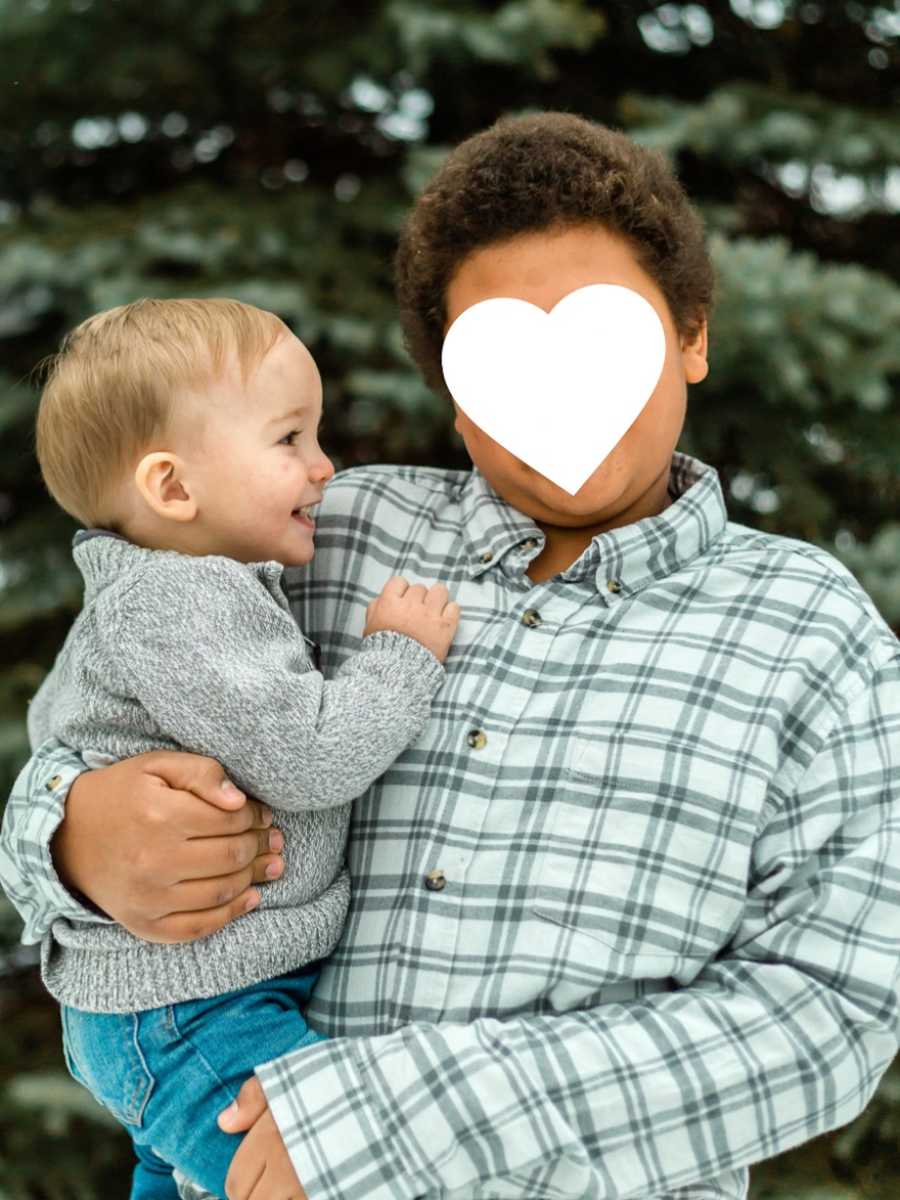
My heart is not stronger than anyone else’s. I do get attached—too attached sometimes. There are days I hide behind the bathroom door and cry. Every night, I pray, asking God to give me strength, to let me be enough for a child who has never had enough from anyone. There is always a nagging feeling that we could be doing more. Loving these children as fiercely as we do, knowing that one day we may have to let them go, never gets easier.
But being “too attached” is exactly the point. I would rather bear the heartbreak than allow even one more ounce of hurt into the life of a child who has already known too much pain. These kids—tiny lives broken and betrayed by the very systems and people meant to protect them—were never meant to carry this burden alone.
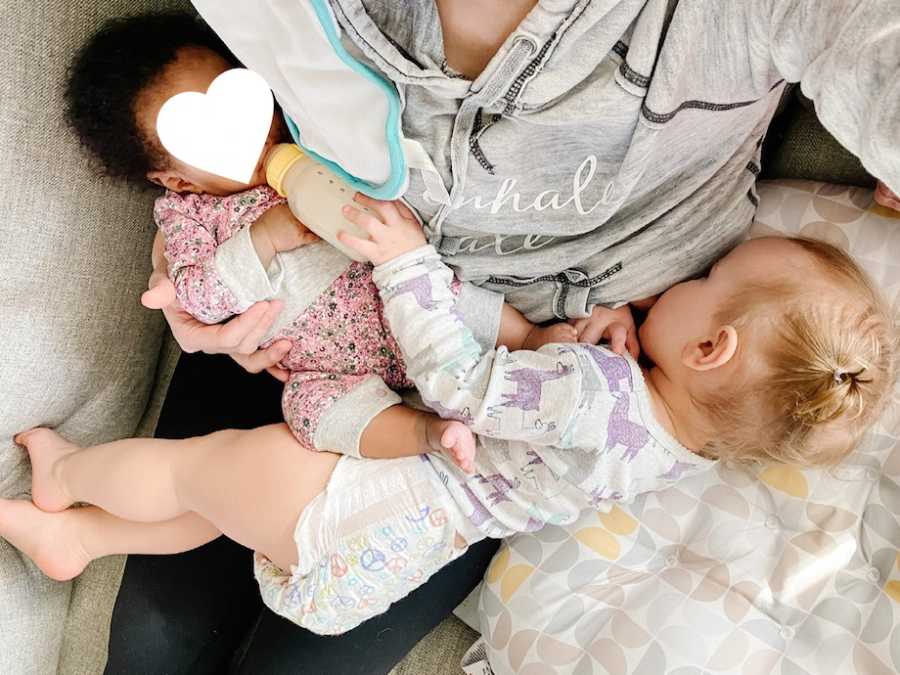
It is utterly unacceptable for a 3-month-old, just removed from her mother’s arms, to spend the night in a social worker’s office because someone was afraid to love her too much. It is unconscionable for an 11-year-old boy to wonder if he will sleep with bed bugs again simply because we valued convenience over the outcome of his life.
These children should not bear this weight. We, the adults, must carry it for them. Not because it is easy, not because it isn’t heavy—but because this is the work we were called to do by a God who can sustain us even when our arms grow weary and our hearts ache. Psalm 55:22 reminds us: “Cast your burdens on the Lord, and He will sustain you. He will never allow the righteous to be shaken.”

Of course, not every family can provide foster care—and that’s okay. Just because you cannot foster doesn’t mean you cannot help. Half of all foster families quit within the first year because they feel alone. Half. We all know the saying, “It takes a village,” and foster families need that village now more than ever. So if you cannot foster, support a family who does.
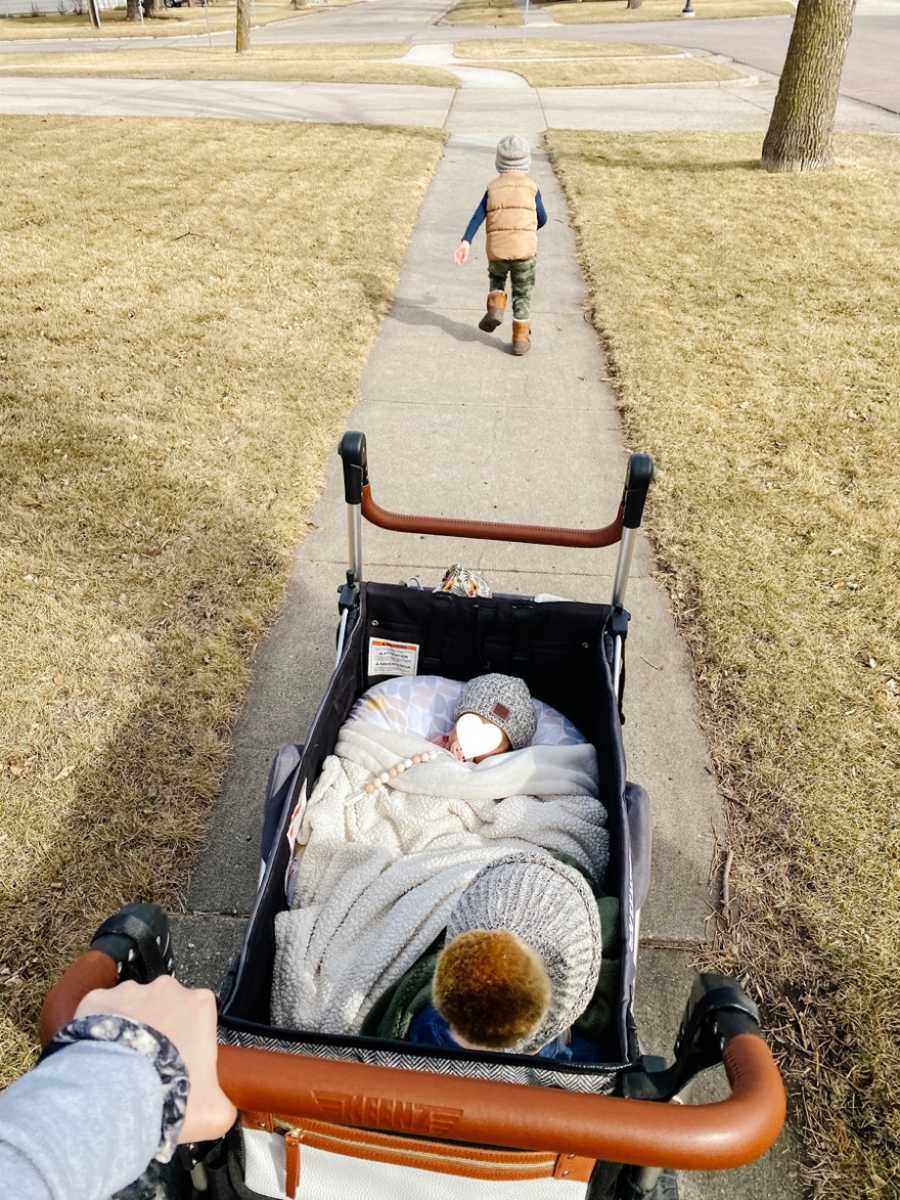
And let me be very clear: please, don’t just say, “Let me know if you need anything.” Most foster parents don’t have the mental bandwidth to make a list. Here’s what truly helps:
- Food. Any meal is a gift. Show up with it. We are not picky, and we are profoundly grateful if we don’t have to buy, plan, or prepare it ourselves.
- Clothing and supplies. Many children arrive with nothing. Our first placement came from a home with bed bugs and didn’t even have shoes. Formula, diapers, clean clothing—nothing is too much.
- Help at home. Fostering adds dishes, laundry, and mess. If you’re able, lend a hand with chores, or consider a trusted local maid service.
- Babysitting and respite care. Rules vary by state, but foster parents need date nights and breaks just like any other parents. Some cannot even take newborns without support. Did you know you can become a licensed respite foster parent to help other families?
- Company. Spend time with the children—read to them, play with them, watch a movie, or just listen. Allow us to vent, cry, and process the emotional roller coaster that is foster care.
- Prayer. Pray for foster children, foster families, social workers, and birth families. Pray for the broken system. And if you feel comfortable, tell us you’re praying—it encourages us more than you know.
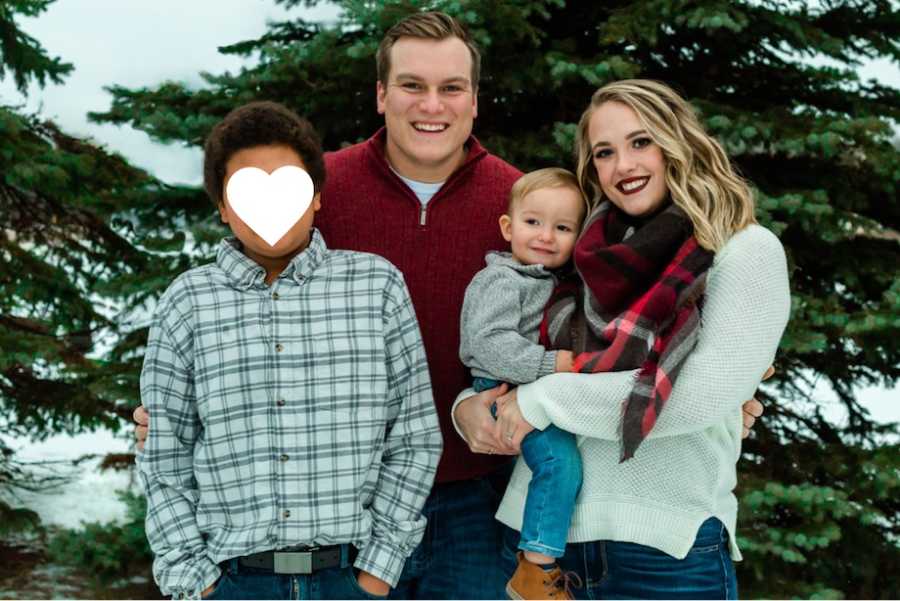
We can spend our lives waiting for God to put a child in need on our doorstep, or we can become that doorstep. We can show up with a meal, a helping hand, or a shoulder to cry on. Foster parenting has been the greatest honor and the deepest heartbreak of my life, and it has been worth every second.
As one poignant reminder says: “If I’m afraid, so a child feels safe; if I cry, so a child learns to smile; if I give of myself, so a child learns to receive; if I die a little inside, so a child comes to know The One who dies, then it is all worth it.”
—Amelia Peterson