Her voice cut through the hum of traffic outside my office window. “We don’t know why it isn’t working,” she said.
I looked down at my shirt—navy blue stripes.
“…but what we do know,” she continued, “is that you cannot get pregnant.”
I closed my eyes. Navy blue stripes. The rest blurred into a fog I could never quite bring myself to walk back into.
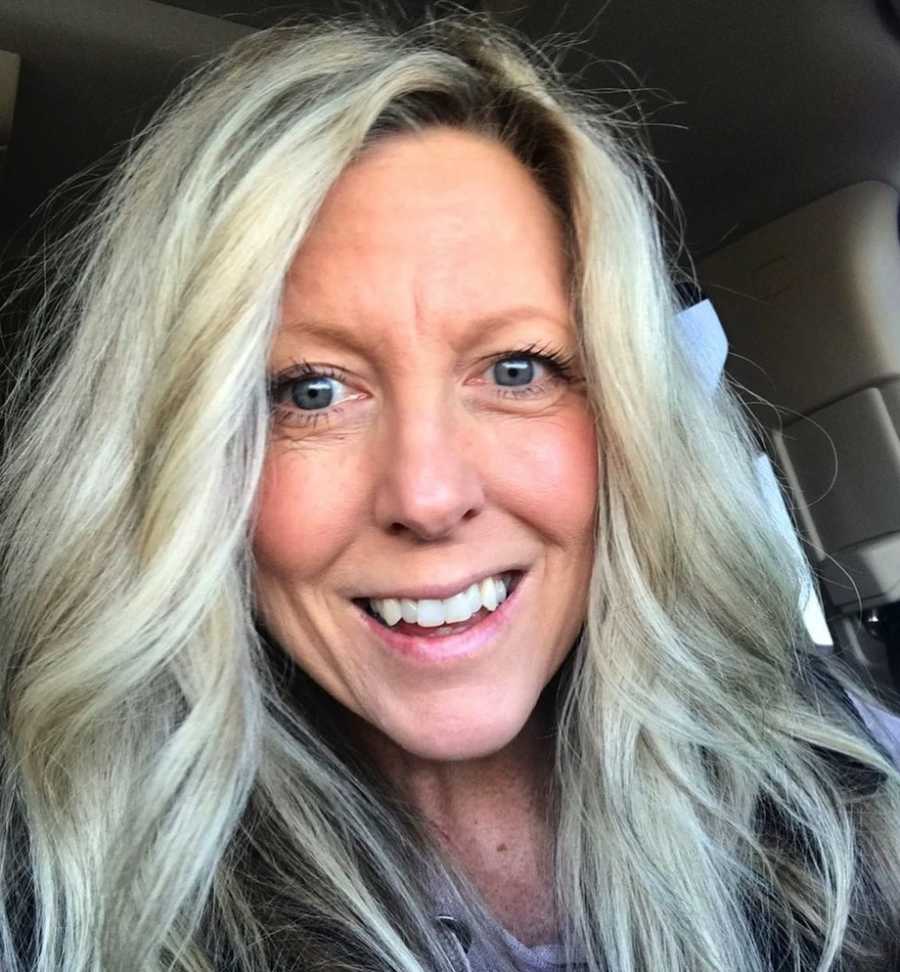
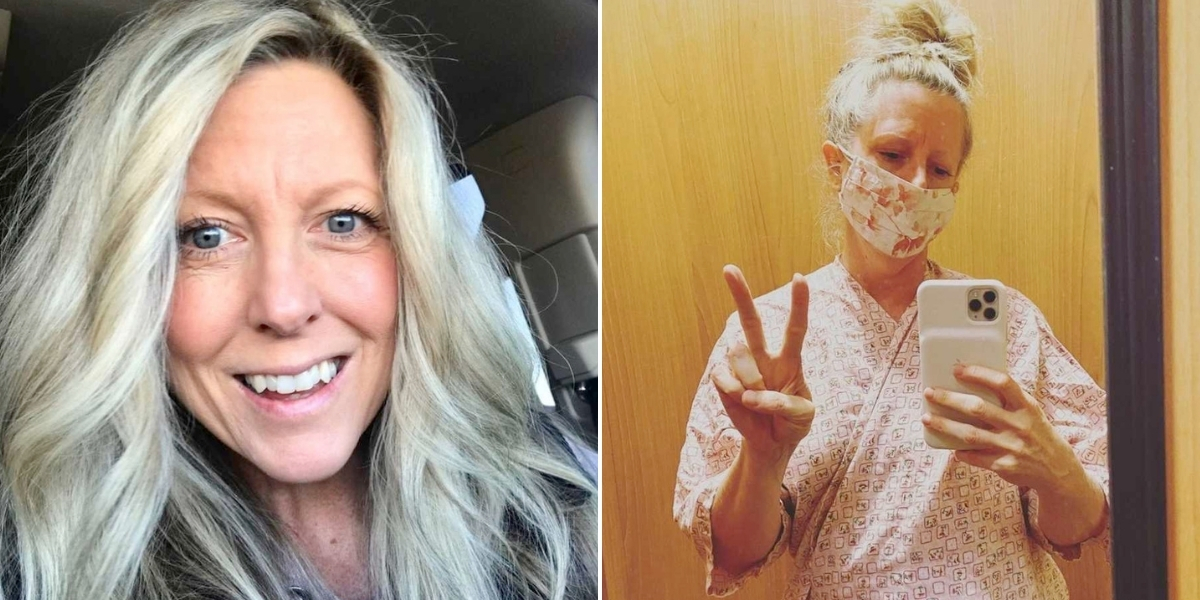
That was the last conversation I ever had with our fertility specialist. Years of trying to grow our family beyond just my husband and me—tens of thousands of dollars spent out of pocket, hundreds of needle pricks, more than 100,000 miles on our car, countless medical appointments, and infinite tears—all led to this one phone call in the middle of my workday. I’d taken too many calls like this before, and yet, this one carried a quiet finality I felt deep in my heart: this is the last time. And you never will be pregnant.
I never heard from her or anyone on her staff again.
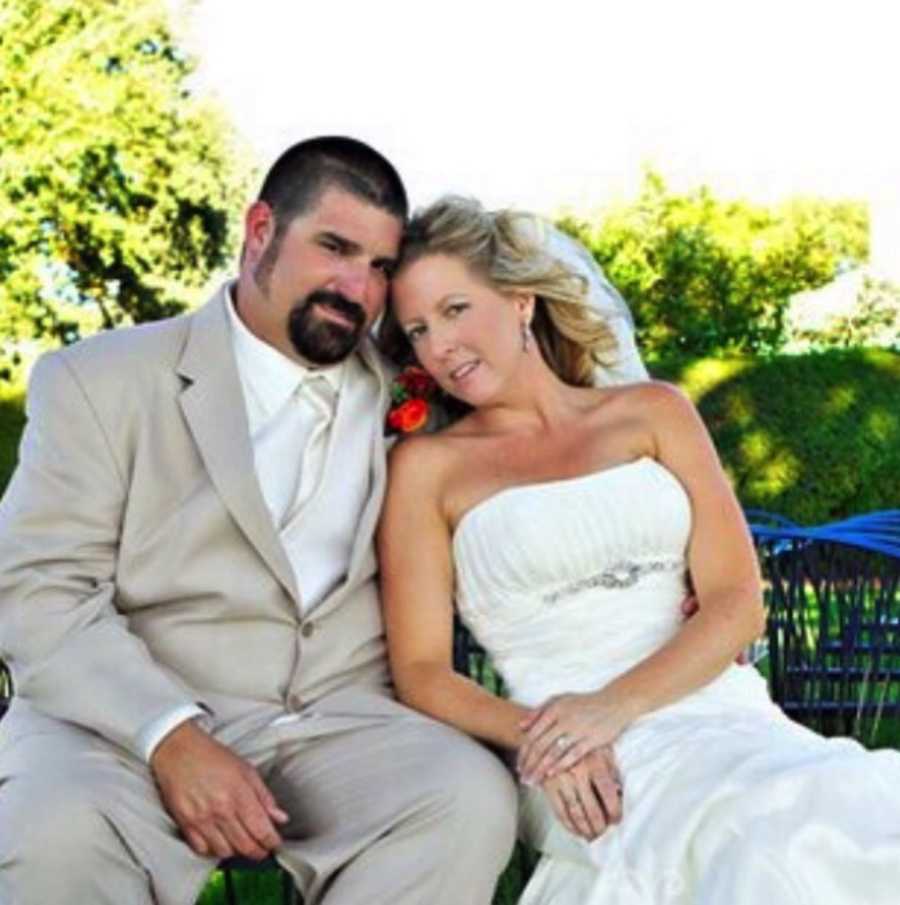
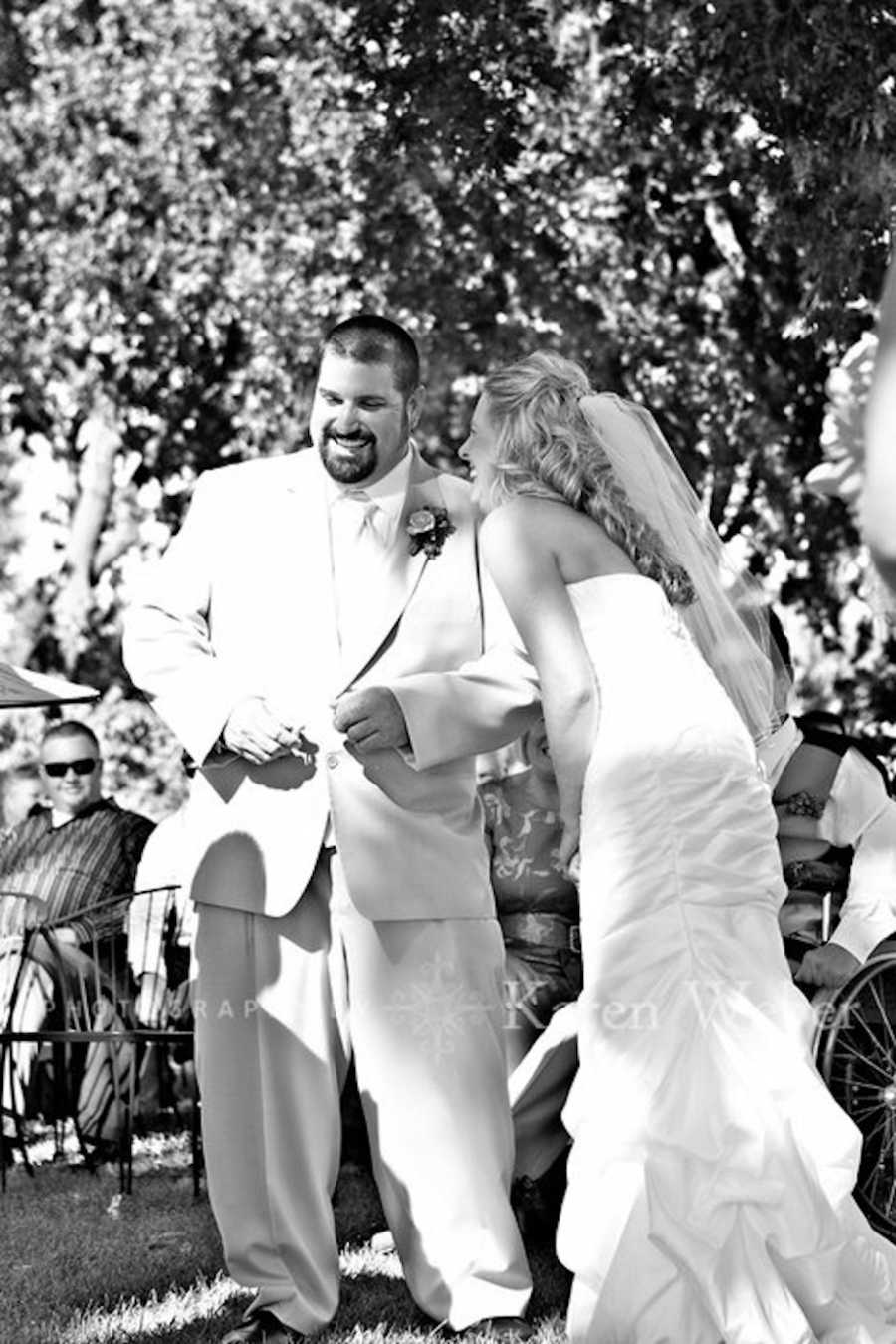
My husband and I met in 2004. After six years of dating, we married on a perfect September day, surrounded by family, friends, and love that felt endless. From that day forward, we knew we wanted children—biological children—and we began trying immediately.
It wasn’t long before we realized we would need help. The following years were an endless series of medical challenges: surgery to correct a birth defect, pills, ovulation test kits, self-injected hormones, procedures, weekly lab draws, long waiting periods, and repeated negative results. Four years of our lives unfolded this way, a cycle of hope and disappointment that never seemed to end.
We sought second and third opinions. We shared our struggles with almost no one. We lied to get out of social events. We covered our pain with smiles and rehearsed excuses. Every question about “when the babies are coming” felt like a gut punch. My husband and I perfected a look, a shared expression that said, not now, not ever, while the world continued to demand answers.
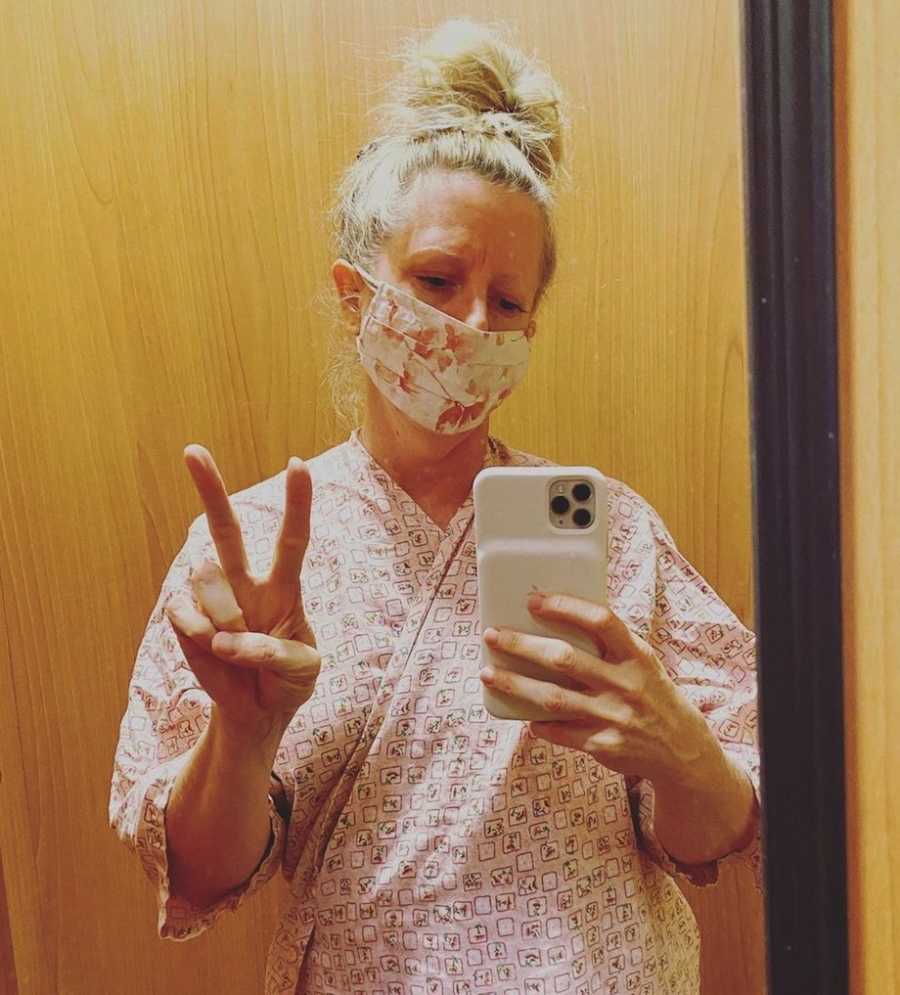
I came close to breaking completely during those years—and it’s no surprise that eventually, I did.
And yet, I was not alone.
I now know I am not the only person who fought through years of infertility and never brought home a child. At the time, though, I believed our story was the most heartbreaking ever told. No one else could possibly have been as devastated as we were.
I now understand I am not the only one who, under the weight of guilt and heartbreak, begged their partner to leave. I am not the only person who hated their own body for what it could not do. I see now we are not the only ones who felt judged for our choices, shamed for “giving up,” or abandoned by prayers that never seemed answered. Society told us that children were the ultimate measure of love—and we were made to feel that without them, we were incomplete.
Our decision not to pursue other family-building paths is no one’s business but ours. Choosing not to continue down one path does not mean we did not want it badly enough. And while our hearts quietly ache for the children we never held, our lives today are full, joyful, and purposeful.
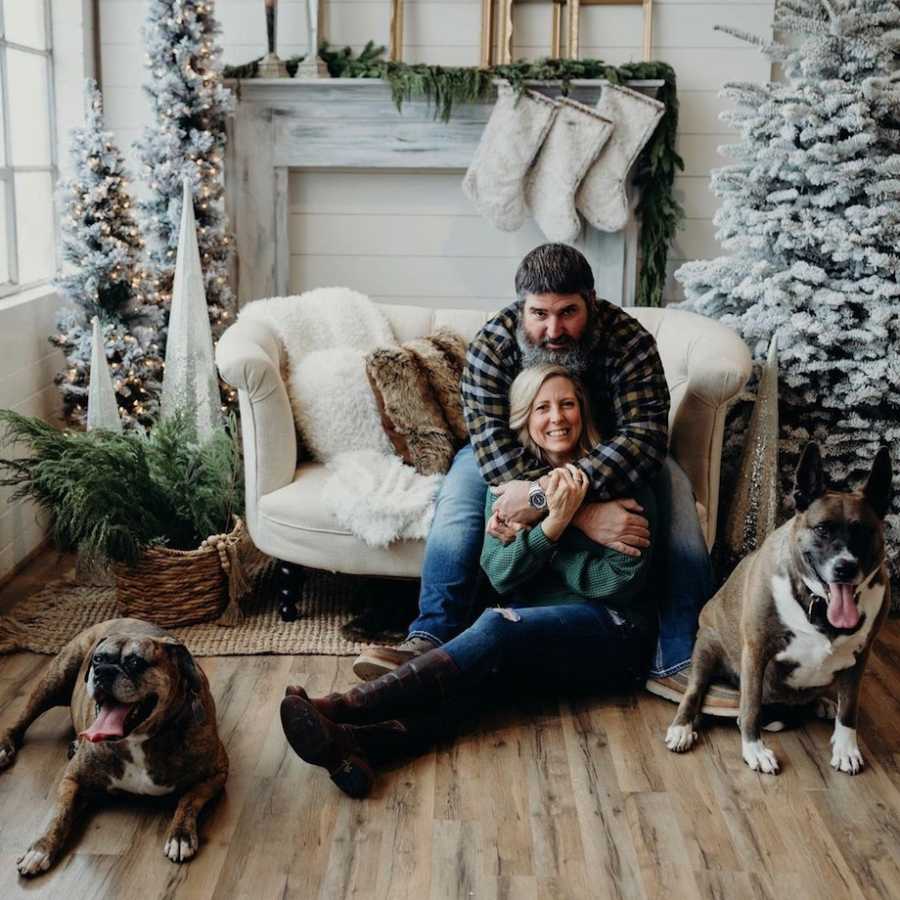
Assisted reproductive science is incredible, and many who face infertility succeed with its help. Surrogacy and adoption offer beautiful paths to family. But the pressure to “never give up hope” can become toxic. Sometimes, giving up is exactly what is needed to survive—this is a truth I lived. Not all family-building paths are guaranteed, and none are free from the possibility of failure.
Stories that end without children deserve to be told and heard. Those who have fought valiantly and lost their fertility battles need hope just as much as those who will bring children home. Hope should be all-encompassing.
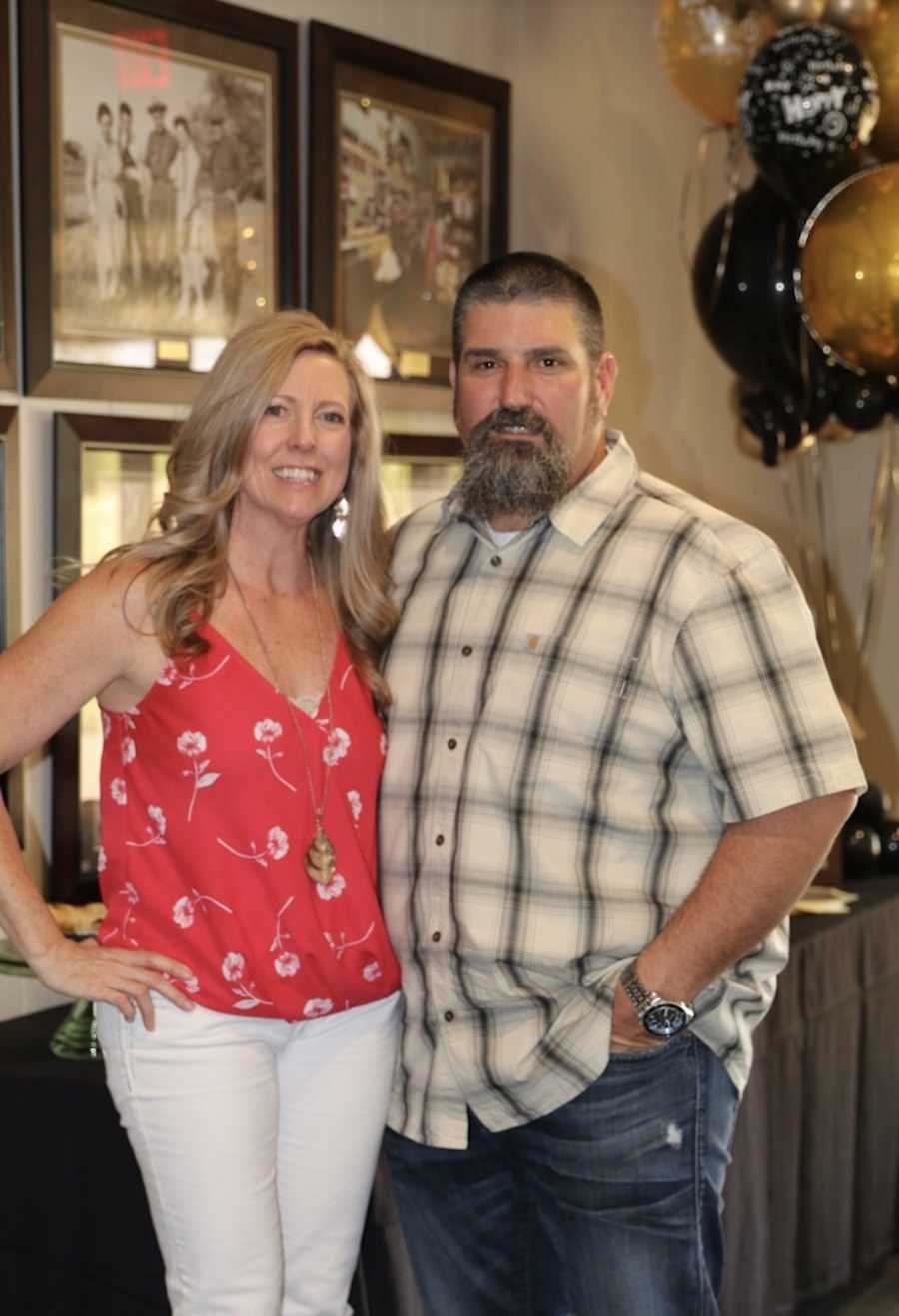
Life may not look the way we imagined, but it is still a good life. Nothing is wasted. The love I held for children that never came has found other ways to bloom. My family, friends, and community need love, and that is what a mother gives. I am a mother—just in a different way.
Today, we live fully in a life we might never have imagined. We chase goals and dreams that may not have existed if children had come. Life is not a consolation prize; it is what we choose to make of it.
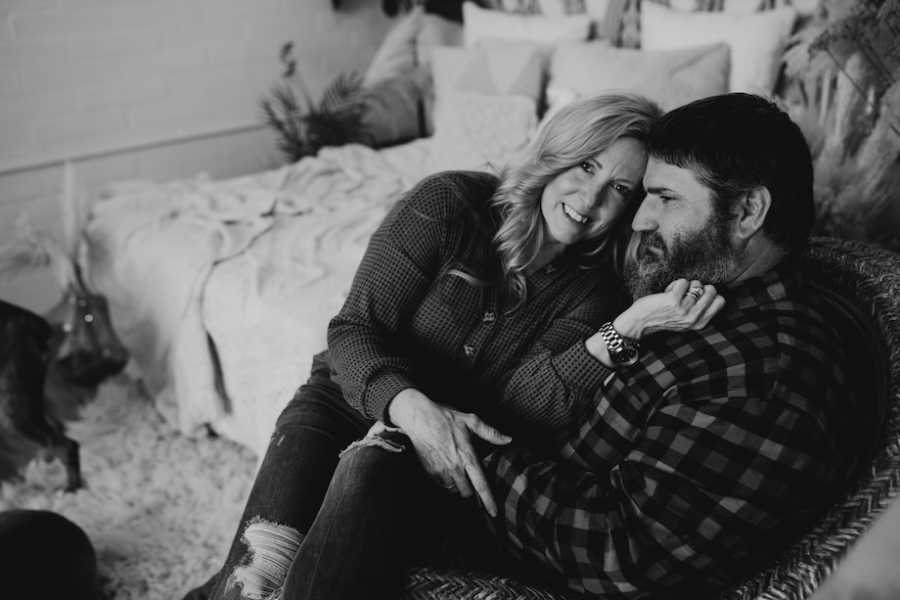
Part of my healing has come from giving back to the infertility and family-building community. When we were trying, local support was scarce, nonexistent even. Now, I advocate for and help build a community that welcomes every season of infertility and family building. Our peer-led group meets monthly, in person and virtually, sharing laughter, tears, resources, and encouragement. Simply sitting across from someone on a similar journey brings life to our individual paths. And for those still working to expand their families, I hope I can be a small shred of proof that even if the numbers don’t grow, life can still be good. Infertility—even when it ends in loss—is survivable.
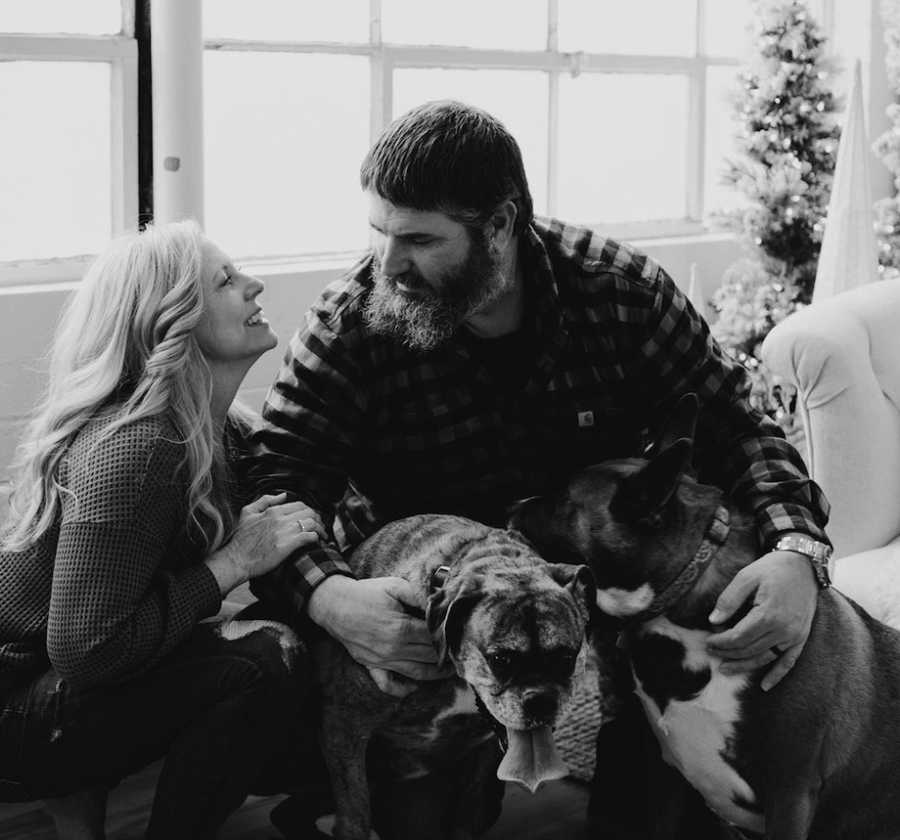
The memory of that final call from my doctor and the navy blue stripes on my shirt still lingers. But today, rather than reopening old wounds, it serves as a marker of how far I’ve come. Even when I couldn’t see it, there was light in my story. And there is light in yours too.