Growing Our Family
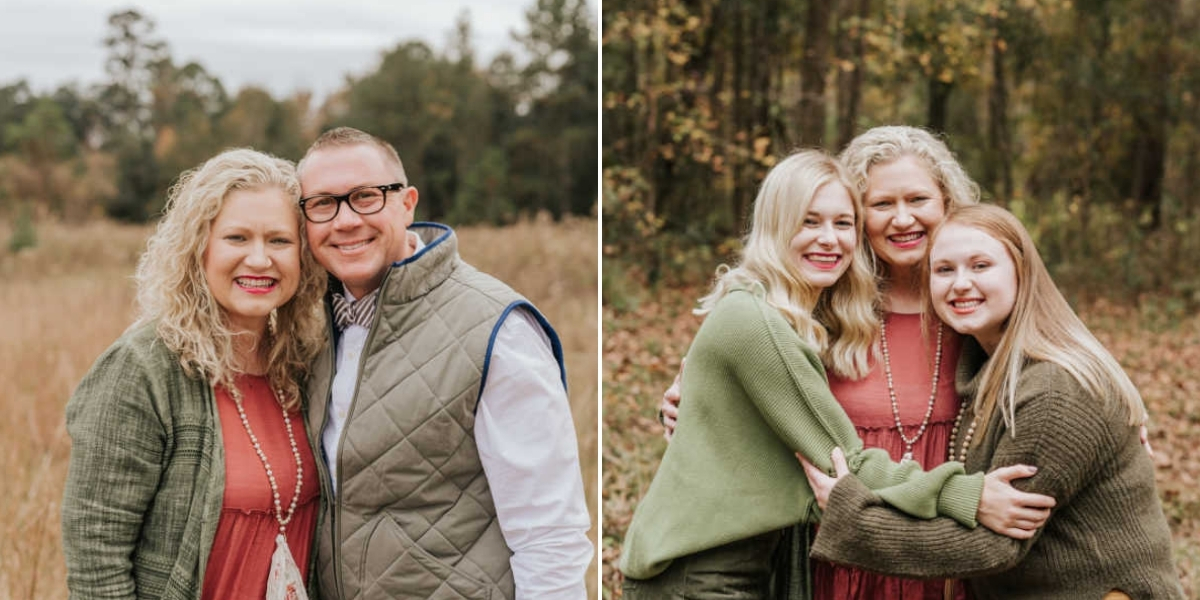
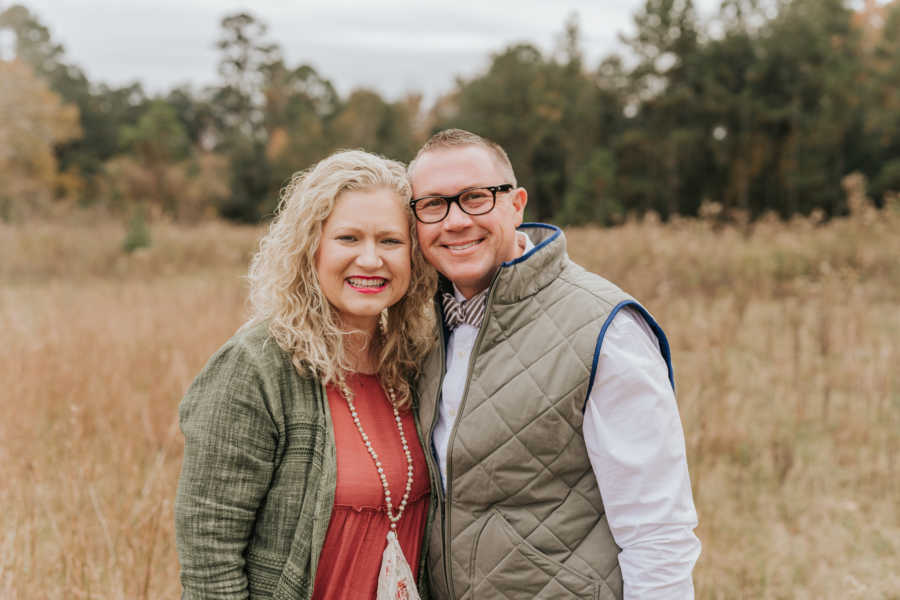
Every story has a backstory—an origin story of sorts, like in the superhero movies. We are certainly not superheroes, but our journey does have a beginning that explains how we arrived where we are today. My name is Tony, and my wife is Carla. She is beautiful, strong, and truly my best friend. We met in 1997, during a difficult season in her life that ended in divorce. Our paths crossed at my family’s restaurant, where we began talking simply as friends. One day, a coworker encouraged me to ask her out, and that single nudge changed everything.
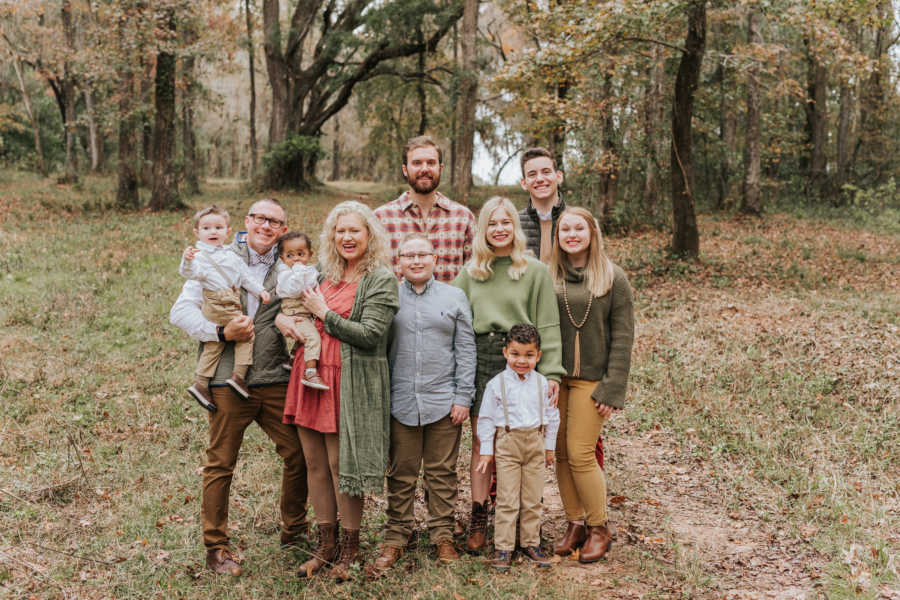
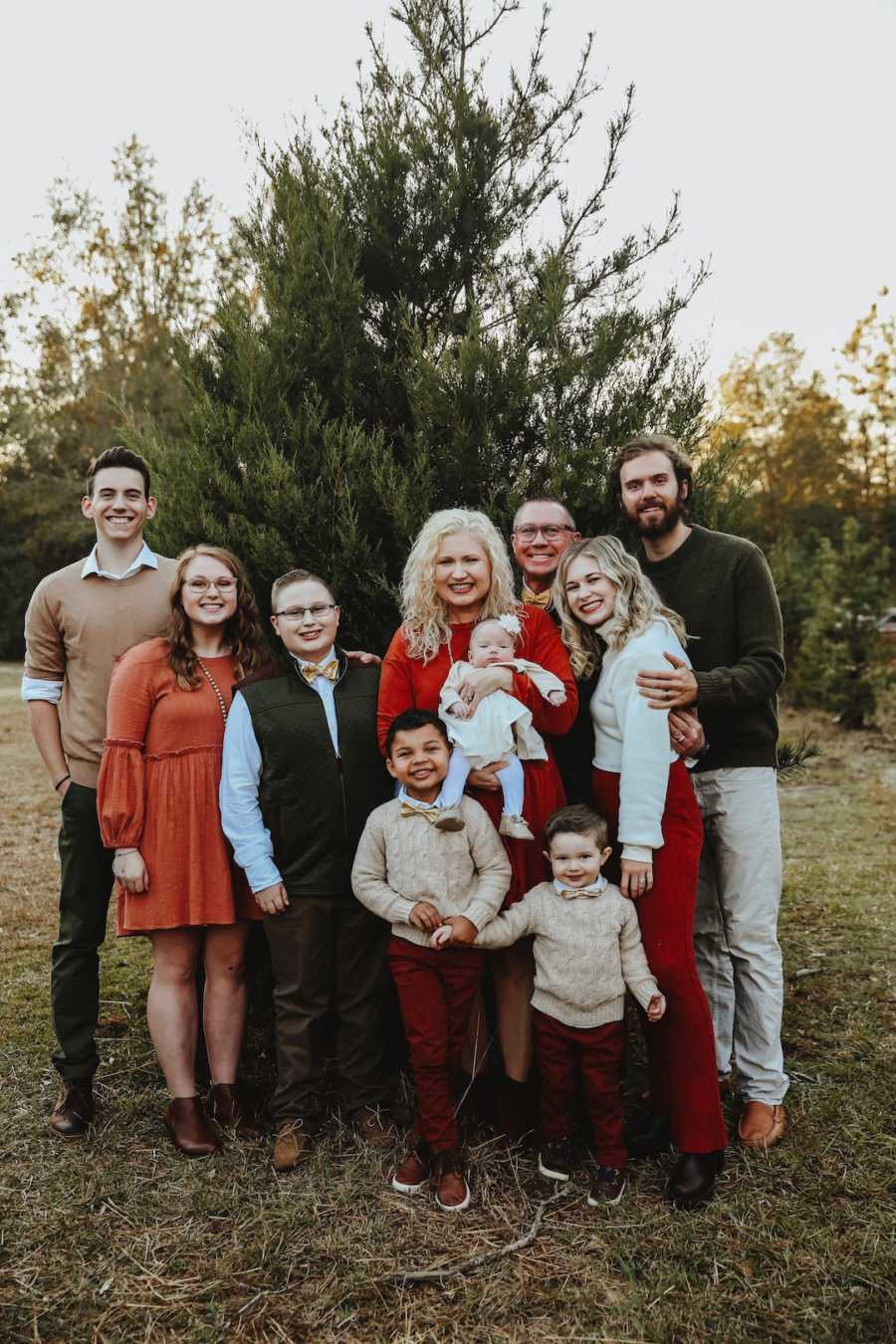
From the very beginning, I became a dad. Carla’s two-year-old daughter, Shelby, stole my heart instantly, and just like that, we became a family. In time, Carla and I married and settled into our life together. Our second daughter, Sydney, joined our family, and years later—five years after that—a miracle arrived in the form of our son, Sawyer. Our family felt full, blessed, and steady.
Further down life’s road, Carla and I attended an adoption seminar with friends who had been talking about fostering and adoption. We went simply to learn, dipping our toes into unfamiliar waters. That night, a small ember was lit in our hearts. We learned about trauma, neglect, Trust-Based Relational Intervention (TBRI), and the work of Dr. Karen Purvis. We sensed that we had room in our hearts to foster, yet we hesitated and did not step forward right away. Our faith has always guided us, and we felt a calling to care for “the least of these”—those who cannot defend themselves. James 1:27 had long been written on our hearts: “Religion that is pure and undefiled before God the Father is this: to visit orphans and widows in their affliction…” Still, fear and uncertainty held us back.
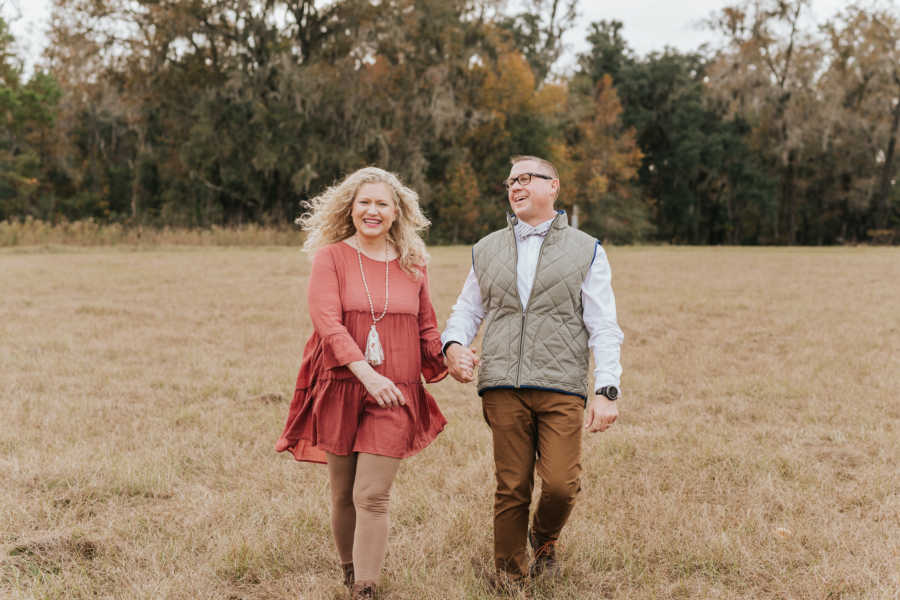
In 2011, we began teaching kindergarten Sunday School at Olive Baptist Church. It was there that Scripture became real and personal. Foster children came through our classroom, and we met families in our church who were actively fostering. Many of them were older, seasoned, and wiser, and Carla and I looked at each other and said, “If they can do this, why not us?” These families became our guides and encouragers. Then in 2015, life shifted abruptly—I lost my job. The stress was overwhelming, finances were tight, and fear crept in. But looking back, this was God clarifying our purpose. After a few months, a stable job came along, and with renewed resolve, we revisited the calling to foster and signed up for training.
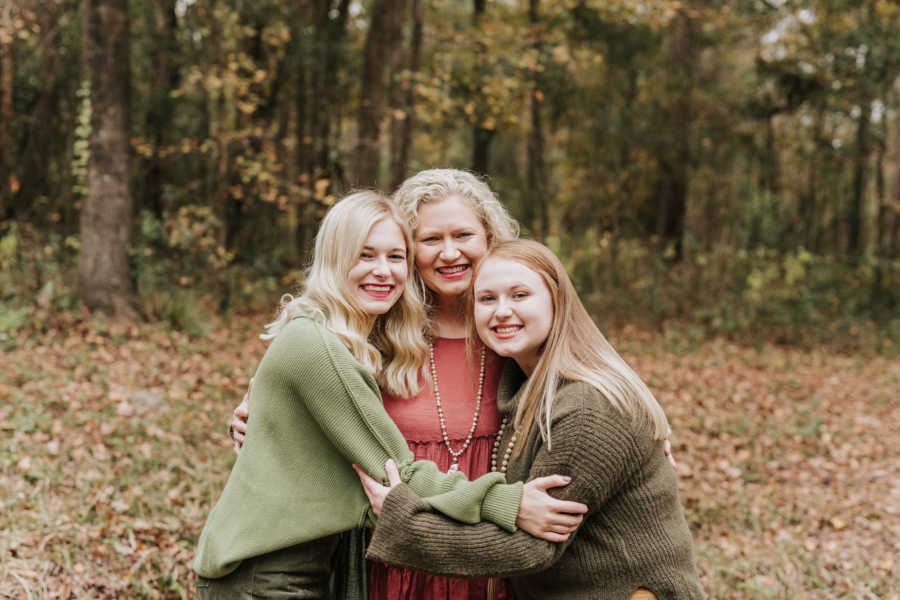
In the fall of 2016, we completed Quality Parent Training (QPT). We learned why children enter foster care and what it means to be “middle parents”—loving children deeply while standing between biological families and permanent outcomes. The training taught us how to create safety, connection, and trust. By September 2017, our classes were finished, paperwork completed, and our home study approved. We were officially foster parents.
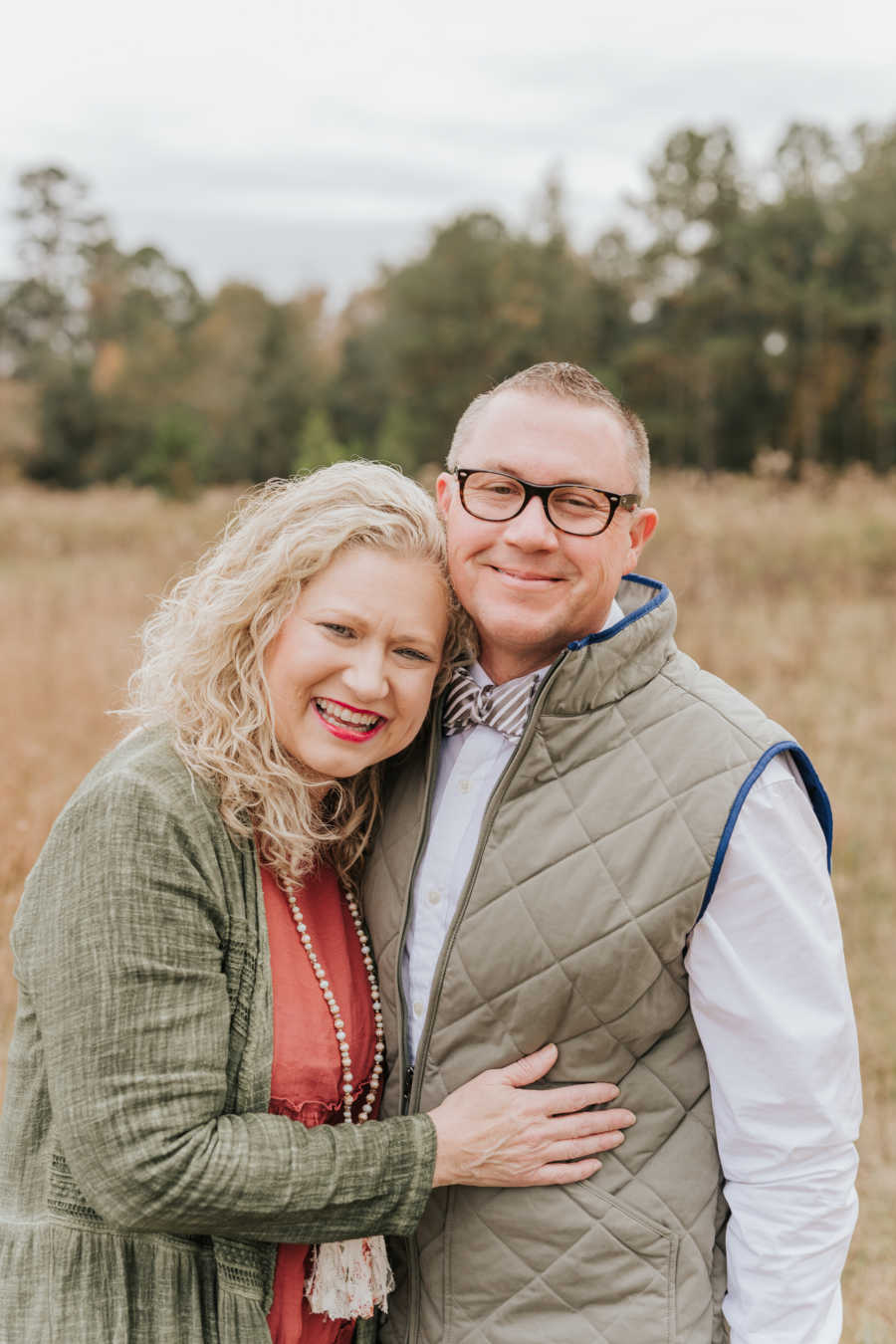
Three hours later, our phone rang. A five-day-old baby needed a home. Shock, excitement, panic—we felt it all. “Are we ready?” quickly turned into a scramble for newborn supplies. Our community showed up in incredible ways, bringing gear, meals, and endless support. That baby boy stayed with us for six months, and we loved him fiercely. When his grandmother adopted him, our hearts broke and rejoiced at the same time. Saying goodbye was painful, but we trusted God’s plan. Shortly after, our agency, One More Child, called again—this time asking if we could take siblings: a 2.5-year-old and a 2.5-month-old. We said yes, and within 45 minutes, we met our boys.
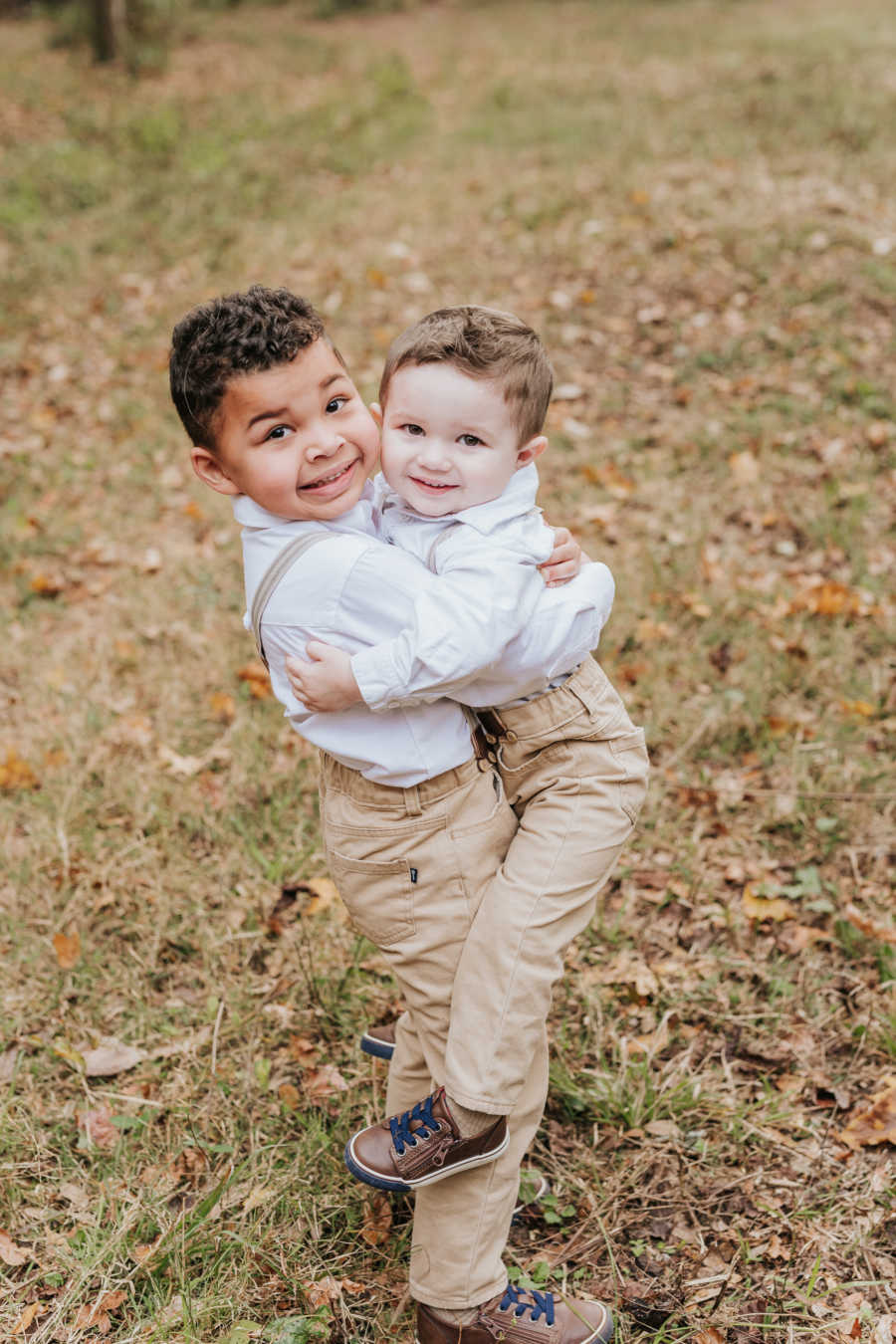
Babies are simple; toddlers who have experienced trauma and neglect are not. Dakota, the older child, could only say about five words and relied on broken signs to communicate. Nate, the baby, was quiet to the point of concern—covered in rashes and not crying when hungry or uncomfortable. Dakota’s file suggested autism, but when we looked into his eyes, we saw intelligence and awareness. These boys needed love, patience, and consistency—and we gave them everything we had. Some days were exhausting; others were filled with joy. Though words were slow to come, bonding happened in ways that needed no language.
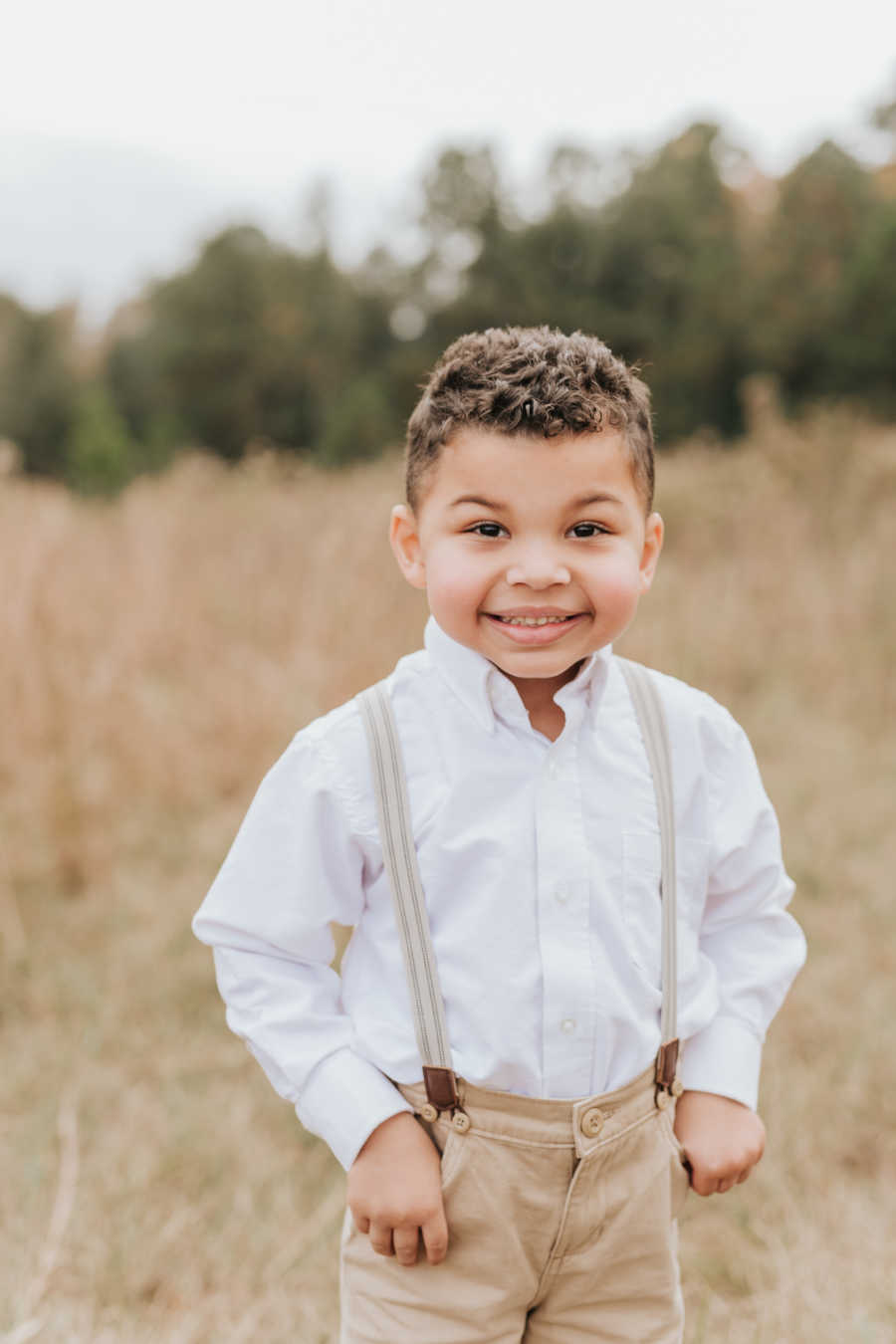
Soon, Dakota began calling Carla “Mom” and me “Dad,” which complicated meetings with caseworkers and biological family. Still, we loved them as our own. Family outings, trips to Walmart, daily runs with a stroller, and outdoor adventures became part of our rhythm. Our older children embraced them completely. Through speech therapy, Dakota found his voice. Through occupational and physical therapy, Nate began to thrive. Discipline was hard, and we made mistakes, but God never left us.
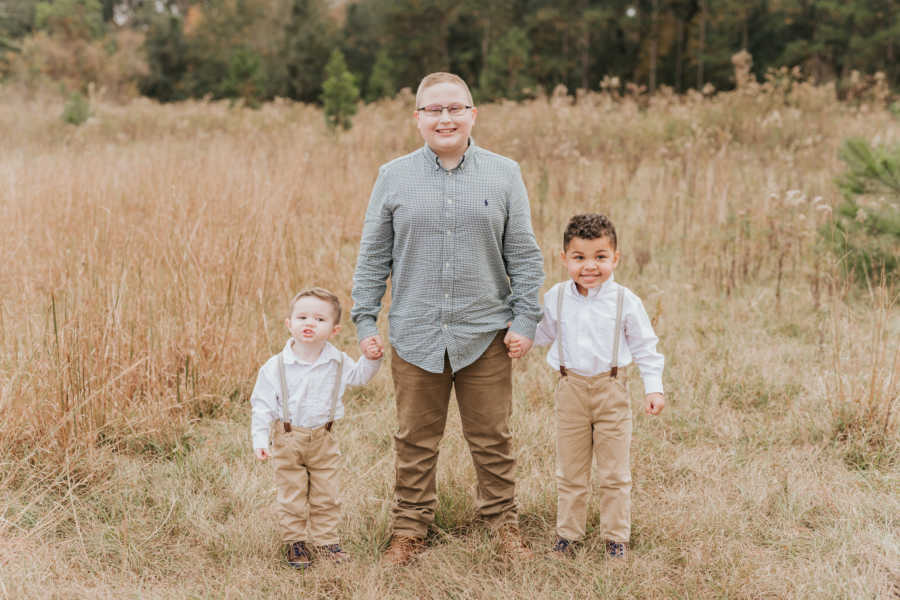
Eventually, we were asked a life-changing question: if reunification failed, would we adopt them? Without hesitation, we said yes. When their biological mother relinquished her rights, the grief in that room was heavy. Addiction had stolen so much from her, and witnessing her pain was heartbreaking. We never forgot that day. After months of paperwork, we stood before a judge, surrounded by friends and family, and walked out of the courtroom with our forever sons.
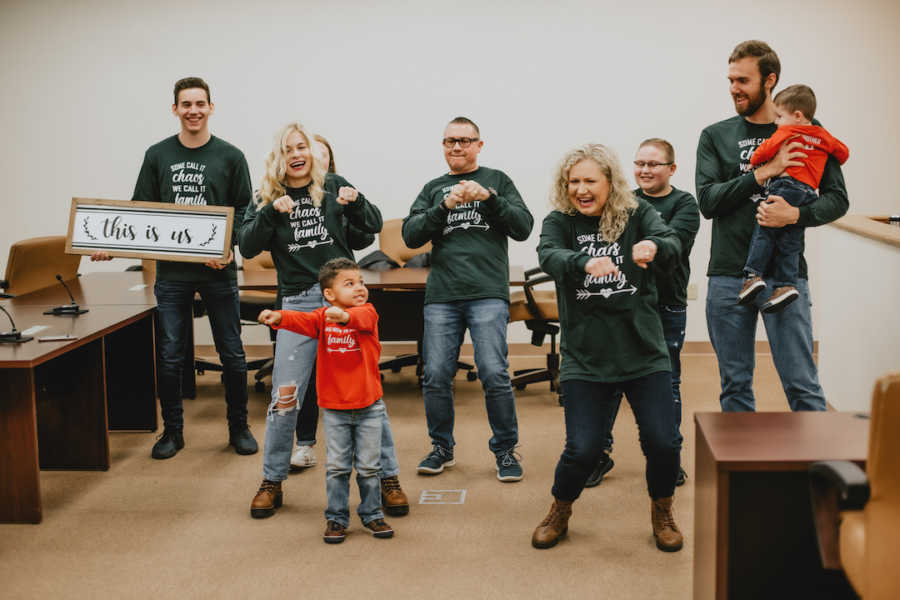
Our story did not end there. We have fostered more than fifteen children, serving as middle parents whenever needed. It has not been easy—there is stress, loss, and emotional weight—but there is also purpose. In 2019, baby K came into our home, followed later by his brother. Today, Dakota and Nate are thriving, and we are currently fostering their baby sister, born at just 23 weeks gestation—a true miracle. In an unbelievable act of trust, their biological mother directed the caseworker to our family. Humbling does not begin to describe it.
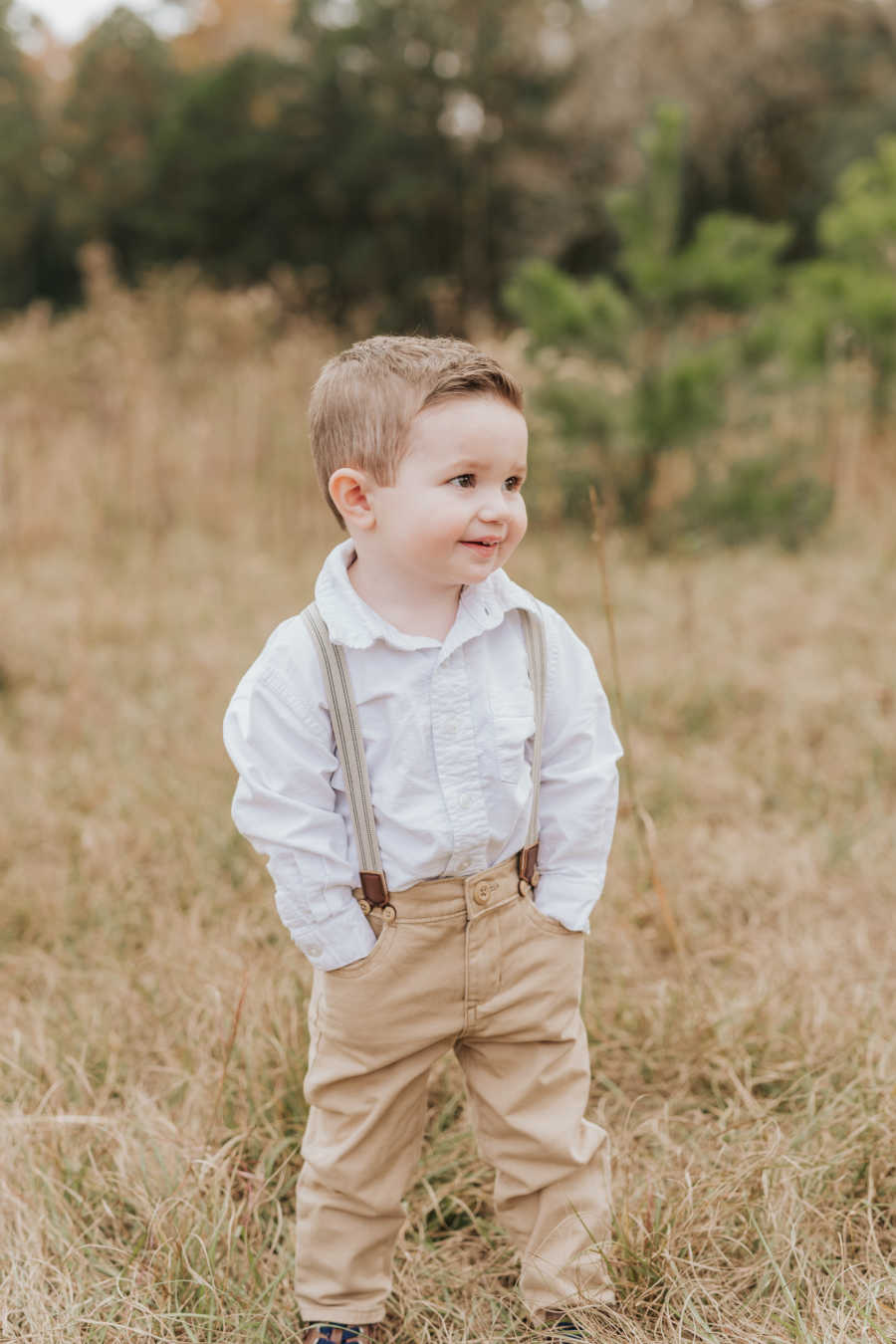
We are preparing to adopt a baby girl and continue answering this calling. Our home is loud, joyful, messy, and full of love. Saying “yes” to foster care changed everything. As one quote perfectly captures our life: “If you have more than you need, build a bigger table—not a higher fence.”