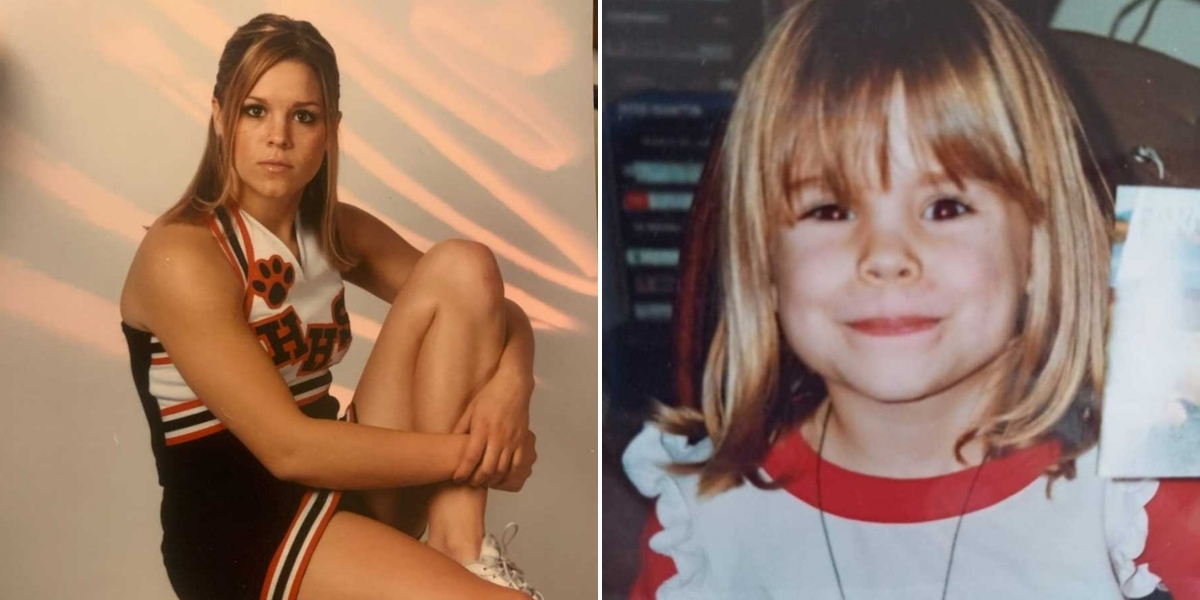
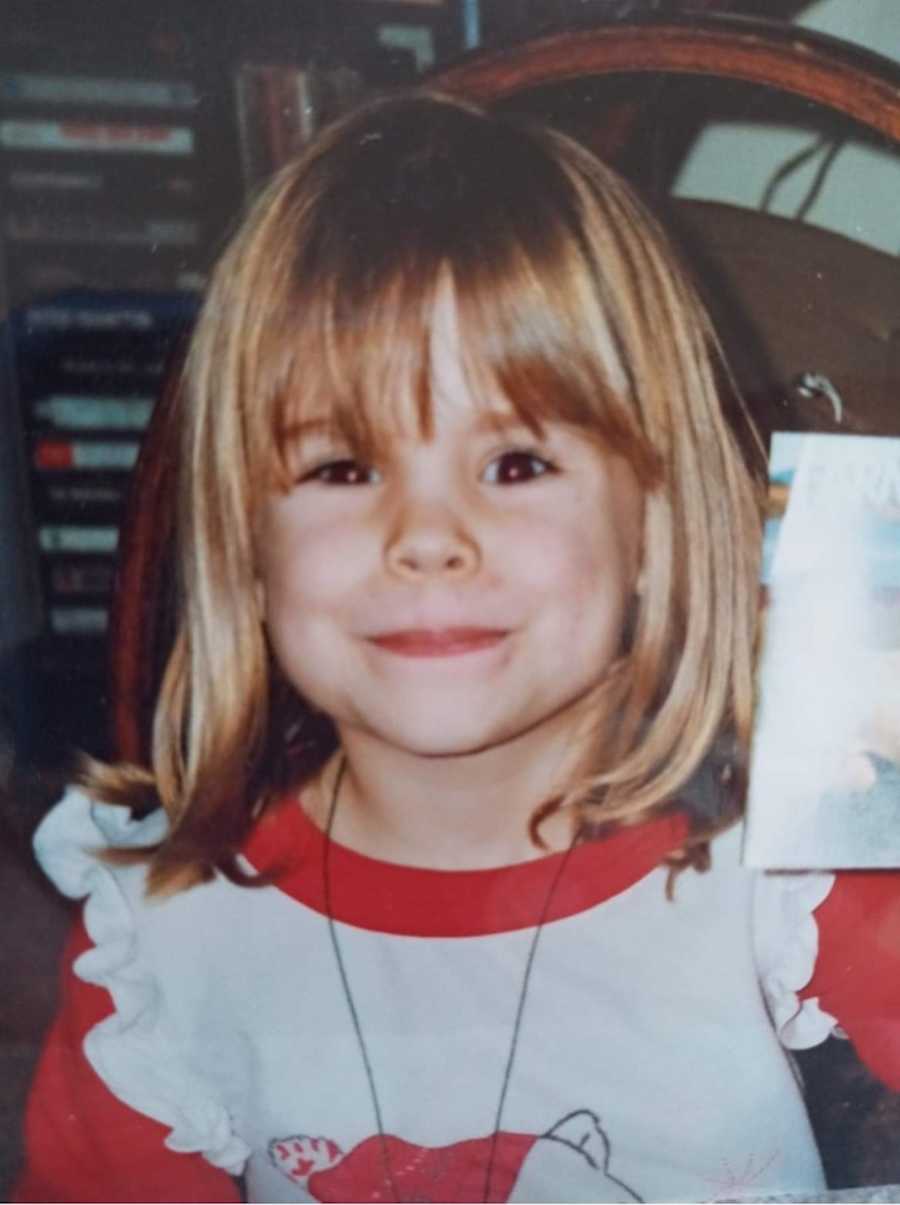
I was born in Red Lodge, Montana, in 1987, into a loving home with two older siblings—one sister and one brother. My parents are still married, 46 years and counting, and their commitment has always been my anchor. We moved more often than most families, but I spent the bulk of my childhood in a tiny town called Wisdom, population 120. It was incredibly isolated, but for a kid, that isolation felt like magic. With only a few friends and endless mountains to explore, I spent hours outside, discovering the world around me. Our family was very involved in extracurricular activities—skiing, sports, 4-H, Girl Scouts—so life was busy and full of adventure. There wasn’t a high school in Wisdom, so when my sister had to start high school, we moved to a nearby town, and I began seventh grade, stepping into a bigger, more complex world.
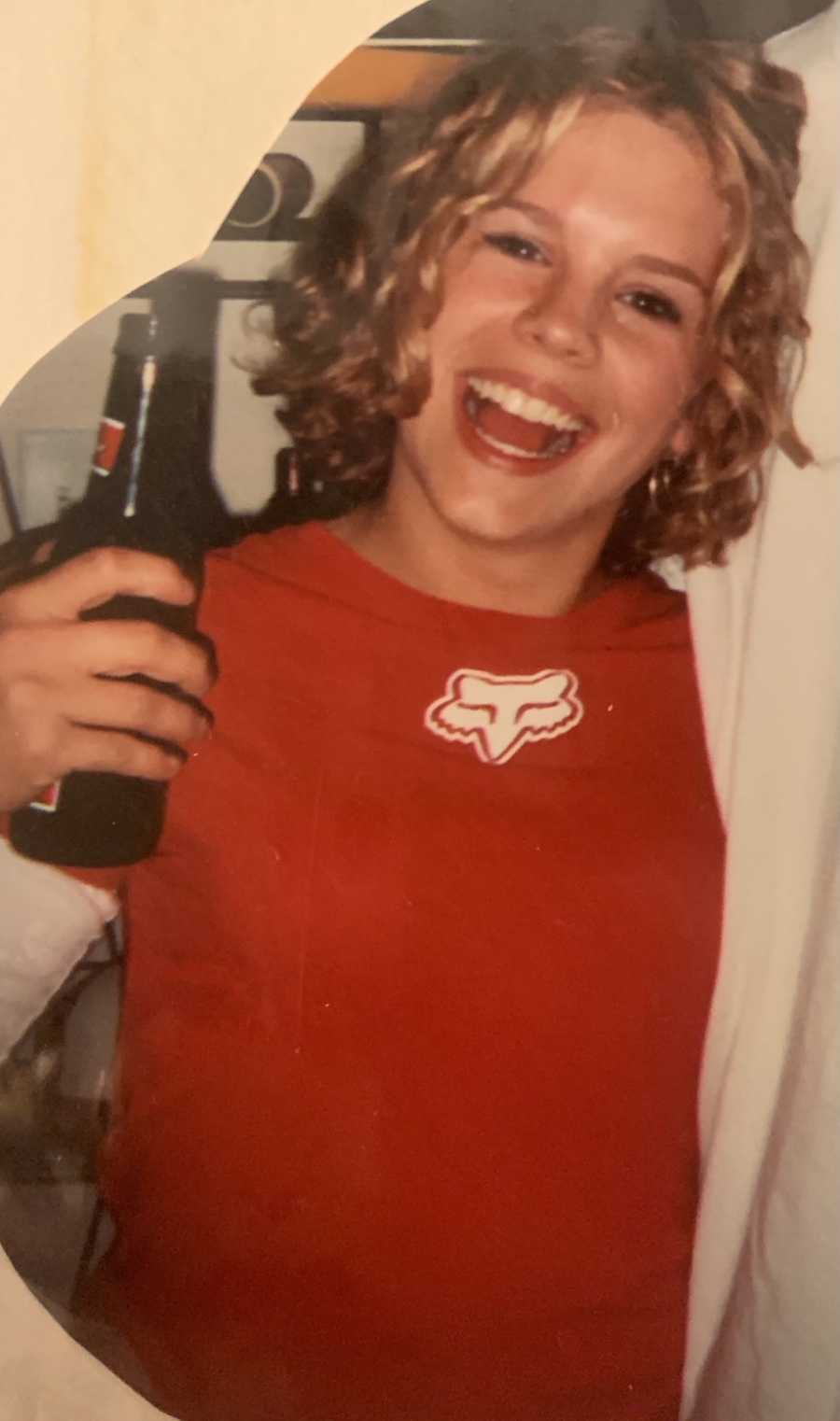
By the age of 11, I was exposed to drugs, alcohol, and sex. I was deathly afraid of almost everything, especially intimacy—kissing, romance, and physical affection terrified me. But I also craved love, and I often fantasized about what it might feel like to be close to a boy, to be wanted. In an attempt to cope with that fear, I found alcohol. From age 11 until 29, it became my constant companion, my master, my escape. I didn’t even have my first kiss until freshman year of high school—and yes, alcohol was involved. My first love came at 16, and I lost my virginity to a 19-year-old boy I had fallen for almost instantly. We were both drunk, and I believed that was how love worked.
Everything I did revolved around alcohol. Every decision, every relationship. That first serious relationship lasted nine months and left me heartbroken for the first time. I didn’t know how to handle the pain, so in a moment of anger and hurt, I slept with every one of his closest friends. I thought it would make me feel empowered, but instead it left me ashamed, depressed, and full of self-loathing. My drinking spiraled from that point, and I lost nearly all respect for my body or myself. Sex became a tool, a way to feel something or escape, and even in committed relationships, I cheated repeatedly.
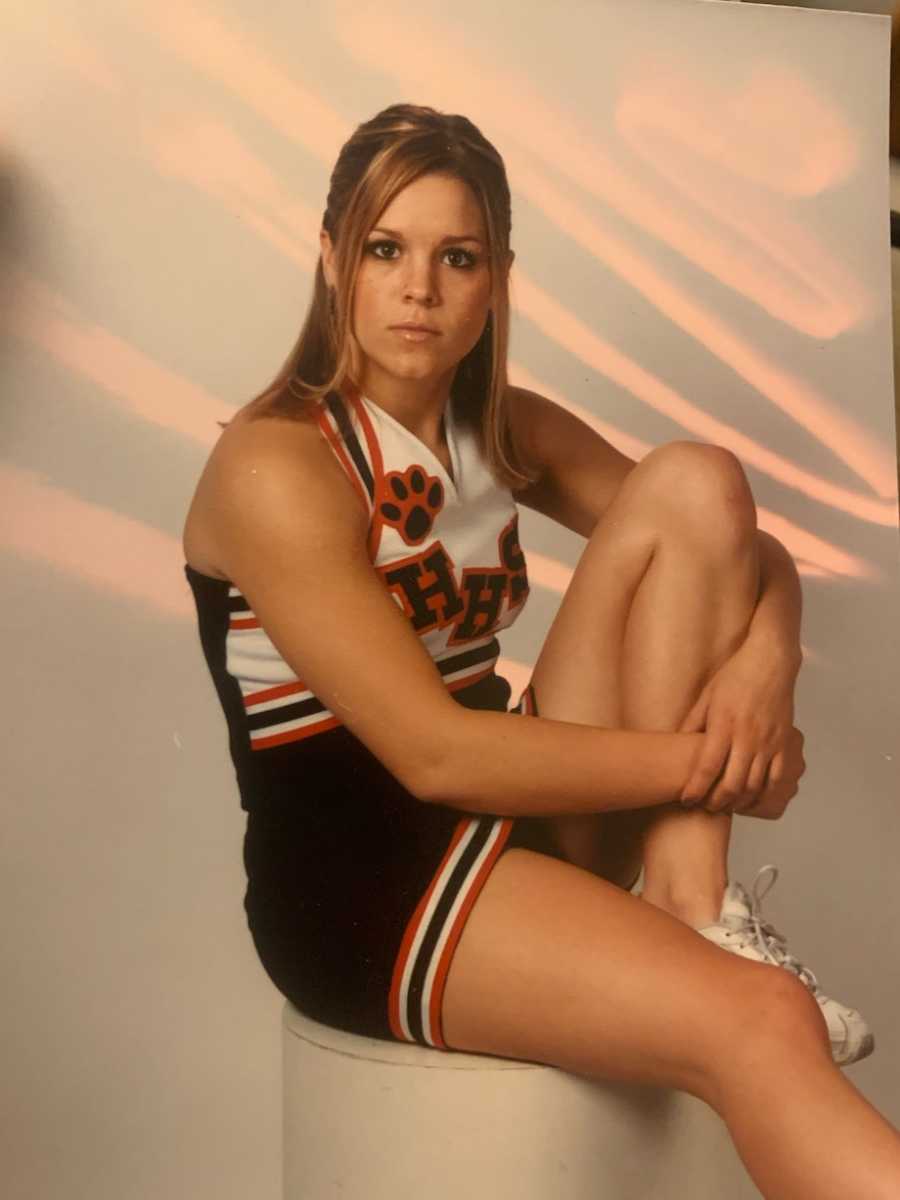
For the next 15 years, alcohol and drugs mixed with shame and self-hatred created a cycle I couldn’t break. I didn’t care about loved ones, and sex became just another drug to numb the emptiness inside me. I remember nights when I slept with multiple men in a single evening, only to wake up in a haze of shame and oblivion. The guilt was unbearable, and I turned to harder drugs to erase the memory of my actions. I hated myself, yet I couldn’t stop.
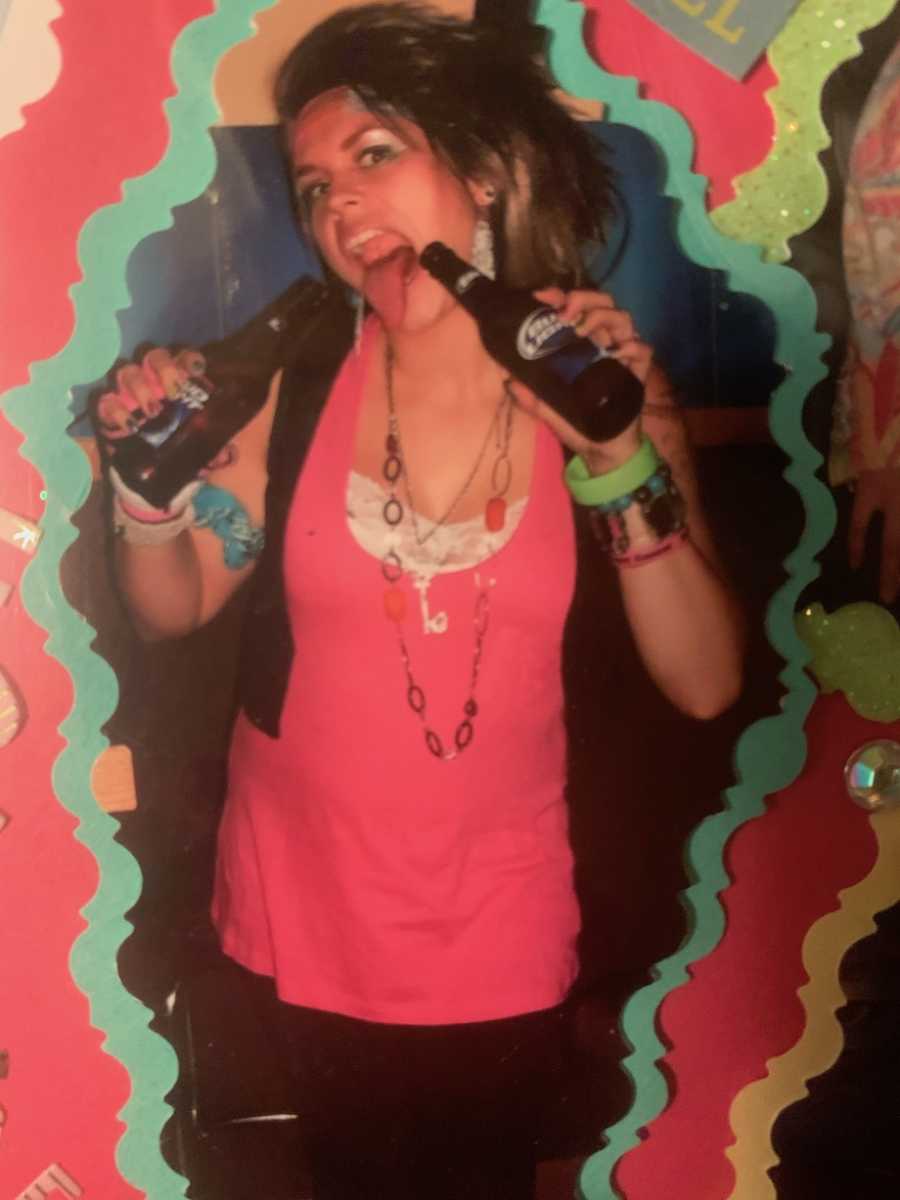
At 23, I became pregnant on a one-night stand with a man I barely knew—four years younger than me, barely legal. I say “knocked up” because I had unprotected sex for years and had always been surprised I hadn’t gotten pregnant yet. That night, my mindset was simple: “I can’t get ahold of anyone else, so he will do.” I used men the way you often hear men use women—sex meant nothing to me; it was merely a way to fill the internal void. During my pregnancy and for six months after my son’s birth, I didn’t have sex. Not by choice, really; no one was interested, and I focused on being the best mom I could be. I even ran away to Alaska for a few months, seeking space and clarity.
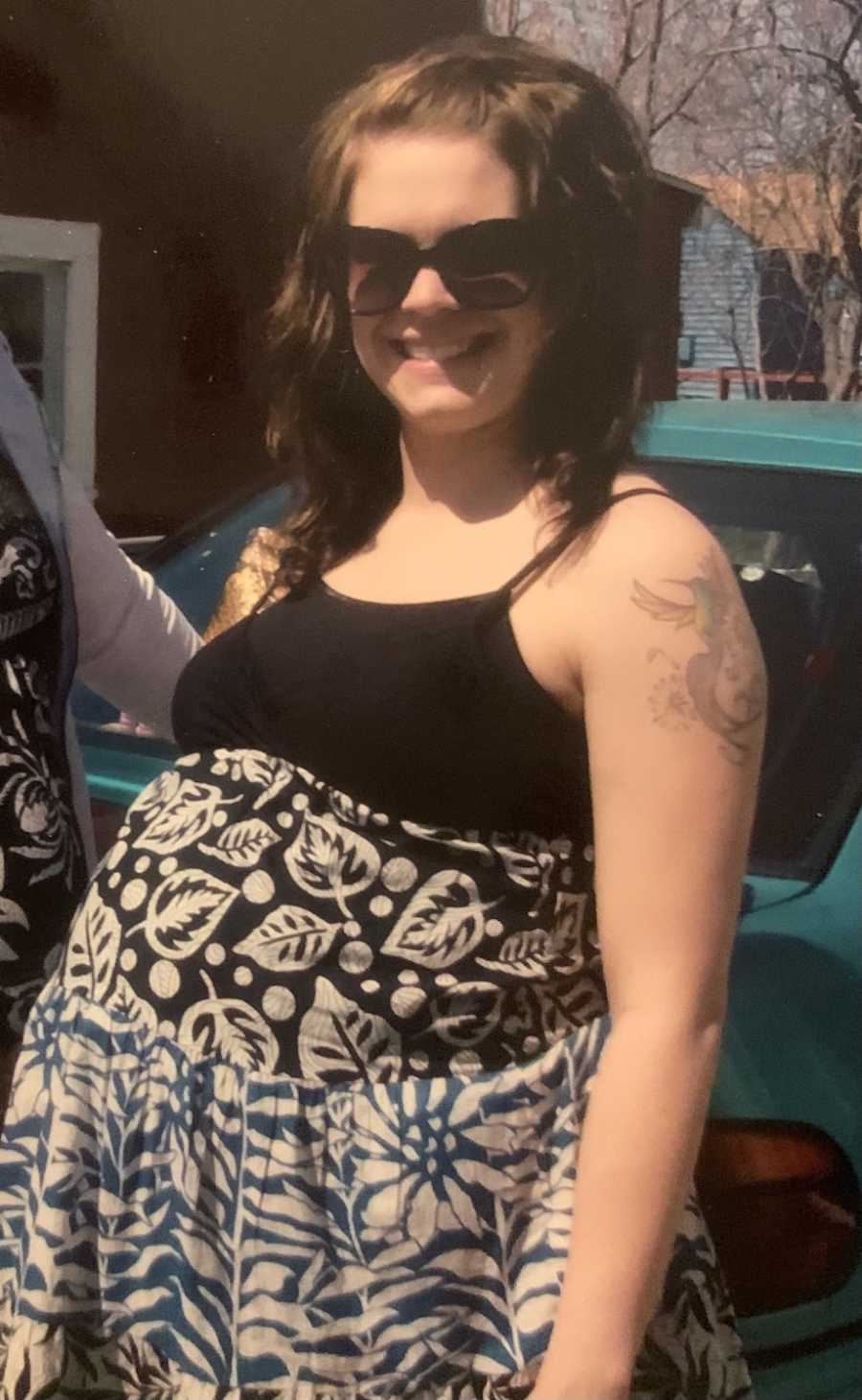
But within a month of my son’s birth, I returned to alcohol, and within a year, drugs returned too. His father and I had joint custody, leaving me two weeks each month with no immediate responsibilities. The cycle of alcohol, drugs, and reckless sexual behavior resumed. Over the next five years, I continued these patterns. I fell in love again, but that relationship only lasted a year before I cheated. This time, the betrayal felt different—it hollowed me out. I didn’t want to cheat. I had lost the “power of choice.” Some might dismiss that, but anyone who has woken up from a night of oblivion knowing they acted against their own values understands exactly what it feels like.
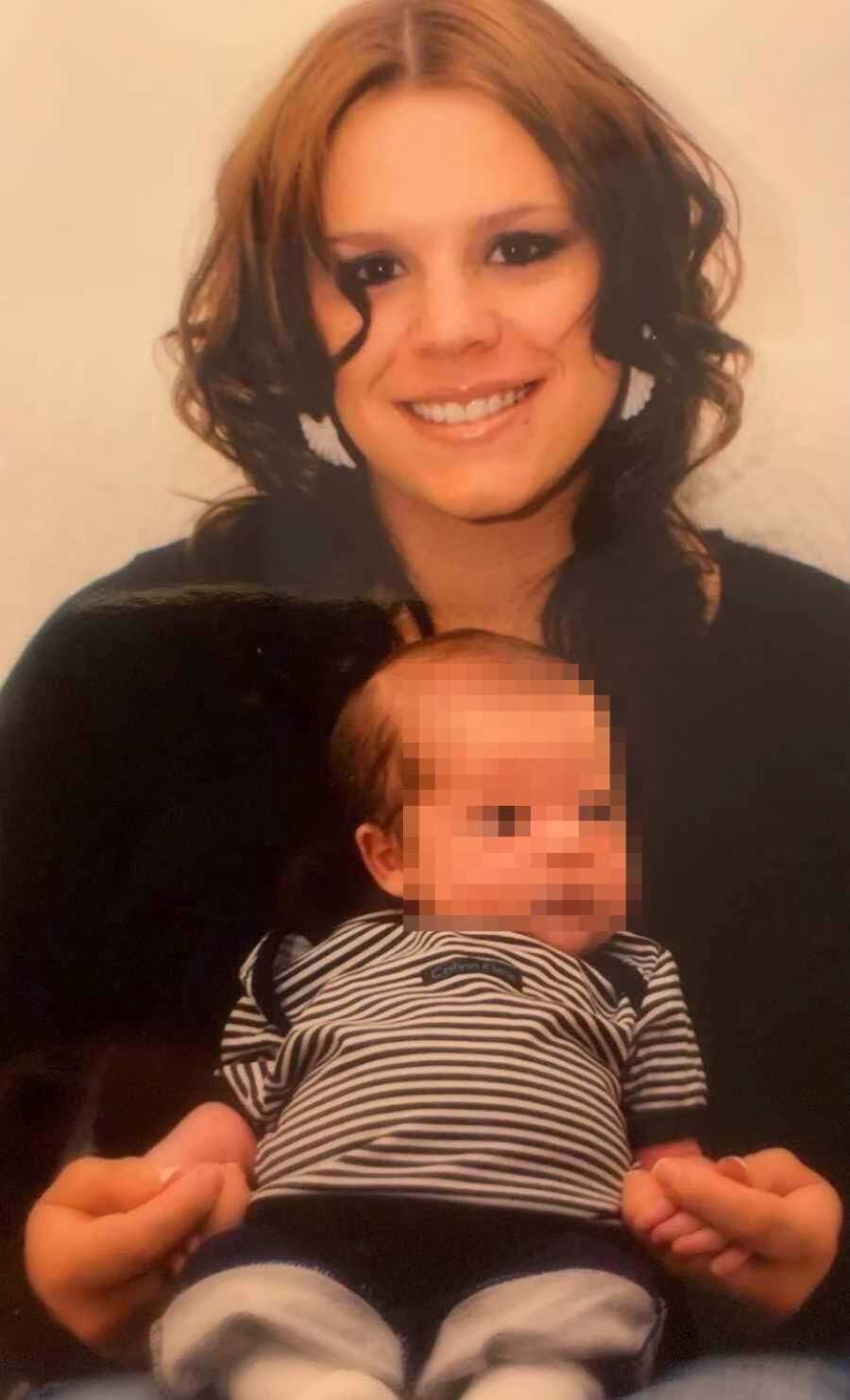
By age 29, I had finally had enough. I was done with drugs, alcohol, and sex controlling my life. I asked for help and got sober. I was still in a relationship at the time, which lasted with ups and downs for a few more years, including a couple of relapses over three years. Those relapses were fueled by guilt, cravings, and old patterns. Eventually, last year, I made the permanent decision to end that relationship. I still loved him, but I knew I needed to grow and that staying in that cycle only brought more pain—to both of us.
Sobriety gave me perspective. I realized I needed a new life, a new approach, and new habits to see new results. I decided to spend at least a year single and commit to celibacy until marriage—a choice to reclaim my body and my self-respect. I’ve learned that a God of my understanding can remove temptations, pain, and compulsions if I let Him. I don’t need another human to make me feel whole. I only need a loving God.

A conversation with a woman at my church solidified this choice. She shared her story of reclaiming her body and taking control of her life. She called it “TAKING HER BODY BACK.” I knew instantly that I wanted the same. The ultimate gift I could give myself. I have shared this journey on social media because I want to inspire other women: you don’t have to give up your body to earn love, approval, or happiness. I now believe that a man who respects my commitment to celibacy until marriage is a true gift from God, someone who honors me and my choices. My faith has grown tremendously, and I trust that God will bring the right person at the right time—not because I compromise, but because I wait and grow.
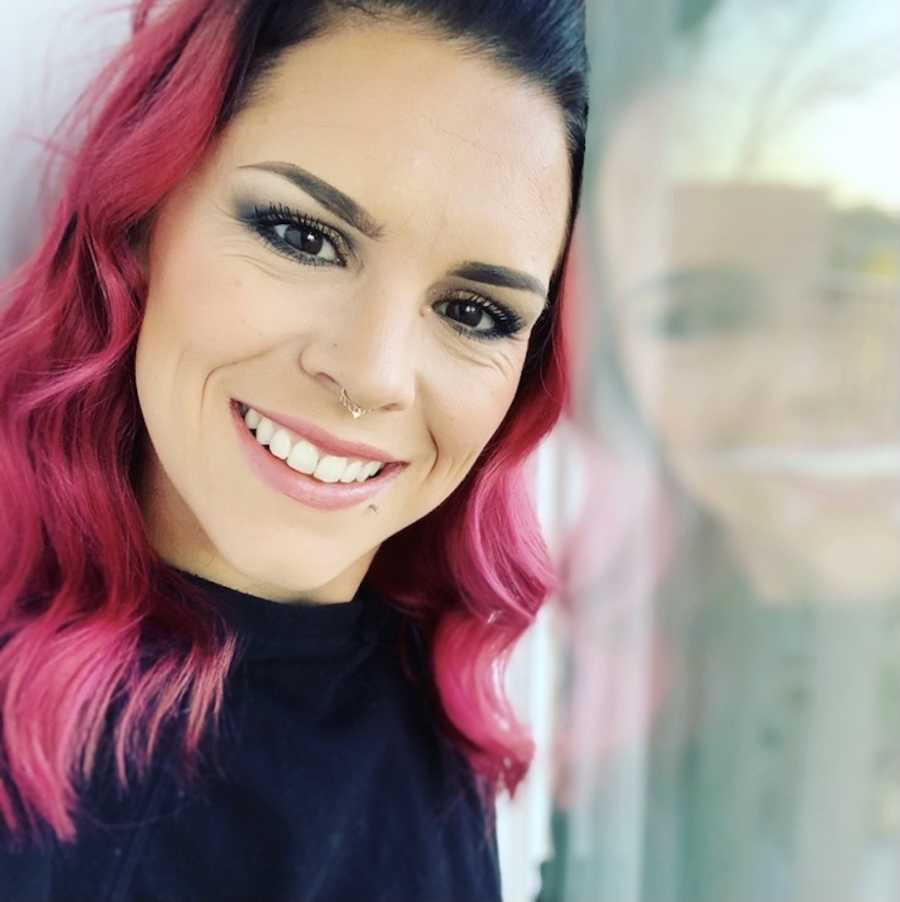
Re-entering the dating world has brought fear and doubt. Old thoughts creep in: “Maybe if I take it further with him, he won’t leave?” But I remind myself this is old thinking, leading to old behaviors, which always brought pain. The temporary sting of a man leaving is far less than the long-lasting shame of breaking my commitment to myself. Recently, two men rejected me due to my promise, and it wasn’t painful at all. Those rejections became opportunities to grow, to stay true to myself, and to get closer to the man God has prepared for me.
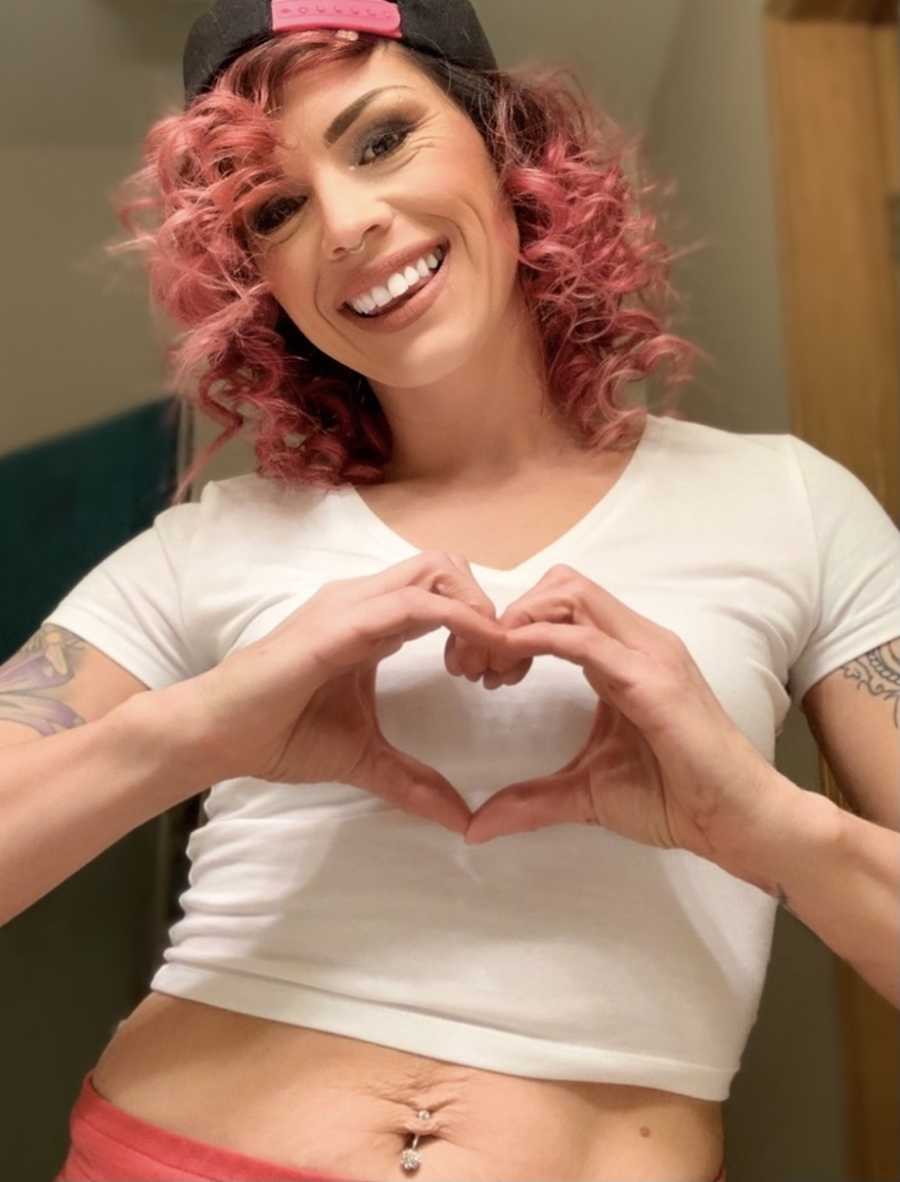
The rewards of this journey are profound. I’ve developed an incredible relationship with my son, nearly 10 years after his birth. My connections with others have strengthened, and I’ve even inspired women to follow a similar path. That, more than anything, has been the most meaningful reward—being able to help others through God’s work in my life.
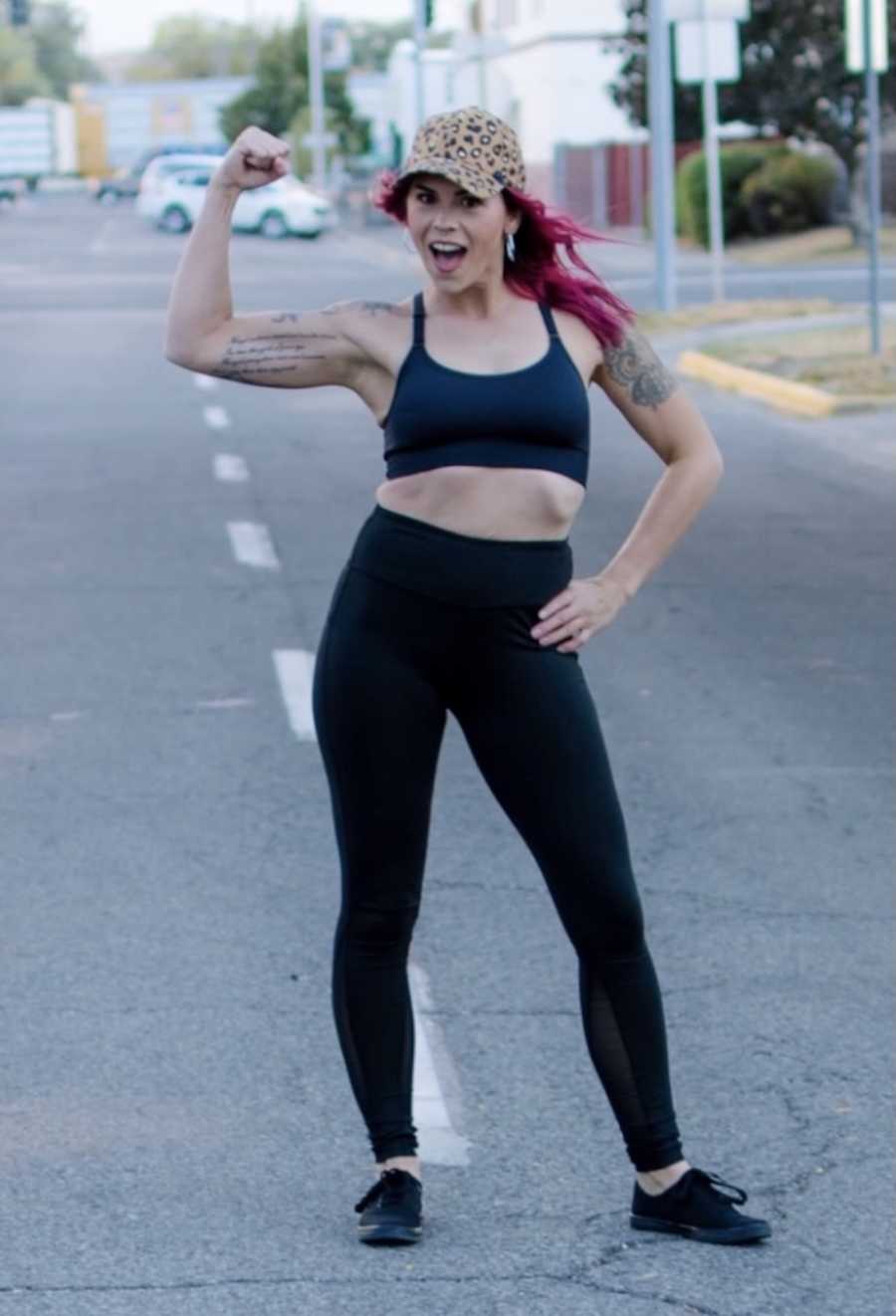
To anyone reading this who has struggled with similar patterns, my advice is simple: find the courage to make the changes you need to feel good about yourself. Learn to love and cherish your body so that you can attract love and respect in the way you deserve. If I can do this, so can you.