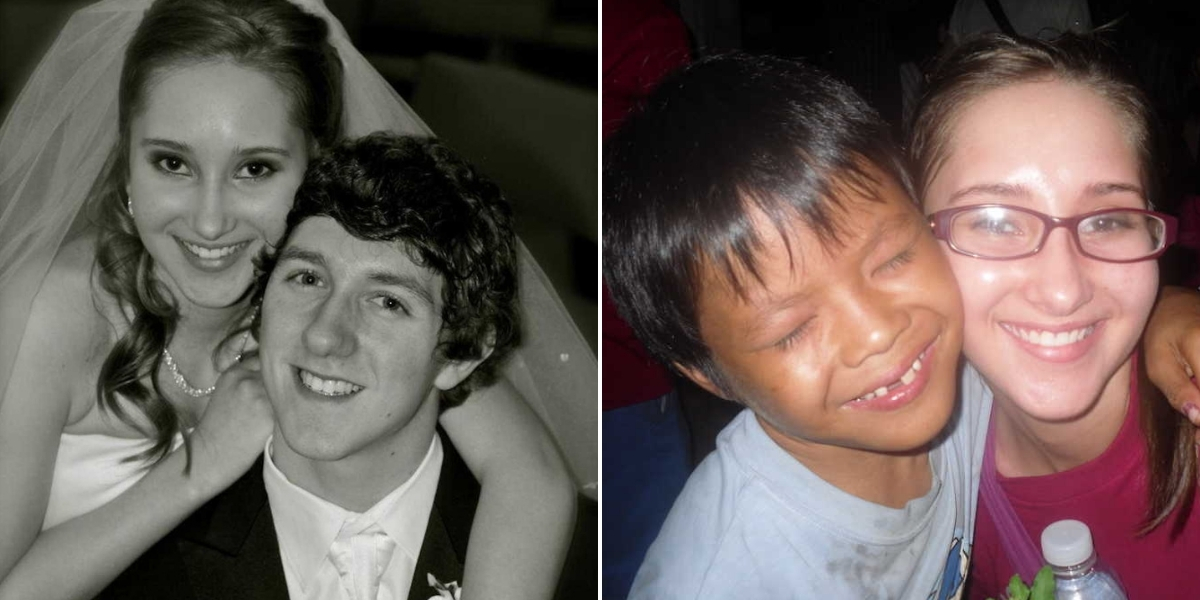
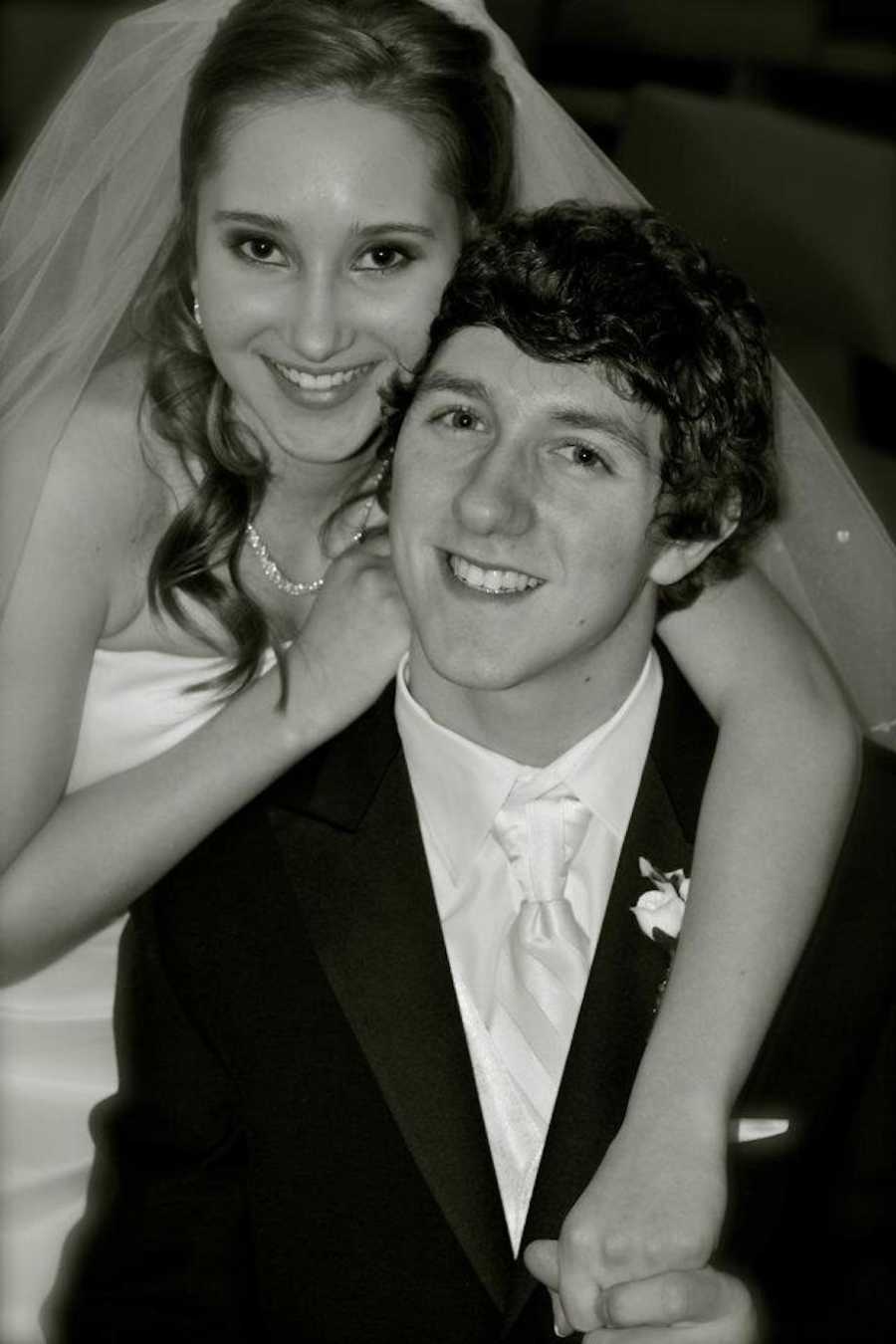
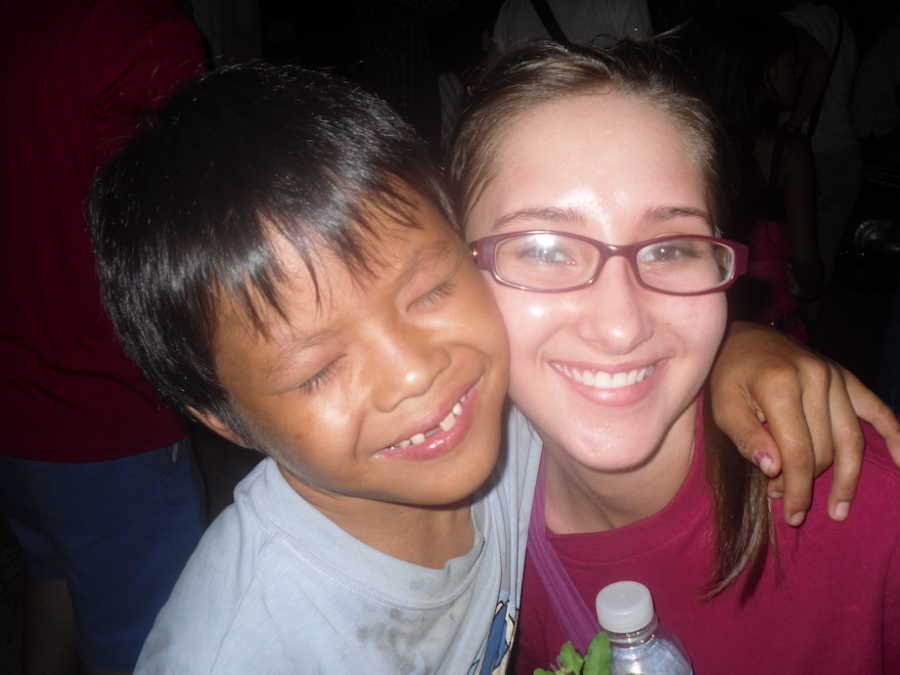
This story isn’t really about me or my husband, but that’s where it begins. We met in kindergarten and started dating when I was 15. Right after we graduated high school, both of us went on life-changing ministry trips. I traveled to a safe house in another country to support and love girls rescued from human trafficking. That trip solidified my passion for serving vulnerable people, though I didn’t yet know how it would unfold in my life. When we returned home, my husband and I began navigating the early years of adult life together. We married young—19 and 20—and I pursued my passion for helping others with everything I had.
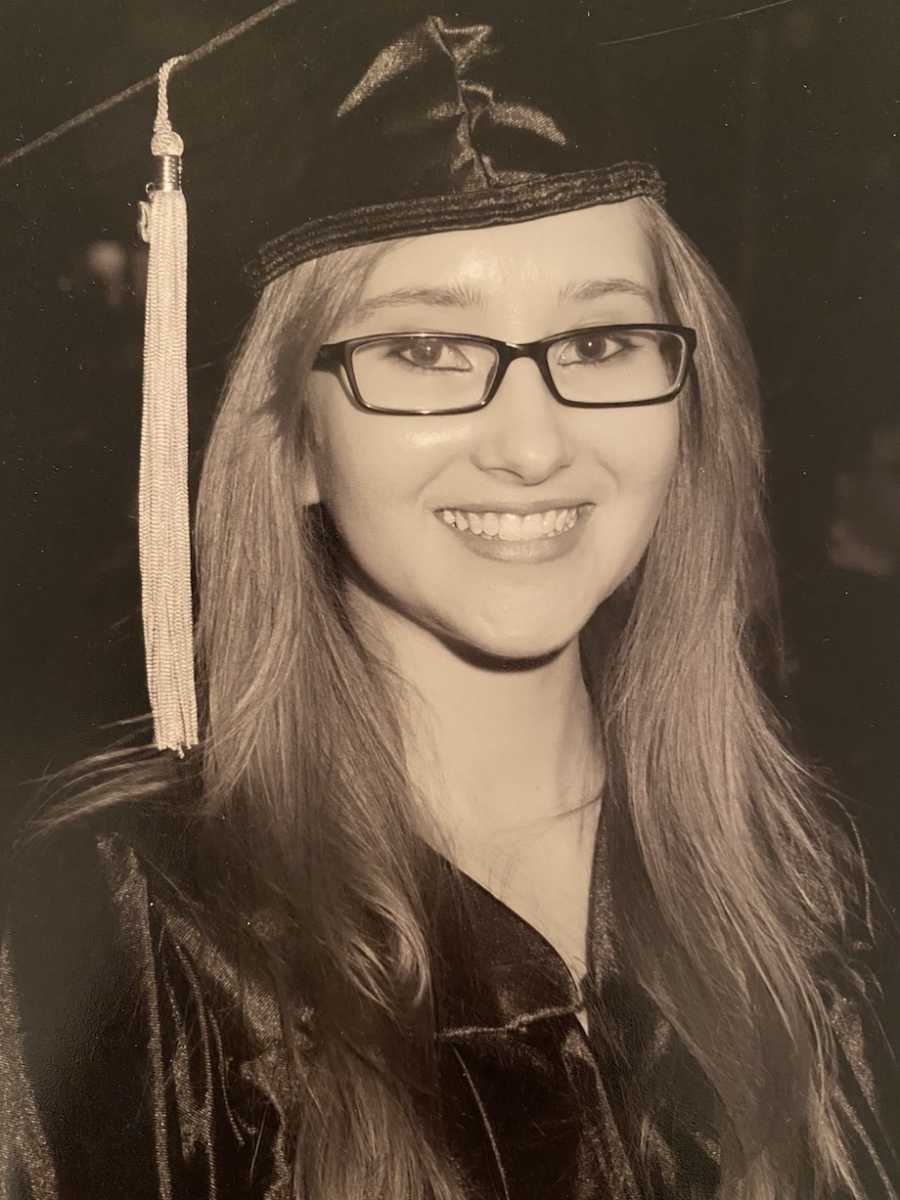
I earned my MSW (Master of Social Work) and quickly realized I wanted to specialize in childhood trauma, which naturally brought foster care onto my radar. We had talked about it occasionally over the years, but starting so young meant we knew we weren’t ready yet. Throughout my career, I’ve worked with vulnerable populations: women rebuilding their lives in domestic violence shelters, teens already on the road to addiction in rehab, men on parole re-entering society, and children bravely sharing chilling parts of their stories at advocacy centers. Every system has its limits, and for a bleeding heart like me, it’s hard to just stand by. The urge to do more never fades.
What these last four years as foster parents have taught us is that none of us are really all that different. Becoming a foster parent plunges you headfirst into society’s toughest issues: racism, prison reform, addiction, infertility, debates over reproductive rights, and more. Each person’s experience is valid, yet every one of us is just one choice away from a completely different life. The birth mother I met at the DHHS office? We could have easily traded places. Remembering that helps build empathy—a quality every foster parent must have.
We are a foster family that believes in love, redemption, and reunification. That means we support our children’s parents whenever possible. Some we’ve been able to maintain contact with and continue offering guidance. Why? Because they matter. Loving our children also means honoring and caring for their parents. Parenting children who aren’t biologically yours requires that mindset.
Homelessness or drug addiction does not erase a person’s worth. While there are countless reasons a child may enter care, those two have been the most common in our area. Even within the foster parent community, judgment toward birth parents can run deep. I’ve had conversations with people who say they support reunification but then fail to allow time for healing. And I understand that perspective—it is heart-wrenching to watch a child suffer through trauma. It’s also difficult to determine what’s truly in the child’s best interest. As the adults providing safety and stability, we sometimes struggle with reconciling that, even if we offer a different standard of living, it might not always be better.
How does anyone decide the level of trauma a child should endure? For too long, we’ve clung to the lie that “children are resilient.” If that were true, why do we see entire generations of adults carrying unresolved trauma? Each person processes trauma differently, but children are not immune to its effects.
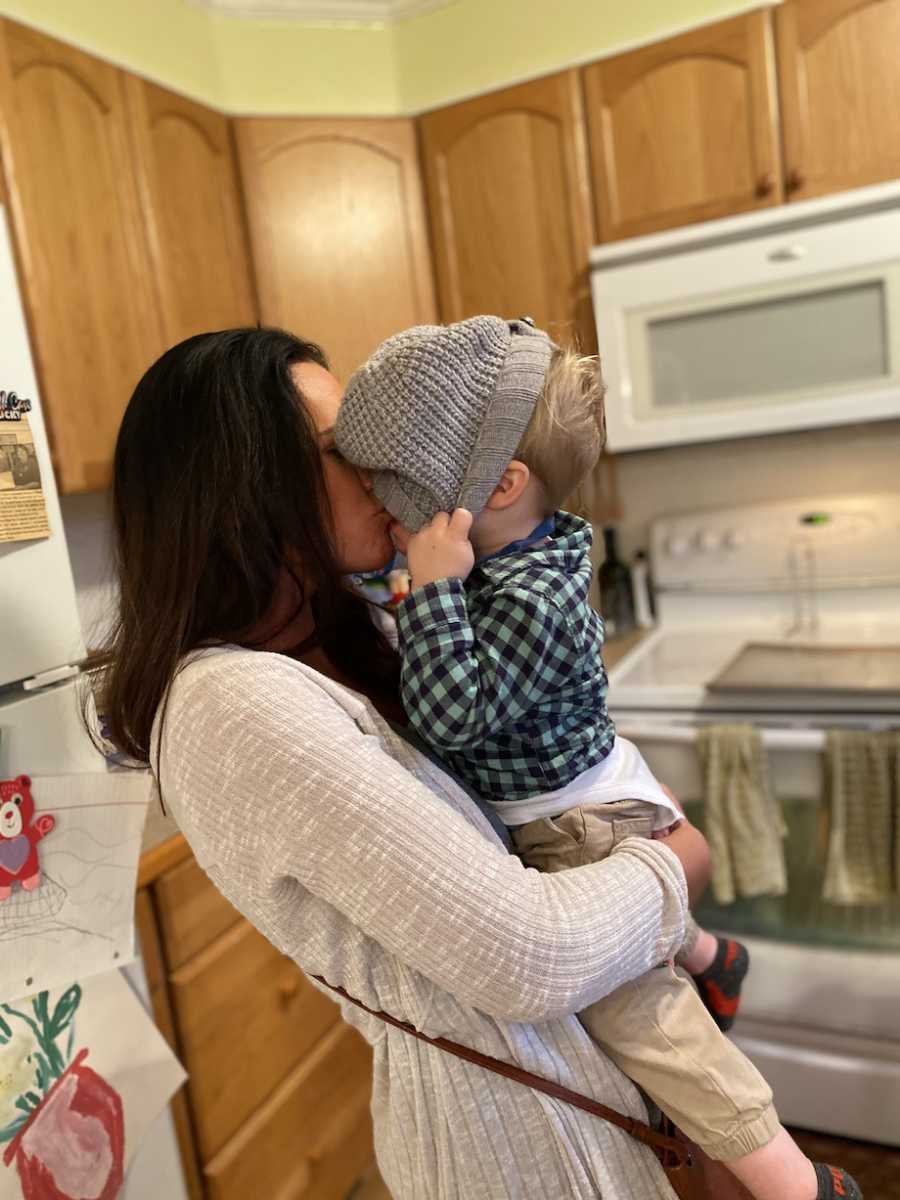
One of my favorite quotes about trauma comes from Peter Levine: “Trauma is perhaps the most ignored, belittled, denied, misunderstood, and untreated cause of human suffering.” While we’ve made progress in reducing mental health stigma, we have a long way to go. Imagine telling someone with a broken leg to “try harder” and walk it off—that’s the absurdity of expecting a child to simply move past trauma without support. Healing should be normalized, not stigmatized. Many foster children’s parents were themselves in care, which adds layers of complexity. How can a parent effectively parent if they were never shown how, or if their own needs were never met?
Even with all the support in the world, sometimes a child cannot safely return to their birth family. We have had the honor of parenting seven children of various ages and circumstances. Six of them eventually went home or to family members. We never imagined being in this position, yet now we are preparing to adopt. Witnessing a termination trial was indescribably painful. Adoption begins with loss, and that reality must be acknowledged. Another family may be broken, even as ours grows—but that doesn’t diminish our joy in welcoming our child permanently.
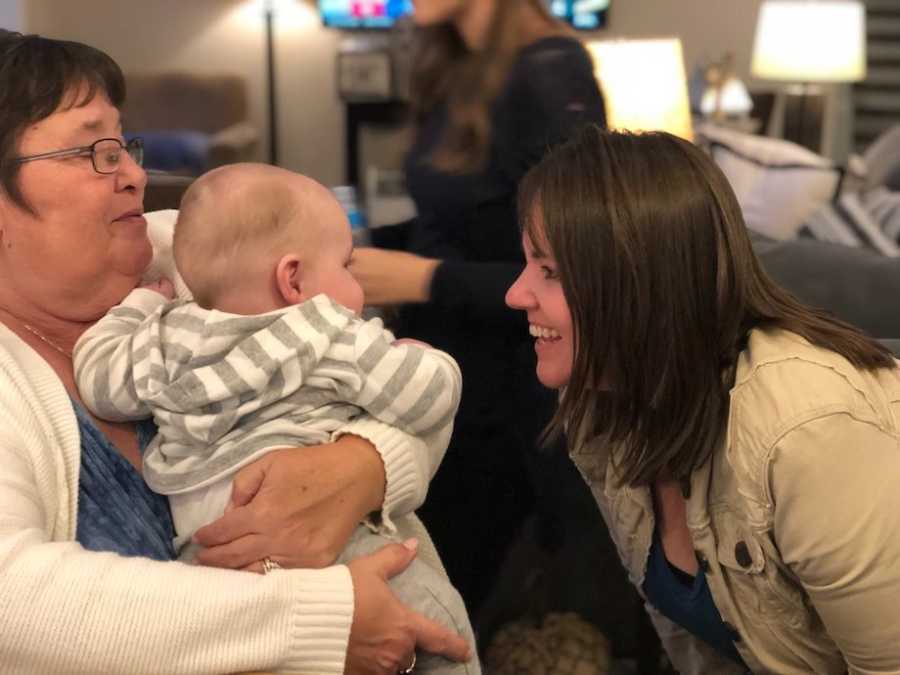
I am overjoyed about our growing family. I love our child fiercely and want to give him the absolute best chance in life. The thought that my husband and I are now permanently entrusted to love, guide, and teach this little soul fills me with gratitude. We could have opted not to foster, or only take cases we deemed “easy.” We could have limited ourselves to one child at a time or only adoptive placements. Those choices would have protected our hearts, but they wouldn’t have served the children who needed us most. Foster care isn’t about me—it’s about giving pieces of your heart to every child in your care, and that may be one of the most meaningful things I’ve ever done.
Raising foster children is a whirlwind. Unlike biological parenting, where you might have 18 years, foster parenting could last 18 months or even 18 days. Every second counts. One of the greatest blessings of foster care is learning never to take time for granted.
Parenting kids from hard places can be lonely and misunderstood. Well-meaning advice pours in from all directions, often unwanted. I’ve heard daily questions like, “Why does he act like that?” I’ve even called my home a “war zone” at times—but I would never take back a single moment. One instance still makes me laugh and cringe: a lady at a restaurant once insisted breastfeeding is better. My foster child could not have been breastfed biologically—or legally—but why should I have to explain that? Mom-shaming of any kind should stop. Everyone has their own story.
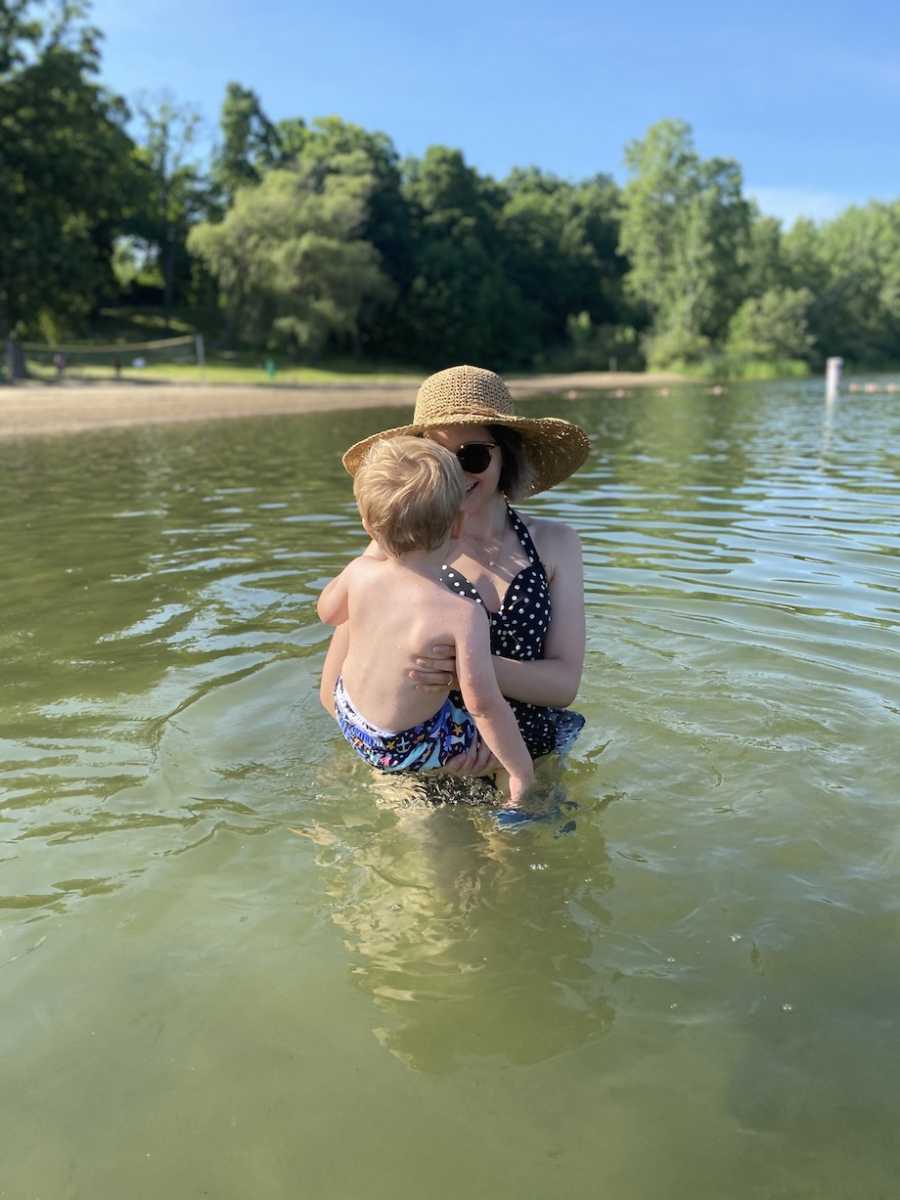
Relationships can be challenging to maintain between parenting times, court dates, team meetings, and medical or mental health appointments. Supporting our children’s parents is deeply rewarding, but foster parents also need their own village. Our people show up for our kids and for us, and we are endlessly grateful. Foster care can test a marriage, but with the right support, it strengthens it. Preparing to adopt, my husband and I have the strongest partnership we’ve ever had. I’ve discovered depths of love for him I didn’t know existed as I watch him step up for our children.
The most remarkable part of fostering is seeing the gospel play out tangibly every day. Through the redemption of our birth parents and our children, the underlying message is clear: redemption. Even in brokenness, beauty emerges.
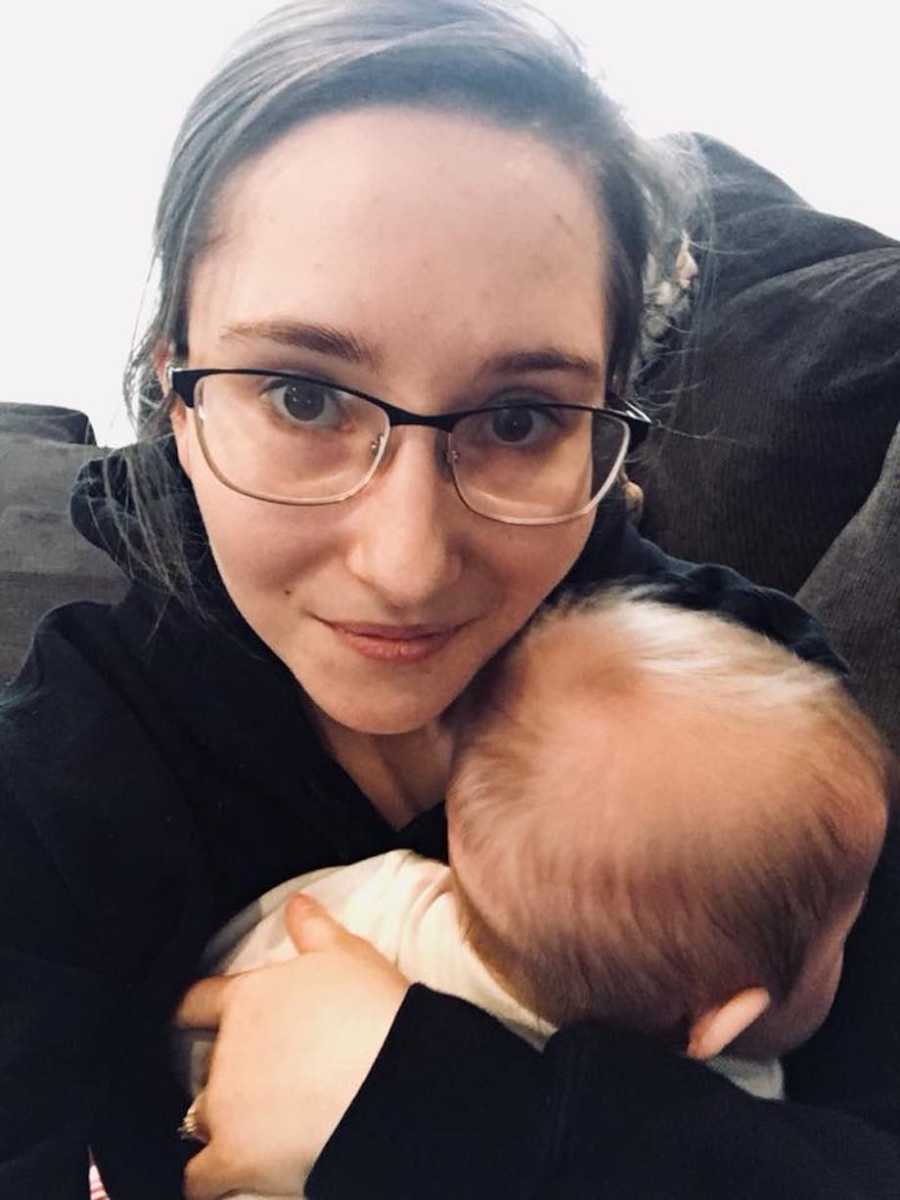
Foster care is hard. There’s no sugarcoating it. But it’s worth it—so worth it. Every sweet smile, every child returned home, every little life we touch—it’s worth it. If you know a foster parent, check in, offer encouragement, and remind them their work matters. They will never forget it.