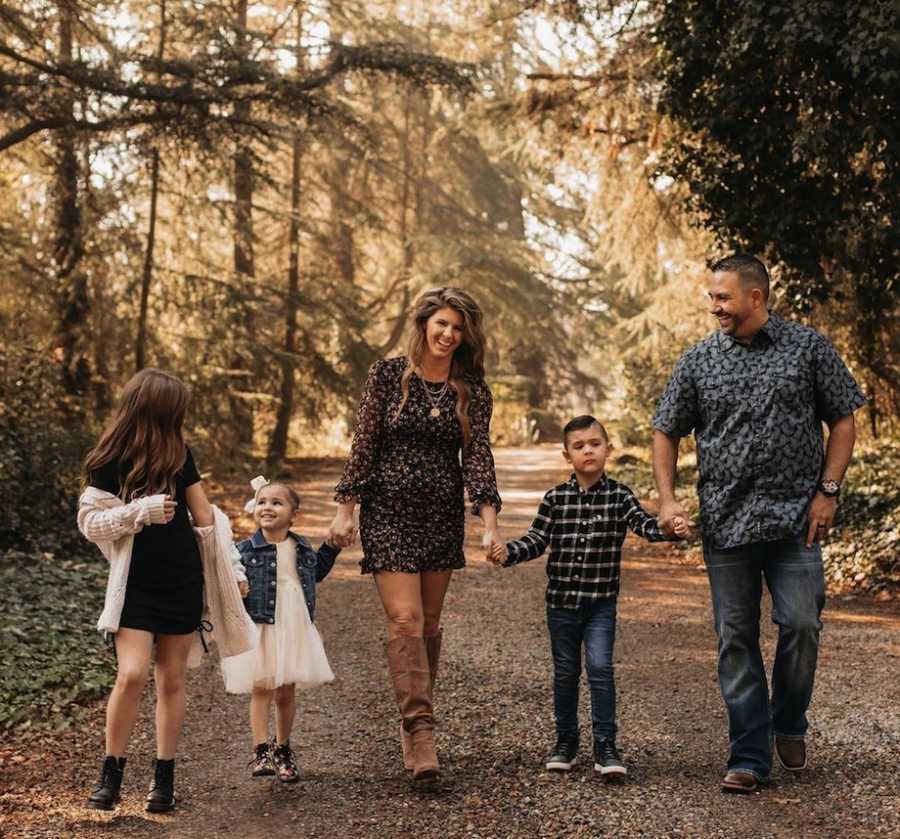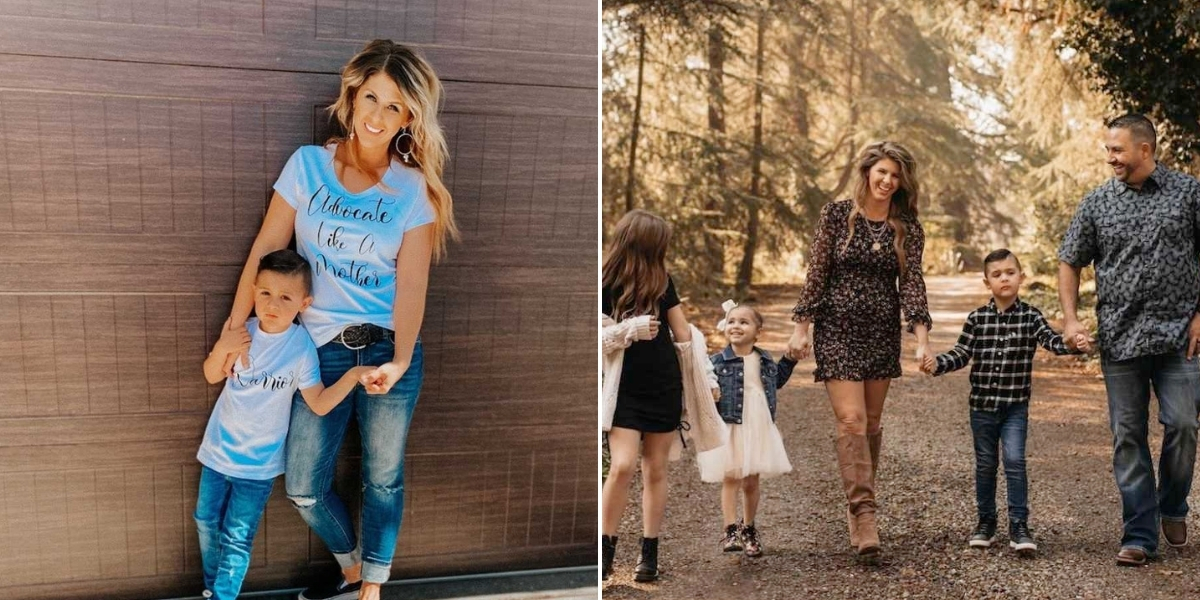
This wasn’t what my life was supposed to look like… things were supposed to look “perfect.” I like perfect. I thrive on perfect. I love the curated, pretty snapshots on someone’s Instagram feed. I dream of a clean, beautifully decorated home that could easily be on the cover of Better Homes & Gardens. I wanted my life to look like that. I worked hard to make it look like that… and then, all of a sudden, it didn’t.
My son was two years old when everything changed. Well, maybe “suddenly” isn’t the right word—deep down, I knew it was coming. But the denial was very real. Autism. I literally couldn’t even say the word out loud for at least a year. I did all the things I was supposed to do for my baby: early intervention, ABA therapy, occupational therapy, speech therapy, and a preschool specifically for children with special needs. Meeting after meeting, assessment after assessment—it felt like an endless cycle. I read stacks of paperwork from schools, insurance companies, and doctor’s offices.

I did everything I was supposed to do while simultaneously drowning in grief, the most overwhelming grief I had ever felt. And on top of that, I felt guilty for grieving. Why am I allowed to feel this way? My son is physically healthy. Others have it so much worse. I should be grateful. But I wasn’t. I wasn’t rational. I was grieving the life I had imagined for my son.

I had dreamed of Little League games, of seeing him as the quarterback of his high school football team like his dad, of dancing with him at his wedding, making sure his future wife would love him the way he deserves. All those hopes and dreams seemed irrelevant now. My only wish became simple, yet monumental: please find your words, please be able to talk to me one day.
It’s been four and a half years since our “perfect” was flipped upside down—four and a half years since everything changed. After a long, excruciating period of grief, I finally began to catch my breath. I decided to do everything in my power to give my son the life he deserves. I exhausted every resource I could find. I did everything I knew how… and in doing so, I discovered just how complex and overwhelming the world of special needs truly is.

I vividly remember my first IEP for Easton. There were at least ten people in the room: teachers, coordinators, administrators, therapists, psychologists. I listened for what felt like hours as they spoke at me, not to me, about my son. They discussed his “present levels” and repeated over and over how far behind he was compared to his “typically developing” peers. It was heartbreaking. I just wanted one person to understand how I felt, to see my son as more than a statistic, to show a little compassion instead of cold professionalism.
Four years later, things look very different. I realized that if I wanted change, I needed to be the change. Today, I’m proud to say I am a Special Education teacher. I’m on the other side of the table at IEP meetings now, able to meet grieving parents, uncertain about their child’s future, and say to them, I understand how you feel… and I mean it. I point out every unique, amazing thing about their child, without ever making them feel less than—because there isn’t a single thing that makes them less.
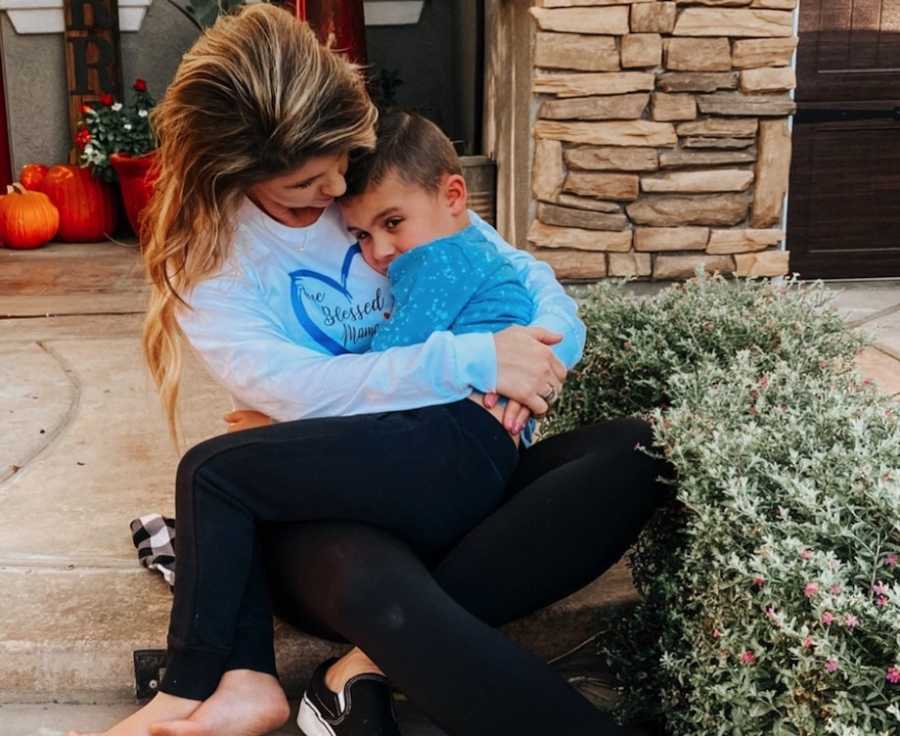
Things have changed. I’m no longer grieving. I’m no longer hiding. I can say the word “autism” openly and talk about my son without tears welling up. Are there still hard days? Absolutely. The system is flawed, and I still fight with schools, doctors, and insurance companies. But now, when I fight, I fight smart and hard. I’ve educated myself, earned a Master’s in Special Education, and know exactly what my son is entitled to. I no longer let anyone push me—or him—around.
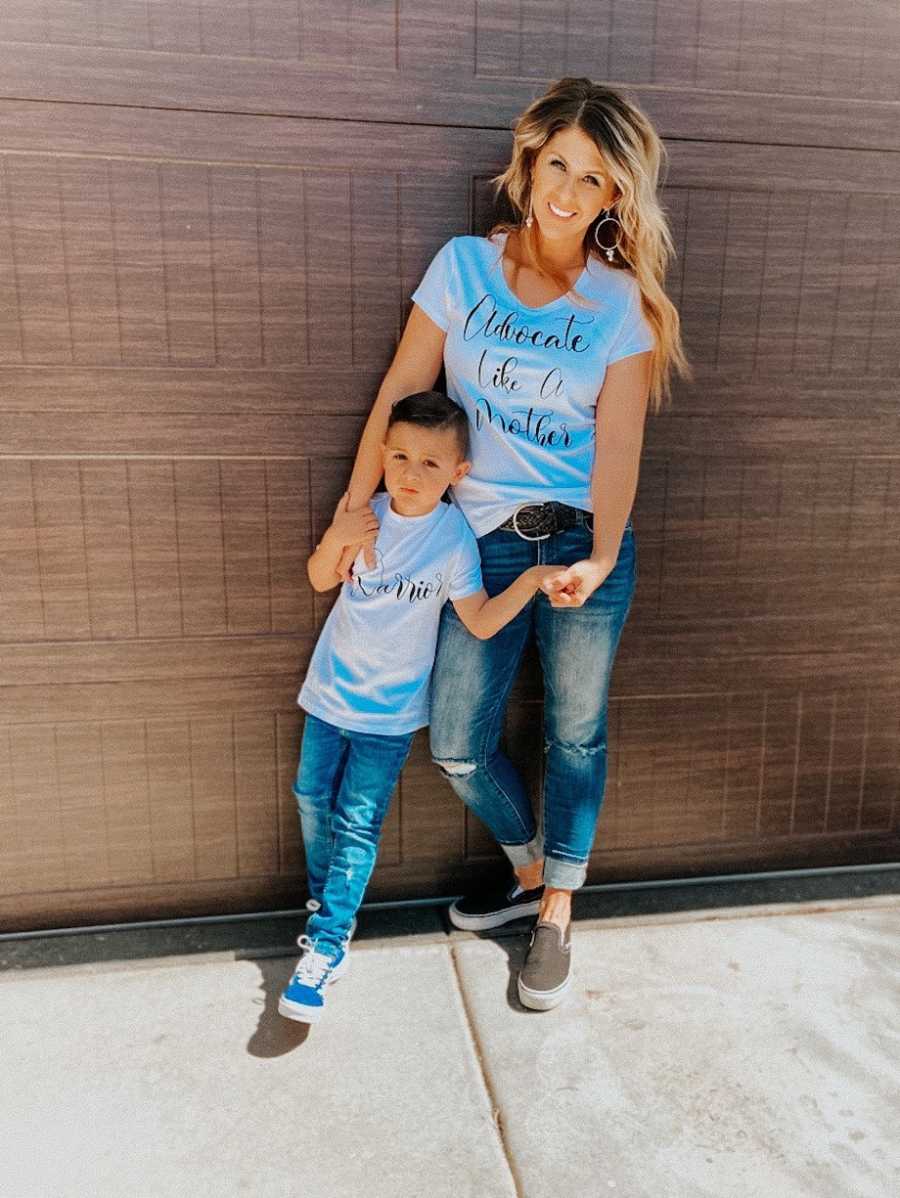
My son is six now. He is still mostly nonverbal, and on paper, he is considered severely autistic. But all of that “on paper” stuff doesn’t define him. He is the sweetest child I’ve ever met. He is loving, happy, and worthy. He is a light in this world, and he has transformed my life in ways I could never have imagined. I will forever be grateful that God’s plan was bigger than mine, that Easton is exactly who he is. I will forever believe he is truly perfect.

I did get my picture-perfect life—I just didn’t recognize it at first. This is our story, our life. It’s messy, raw, flawed… and that’s okay. We’re okay. To me, it’s perfect: my son, my life, our journey. All of it. Perfect.