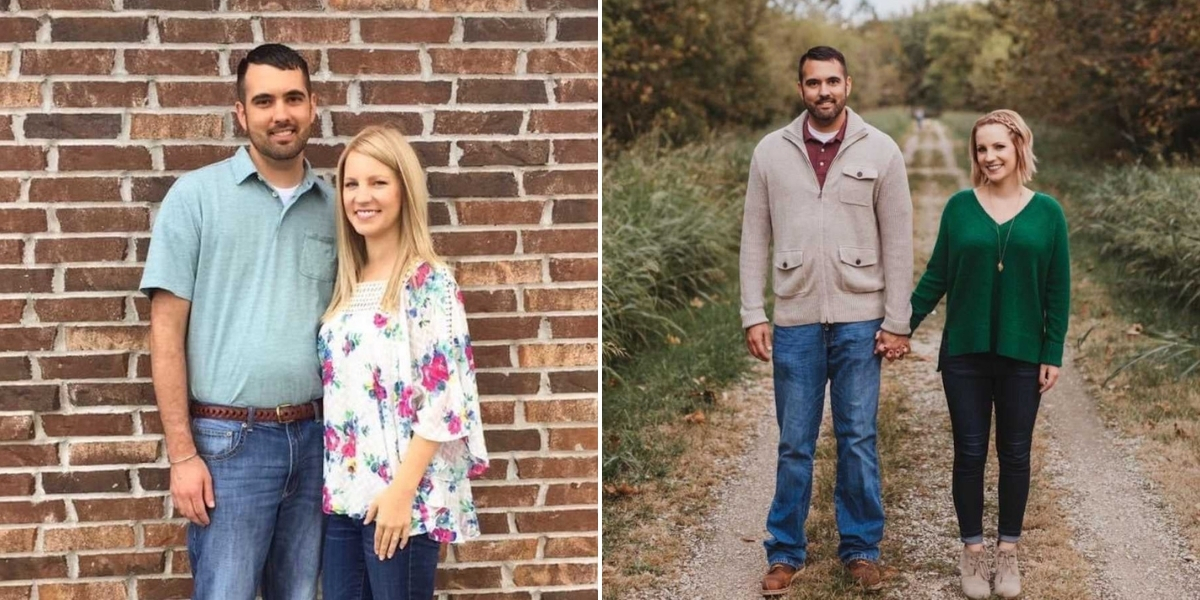
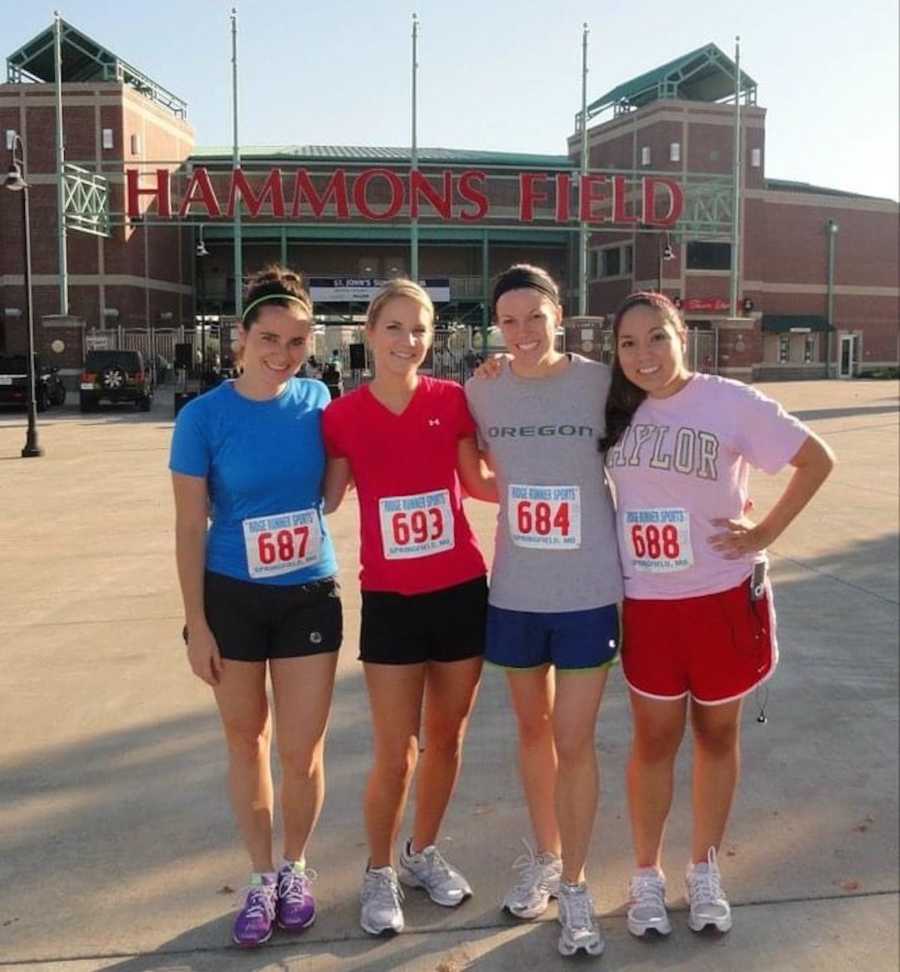
When I was 29 years old, I felt unstoppable. I was in what I thought was my prime—healthy, vibrant, and full of purpose. I had built a life I loved: I was a competitive runner, dedicated to a healthy lifestyle, and four years into a deeply rewarding career as a speech-language pathologist. I was newly engaged to Ryan, my fiancé, and we were just beginning the joyful chaos of wedding planning. The venue was booked, dreams of our shared future filled every conversation, and family planning was already on the horizon. We imagined merging our lives and families, traveling the world together, and savoring the adventures ahead. In my mind, the sky was only the beginning.
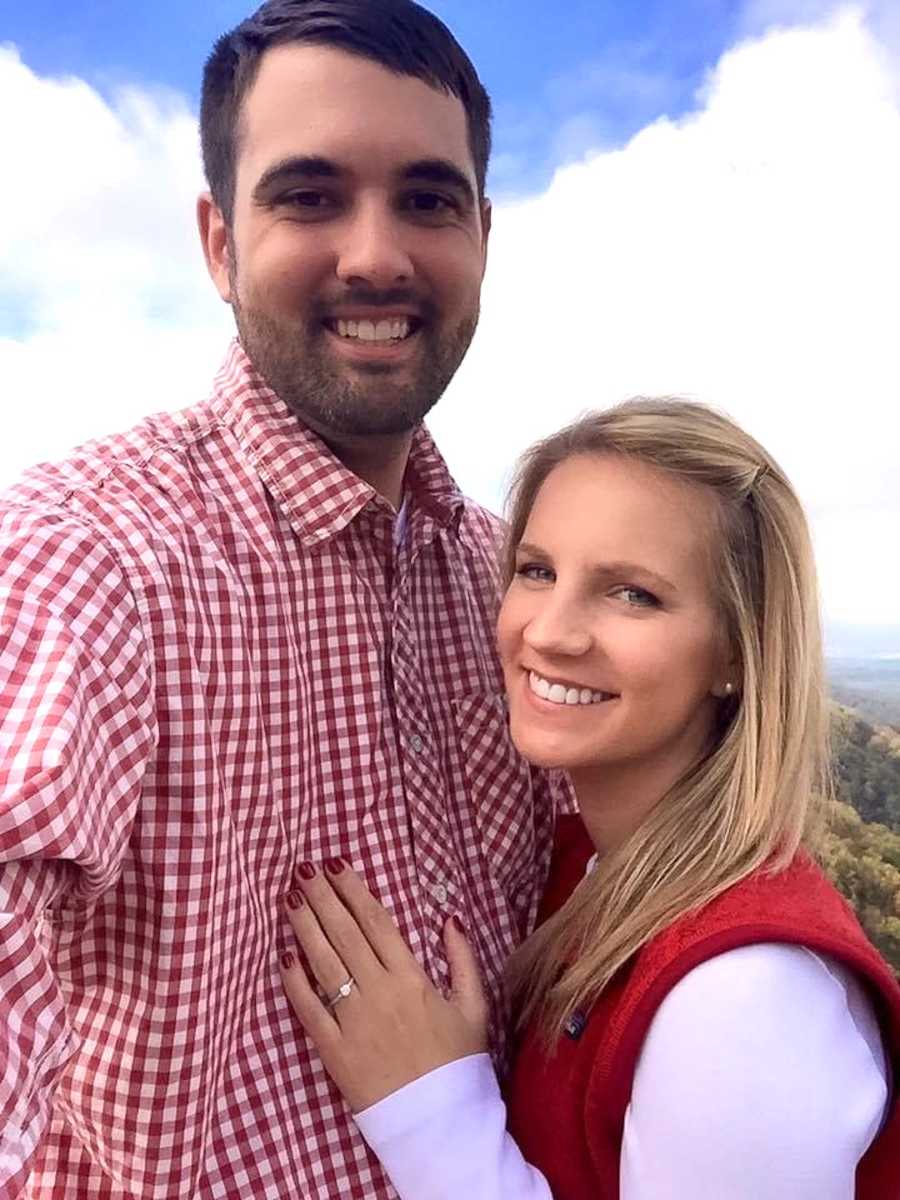
Little did I know, life had a different path in store for us. Our lives would indeed merge, but the journey’s beauty would take a vastly different course. The places we would go would largely be dictated by medical appointments, hospital visits, and procedures. Our tickets would come in the form of hospital bracelets rather than boarding passes. The miles we traveled would mostly be by car, shuttling to and from the medical center, and I would become an expert at being a professional passenger.
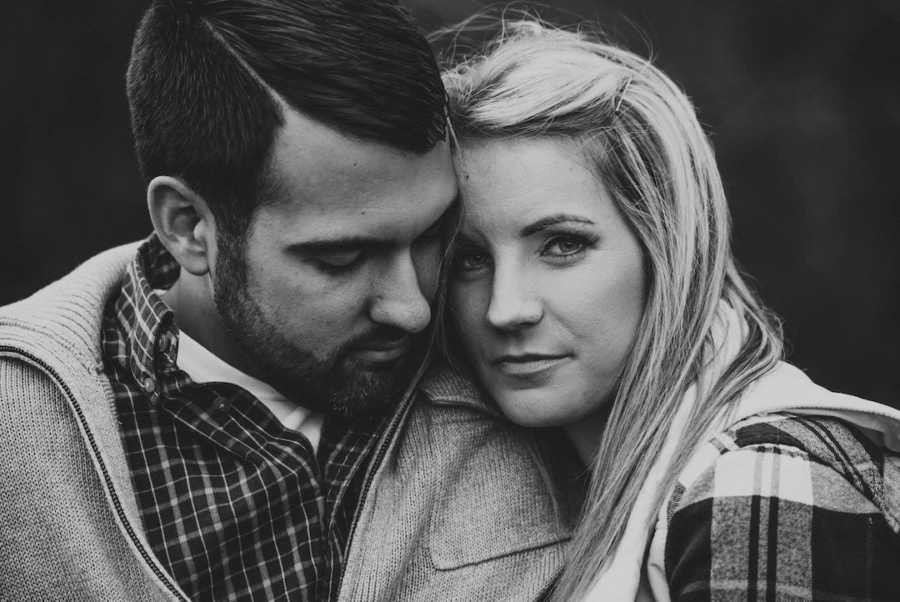
It all began on a frigid Missouri Sunday afternoon. I had just returned from running hills in the brisk 18-degree January air and settled onto my couch, arms crossed around myself to warm up. That’s when I felt it—a lump at the top of my left breast. It hadn’t been there a day or two before, and it felt completely out of place. Hard, painless, slightly smaller than a golf ball, and firmly anchored to my chest wall, it immediately set off alarms in my mind.
I knew my body well enough to recognize when something was wrong. I called my primary care physician’s office the next day and was soon sitting in her exam room. She palpated the mass and confirmed my suspicion: it was concerning and needed further diagnostics. I was scheduled for a mammogram and a diagnostic ultrasound. But I need to pause here and share a truth I’ve never shared before: out of fear and denial, I delayed these initial appointments by two weeks simply because the time conflicted with work. My priorities were clearly skewed. Ryan, thankfully, brought me back to reality. Luckily, the original appointment was still available, and I was able to rebook it. Let that be a reminder of how emotions can cloud our judgment—even when we know better.
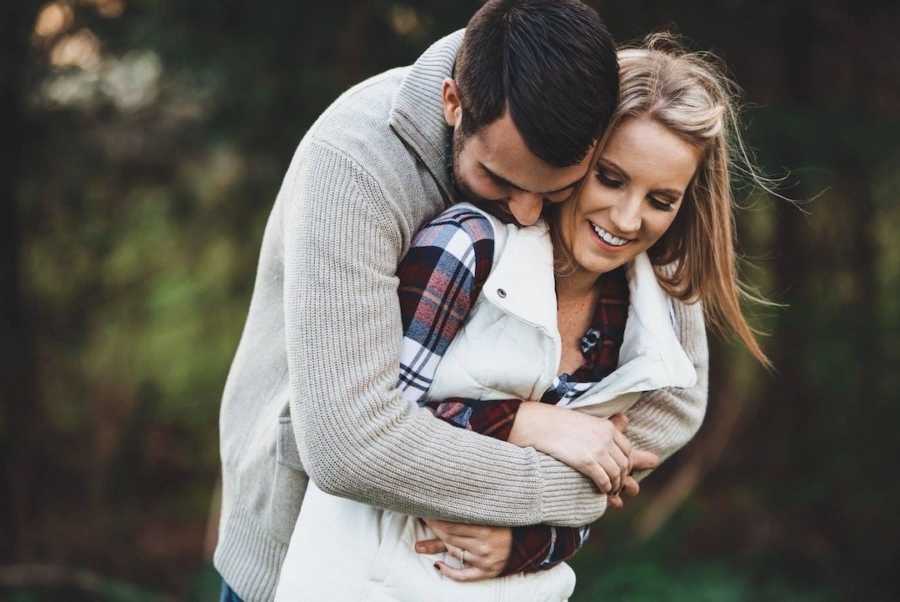
Two grueling weeks of waiting followed. Nights were sleepless, days dragged, and every hour stretched endlessly. Ryan attended all my appointments, waiting patiently in the hallway while I underwent testing. I still remember the ultrasound vividly: I chatted comfortably with the sonography technician about travel, family, and life—until she went quiet. Her flushed cheeks and sudden nervousness made my heart sink. I knew, even before the words came, that the news was not good. Our conversation resumed, but it was never quite the same.
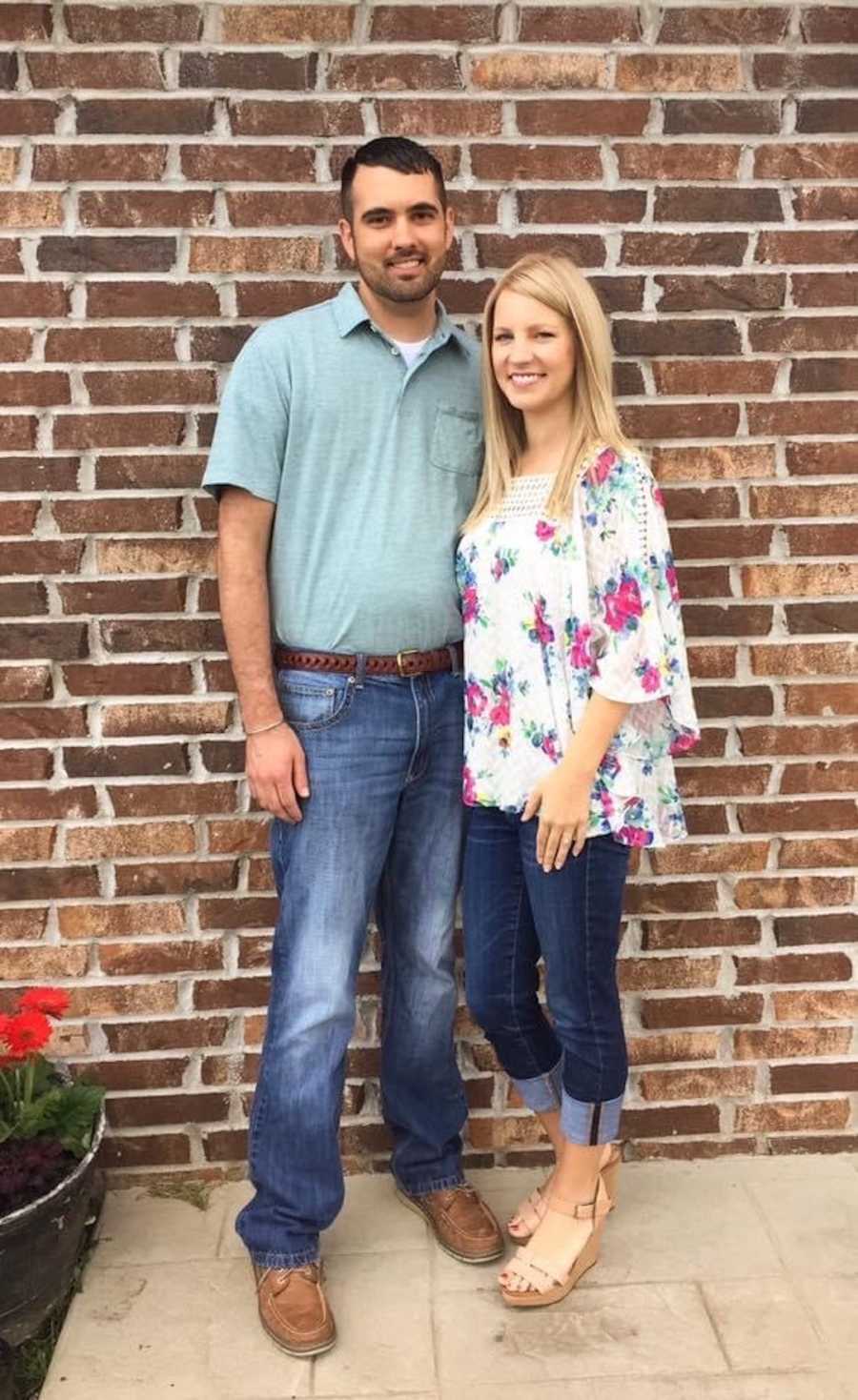
The mammogram followed. The technician was kind and professional, guiding me through every pose to capture the best images. Then came the wait. In a small, windowless room, the radiologist joined me and suggested Ryan be present for the discussion. I stubbornly declined, asking her to speak only to me. She explained her concerns about my mass and the potential implications. A biopsy would be needed to know for certain. I felt numb, unable to fully process what was happening. I scheduled the biopsy, then signaled to Ryan across the hall to meet me at the elevator. My head hung low—this was a moment I couldn’t face openly.
The biopsy itself was an intense and surreal experience. Awake for the entire procedure, I watched as the radiologist carefully extracted tissue from my anesthetized breast. It felt clinical, almost scientific, yet every poke and prod carried the weight of my fears. I prayed silently, clinging to hope and asking for strength in the midst of discomfort.
A week later, I received the call at work. Sitting in a quiet corner, I listened as my nurse navigator delivered the news: good and bad. The good was that a second, concerning area in my breast turned out to be benign—a fibroadenoma. The bad was devastating: an aggressive stage 2 tumor had rapidly developed, breaking through a duct and already spreading to a local lymph node, with the threat of more to come. My friend and coworker across the table began crying before I did. In that moment, my coworkers encircled me in prayer, hands touching, tears falling—a sacred and unforgettable scene. Shaken and trembling, I called Ryan to come get me. My world had shifted irrevocably.
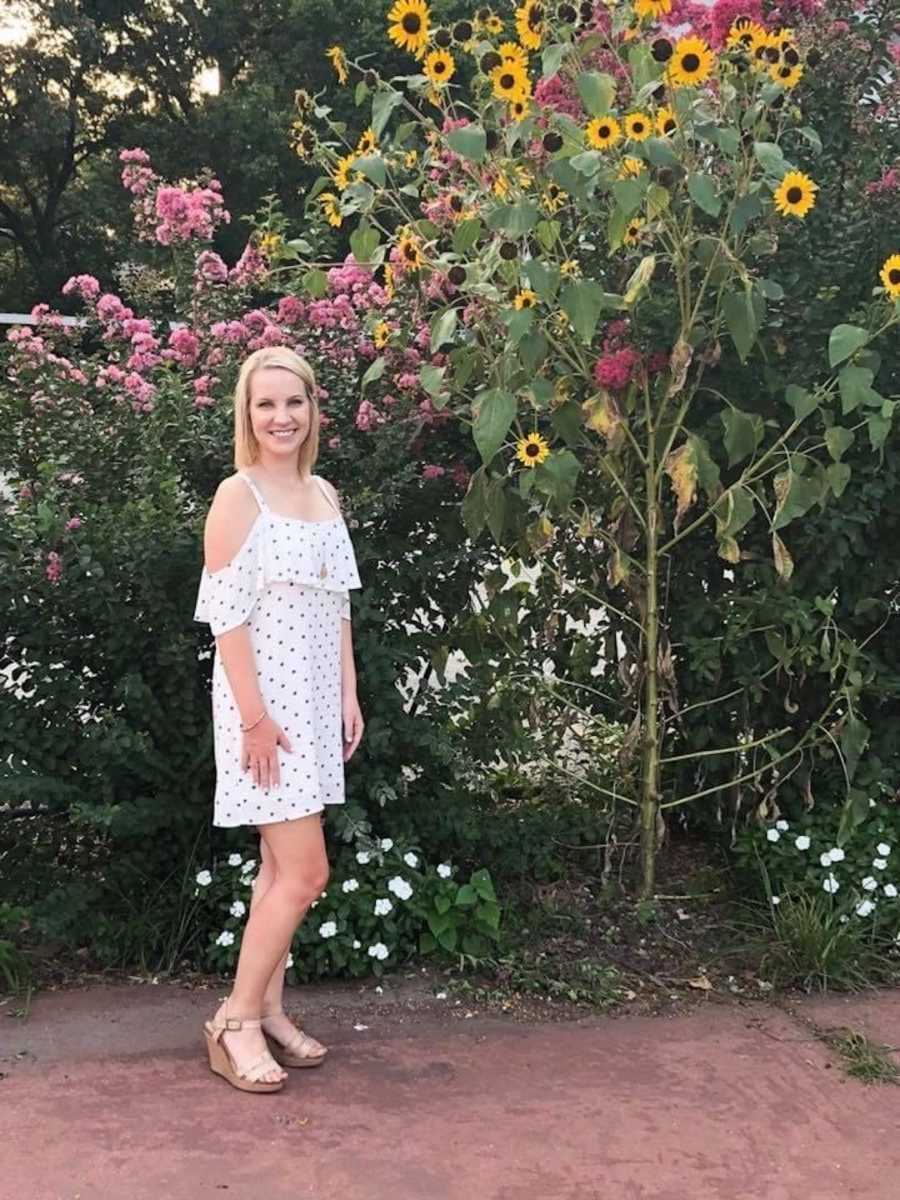
Ryan arrived, and we held each other in silent tears on the couch at home. That night, we had a reservation at our favorite restaurant—a night I had envisioned celebrating our engagement in a brand-new red dress. The instinct was to cancel, but we chose to go. Over candlelight, we laughed and cried together, a small yet profound declaration that breast cancer would not dictate our lives. That evening became a symbol of how we would navigate the diagnosis and treatment together: holding joy tightly, even in the darkest moments.
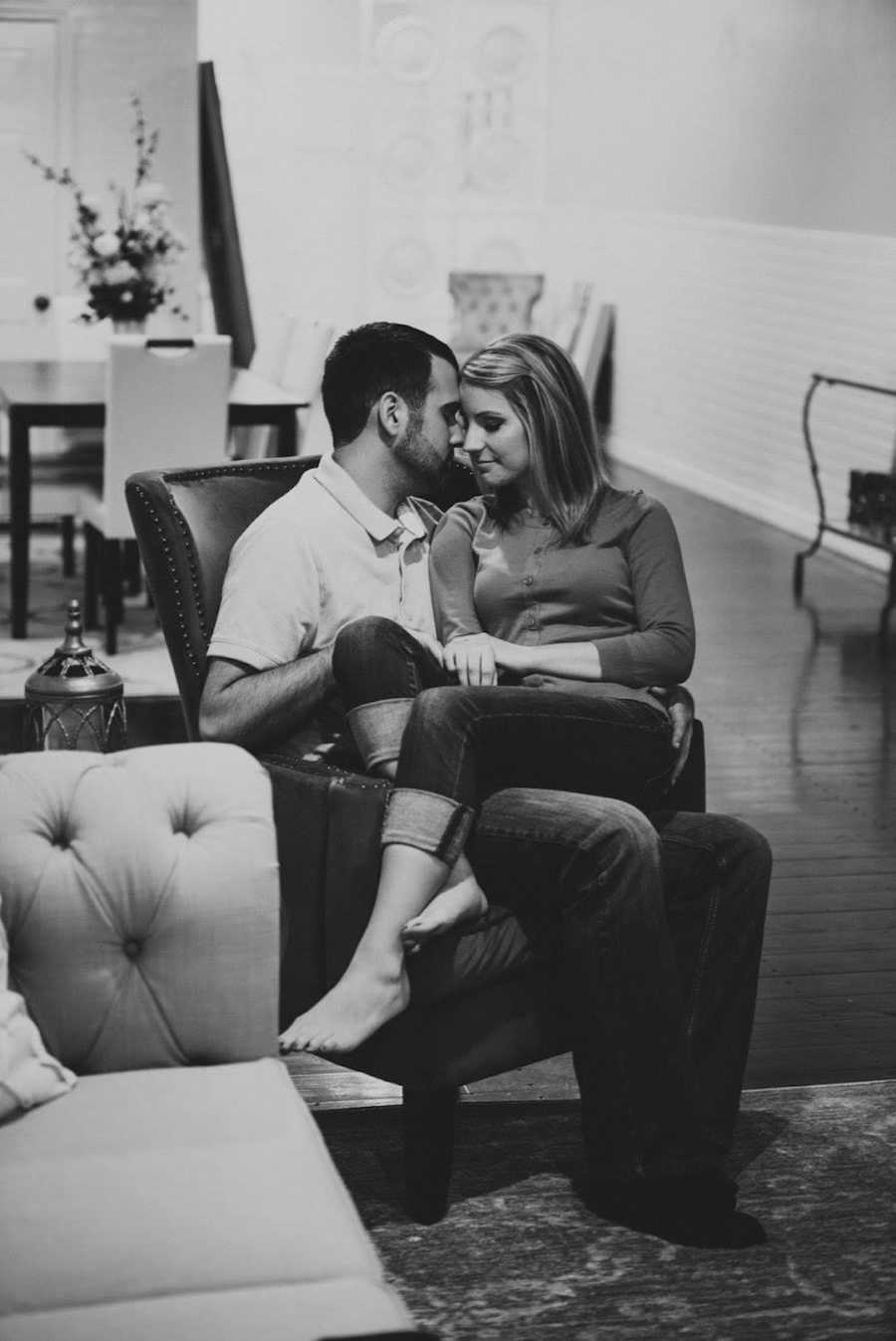
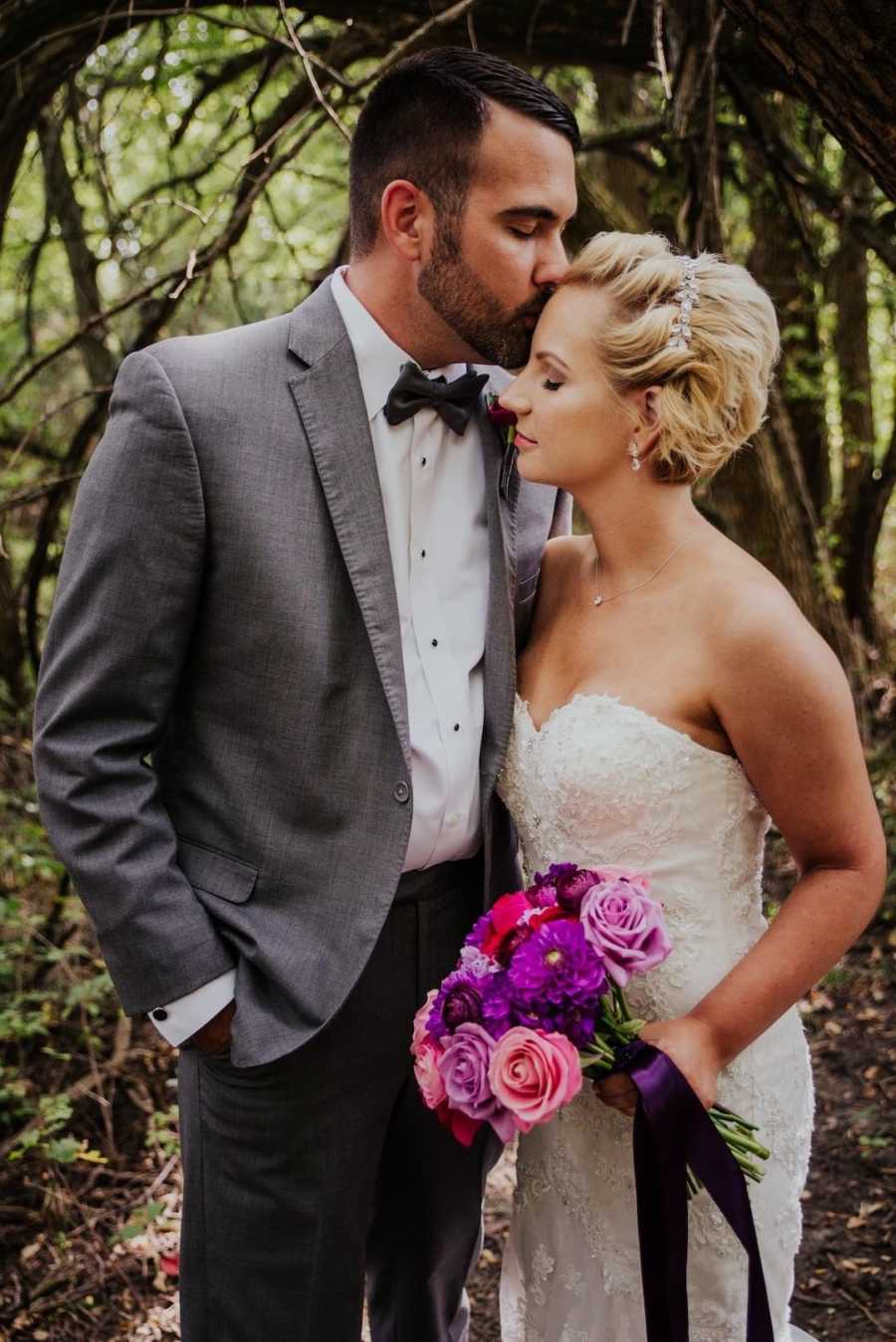
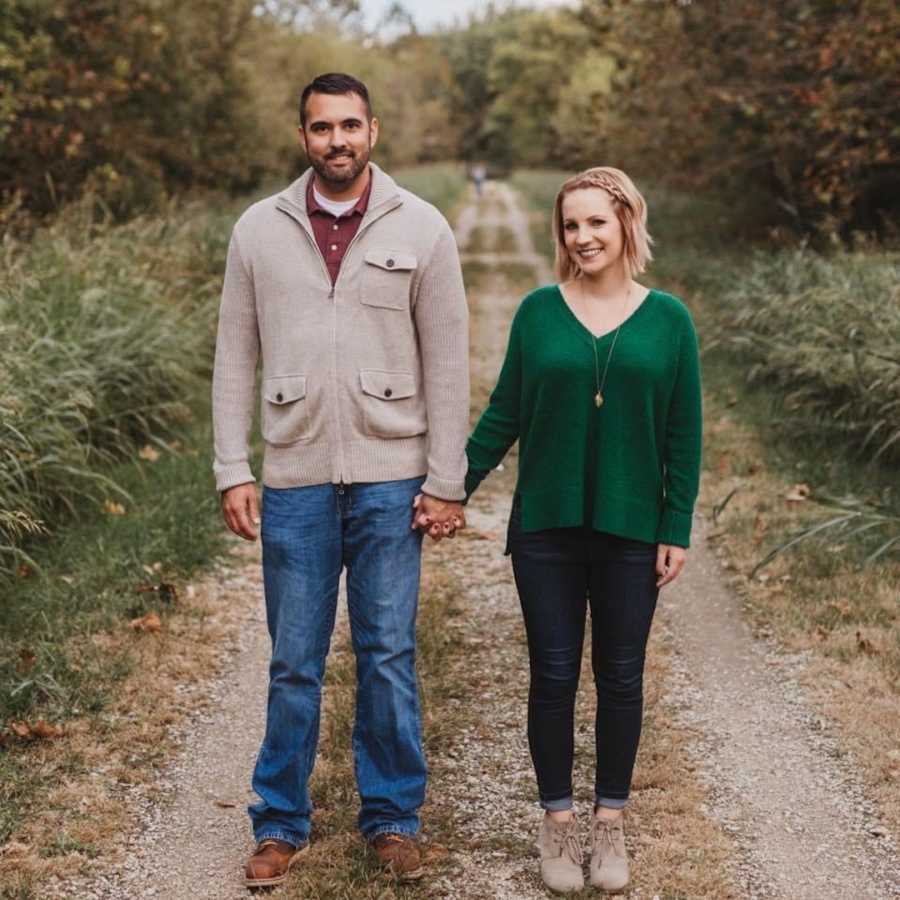
Through chemotherapy, mastectomy, and multiple reconstructive surgeries, my focus was never solely on survival. My greatest fear was losing my joy. I consciously chose to smile, to laugh, and to find light wherever I could. Our wedding was postponed a year, but during that time, Ryan and I grew closer than I had ever imagined. We learned the meaning of “in sickness and in health” long before the ceremony. When we finally stood at the altar, it wasn’t just a wedding—it was a celebration of life, of resilience, and of living fully in the present.
Family planning has been a challenge since. Though I am now cancer-free, my medications preclude pregnancy, at least until later in 2021. Watching friends have children has been bittersweet, but I genuinely celebrate their joy.
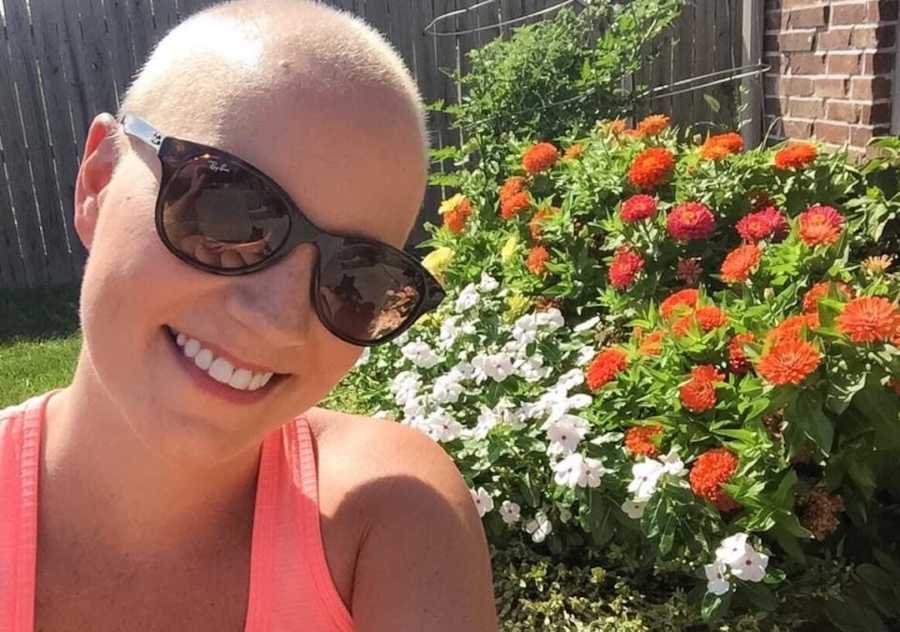
Approaching my five-year cancer-free milestone this year, I realize how vital my story is. Sharing it with men and women in my community, online and in person, has revealed the profound need for hope. Young adults newly diagnosed or in early years of survivorship need to see life during and after cancer—and I am living proof that it’s possible. Cancer does not have to steal our joy. Life can be intentional, filled with purpose, and guided by hope. It’s not easy, but it’s attainable—one day, one hour, or even one minute at a time.
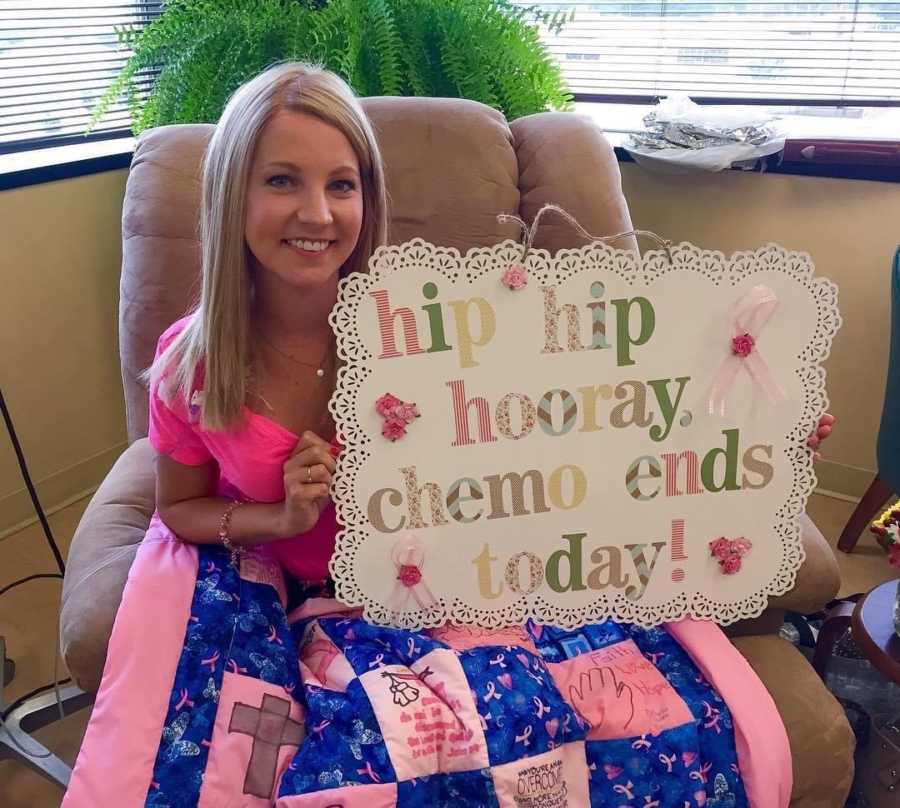
Community has been essential. Those who haven’t faced cancer often cannot fully relate, no matter how well-intentioned. Feeling seen, supported, and validated by others who have walked this path brings healing and growth. Survivorship is a complex journey—our bodies change, scanxiety persists, and the post-cancer world feels unfamiliar. But through it all, there is life worth passionately pursuing.
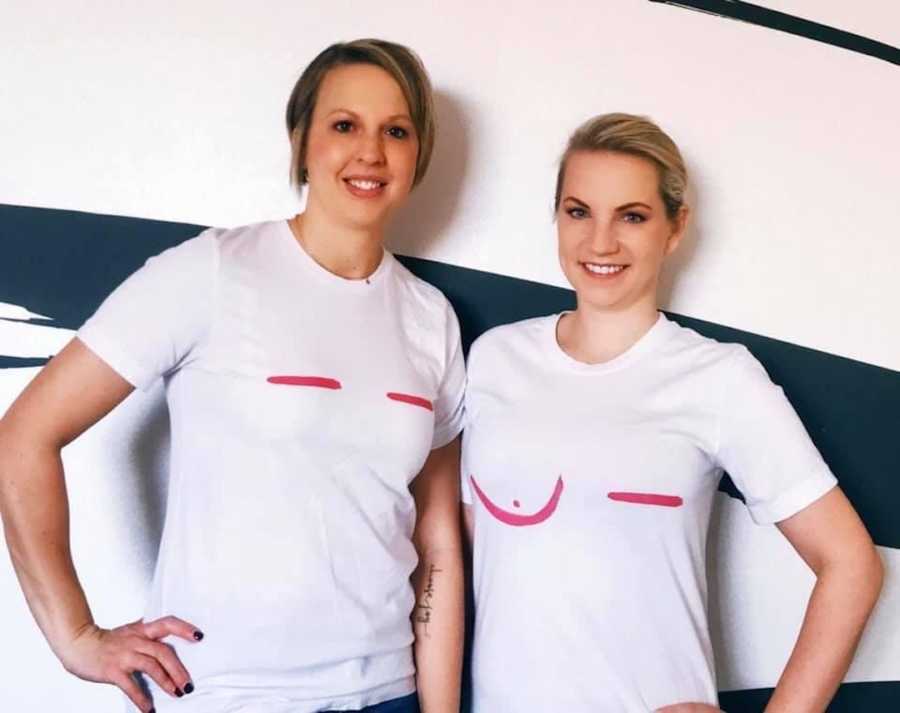
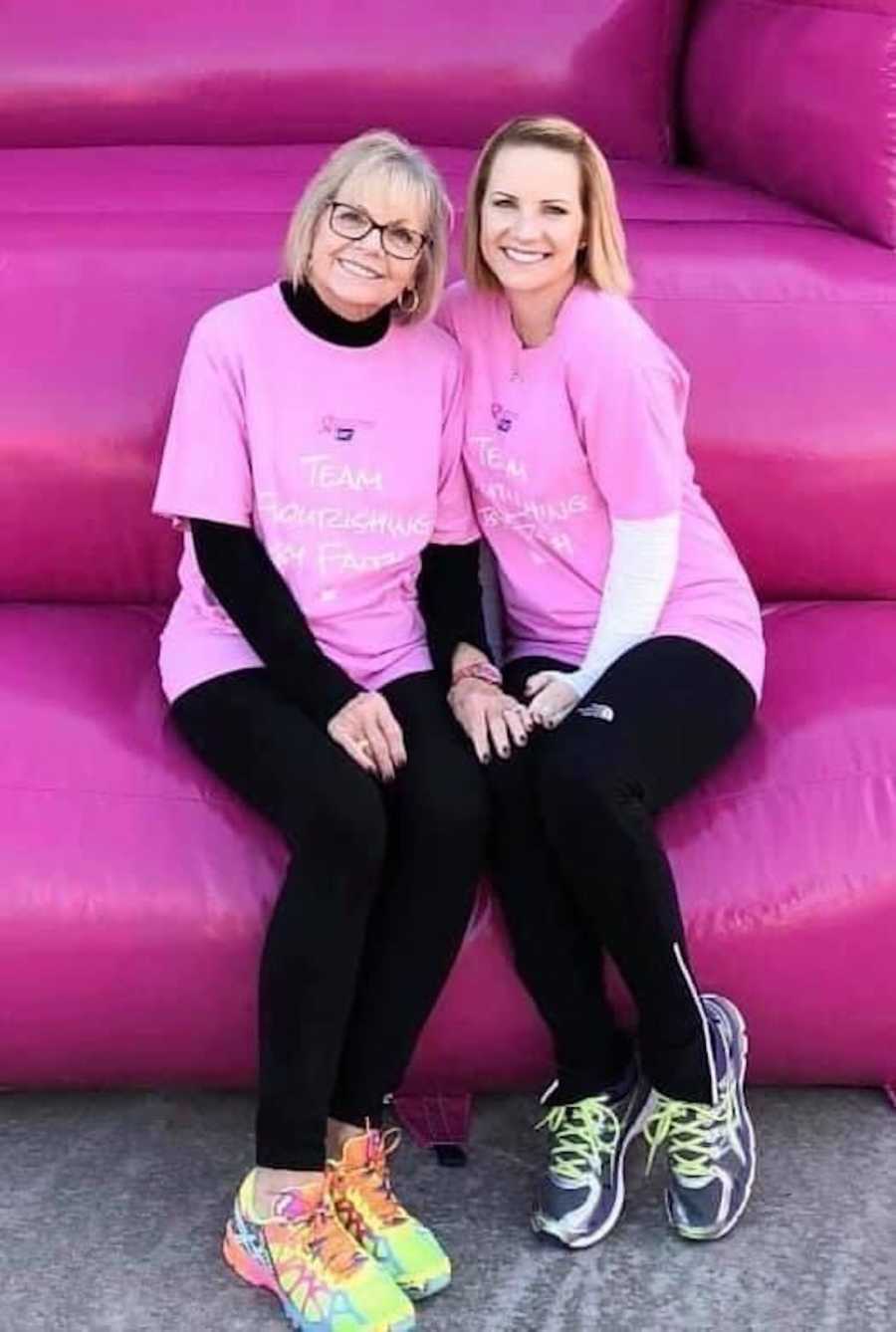
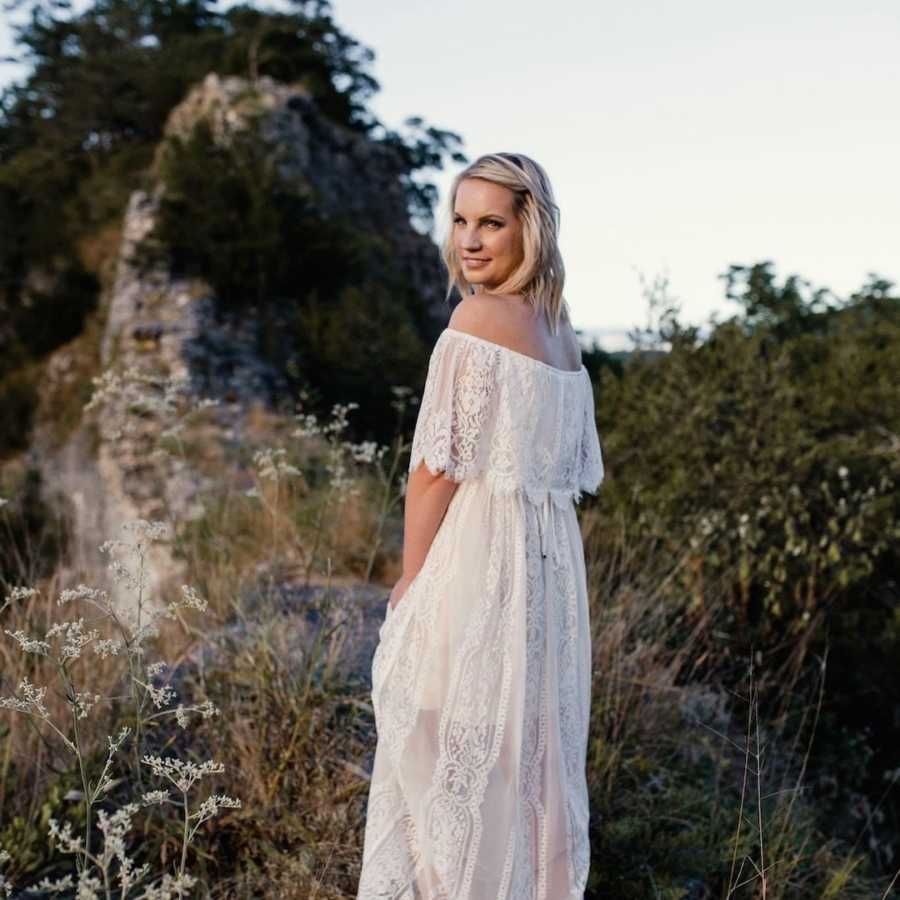
My mission in sharing my story is simple: to leave breadcrumbs of hope for the newly diagnosed, the scared, and the uncertain. I want them to know that joy is not lost, even amidst diagnosis, treatment, or uncertainty. Healing is not linear, rest is necessary, and life continues—beautifully, messily, and meaningfully. There is life during cancer, and life after cancer. And it is worth living, fully and intentionally, every single day.