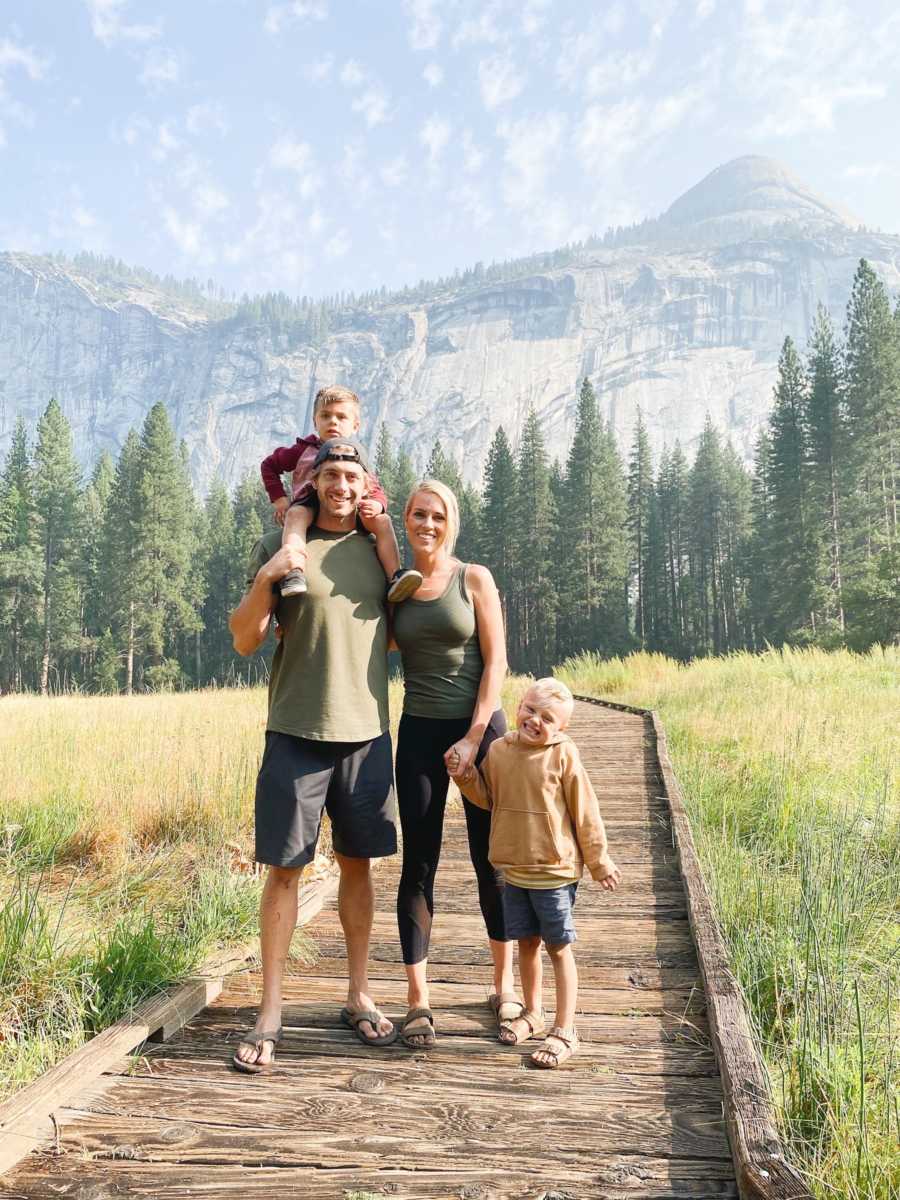
It’s fascinating to see how the threads of our experiences weave together to create the tapestries of our lives. Our decisions, circumstances, and moments of chance braid together, forming patterns both unexpected and beautiful. In January of 2021, our family officially became licensed to foster—a journey shaped by an unusual, winding path. Looking back, there are a few key threads that brought us to this moment.
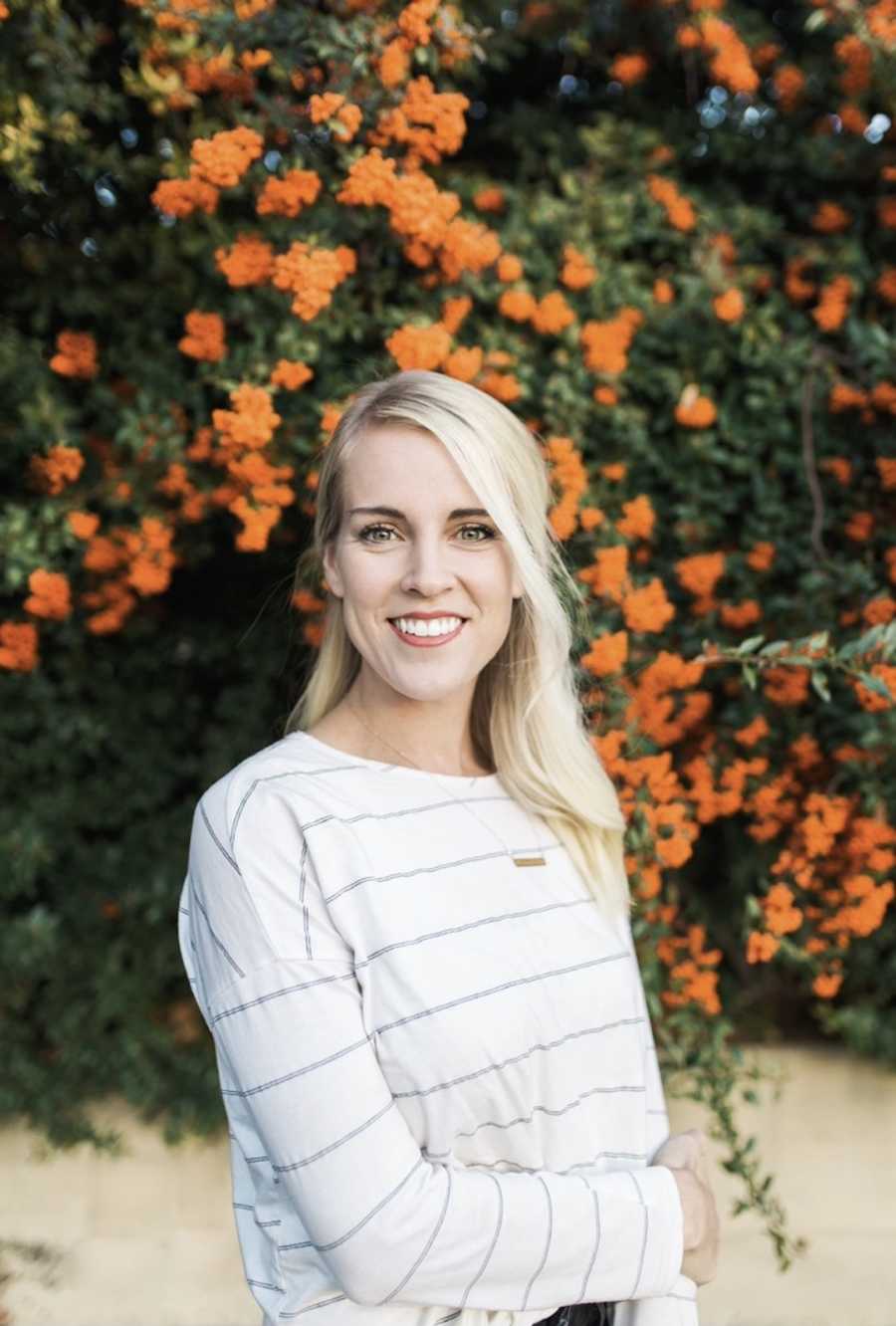
Fresh out of college, I began teaching high school. Each morning, I made copies and was often asked by colleagues if I was a student—something that never failed to make me laugh. High schools are alive with energy, full of cognitive sparks, challenges, and vibrant personalities. Teaching in the classroom and coaching on the track quickly became the most fulfilling parts of my life. I spent nearly every moment thinking about my students and athletes. Many of them lacked consistent support at home, and witnessing the impact a single caring adult could have on a teenager stirred something deep inside me. The work was exhausting, often leaving me in a zombie-like state, yet it also gave me a vitality I hadn’t known before.
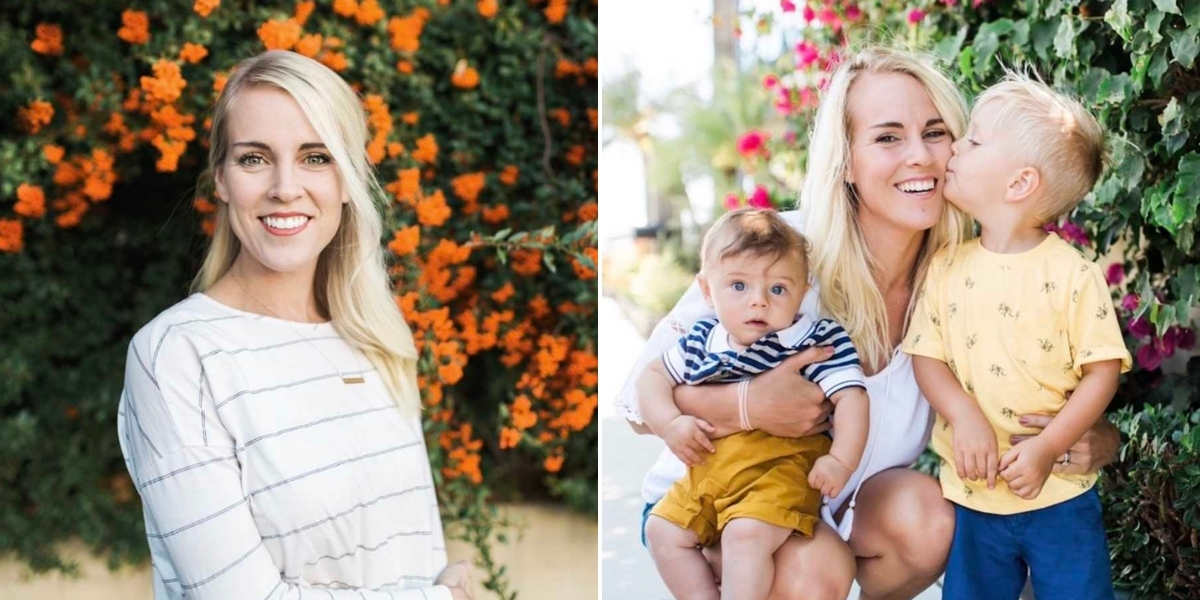
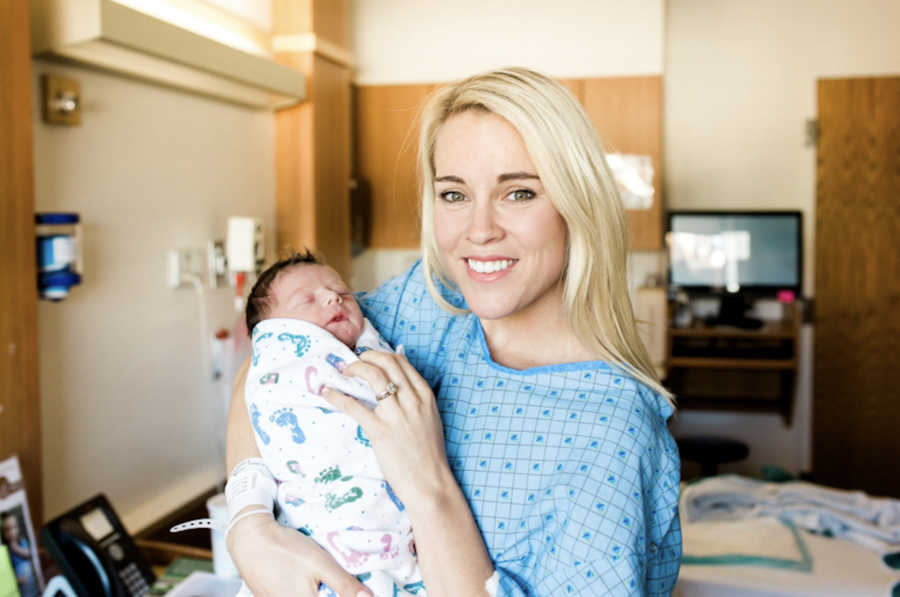
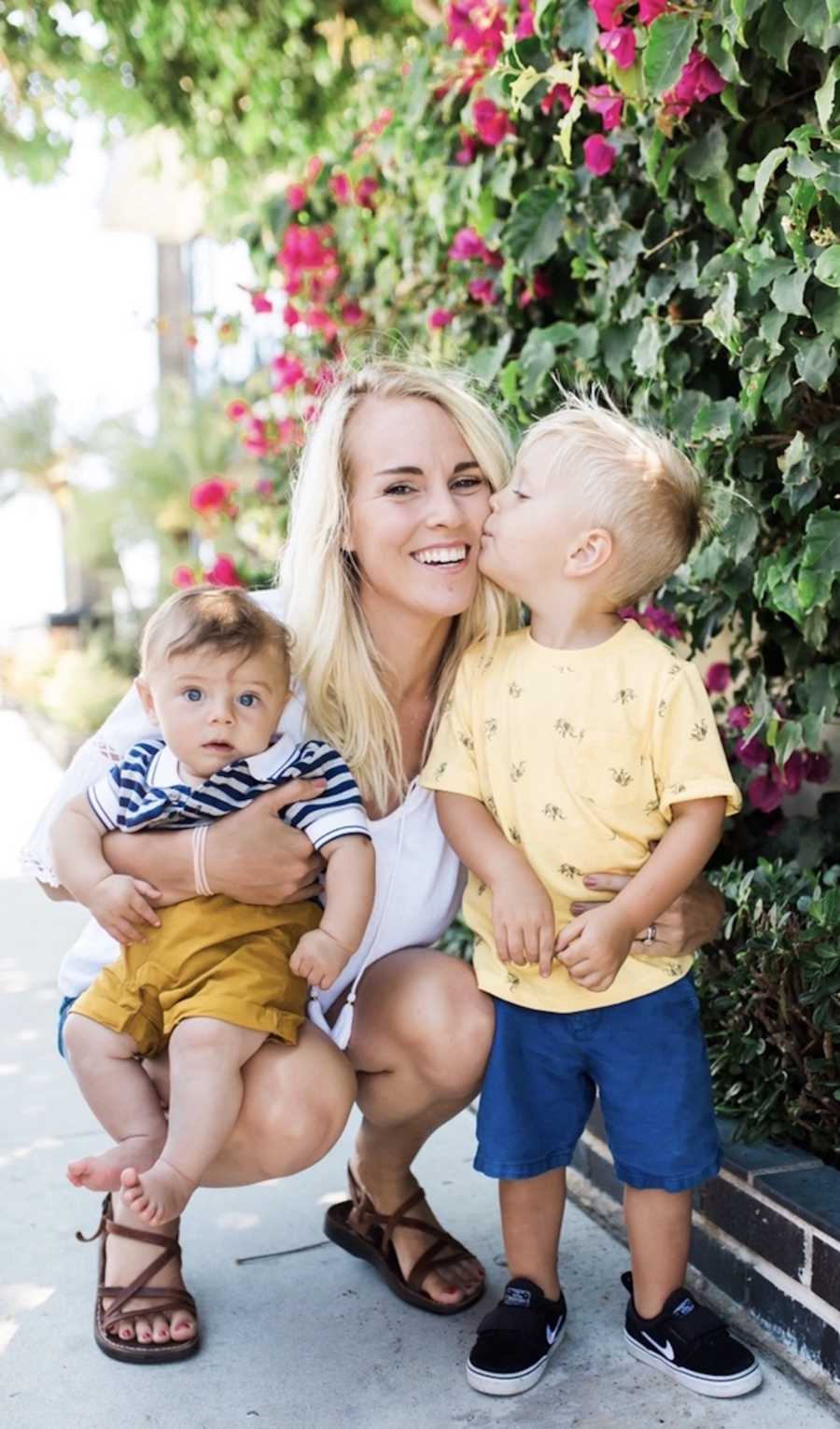
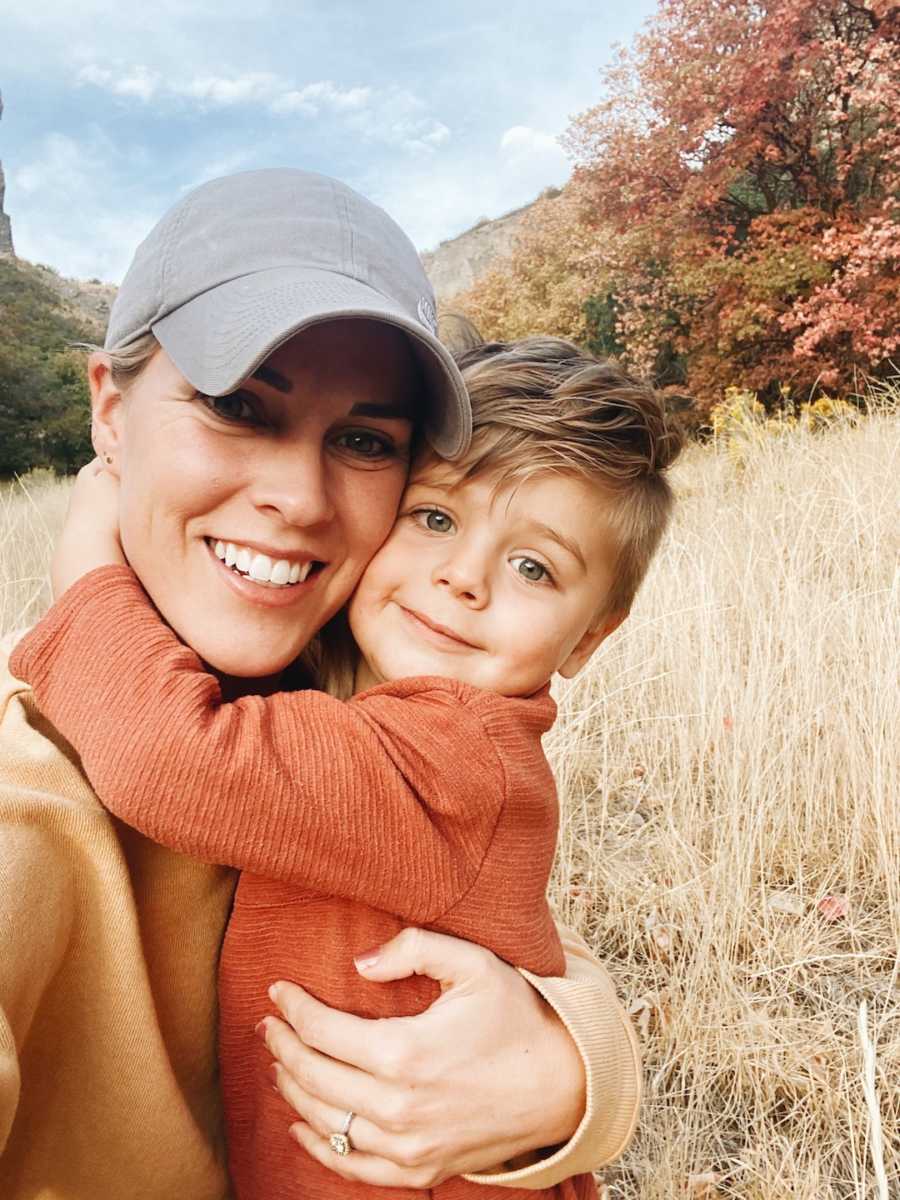
During those high school years, I married my high school sweetheart. A few years into teaching, we welcomed our first son and moved to a new home. The energy I had poured into my students naturally flowed into motherhood and family life. Family became my anchor. Within a few short years, we became a family of four, and our home was full of life and love.
At this point, my husband and I faced a monumental decision. After years of deep reflection and study, we stepped away from the Church of Jesus Christ of Latter-day Saints—a faith we had devoted our lives to but no longer identified with. For context, the Mormon Church is a high-demand religion, deeply intertwined with daily life, especially for those who grow up near its headquarters. Questioning or doubting often invites judgment or even social distancing from the community. Leaving it behind meant our once-familiar world became unfamiliar, and my heart broke open in new ways.
Therapy became a lifeline, helping me navigate identity, relationships, and the complex process of deconstructing belief systems. I began to explore trauma research, understanding how experiences shape us and how healing becomes possible. Leaving a rigid religious framework unlocked a vault of wisdom and personal insight, revealing vulnerabilities but also strength. I found myself drawn to those who feel unloved, unseen, or ostracized. I couldn’t bear to witness a child grow up without unconditional love. I wanted to be a safe place, a person who celebrates children for exactly who they are.
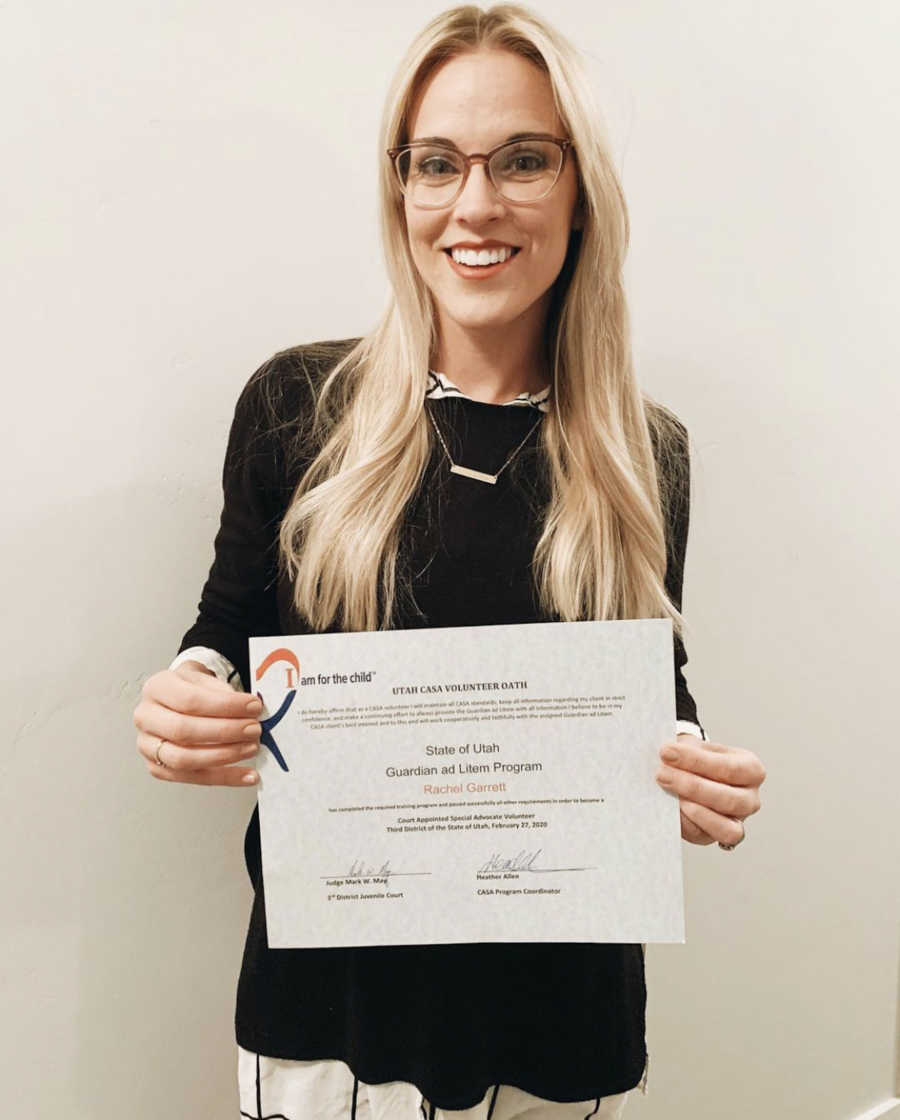
One afternoon, I randomly came across information about becoming a CASA (Court Appointed Special Advocate). Something about it clicked instantly. Within a week, I signed up for an interview, and a month later, I completed 35 hours of training. The final portion involved observing court proceedings and being sworn in by a judge. Sitting in the courtroom, I watched families grapple with high-stakes struggles: parents pleading for rights, missed drug tests, shocking abuse cases, one mother firing her attorney mid-hearing. Caseworkers, GALS, and CASAs fiercely advocated for the children caught in the middle.
Three days before Covid-19 shut down the country, I received my first CASA placement: a teenage girl in foster care. I was nervous—how could I build trust and connection during isolation, strictly over the phone, with a teen who likely wanted nothing to do with me? I reminded myself I didn’t need all the answers—I just needed to show up with my heart. Each week, we talked for an hour, and slowly, our relationship grew. One night, while painting in our unfinished basement, I listened to her excitedly recount boys she met that day at Cherry Hill. We laughed at the quirky ways teenagers navigate life. Hearing her joy, separate from her trauma, felt monumental. In that moment, a dormant piece of me sparked back to life. It was sacred.
By Fall 2020, all these threads converged. My husband and I had been contemplating whether to expand our family. The idea of fostering had lingered in the back of my mind, but I had dismissed it, feeling unprepared amid the chaos of young motherhood. Yet, week after week, the pull grew stronger. Every conversation about growing our family circled back to the children I’d met as a CASA—hundreds of thousands of kids in need of temporary or permanent homes. One afternoon, I finally asked my husband, “What if we fostered?”
He initially voiced concerns, as most people naturally do. He joked that I should prepare a Shark Tank-style PowerPoint outlining logistics, statistics, and realities. I did. And that night, he said, “I think we know what we need to do; we just need to stay on the same page.” From there, late-night talks turned into serious discussions, long walks and car rides became shared moments of learning and planning, and we participated in the weekly training together, growing closer through shared purpose.
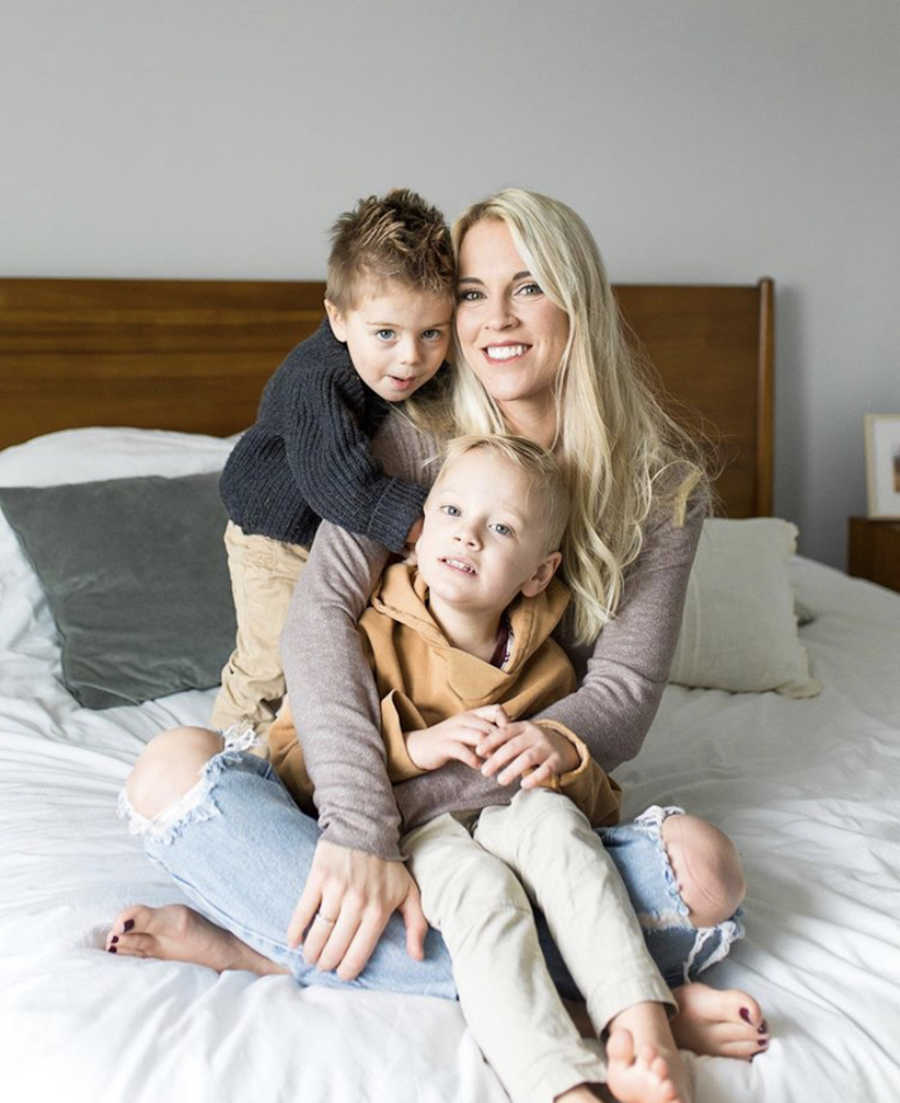
All of my experiences—the teaching that taught me patience and guidance, motherhood that opened my heart fully, CASA work that revealed the legal and emotional stakes of foster care, and leaving an orthodox religion that shattered and rebuilt my understanding of identity—wove together to prepare me for this new chapter. While I cannot fully grasp the trauma a child experiences being removed from their home, I know our hearts and home are ready to receive them with love, patience, and care.
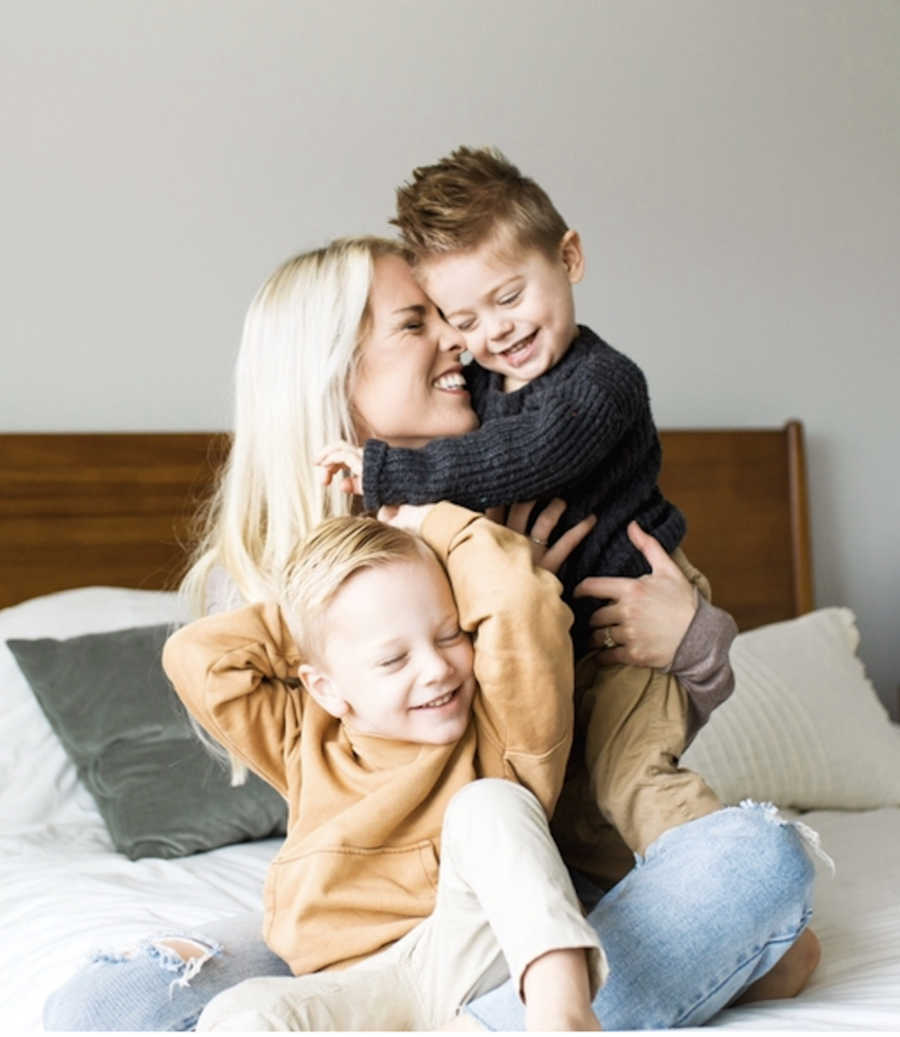
There is also an ache, a heavy weight in my chest, thinking of the pain children endure before meeting us. We are mindful of the circumstances under which we will open our home, especially considering our young children. We hope to support biological families wherever possible while providing unconditional love to those we foster. I don’t know what the future holds, but I do know this: each step we take is informed by the wisdom and experiences of our past, guiding us forward to the children and families we are meant to meet.