All I could think when they gave me my diagnosis was, “How can I have PTSD? Isn’t that just for veterans?” One traumatic event had changed my life forever. I was always on edge, constantly on-guard, fearful, and angry. I had become a shell of myself, living in fear and exhaustion, unsure if I would ever feel normal again.
My journey began much earlier, in the summer of 1987, when I was just fifteen. I started passing out unexpectedly. At first, we thought it was a one-time fluke. I was at cheerleader camp, and my potassium levels were low—no big deal, right? But this was just the beginning, and it would slowly reshape my life in ways I could never have imagined.
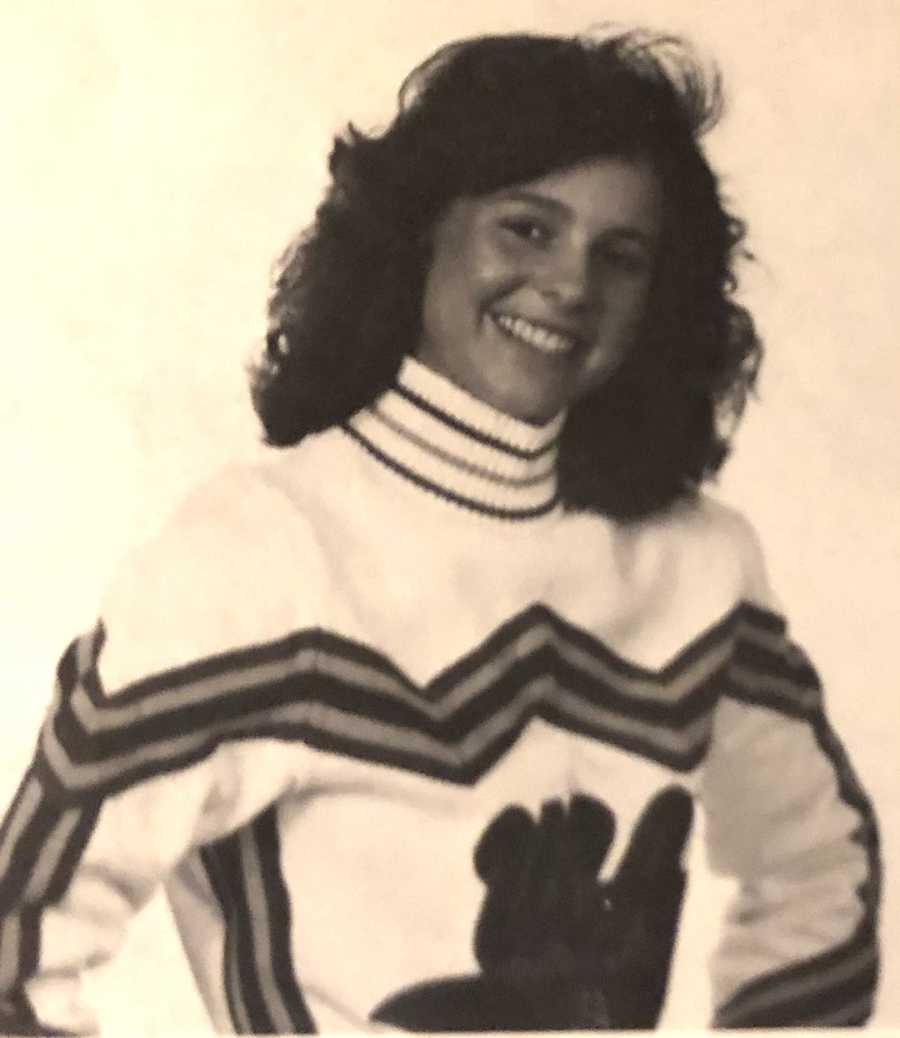
For years, I passed out without warning, visiting doctors all over the South searching for answers. They tried to help, diagnosing me with everything from migraines to heart conditions, but nothing worked. The medications didn’t help, and no one could explain why my body betrayed me time and time again. I learned to live with it. I graduated high school and went on to college, determined to finish despite the setbacks. So many times, I was found unconscious in stairwells or parking lots, completely debilitated, yet I refused to let this condition stop me from moving forward.
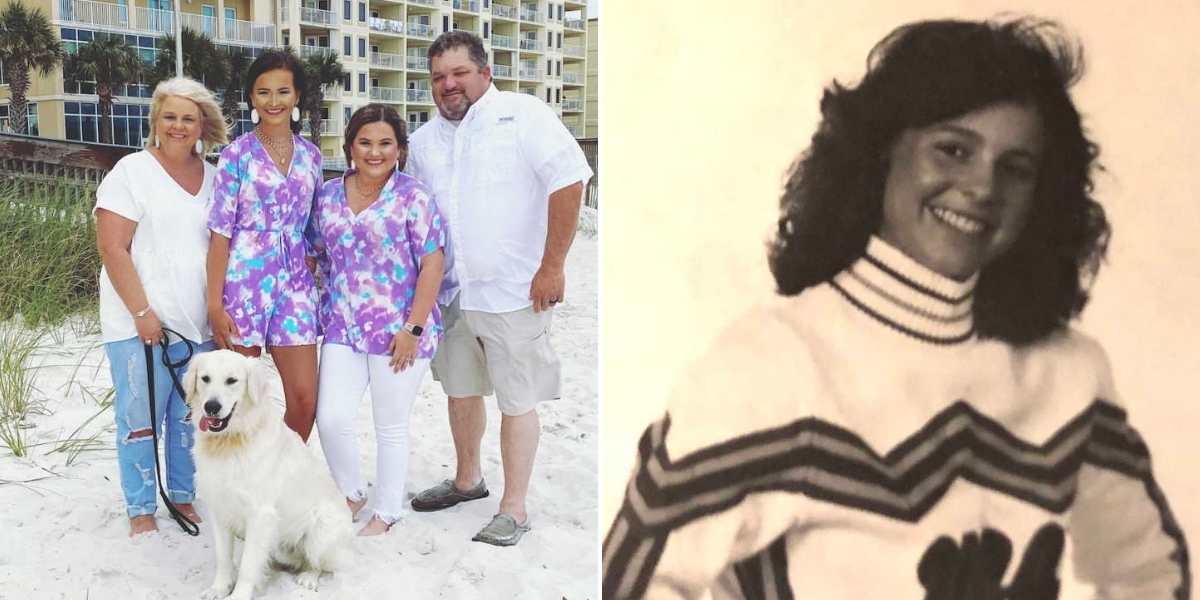
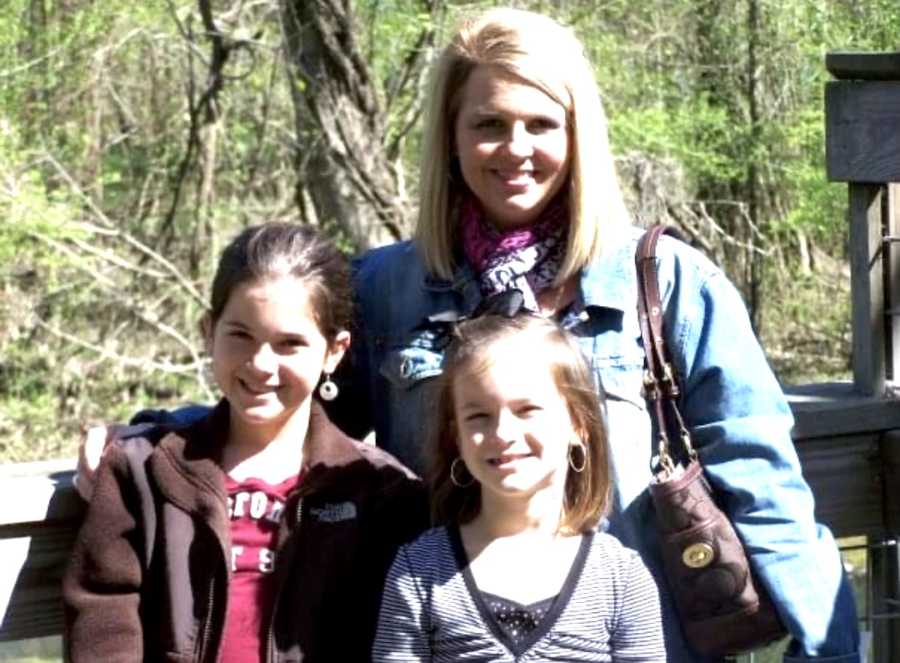
After college, life took a brighter turn. I married my soulmate and together we had two beautiful daughters. They grew up with me, not just witnessing my struggles but living them alongside me, loving me through every setback and every blackout.
Eventually, my husband found a doctor in Houston, TX who promised he could help. This man was remarkable—highly educated, fluent in five languages, and deeply respected in his field. He believed I was experiencing mini-seizures and prescribed seizure medications. But the meds were brutal. They made me nauseous, exhausted, and irritable. Still, I clung to the hope that they would finally offer a permanent solution, despite the $1,200 monthly cost.
By 2008, at age 35, my husband decided we needed more answers and took me to the Mayo Clinic in Jacksonville, FL. I underwent a week-long continuous EEG, deprived of sleep and food, all in search of clarity. On the final day, a neuropsychiatrist visited. She asked if I had ever experienced trauma. Reluctantly, and with my husband’s gentle encouragement, I shared that I had been raped. It became clear that my passing out episodes started not long after that event. She explained that my body reacted to triggers of that trauma—anything that reminded me of that fear—by entering “fight or flight” mode. My body had chosen “flight,” resulting in the blackouts that had haunted me for decades.
I began intensive therapy using the EMDR method. It helped for about three years, but eventually, the blackouts returned. I underwent countless treatments, experimental injections, and even ECT (electroconvulsive therapy). Some interventions offered temporary relief, only for the episodes to come back, leaving me frustrated and exhausted.
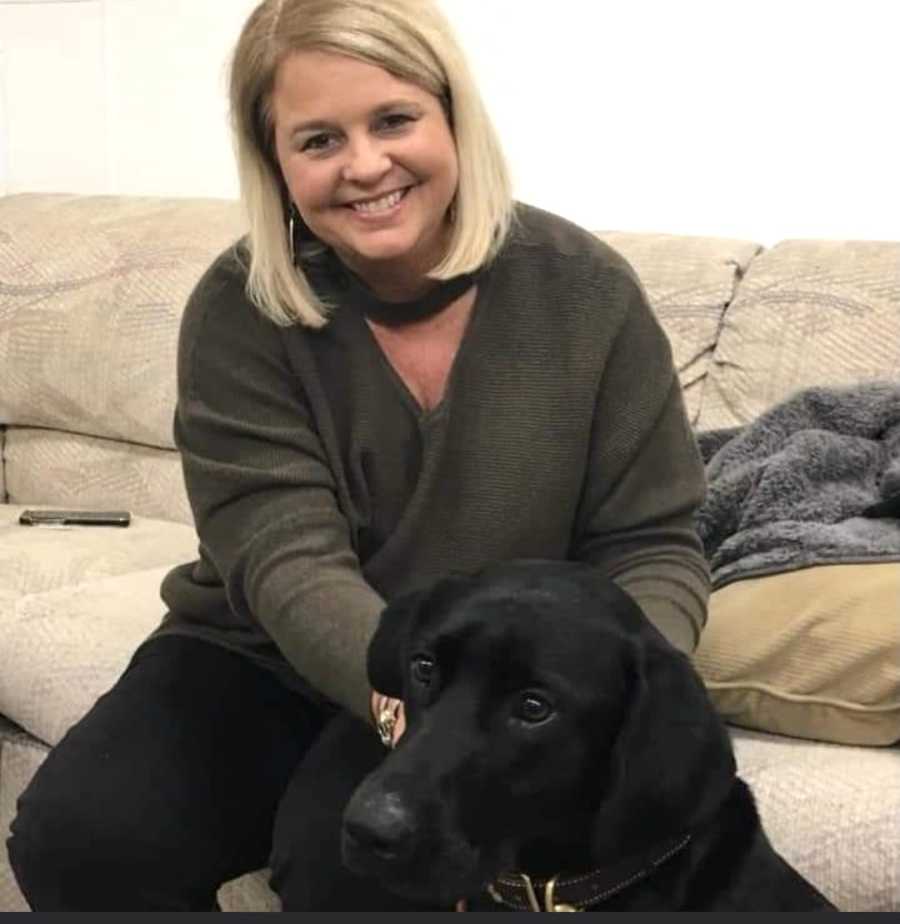
In 2019, a glimmer of hope arrived: I discovered a trainer who could prepare a service dog to assist me. The idea thrilled me—I believed I had finally found the answer. But the cost was $15,000, and we weren’t sure how to manage it. That’s when my community in Crossett, Arkansas stepped in. Friends, neighbors, and local businesses organized fundraisers, GoFundMe campaigns, bake sales, and dinners, all to bring a service dog into my life. Their generosity exceeded expectations, and I was surprised with a black lab named Everett.
Everett was sweet and loving, but he also carried a lot of anxiety. For someone with PTSD, this only amplified my own struggles. I began avoiding outings, worried about how he would react. I was becoming more isolated instead of better, and the heartbreaking decision had to be made—I returned Everett. I felt like a failure and feared that my health would never improve, even though another dog was promised months later. I sank into hopelessness.
That summer, my husband was deployed for work, and I spent long days alone in the country. I couldn’t drive, I couldn’t work, and I felt unbearably lonely. Depression took hold, and I believed everyone would be better off without me. I attempted to end my life.
I was found that night by my daughter and rushed to the emergency room. From there, I was med-flighted two and a half hours away to receive dialysis. By God’s grace, I survived—and my kidneys were unharmed. The road to recovery was long and painful. Many friends and family struggled to understand, and I had to work hard to rebuild trust and regain their support.
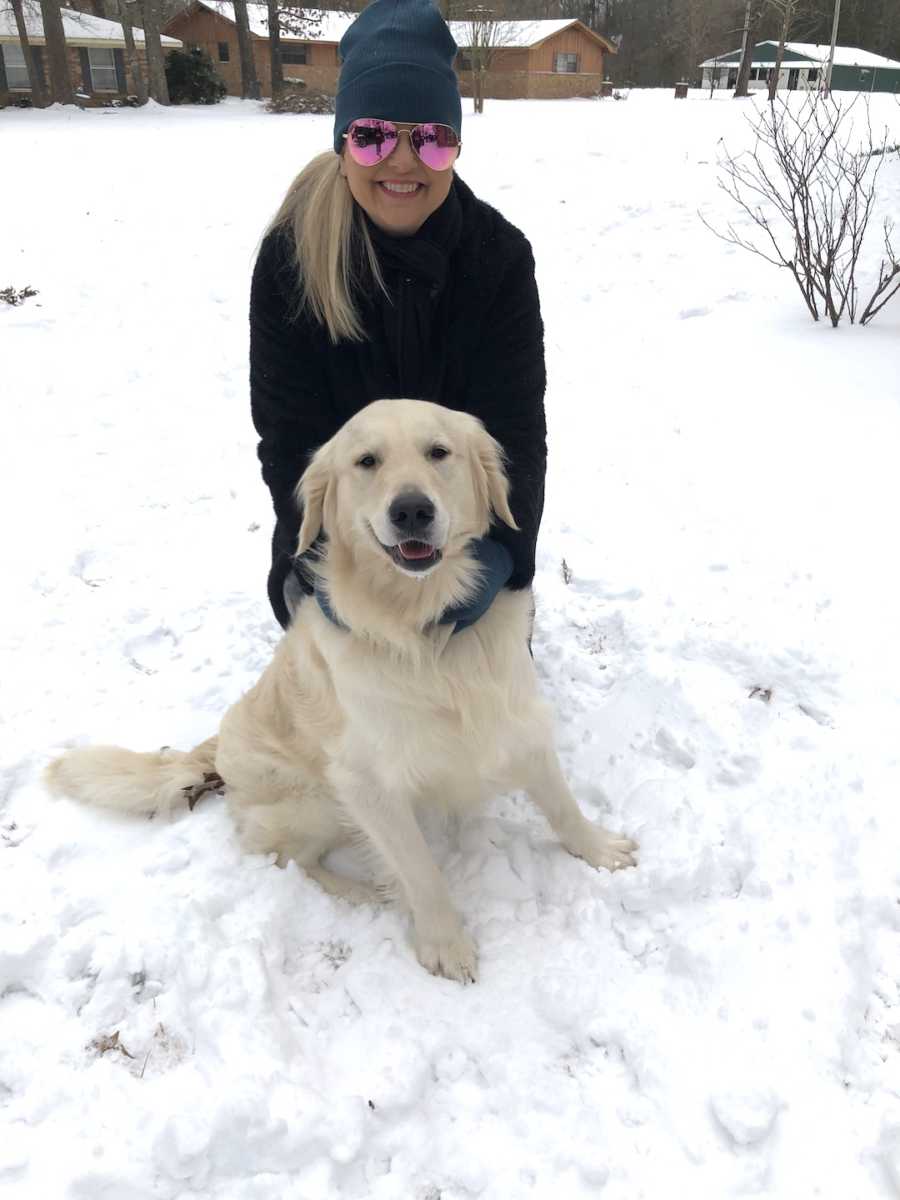
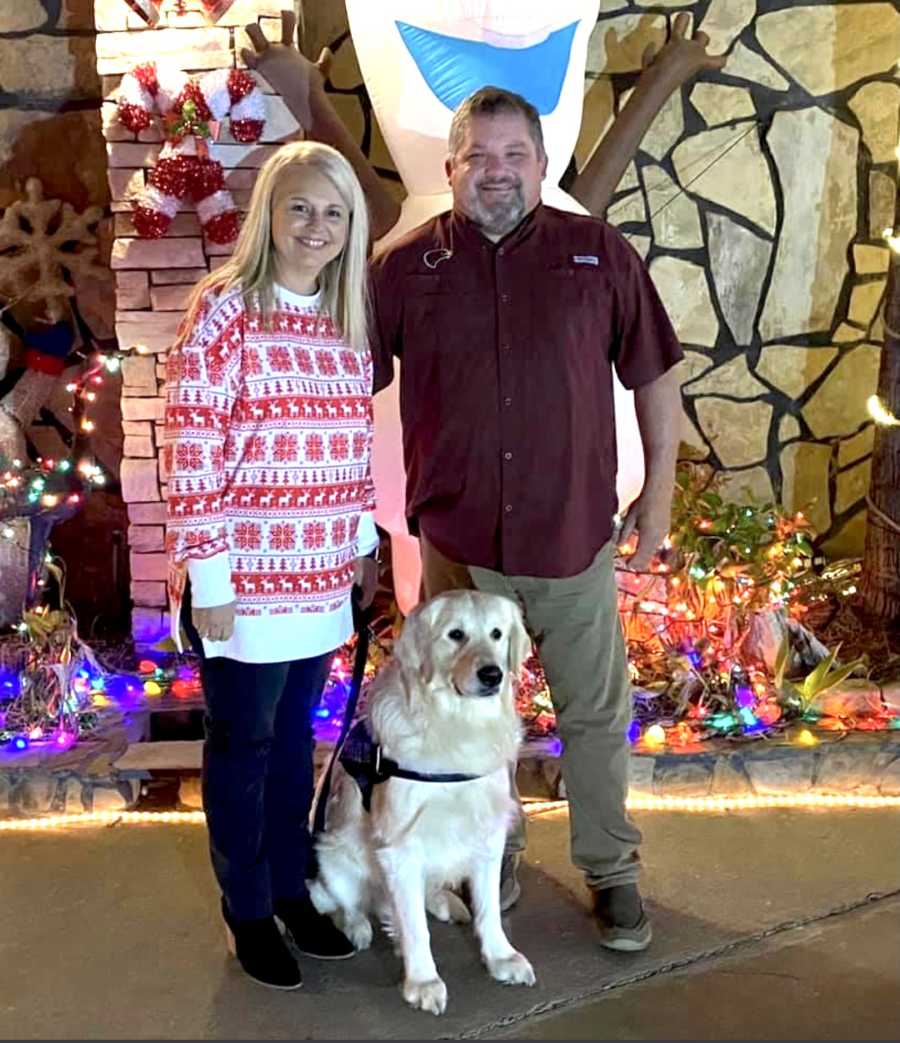
I was hesitant to try another service dog, still haunted by my experience with Everett. But in January 2020, Scuba Steve arrived, and my life changed entirely. Calm, loving, and protective, he brought a sense of security I had never felt before. He comforted me when I was alone, and was trained to alert my husband when I needed help.
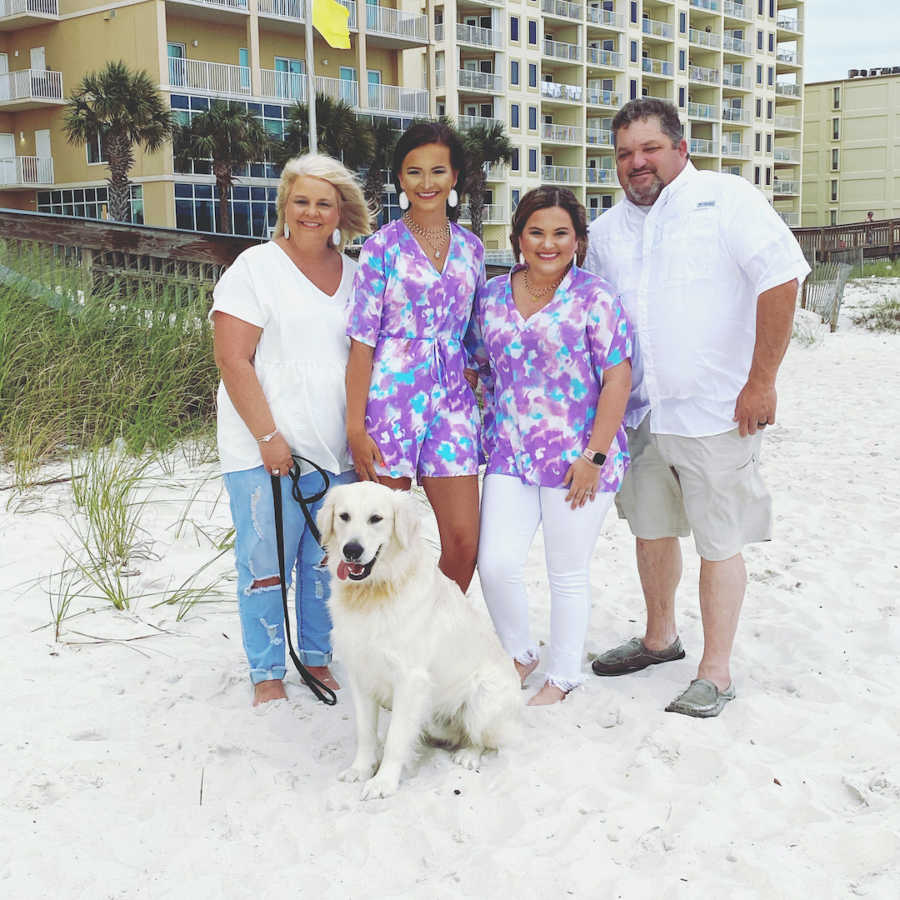
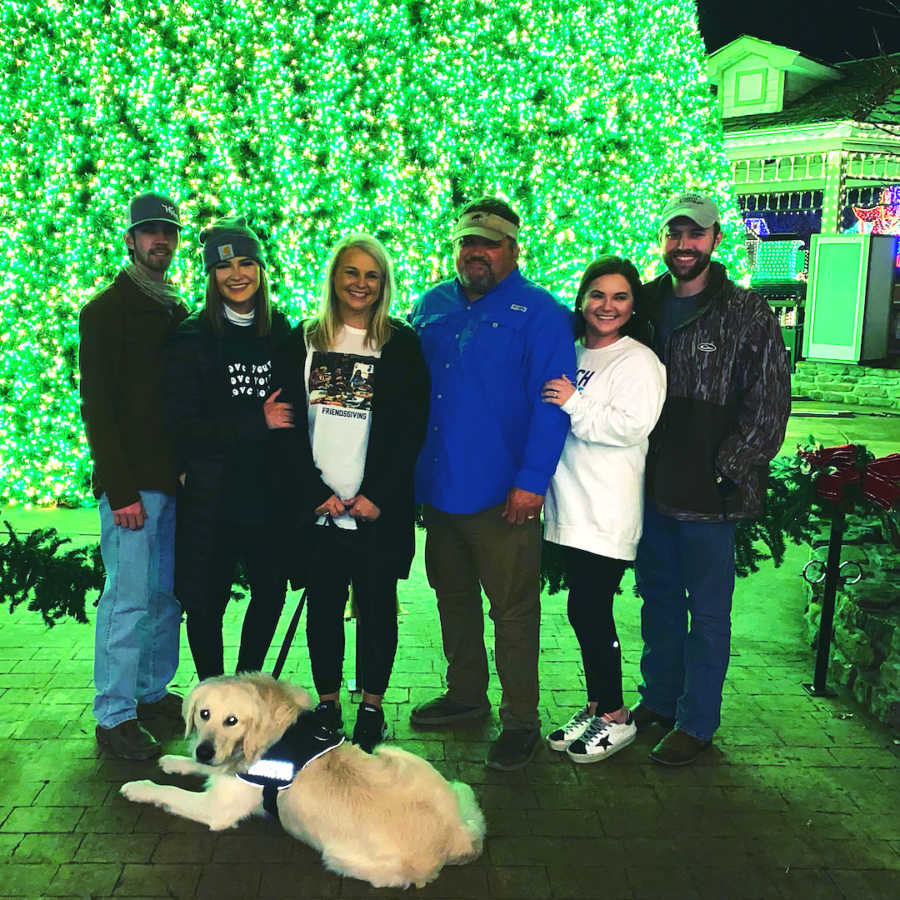
A year with Scuba Steve has been transformative. I’ve only had three spells since his arrival—the fewest in 34 years. Today, I travel with my husband for work, always accompanied by my loyal companion. My life is richer, fuller, and brimming with joy. I now understand in a profound way just how much a service dog can change a life. Dogs truly are man’s—and woman’s—best friend, and Scuba Steve proved that love, loyalty, and compassion can heal even the deepest wounds.