I was eight years old the first time I kissed a girl.
“‘Katherine, I dare you to smooch Michelle,’ Kayla whispered.” Four of us girls were bundled together in a big bed, the room dark except for the occasional glow from the streetlight outside, playing truth or dare.

I froze. Michelle was the prettiest girl in school—everyone knew it. And I’d always been nervous around the pretty girls. My mind raced: If I kiss her, will I gross her out? Is it weird if I do? Is it weird if I don’t? But truth or dare had rules. Hesitantly, I crawled over to Michelle, our small bodies side by side, and launched a kiss. I awkwardly wiggled my tongue in her mouth like a tiny, startled fish. The slimy sensation shocked me, and I quickly scrambled back to the edge of the bed, mortified, hoping the rest of the night would pass without anyone noticing the awkwardness etched across my face.

I promised myself I would forget that night forever. But a year later, when I was nine, I learned the word “homosexuality” in church. Suddenly, that memory rushed back, heavy and terrifying. I felt crushed. I had committed a terrible sin—or so I believed. In the Mormon Church, homosexuality isn’t just discouraged; it’s considered a grievous violation requiring a meeting with the Bishop, the head of the congregation. I could never go to the Bishop without my parents finding out. So I carried that guilt silently, letting it fester quietly through my childhood and teenage years.
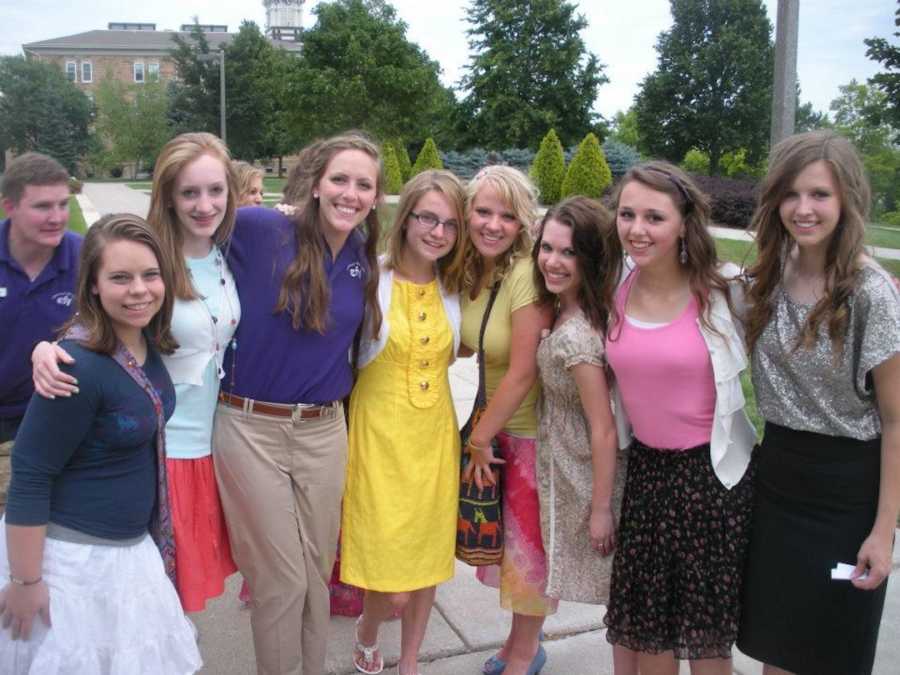
To understand why this guilt felt so suffocating, it helps to understand what being a Mormon is like. It’s more than a religion; it’s a lifestyle that consumes your time, your energy, and often your very sense of self. Daily prayers, weekly church attendance, monthly obligations, yearly commitments, and tithing demand chunks of your life and income. A long list of rules dictates almost every thought, word, and action—down to the amount of skin showing, the cleanliness of your thoughts, and how much scripture you study. Every small misstep feels like it could cost you eternal salvation.

In that environment, I learned to pray myself into submission whenever I felt confused. I became skilled at censoring my behavior, at trimming parts of myself to fit the mold. By the time I left the church at 26, I barely recognized the person I had become. I felt mass-produced, shaped by an institution that wanted me to walk, talk, and breathe its teachings. So it was no surprise that when I finally stepped outside that world, I had no grasp of my own sexuality. I’d rarely been touched in a way that felt intimate, not even by myself. I had dated many kind, attractive Mormon men, and some I even loved—but my sexuality had been buried under layers of chastity lessons, scripture, and fear. Desire felt foreign.
I didn’t speak about this to anyone. I clung to hope that maybe my desires would awaken naturally once I married. I wanted to honor God, but I didn’t want a life of begrudgingly fulfilling a husband’s sexual expectations. I wanted excitement, love, passion—and validation that I wasn’t broken. When I kissed boyfriends, any spark of desire thrilled me, but most of that thrill was simply the rush of being desired by someone else.
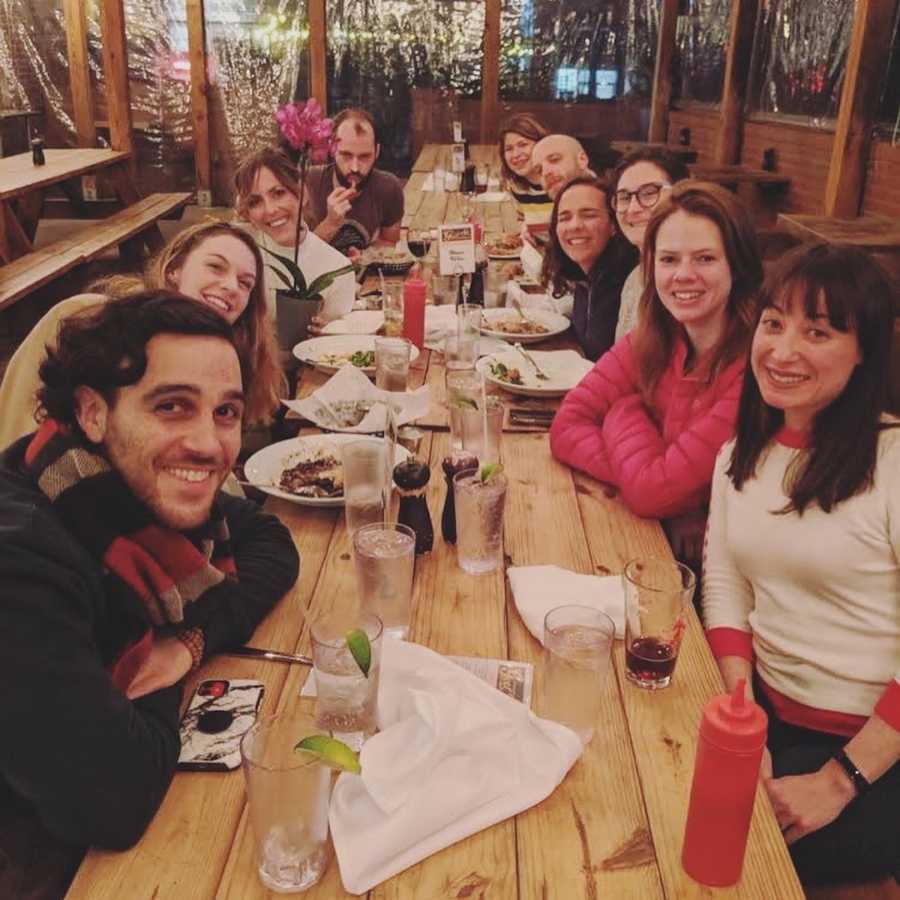
At 26, after leaving the church and moving cross-country, I found a space where I could finally be safe. Surrounded by people who loved me unconditionally, I committed to discovering who I truly was. I dove into learning everything about myself—my sexuality, my interests, my dreams. It was an exhilarating process, like excavation. It wasn’t easy. It took nearly two years before I found a partner who could draw my long-suppressed desires fully into life—but once I loved a woman, those desires came alive in ways I had never known.
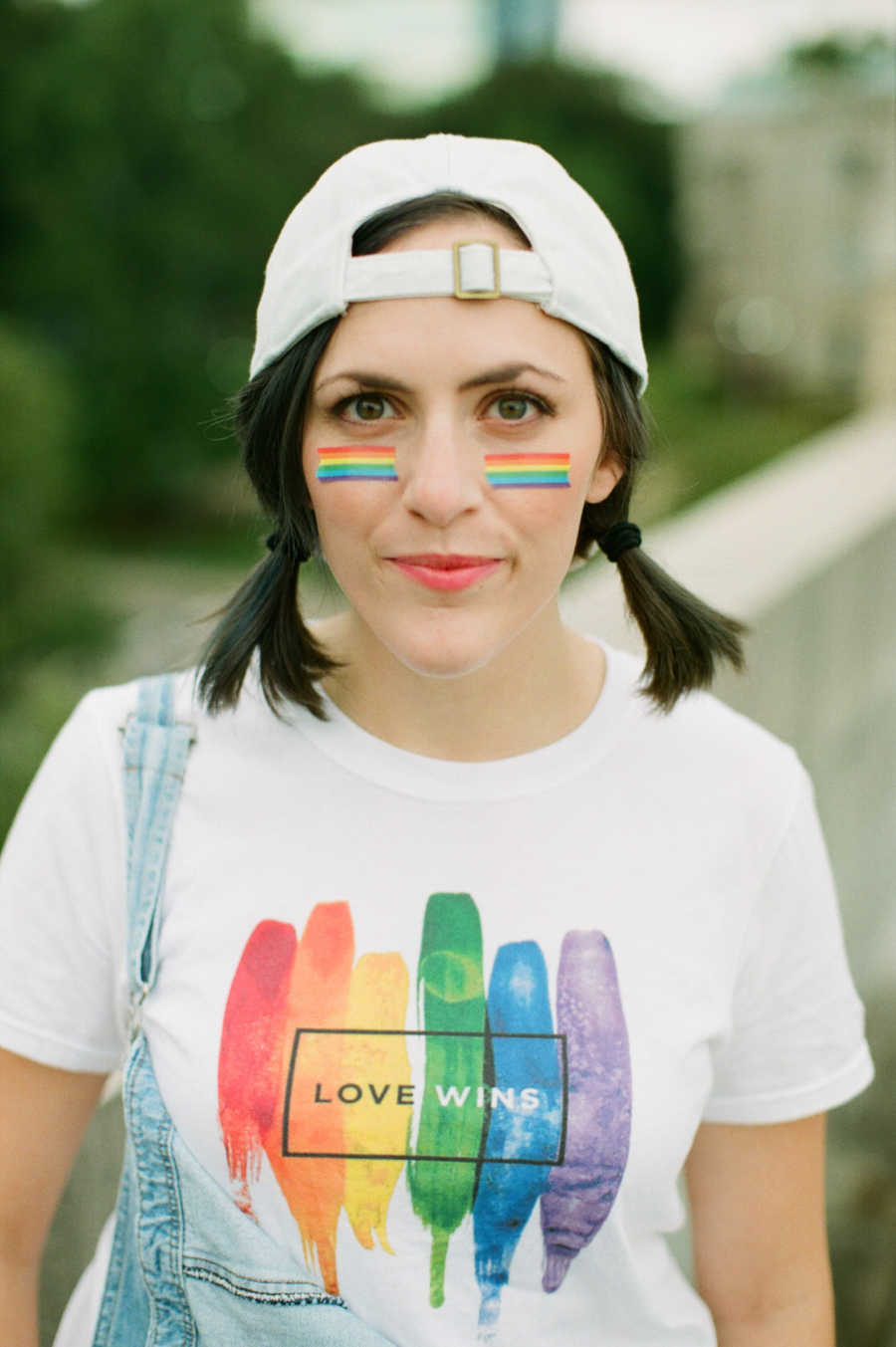
Around age 27, in the middle of this journey, I developed a crush on a female friend. She was clearly straight, but the crush sparked curiosity and courage in me. When I finally shared intimacy with a woman, I was surprised by how natural it felt, how easily desire flowed, and how fully I could allow myself to want and be wanted.
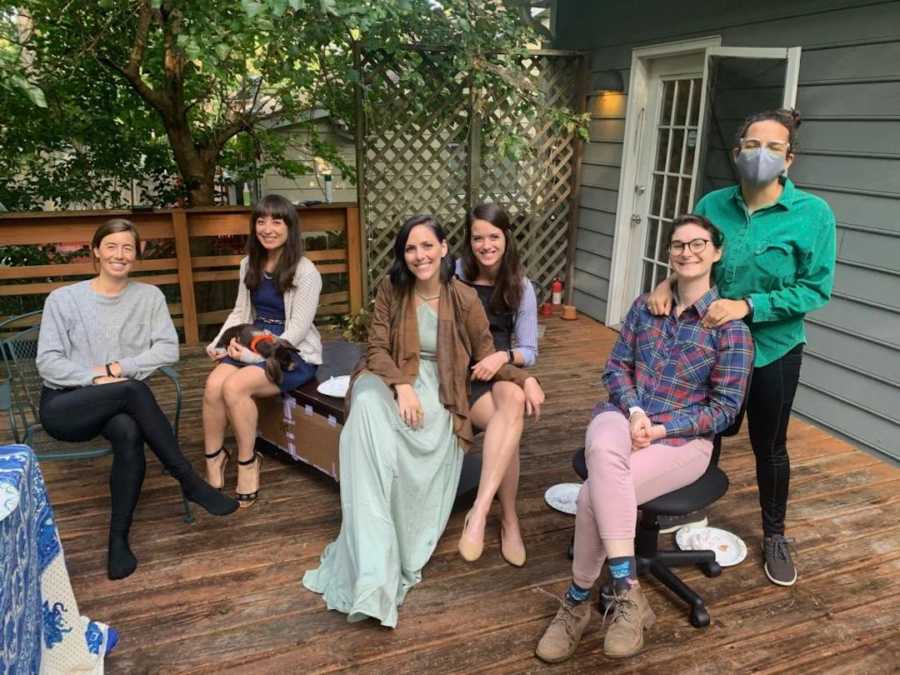
Coming out to my family took another year. I consider myself lucky. When I told my parents—both still active in the Mormon Church—I cried before I could even speak. I feared our relationship would change, that they would be uncomfortable, or worse, think less of me. My dad’s response was simple: “We love you, and this doesn’t change anything.” And yet, our relationship did change—but for the better. Loving a woman awakened a part of me I had never known before. The honesty I offered them paved the way for deeper, more authentic conversations, and for a connection grounded in love rather than fear.
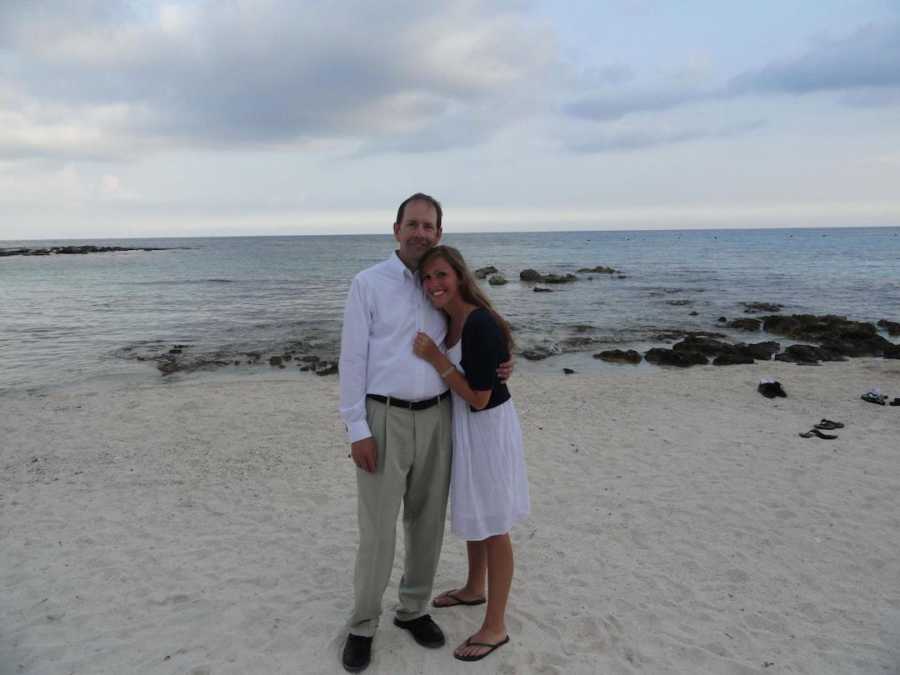
I’ve never felt more comfortable in my own skin. I can explore my masculine and feminine sides alike. I’m more compassionate, less anxious, and more attuned to my inner wisdom. I’ve discovered passions I never anticipated, including launching a wedding officiating business where I provide a safe, affirming space for all couples, especially LGBTQ+ couples, to create ceremonies that feel authentically theirs.

I’m still learning, still exploring—but I’ve gathered a few truths along the way:
- Who you are is never a sin.
- Every story is valid; no one holds authority over your truth.
- Women can crave sex as deeply as men do.
- You don’t have to “look” queer to be queer. Just listen to yourself.
- Love is love is love—and it always will be.
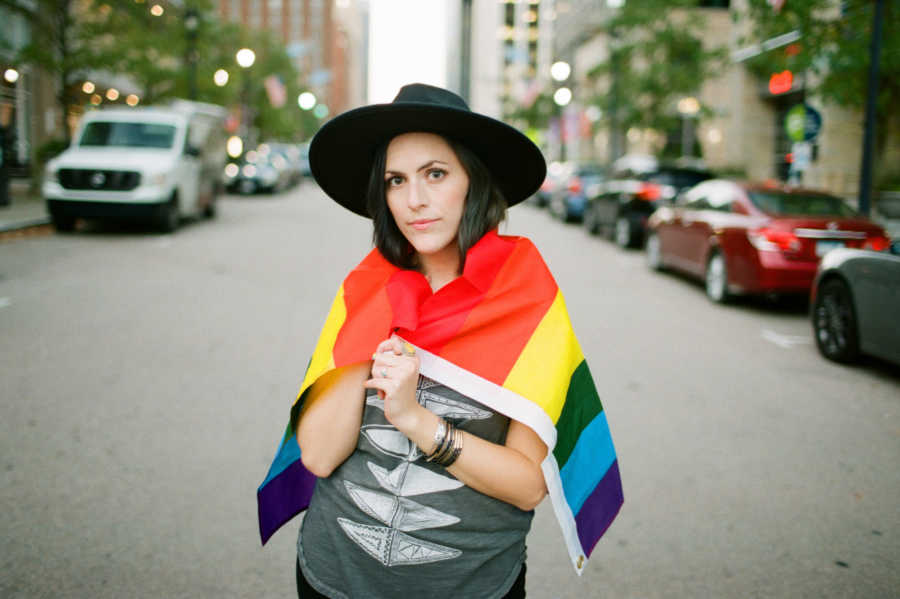
Through all of it, I’ve learned that self-discovery is messy, exhilarating, and transformative. And that the courage to honor yourself is the most liberating act of all.