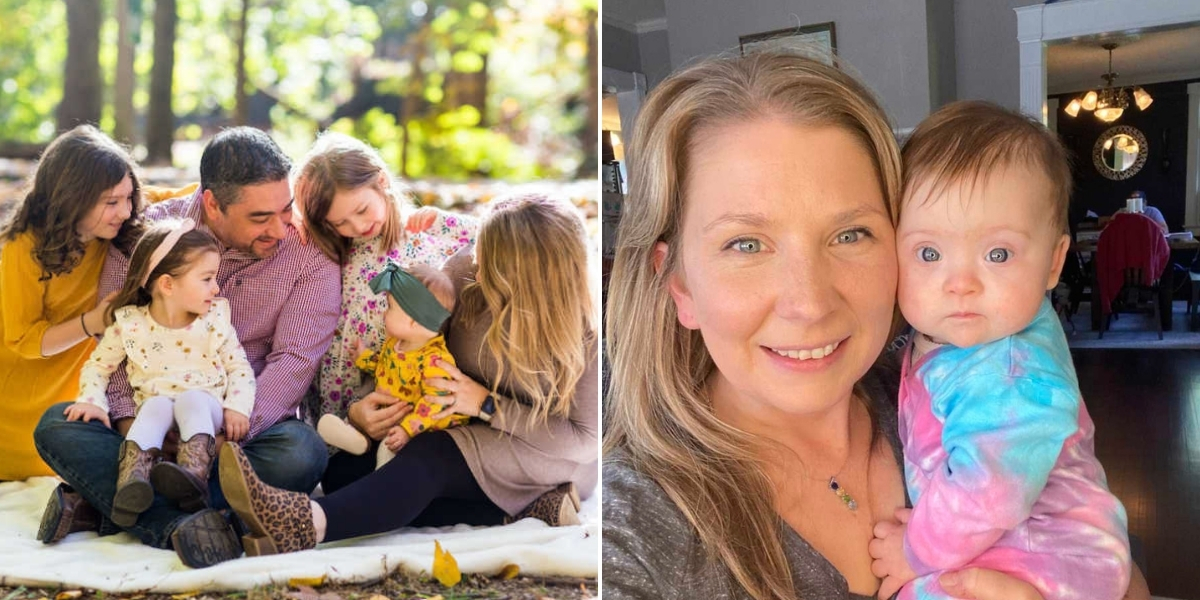
“The tests show a third copy of the 21st chromosome across all cells, consistent with Trisomy 21. Have you and your husband discussed what you would do?”
I had three children before this, but this was the first time someone had asked me if I wanted one of them. For a moment, the words didn’t even register. ‘I will call you back,’ I managed to say, my mind in complete fog.
The truth is, we hadn’t actually discussed anything since we chose to do the CVS test just five days prior. We had skimmed through statistics and stories online—reading anything that gave us hope and helped pass the time—but we never sat down to truly imagine what it would mean if the results weren’t what we hoped for.
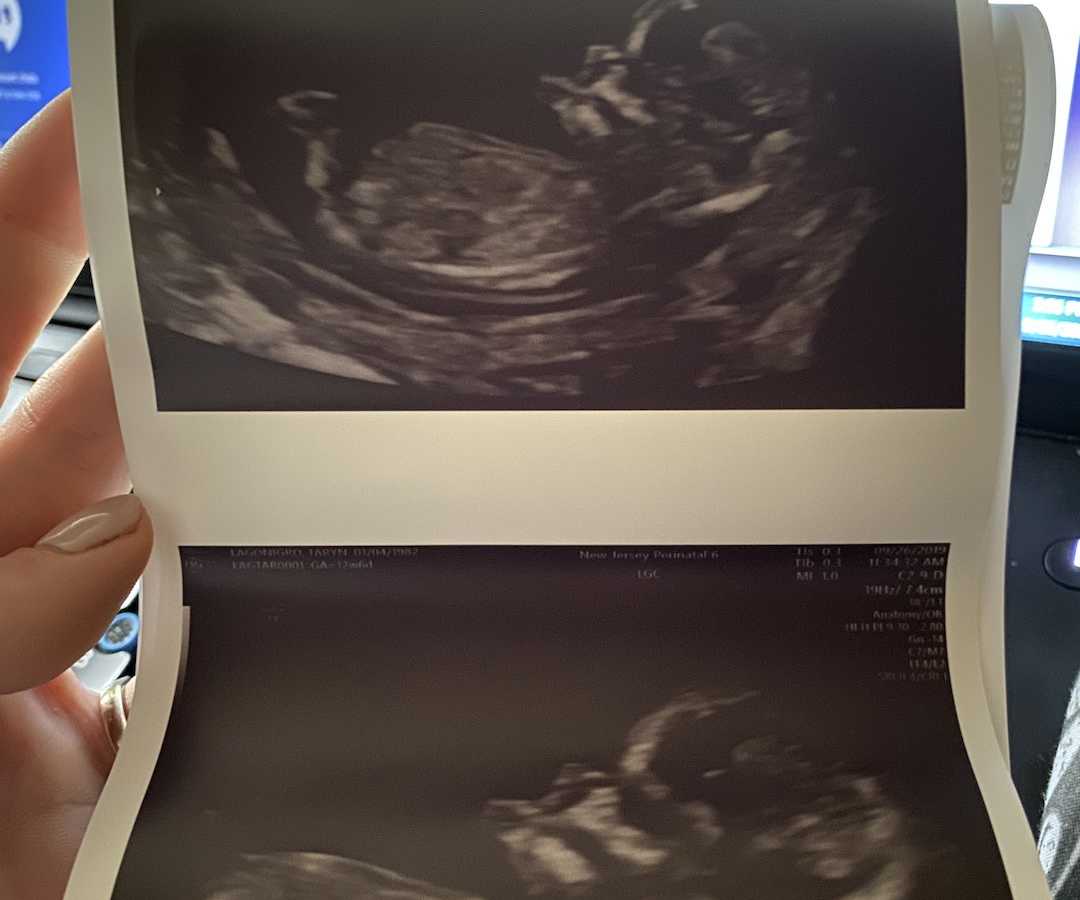
This pregnancy had already been stressful. The timing was unexpected, and we allowed ourselves to dwell on all the stressful parts of adding another child, rather than the joyful ones. When we went to our 12-week scan and learned something might be wrong with the baby, all of that stress came to a screeching halt. You might think the possibility of having a child with special needs would have made things harder, but instead, it made us realize just how much we wanted this baby—and how fiercely we wanted her to be okay.
After sharing the Down syndrome diagnosis with my husband, our conversation lasted all of five seconds. I’m not sure why we didn’t need more words. Somehow, we just knew it wasn’t our decision to make—our daughter was worthy of life, just as our three older daughters were, Down syndrome or not. We chose to continue on, fully committed. That’s not to say fear didn’t creep in. I worried about her health, about how our family might change, about the challenges she might face. But even in that worry, I knew she was worthy.
A few weeks later, I walked into my 16-week scan, naively thinking the “bad news” was behind us. I quickly realized I had underestimated how emotional this journey could be. The waiting room at the high-risk office brought back the flood of feelings from before. The memories of that first, uncertain diagnosis came rushing back. Fortunately, we were called in quickly.
There she was—our little girl—sitting cross-legged and squirming just enough to make the scan a challenge, yet enough to make me laugh. The technician was excellent, but I immediately sensed something was different when she glossed over the heart, while describing every other part of her so vividly. The moments between the scan and the doctor felt endless, as though the minutes themselves had stretched into hours. When he finally came in, he got right to the point.
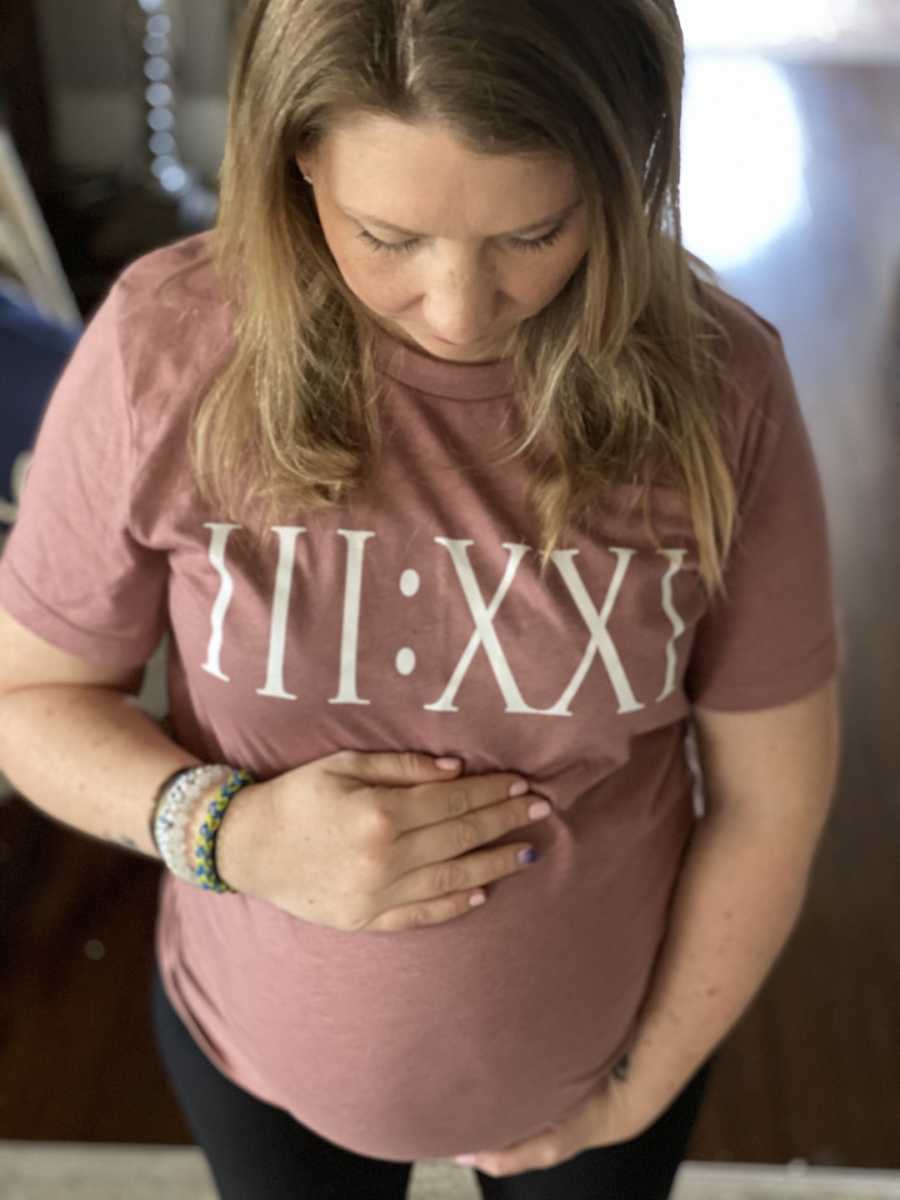
Our baby had a hole in her AV canal—a defect that would not close on its own and would require surgery. Part of me wasn’t entirely surprised; babies with Down syndrome have a high risk of heart defects. The relief came in the fact that everything else looked great. We were referred to a pediatric cardiologist to learn more. When the doctor asked if we had questions, I had a thousand—but I knew the cardiologist would provide the answers, so I waited.
The cardiology appointment was nerve-wracking, yet strangely different. For the first time since the diagnosis, I didn’t leave in tears. Yes, she had a serious heart defect, and yes, she would need open-heart surgery as an infant. But the cardiologist gave us hope. He shared stories of other patients with Down syndrome, including one he had met 28 years ago, when no one else wanted to take the case. He spoke with honesty, compassion, and respect. He made it clear he was glad we were giving our daughter a chance, because too many families stop long before meeting him. For the first time, the medical discussion felt human.
The pregnancy, already considered high-risk, grew even more stressful after the heart diagnosis. I spent more time in doctors’ offices during this pregnancy than I had in all three of my previous pregnancies combined. I built emotional armor, listening to specialists describe my daughter’s condition in ways I hadn’t heard before. A prenatal diagnosis is both a blessing and a curse. I was grateful for the time to prepare and learn, but some days the weight of worry felt unbearable.
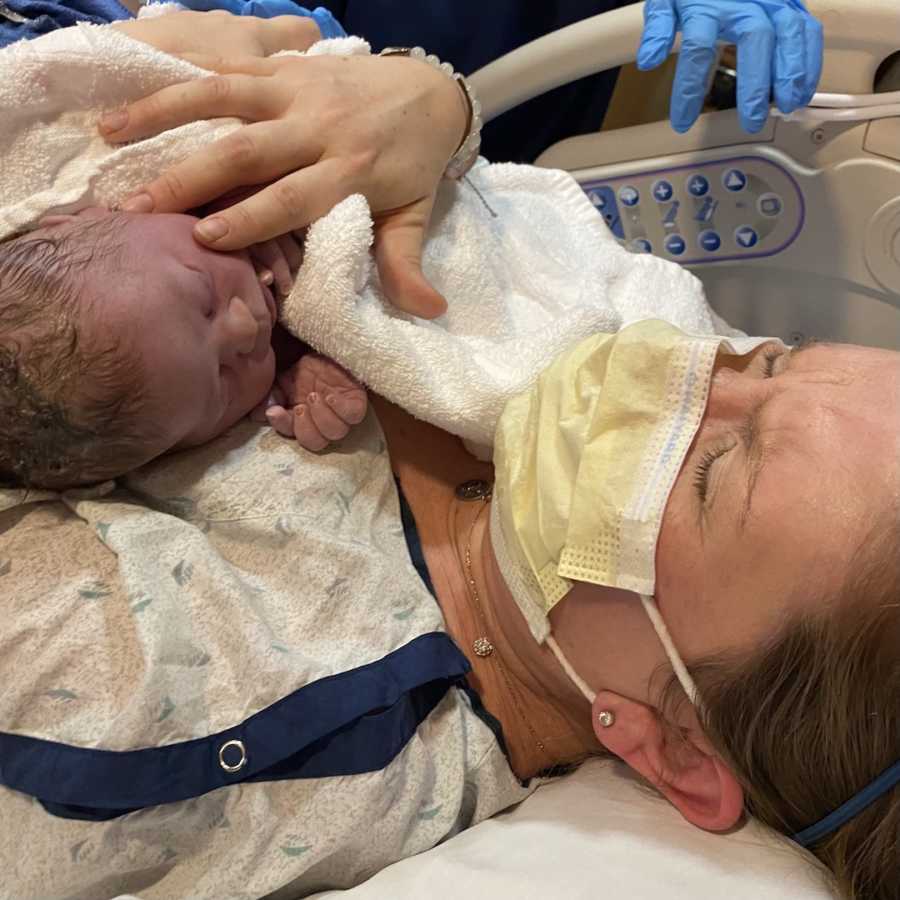
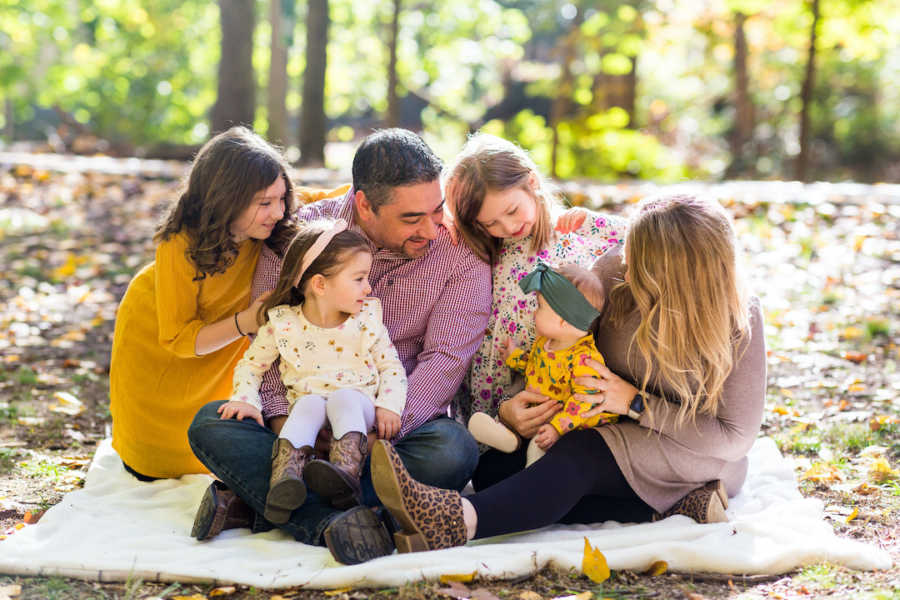
In late March 2020, Rhea was born. I call her our sunshine, because after months of fear and uncertainty, the light finally broke through. All the worry and stress melted away the moment I held her. Loving her was the easiest, most natural thing I had ever done. She was ours, and we were hers.
At just over two months old, Rhea underwent open-heart surgery. The operation successfully repaired her AV canal defect. For months, I had been preparing for this moment, anxious to move past the shadow of worry. But I realized after the surgery that this would never just be “behind us.” Being a heart warrior is part of who Rhea is—and she has already taught me what true courage looks like.
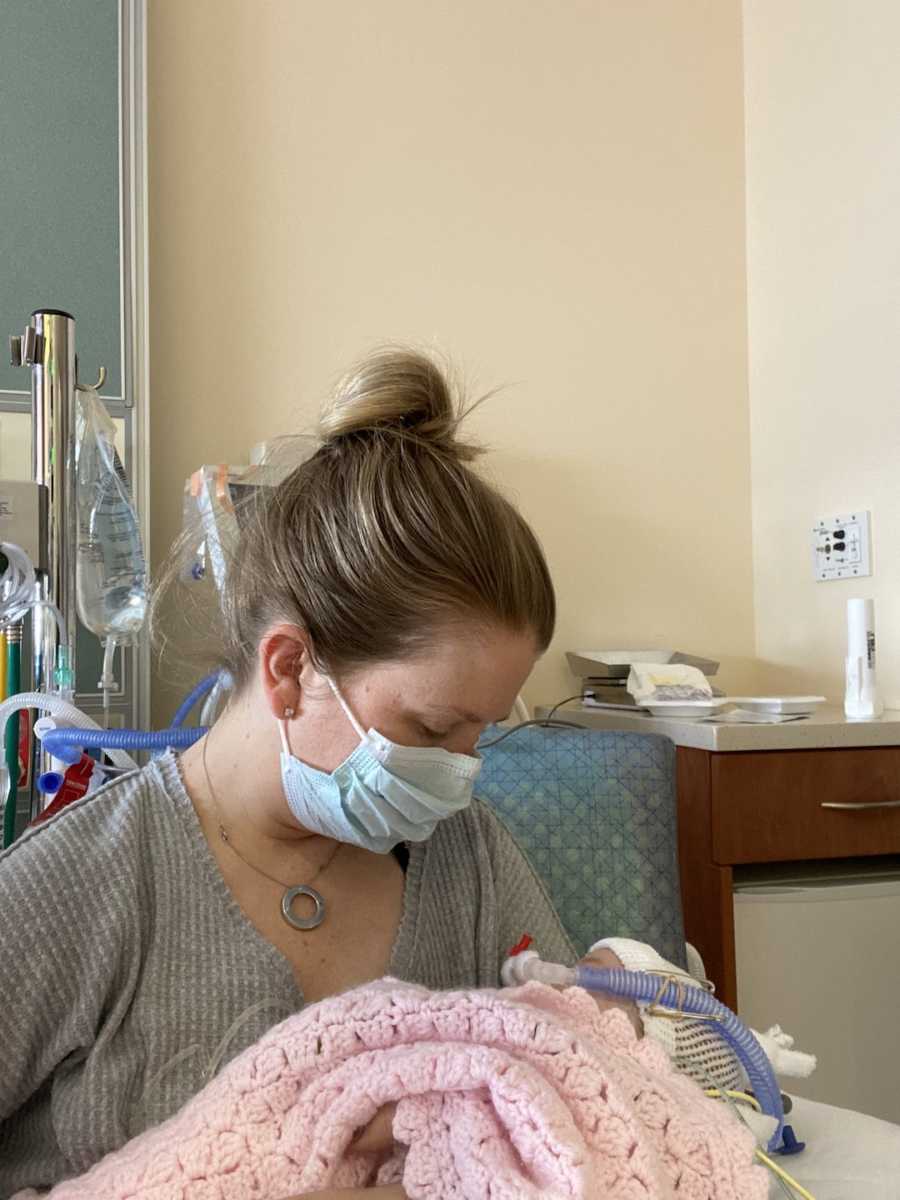
Watching her grow has been a lesson in resilience. Life may not come as easily to Rhea as it does to my other daughters. There will be more appointments, more therapies, and more oversight. Some days will be hard. But loving her? That will always be effortless. She has shown us that families are built not on achievements or material possessions, but on love. Every challenge comes with lessons, every obstacle with hope.
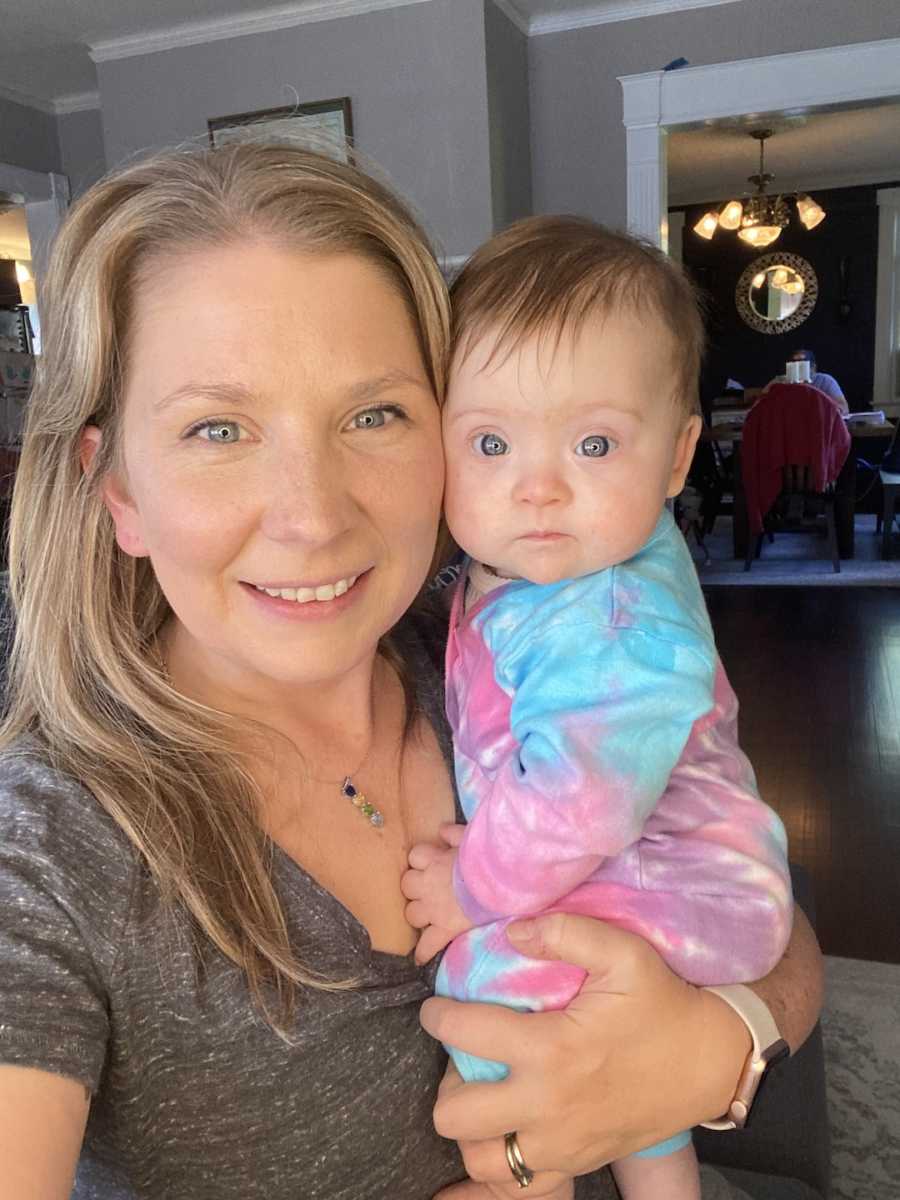
If I could have one wish for Rhea, it would be for her to be respected. She may sound different, need extra patience, or face more obstacles—but she deserves the same love and dignity as anyone else. A diagnosis does not define her; it is only a small part of who she is. People with Down syndrome can be anything—athletes, entrepreneurs, public speakers, professionals. They are just like anyone else, sometimes even a little more extraordinary. We will raise Rhea to dream big, and we will support her every step of the way.
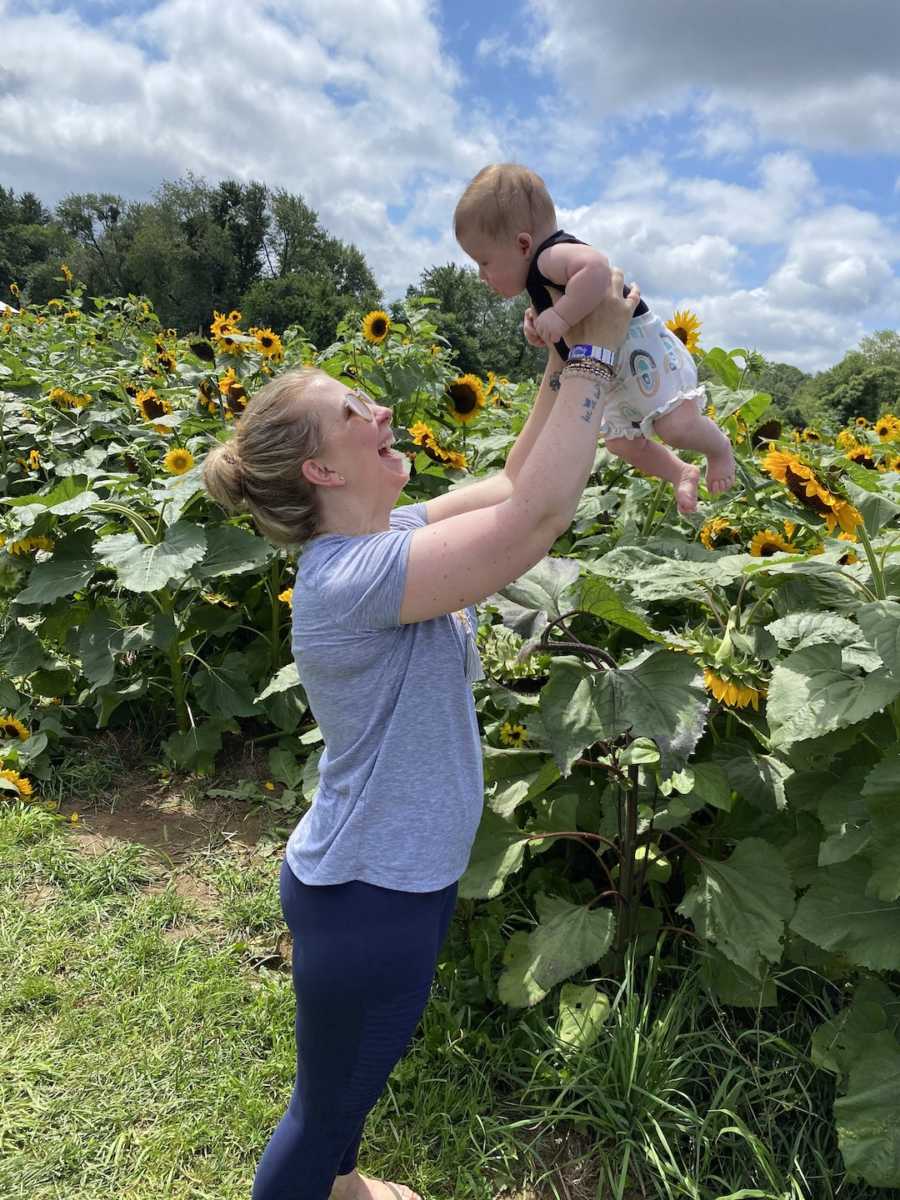
Having had to defend her life so early lit a fire in me to protect her and those like her. No matter the world outside, Rhea will always know she is loved. Her sisters fell in love with her immediately, long before noticing any differences. Rhea has brought more into our lives than she could ever take away. She has opened our hearts, taught us new perspectives, and introduced us to a community we may never have known otherwise.
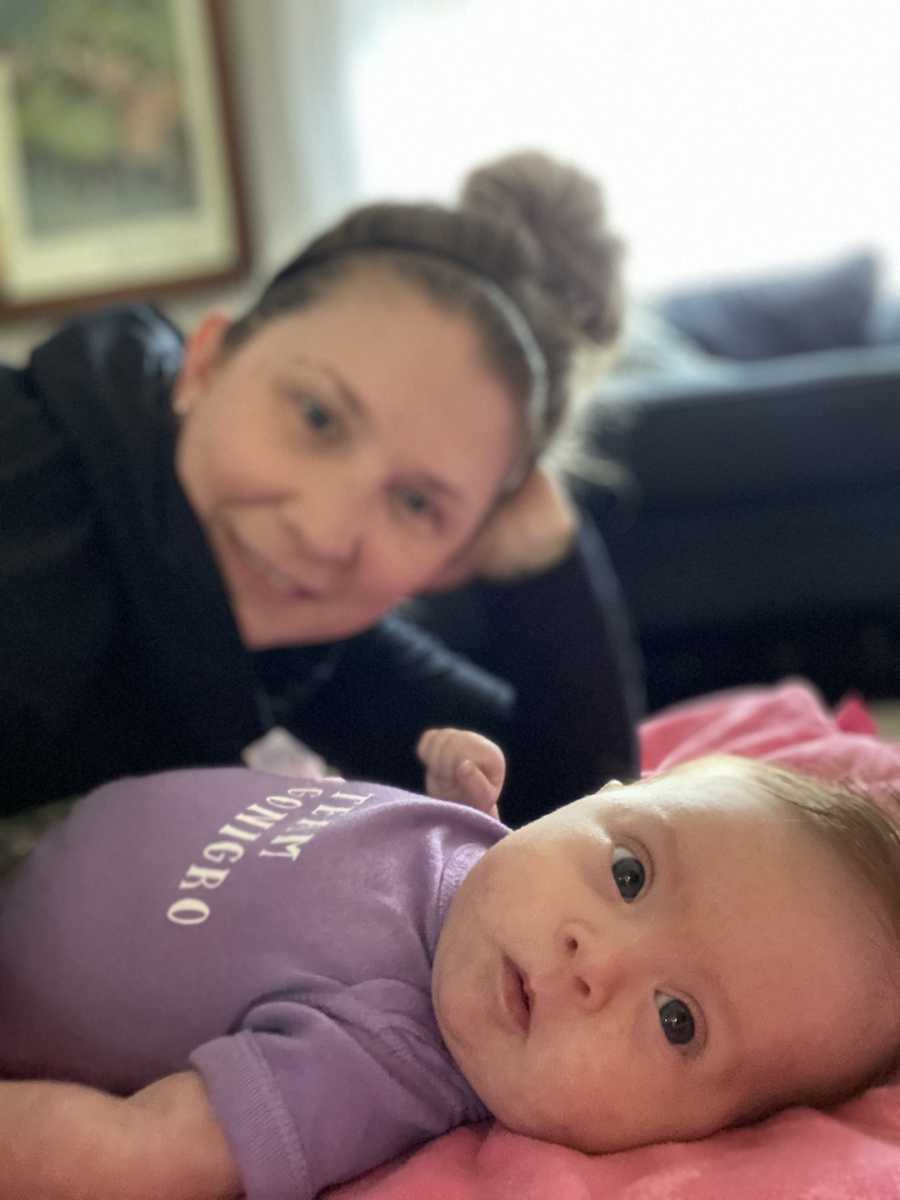
Looking back at that phone call 18 months ago, I wish I could tell myself the truth—that the news wasn’t scary, that it wasn’t “bad.” I wish I could have shown myself the joy, the lessons, and the love that were waiting ahead. Above all, I wish I could have told myself this: loving Rhea would be the easiest, most natural thing I’ve ever done. And every day since, she has proven that love conquers fear.”