Even as a child, I was confident in myself — in my intelligence, my abilities, my choices, and the actions I took. But somehow, my body always felt separate from me. It wasn’t something I owned or had a say in. I didn’t choose its features or its shape; I was simply born into it. And for a long time, I wasn’t sure what to think about that.
I looked around and noticed the messages everywhere. My mom would tell herself she’d someday fit back into her size 10 Levi’s. Stacy London on What Not to Wear warned against horizontal stripes. Magazines at the grocery store checkout ridiculed women in bikinis, their glossy covers staring me down as if to say that bodies like ours were unacceptable.
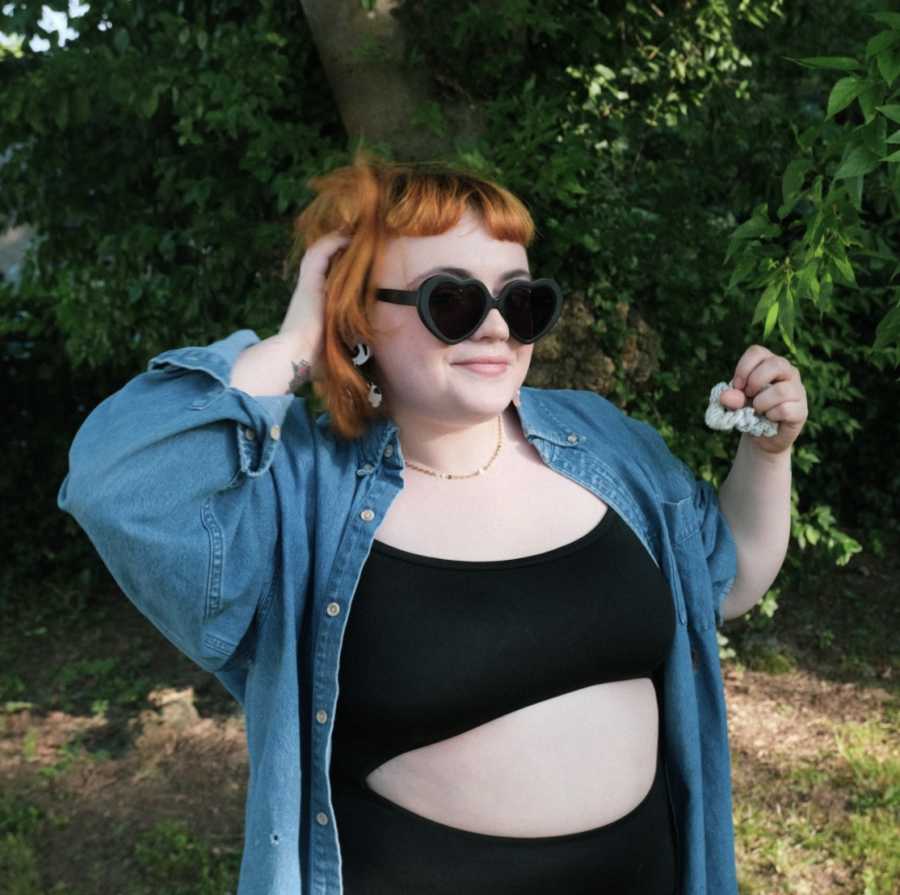
I was surrounded by incredible women — full of strength, humor, and beauty — who also struggled with self-love. I adored them, yet I watched them criticize themselves endlessly. And that terrified me. I didn’t want to grow up and spend my life at war with my body, constantly trying to shrink, hide, or apologize for it.
The early years of elementary and middle school were “chubby” years, but I made it through them. By the time puberty ended, I thought maybe I had lucked out. My post-pubescent body felt manageable: only a little acne, a small but noticeable butt, moderately sized breasts, and, above all, a flat stomach. I thought this version of myself was permanent. But bodies aren’t fixed. I gradually noticed changes, and eventually, I saw a heavier version of 18-year-old me staring back from the mirror. I cried. I felt defeated. I made a photo album on my phone called “body inspo,” filled only with old pictures of myself — reminders of a version of me I thought I had lost forever.
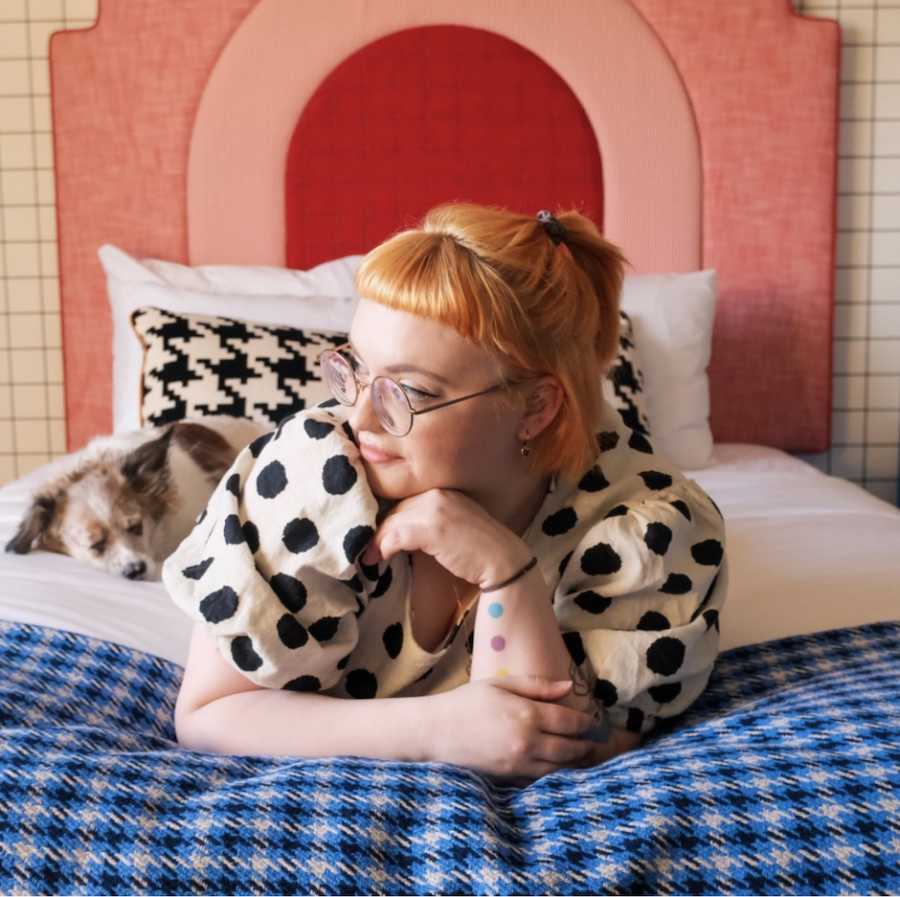
College didn’t make things easier. I was working part-time, editing the school newspaper, juggling three internships, and pursuing two majors. There wasn’t time to dedicate to losing the 20 pounds I thought I needed to feel “right” again. I tried anyway: replacing meals with Slim-Fast shakes, sneaking in late-night gym sessions. But at the end of the day, my body stayed the same.
After graduation, I started my first full-time graphic design job. Suddenly, for the first time in years, my days ended at five. There were no papers to write, no internships to complete — just hours of free time. I used that space to focus on weight loss, tracking calories, exercising obsessively. I finally lost those 20 pounds. I felt proud — I had accomplished something I thought I needed to prove to myself. Yet, even then, I still didn’t fully inhabit my body. It felt like a vessel I had to manipulate rather than a home I could love.
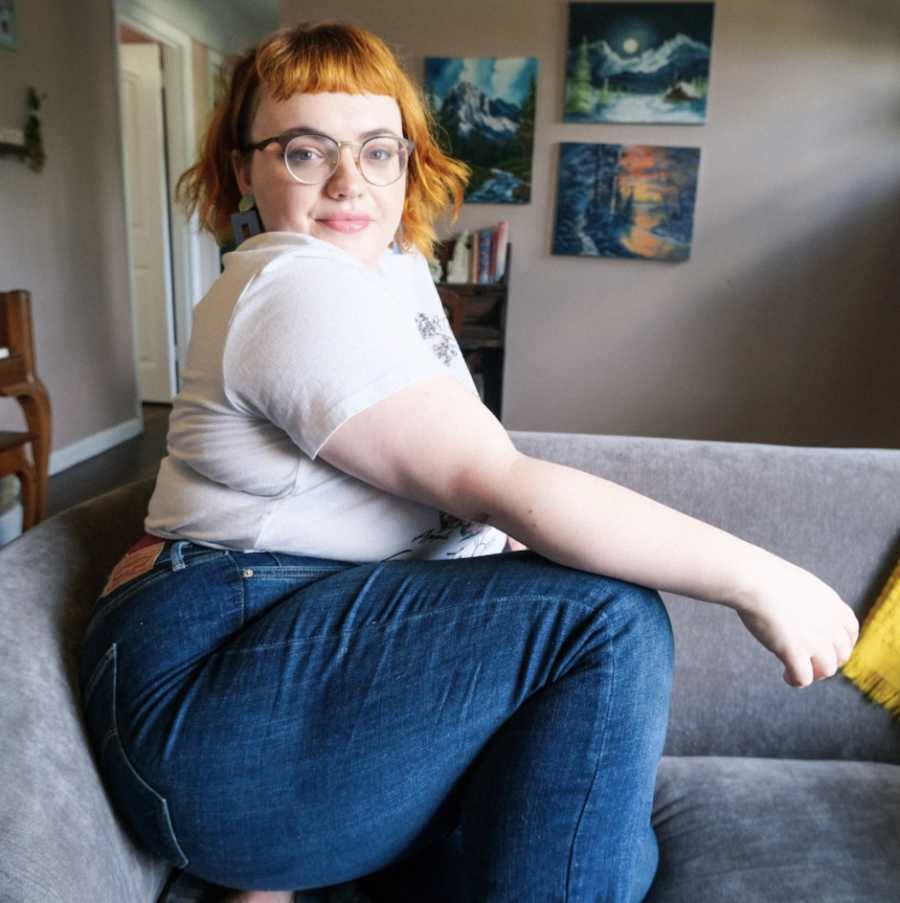
Over time, my focus shifted. I began prioritizing friendship, hobbies, and joy over the constant mental accounting of calories. I still exercised, I still ate well, but the rigid rules loosened. I drank beer when I wanted, skipped workouts occasionally. And inevitably, the weight came back. I cried again, because I realized that if I wanted to be that thin version of myself, I’d have to live in that obsessive space forever — and I didn’t want to.
I chose something different. I put weight loss aside, not forever, but indefinitely, and I started investing in the parts of life that made me feel alive. I poured myself into my art and launched an online shop selling earrings and designs. I used friends as models, curating an Instagram feed full of slender faces, because I still wasn’t ready to show my own.
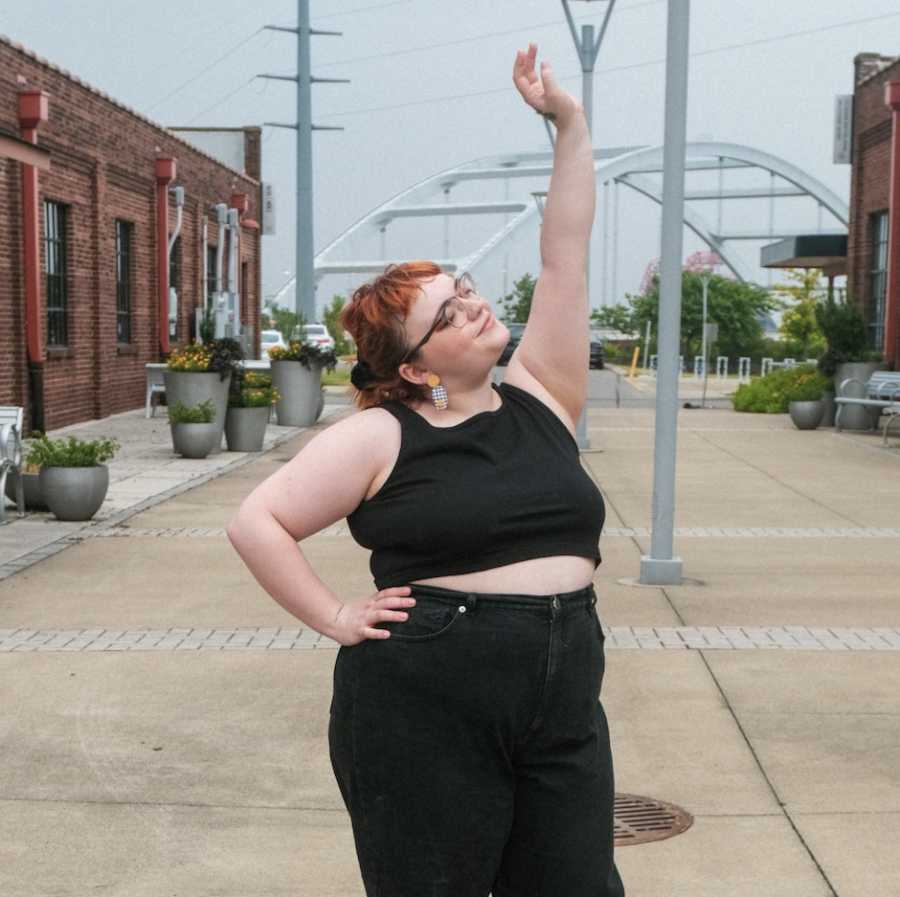
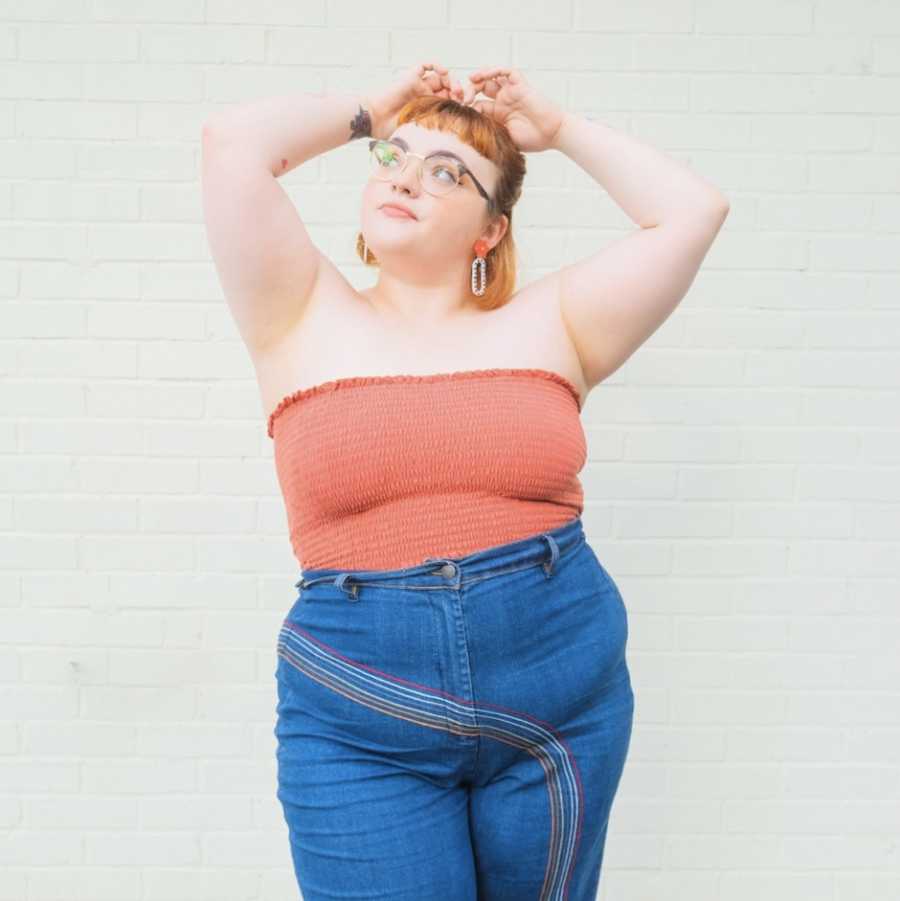
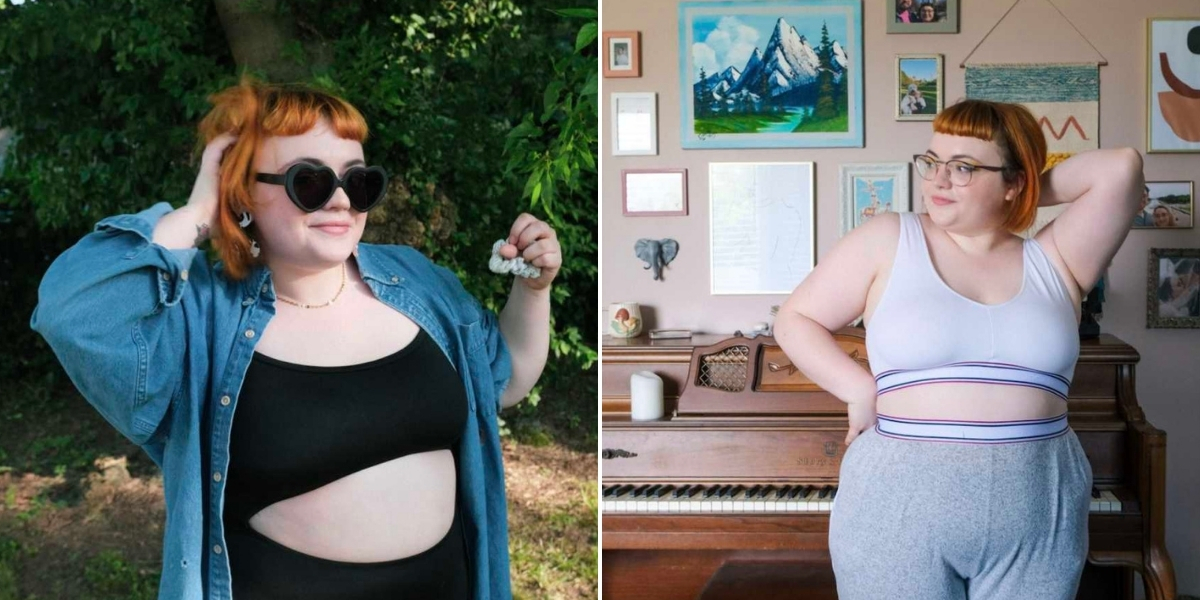
Then came Covid-19. The friends I relied on for photos were no longer accessible. I asked my husband to take pictures of me instead — and the results surprised me. He captured a version of myself I had never seen before: authentic, joyful, and fully me. I realized I had always wanted photos of myself — unposed, smiling, living. I saw my clothes, my hair, my expressions, my body — everything — in a way that felt new and empowering.
Gradually, as I allowed more of my personality to shine through in these photos, I began to see myself differently. I observed myself sitting, walking, laughing, jumping, simply living. I saw angles I liked and angles I didn’t, but most importantly, I saw myself. For the first time, I truly recognized my body as mine.
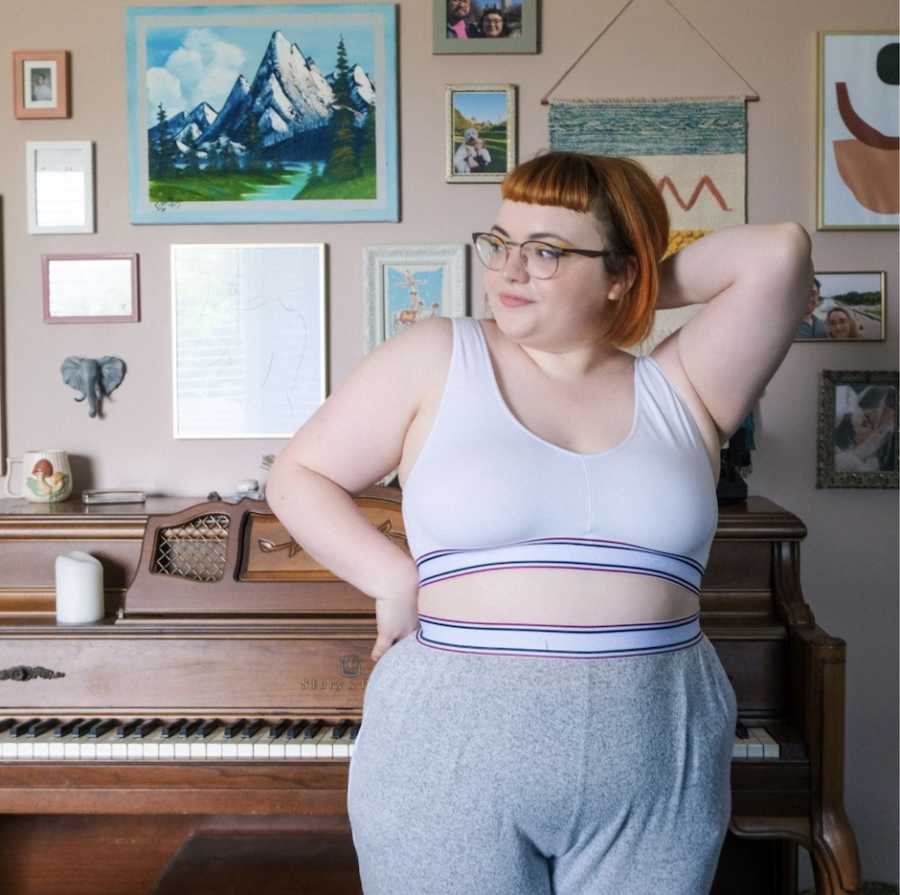
Now, when I look in the mirror, I’m not checking for a flat stomach or a defined jaw. I’m looking for me. I notice the features I inherited from my mom, appreciate the clothes I love wearing, and enjoy moving through the world without second-guessing myself. My body and I aren’t at odds anymore. We are a team.
I’m no longer a person trapped inside a body. I am a person with a body — a body I love, a body that carries me through life, a body that feels like home.