I used to think that when women give birth, it was simple: either you have milk and you breastfeed, or you don’t have enough and you don’t, or you make a choice not to. I also thought every baby is born with the instinct to breastfeed, that they just know what to do. You’ve probably seen those YouTube videos with titles like “Breast Crawl”—right after birth, the baby crawls to the breast, latches, and starts eating. It looks magical. Easy, effortless. But reality was very different for me.
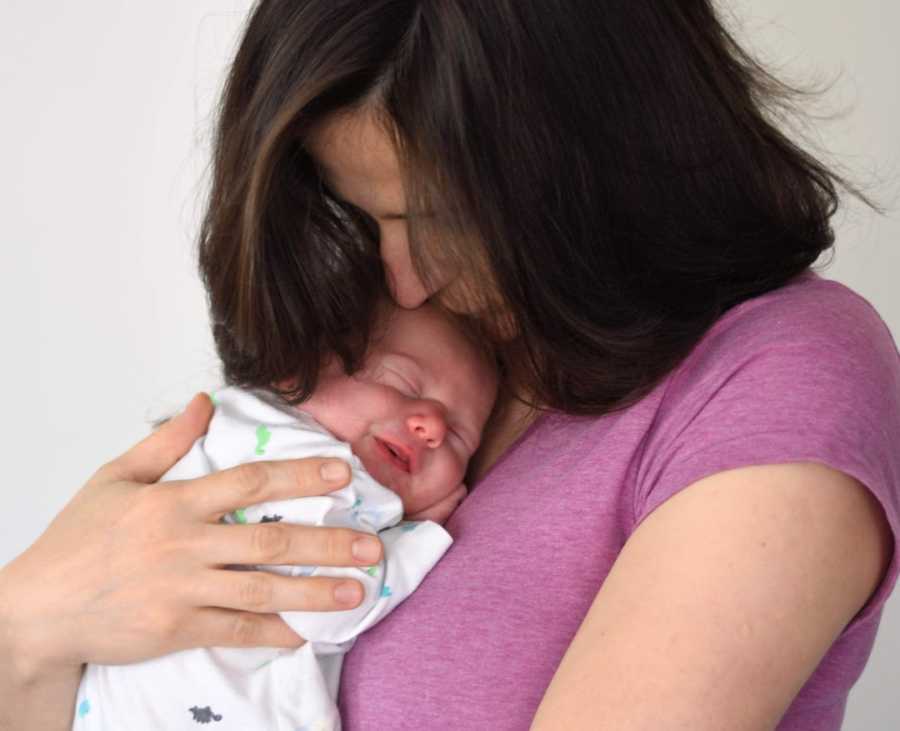
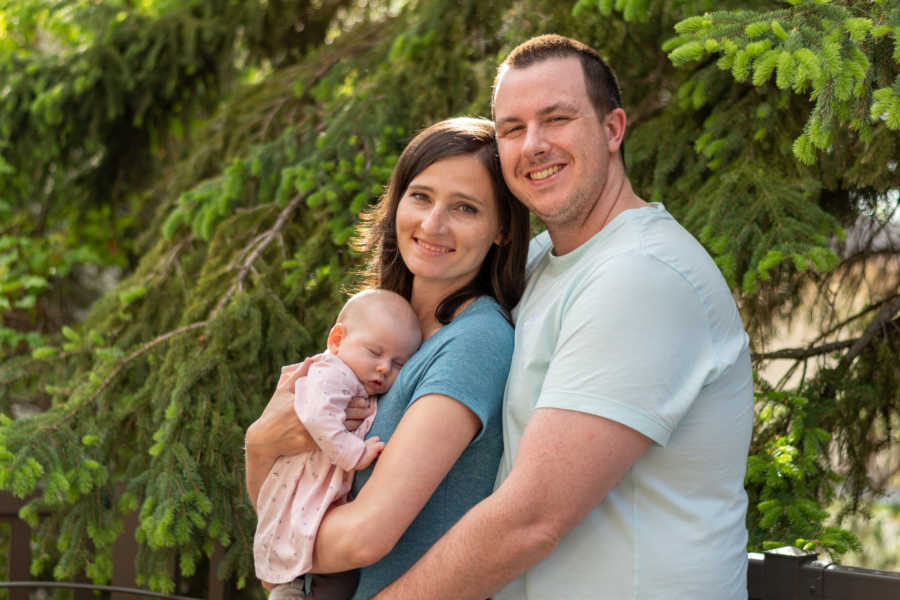
A few minutes after Nina was born, I tried to breastfeed her. A nurse helped me position her and guided me through the motions, but no matter how hard we tried, she just could not latch. I’m not even sure how much she ate—maybe just enough for her first feeding—but I knew I had to figure out this whole breastfeeding thing. She would need to eat more and more every day. During our roughly 24-hour hospital stay, two nurses tried helping me, but it wasn’t working. A breastfeeding consultant said it was too early to tell if Nina had a tongue tie, but it didn’t appear she did.
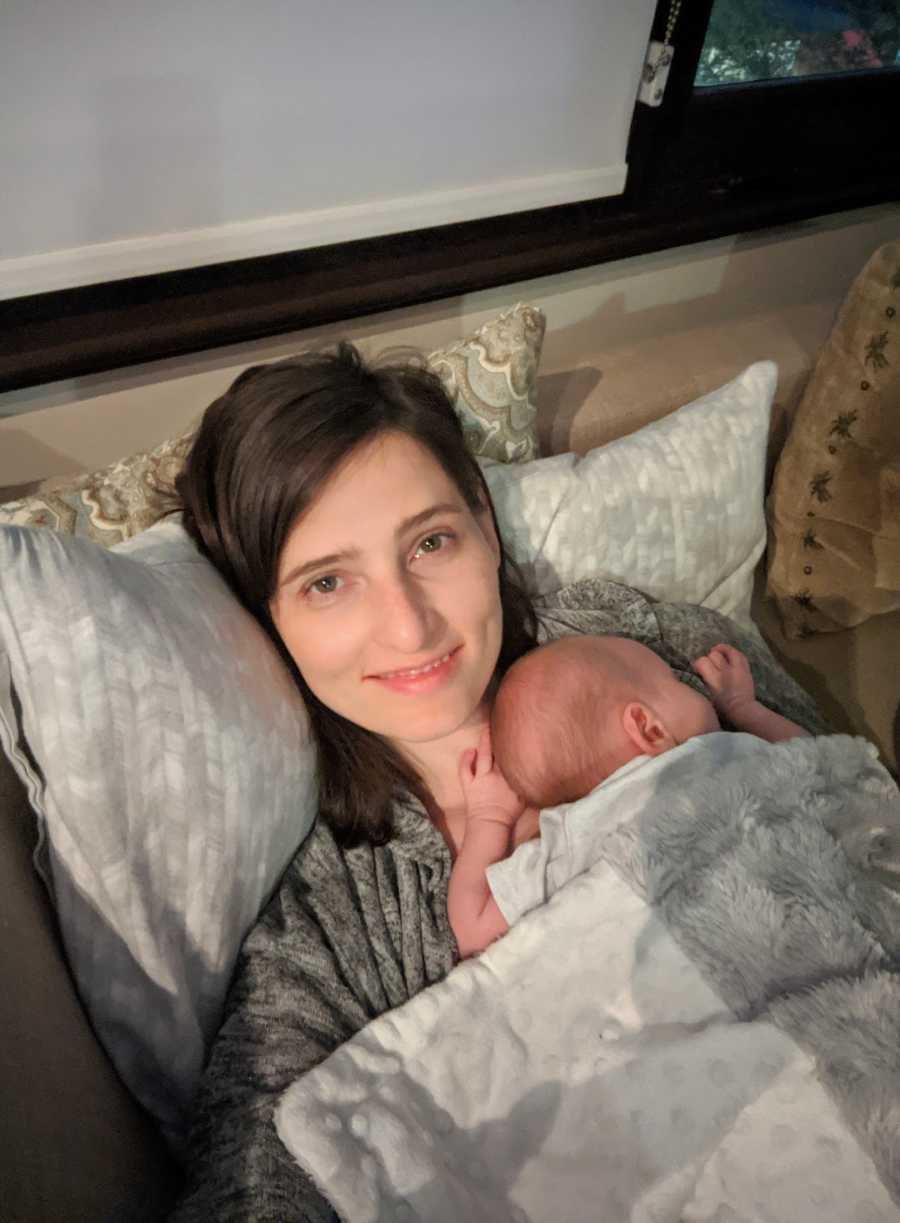
Our midwife came to check on us. She was calm, confident, and so knowledgeable—it amazed me. For a brief moment, Nina latched and ate. But it didn’t last. She couldn’t keep a proper latch. My midwife gently told me to guide her more confidently, reminding me that my baby was not made of glass. She showed me the sounds Nina should make when feeding properly, and I felt a flicker of hope. Surely, we could figure this out together—it would just take a few days.
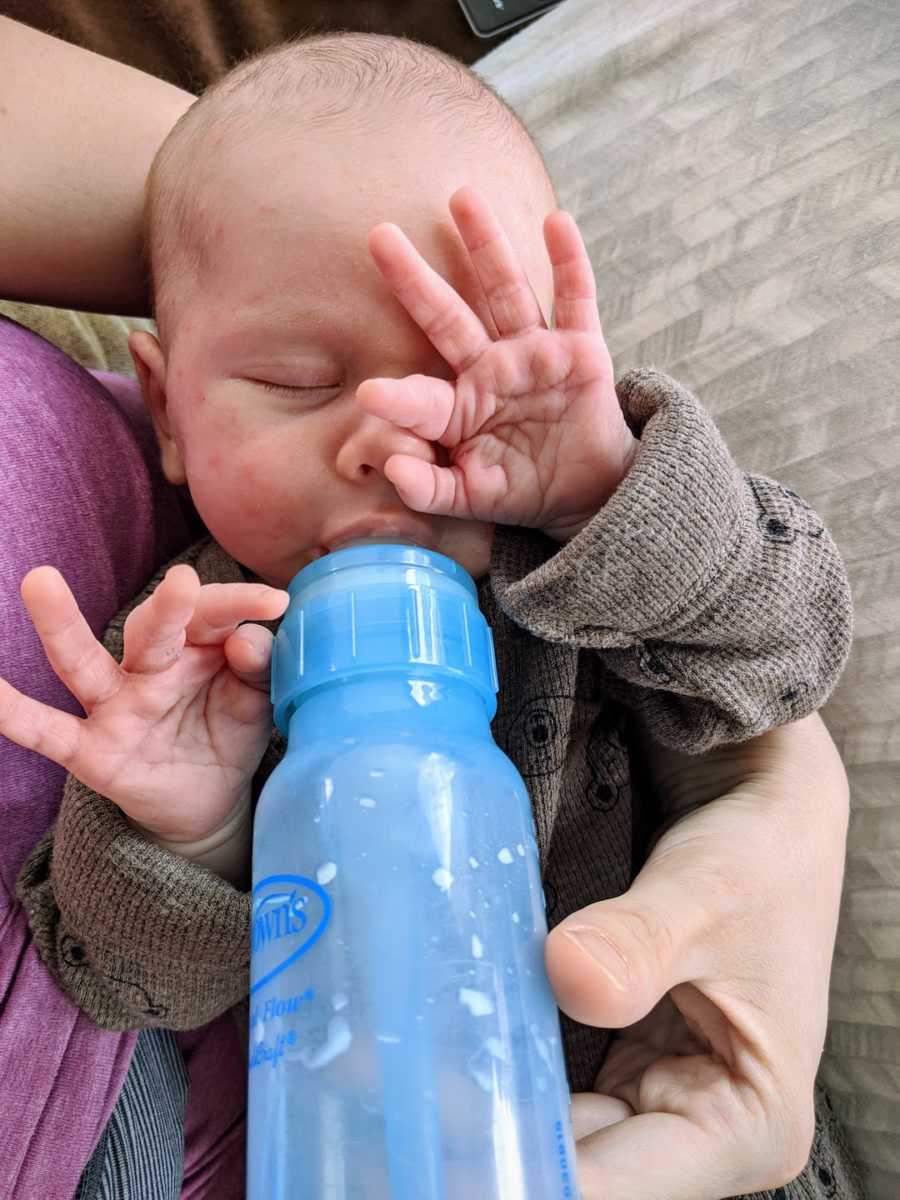
As we prepared to leave the hospital, I tried again, but it didn’t work. Another nurse suggested using a breast pump to collect colostrum for Nina’s first few feedings at home. I was surprised—a pump? Really? I don’t recall exactly how much I pumped, but she told me I had plenty of colostrum, which was uncommon and a positive sign. She even helped feed Nina with a dropper and packed the rest in a small bottle for us to take home. I pumped enough for the next 24 hours and rented a pump so that my baby could have breast milk rather than formula. I was determined—I wanted to nurse my daughter.
The next day, a midwife came to our home. Normally, it would have been a phone call due to COVID, but she insisted on visiting because of my breastfeeding challenges. Dressed in full protective gear—mask, gloves, face shield—I tried nursing Nina again. She latched briefly, but soon fell asleep or came off. That’s when I cried. Why couldn’t she eat? Was something wrong with me, my body, my milk? Was something wrong with her? How could I ensure she was fed? Would I ever be able to breastfeed her? The guilt was overwhelming. My mother had breastfed me without struggle—what was I doing wrong?
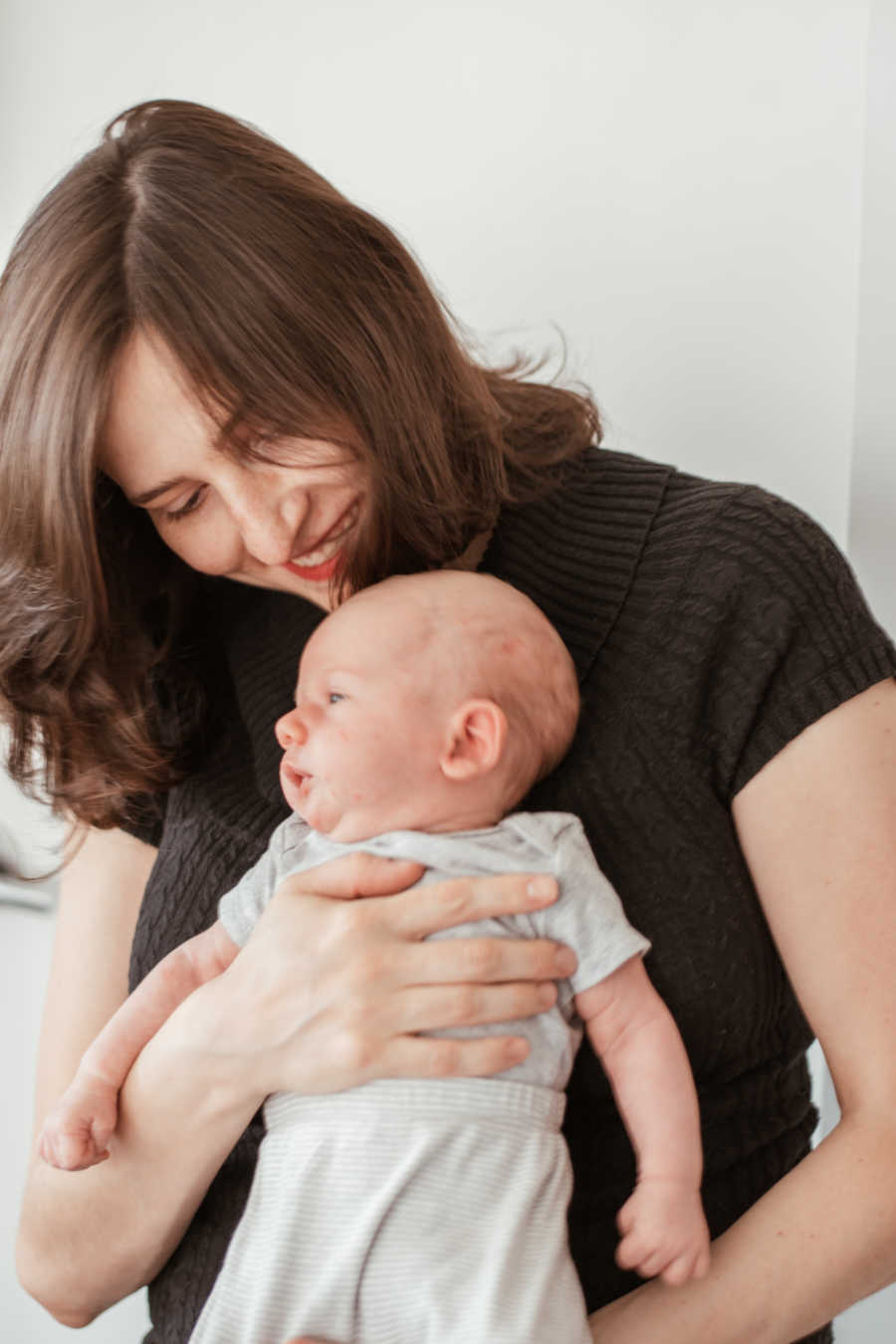
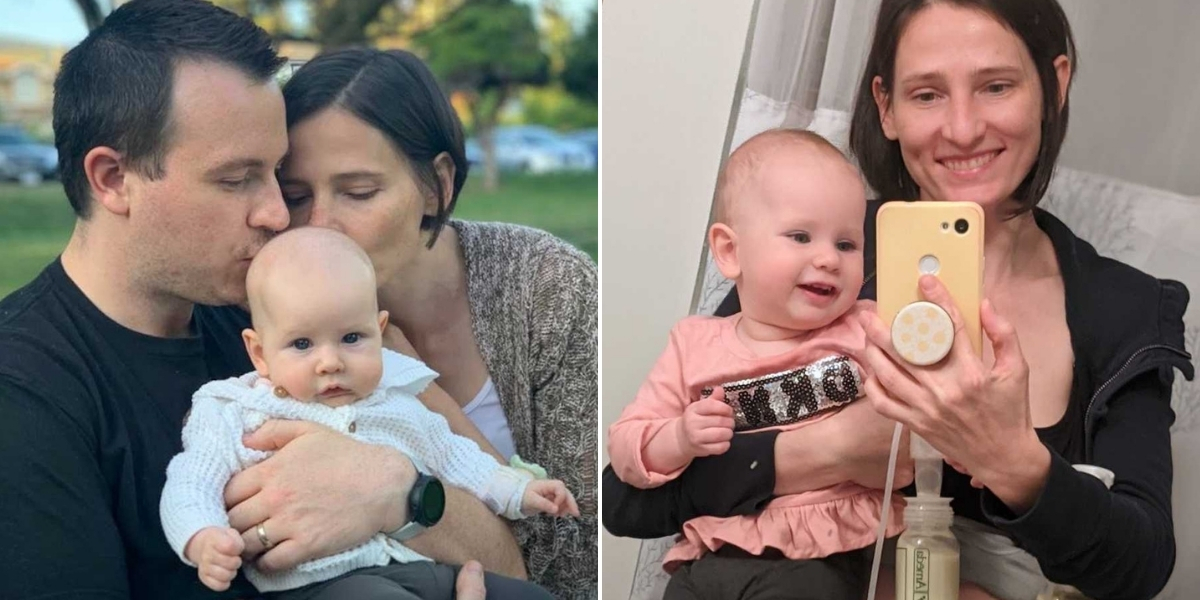
My midwife encouraged pumping and recommended a nipple shield, which finally helped Nina latch. She still couldn’t feed for long, and would often fall asleep mid-session. My husband and I tickled her feet and stroked her cheeks to keep her awake. I pumped after every feeding, bottle-feeding Nina myself. I assumed it would only be a few weeks before she got the hang of breastfeeding. But COVID isolation meant no in-person help from friends or additional midwives—support was limited to phone calls. I desperately wished someone could be there every time we tried to nurse, to guide us.
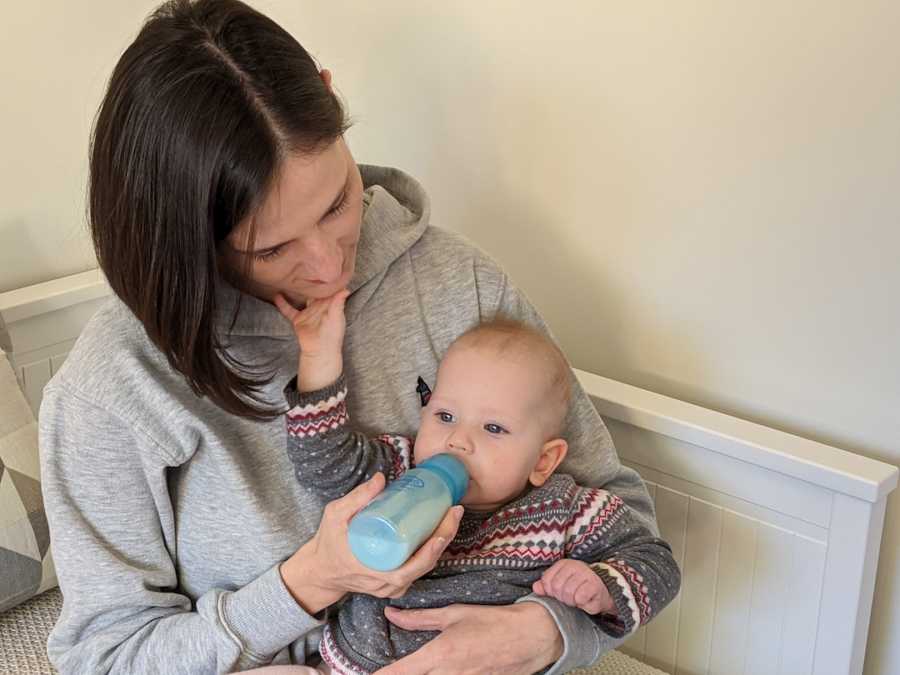
A few weeks later, we saw a breastfeeding doctor. Nina didn’t have a tongue tie, but her small chin and overbite made latching difficult. We tried different positions—football hold, pillows, stools—but she refused my breast. I was devastated, crying often. All my life, messages like “breast is best” were ingrained in me. I felt immense pressure and blamed myself. The sleepless nights, exclusive pumping, isolation, and lack of a smooth breastfeeding experience made me feel incapable, anxious, and unprepared. Therapy helped me navigate these feelings and avoid postpartum depression.
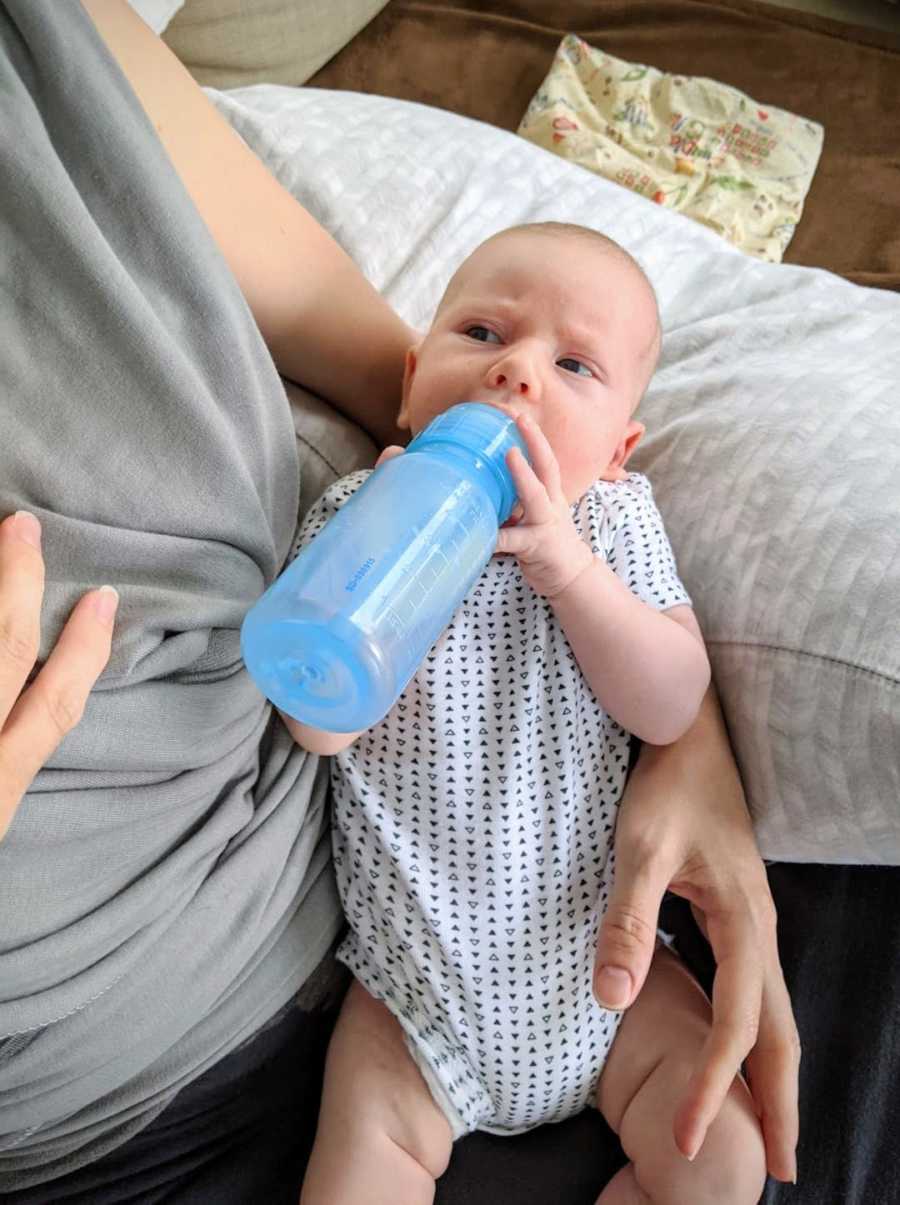
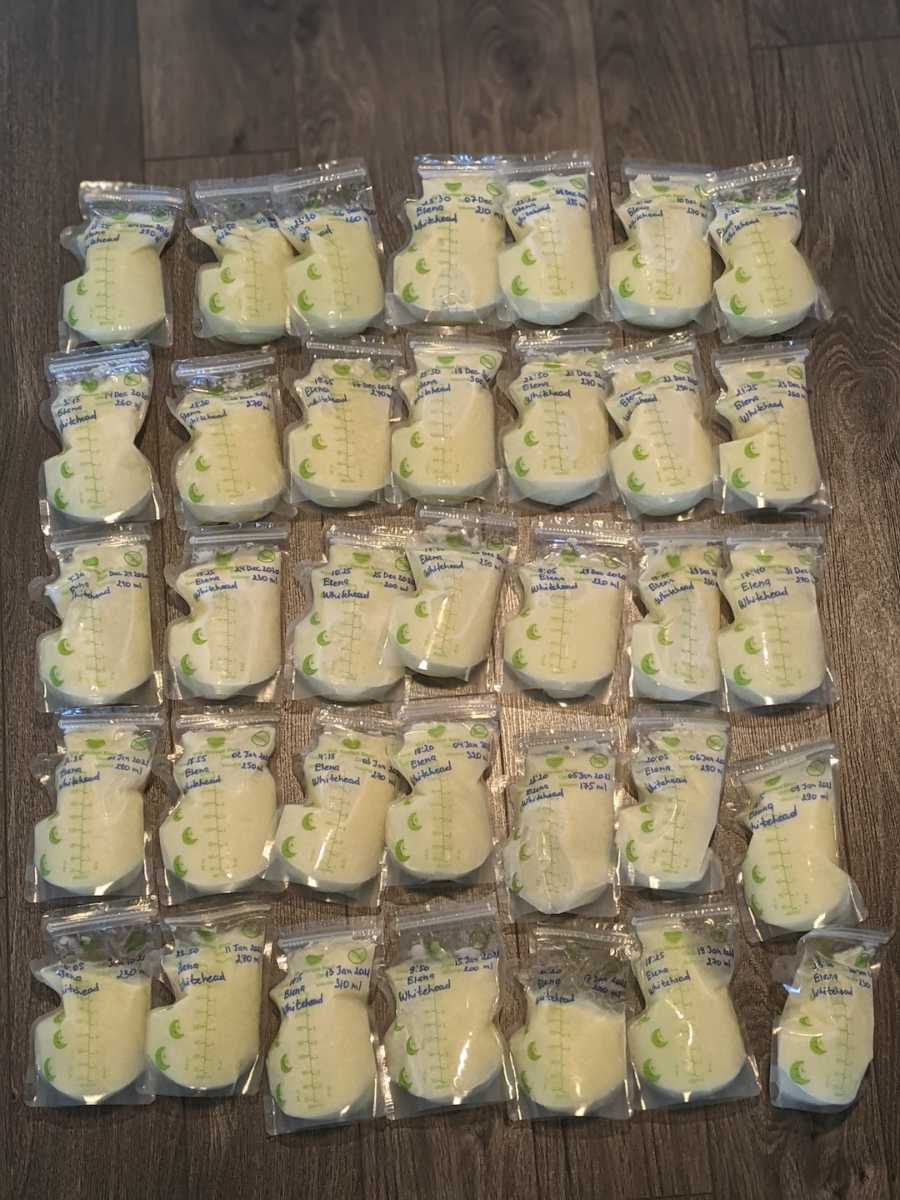
Despite the challenges, I produced an abundant milk supply—more than Nina could consume. Initially, I discarded the extra, but a friend worried that milk might dry up too soon. Determined to give my daughter the best nutrition, I began storing every drop in the freezer. Within three months, our freezer was full. That’s when I discovered the possibility of donating milk. I didn’t know anyone who pumped or donated, and I was cautious about sharing milk with strangers. I wanted to ensure it reached babies in need, safely and responsibly.
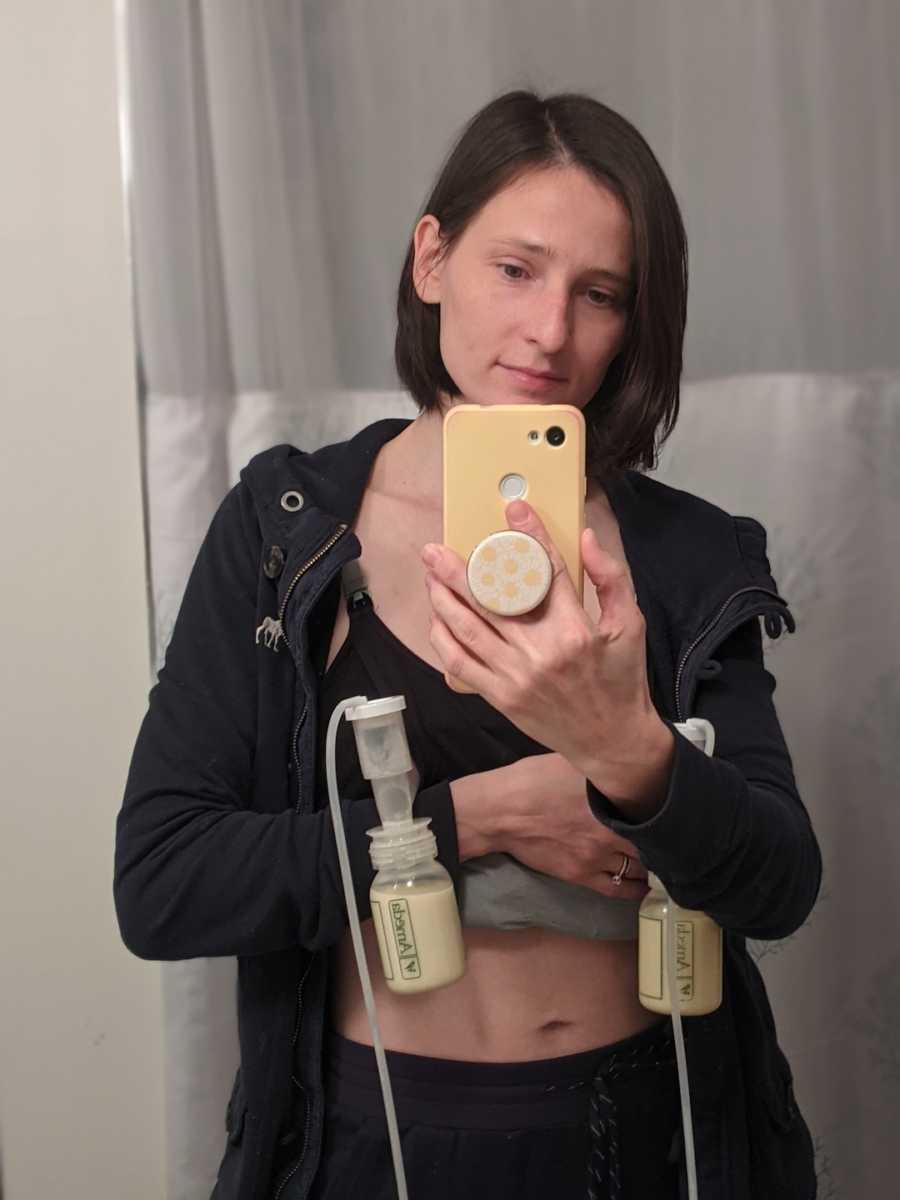
After researching, I applied to BC Women’s Hospital to become a milk donor. Three weeks later, I was approved. I felt relieved, happy, and nervous all at once. My milk could now help babies whose mothers couldn’t produce enough. I donated half my stash first—5,100 ml—and later 10,600 ml. Today, I’ve donated 50 liters (1,690 ounces) and continue to pump while Nina, now ten months old, nurses briefly with a nipple shield. Booby time is more of a snack than a full feeding, but it calms her when she’s tired.
It still makes me sad and frustrated that breastfeeding didn’t go as planned. I sometimes wonder, “What is wrong with my body?” But I don’t let those thoughts dominate. I focus on the positive—Nina is receiving my milk. My husband’s unwavering support reminds me of this too. I am beyond grateful to have enough milk for my baby and to have discovered pumping as a third option alongside breastfeeding and formula.
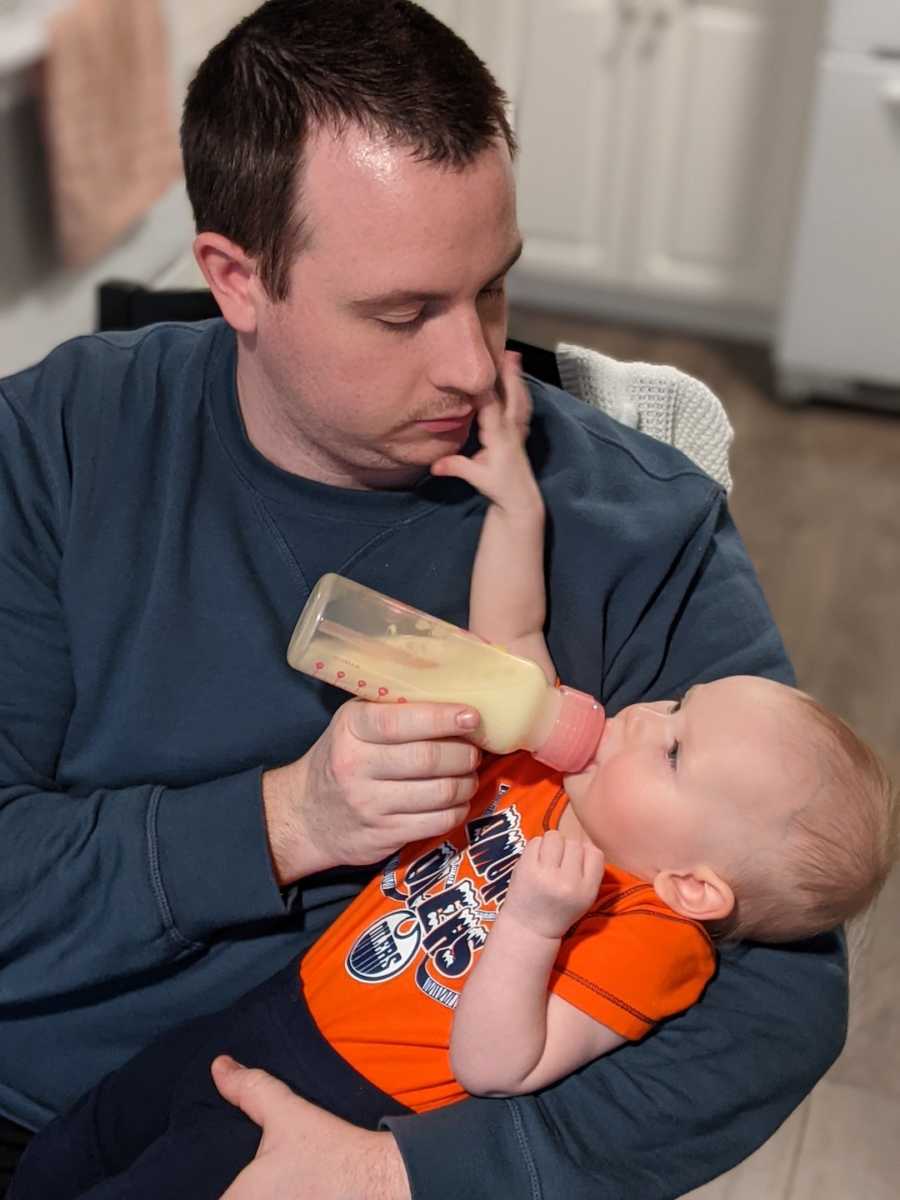
There is so little awareness about pumping and milk donation. Many women don’t realize that if breastfeeding is challenging, pumped milk can feed your baby, and surplus milk can help others. It takes commitment and effort, but it is deeply rewarding. This journey taught me that motherhood isn’t about perfection—it’s about finding solutions, persevering, and giving your best.