Tonight, I sit in gratitude. Friends and I are at my family’s brewery, gathered on the patio around a firepit. We’ve just finished a meal my homegirl lovingly prepared, and everyone is deep in conversation. I’ve stepped back for a moment, letting the sound of rain on the tin roof above wash over me, watching their faces flicker in the firelight. And as I sit here, I think, “Is this really happening?” Tears well up, and I’m overcome with happiness because this — this peaceful, joyful life — is mine.
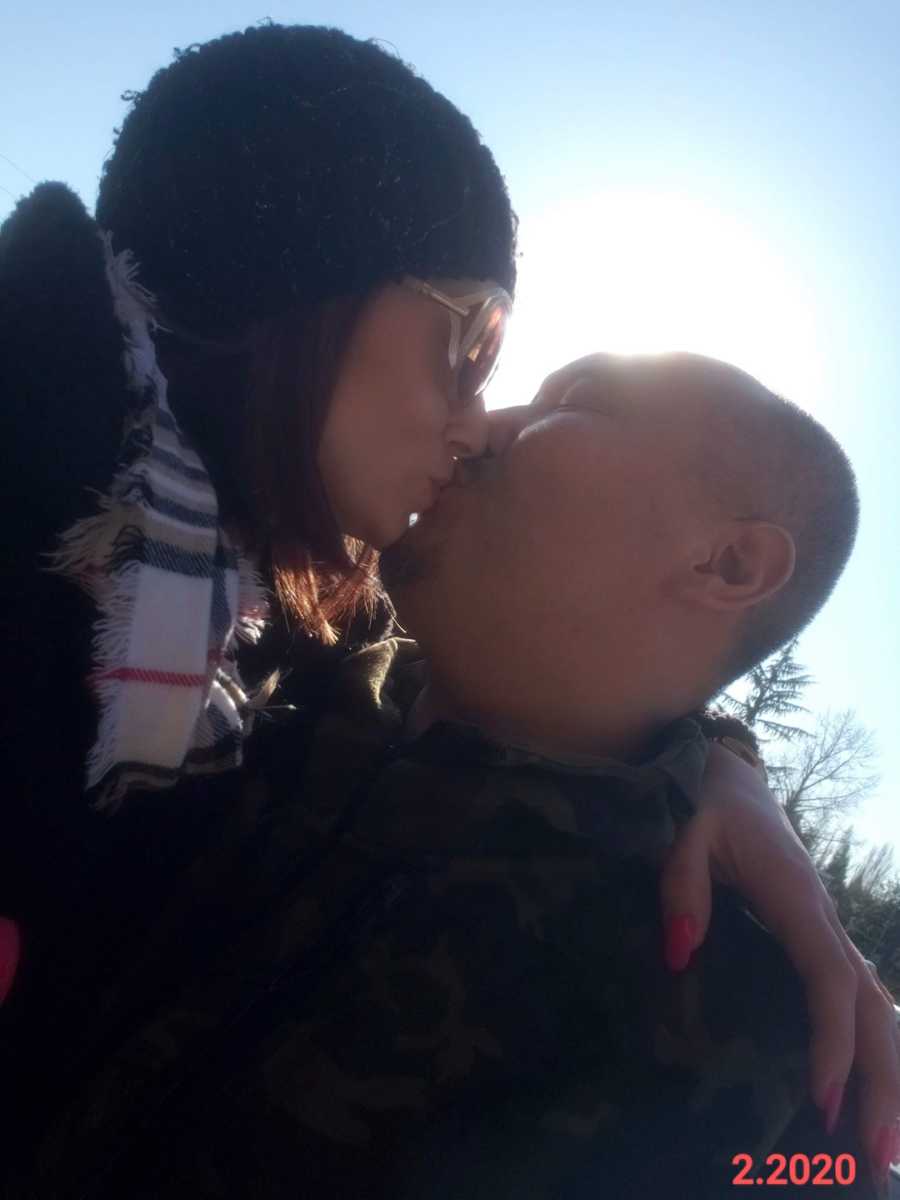
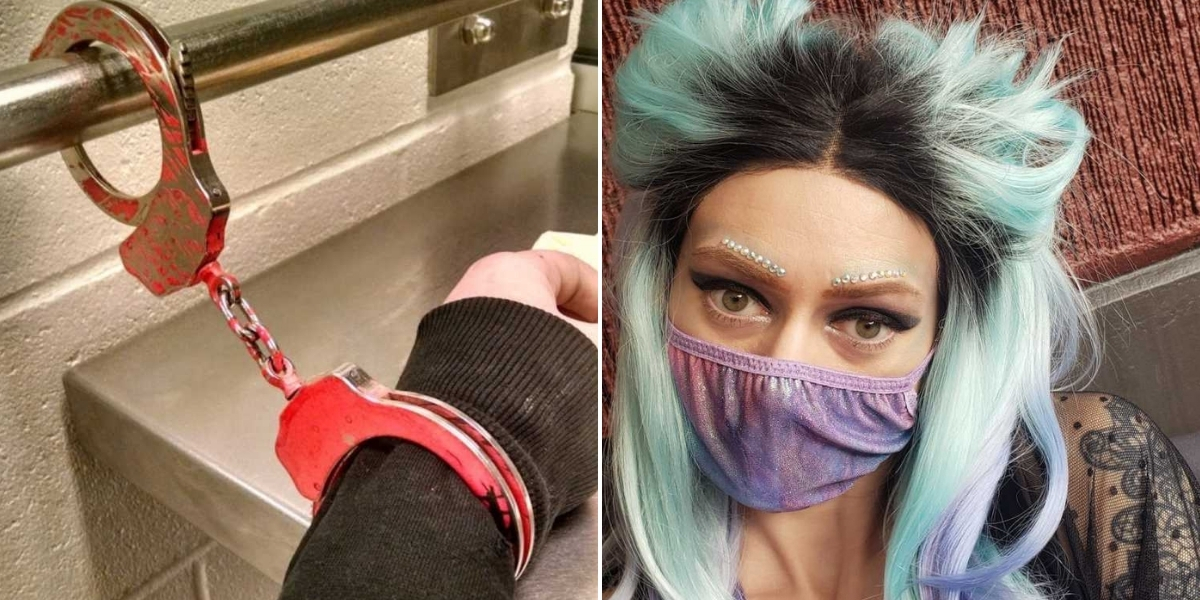
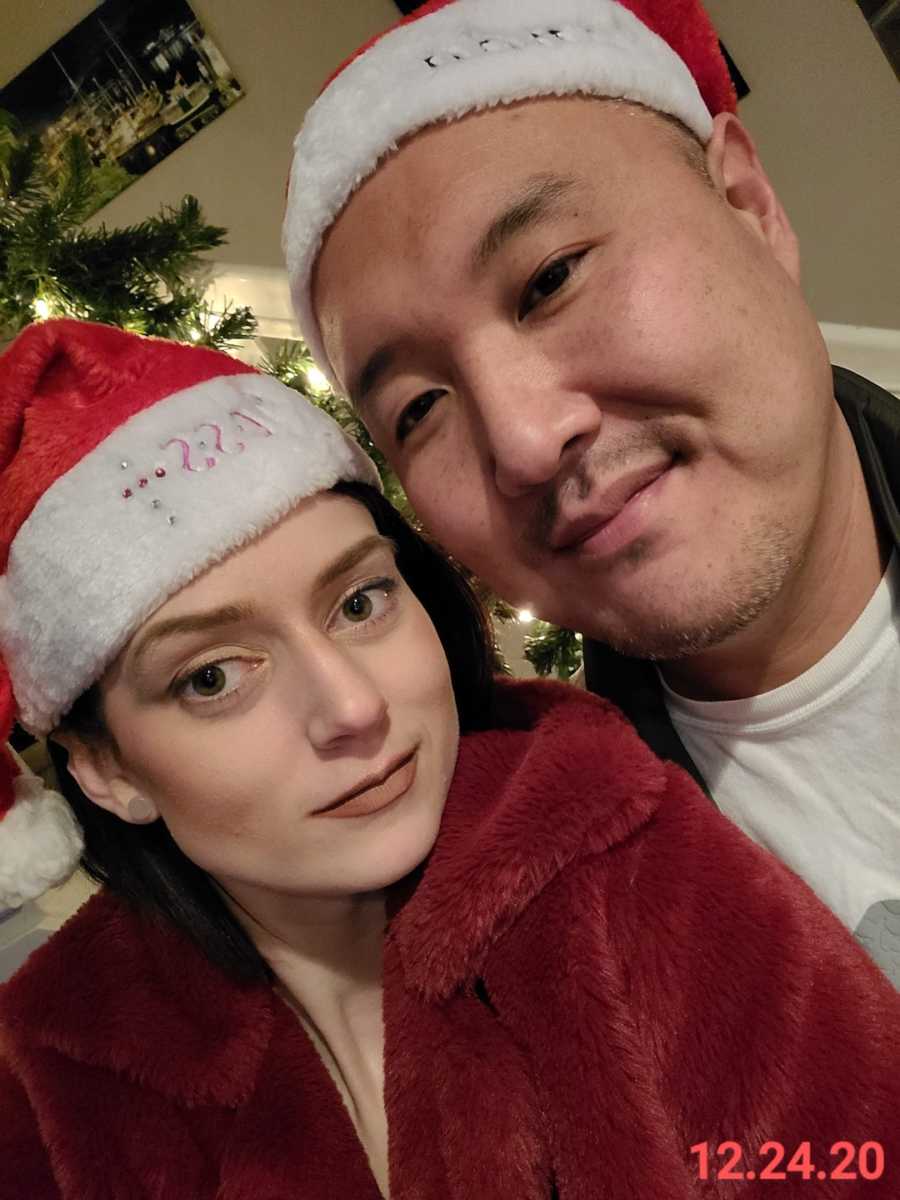
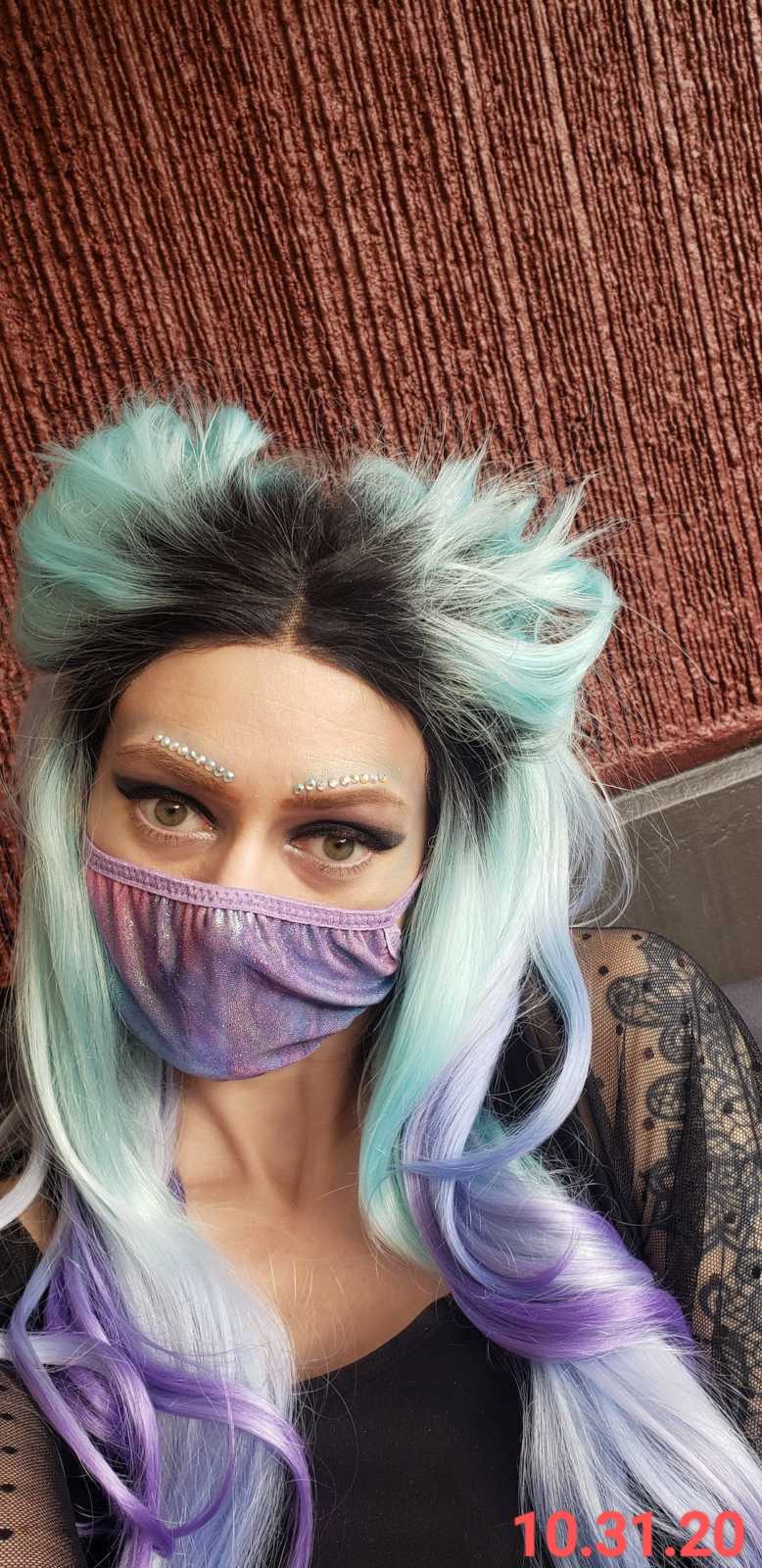
I do things now that I never imagined for myself: dressing up like a unicorn with my best friend to ring in the New Year, going on my first camping trip with my boyfriend of 2.5 years, enjoying double dates, exchanging recipes, and even asking for help when I need it. I didn’t always know what trust, love, or understanding meant. I didn’t know what a healthy relationship looked like. I had no roadmap, no instructions, just survival.
Drug addiction steals your soul in pieces. For those who haven’t experienced it, try to imagine hating yourself so intensely that you hurt yourself, hurt others, and feel unworthy of life. You don’t choose to become an addict; it sneaks in slowly. One day you’re a high school junior crushing on a dangerous senior, and fifteen years later, you’re on the side of the road, getting arrested, wondering how it all went so wrong.
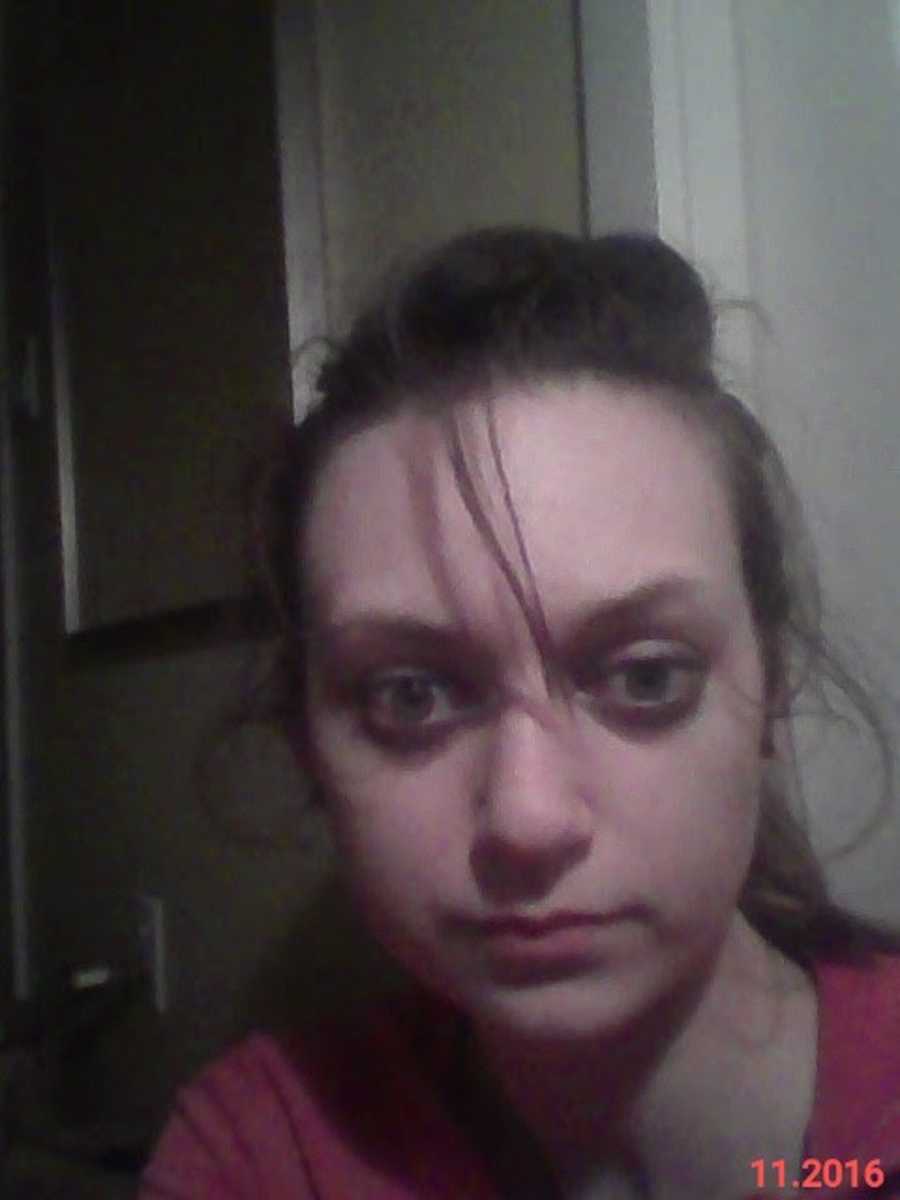
On June 23, 2016, at age 28, I was living in a car, addicted to heroin, benzodiazepines, muscle relaxers, and meth. I stood on the roadside arguing with law enforcement, daring them to get a warrant for my blood. “I have time,” I said, “how much time they got?” I was feisty, reckless, and my words often got me into more trouble than my actions. That day, I had run off the road, hit a fence, and nearly drove into speeding traffic.
The warrant came through, I was arrested, and sent to the hospital for blood tests. My drug-fueled brain barely remembers the experience, though I do remember the nurses struggling to find a vein. Weeks later, I was charged with driving under the influence of heroin, meth, and benzos. My second DUI. Another addition to the long list of felonies and misdemeanors I had accumulated. I wasn’t scared like before; I believed I could run, hide, or that somehow the court would relent.
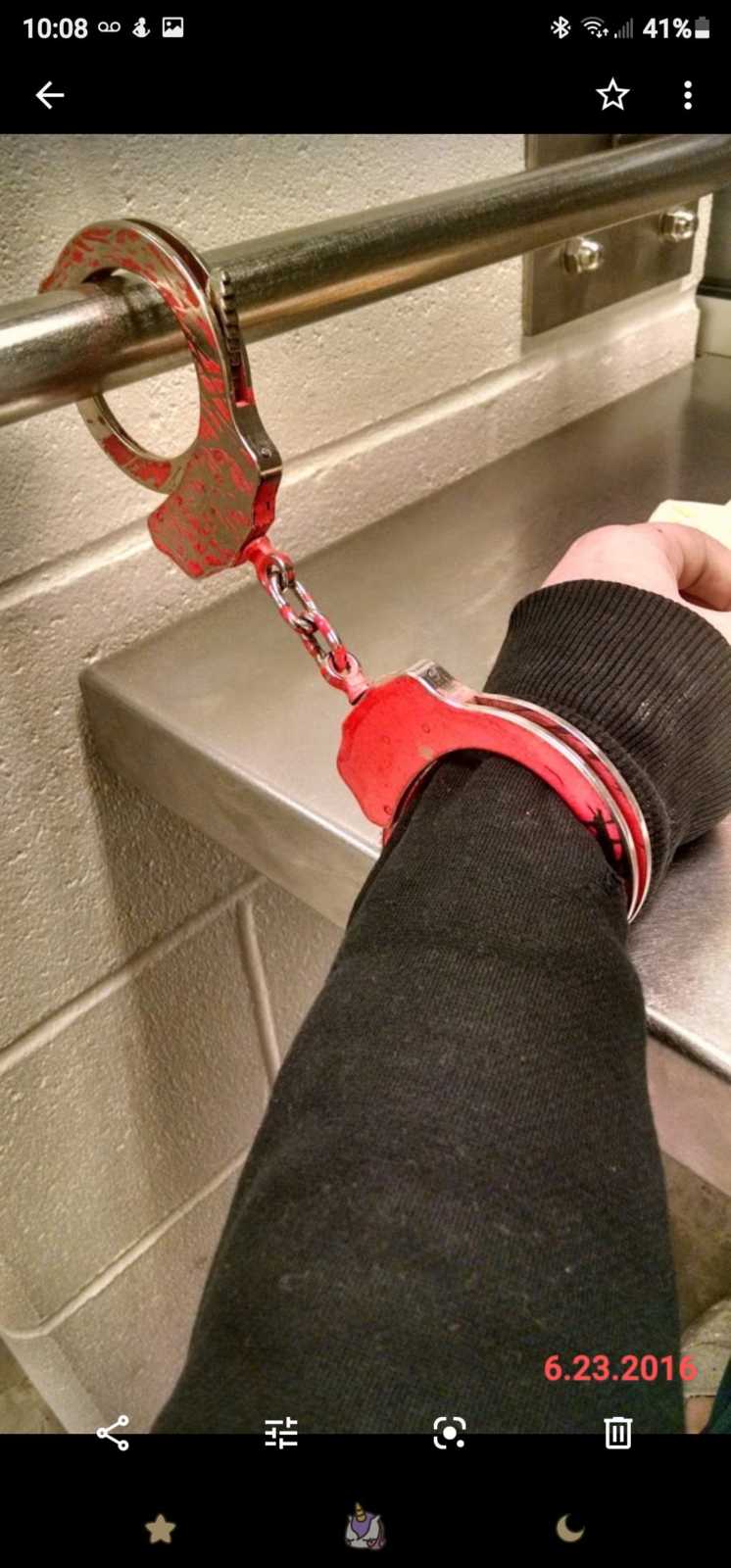
I had run from courts, bondsmen, and corrections officers before — always getting caught — yet my addicted mind clung to the fantasy of escape. Court demanded I enter drug treatment. I laughed. I had done it three times before, and it hadn’t worked. Threats of prison, abuse, homelessness, endless jail time, absence from family — none of it stopped me. I always returned to the same cycle: abusive relationships, sex work, drug dealing, self-hatred, the trench I couldn’t escape.
Between June 2016 and April 2017, I sank deeper than ever. My body started breaking down: three hospital visits in five months. November 2016, I overdosed on a cocktail that should have killed a 350-pound linebacker. December 2016, MRSA ravaged my knee, requiring surgery and IV antibiotics. April 2017, pneumonia nearly took me. Doctors warned me about endocarditis, a deadly heart infection common among IV drug users. Terrified, I finally asked for methadone and was enrolled in the program. I laughed in court months earlier — now, I was begging for treatment.

After the hospital, I faced a choice: go home to my family or return to the dangerous ex from high school. I chose him. But methadone alone wasn’t enough. Eventually, we parted ways in the rain, him screaming, “YOU WILL NEVER BE CLEAN.” In that moment, I promised myself I would never let anyone or anything control me again. I went home to the love and support I knew could help me heal.
Even at home, recovery was hard. I had one foot in addiction, one foot in sobriety, unsure how to step fully into a new life. Methadone saved me, but it was a tool, not a cure. I needed to heal entirely. Therapy helped me see that recovery wasn’t about “dealing” with myself, but managing and recognizing my feelings. Weekly therapy, cognitive behavioral therapy, and dialectical behavior therapy taught me to live sober. Healthy eating, yoga, meditation, and a stable methadone dose helped me reclaim my humanity. My dad brought me to the brewery to gain confidence in social settings. Life stabilized, yet an unexplainable itch lingered. Anxiety crept back. I stayed out late, lost sleep, and dismissed my dad’s concerns.
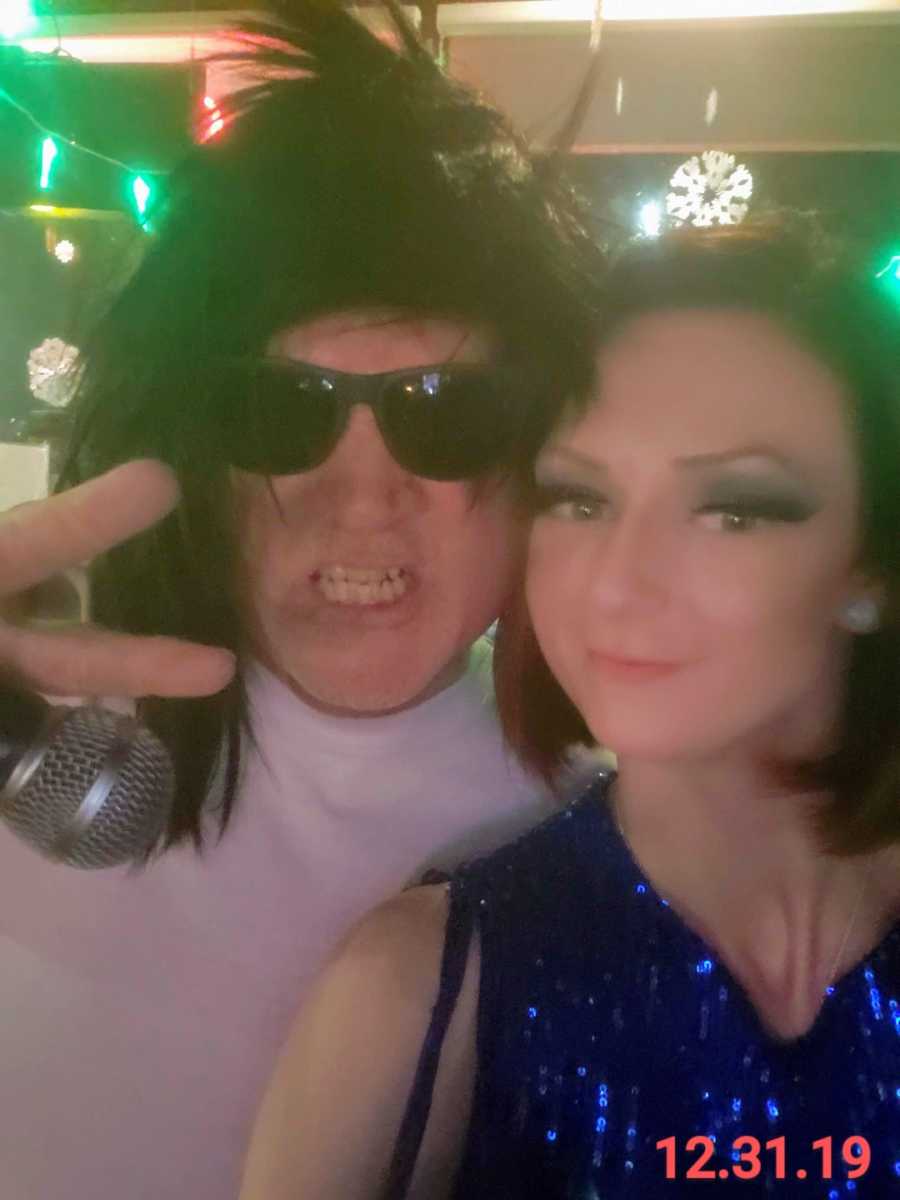
In March 2018, I served my time for the second DUI. Washington State jails often allow methadone dosing, but I was transferred to one that didn’t. I withdrew from 110mg overnight, my stability crumbling. I did my time, resumed treatment, but the trauma of that experience forced me to leave home again. After six months, I returned, slowly rebuilding: therapy, classes, promises to myself.
Then 2020 hit. On March 15, COVID-19 nearly closed my family’s business. In August, I lost my childhood best friend. September brought my stepmom’s ovarian cancer diagnosis. And yet, on November 23, 2020, I completed detox. Hellish as it was, I survived. Recovery became more than abstaining from drugs — it was learning to live fully, to heal every piece of me.
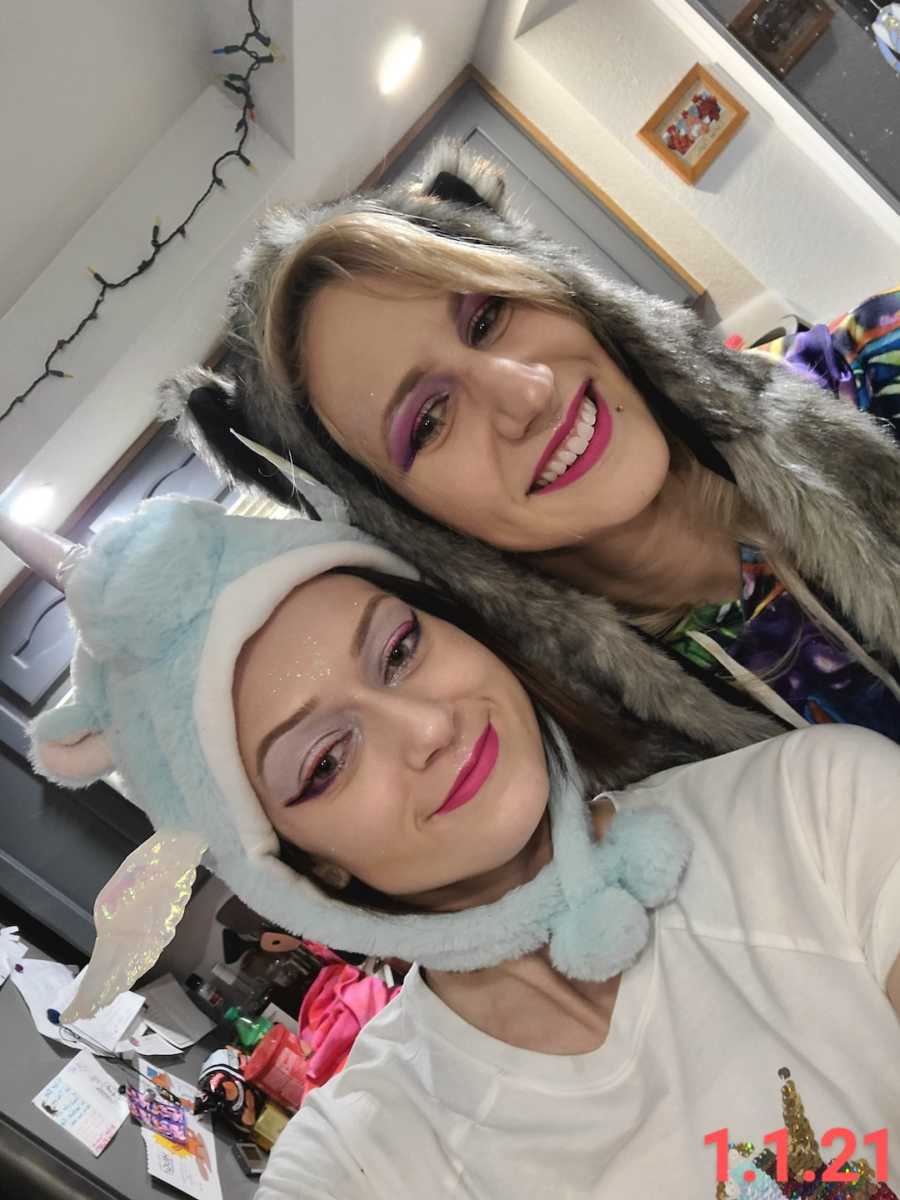
The trauma of 15 years of addiction doesn’t vanish. I still do exposure therapy, working through anxieties and the darkness of my past. Even after nearly four years, fear surfaces. Recovery is long, winding, sometimes terrifying, but every step leads to moments like tonight — sitting by a firepit, surrounded by love, trust, and care. Each flicker of warmth reminds me: this is only the beginning. Recovery is hard, possible, and worth every struggle.
We do recover. And it is worth it.