
Georgia’s birth story doesn’t actually begin on October 27th, 2020. It begins back in March of 2019. After having three babies back-to-back, my body was struggling to adjust. My anxiety was at its worst, and I was at the heaviest I had ever been. I felt completely overwhelmed. I needed something to work—something to calm me down and bring a sense of normalcy back into my life. I needed a foothold so I could start reclaiming my health and my life.
My partner and I knew we wanted four children, but we realized this wasn’t going to happen unless I could get my physical and mental health under control. So, I made an appointment with my general doctor. In hindsight, that was my first mistake. I trusted him and had known him for years, but I should have spoken with my midwife first.
I explained everything—my anxiety, my exhaustion, and my struggles with prior medications. We had tried anxiety medications before, but I hated how they made me feel. I felt like a “zombie mom.” Sure, the anxiety disappeared, but so did the part of me that my kids needed. That wasn’t an option—I needed to be fully present for them.
Sitting in my doctor’s office, I was desperate and willing to try anything. I thought maybe birth control could help; perhaps my hormones hadn’t fully settled. I had tried almost every form of birth control, and my body had rejected each one. My doctor suggested the Depo Provera shot. At first, the idea of a once-every-three-month shot sounded perfect. No pills, no rings to keep track of—just something to help me feel stable. My main concern was my anxiety, and I was ready to do anything.
He explained the shot, including that it might delay pregnancy, but I didn’t pay much attention. I said yes immediately. A nurse gave me the shot in my butt, which wasn’t pleasant, but I was determined to get my life back on track. Little did I know, this decision would lead to nearly a year of struggle.
Depo Provera nearly ruined me. It wreaked havoc on my digestive system and my overall health. We struggled to get pregnant, and the process, which had always been easy for us before, became stressful and frustrating. Talking to my midwife—something I should have done first—she was shocked I had taken the shot. Later, an OB told me Depo is the second-worst form of birth control he would ever recommend.
The delay was heartbreaking. It gave me a new appreciation for anyone who faces months or years of trying to conceive. I stopped obsessing over apps, which were useless now that Depo had disrupted my cycle. Instead, I learned to listen to my body. I started tracking ovulation with strips and discovered I ovulate right after my period. After a few months of tuning in to my body and instincts, we finally got pregnant in February of 2020.
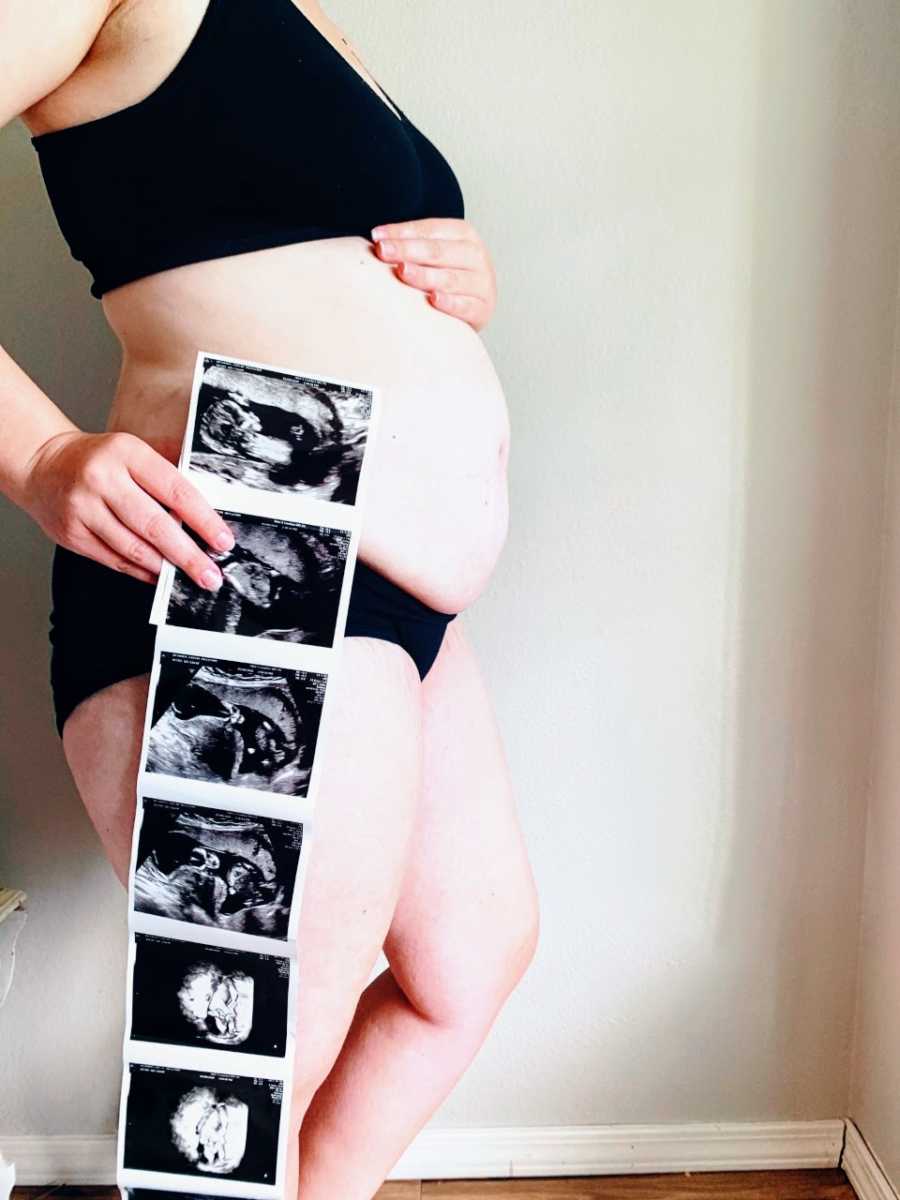
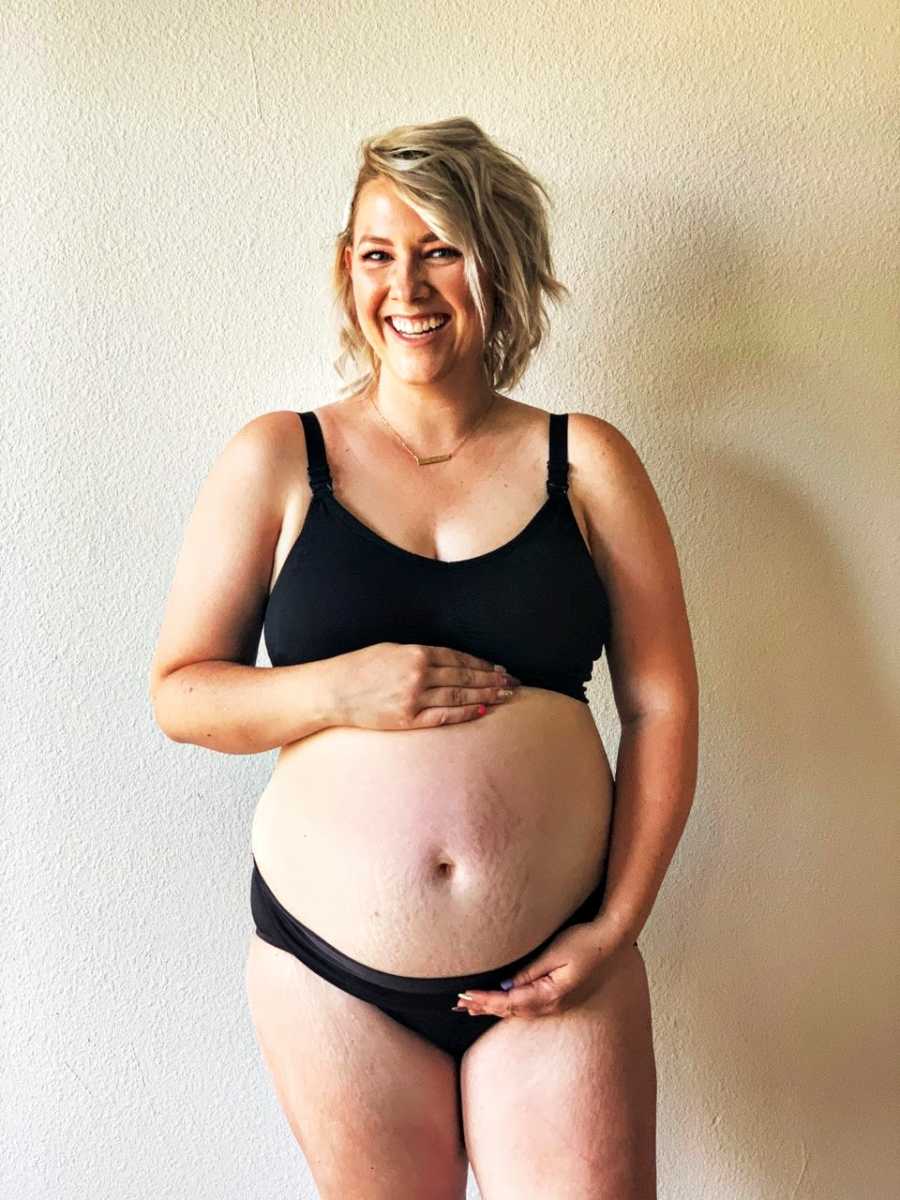
Throughout my pregnancy, I had a persistent feeling that Georgia would arrive early. I couldn’t explain it—my previous pregnancies had always required inductions—but I couldn’t shake the intuition.
Fast forward to October 25th, 2020. Sunday night, my contractions began—consistent and about 3–5 minutes apart. They weren’t painful, but they were annoying. I tried a warm bath, hoping to relax and sleep, but it was impossible. My adrenaline was racing, and I just couldn’t get comfortable. I texted the midwife on call, but she wasn’t concerned—my body rarely starts labor on its own.

By 1 a.m. Monday, I was desperate. I woke Tobi, called my mom, and convinced myself we were about to meet our baby. At the hospital, I was dilated to 1–2 cm. They encouraged me to walk, and I even climbed stairs—a decision I now regret. After an hour, I was 3 cm. Then they had me sit in the tub for an hour. Contractions grew stronger. Another hour passed, and I was 4 cm. Finally, they admitted me to a room, though it took time because the unit was busy.
I tried everything: walking, bouncing on a ball, trying to get labor moving. I reached nearly 5 cm, but progress stalled. Because I was under 39 weeks, they couldn’t intervene medically—no breaking my water, no gels, no Pitocin. I was left to labor on my own, feeling frustrated and defeated.
Once home, my contractions worsened. By Tuesday morning, they were 2–3 minutes apart, and I knew something wasn’t right. My midwife came to check me, and I was at 6 cm. Blood was drawn, and the nurses noticed my blood pressure and heart rate were high. Epidural placed, everything seemed fine. But soon, I felt nauseous, weak, and off. My midwife checked my blood work and went pale—my white blood count had skyrocketed to 38,000. She had never seen anything like it. My body had a severe infection, and though my water hadn’t broken, my labor had stalled.
My temperature hit 102.6, and I couldn’t stop shaking. Nurses worked to cool me down, and three IV antibiotics were started immediately to protect both me and Georgia. My body was focused on fighting the infection, not labor. Contractions had stopped. Pitocin was started, water broken, and we began pushing.
Fifteen minutes later, Georgia was born. She wasn’t breathing initially, but the NICU team acted quickly. Miraculously, she stabilized within hours, and I finally got to hold and nurse her. The relief was overwhelming.
We later learned I had a rare strain of Group Strep A in my placenta—something almost never seen. It could have been deadly if Georgia had been born any later. But thanks to an amazing team of nurses and my midwife, we both survived, healthy and whole.

Our family is complete. Georgia is our miracle, and we are forever grateful for the care and love that brought her safely into our lives. To anyone navigating a high-risk pregnancy, know that hope, resilience, and faith can carry you through.