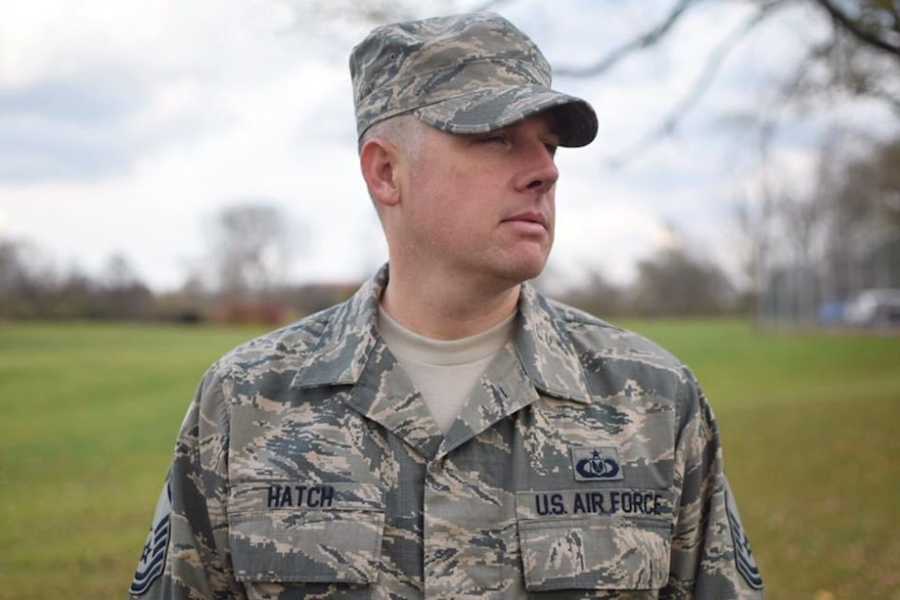
At 22, I found the love of my life. He was everything I didn’t even know I needed. I had always said I would never marry a military guy. Growing up in a town with a military base, it seemed like everyone had one, and I didn’t want to leave my hometown. But then I met Cliff, and everything changed.
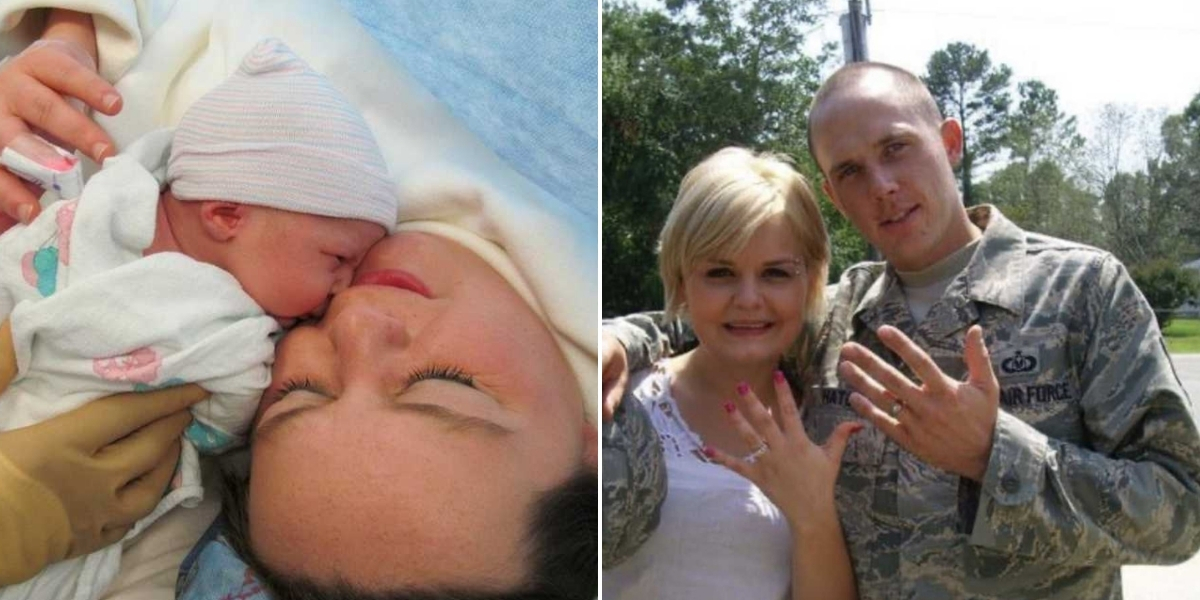
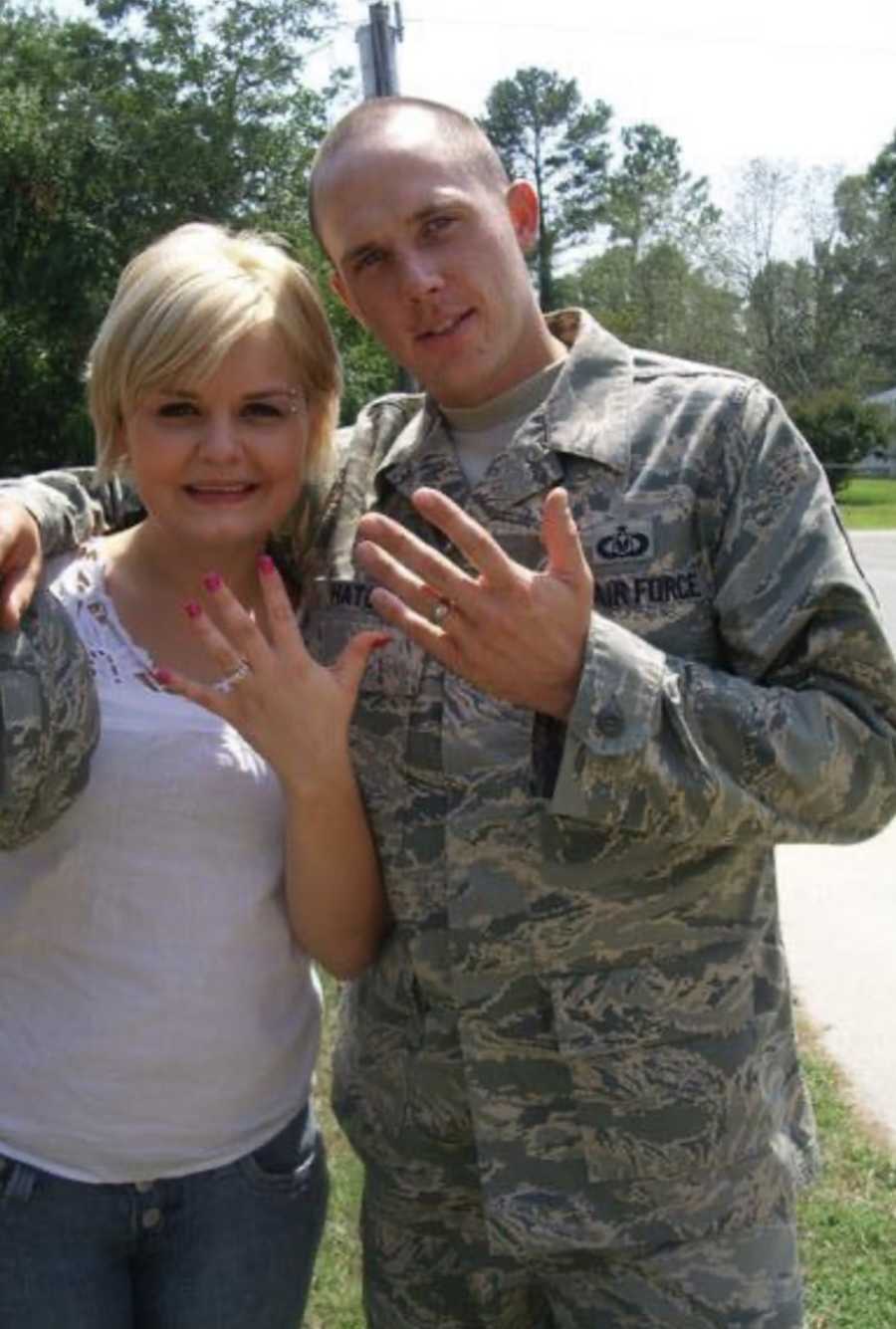
Our romance was whirlwind and full of excitement. After just five months of dating, Cliff got orders to deploy to Afghanistan. My heart broke. I couldn’t imagine life without him, and yet I knew we both wanted forever. In a leap of faith and love, Cliff proposed—and we married the next week at the courthouse. It was fast, it was unexpected, and it was perfect.
We wanted to start a family, but we had no idea what lay ahead. Soon, we became pregnant with our first child, only to lose that little life at twelve weeks. The grief was profound and overwhelming. We longed to try again, but soon Cliff received orders for another, longer deployment to Afghanistan. I was devastated to be separated from him, yet proud of the man I loved.
After his return, we tried again and, to our joy, became pregnant just weeks later! But even amidst our happiness, I had a gut feeling something wasn’t quite right. I couldn’t shake it.
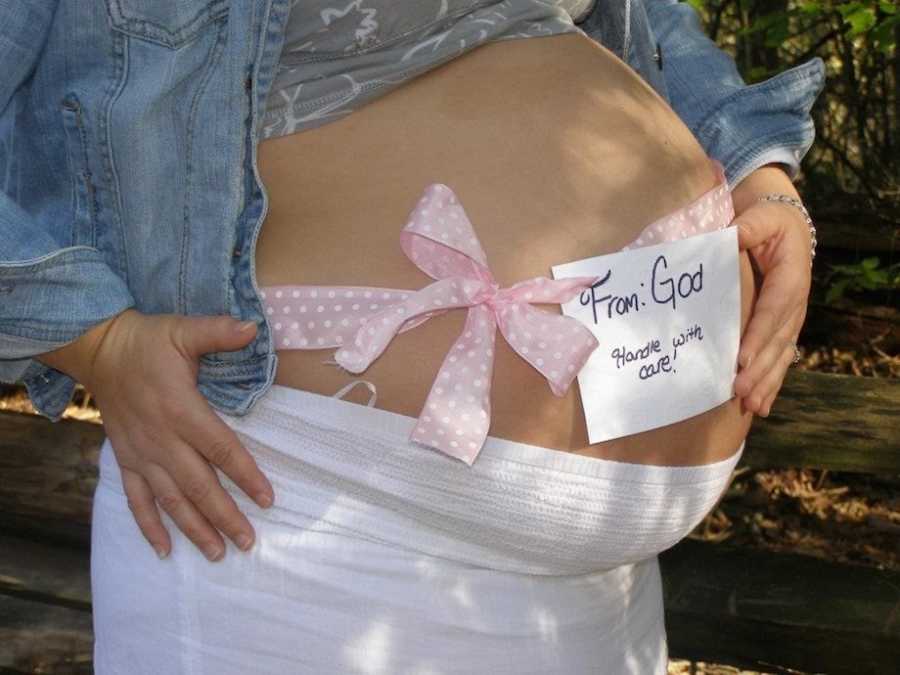
The pregnancy seemed normal, and in December 2011, our daughter Loralei was born via c-section, screaming and perfect. Yet, something felt off. She was jaundiced, slept almost all the time, and vomited her feeds. Everyone assured me, “It’s normal for first-time moms,” but I knew my little girl needed help.
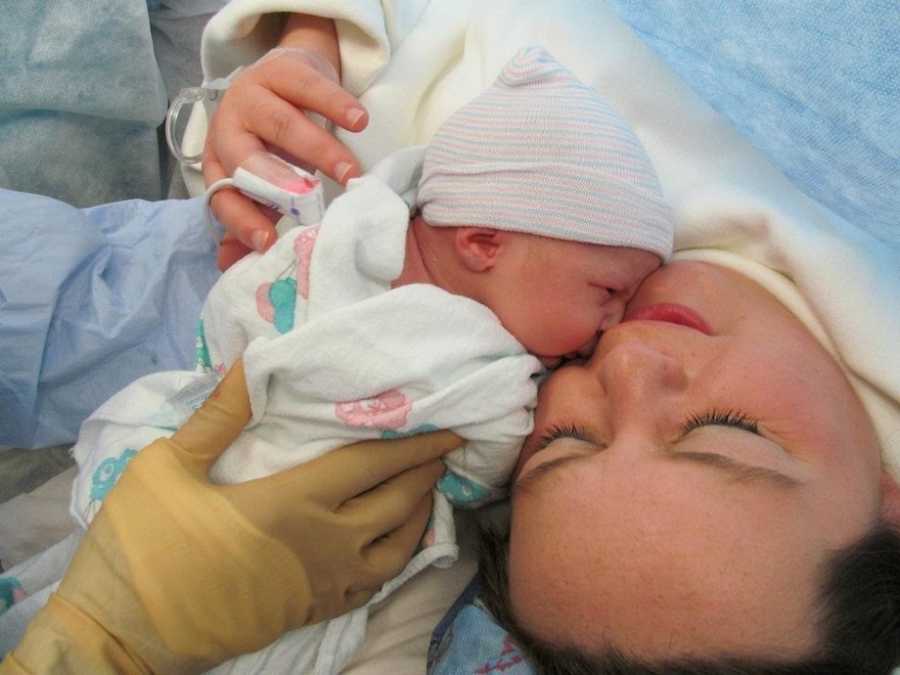
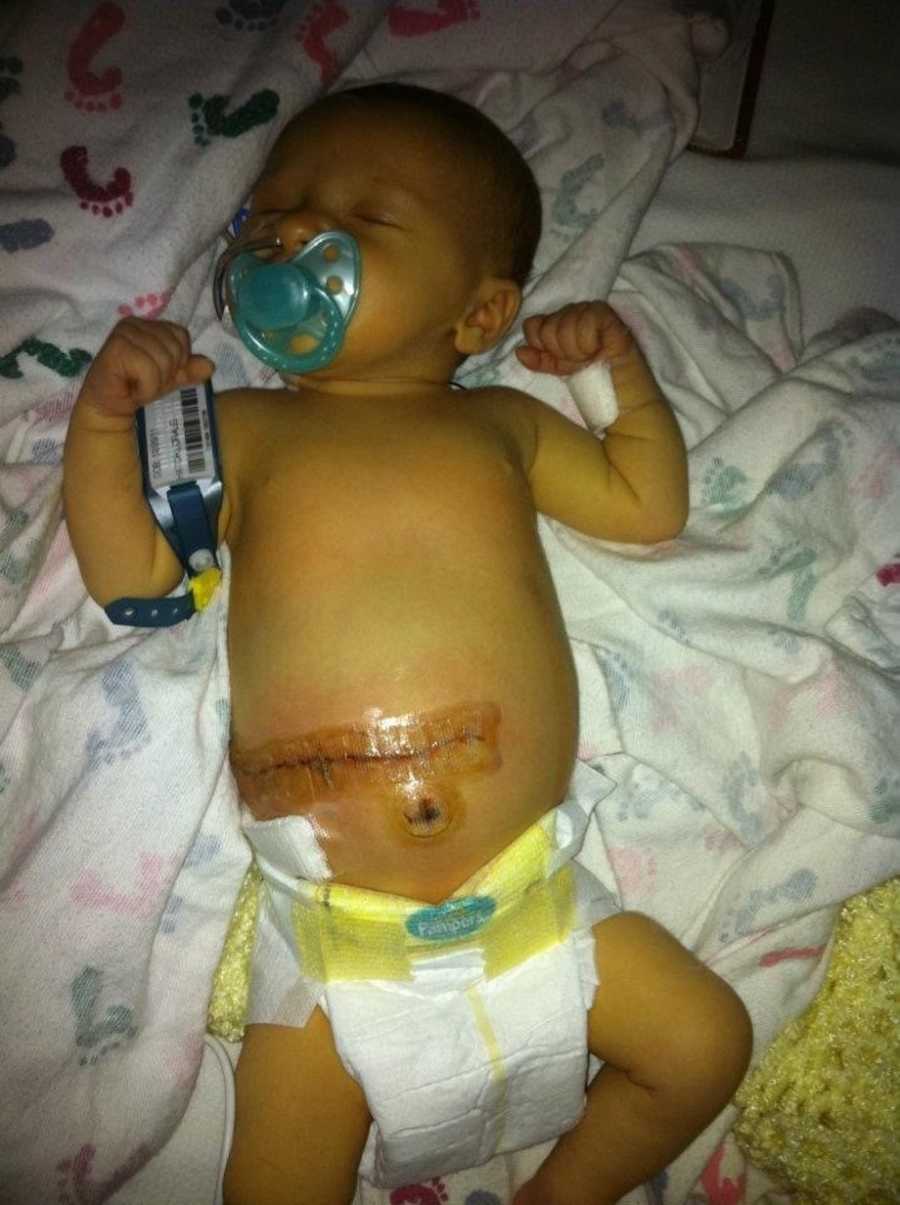
Our pediatrician, a blessing in disguise, noticed her liver felt enlarged and sent us for labs. The diagnosis came quickly: Biliary atresia, a rare congenital liver disease. Her liver lacked bile ducts, and without intervention, toxins would quickly damage it. We needed a Kasai procedure—a complex, life-saving surgery—to reroute her intestines to her liver so it could drain.
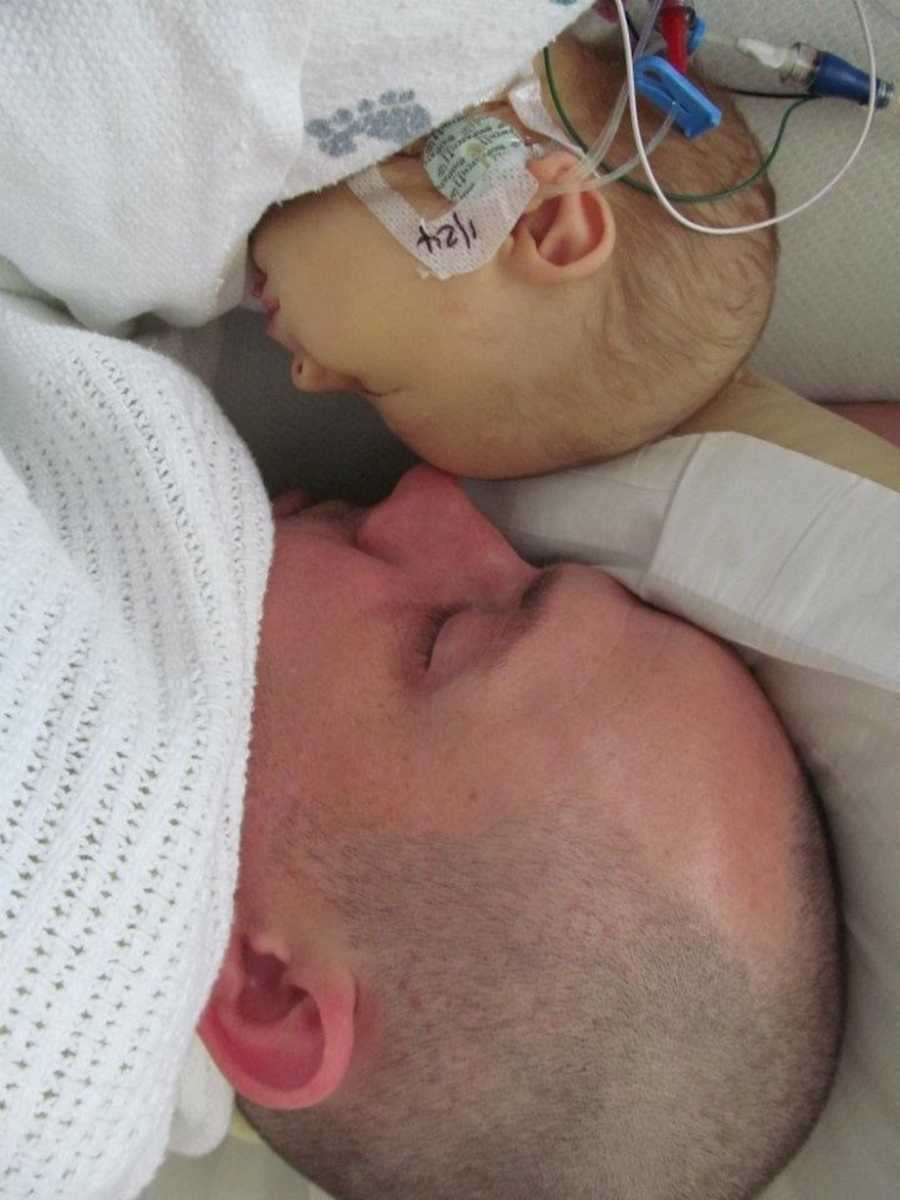
At just 34 days old, Loralei went into surgery. The hours that followed were terrifying. When the surgeon finally came out, I could barely process his words. All I wanted was my baby girl in my arms. Doctors warned we might need a transplant within six months—but God had other plans. Today, she’s nine and thriving with her native liver.
Around ten months old, the Air Force allowed us to move to Ohio to be closer to a children’s hospital capable of handling her rare condition. Once things stabilized, we felt ready to try for another child. We soon learned we needed assistance from an infertility team, navigating shots, pills, and hormones. Months later, we were blessed with Brody, our healthy, sweet boy, born in November 2014.
Brody was perfect, and as he grew, we felt a calling to foster and adopt. Foster children have a tough reputation—concerns about the impact on our biological kids, the challenges, the uncertainty. But at the heart, these are just children in need of love, patience, and safety. You can’t ignore that calling.
After months of training, inspections, and paperwork, we were approved as foster and adoptive parents in Ohio. Our first placement was a little boy who eventually reunited with his biological family, which is always the ultimate goal.
Shortly after, we received an urgent call about two toddler brothers. The older had complex medical needs: nonverbal, drug-exposed, with a brain lesion and feeding tube. Cliff’s nursing experience and our prior medical knowledge gave us confidence, and we said yes. The day they arrived, I’ll never forget seeing them—frightened yet sweet, carrying everything they owned in trash bags.
Tripp, the younger, warmed up quickly to our dog, revealing his playful ninja side. Tate, the older, had a giggle that could melt any heart. The adjustment was overwhelming, with medical equipment and therapies to manage, but it was worth every effort. Soon, we learned these boys needed a permanent family. There was no doubt—they were meant to be ours. Six months later, we finalized their adoption. It was magical and heart-wrenching; our joy could not erase the pain they had endured.
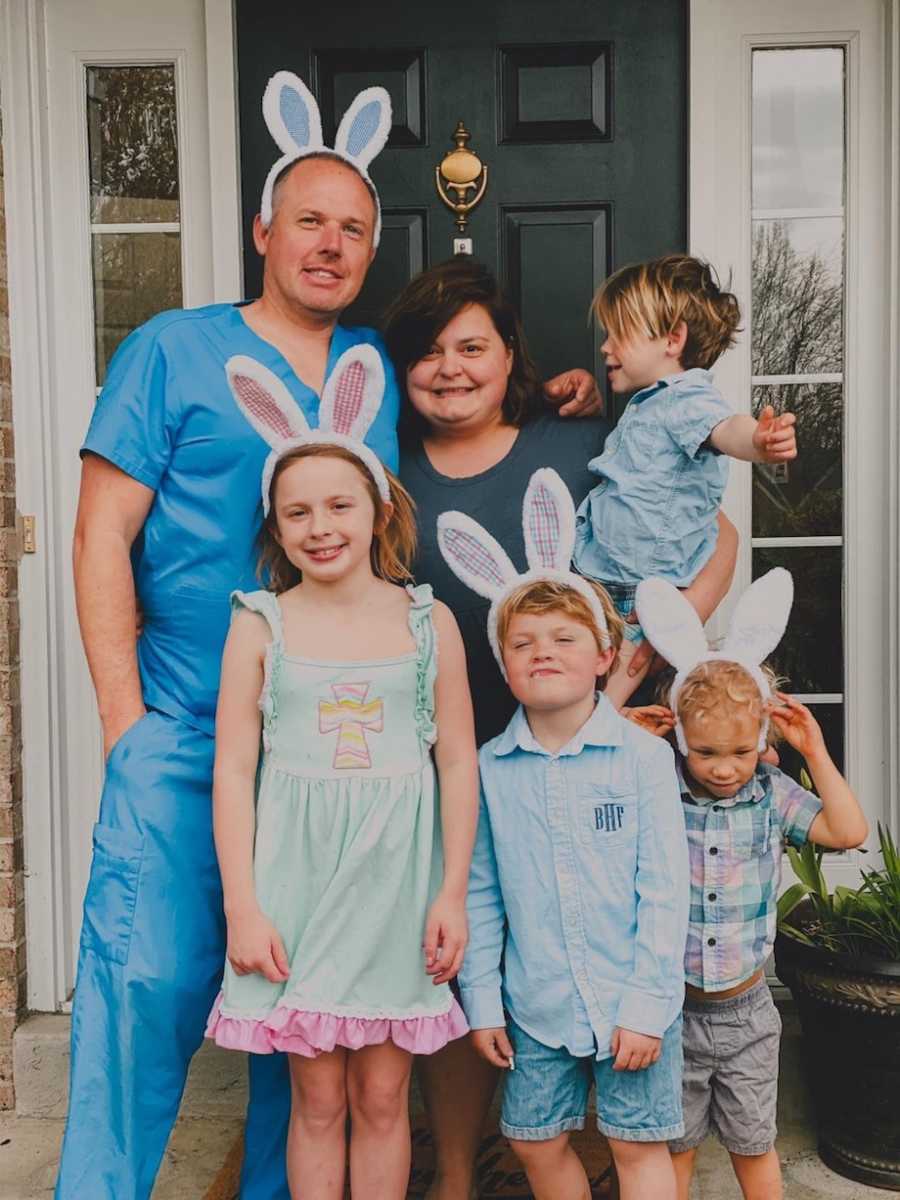
Life settled into a new kind of “normal” with our family of six, including two medically fragile children. Weeks filled with doctor visits and therapies became routine, and through it all, we never took a single moment for granted. Genetic testing later revealed Tate has OHDO syndrome, a rare condition causing significant mental and physical disabilities. Yet, their strength, bravery, and joy inspire us daily. What outsiders might see as chaos, we see as perfection.
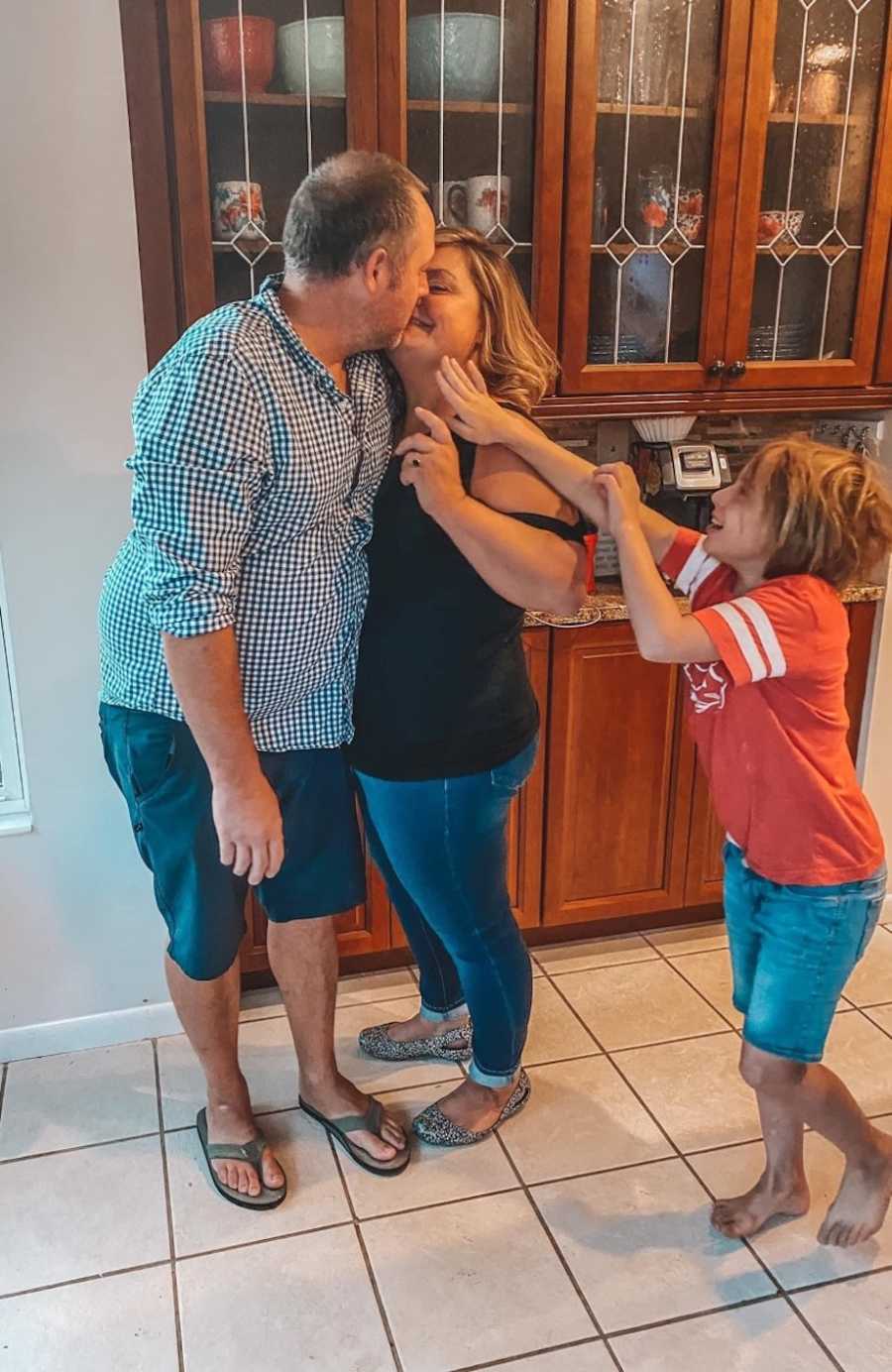
Not long after, we said yes again to a child in need, and another little soul joined our family. Each day reminds us that miracles are found in the smallest moments. Just the other night, tired and frustrated as a mother of four, Tate whispered, “Mmmmmama.” That single word, from a son who was told he might never speak, brought tears to my eyes.
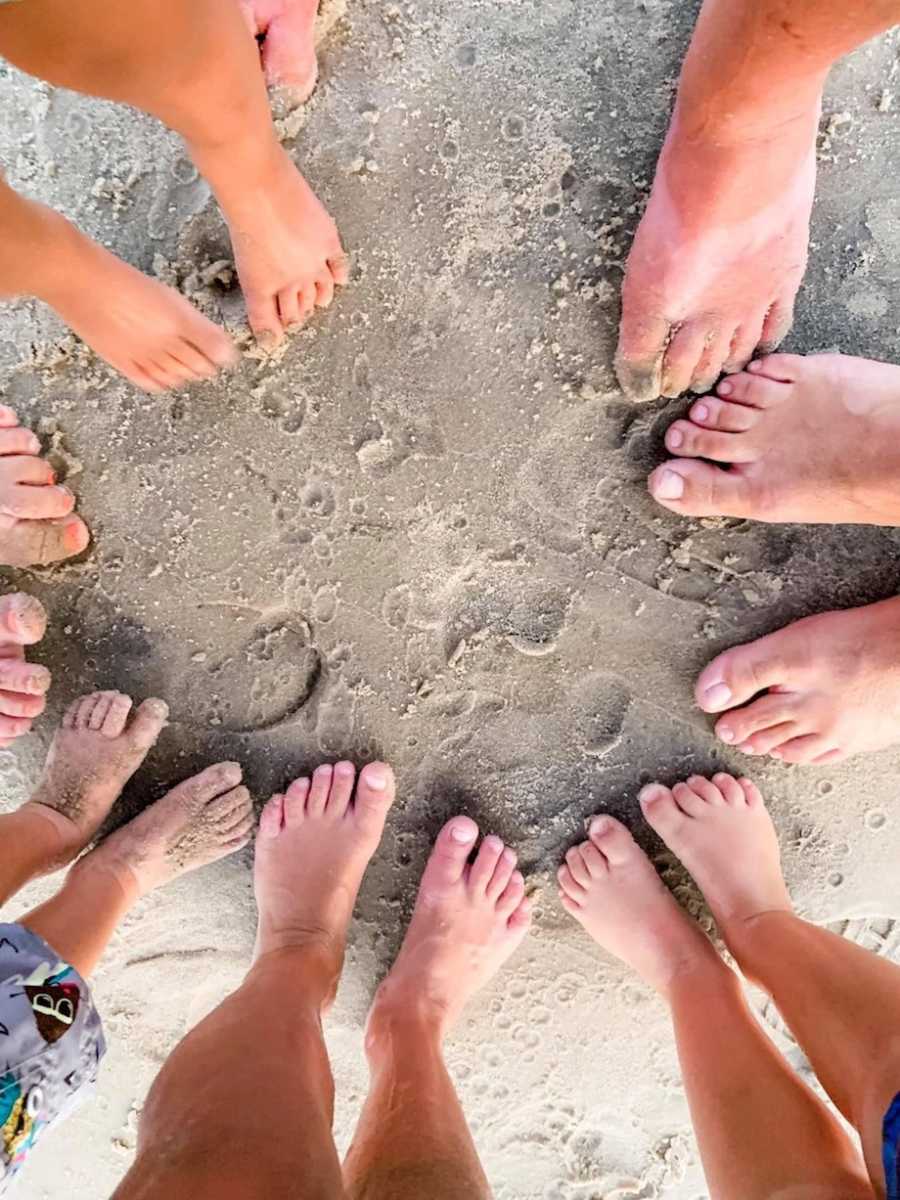
Motherhood is a gift, in every form it takes. It doesn’t matter how we become mothers—through biology, adoption, or fostering—what matters is love. Each child is a blessing, each small miracle a reminder to cherish the ordinary and extraordinary alike. And miracles, in fact, happen every single day.