“She may never talk or walk. I had an uncle with Down syndrome who lay on a giant floor pillow all day and never walked or talked.” This was a well-meaning attempt to recalibrate my expectations. I nodded politely, but inside, a small seed of worry began to grow.
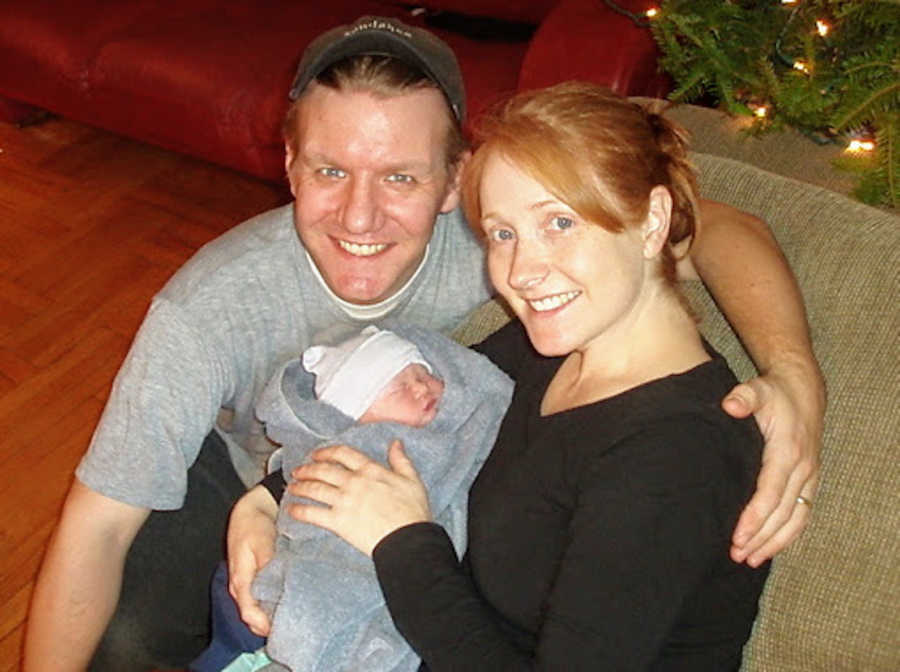
Our daughter, Lily—our fifth child—arrived in a gentle, cozy home birth, the kind every midwife dreams about. Within hours, I sensed something different. I shared my concerns quietly, but my husband, the midwife, the doula, and even the pediatrician all disagreed. Yet, that nagging feeling kept me awake, scrolling the internet in the early hours, searching for answers.
When Lily was five months old, a veteran geneticist confirmed what I had suspected: an extra chromosome woven through her DNA. Our vision of the future shifted from sharp and certain to blurry and uncertain. Lily’s diagnosis unveiled a truth we often avoid: none of us can predict the future.
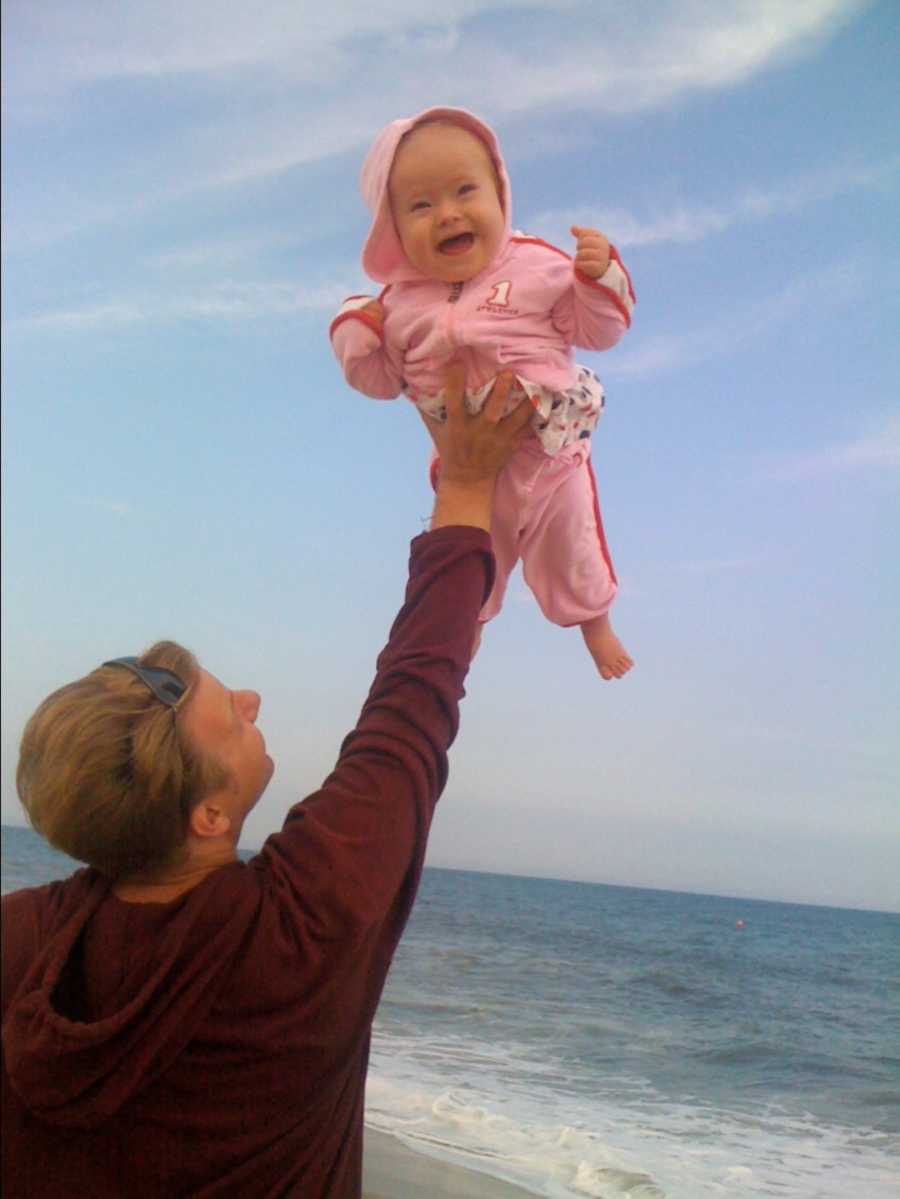
Accepting this uncertainty, I realized, was a gift—for Lily and for our entire family. Children don’t grow according to averages or timelines. Each child has their own strengths, weaknesses, and rhythms. Recalibrating my expectations for Lily showed me how to extend that same patience, curiosity, and love to all our children.
I let go of rigid milestones and focused on her progress and love of learning. We became hopeful explorers, supported by a team of early intervention therapists. Then came Lily’s seizures. Her pediatrician suggested a routine vaccination caused them. Her neurologist reassured us: the seizures weren’t damaging her brain, only pausing it temporarily. The first medication failed and left her with a vacant stare. Within months, a second medication restored her spark. Our curious, smiling daughter returned—the part of her brain that played, explored, and learned was awake again.
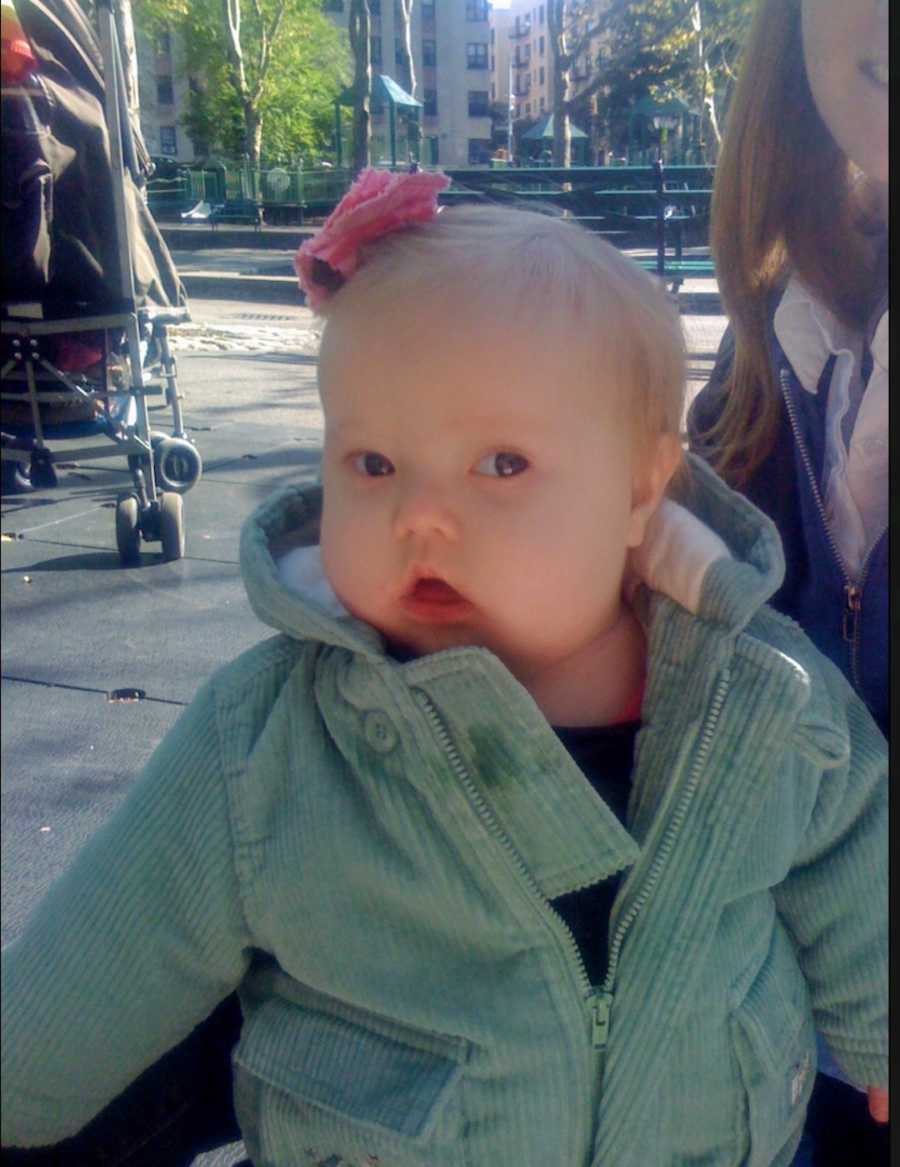
At nineteen months, surrounded by her four cheering siblings, Lily took her first steps. Her physical therapist added small weights to her ankles and led her across uneven terrain at the park to build balance. Lily thrived. Typical toddler explorations—pulling out books, cracking eggs on the floor, tearing magazines—no longer frustrated me. They were signs she was alert, engaged, and growing.
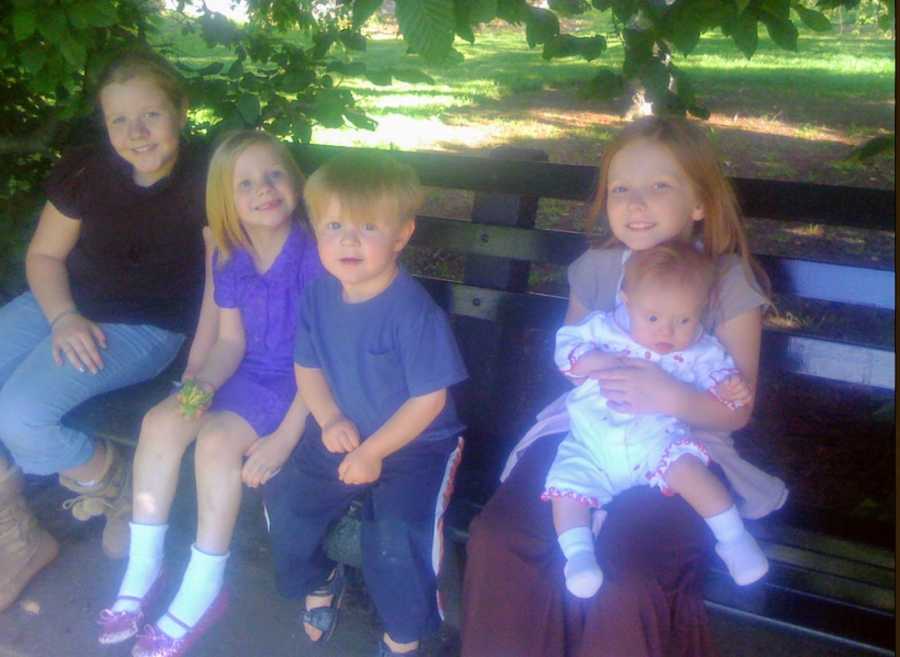
Speech came slowly. Lily was hesitant with her therapist. At home, I used bright red lipstick to show her the shapes my mouth made and repeated the exercises. She responded eagerly, babbling, experimenting with sounds, and learning new words. Together, we flipped through thick picture binders, naming common items. She had a household of constant conversation—two parents, four siblings, songs, signs, laughter. We created what special educators call “the least restrictive environment.”
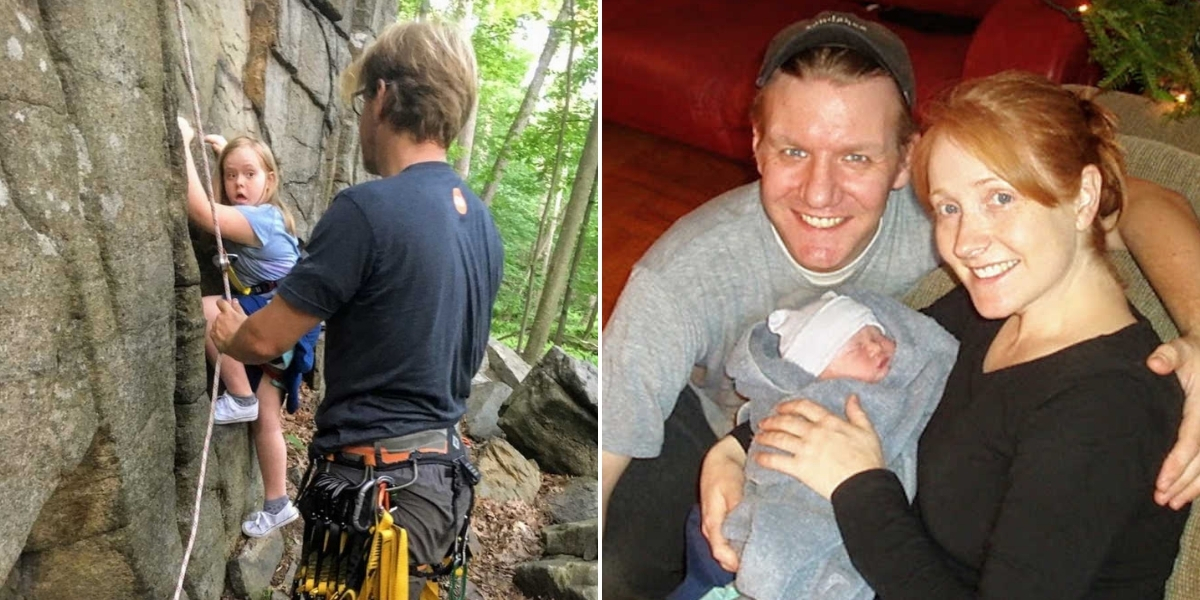
Therapy consumed our days—32 sessions each month—but a three-day weekend at Grandma’s house shifted everything. Lily was captivated by the stairs and, driven by curiosity, learned to climb them. She added new words almost daily, teaching me that exploration itself was a catalyst for learning.
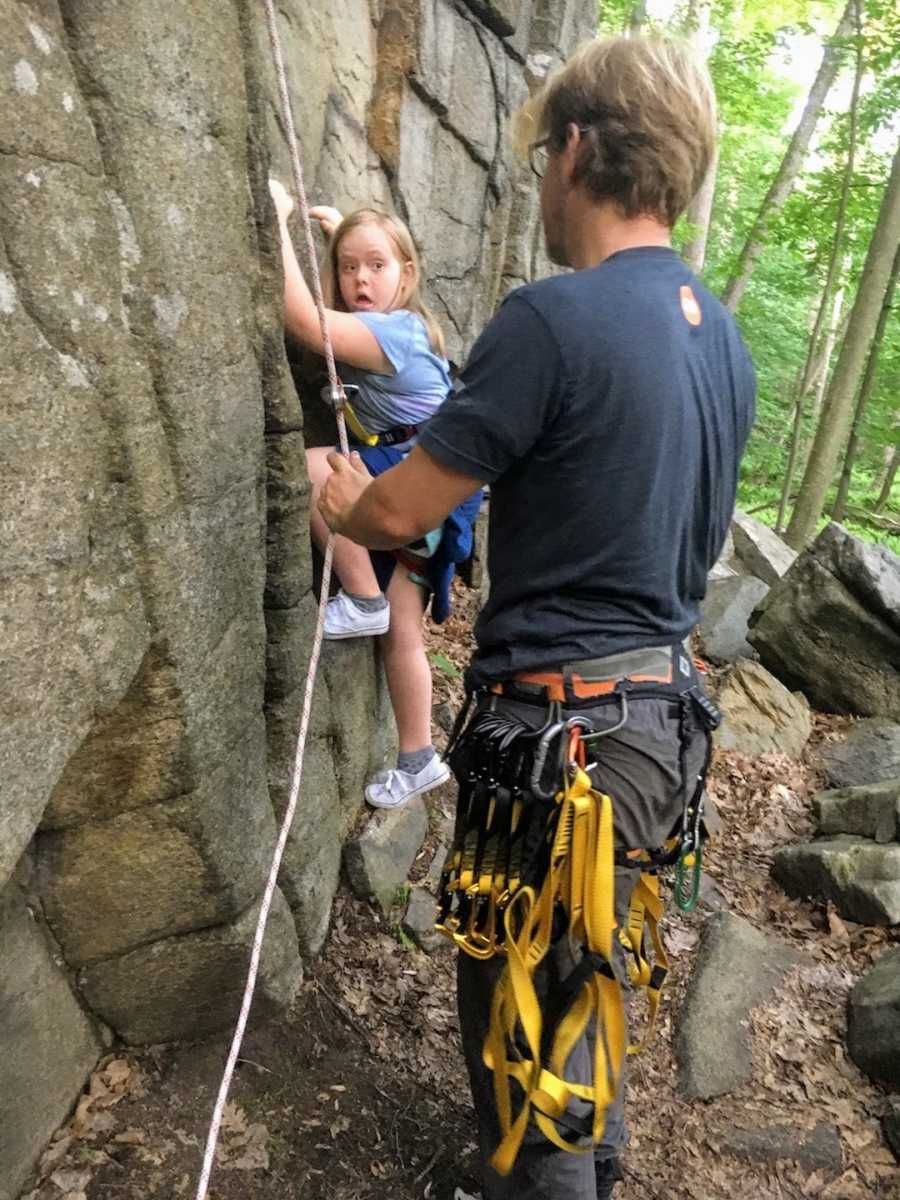
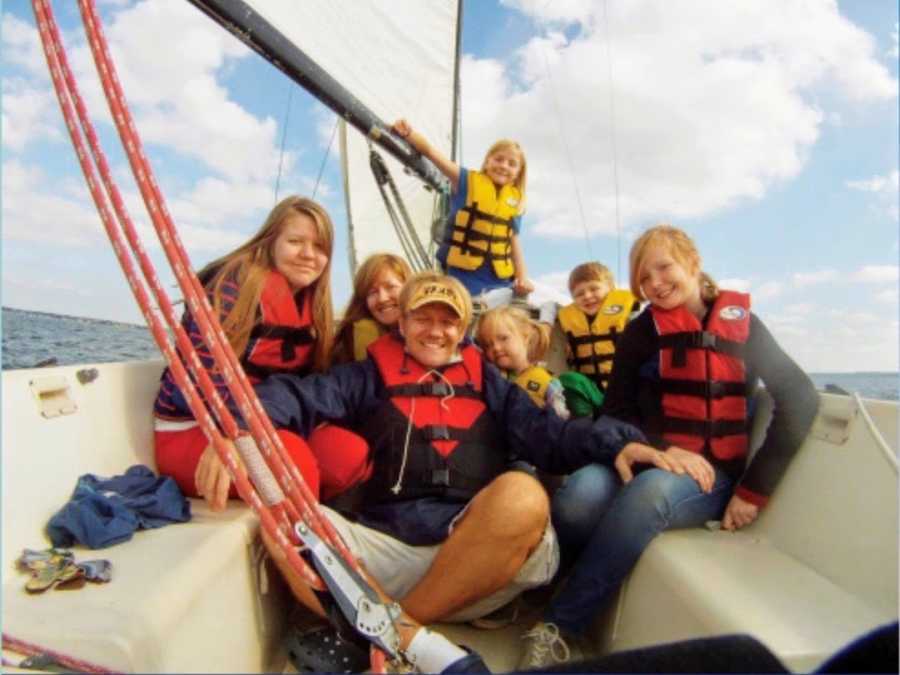
Inspired, we experimented: we reduced therapy visits from eight to two per month and spent more time exploring new environments. Lily progressed as fast—or faster—than before. Curiosity became our guiding principle. It even shaped a bold family decision: we scrimped, saved, and sacrificed to spend a year living on a sailboat.
At six, Lily thrived in a hands-on, relationship-driven environment. Our slow sail from St. Martin to Manhattan offered endless lessons. She introduced herself, started conversations, complimented others, invited play. I watched her dance between tables at a beachside restaurant, greeting strangers. When she persuaded someone to give her a sip of white wine, we knew it was time to leave—but it was a small, hilarious victory in her confidence-building journey.
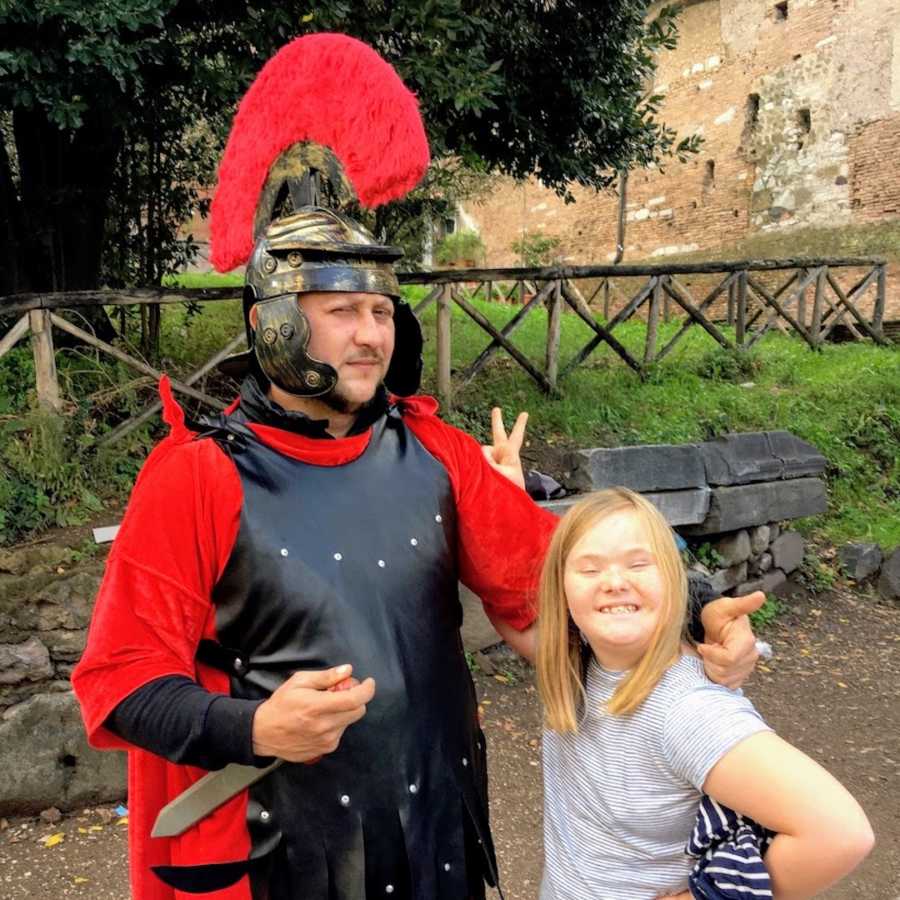
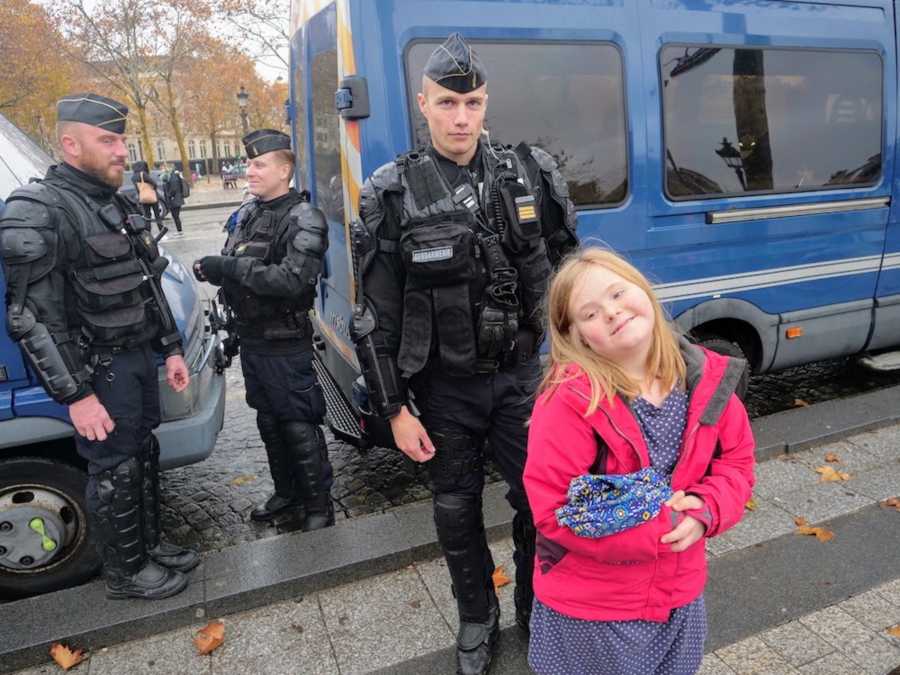
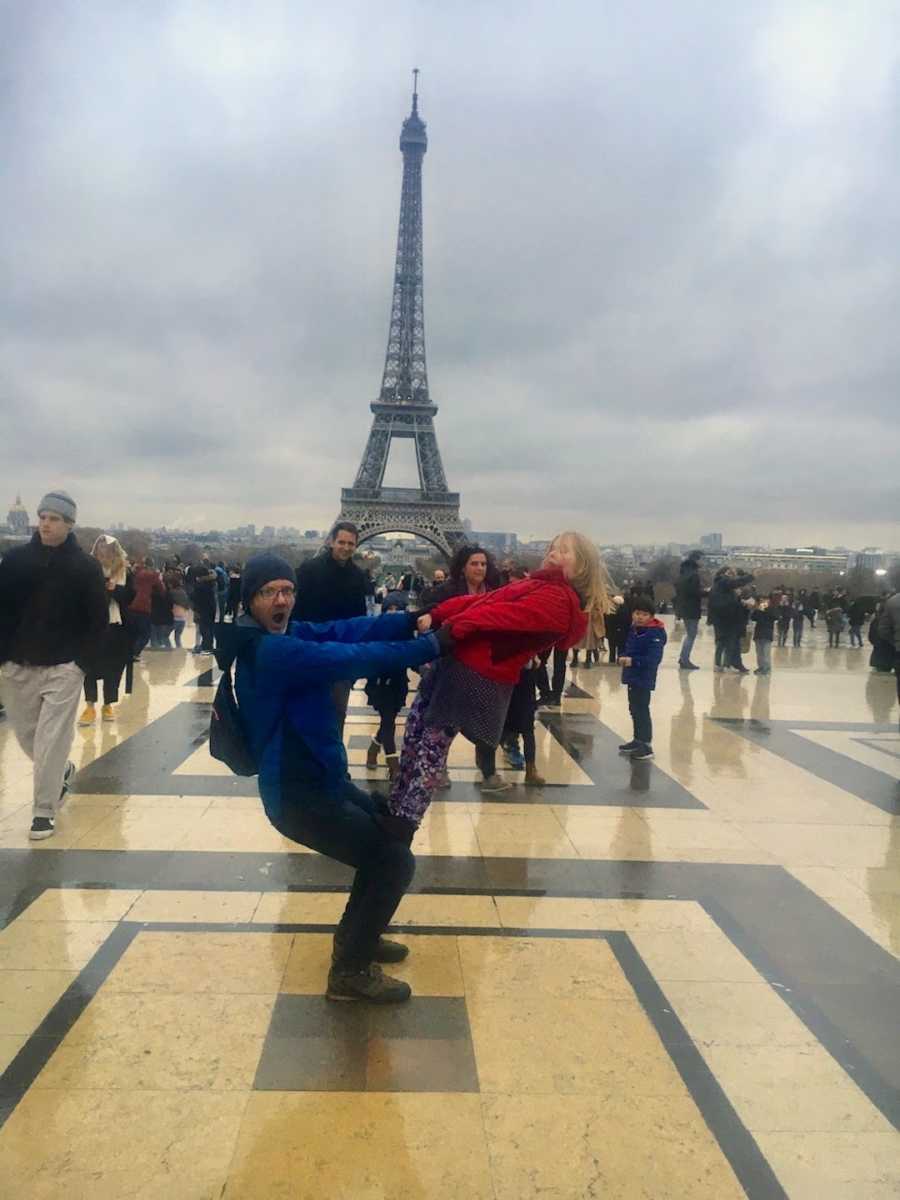
Back on land, we sold the boat but carried the lessons of travel into our daily lives. By twelve, Lily could read, write, count, and had made friends in 25 countries. Frequent moves were exhausting; some days, she refused to leave the house, missing friends and routines. She is also a “runner,” known in the special needs world for slipping away unsupervised. Locks, alarms, ID bracelets, and GPS trackers became part of our parenting toolkit—and on multiple continents, we were grateful for watchful police and park rangers.
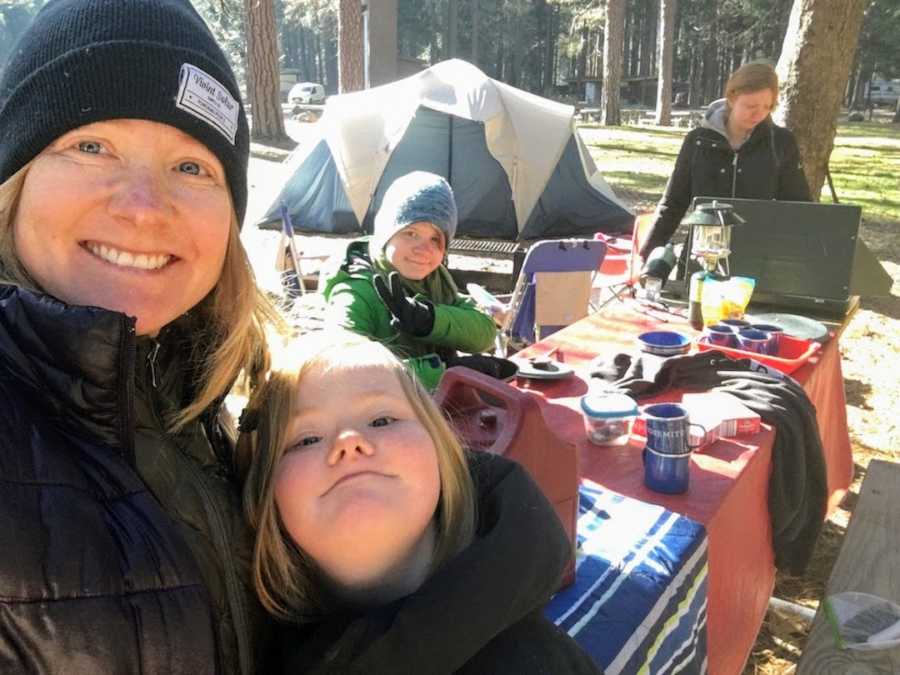
COVID-19 paused our adventures and brought college-aged children home. Lily struggled with masks at first, taking eight weeks to adjust. This year, her moods fluctuated: shy and introverted one day, boisterous and social the next, waving and calling out her limited Spanish in our Dominican neighborhood. Unpredictable, yes—but full of life.
Then came the church speaking event. Justin, a volunteer pastor, asked Lily if she’d give a talk on “How I can be a light,” drawn from Matthew. I wasn’t sure what to expect, but we prepared carefully. We read scripture together, discussed her favorite stories, and I wrote her answers for her. I printed the talk in large, double-spaced font to guide her. Erik, her dad, would sit nearby to assist if needed and recorded a rehearsal with subtitles in case she froze.

Sunday morning, the family arrived early. Her older sisters usually attended a different congregation, but that day, all four of us sat in matching sequin dresses, ready to support Team Lily. She took the riser, whispered, “Thanks, Dad,” and began. Tentatively at first—“Merry Christmas. Feliz Navidad”—then with clarity and warmth. She read scripture, shared stories, and smiled knowingly at me. Midway, a baby cried, pages stuck together, yet Lily navigated every obstacle with poise. She asked the congregation, “How will you be a light?”
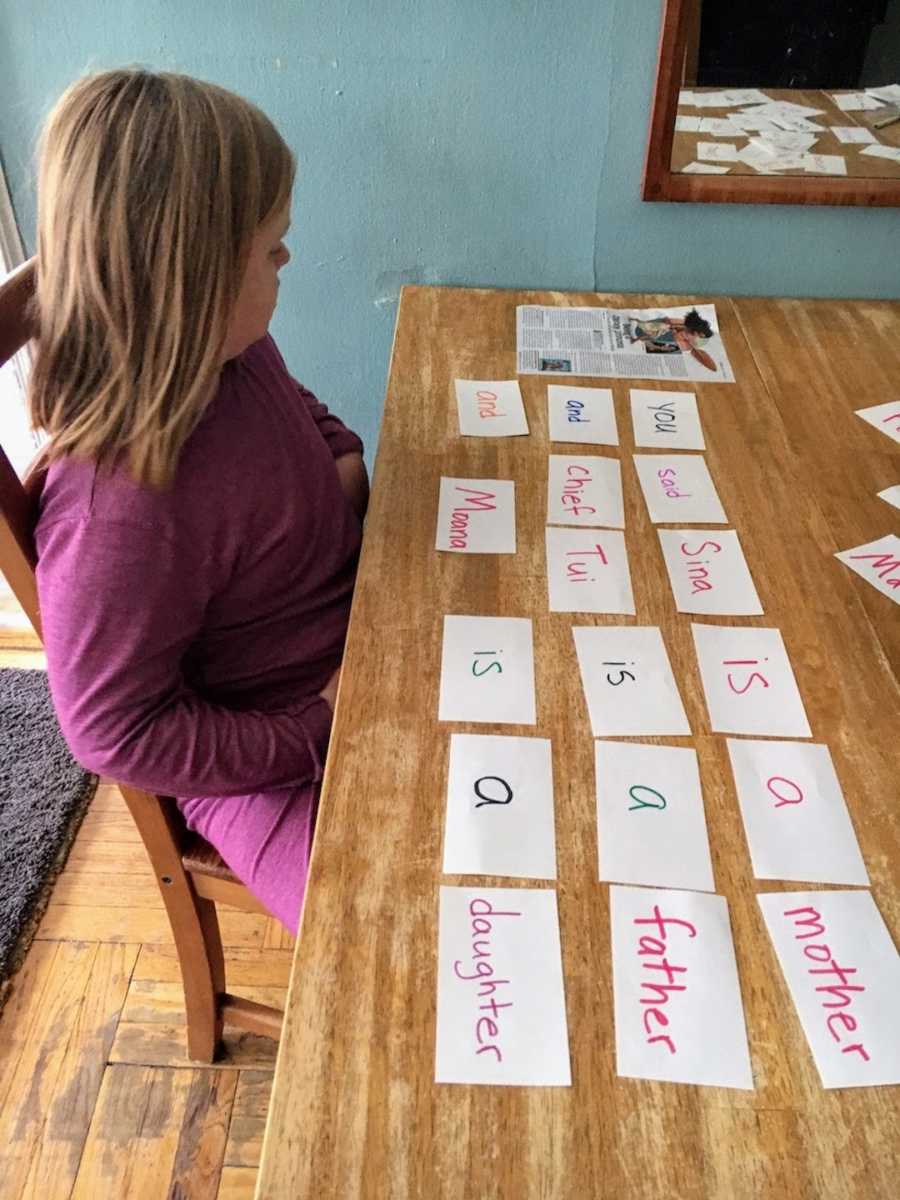
When she returned to the second row, whispering, “Yes, I did it!” I felt a rush of awe. She had given a seven-minute talk, full of personality, grace, and confidence. Once again, Lily reminded me: let go of rigid expectations, and the result can be something far greater.
Messages poured in from friends and family watching live. People were moved because Lily reminded us all of a universal truth: each of us is capable of growth, each of us has a unique voice, and each of us can be a light in the world.