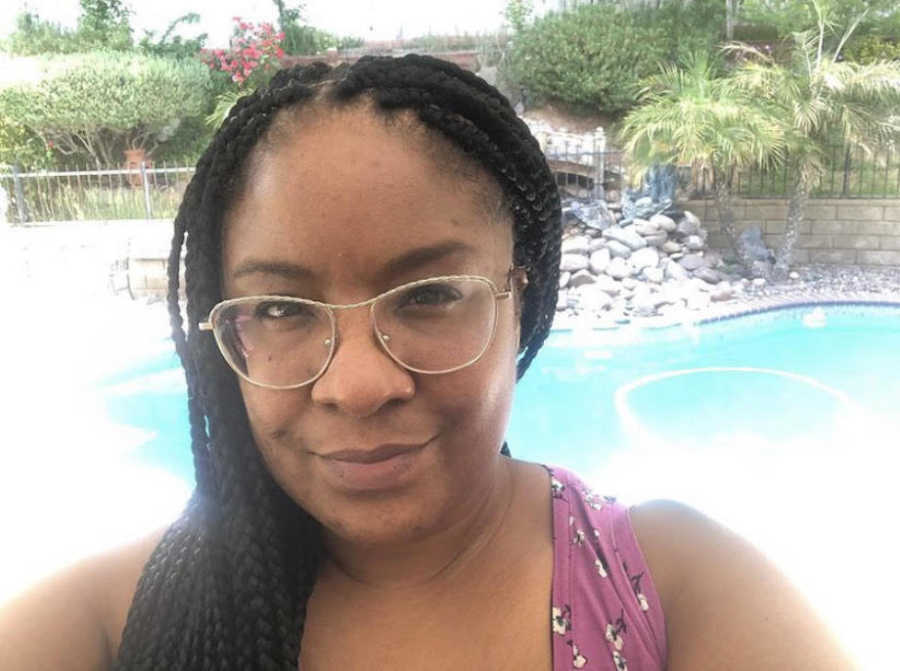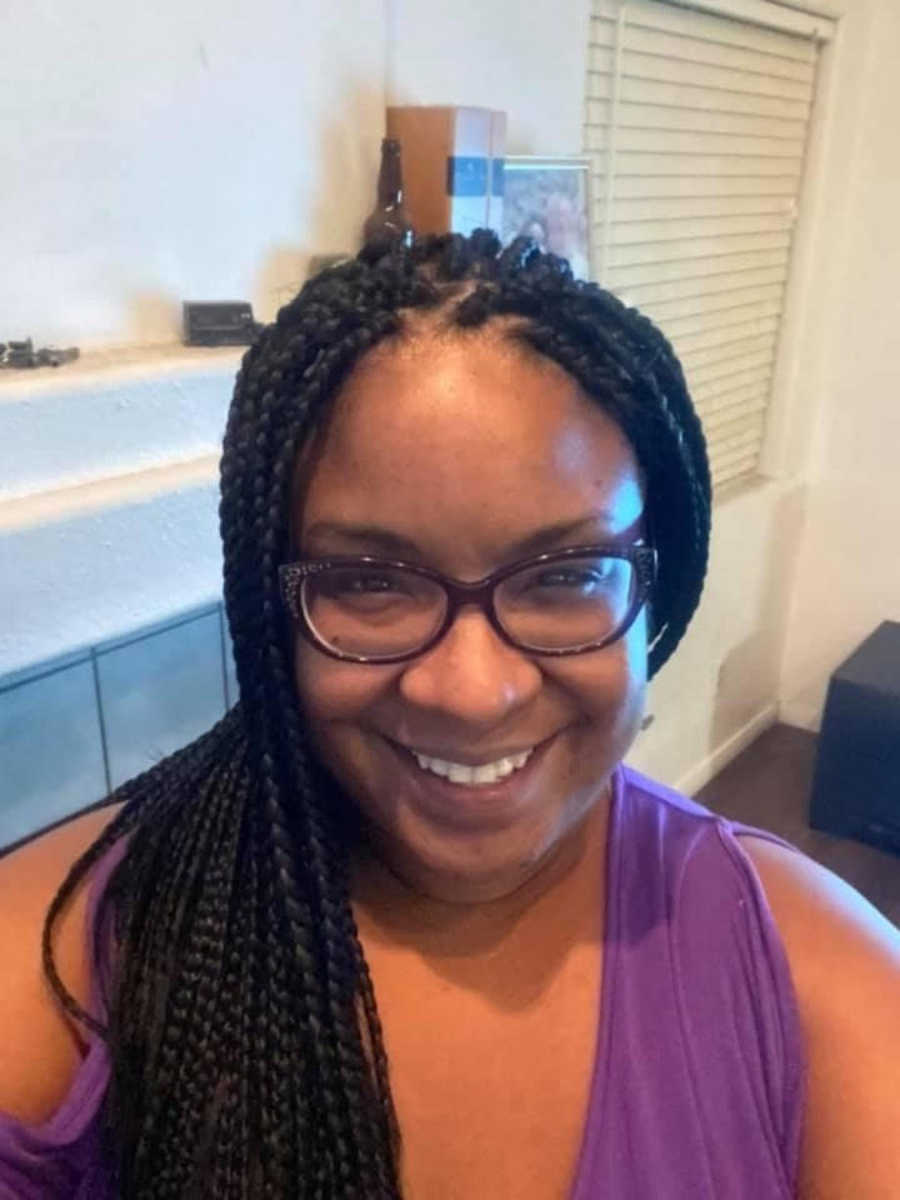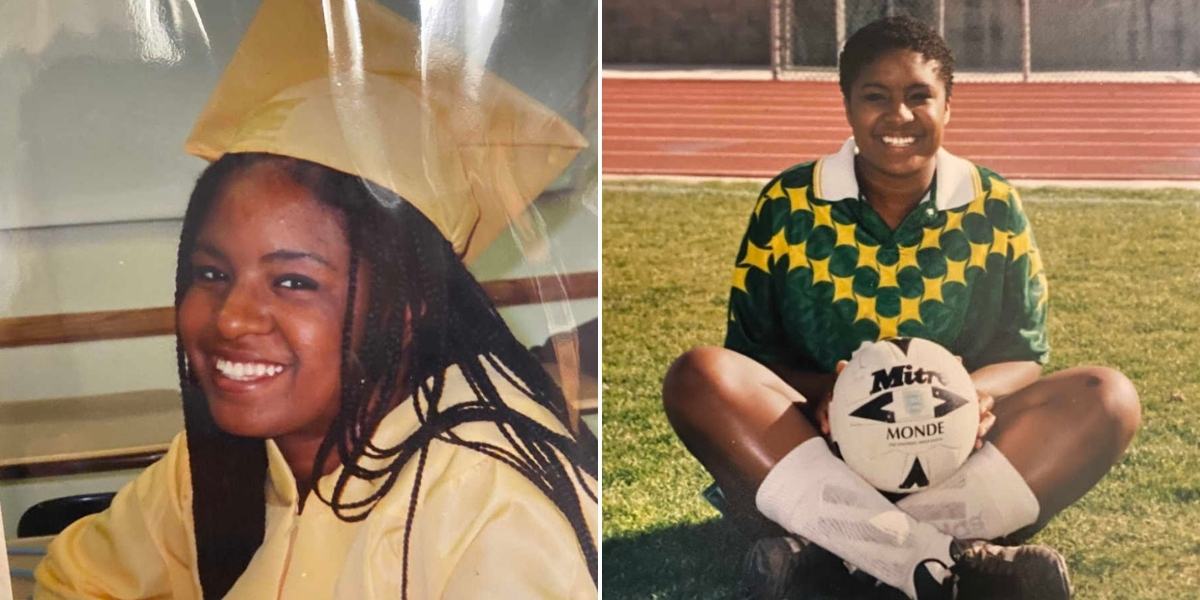
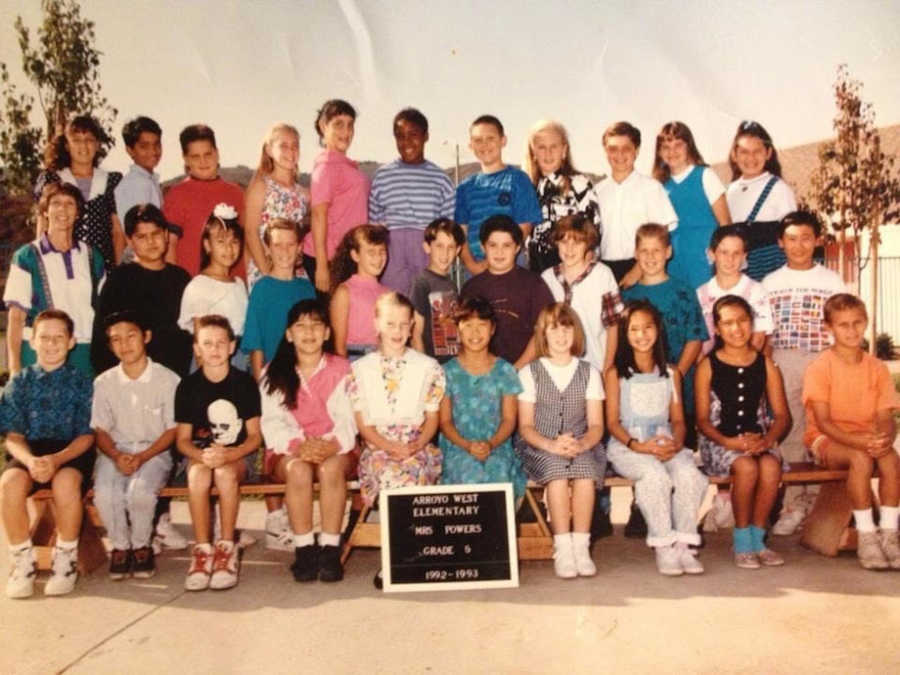
My name is Kim Barnett. I was born in 1982 in Moorpark, California, a small city in Ventura County. I grew up in a loving household with two wonderful parents and two siblings—an older sister and a younger brother. We lived in a nice home, and while life seemed comfortable on the surface, our family was one of the first Black families in a predominantly white and Hispanic community. From the very beginning, I felt different, isolated, and profoundly lonely. Even as a young child, I sensed that I didn’t fit in—not just because of my appearance, but because of the way I thought, felt, and experienced the world around me.
I struggled silently with mental health issues long before I even understood what they were. I can recall praying to God at night, asking Him to make me white, believing that if I looked like everyone else, life would be easier. Children can be cruel without meaning to be, and I experienced that firsthand. One childhood friend once asked me, “Why is your skin so dark? Do you taste like chocolate?” and a high school peer said, “I don’t like Black people, but I like you.” I remember thinking, I’m the only Black person you know—how does that make sense? I shrugged it off, but moments like these chipped away at my self-esteem, leaving long-lasting scars on my sense of self-worth.
During my teenage years, after my parents’ divorce, my behavior began to change in ways that confused even me. I remember being at a shoe store with my mom and her best friend and suddenly speaking to strangers in what I thought was Spanish—though I wasn’t bilingual and, in reality, it made no sense at all. Looking back, I understand that this was likely mania or hypomania triggered by undiagnosed Bipolar Disorder. Even as a child, I struggled with insomnia; I could go days without sleep, especially when stressed. My mom often remarked that she believed I was born manic—doctors even told her I was the most alert baby they had ever seen. I was born with both hands clenched into fists, which always felt symbolic to me—a fighter, ready to face any obstacle, even the invisible ones inside my mind.
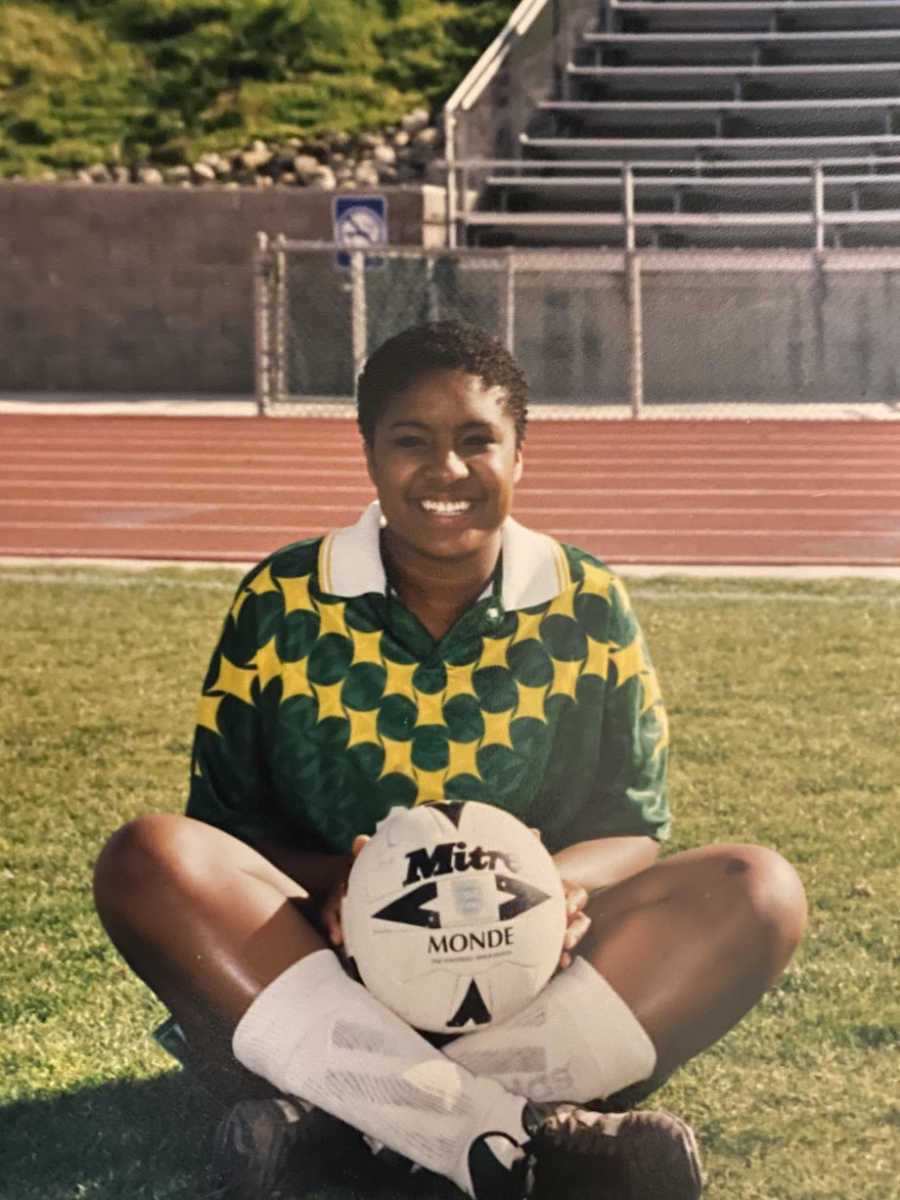
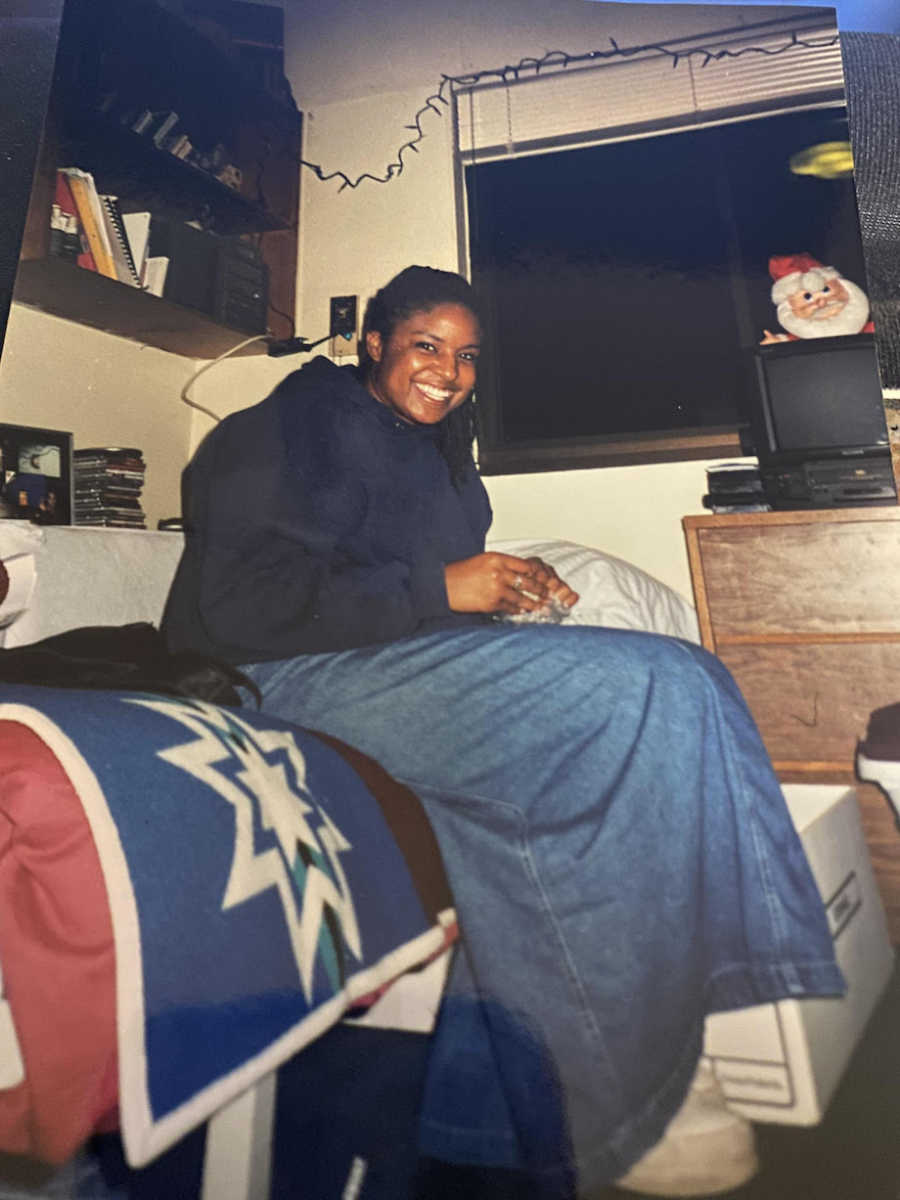
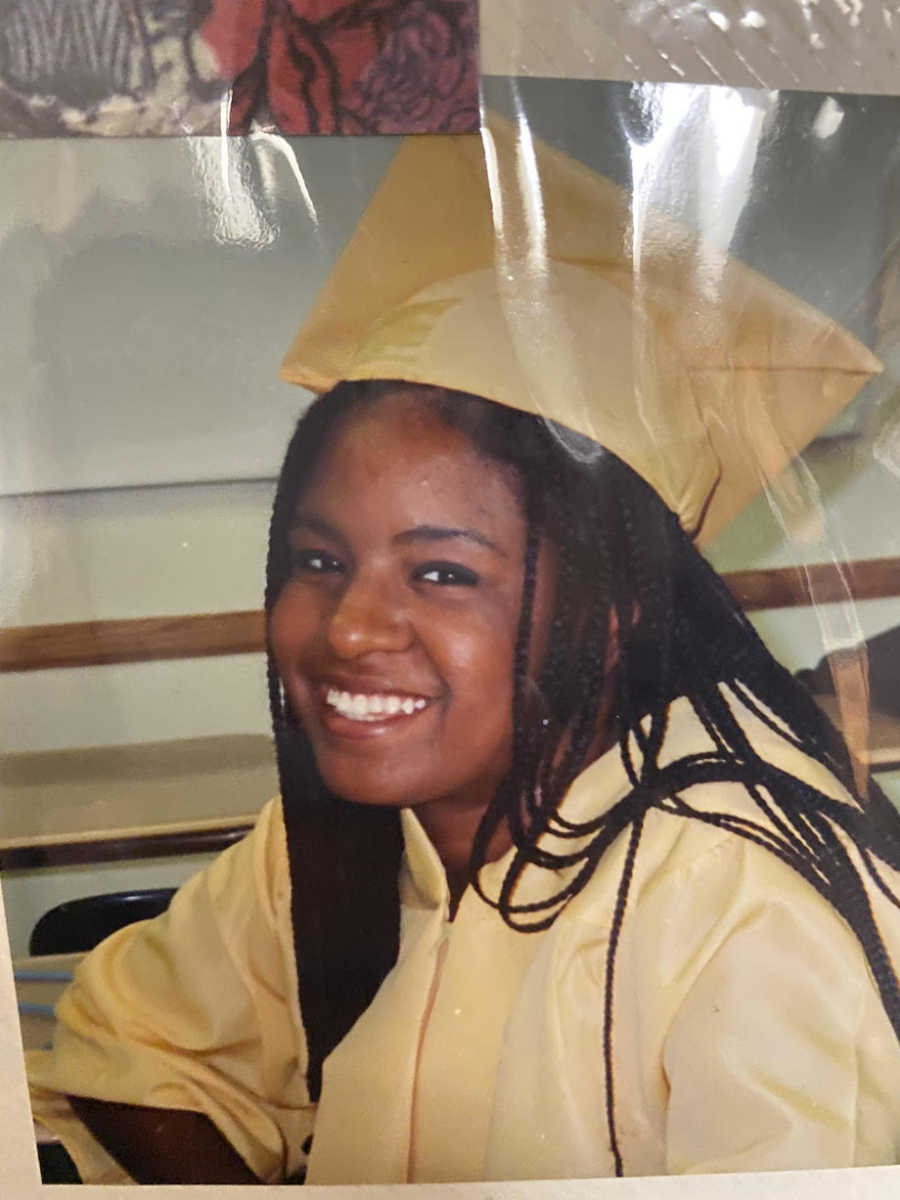
High school was a mix of joy and struggle. I was sociable, played sports, sang in choir, and participated in musical productions. I connected with everyone, regardless of race, gender, or sexual orientation. I was a lover of people, and that spirit continues to define me today. Yet, underneath this outward confidence, my mental health was unraveling. In college, the depressive and manic episodes intensified, though I had no name for them. My sleepless nights, erratic behavior, impulsivity, suicidal thoughts, promiscuity, and delusions of grandeur all seemed like part of who I was—but they weren’t.
During this time, I turned to drugs and alcohol to cope, self-medicating in a desperate attempt to feel normal. In my early twenties, shortly before graduating from college, I experienced a full-blown manic episode with psychosis that would change my life forever. I remember fragments: living with my best friend, hosting friends in our apartment, and standing in front of the TV, speaking incessantly, convinced our lives were secretly being filmed for a reality show. Eventually, it became clear to everyone that something was terribly wrong, and I was taken to the hospital.
At the hospital, panic overtook me. I tried to run from the intake process but was caught by staff before I could leave. Once admitted to the psychiatric ward—now called the Behavioral Health Unit—I was completely disoriented, unsure of who I was or why I was there. I even told the staff I was Dave Chappelle, likely feeling some strange connection to him in my confused state. For two weeks, I was heavily medicated and restrained at times for my own safety. Sleep, which I had gone without for days, finally came with the help of medication.
During this hospitalization, I received a formal diagnosis: Bipolar I Disorder. For the first time, I had a name for my lifelong experiences—the hypomania, mania, psychosis, insomnia, depression, rapid speech, impulsivity, and delusions. It wasn’t a shock, but it was a relief. I finally understood that my struggles were not just “my personality” or imagination—they were part of a medical condition I could now address.
The years following my diagnosis were challenging. Medication helped, but it came with severe side effects. I gained nearly a hundred pounds within a year, lost energy, and struggled with the emotional toll of treatment. I often went off my meds, chasing the euphoric energy of mania, only to spiral into destructive cycles of psychosis and danger. Bipolar Disorder is cyclical, and my inconsistent care made the cycles more frequent.
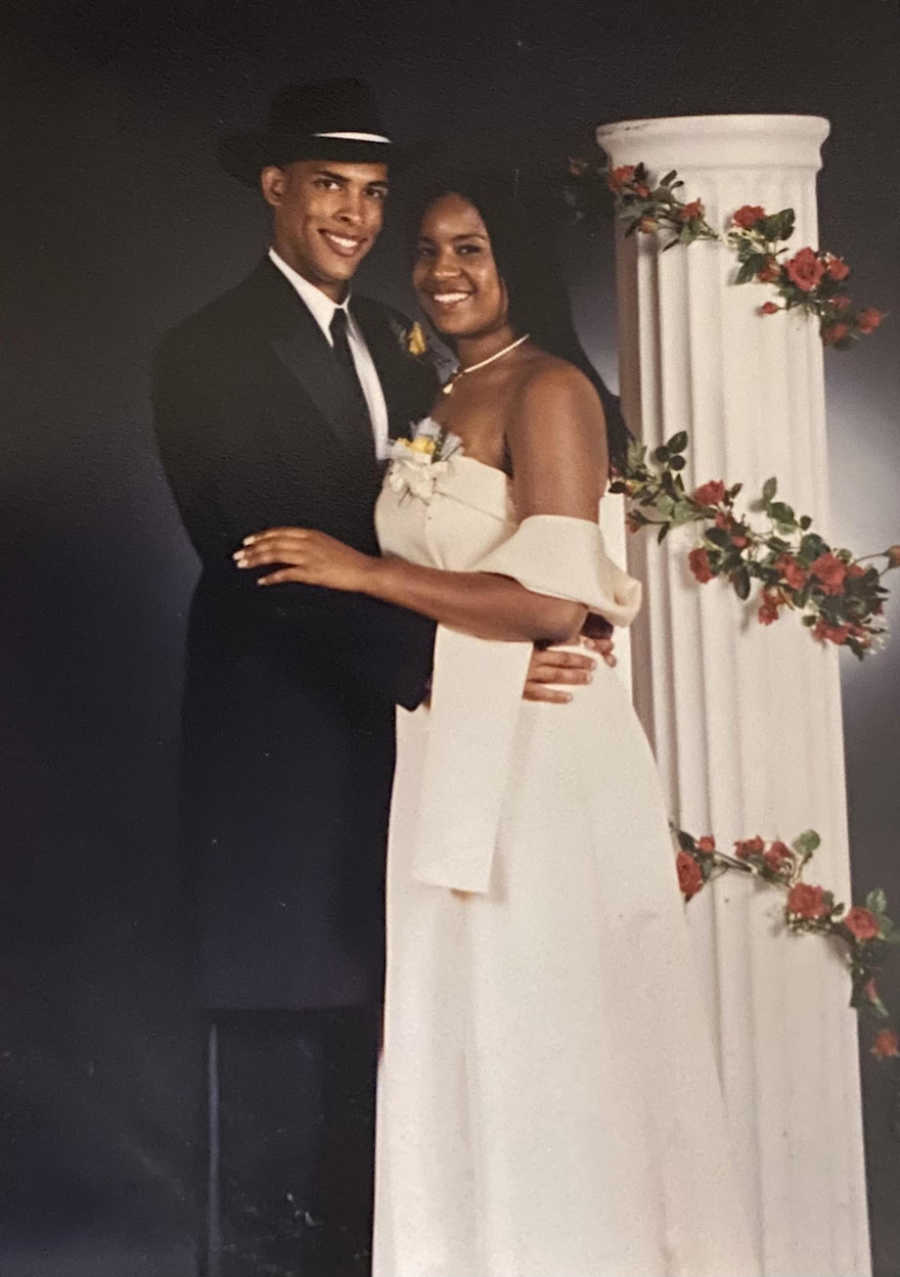
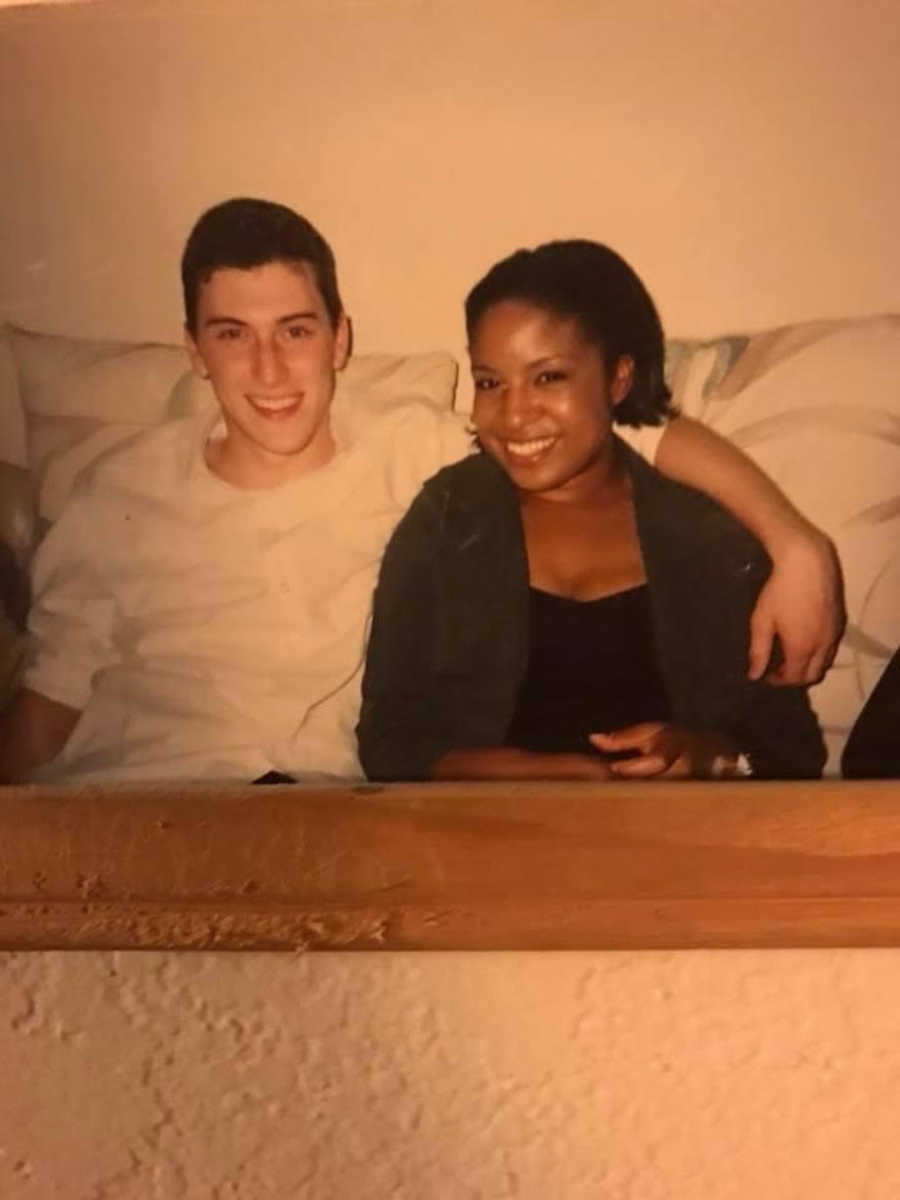
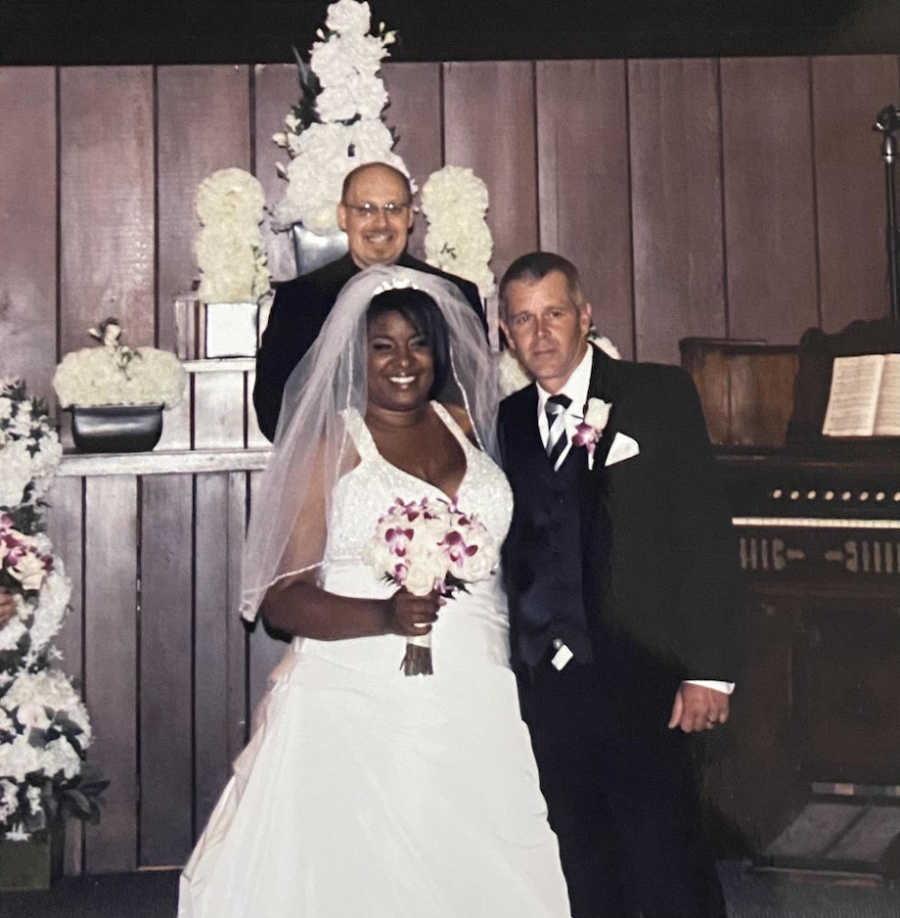
At 25, I met my future husband. Motivated by love, I committed to taking my medication consistently—but therapy was still absent from my life. After we married in 2011, I experienced my final full-blown manic episode while at work. I had stopped my medication, hoping to conceive a child, unaware of the psychological risk I was taking. Thankfully, my employer and colleagues were understanding, but the episode led to another hospitalization. To this day, we do not have children, something beyond our control.
Upon release, I made a vow to myself: never again would I neglect my mental health. I began therapy, developing coping skills, and gradually learned to navigate life with a more stable mind. I also turned to my passions. Writing became a lifeline, and I started a blog and social media presence under “My Bipolar Voice,” sharing my experiences to raise awareness, reduce stigma, and connect with others who struggle. Writing brings me peace and joy, and knowing others read my words reminds me I am not alone.
To anyone facing mental health challenges—whether bipolar disorder, depression, anxiety, panic attacks, or schizophrenia—I urge you to learn about your condition. Knowledge empowers, helps you advocate for yourself, and supports your healing journey. Follow your doctors’ guidance, but also explore your passions. For me, discovering and embracing my interests eventually led me to the job of a lifetime: Executive Assistant for a psychologist in the health and wellness field. It’s work I love, in a field I am passionate about, and it represents the culmination of years of healing and self-discovery.
My journey is ongoing, but I am grateful for the progress I’ve made and the opportunity to share my story. Healing is possible, and by speaking openly, we can help others feel seen, heard, and supported. This is My Bipolar Voice.