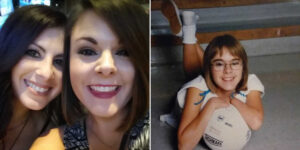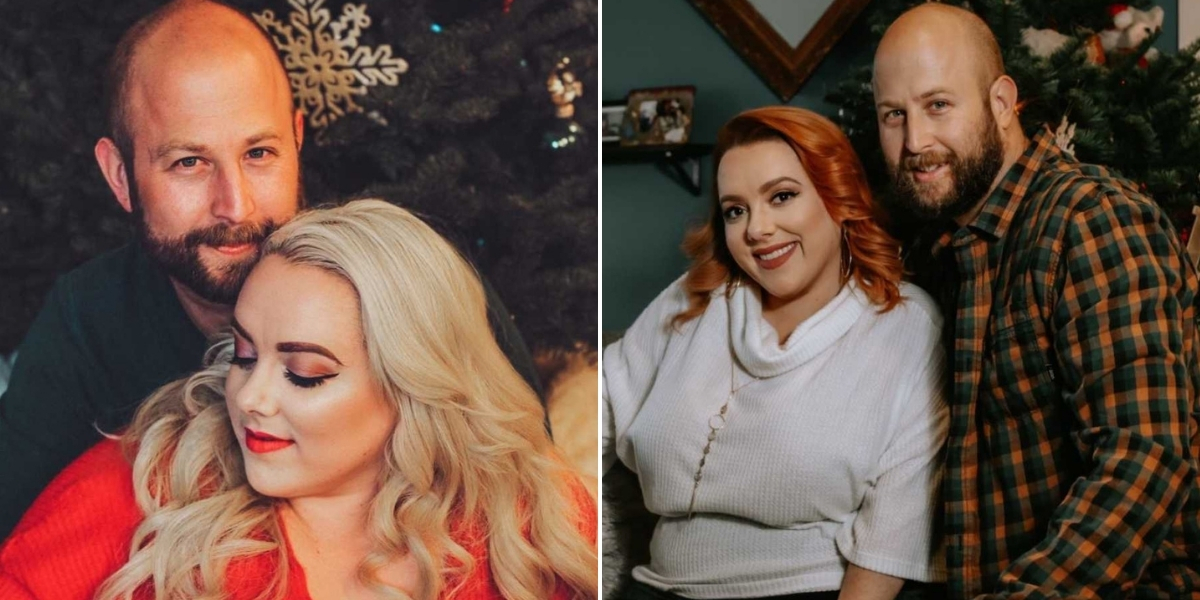
Teenage Marna Michele would have never imagined she would one day get to share her love story. Let alone a very specific love—the love of her life.
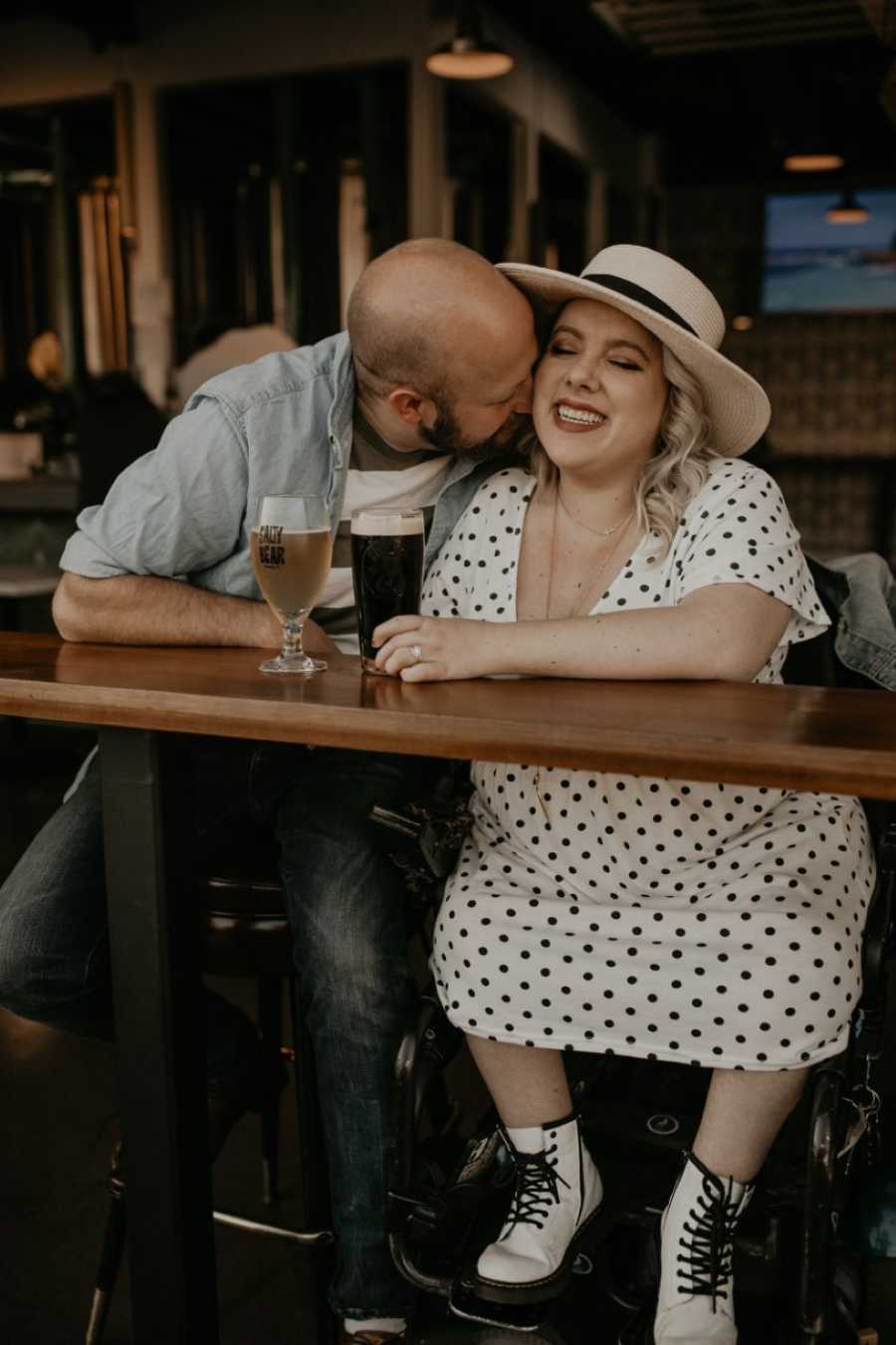
Hi, I’m Marna Michele. I’m a 29-year-old singer, songwriter, and entrepreneur from Orange County, California, and today I want to share a little bit of my love journey with you. I was born with a rare disability called Arthrogryposis. Thanks to social media, I’ve been lucky to connect with so many others who share similar experiences. This connection even inspired me to start my own brand, Crippled Is Beautiful.
Almost four and a half years ago, everything changed with a single message from a bald beauty on Tinder. Just one word: “Hi.” That simple greeting would unknowingly alter the course of my life.
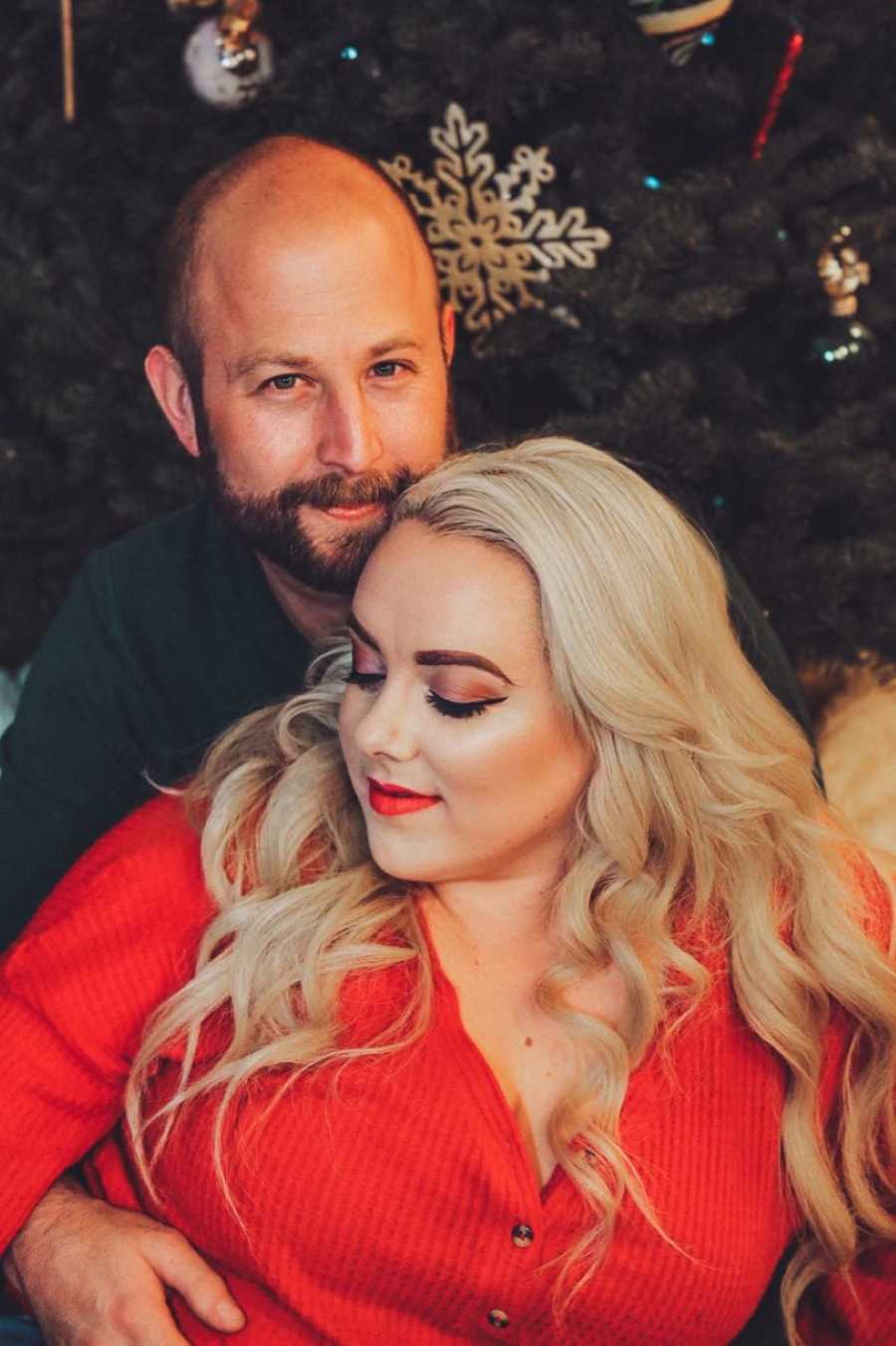
If you’ve ever tried online dating, you know how messy and ridiculous it can get. I experienced my fair share of awkward moments, creepy questions, and even people with wheelchair fetishes. I wasn’t expecting much when I joined Tinder, especially after just ending a three-year relationship that wasn’t the healthiest. My sister, seeing I was hesitant, set me up on the app herself. Little did I know, the guy she swiped on would become my fiancé: Robert.
After about a month of messaging back and forth, we finally planned our first date. I chose a brewery where my friend worked as a bartender—it felt safe and comfortable. On the day of, I realized Robert hadn’t once asked about my disability. After all I’d experienced, this struck me as odd. My mind raced with outdated fears: What if he’s disappointed when he sees I’m in a wheelchair?
I panicked and texted him to cancel, claiming I was double-booked with family plans. Later that night, after venting to my sister, she insisted I tell him the truth and reschedule. I hesitated, but finally texted: “You know I’m in a wheelchair, right?” His reply was simple: “Duh, it’s all over your profile.” I felt silly for doubting him—and even sillier for doubting myself. Yes, I’m disabled, but I’m also lively, fun, and confident. My disability is not a flaw—it’s part of who I am.
We rescheduled, and I arrived early, ready and comfortable. While chatting with my bartender friend about a new beer ingredient, Robert walked in. He noticed the fruit, a rambutan, peeled it, and offered me a bite. I chose to be adventurous… and instantly regretted it, spitting the fruit back into his hand. That stranger, whose hand I’d just spit into, was about to become the most important person in my life.
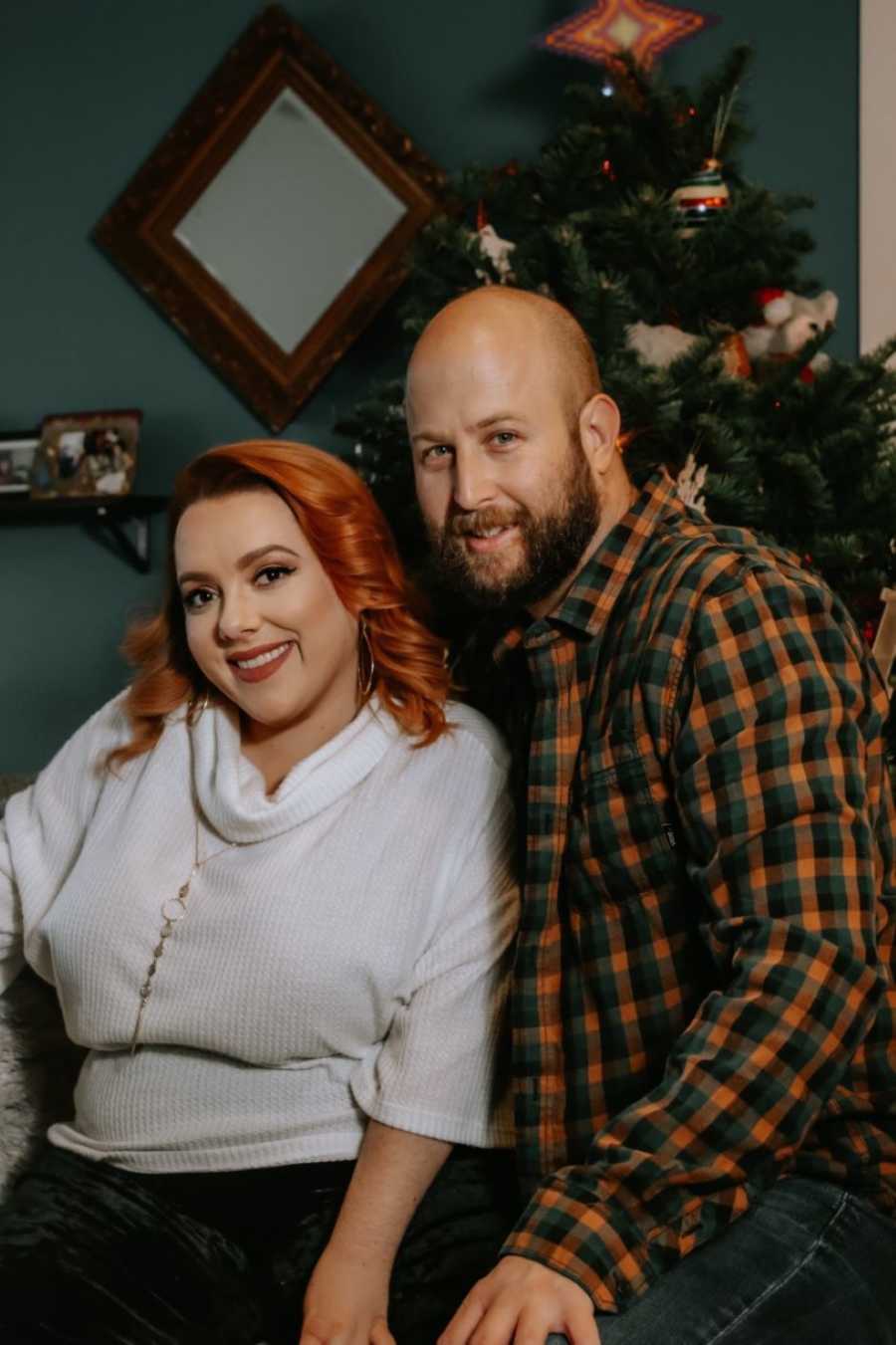
Four hours later, after talking, laughing, and sharing our life stories, we extended our day date into the evening. We grabbed Taco Bell and enjoyed a late-night meal together. When he walked me back to my car, he admired the ramp on my van and, with a sly smile, joked, “We could make out in your car.” I laughed and said, “Not on the first date.” He kissed me goodnight and asked me on a second date—though technically, it was our third attempt.
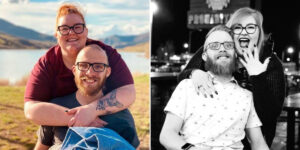
Now, four and a half years later, that stranger whose hand I spit into is my soon-to-be husband. Our years together have been filled with adventure, laughter, and growth. Robert is kind, strong, creative, funny, honest, and above all, accepting. He’s helped me love myself more deeply than ever before, and I hope I’ve helped him in return.
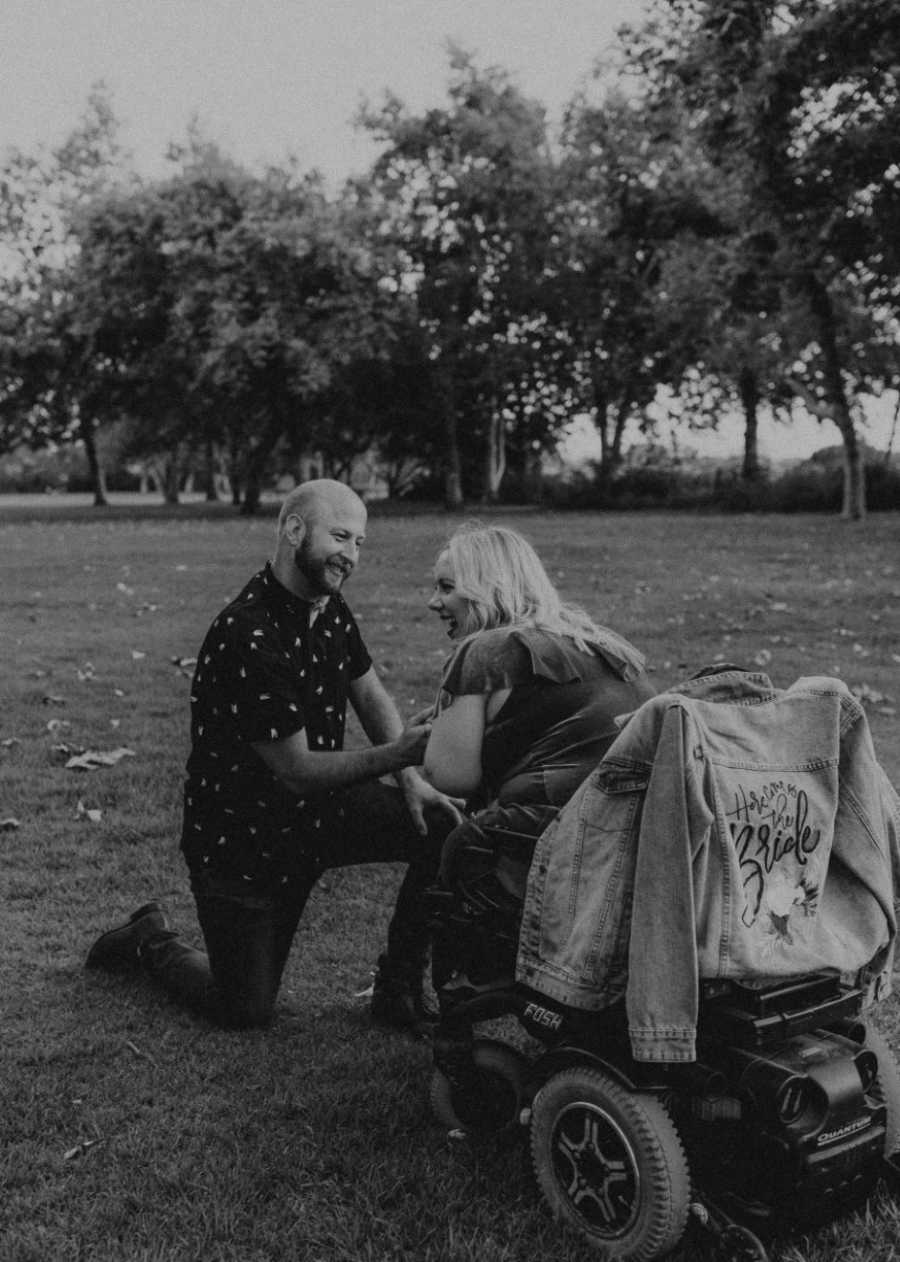
Of course, we fight and get irritated at each other sometimes—no relationship is perfect—but our communication is open, honest, and loving. Before Robert, I settled for an unhealthy relationship, believing it was all I deserved because of my disability. But Robert showed me what real love feels like.
One moment that stands out: during one of my first nights at his old apartment, I spilled water on his bed. I panicked, apologizing profusely. He calmly held my shoulders and said, “It’s just water.” In that instant, I realized I had been limiting myself, believing I didn’t deserve true love. That day marked the end of self-doubt and the beginning of a relationship grounded in respect and equality.
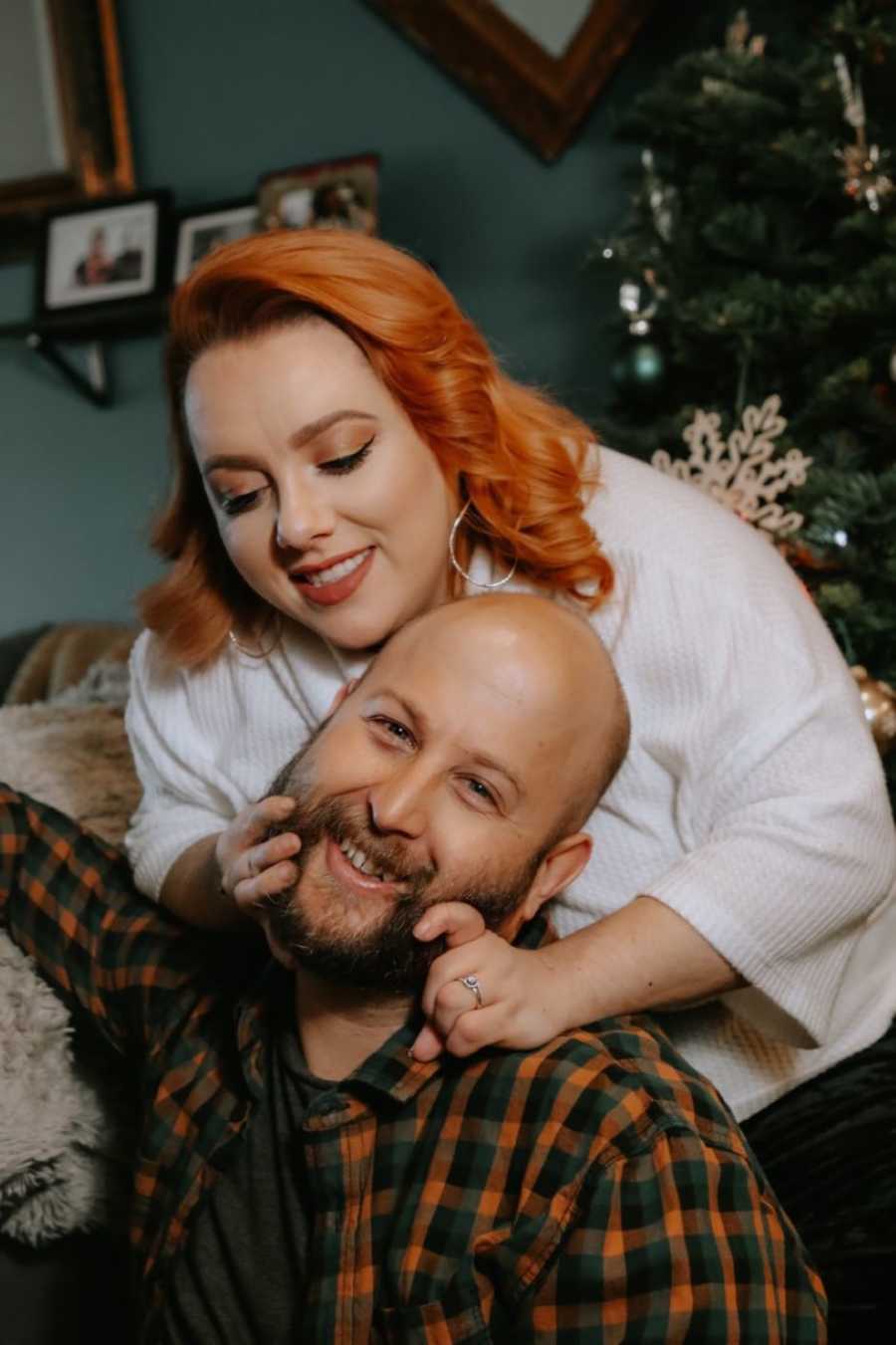
Today, being an engaged inter-abled couple is a joy and a privilege. Society often misrepresents relationships like ours, portraying Robert as a “hero” for being with me. In truth, our relationship is 50/50. I’m his confidant, life coach, therapist, and best friend. What I can’t do physically, I make up for emotionally.
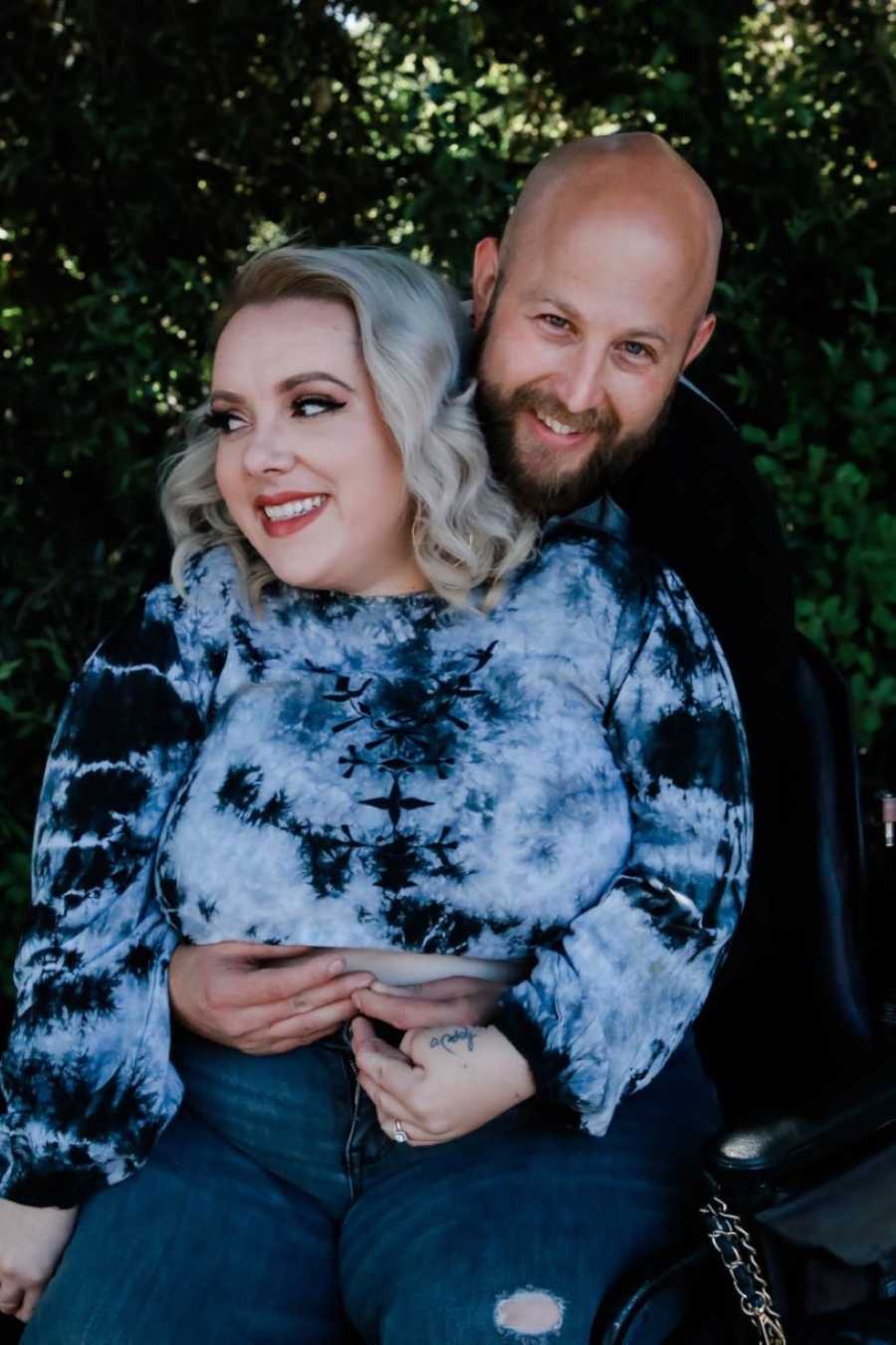
On our four-year anniversary, he proposed over a home-cooked meal of my favorite risotto. Mid-bite, I watched him push my plate back and deliver a heartfelt speech: “Best friend, love of my life, thankful for this relationship, will you marry me?” Of course, I said yes.
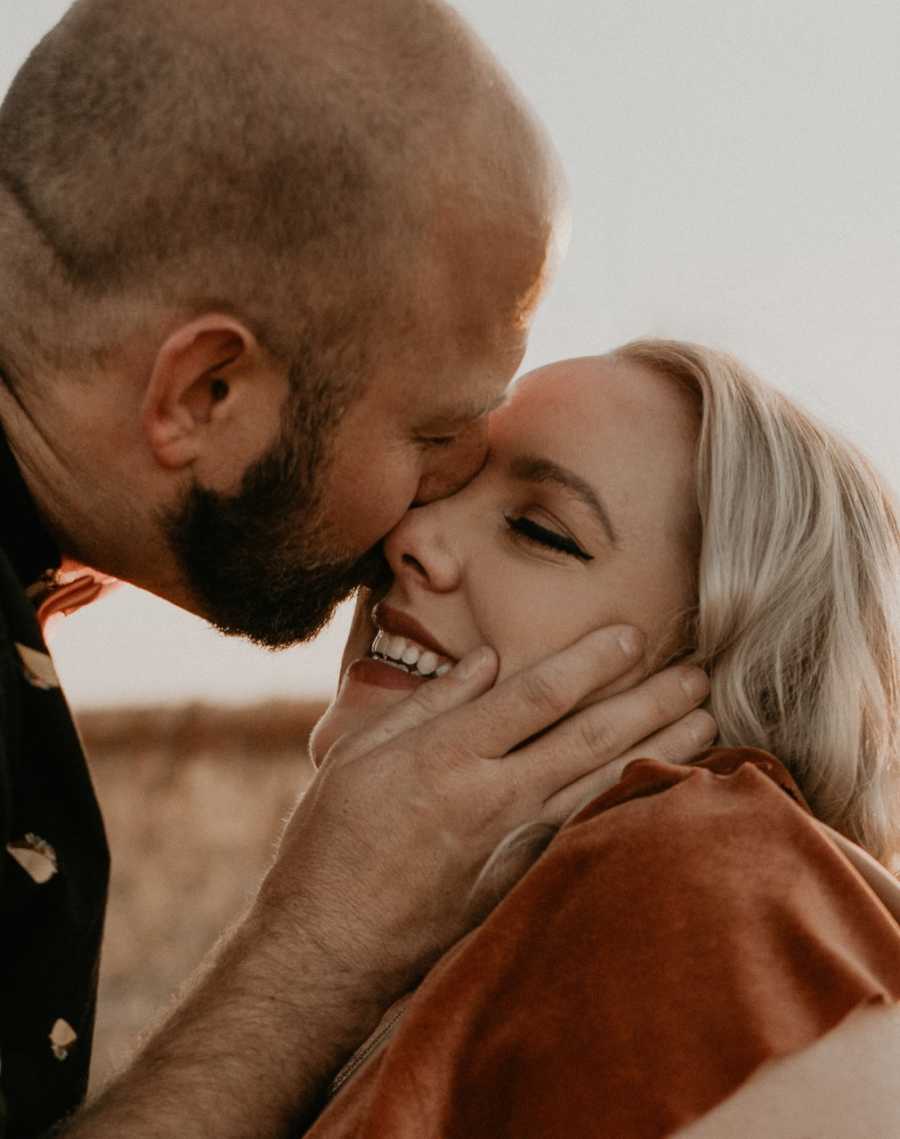
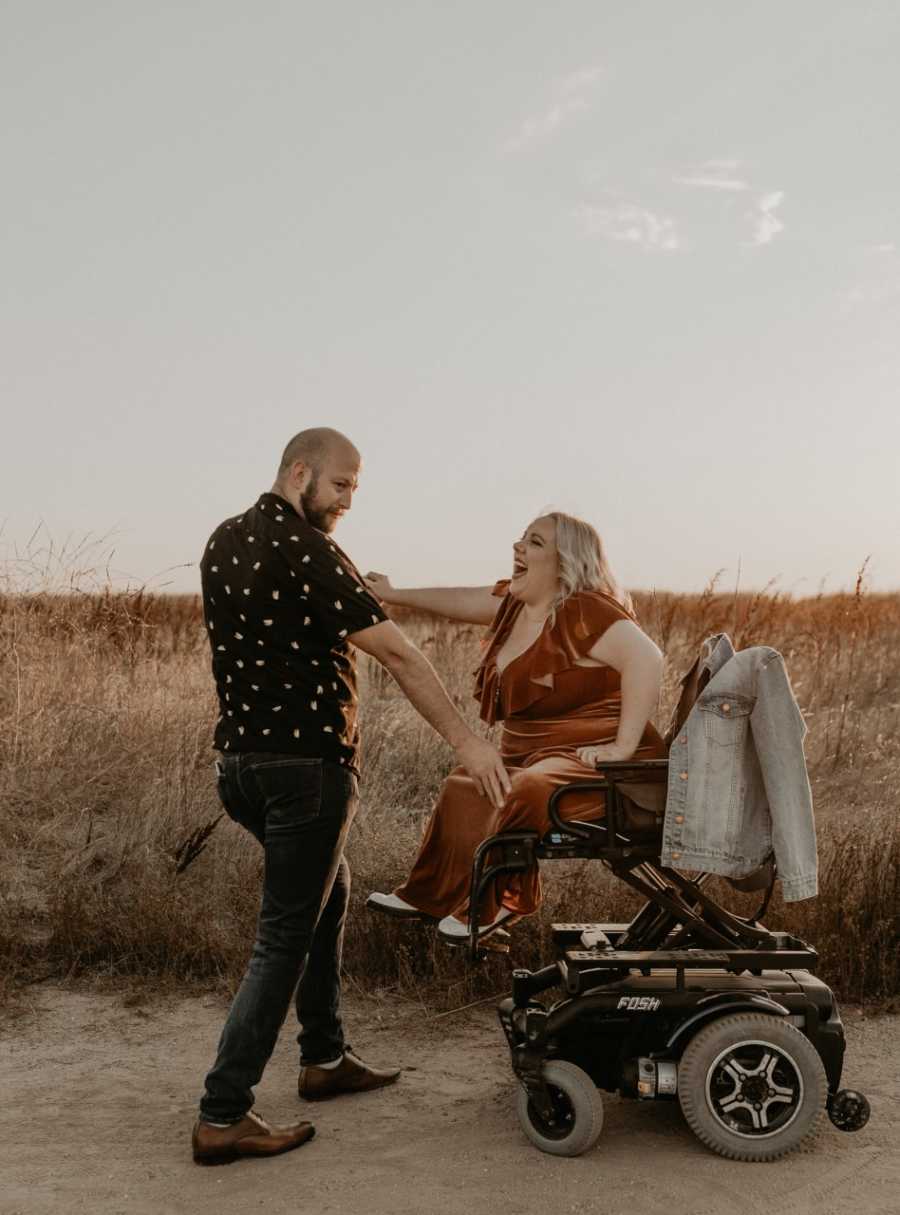
Robert has never made me feel that my disability is a weakness. He accepts it as a fact of life—neither more nor less. I believe if more people embraced disability this way, the world would be a far more inclusive and loving place. Sharing our story isn’t just about love—it’s about advocacy, normalization, and hope. And if even one person sees this and feels empowered, then our story has served its purpose.