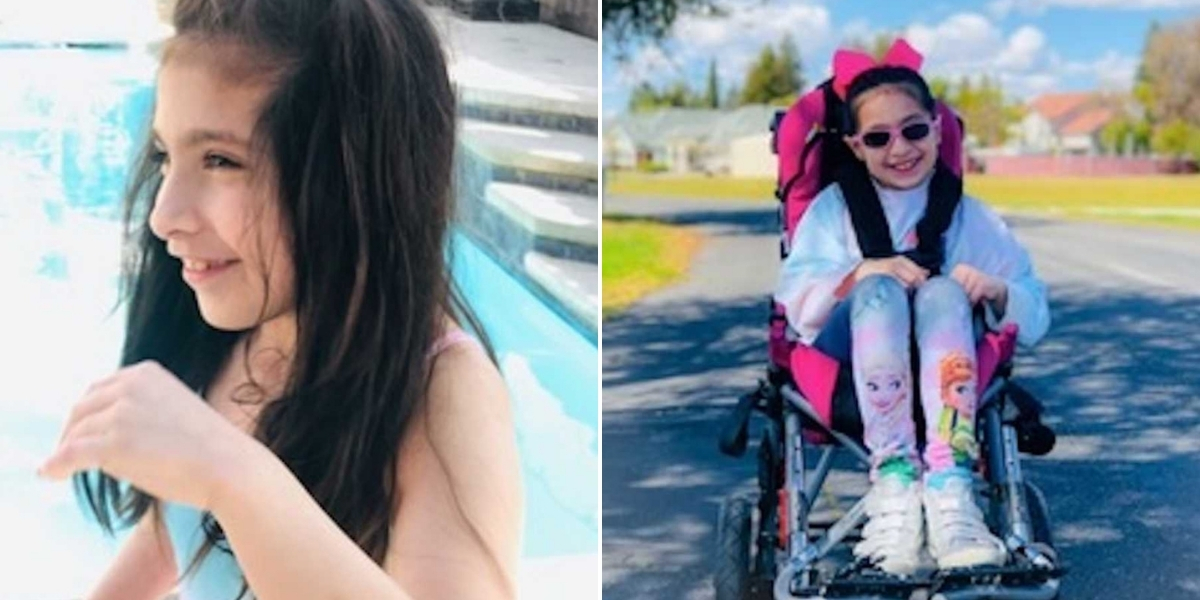
Autumn. What comes to mind when you hear that word? Orange, brown, falling leaves. Thanksgiving, maybe? For our family, Autumn holds a much deeper meaning.
She is our firstborn, our little bundle of awesomeness, and she has severe Autism. Autumn is diagnosed with Autism and an Intellectual Disability. She has a zest for life that shows in the smallest things: splashing in the water, giggling at tickles from mom and dad, chasing her brother around the house, organizing every book and DVD she can find, watching her favorite Disney movies and Wonder Pets episodes over and over, going through drive-thrus just for something that tastes like diet Coke, running free at the beach, swinging high, jumping on crash pads, long car rides, iPad games, puzzles, bath time, matching games, walks with her dog Billie, and of course, eating just about anything with cheese and peanut butter. She’s like any other little girl, just more vulnerable, more mysterious, and wonderfully herself.

A few weeks into her third-grade year, her teacher approached me with a suggestion that caught me completely off guard. “Have you ever considered putting Autumn on medication?” she asked. “It’s really worked wonders for so-and-so.”
I remember standing there, stunned. I smiled politely while internally dismissing the idea. Yeah right. No thanks, I thought. My husband and I responded with a simple, “Interesting.” The thought of medicating Autumn had never crossed our minds.
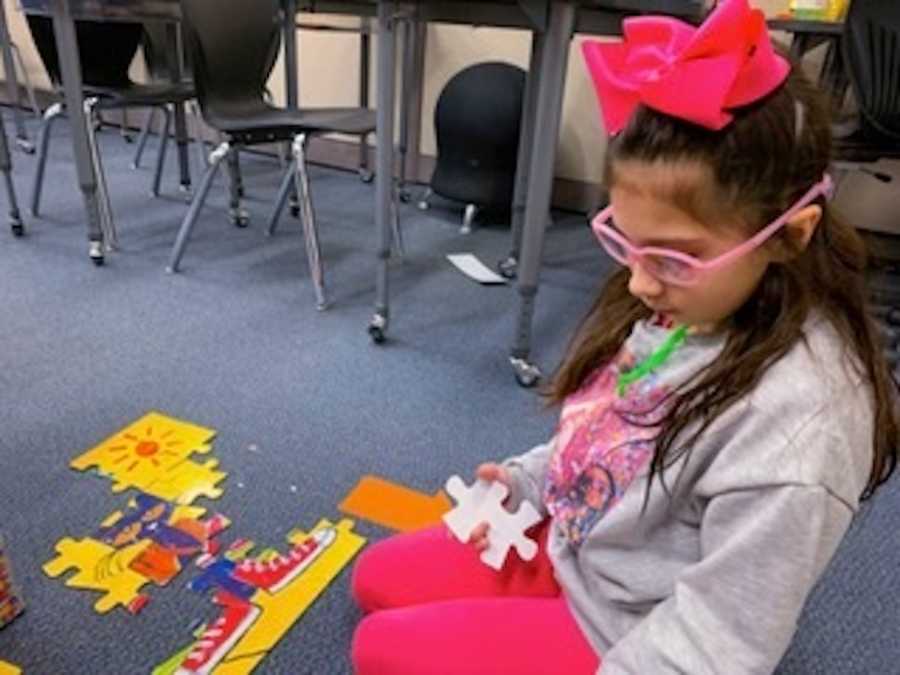
I couldn’t help but feel a pang of guilt. Was Autumn really that “difficult” that her teacher would suggest medication? This was the same school where, in first grade, Autumn had been locked outside in the rain by a substitute teacher struggling to manage her behaviors—while the classroom staff stood idly by. Thankfully, I was nearby and heard her screams in time to rescue her. She was just six, and her little brother Dean was four. The trauma affected both of them deeply.
After that incident, our relationship with the school was strained, to say the least. We even hired an attorney, but quickly realized that no legal action could truly fix the systemic issues within the district. Autumn was not the only child facing neglect and mistreatment. The problems were bigger than us, bigger than one family. We knew what we had to do: we had to move. There was no turning back.
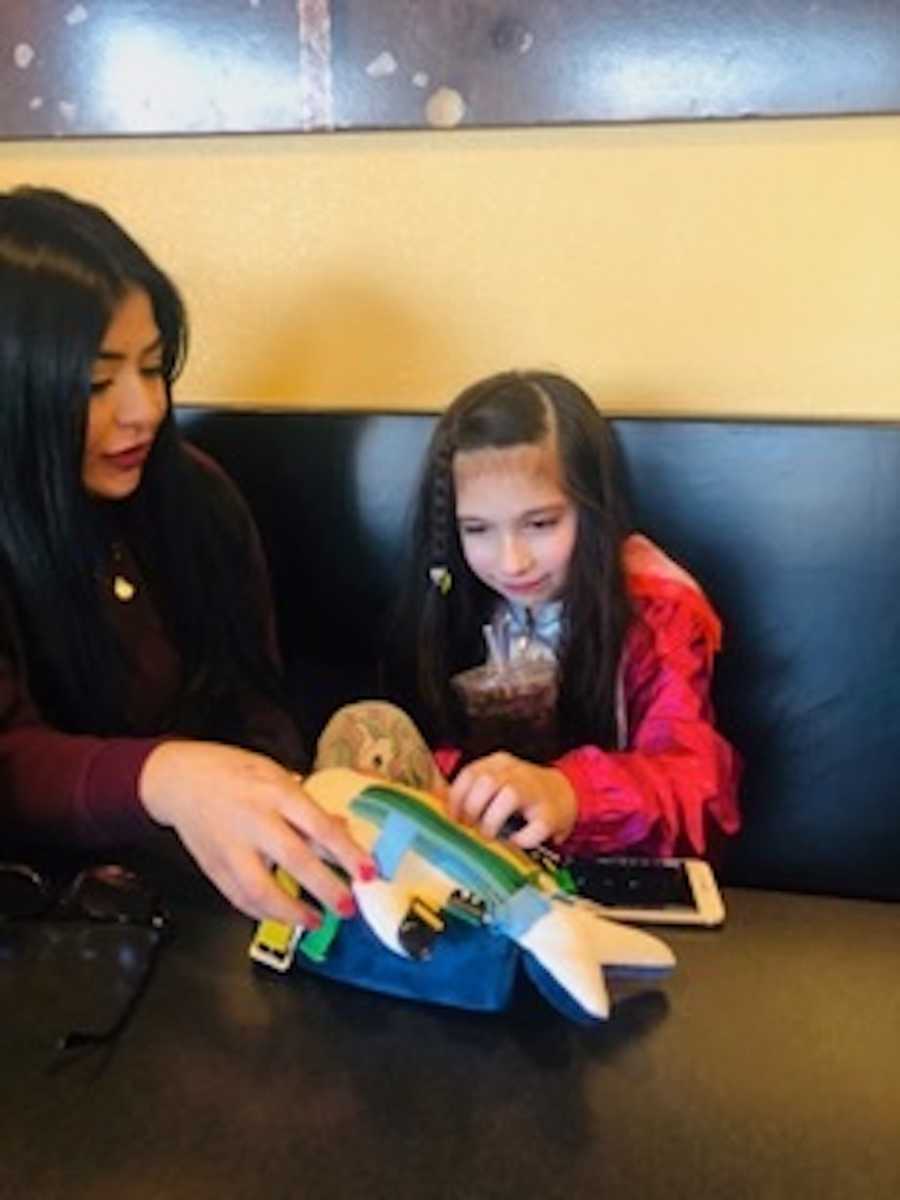
And so we did. We started fresh. With hope, hard work, and prayer, we found a new home in a better location with excellent schools. Autumn was now ten, Dean seven, and we were cautiously optimistic. To our delight, her new teacher was warm, patient, and truly loving toward Autumn. It was almost surreal—coming from a place where support was scarce, this felt too good to be true.
The day finally came—Autumn’s first day at her new school. She walked in with confidence that made my heart swell. She is nonverbal, with limited communication, yet she has so much to say. I was nervous to leave her that morning, but she walked straight into her classroom, proving she could do it. Day after day, she arrived eager and proud. Her joy was palpable, and seeing her thrive filled me with immense pride.
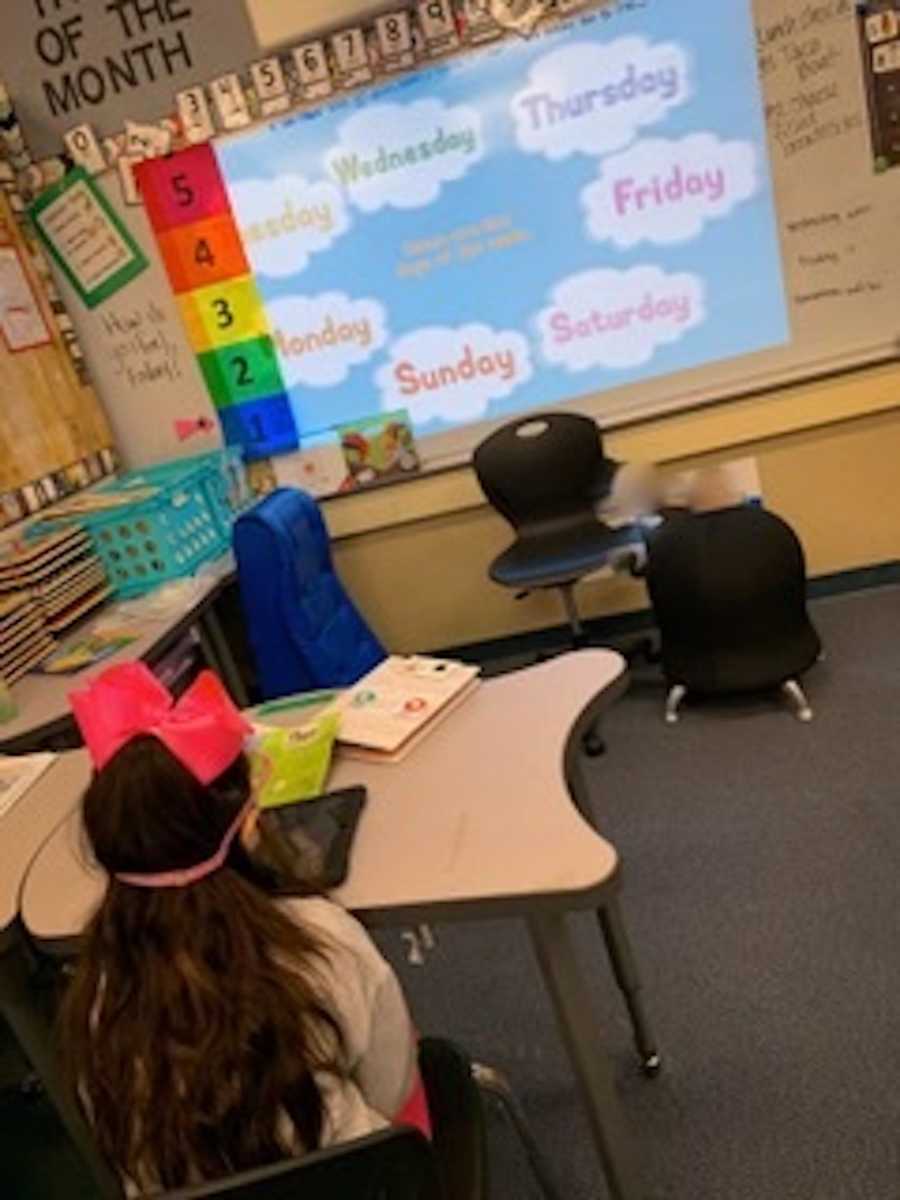
But after just four days, in-person learning stopped due to Covid-19. We had loved what we had seen of her new school, but returning to virtual instruction was discouraging. Autumn had already struggled with distance learning before, and technology added a layer of frustration that left her exhausted. What had felt like progress was suddenly paused, and we watched as she grew irritable and withdrawn again.
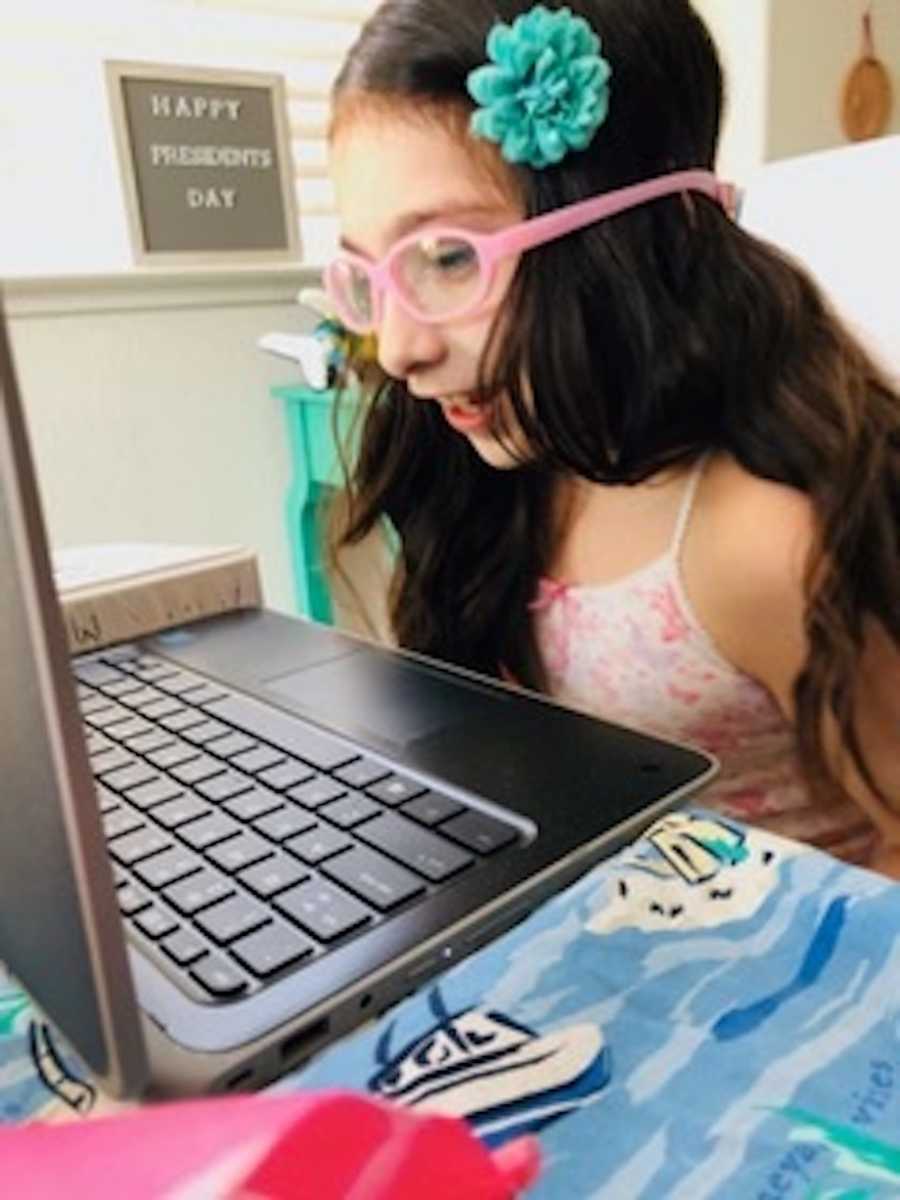
I used to be a mom who didn’t believe in medication and even judged other parents who did. Covid-19 changed that perspective completely. Spring 2020 was one of the hardest times of my life. Everything had shut down—stores, parks, beaches, movie theaters, salons, restaurants, doctors’ offices. The world had stopped. I can only imagine what Autumn was feeling: confused, disregulated, and overwhelmed by constant change.
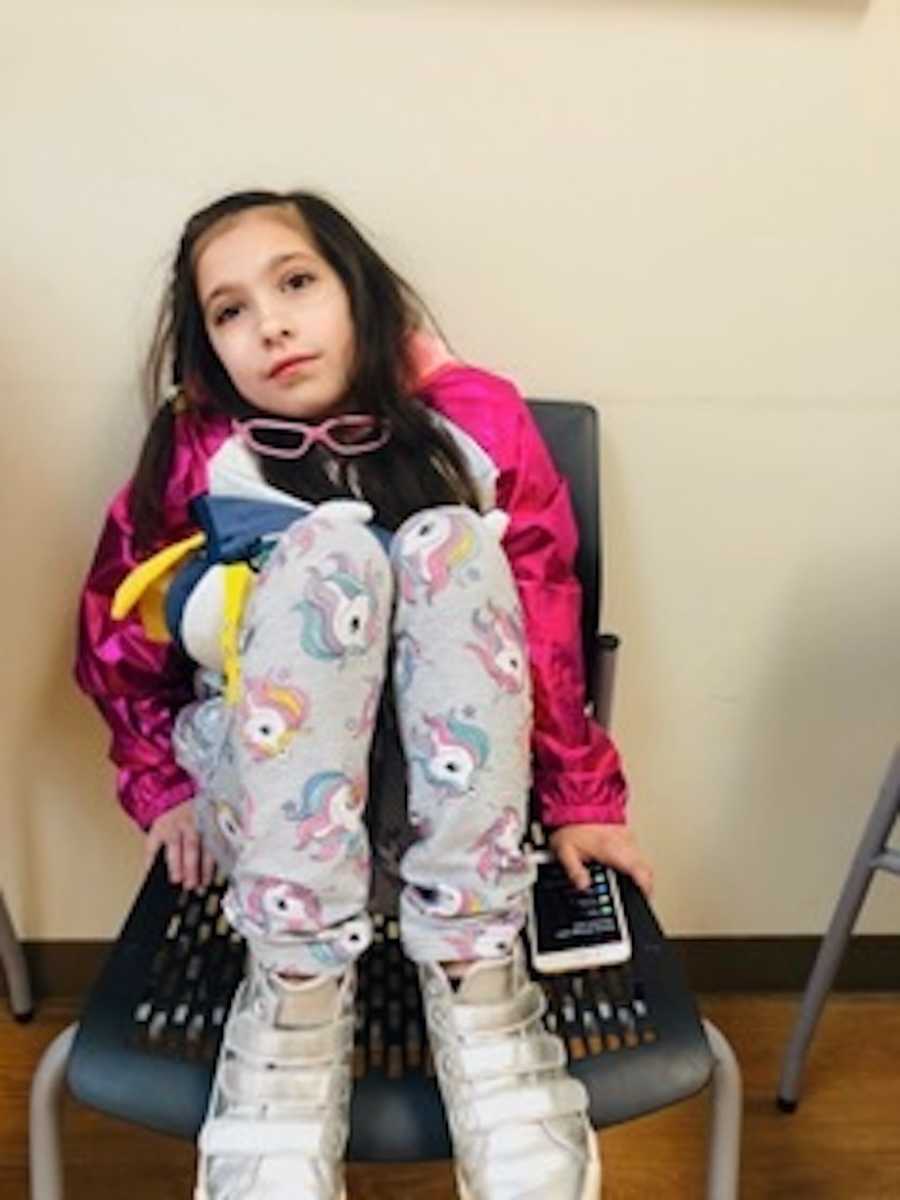
She was showing early signs of puberty, with emotions that swung unpredictably. Boxes cluttered the house, Dean was falling behind in school, and my husband had just started a new job. Autumn’s aggressive behaviors increased, sometimes resulting in injuries to herself, me, Dean, or even our dog Billie. When glass shattered and laptops flew across the room, I knew it was time to seek help.
I researched options—medical cannabis, CBD—but the cost was high and these weren’t FDA-approved for Autism. Eventually, I turned to medication. After days of sleepless nights and reflection, I called her doctor, explaining the chaos at home. “What medication?” she asked. “Abilify,” I replied, hoping it would help with minimal side effects. The doctor agreed, and Autumn started on the lowest dose.

We began with half a dose and gradually increased as needed. The change was remarkable. Autumn became calmer, more at ease. Aggression lessened, objects stopped flying, and communication—though still limited—improved. Medication worked where other interventions hadn’t. It gave us breathing room to restore routine, enjoy long swimming sessions, and help Dean catch up on schoolwork. We could finally relax, day by day.
By August, virtual school resumed, and Autumn was ready each morning like clockwork. Her district eventually reopened for special education students, and Abilify helped make that transition smoother. Did the medicine cure Autism? Absolutely not—and I wouldn’t want it to. It simply made life safer and more manageable for our family. After five to six months, we weaned her off the medication successfully.
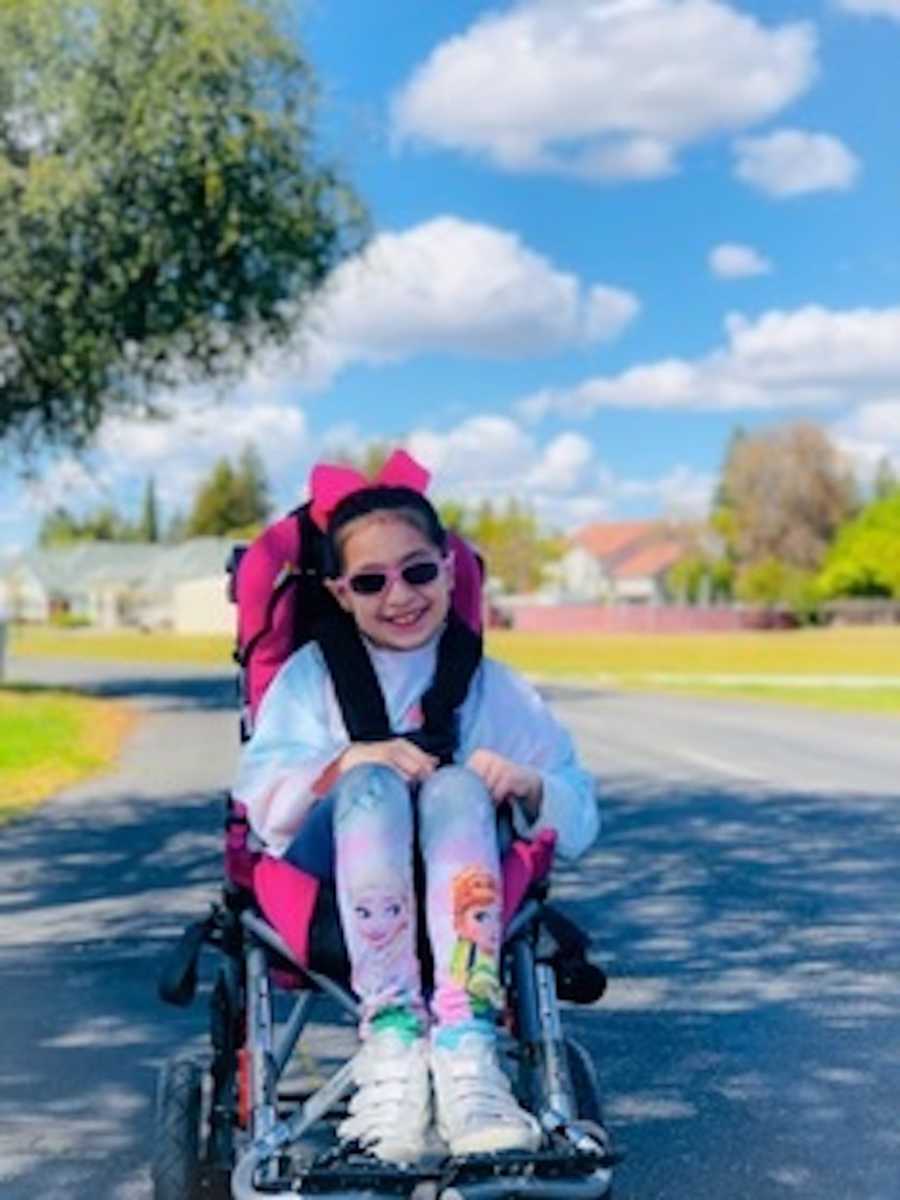
Now, in January 2021, we feel optimistic for the future. Autumn is thriving in school. She has her moments, but don’t we all? Every child—and every family—is different. No one knows your child better than you. Trust your instincts. Advocate fiercely. Because when it comes to your child, that gut feeling? It rarely lies.