Nothing truly prepares you for parenthood. Sure, you might have taken care of a niece or a younger sibling, but that is not the same as being a parent. You may know how to change a diaper, but no amount of babysitting teaches you the emotional roller coaster that comes with raising a child. Parenthood tests you in ways you never imagined, both physically and emotionally.
On November 2nd, 2019, we welcomed our baby girl into the world. After four intense hours of labor, holding her in my arms made every second worth it. That first moment of skin-to-skin, that first breath, that first heartbeat—I was overwhelmed with love. My breastfeeding journey began almost immediately, and on our very first attempt, I realized it wasn’t going to be as simple as I had imagined.
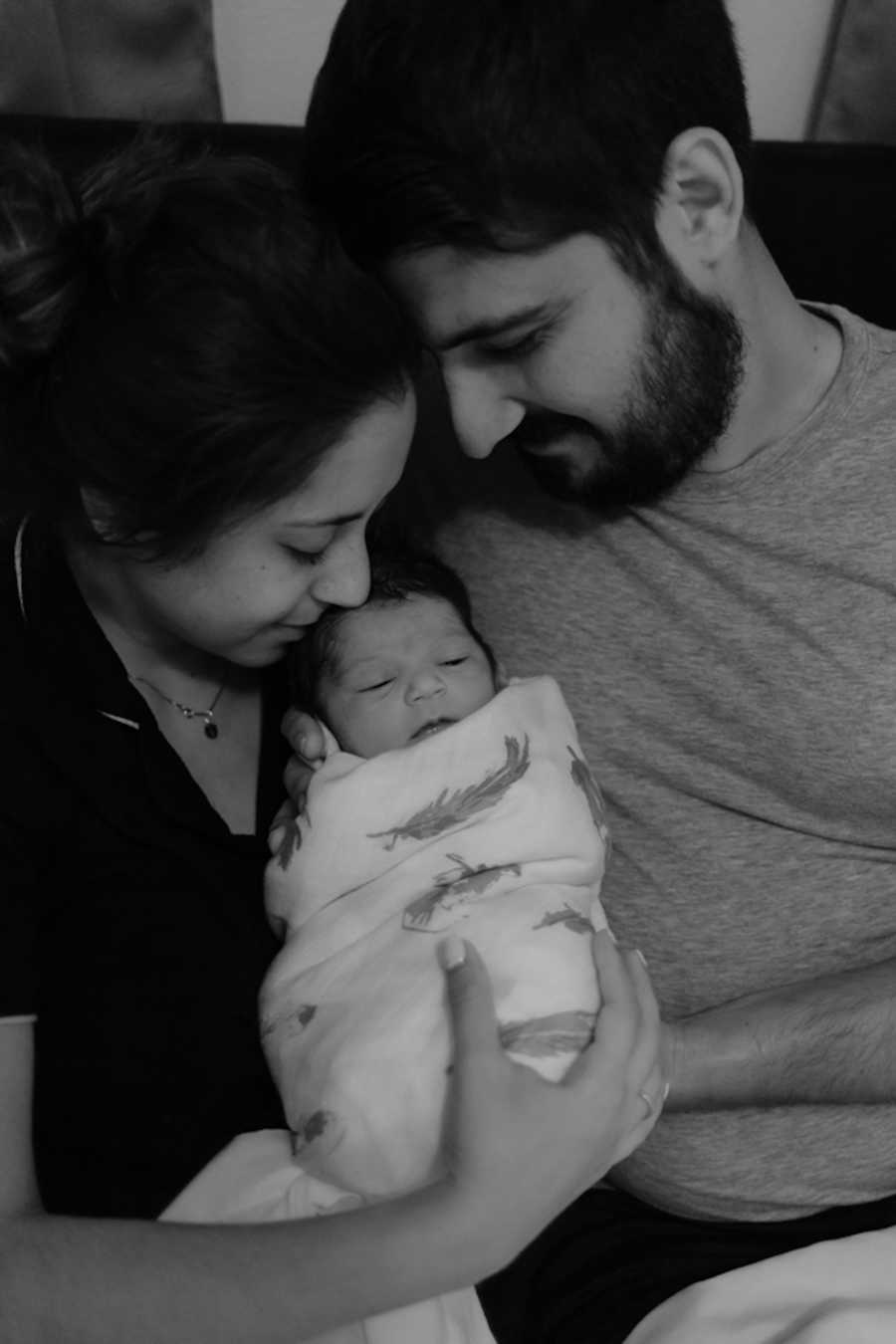
I thought breastfeeding would feel instinctive, that our bodies would naturally know what to do. I pictured a serene scene where the baby latches perfectly and life carries on. Oh, how wrong I was. I had no idea that not all babies instinctively know how to suckle, and the realization hit me like a lightning bolt. Complete shock.
My sister, a midwife, had warned me to prepare for the postpartum period just as much as labor and delivery. I wish I had listened. The Baby Blues hit me hard—an overwhelming mix of hormonal shifts, exhaustion, and the emotional weight of learning to feed my newborn.

Breastfeeding is beautiful, no doubt. Being your baby’s source of nutrition is profound and intimate. But it is also incredibly stressful. Every time your baby doesn’t gain weight as quickly as doctors or well-meaning family members expect, the doubts creep in: “Am I producing enough?” or “Is my milk too thin?” In reality, most women do not have supply issues. Often, it’s the self-doubt, misinformation, and unsolicited advice that cause the stress. I’m not a medical professional, and I won’t offer tips on increasing supply—but please, do not believe that inner voice telling you your milk isn’t enough. Trust your body. Call a Lactation Consultant if you’re concerned, but ignore the secondhand advice from friends or relatives who have never breastfed. Your body is capable. You are perfect and doing an amazing job.
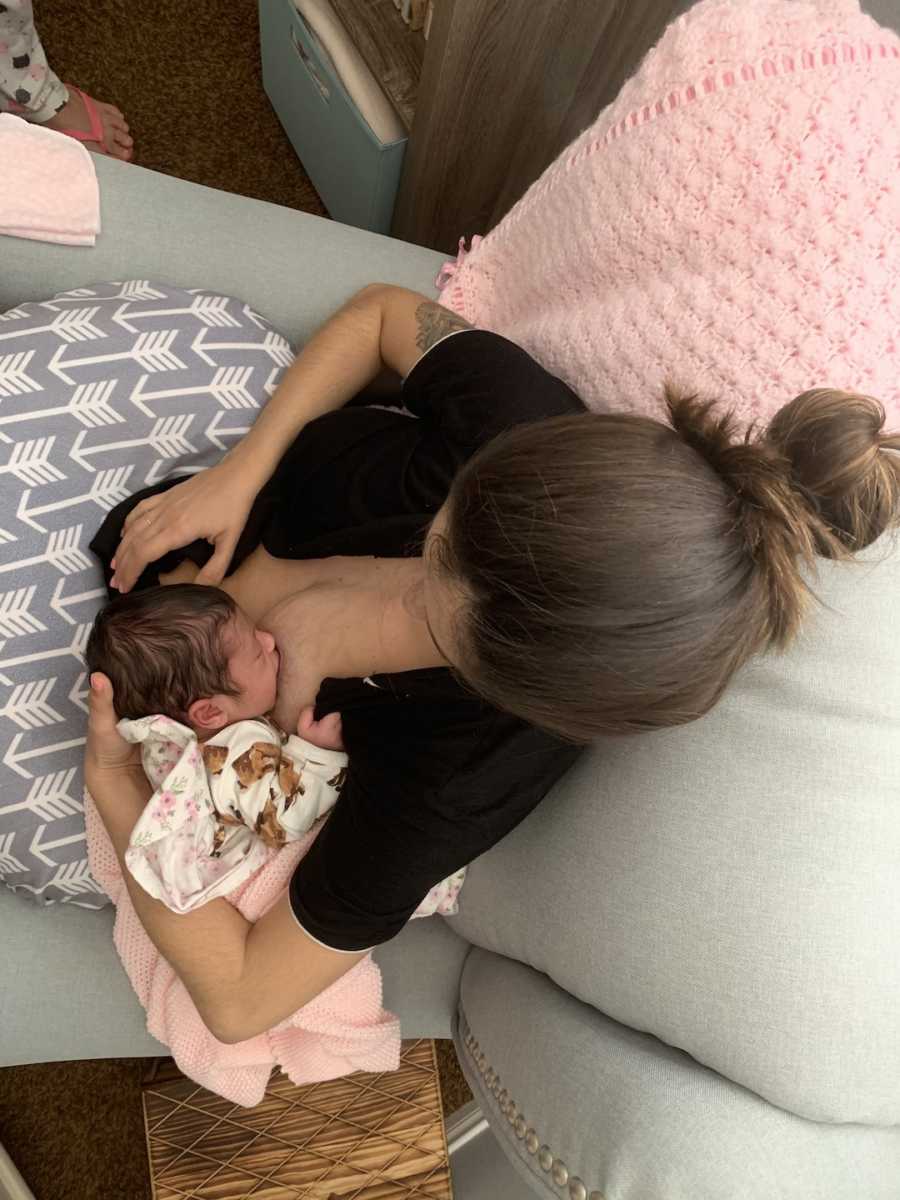
My journey was rocky. My baby had trouble latching due to a tongue and lip tie, which caused her to break the seal while feeding and made a painful clicking sound. Every break in the latch caused me intense discomfort. My nipples were sore, cracked, and close to bleeding. Just a few days in, I felt like giving up entirely. The pain was almost unbearable.
We decided to pump and let my husband bottle-feed our daughter to give my breasts a break. I cried through every feed, fearing I had ruined my chances to breastfeed. I remember the next time I attempted to latch her—more tears, more fear. My husband, patient and gentle, rocked our crying baby while I sat overwhelmed with emotion. My mother, who was showering at the time, stepped in like an angel. She calmed me, helped my daughter latch, and for the first time in days, we felt a tiny sense of triumph. Those first few weeks were so difficult that I cried more than I smiled. Looking back now, I understand it was all part of the process.
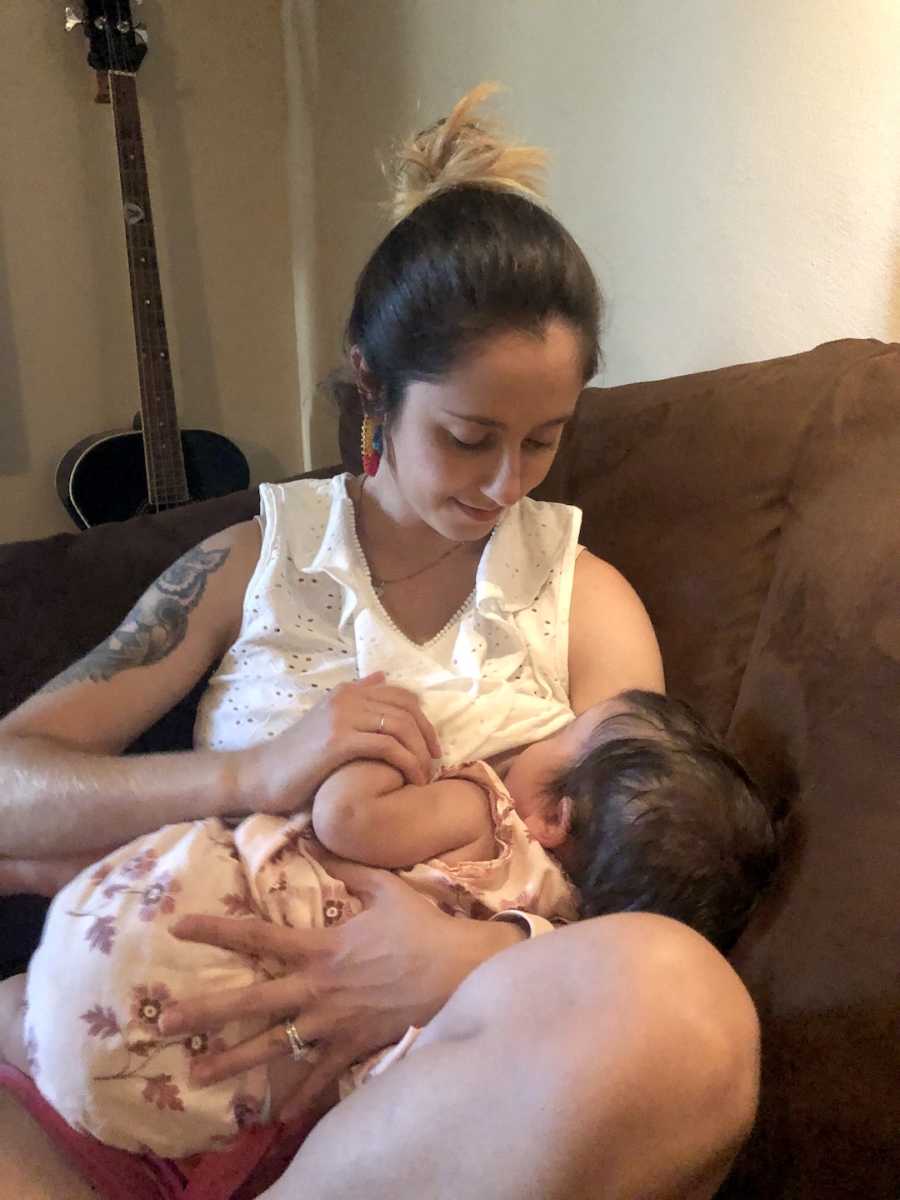
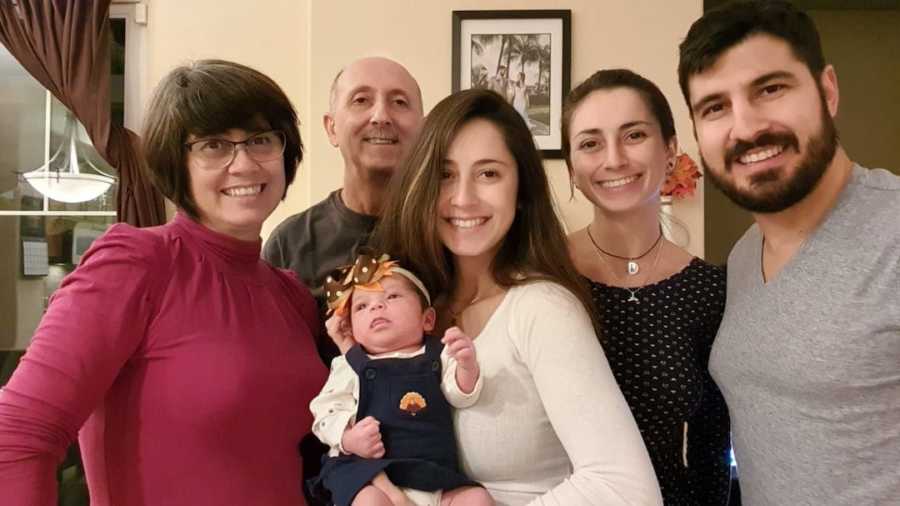
Family support has been everything. My mother has been incredible, always making me feel loved and proud. My father helped by bringing me food and comforting me when I was in pain. My sister has been my ultimate cheerleader, always offering guidance, even from afar, and connecting with her colleagues to find solutions for my struggles. And my husband—he is my rock, my safe harbor. Every tear I shed, he met with kindness, patience, and reassurance. I could not have done this without him.

Eventually, we corrected my baby’s lip and tongue tie, and her latch slowly improved. Breastfeeding became smoother, though still challenging. Our daughter was small, and while her pediatrician reassured me her growth was normal, family comments questioning if she was getting enough were emotionally taxing. Each remark made my heart sink, a subtle reminder that self-doubt is a constant companion for nursing mothers.

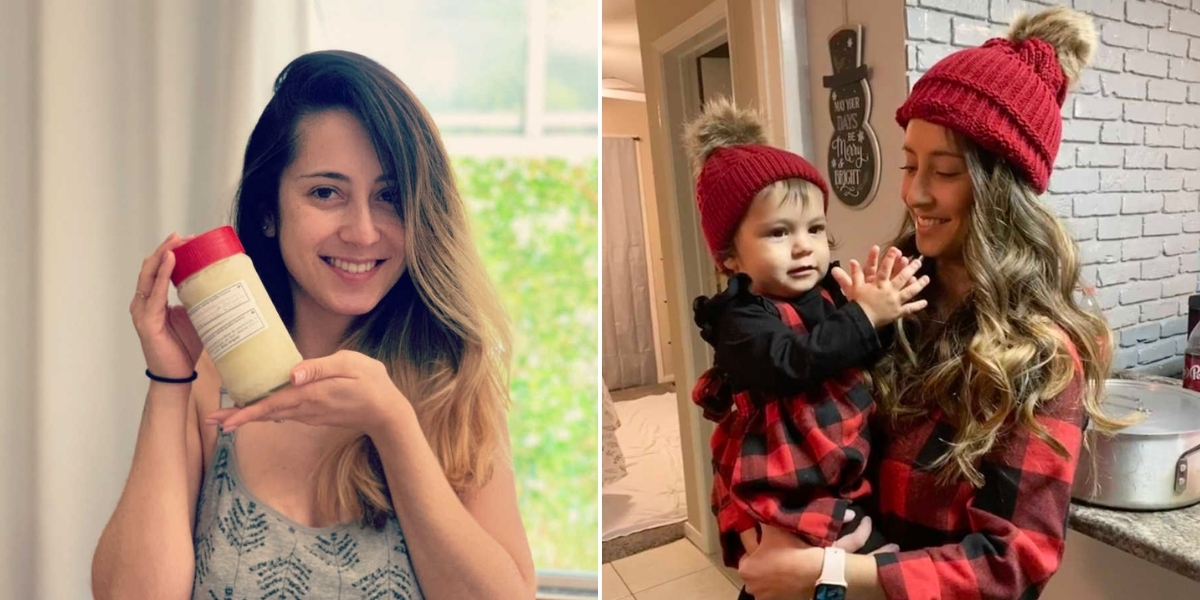
As the months passed, new challenges emerged. I dealt with clogged ducts, pumping frustrations, and the stress of maintaining a milk stash for when I returned to work. Sometimes the process was messy and exhausting, with little milk yielding from pumping sessions. But visits with Lactation Consultants offered reassurance, and slowly, I built a small stash of frozen milk—enough to give some to a local mother in need. Donating milk for the first time was incredibly rewarding, knowing my efforts could support another baby’s nutrition.
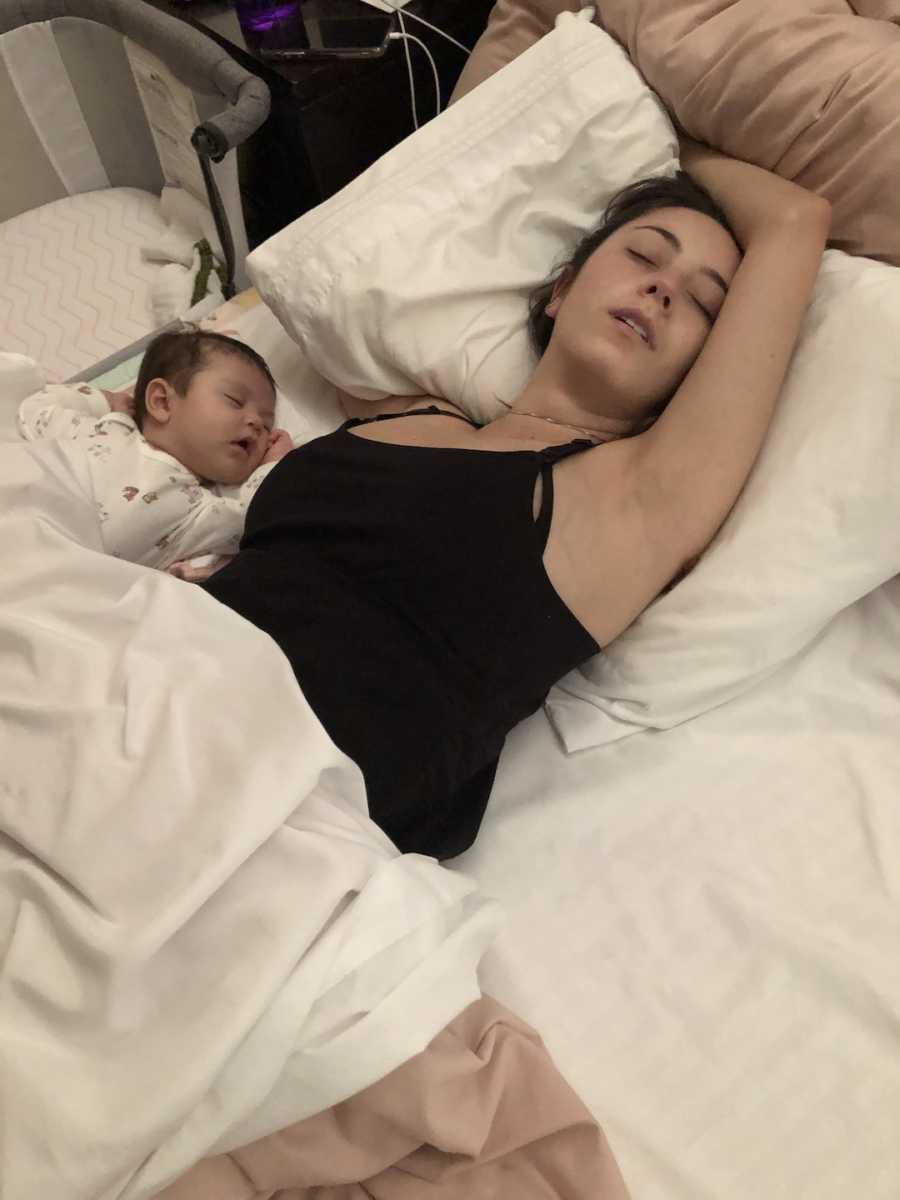
A visit to Brazil further opened my eyes to the global need for breastmilk. In my hometown, milk banks operate differently, and the staff shared stories of families relying entirely on donations for their infants. Seeing the difference my milk could make—helping premature babies or those with limited access to formula—was humbling and inspiring. I was proud that my body could provide for others in addition to my daughter.
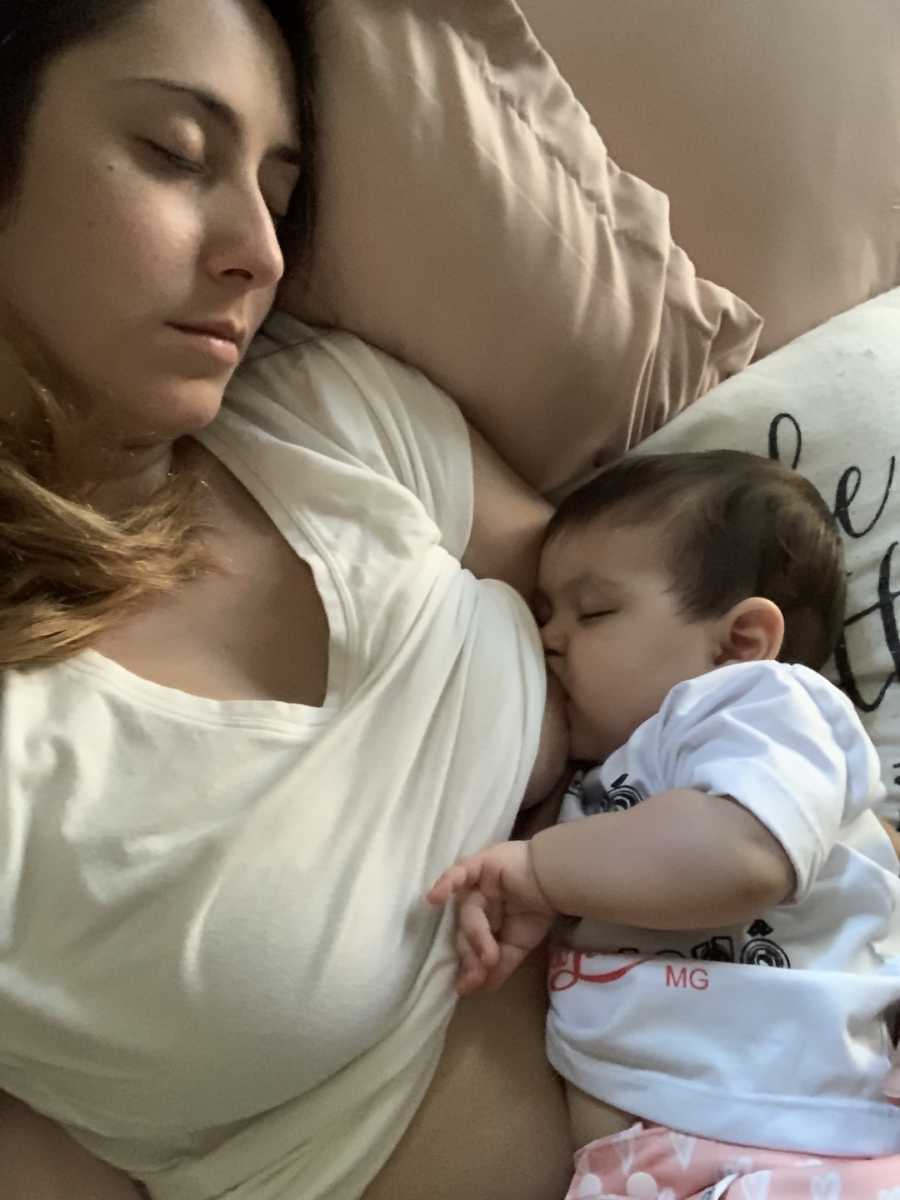
To all mothers, I am not special. I did not possess some magical milk-making power. I am a mother like any other—trying my best, facing doubt, fear, and exhaustion, and learning to trust myself along the way. I still have days when I just want to cry into a pillow, and that is okay. I am not perfect, but I am perfect for my baby.
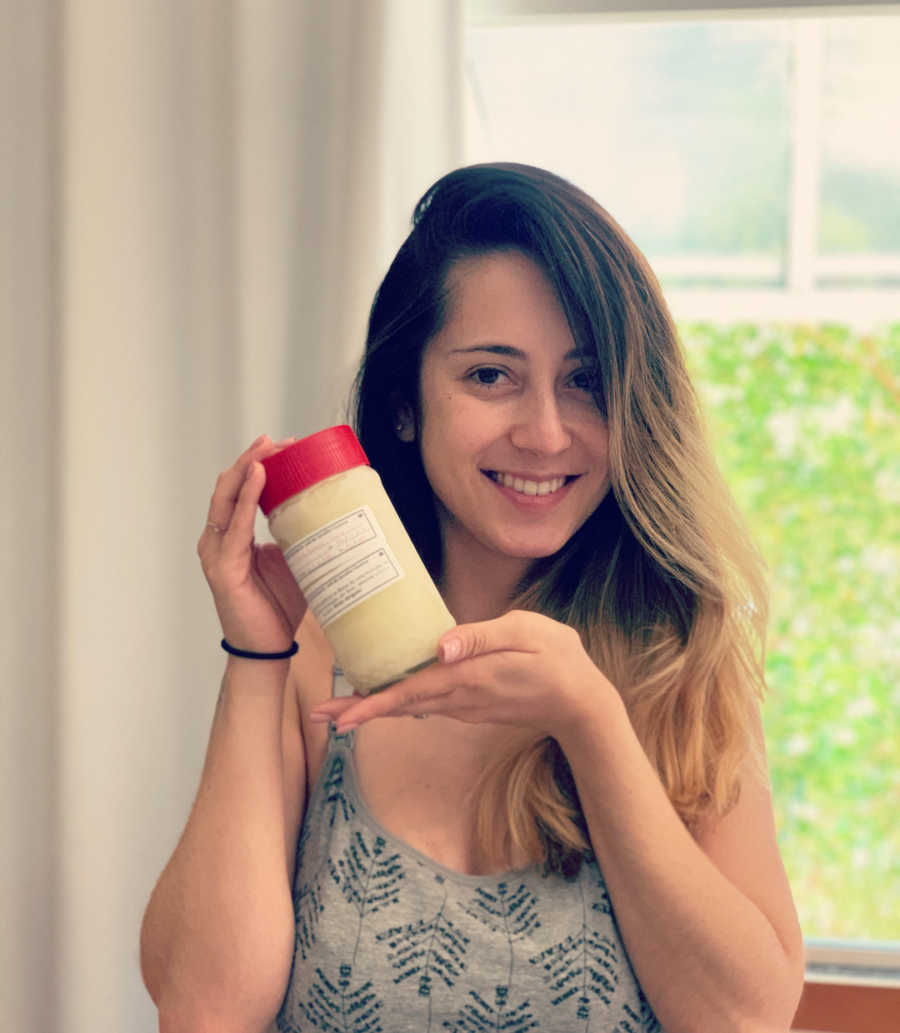
Today, 14 months into our breastfeeding journey, I reflect on all the tears, worries, and challenges. I see now that trusting my body, being patient with myself, and surrounding myself with supportive loved ones was the key. To new mothers out there: be gentle with yourself. Honor your body, embrace the support around you, and know that simply trying is enough. Motherhood is hard. Breastfeeding is hard. But I see you, mama. I see your tears, and my heart is with you.