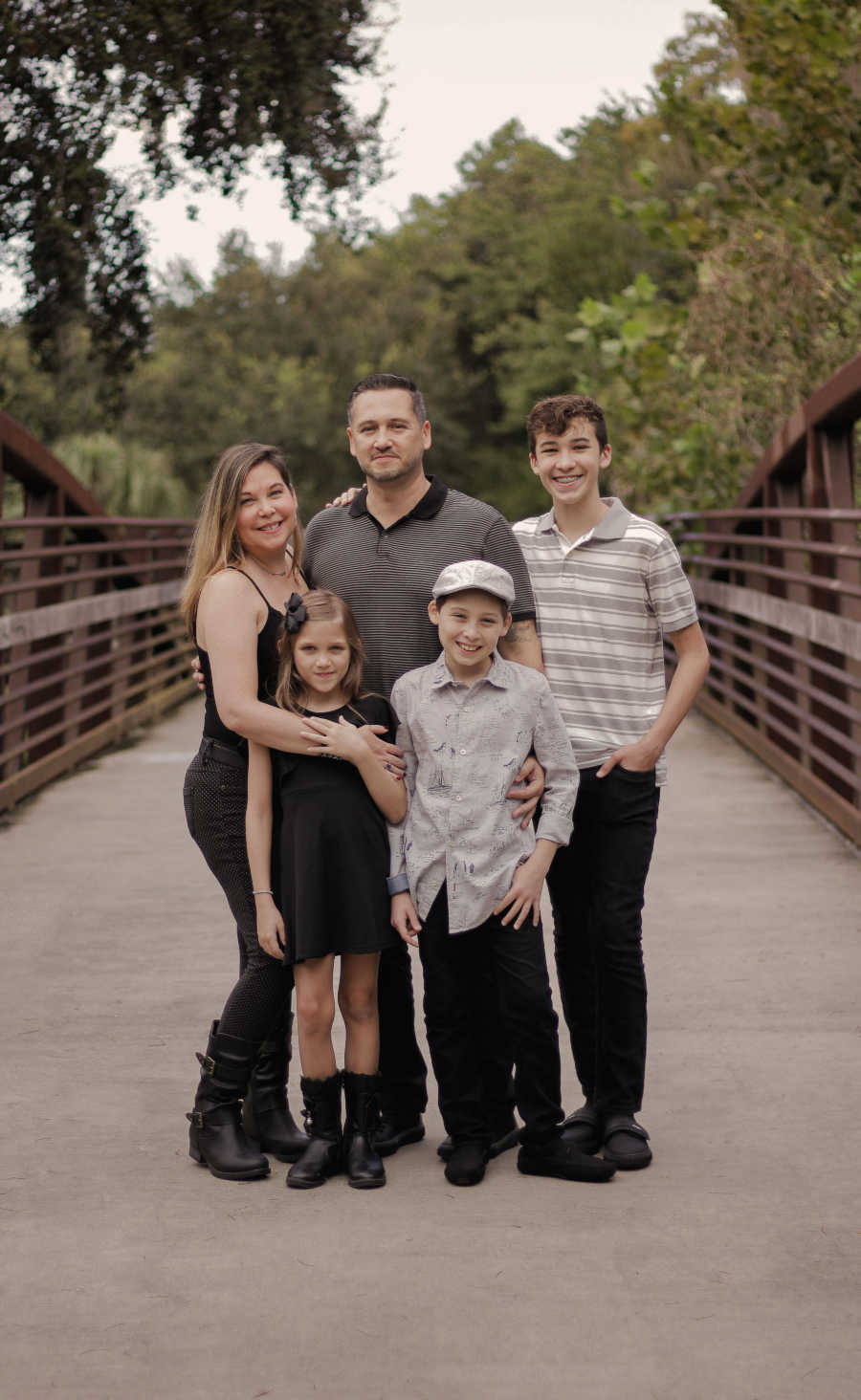
I never truly understood the depth of love until my children came into the world. The first time I held each of them, my heart seemed to expand with a million dreams for their futures. It was a love so pure and unconditional that no words could capture it. Parenting comes without a handbook, a user’s manual, or a study guide. We navigate it day by day, learning and adapting to the unique needs of each child. As parents, we devote ourselves to protecting, nurturing, and celebrating these tiny humans, hoping we can give them the safety and guidance they deserve.
By the time I gave birth to my youngest, I considered myself a seasoned parent, ready to handle whatever challenges motherhood might present. I had already endured countless sleepless nights, colic, toddler tantrums, and the ups and downs of sibling rivalry. My two older children, both boys, were healthy, vibrant, and full of life. They loved exploring the outdoors—rolling in the mud, climbing trees, and chasing lizards in the yard. In many ways, they reminded me of the energetic boys I played with as a child, and of those I had encountered on playdates over the years.
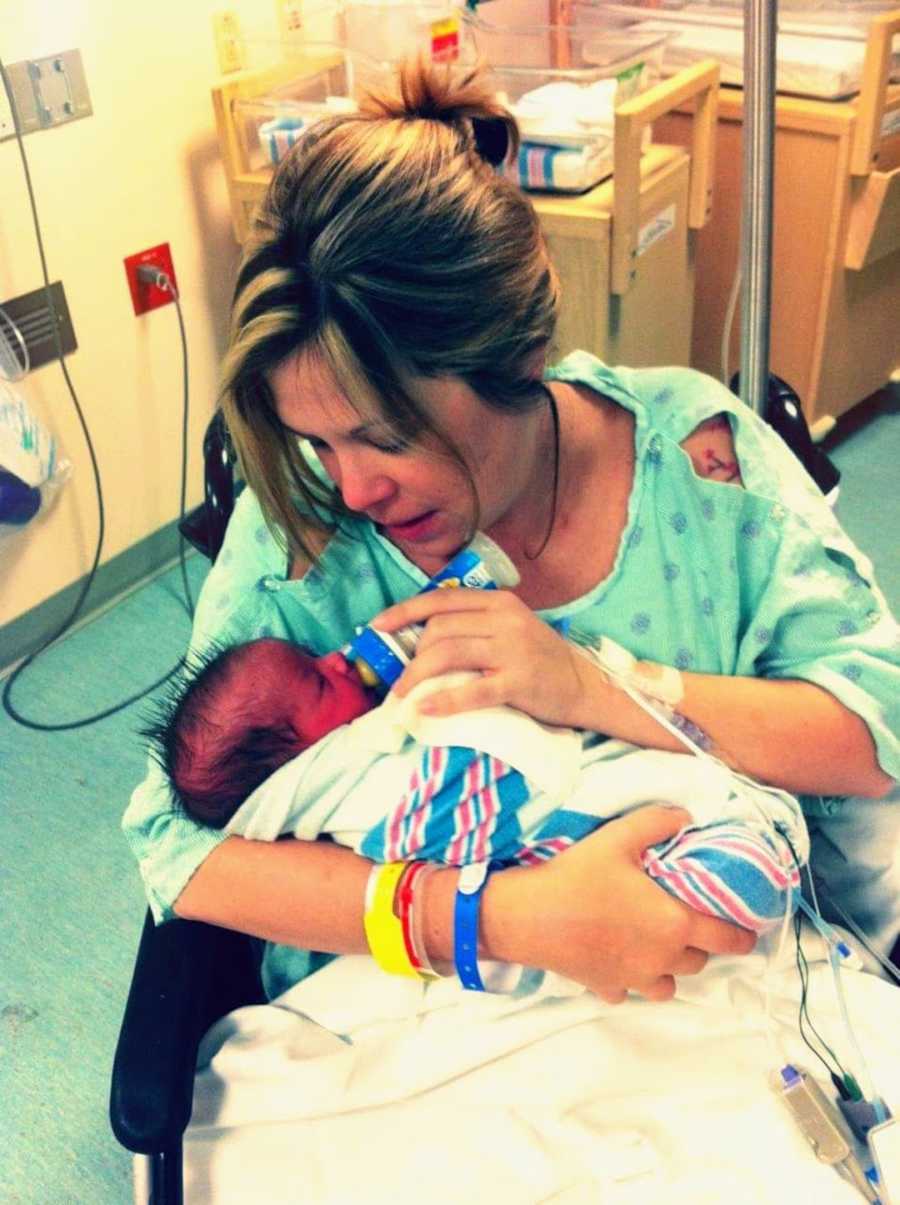
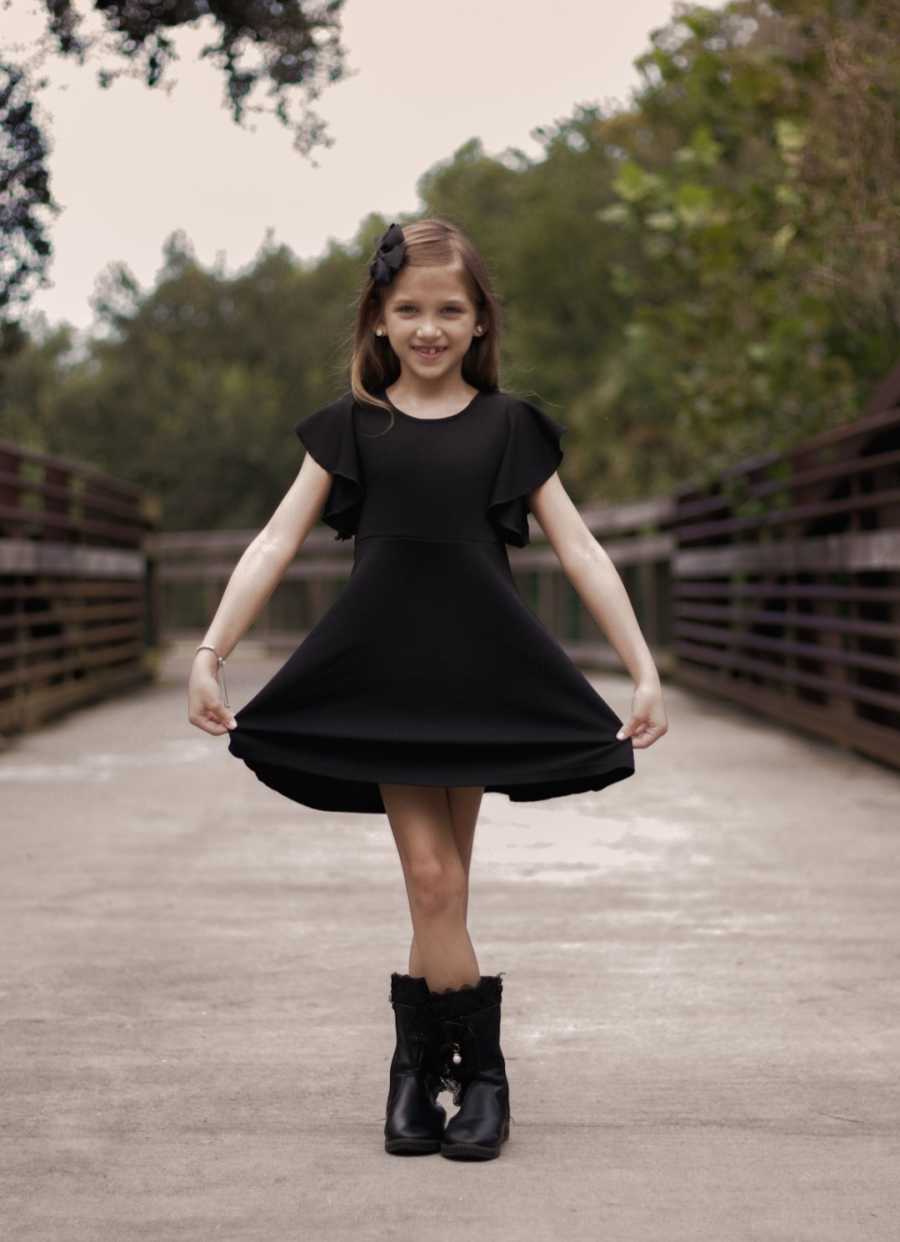
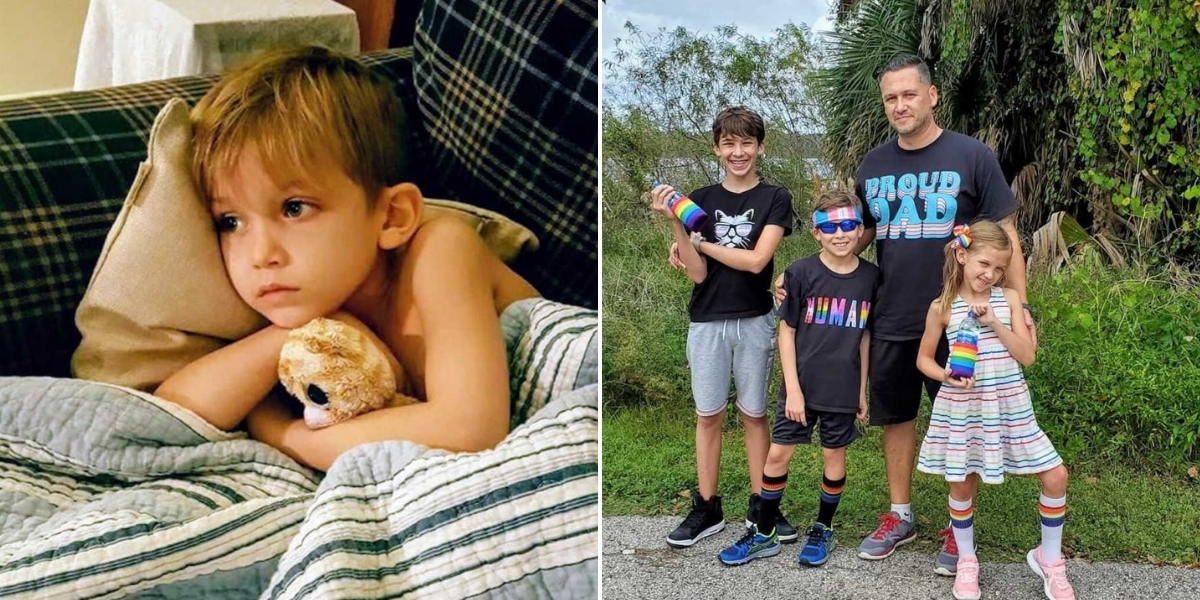
When Dempsey arrived, the doctors checked the male box on the paperwork, and I assumed my youngest would follow in her brothers’ footsteps. I proudly identified as a “boymom,” with a vanity plate that read My Three Sons. Little did I know, Dempsey would lead me into a journey I could never have anticipated—one that would challenge, expand, and ultimately reshape my understanding of identity and love. Back then, I knew almost nothing about gender dysphoria or transgender experiences. This context is important, because Dempsey, my vibrant, sassy, and delightfully spirited youngest, would identify as transgender at a very young age. Out of respect for Dempsey and the transgender community, I will use she/her pronouns throughout this story.
By around eighteen months old, Dempsey’s interests began to diverge from what I expected. She loved princesses, sparkly trinkets, and clothing in ways that were far more than just a passing phase. My husband and I were surprised, but not alarmed. We laughed, encouraged her creativity, and allowed her to gravitate toward the things she loved. We also offered trucks, balls, and other traditionally “boy” toys, but she consistently rejected them. Over time, her fascination with princesses blossomed into a passion for unicorns, mermaids, glitter, and all things magical.
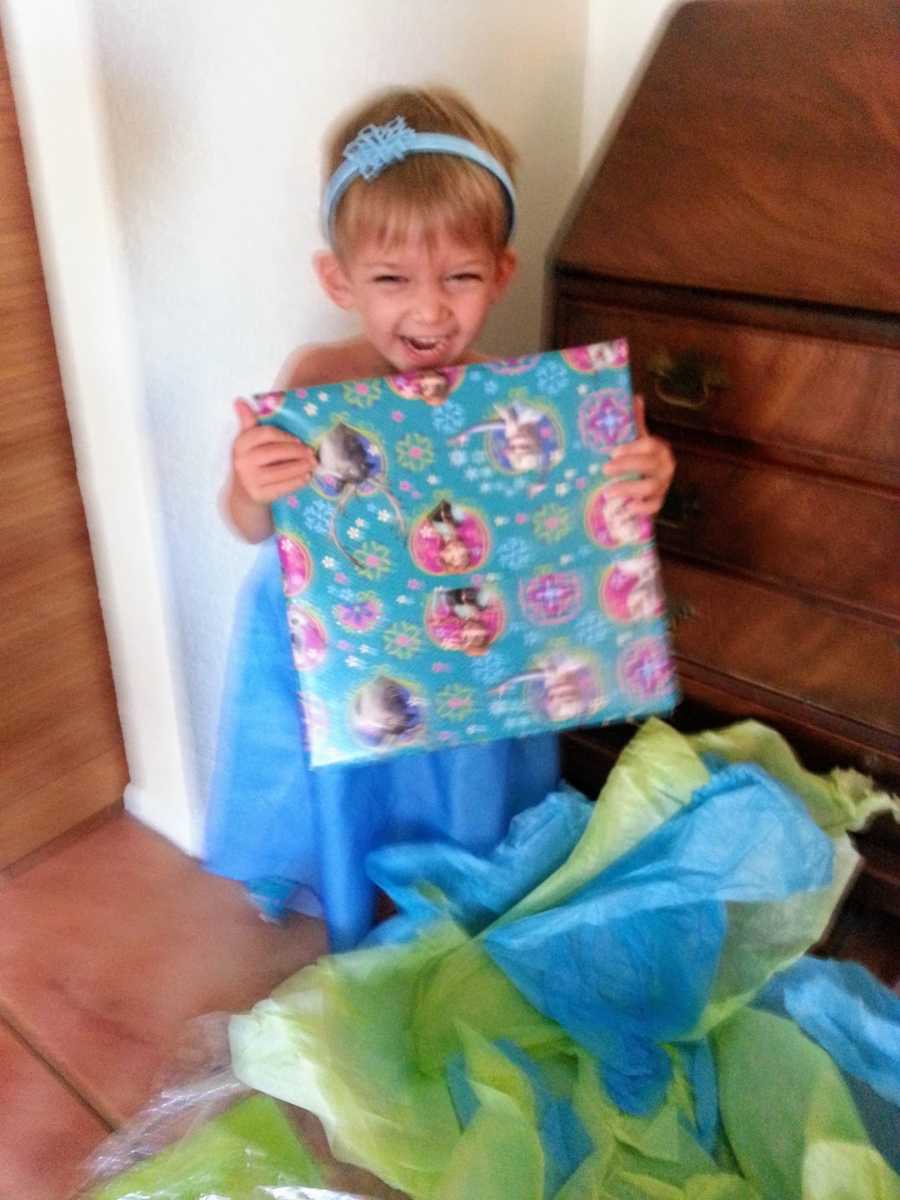
I began to notice patterns in Dempsey’s drawings—patterns that tugged at my heart. She always drew herself as a girl, with long blonde hair. By the age of four, it became increasingly difficult to ignore the intense tantrums and meltdowns whenever she wasn’t allowed to wear costume dresses to school or be Cinderella for Halloween. Our intentions were good—we wanted to protect her from bullying or ridicule—but it was heartbreaking to watch her retreat into herself, anxious and despondent in social situations.
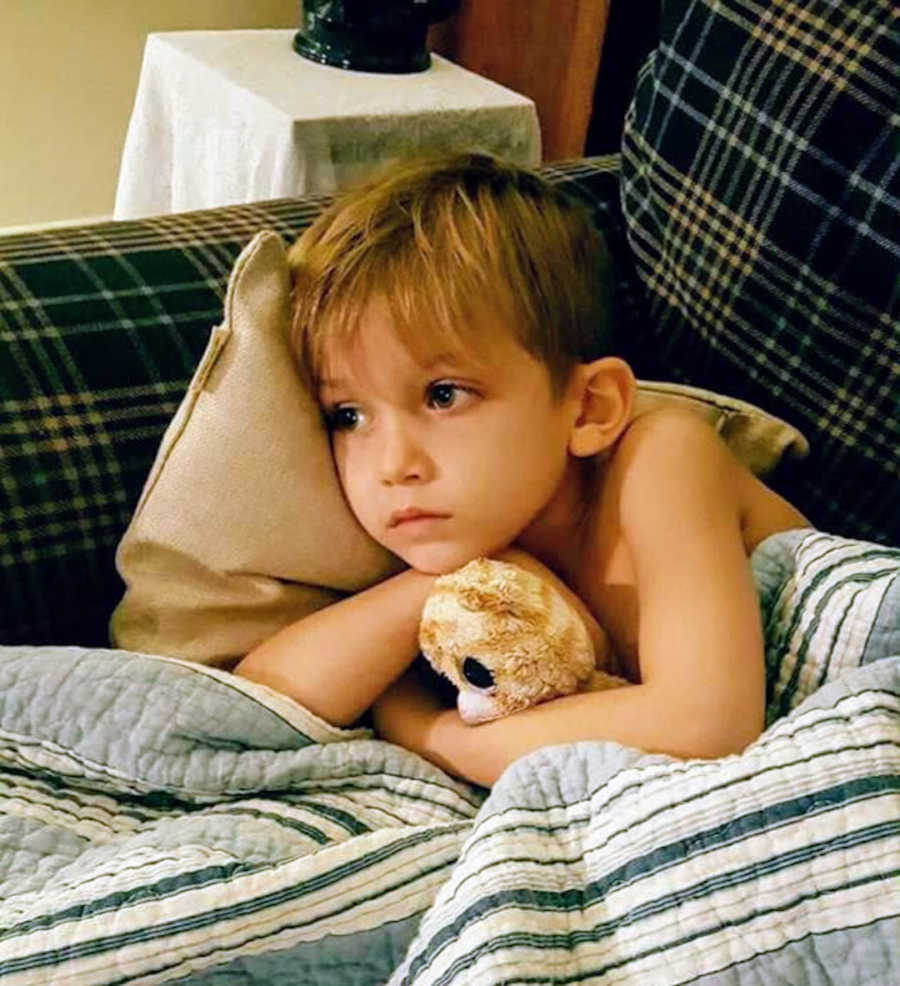
Haircuts became a nightmare. She had to be physically restrained just to get a trim. At home, she would fashion pajama pants on her head to mimic long hair, a poignant signal of the emotional toll she was enduring. Watching my child struggle so profoundly filled me with guilt—guilt for trying to make her fit an identity that wasn’t hers. We knew we couldn’t do it alone, so we sought help and found a thriving local community of parents raising gender-variant and nonconforming children. They became our lifeline. Through them, we connected with therapists and medical professionals experienced in supporting children exploring their gender identity.
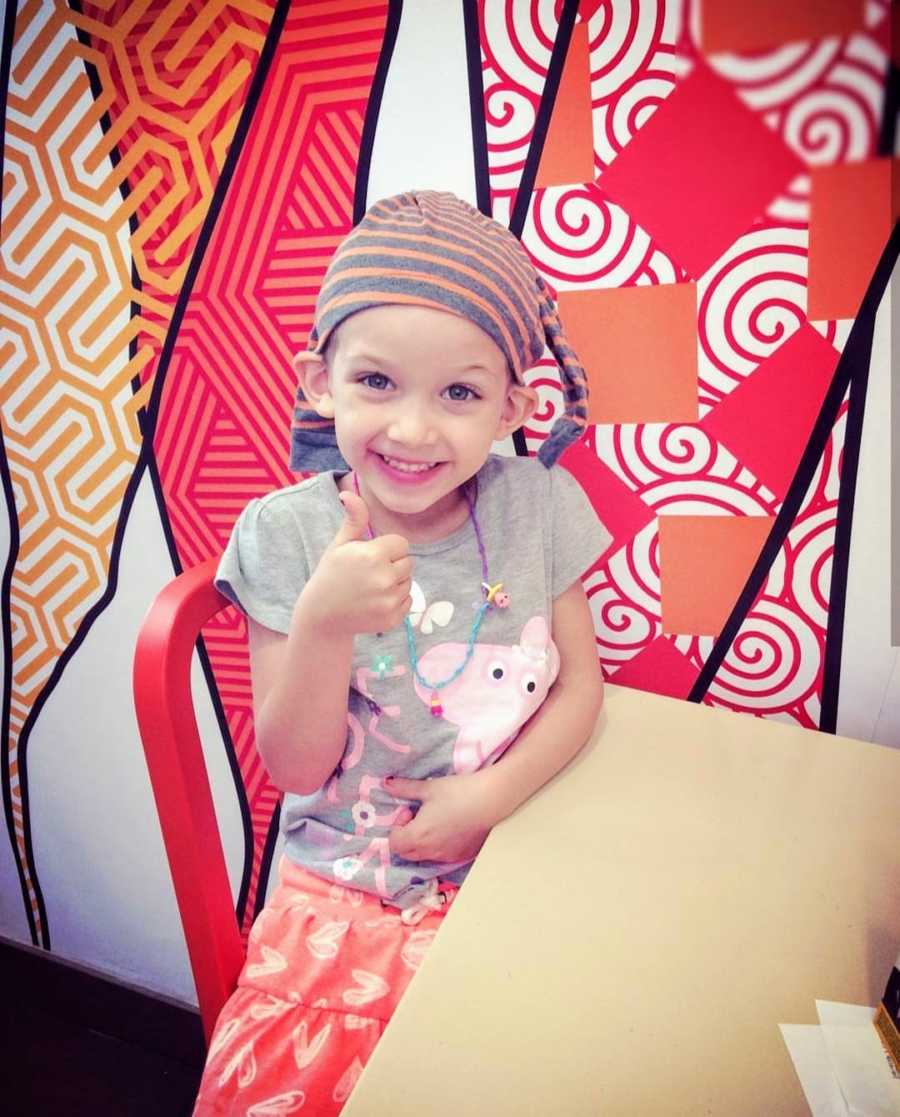
Our first session with a therapist revealed Dempsey’s truth: she said she was “a boy who liked all girl things.” Subsequent sessions confirmed her consistency, persistence, and insistence—she identified as a girl. She was diagnosed with gender dysphoria. Gradually, we began allowing her to wear hair bows and girl accessories to preschool. By kindergarten, my husband and I decided that cutting her hair was emotionally harmful and unnecessary. As her hair grew, her joy was unmistakable. At five, Dempsey told us plainly, “I am a girl in my heart and my brain.” We accepted her, wholeheartedly and without hesitation, awed by the bravery and clarity of our child.
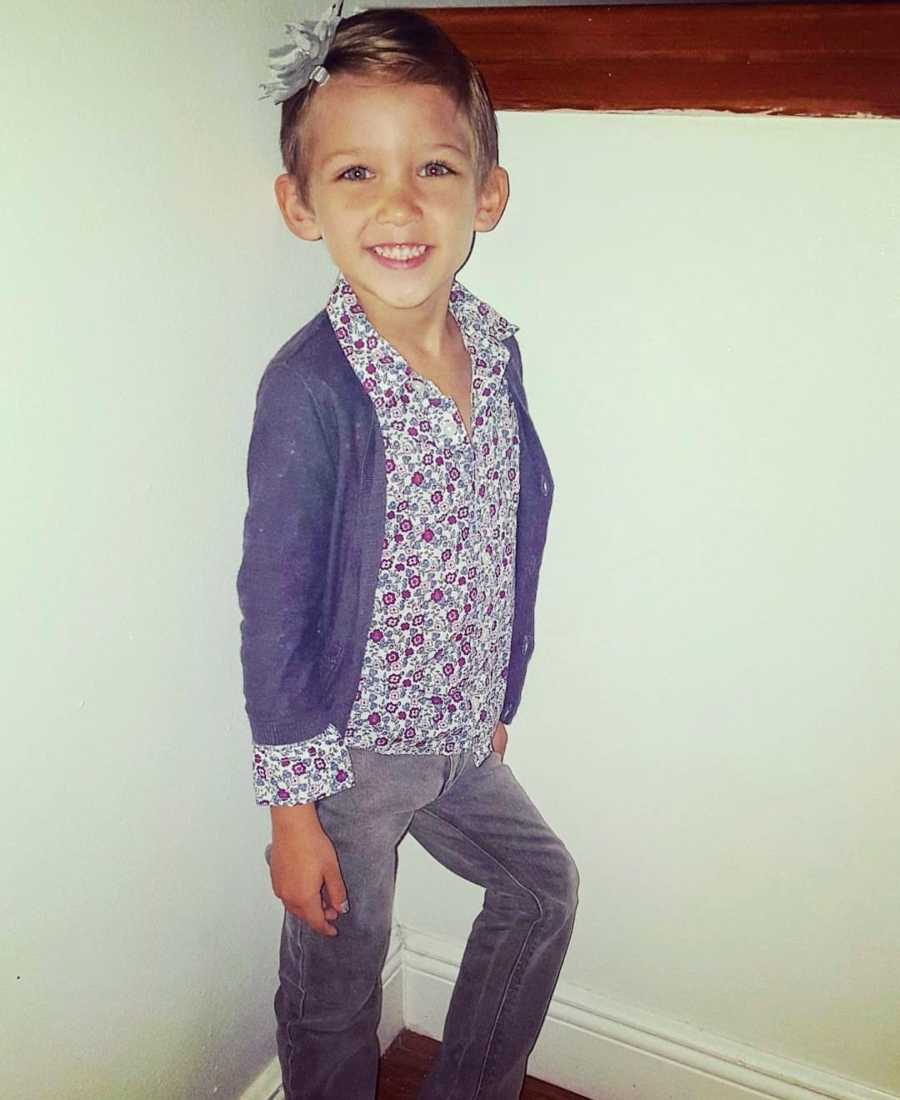
This journey forced us to examine our own biases and question assumptions about gender. We embraced the role of “trans-parents,” learning and advocating so Dempsey could thrive authentically. At age seven, she officially changed pronouns and updated her legal documents with the support of her medical team. From the moment she was allowed to express her true self, she flourished—emotionally, socially, and creatively. Dempsey is loved and supported by family, peers, and teachers. The difference in her life compared to unsupported transgender youth is staggering: 58 percent of trans children without support attempt suicide, compared to just 4 percent who are nurtured in safe, accepting homes.

Sadly, judgment and ignorance remain prevalent. Many assume Dempsey is too young to know who she is, confuse gender identity with sexual orientation, or falsely believe we’ve altered her body with irreversible treatments. None of these assumptions are true. Most of the criticism is directed at us, as parents. It can be exhausting, but we are grateful for the protective bubble we’ve built for Dempsey, where she can thrive safely.
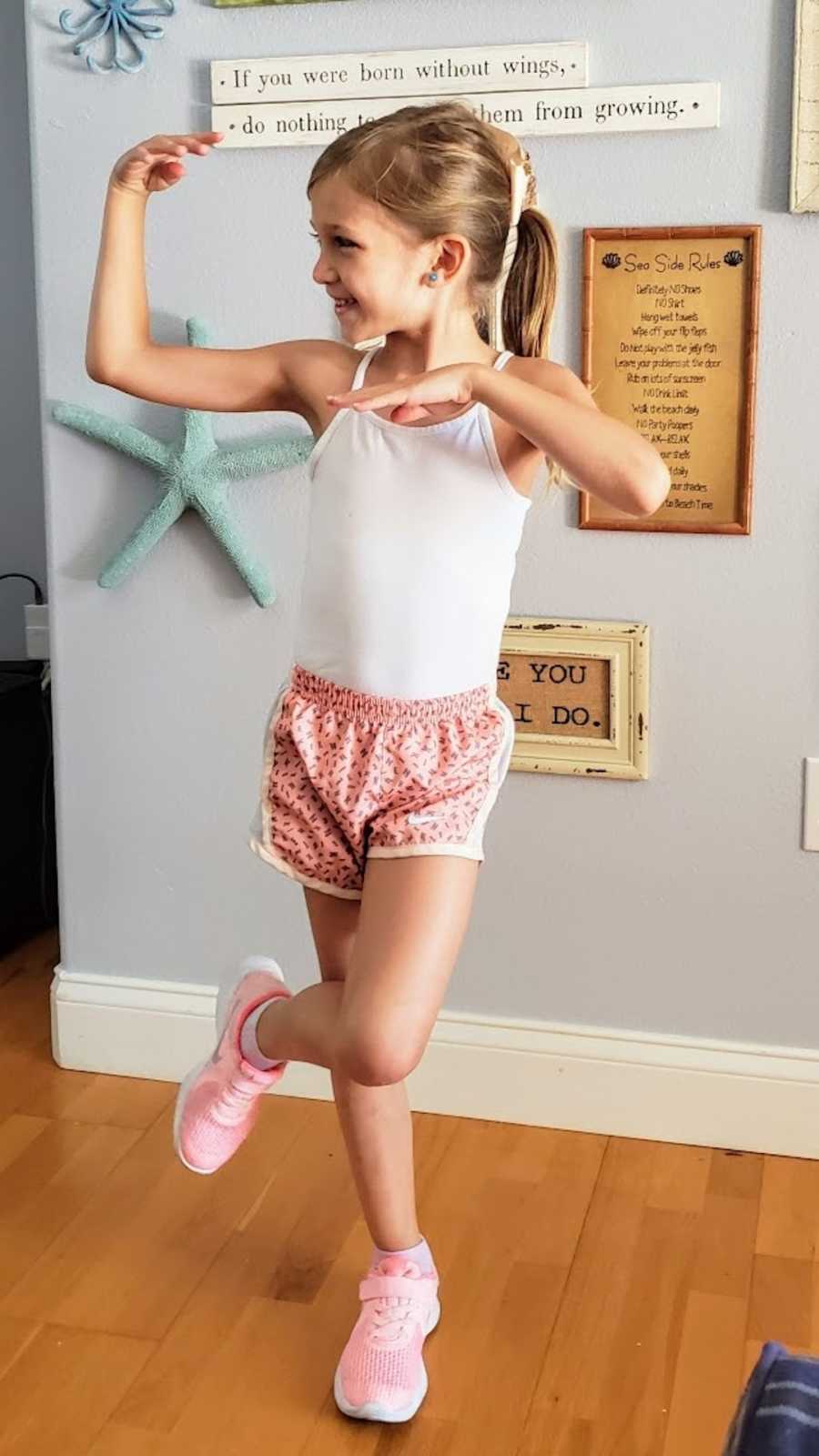
Understanding the broader struggles of LGBTQ youth has deepened my resolve. Transgender people, particularly trans women of color, face shocking rates of violence and discrimination. I speak publicly to counter misinformation and advocate for the rights and well-being of transgender youth. We have participated in panels, addressed school administrators, medical professionals, and the public, and even shared our story in a YouTube documentary series. The goal is to change hearts, minds, and policies so transgender youth can live authentically and safely.

Privilege is an important reality we acknowledge. Dempsey was born with blonde hair, green eyes, and white skin—advantages that shield her from some of the harsh realities faced by many transgender people. She transitioned socially at an early age, has access to excellent medical care, and can be protected from harmful legislation due to our economic resources. While these privileges bring safety, they are not universal, and countless transgender people face unimaginable challenges without support.
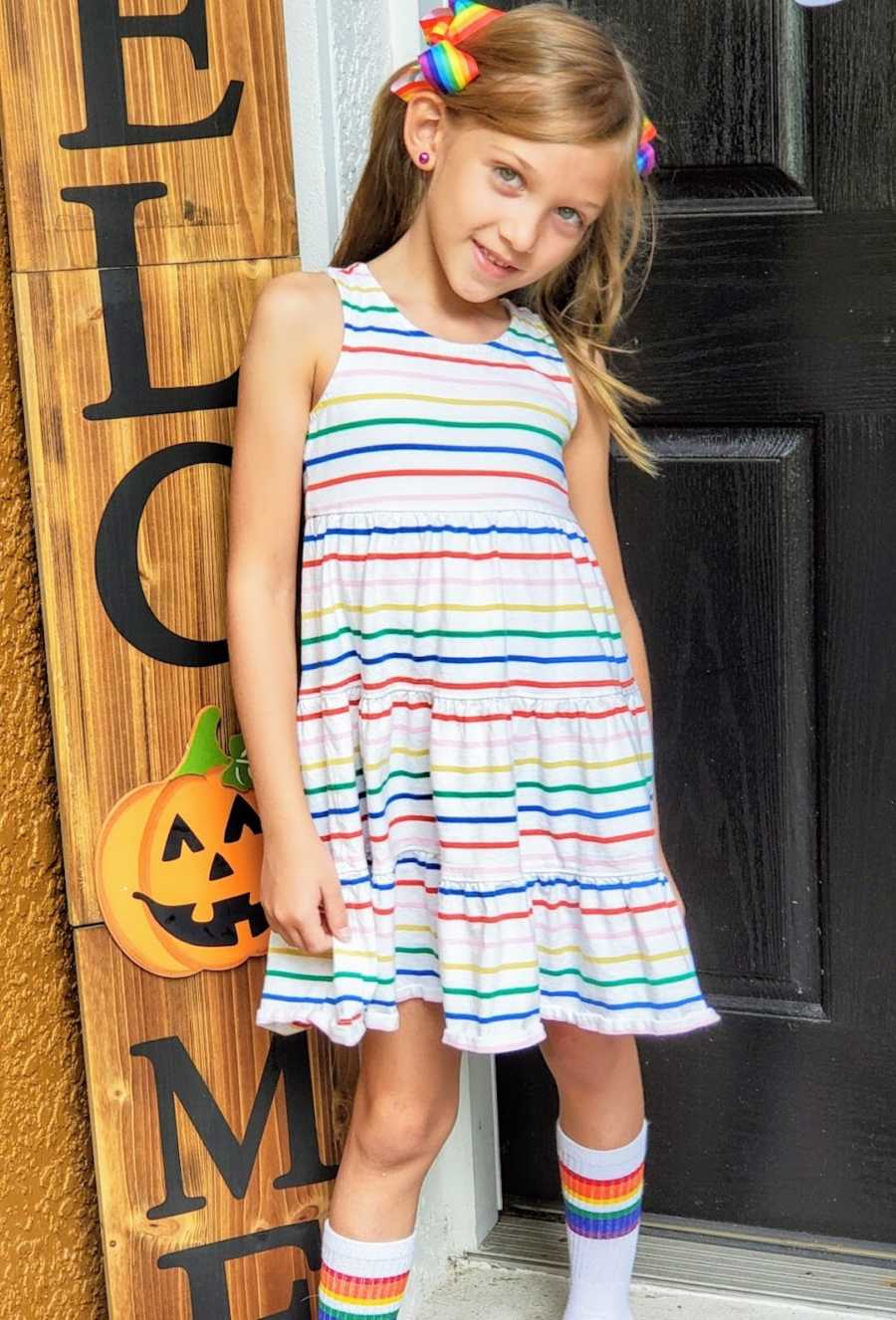
Dempsey has been told by strangers that she doesn’t “look transgender,” a notion that is absurd. Transgender people, like everyone else, are diverse in appearance. What matters most is living authentically. Our family’s journey has been challenging, humbling, and transformative, and it has deepened our empathy and commitment to advocacy. Every transgender person deserves happiness, safety, and dignity—just like anyone else. The world must learn to embrace, support, and celebrate transgender people, because lives truly depend on it.