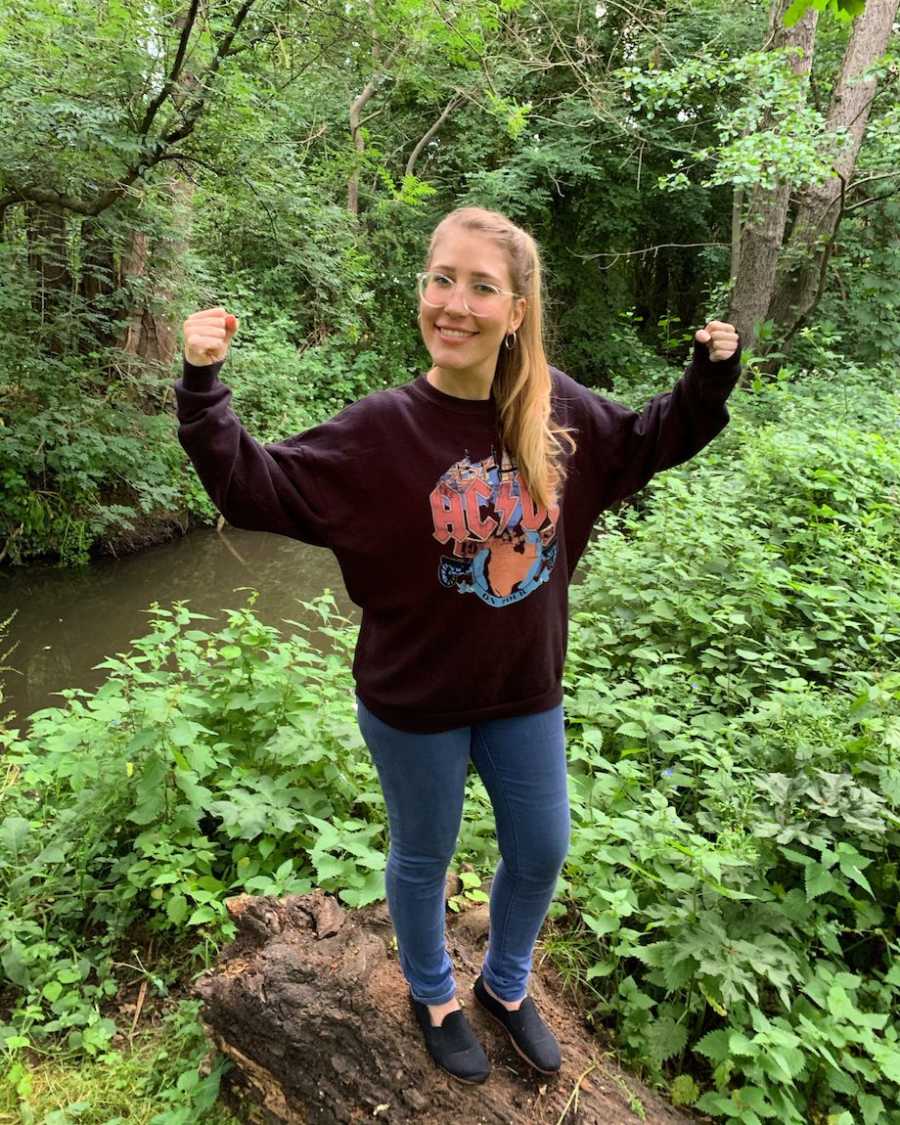
I was so happy—almost the happiest I had been in a very long time. The year before, I had made a major life change: I moved from the Sultanate of Oman, where I had lived for eight years, to Azerbaijan. I wanted to be closer to my mom and my best friend, and I also needed to escape a deeply toxic relationship. Life initially felt full of promise. I had a wonderful Year 1 class that I was teaching full-time, I was promoted to Key Stage 1 coordinator, I met the love of my life, and I had just returned from an incredible summer holiday with my best friend and family. That trip had been an adventure from start to finish—climbing mountains, chasing waterfalls, swimming, exploring, and even taking a hot air balloon ride. For a moment, everything seemed perfect. But unfortunately, that feeling of happiness was short-lived.

When I returned home from the airport, I stepped into my apartment and froze. Looking up at the ceiling, I realized the kitchen and my bedroom were full of black mold. The apartment above mine had leaked, and my own place had been locked up, damp, and sweltering in the summer heat without ventilation. I immediately contacted the school I worked for, explaining the situation, but I was brushed off and told it would be sorted. Weeks passed, and after endless follow-ups, the caretakers finally came—not to truly fix the problem, but to “clean” it by putting wallpaper over it and painting over the mold. I pleaded with them to move me to another apartment, but no one took me seriously, and eventually, I gave up.

Within two months, my health began to decline dramatically. I was no longer able to be active like I had been. After even a single gym session, I would end up with cold or flu-like symptoms. The decline worsened, but I kept pushing through, determined to understand what was happening. I visited doctors multiple times, only to be told I was depressed—even though I wasn’t feeling that way at all. Soon, I could no longer sleep at night, my heart raced constantly, I felt wired and stressed for no reason, and often I physically could not get out of bed. I had to reduce my workweek to four days, resting over weekends and one additional day during the week, because otherwise I couldn’t stand for longer than two minutes.
Desperate for answers, I poured over tests and medical advice, until my mom discovered an illness called Myalgic Encephalomyelitis (ME), also known as Chronic Fatigue Syndrome (CFS). Reading the symptoms, I realized I had every single one—but I didn’t want to accept it. ME/CFS is a lifelong, neurological, debilitating condition that affects all body functions. Acceptance was terrifying; managing it requires stopping most, if not all, activity, including full-time work.
As I was forced to slow down, I found myself drowning in past traumas from my childhood. I believe this happened because I no longer had distractions like exercise, travel, or social activities that had previously helped me cope. I was left alone with my thoughts, and every evening I would call my partner in the UK and cry until I had no energy left. Visits from my mom and best friend were brief; fatigue kept me from speaking for long periods. Ultimately, I decided to finish the academic year and move to England to be with my partner and sisters, hoping for a less stressful job and a fresh start.
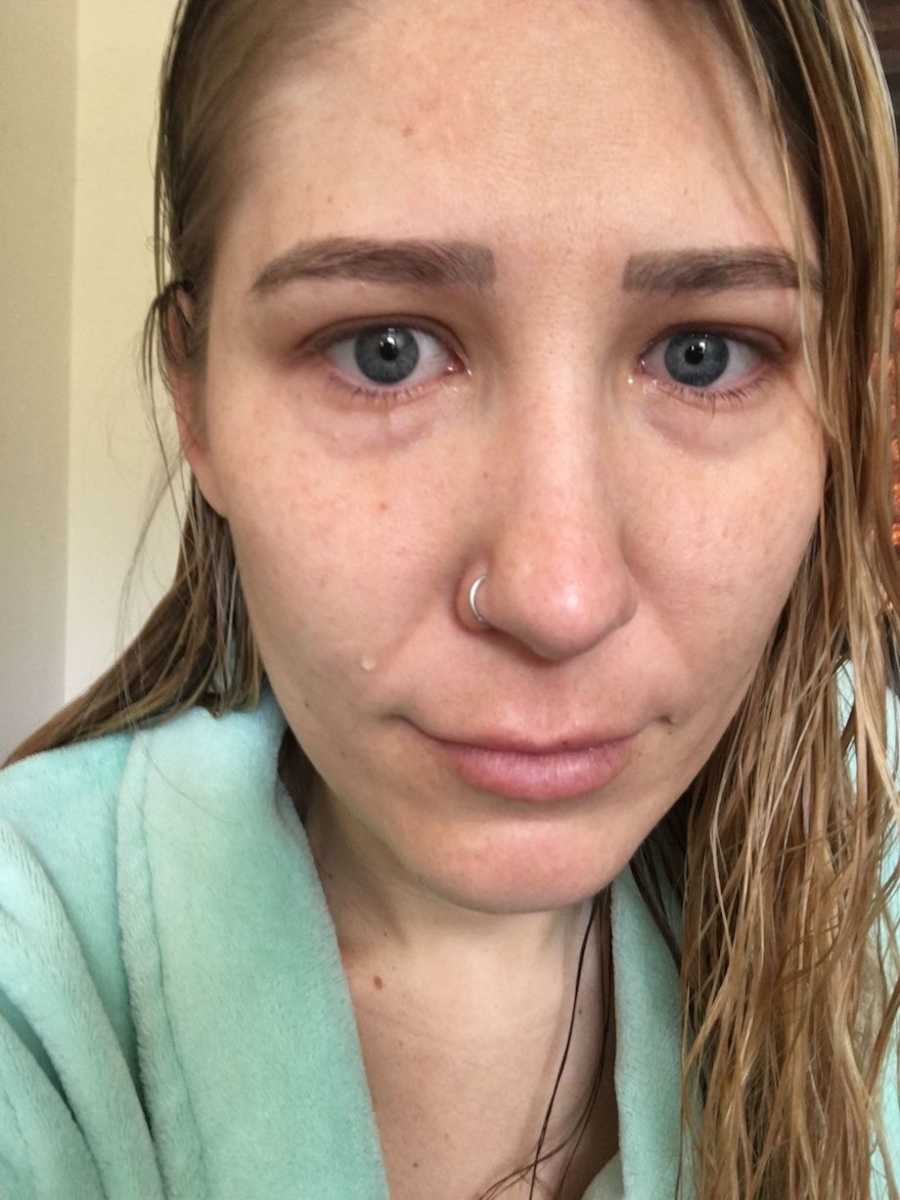
Once in England, my health plummeted even further. I began collapsing at the bottom of stairs after short, three-hour shifts and could barely walk up them. Simple tasks like lifting my arms to drink, showering, or even standing after minimal activity caused me to “crash.” After two long years of this struggle, I became completely bedridden. I could not stand, walk, dress, bathe, or even speak normally. I could whisper only briefly. I couldn’t watch TV or listen to music because of extreme light and sound sensitivities caused by CFS.
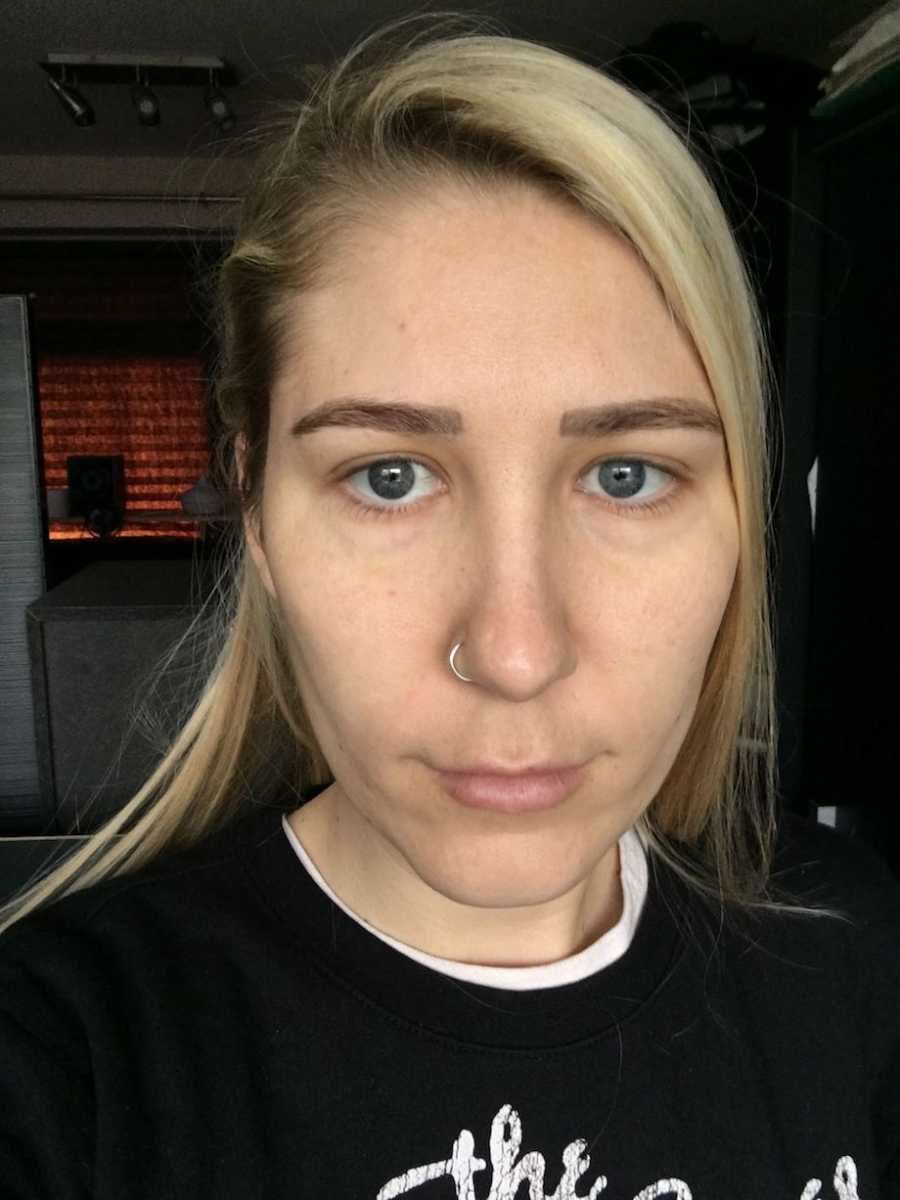
Night after night, sleep eluded me, my body flooded with adrenaline. Visits to doctors exacerbated my condition through “post-exertional malaise,” the debilitating payback the body suffers after physical activity. A year passed before I finally received an official ME/CFS diagnosis. I tried everything—light and sound hypnotherapy, clean eating, supplements, meditation, and cognitive behavioral therapy—but nothing worked. I remember lying in bed, staring at the ceiling, thinking, “This is not living. This is merely surviving day by day. How is this fair? Time is passing, and I cannot even live the simplest life.”
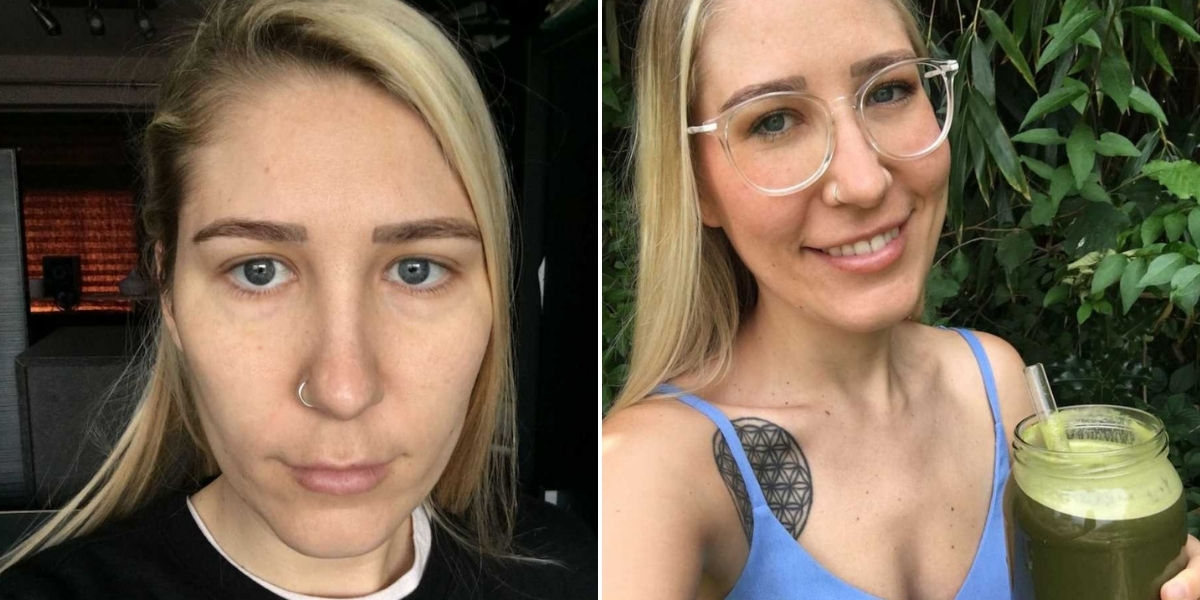
The devastation was unimaginable. I lost everything I once loved. Simple tasks, like using the toilet, required help. I avoided mirrors because I didn’t recognize the reflection. I felt like a shadow of my former, fit, active self. I felt like a burden to those around me and was devastated by my inability to communicate with the people I loved.
CFS can be triggered by viral infections, but in my case, it was caused by a toxic combination of black mold exposure, overexertion, emotional stress, and unresolved childhood trauma. These factors kept my body in a perpetual fight-or-flight state, diverting energy away from normal bodily functions. Symptoms included heart palpitations, sluggish digestion, extreme muscle weakness, insomnia, brain fog, sensitivity to light and sound, forgetfulness, muscle pain, lymph node pain, irregular breathing, a weakened immune system, post-exertional malaise, and debilitating fatigue.
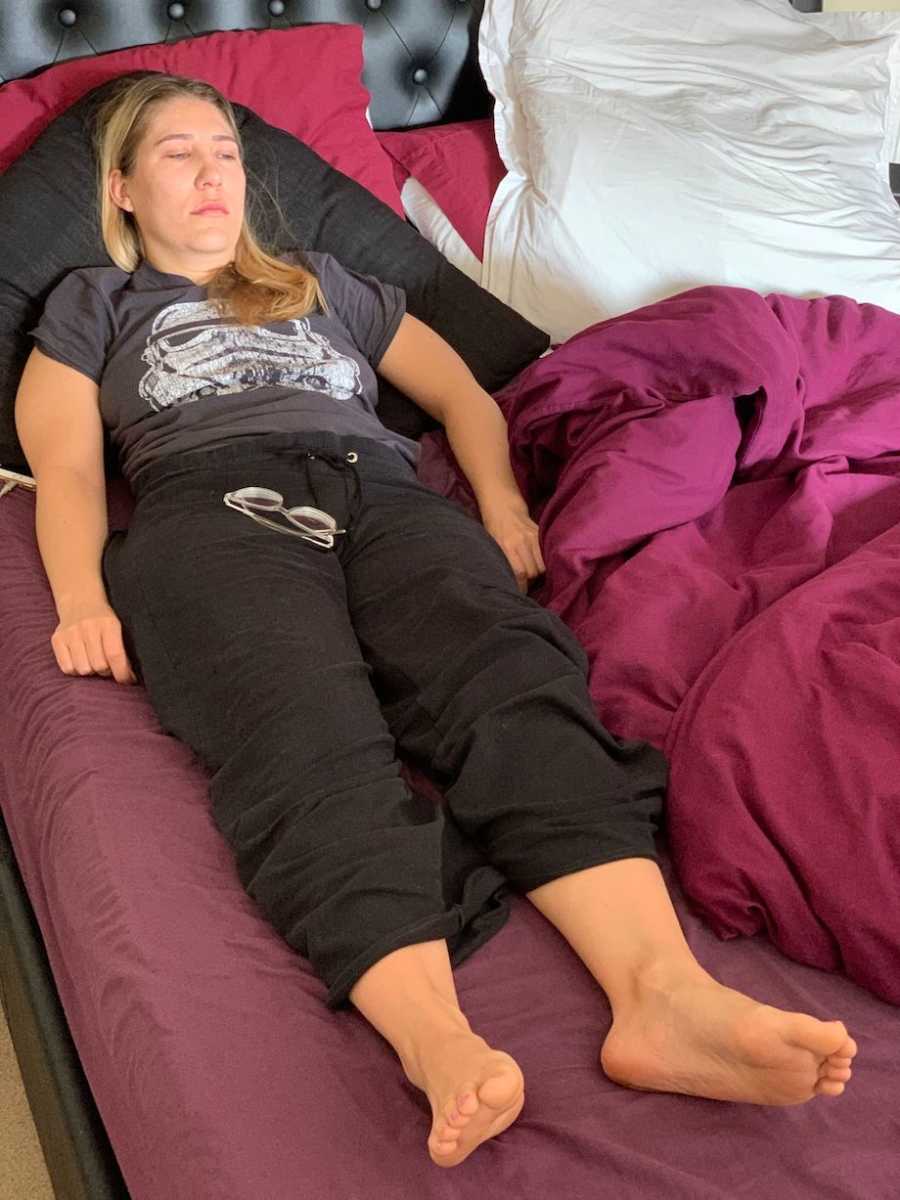
Looking back, I recognize how harshly I treated my body. I had unrealistic expectations, focusing more on appearance than health. Years of sexual abuse had created a toxic body image and unhealthy relationship with exercise and food. I distracted myself from emotional healing by staying constantly busy and by remaining in an abusive relationship, trying to fix someone else instead of myself. When illness forced me to stop, I had no choice but to confront my past.

Through it all, I was incredibly fortunate to have unwavering support from my partner and family. My partner was there, physically and emotionally, every step of the way. He prepared meals, comforted me, bathed me, brushed my hair and teeth, and even assisted me to the toilet during my worst months. His love and care kept me alive, and I will be forever grateful for him.
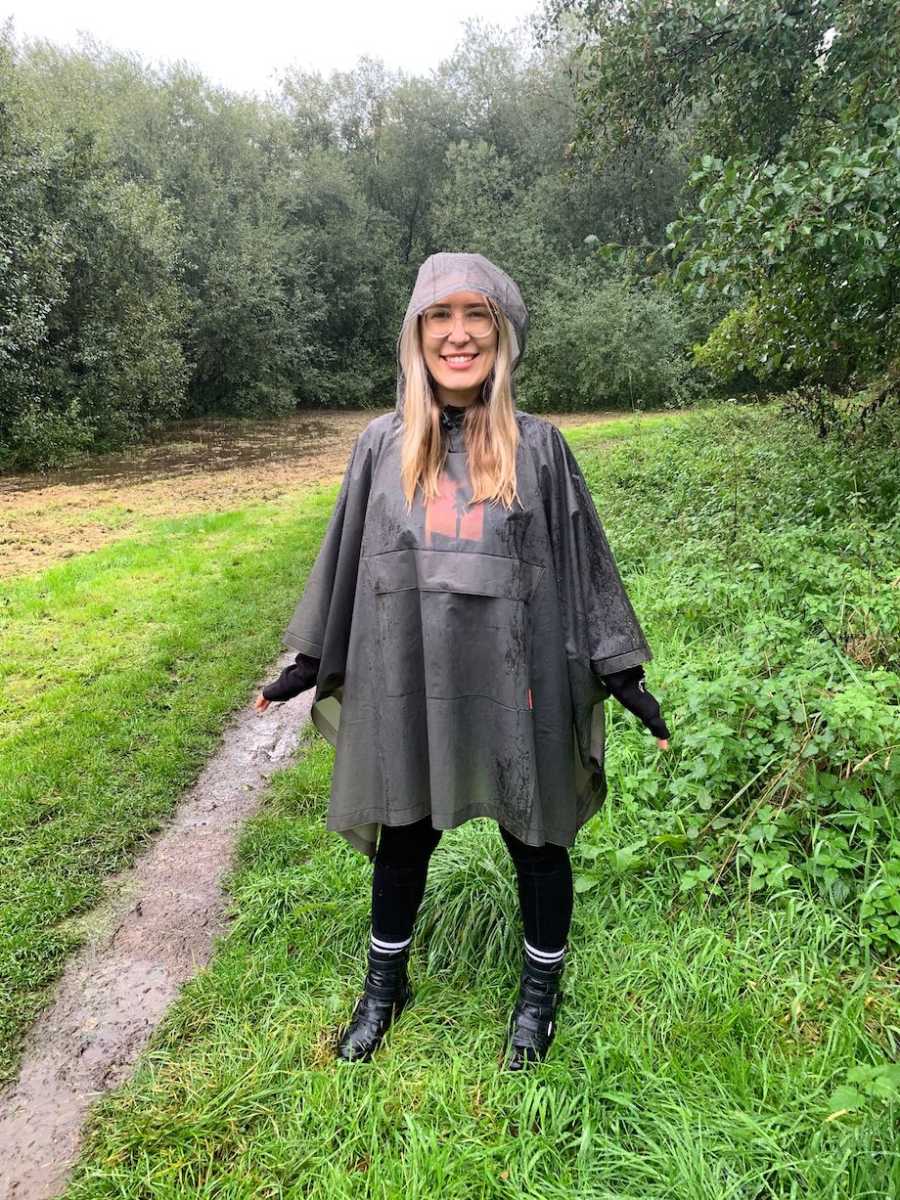
Months into research and trial, I discovered The Lightning Process, a training course using neuroscience and mind-body connection to rewire neural pathways and restore health. I was skeptical, but desperate, so I tried it. After just the first day of the three-day seminar, I could prepare my own meals and take a short walk. On the second day, I felt like myself again and visited a friend, then walked even further. By the last day, my partner and I rearranged our bedroom for a fresh start, hosted a barbecue, and that night, I danced in my bedroom and cried with sheer joy. Life had returned. I could do things I had only dreamed of during my illness, like jumping on a trampoline, and it was a reality.
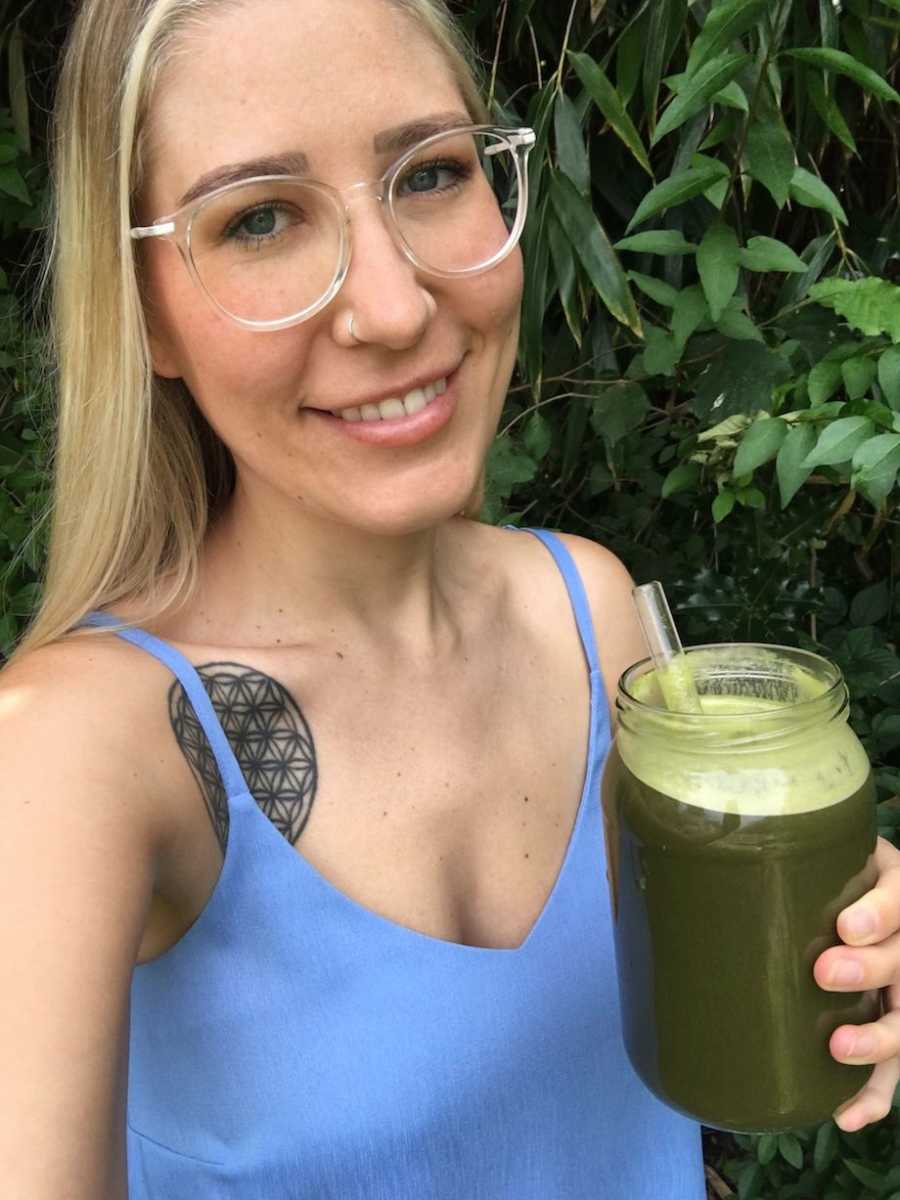
The Lightning Process requires consistent effort to reinforce neural changes, but for me, results were fast. I continue to use it as a tool for other challenges, whether anxiety, low self-esteem, or lingering body image issues. I share my story to offer hope to anyone suffering from this debilitating illness—recovery is possible, and there is hope.

I would never wish this illness on anyone, and I am still processing the trauma it caused. Yet, in hindsight, it was a blessing. Chronic illness gave me the chance to heal fully, emotionally and physically. Today, I am deeply, truly happy. I cherish every moment, treat my body with kindness, and never take anything for granted. It’s now been six months since reclaiming my life, and I have never felt more grateful or alive.