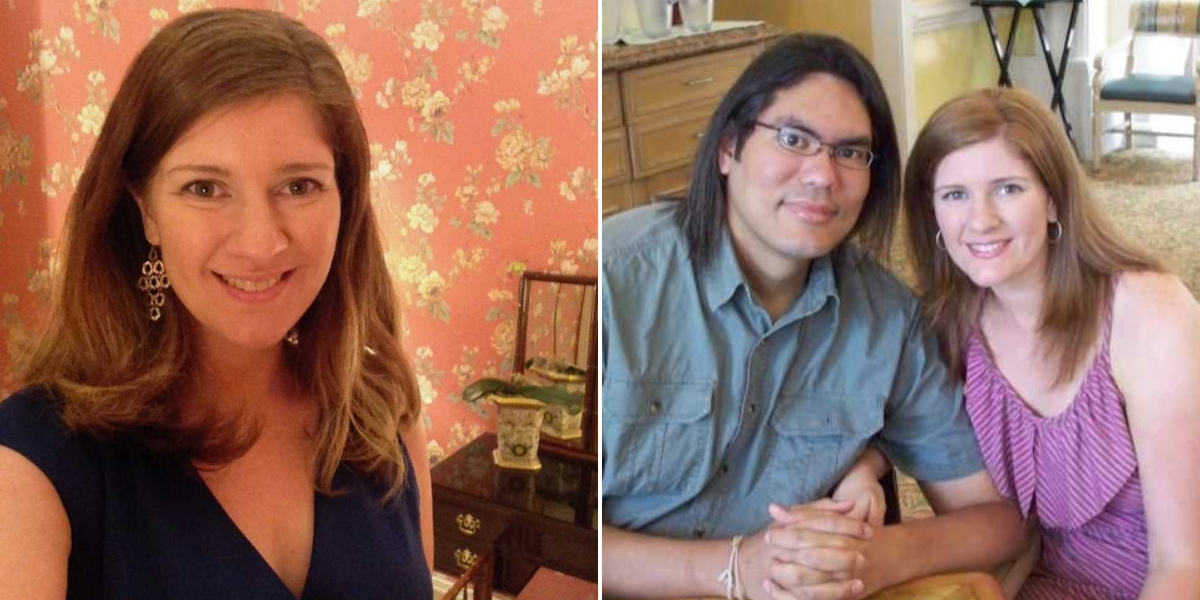
Jenny and I met just over eight years ago, under circumstances that still make us shake our heads in disbelief. At the time, I lived in northern Indiana, and she was down in southern Louisiana. We often joke about how, technically, we shouldn’t have met at all. Each of us had been using different online dating websites, only to later discover that they were both owned by the same parent company—and somehow, our profiles had been shared across both platforms.
I first saw Jenny’s profile and was immediately drawn to her smile and her eyes. I didn’t message her at first—I just kept coming back, day after day, to look at her profile. Jen later teased me, calling it my “stalking phase.” Looking back, I can see why she says that—but in my mind, I was simply captivated by the warmth in her smile.
One Friday morning, I woke up, checked my emails, and saw a notification from the dating site. With a mixture of apprehension and excitement, I clicked to see who had sent a message—and it was her. My eyes widened, I rubbed them, and double-checked. Jenny had written: “Hi, I’m Jenny. If you’d like to be friends, message me anytime.” That short, simple note changed my life forever.

Over that weekend, our messages quickly evolved. What started as short replies grew into paragraphs, then pages. We shared photos—childhood snapshots, recent pictures—talked about our pasts, our jobs, favorite movies and bands, and what had brought us to the dating site in the first place. Our conversations were alive, a back-and-forth that made hours feel like minutes.
When I first joined the site, I told myself I was “just looking for a friend.” Years earlier, I had concluded that dating, relationships, or marriage weren’t meant for me. I let my disability—a progressive muscular dystrophy called facioscapulohumeral (FSH) dystrophy—dictate that belief. My symptoms started at age 20, and by 33, I was a wheelchair user. My immaturity and fear had built walls I thought were unbreakable.
One evening, while we were messaging, I admitted to Jen that I worried about “bringing baggage” into a relationship. Her response was simple, yet profound: “We all have baggage, and the other person you’re in a relationship with helps you carry it.” For the first time, I felt the walls I had built begin to tremble.
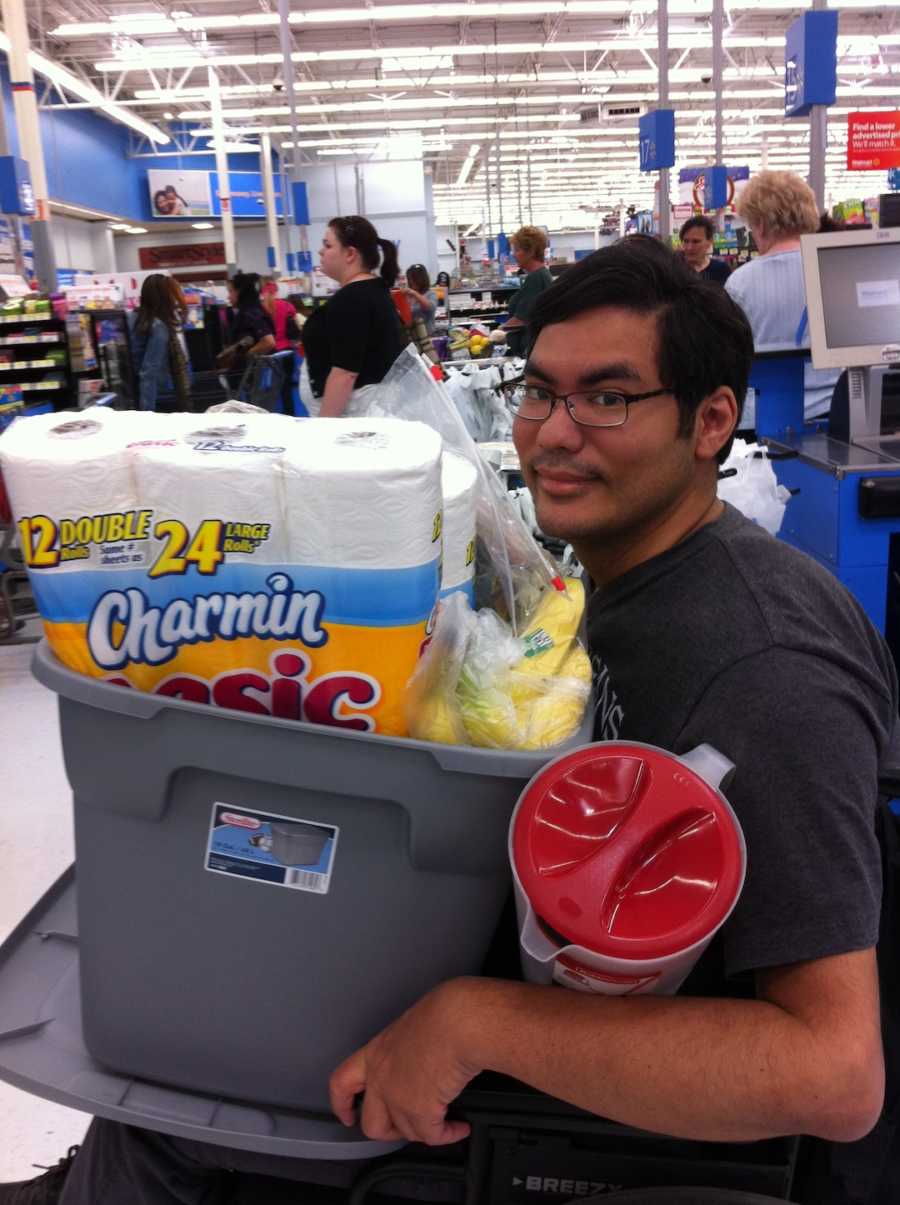
Soon, we realized that our texting fingers might give us early-onset carpal tunnel if we didn’t talk on the phone. Jen sent me a message with her number while I was out grocery shopping. “Let’s talk tonight,” it read. My emotions that day weren’t just excitement—they were a swirl of disbelief, nerves, and joy. I felt almost “inflated,” my mind racing with the possibilities of what we might say.
The first call was nerve-wracking. I dialed her number, it went to voicemail, and I took a deep breath. Moments later, my phone rang—Jenny had called me back. I let it ring a few times, crafting the “perfect” introduction in my mind, and then picked up. “Hello?” I said. “It’s me!” she answered, her voice stretching the words in that unforgettable way: “It’s meeeeee!” Despite my awkward start, we talked for nearly three hours. Our conversations only grew longer—eventually lasting 13 hours straight. Talking to Jen felt like reconnecting with an old friend after years apart.
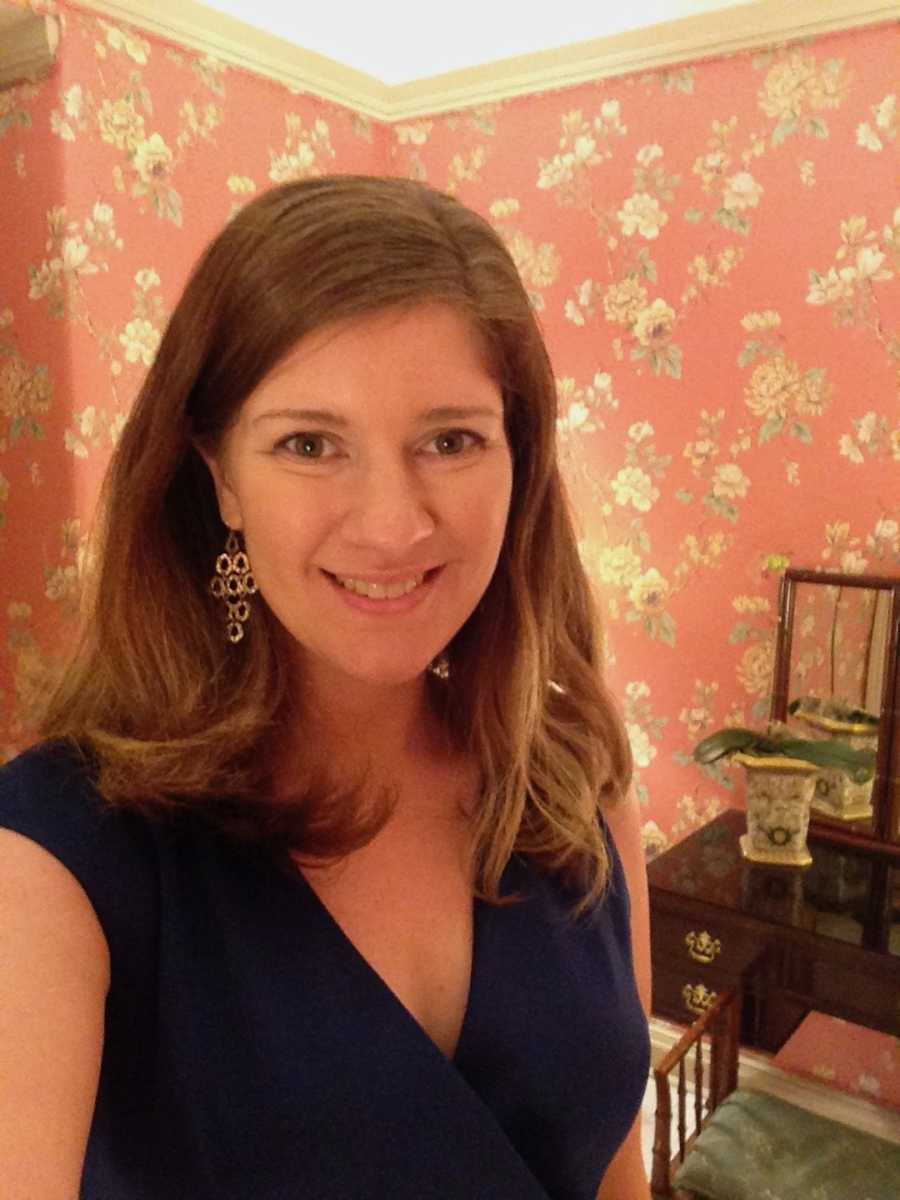
Soon, we moved to video calls. Jen was shy on camera, which only made her more endearing. I tried to keep her laughing, and for the first time, we saw each other as close to in-person as possible. It was during one of these calls that we both said, “I love you.” Neither of us was looking for love, yet there it was, unexpectedly, fully formed.
After nearly a decade without a serious relationship, I didn’t know how long-distance love would work. But every call, text, and shared selfie strengthened our bond. The obstacles that might have held me back—my disability, my fears, my insecurities—were eclipsed by my growing love for Jen.
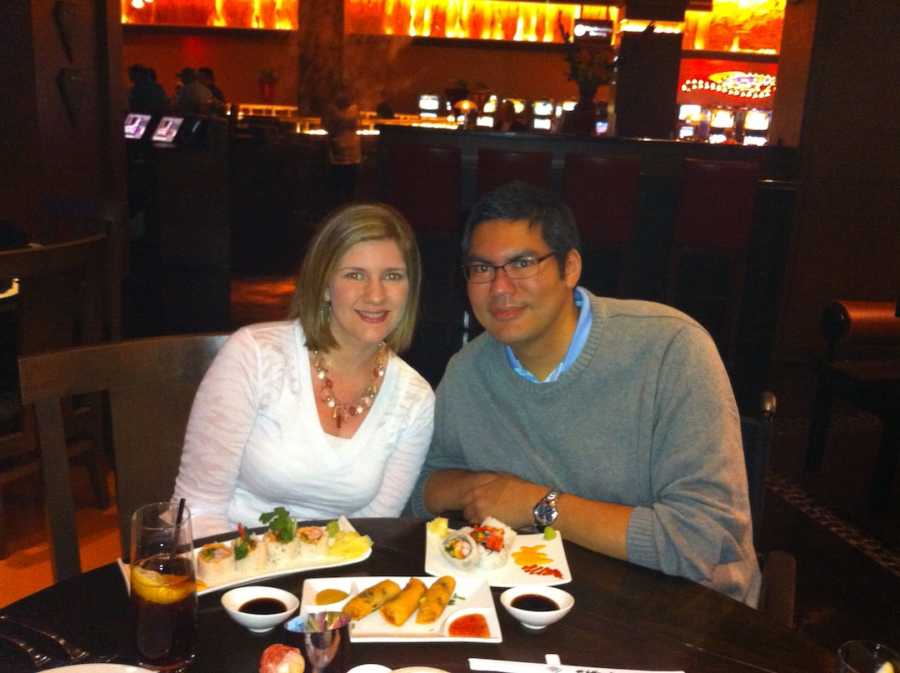
Flying to meet her for the first time was terrifying. A previous flight to Disney World had been a nightmare for me as a wheelchair user. I considered traveling by bus or train, but Jen convinced me to face my fear. What was supposed to be a six-hour journey turned into an all-day adventure, but I finally arrived in New Orleans just after midnight. My attendant, Henry, helped me navigate the airport, and then I saw her—Jen, waiting, smiling. Time seemed to blur around us, the world shrinking until it was just the two of us.
That first visit to Biloxi was magical. We worked together to navigate my disability—wheelchair transfers, getting in and out of cars, figuring out our routines. Over the summer, we visited each other two more times. On my birthday, Jen surprised me by flying to Indiana. The day before she left, we cried, knowing we’d be apart again. I whispered, “I’ll fix this,” meaning I would move to be with her, no matter what.
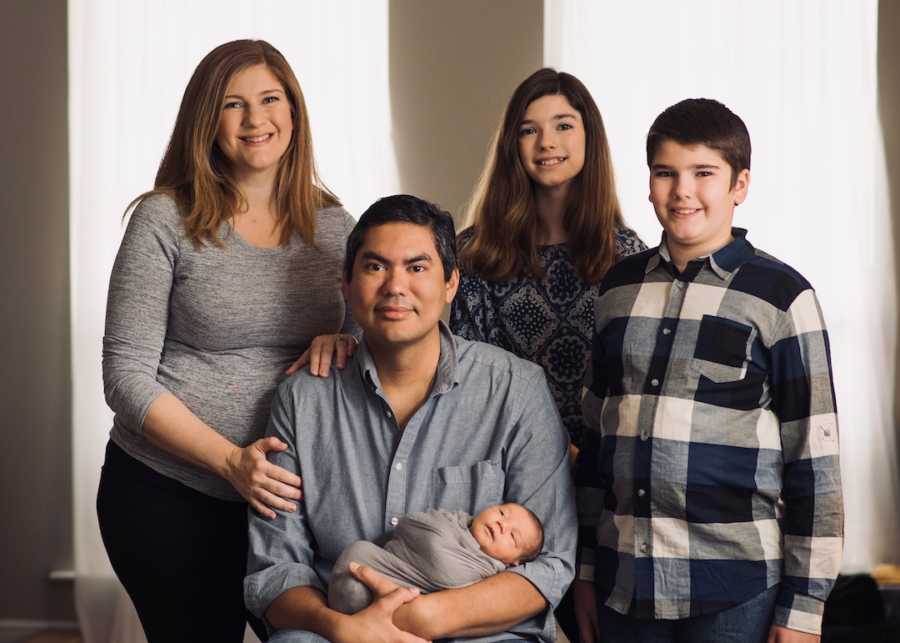
By fall, I had packed up my life in Indiana. Friends and family threw a going-away party that was both joyful and bittersweet. My youngest brother drove me to Louisiana, helping me settle into my new home. Jen gradually introduced me to her children, Nathan and Noelle, and her family. My fears of rejection melted away quickly; they embraced me as one of their own. I had found a home not just with Jen, but with her family.
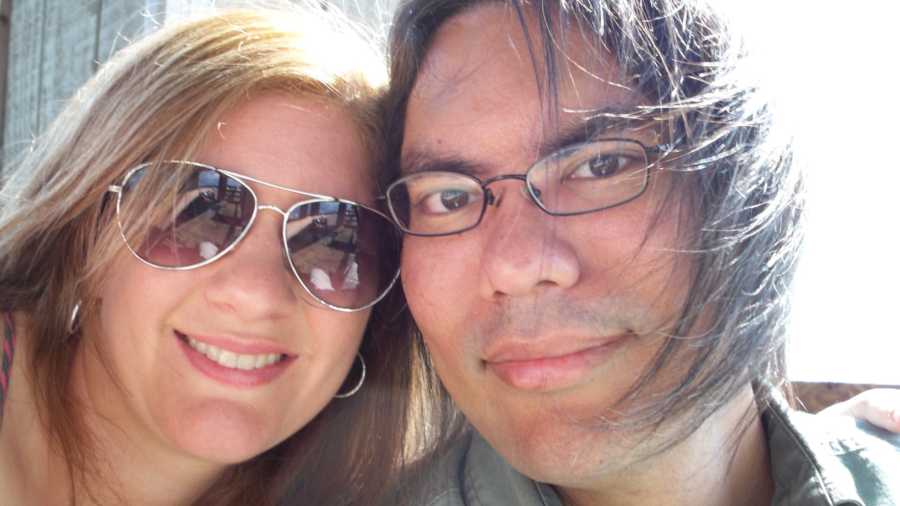
Adjusting from long-distance to living together had its challenges, but our love only grew stronger. I became “T-dad” to Nathan and Noelle, a role I cherish deeply. We talked about marriage and family, dreams I thought were impossible given my disability. I finally had the sense of purpose and belonging I had longed for.
Living with a progressive disability always adds a sense of urgency. I know I’m on a different clock, which motivates me but also brings stress. Stress can accelerate my condition, so it’s a delicate balance.
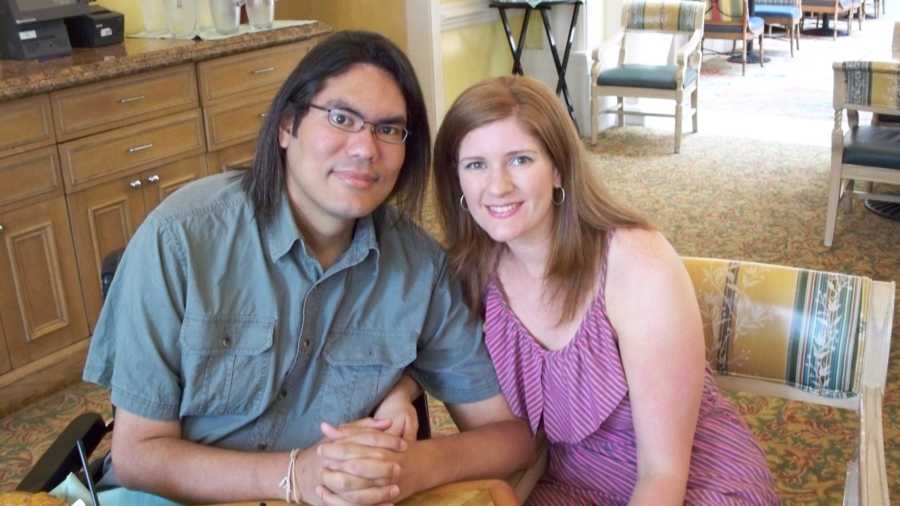
The day Jen and I married was a whirlwind of joy, hope, and yes, fear. I wrote vows not only to her but to Nathan and Noelle, promising my love and commitment to them all. Marriage, I’ve learned, isn’t a finish line—it’s the start of a new journey. My disability adds challenges, but also deepens our connection, teaching us to unite rather than divide when difficulties arise.
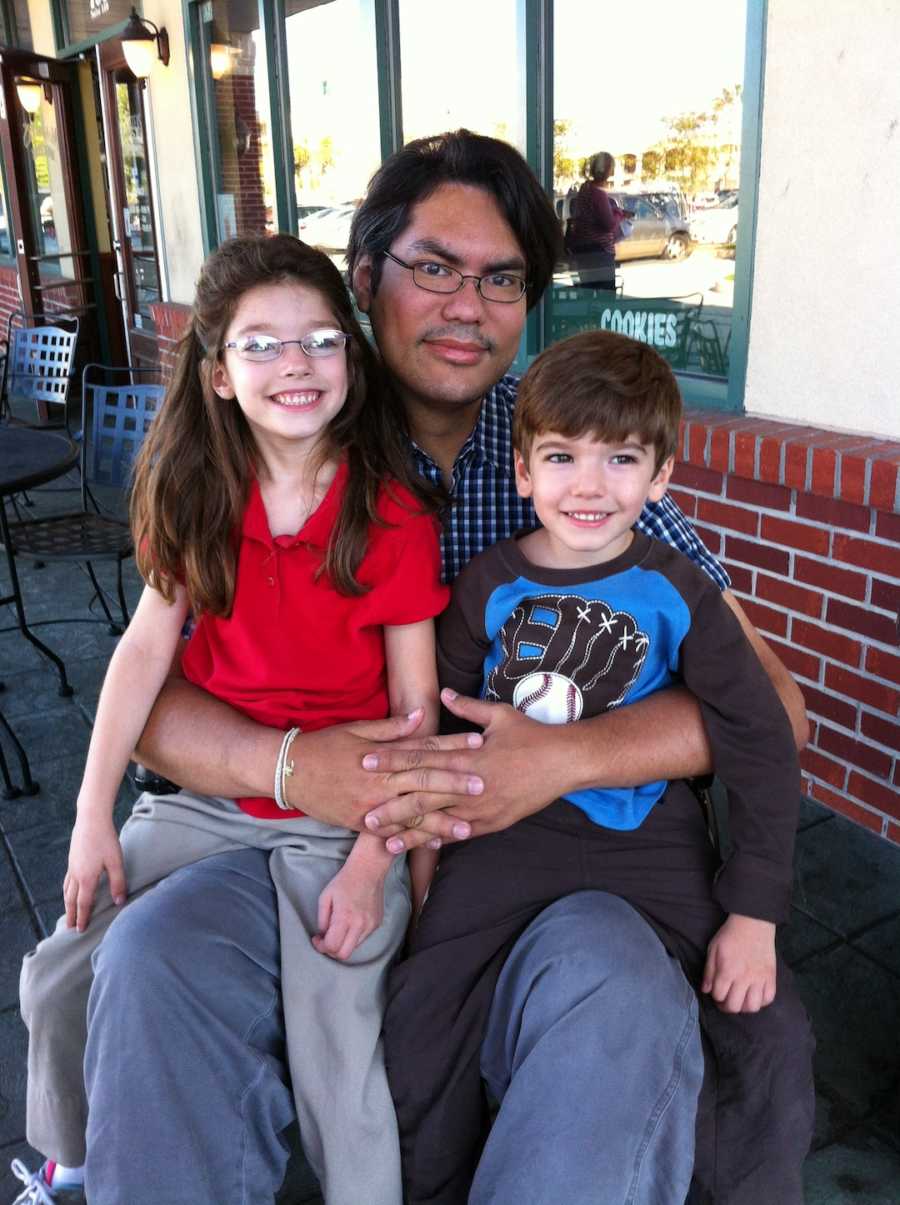
The birth of our son Alex was both terrifying and beautiful. Seeing him for the first time erased every doubt—about my ability to parent, about his future, and about what I could give. Love, I realized, has the power to reshape everything. Fears remain, but they become motivation to give my best, to focus on Jen and the kids, and to embrace life fully.
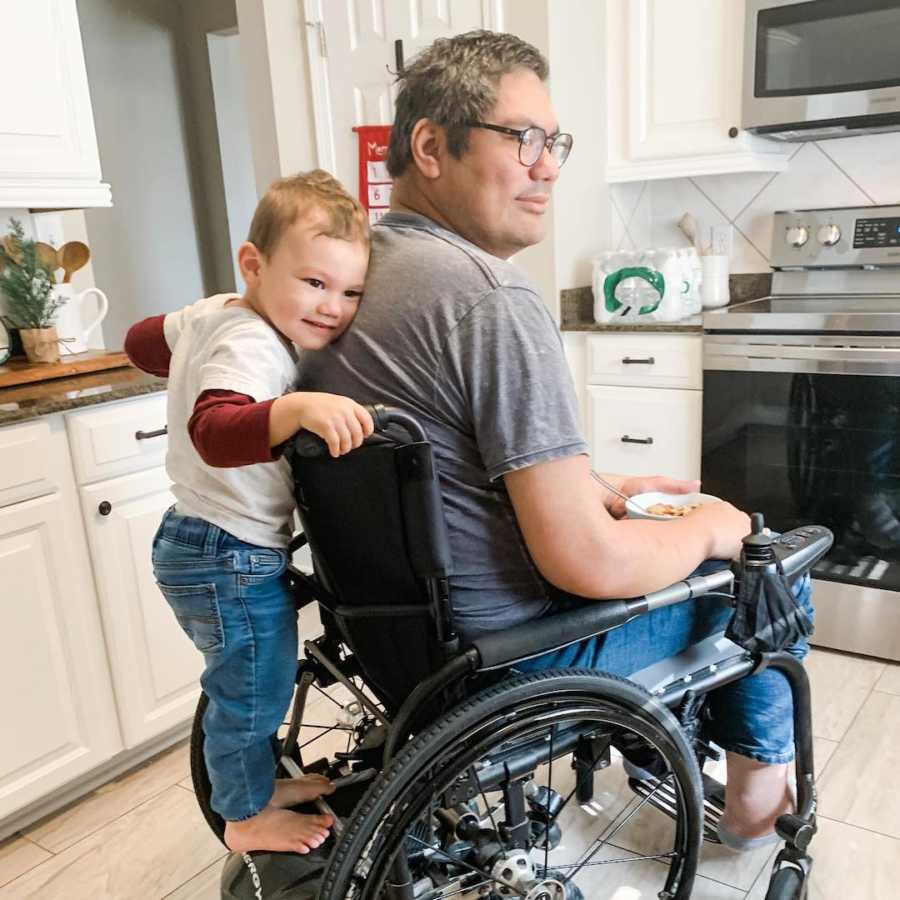
Never underestimate what life has in store when you choose to embrace it. Eight and a half years ago, I never could have imagined being married with three children, attending school, and working at one of NASA’s space centers. But here I am, living a life far richer and fuller than I ever dreamed possible—because of love, courage, and Jenny.